




Menu

Wet Carpet & Padding Problems in Kansas City – Expert Diagnosis & Permanent Solutions

From hidden mold growth to structural damage, we identify the root cause of your wet carpet and padding issues and fix them correctly the first time.

Slider Image 1
Slider Image 2
Slider Image 3
Slider Image 4
Slider Image 5
Slider Image 7
Slider Image 8
Slider Image 9
Slider Image 10
Slider Image 11

Why Your Carpet Stays Wet in Kansas City Homes

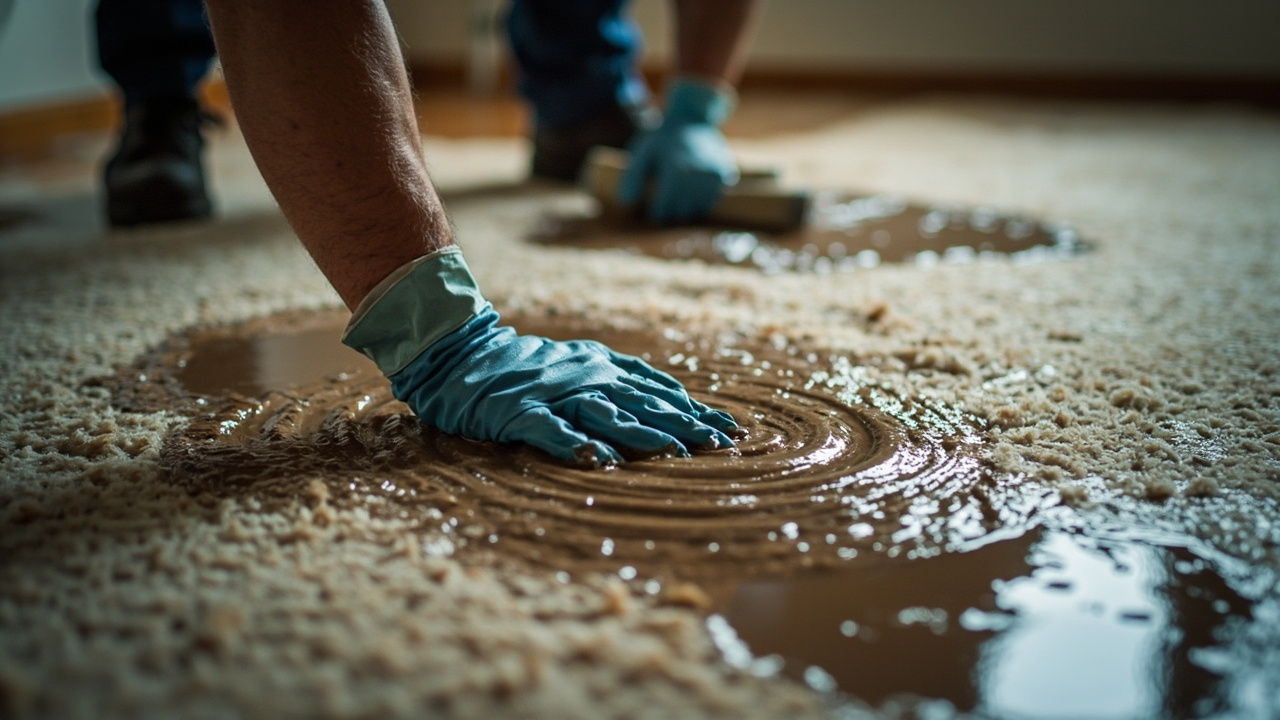
You walk across your carpet and feel that cold, damp sensation under your feet. The soaked carpeting and underlay never fully dry, even days after you thought the problem was fixed. This is not normal, and it is not something you should ignore.

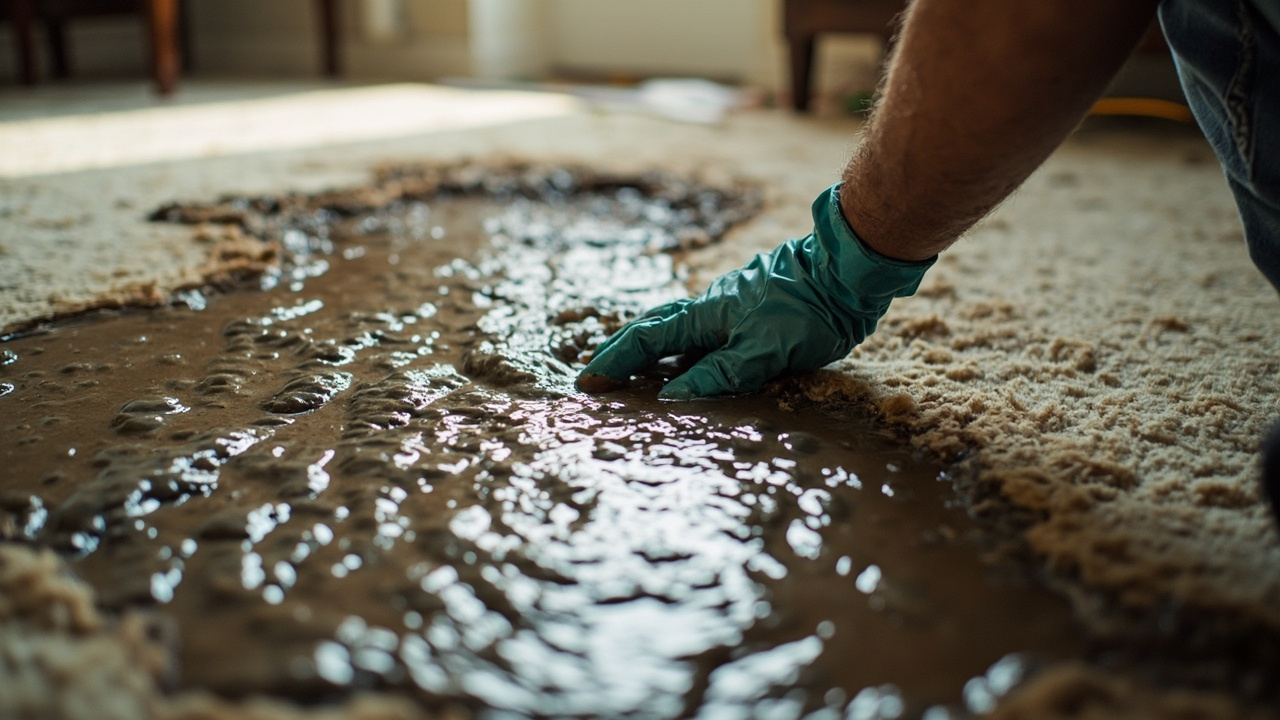
Kansas City's humid summers create the perfect environment for moisture to become trapped beneath carpet fibers. When water saturates the carpet and cushion, it does not just sit on the surface. It seeps down through the backing, into the pad, and spreads horizontally across your subfloor. The clay soil common throughout the Kansas City metro causes foundation settlement and basement seepage, which means water finds its way up through concrete slabs and into your flooring system.

Most homeowners try fans, dehumidifiers, or towels. These surface-level attempts do not address the real problem. Water damaged carpet and pad act like sponges, holding moisture against wooden subfloors for days or weeks. This creates three critical risks: mold colonization within 24 to 48 hours, subfloor rot that compromises structural integrity, and off-gassing that affects indoor air quality.

The flooded carpet and underpad you are dealing with came from somewhere. A burst supply line, a failed sump pump during spring storms, an overflowing toilet, a leaking water heater, or chronic foundation moisture. Until you identify the source and remove all affected materials, you are just managing symptoms. The wet carpet underlayment beneath your feet is breaking down, releasing particulates and odors into your living space.

You need a diagnostic approach, not a quick fix.

Why Your Carpet Stays Wet in Kansas City Homes
How We Diagnose and Remediate Saturated Carpet Systems

How We Diagnose and Remediate Saturated Carpet Systems

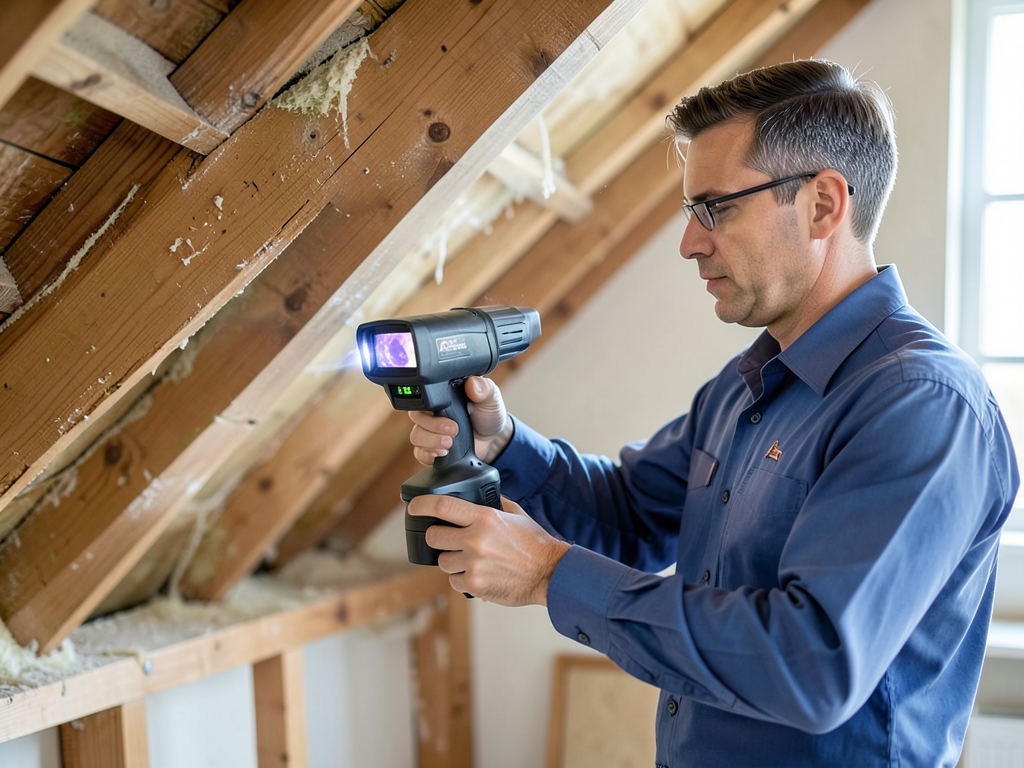
We do not guess. We measure. Using thermal imaging cameras and penetrating moisture meters, we map the full extent of water intrusion beneath your carpet. This tells us whether the saturation is localized or widespread, whether the subfloor is compromised, and whether microbial growth has started.

For soaked carpeting and underlay, we pull back sections to inspect the pad and subfloor directly. Carpet can feel dry on the surface while the cushion beneath remains saturated. We check moisture content in the wooden subfloor or concrete slab using calibrated sensors. If readings exceed 15 percent in wood or 4 percent in concrete, we know drying equipment alone will not solve the problem.

Next, we trace the water source. If the issue is a plumbing failure, we coordinate with licensed plumbers. If it is foundation seepage common in Kansas City's expansive clay soils, we document it for your insurance claim and recommend a drainage specialist. If it is a roof leak or HVAC condensate line, we identify it before we begin extraction.

Our extraction process uses truck-mounted pumps that remove standing water and embedded moisture from carpet fibers and pad. We do not stop at surface extraction. We use weighted extraction tools that compress the carpet and cushion, pulling water from deep within the layers. After extraction, we remove and dispose of contaminated pad. Carpet pad is not salvageable after water damage. It holds bacteria, dirt, and moisture that will cause odor and mold even after drying.

We then treat the subfloor with antimicrobial agents, dry it using commercial air movers and dehumidifiers, and verify dryness with follow-up moisture readings. Only after the subfloor is confirmed dry do we install new pad and re-stretch the carpet.

What Happens When You Call Us About Wet Carpet

Wet Carpet & Padding Problems in Kansas City – Expert Diagnosis & Permanent Solutions
01

Emergency Assessment

We arrive within hours and conduct a full moisture assessment using thermal imaging and moisture meters. You get a written scope that identifies the water source, the affected areas, and whether the subfloor or walls are compromised. We document everything with photos for your insurance claim. This step determines whether you need extraction only or full carpet and pad replacement.
02

Water Extraction and Removal

We use truck-mounted extractors to pull water from the carpet fibers and pad, then remove and dispose of the contaminated underlayment. The subfloor is treated with EPA-registered antimicrobials to prevent mold colonization. We set up air movers and dehumidifiers to dry the wooden subfloor or concrete slab. Drying times vary based on the severity of saturation, but we monitor progress daily with moisture meters.
03

Pad Replacement and Reinstallation

Once the subfloor reaches safe moisture levels, we install new carpet pad that meets or exceeds the original specifications. The carpet is re-stretched using a power stretcher to eliminate wrinkles and prevent premature wear. We perform a final walk-through with you to confirm the carpet is dry, odor-free, and properly reinstalled. You receive a detailed work summary for your records and insurance documentation.

Why Kansas City Homeowners Trust Local Water Damage Specialists

National franchises follow scripts. We follow the water. Kansas City homes built on clay soil experience foundation movement that creates basement seepage and slab cracks. Homes in Brookside, Waldo, and Mission Hills often have original plumbing that fails without warning. We know these patterns because we work in these neighborhoods daily.

We understand Kansas City's building codes and the documentation required by local insurance adjusters. When you file a claim with State Farm, Farmers, or Allstate, we provide the moisture readings, photo documentation, and line-item estimates your adjuster needs to approve the work. We do not inflate estimates or add unnecessary services. We document what is damaged, what needs replacement, and why.

Our trucks carry commercial-grade extraction equipment, not residential shop vacs. We carry replacement pad in multiple densities so we can match your original flooring system. We have relationships with local carpet suppliers, which means faster turnaround when carpet replacement is necessary.

You are not hiring a technician with a week of training. You are hiring a team that has remediated water damage in Kansas City homes for years. We know the difference between surface moisture and structural saturation. We know when a subfloor can be saved and when it needs replacement. We know how to navigate insurance claims, and we know how to prevent recurrence.

A Plus Water Damage Restoration Kansas City operates with transparency. You get upfront pricing, detailed explanations, and no surprises. We do not upsell services you do not need. If your carpet can be saved, we save it. If it cannot, we tell you why and show you the evidence.

We are available 24 hours because water damage does not wait for business hours. You call, we answer, and we dispatch immediately.

What You Can Expect During the Restoration Process

Response Time and Availability

We dispatch a technician within two hours of your call, regardless of the time or day. Water damage worsens by the hour, and mold colonization begins within 24 to 48 hours. Our emergency response team arrives with extraction equipment, moisture meters, and documentation tools. You receive an initial assessment within 30 minutes of arrival. If the situation requires immediate water removal to prevent further damage, we begin extraction on-site. For less urgent cases, we provide a written estimate and schedule the work at your convenience. We do not charge trip fees for emergency assessments.

Moisture Testing and Source Identification

Our technicians use thermal imaging cameras to detect hidden moisture in walls, subfloors, and adjacent rooms. We use penetrating moisture meters to measure water content in wood and concrete. This data determines the scope of work and whether drying equipment alone will solve the problem. We trace the water source by inspecting plumbing connections, HVAC drain lines, foundation walls, and roof penetrations. If the source requires a specialist, such as a plumber or foundation repair contractor, we provide referrals to licensed professionals we trust. You receive a written assessment with moisture readings, photos, and a recommended action plan.

The Quality of the Final Outcome

Your carpet will be dry, odor-free, and properly re-stretched. The subfloor will meet industry-standard moisture levels verified by meter readings. You will not smell mildew or detect dampness when walking across the restored area. If the carpet was salvageable, it will look and feel as it did before the water intrusion. If replacement was necessary, the new pad will match or exceed the original density and performance. We do not leave until you confirm the work meets your expectations. You receive documentation of all moisture readings, antimicrobial treatments, and materials used for your records and insurance claim.

Follow-Up and Prevention Guidance

We provide written guidance on preventing future water intrusion based on the source of your damage. If foundation seepage caused the problem, we explain grading and drainage solutions. If a plumbing failure was the culprit, we outline inspection and maintenance schedules. We offer follow-up moisture testing at no charge within 30 days of project completion to verify the area remains dry. If you detect any odor or dampness after our work, we return to investigate at no additional cost. We stand behind the quality of our remediation process and the accuracy of our moisture assessments.

Frequently Asked Questions

You Have Questions,
We Have Answers

Is carpet padding ruined if it gets wet? +

Yes, carpet padding is usually ruined after getting wet. Most padding materials absorb water like a sponge and trap moisture against the subfloor. This creates a perfect environment for mold growth, bacteria, and structural damage. Even if you dry the carpet surface, the padding underneath stays saturated. In Kansas City's humid climate, wet padding rarely dries completely without professional extraction equipment. The padding also breaks down when soaked, losing its cushioning properties and developing odors. Replacement is typically necessary for padding exposed to contaminated water or padding that stays wet beyond 24 hours.

How to dry out wet carpet padding? +

Drying wet carpet padding requires pulling back the carpet and removing the padding completely. Professional water extraction equipment can pump out standing water trapped between layers. You need commercial air movers and dehumidifiers to dry the subfloor before installing new padding. Kansas City's high humidity makes air drying nearly impossible without proper equipment. If padding absorbed clean water within hours, you can attempt drying with fans and open windows, but this rarely works completely. Most restoration professionals recommend replacement because damp padding hidden under carpet breeds mold and bacteria that threaten your home's air quality.

How long can carpet stay wet before mold? +

Mold can start growing on wet carpet within 24 to 48 hours. Kansas City's warm, humid summers accelerate this timeline significantly. The exact timing depends on water temperature, humidity levels, and contamination. Clean water from a supply line poses less immediate risk than sewage or floodwater, which contains mold spores and bacteria. Once mold colonizes carpet fibers or padding, it spreads rapidly and releases spores throughout your home. You have a narrow window to extract water, dry materials completely, and prevent permanent damage. Waiting beyond 48 hours almost guarantees mold contamination requiring professional remediation.

What to do if water gets under carpet? +

Act immediately if water gets under carpet. Pull back the carpet edges to assess damage and allow airflow. Remove standing water using a wet vacuum or call professionals with extraction equipment. Kansas City homeowners often face hidden subfloor damage because water pools under padding without visible surface signs. Check for discoloration, warping, or soft spots on the subfloor. Remove soaked padding right away since it traps moisture and breeds mold. Position fans to circulate air under the lifted carpet and use dehumidifiers to pull moisture from the air. Document everything for insurance claims before starting cleanup.

Can mold grow under carpet padding? +

Yes, mold grows aggressively under carpet padding. The dark, damp space between padding and subfloor creates ideal mold conditions. Kansas City's humidity means wet padding stays damp longer, feeding mold colonies. You cannot see this mold growth until it spreads significantly or produces musty odors. Padding absorbs water from spills, leaks, or humidity and holds it against flooring materials. Even small moisture amounts sustain mold growth over time. Black mold, mildew, and other fungal species colonize padding quickly. Once established, mold spreads to carpet fibers, walls, and HVAC systems, requiring professional remediation to eliminate completely.

Will wet carpet dry on its own? +

Wet carpet will not dry properly on its own. Surface fibers may feel dry while padding and subfloor remain saturated underneath. Kansas City's summer humidity prevents adequate evaporation without mechanical drying equipment. Carpet traps moisture against padding, creating a sealed environment where water stays trapped for weeks. This hidden moisture breeds mold, damages flooring, and creates health hazards. You need professional extraction equipment, air movers, and dehumidifiers to dry carpet systems completely. Waiting for natural drying guarantees mold growth, permanent odors, and costly repairs. The investment in proper drying equipment saves thousands in replacement costs.

What pulls moisture out of carpet? +

Professional water extraction equipment pulls moisture from carpet most effectively. Truck-mounted extractors create powerful suction that removes water trapped in padding and subfloor. Commercial dehumidifiers pull moisture from the air, preventing reabsorption into carpet fibers. Air movers create circulation that speeds evaporation. Kansas City restoration companies use thermal imaging to locate hidden moisture pockets. Desiccant dehumidifiers work better than refrigerant models in cold weather. Shop vacuums handle small spills but lack power for serious water damage. Proper moisture removal requires monitoring with moisture meters to confirm materials reach safe dryness levels before reconstruction begins.

What are signs of mold in carpet? +

Musty odors signal mold growing in carpet. You may notice dark spots, discoloration, or fuzzy growth on carpet surfaces or along baseboards. Kansas City homeowners often report allergy symptoms, respiratory issues, or persistent coughing when mold colonizes carpet. The carpet feels damp or clammy even in dry weather. Visible staining appears in irregular patches. Mold growth under padding creates bubbling or rippling in carpet surfaces. You might see white, black, or green patches. The smell intensifies in humid weather or when running HVAC systems. Professional testing identifies mold species and contamination levels requiring remediation.

How long to let baking soda sit on wet carpet? +

Baking soda cannot fix wet carpet. While baking soda absorbs minor odors on dry carpet, it does nothing for serious water damage. Sprinkling it on soaked carpet wastes time during the critical 24-hour window to prevent mold. Kansas City's humidity means wet carpet needs mechanical extraction and drying equipment, not household products. Baking soda becomes paste when wet and makes cleanup harder. Focus on water removal first using wet vacuums or calling professionals. After proper drying, you can use baking soda for residual odors, letting it sit 12 to 24 hours before vacuuming. Never use it as a primary drying method.

Does mold grow under carpet if it gets wet? +

Mold grows under carpet whenever moisture is present. Spills, leaks, flooding, or high humidity create conditions for mold colonization. Kansas City's clay soil and seasonal flooding increase basement carpet mold risks. Water wicks through carpet into padding, where it stays trapped against concrete or wood subfloors. Mold spores exist everywhere and activate when moisture appears. Growth begins within 24 to 48 hours of water exposure. You cannot see this mold until extensive colonies form or produce strong odors. Prevention requires immediate water extraction, complete drying, and humidity control. Existing mold requires professional remediation to eliminate health risks.

How Kansas City's Clay Soil and Humidity Create Wet Carpet Problems

Kansas City sits on expansive clay soil that swells when wet and shrinks when dry. This cycle causes foundation settlement, basement wall cracks, and slab shifting. Water seeps through these openings and saturates carpet and pad from below. During summer months, Kansas City's humidity averages 70 percent, which prevents wet carpet underlayment from drying naturally. Even minor plumbing leaks become major problems because moisture cannot evaporate efficiently. Homes in older neighborhoods like Westport, Hyde Park, and Midtown often have basements with inadequate waterproofing, making them vulnerable to chronic dampness that soaks carpeting year-round.

Local building codes in Kansas City require proper vapor barriers and drainage systems, but many older homes predate these standards. We work with Kansas City homeowners daily and understand the documentation local insurance adjusters require. We know the difference between sudden plumbing failures covered by most policies and long-term seepage that may be excluded. Our estimates align with Xactimate pricing used by major carriers, which prevents disputes and speeds claim approval. Choosing a local water damage restoration company means working with professionals who understand Kansas City's unique risks and can navigate the insurance process efficiently.
Water Damage Restoration Services in The Kansas City Area

While we provide rapid mobile service throughout the entire Kansas City area, you can also view our general service area on the map. We are dedicated to being a local, accessible resource for all your water damage restoration needs, whether you're in the heart of the city or a surrounding community. Our team is always just a phone call away, ready to assist you with expertise and care, no matter where you are located within our service area.

Address:
A Plus Water Damage Restoration Kansas City, 1020 E Armour Blvd, Kansas City, MO, 64109

Additional Services We Offer

Our news updates

Latest Articles & News from The Blogs

How the hard water in Edwardsville is secretly shortening the life of your plumbing and appliances Hard water is more…

How the hard water in Edwardsville is secretly shortening the life of your plumbing and appliances

How the hard water in Edwardsville is secretly shortening the life of your plumbing and appliances Hard water is more…

How to protect your Weatherby Lake home from major water damage while you are away for the winter

How to protect your Weatherby Lake home from major water damage while you are away for the winter Winterizing your…

What every first-time buyer in Raymore needs to check for water damage before closing the deal

What every first-time buyer in Raymore needs to check for water damage before closing the deal Buying your first home…

Contact Us

Wet carpet gets worse every hour you wait. Call A Plus Water Damage Restoration Kansas City at (816) 473-3833 right now. We answer 24 hours, dispatch immediately, and provide upfront pricing with no hidden fees.