







Menu

Disaster Recovery Planning in Kansas City – Keep Your Operations Running When Water Damage Strikes

A Plus Water Damage Restoration Kansas City delivers facility contingency planning and commercial emergency response protocols that protect your business continuity, minimize downtime, and meet compliance requirements for multi-location facilities across the metro.

Slider Image 1
Slider Image 2
Slider Image 3
Slider Image 4
Slider Image 5
Slider Image 7
Slider Image 8
Slider Image 9
Slider Image 10
Slider Image 11

Why Kansas City Businesses Need Pre-Loss Planning Before Disaster Hits

Your facility will experience water damage. The question is whether your business will recover in days or weeks.

Kansas City's freeze-thaw cycles rupture pipes every winter. Summer storms drop three inches of rain in an hour, overwhelming roof drains and loading dock drainage systems. The Missouri River floods every few years, threatening warehouses in the West Bottoms and River Market districts. Clay soil expansion cracks foundation walls in older commercial buildings throughout the Crossroads and Northeast Industrial District.

Most Kansas City businesses lack a documented disaster restoration plan. When a pipe bursts at 2 a.m., facility managers scramble to find contractors, locate water shutoffs, and protect inventory. Every hour of confusion costs revenue.

Business continuity planning eliminates that chaos. You identify critical assets before water touches them. You document utility locations before the flood. You establish vendor relationships before the emergency. Pre-loss planning transforms a three-week recovery into a three-day inconvenience.

Facilities without commercial emergency response planning lose an average of 18 operating days after a major water event. Facilities with documented plans resume partial operations within 48 hours. The difference is not luck. The difference is preparation.

Kansas City's commercial real estate managers understand tornado plans and fire drills. Few understand water damage protocols. Water causes more business interruptions than fire and storm combined, yet receives the least planning attention.

Facility contingency planning closes that gap. You map your vulnerabilities, document your response protocols, and train your team before the crisis. When water enters your building, your staff executes the plan instead of inventing solutions under pressure.

Why Kansas City Businesses Need Pre-Loss Planning Before Disaster Hits
How A Plus Water Damage Restoration Kansas City Builds Your Recovery Framework

How A Plus Water Damage Restoration Kansas City Builds Your Recovery Framework

Disaster recovery planning is not a binder that sits on a shelf. It is a working system that integrates with your operations.

We start with a facility vulnerability assessment. Our team walks your property and identifies every water risk. We document main water lines, shutoff locations, floor drain capacities, and HVAC condensate routing. We photograph critical equipment and inventory storage areas. We measure ceiling heights and calculate drying chamber requirements. We note which areas contain sensitive electronics, paper records, or contamination-sensitive processes.

This assessment produces a facility-specific risk map. You see exactly where water will enter during different failure scenarios. You understand which areas flood first and which assets face immediate damage.

Next, we develop your commercial emergency response protocols. We create decision trees for different water events: supply line breaks, sanitary sewer backups, storm flooding, and sprinkler discharges. Each protocol specifies immediate actions, notification sequences, and vendor contact procedures. We identify which staff members hold authority to approve emergency expenditures and shut down operations.

We document your business continuity priorities. Not every area requires immediate restoration. Your shipping department may need 24-hour recovery while your administrative offices can wait a week. We align restoration sequencing with your operational priorities, not our convenience.

We establish pre-negotiated pricing and response guarantees. When you activate your plan, you already know our response time commitments and billing rates. No surprises during the crisis.

We train your facility team on plan execution. Your maintenance staff learns how to contain small leaks before they become building floods. Your managers understand when to activate the full disaster restoration plan versus handling issues internally.

What Activating Your Disaster Recovery Plan Looks Like

Disaster Recovery Planning in Kansas City – Keep Your Operations Running When Water Damage Strikes
01

Immediate Incident Response

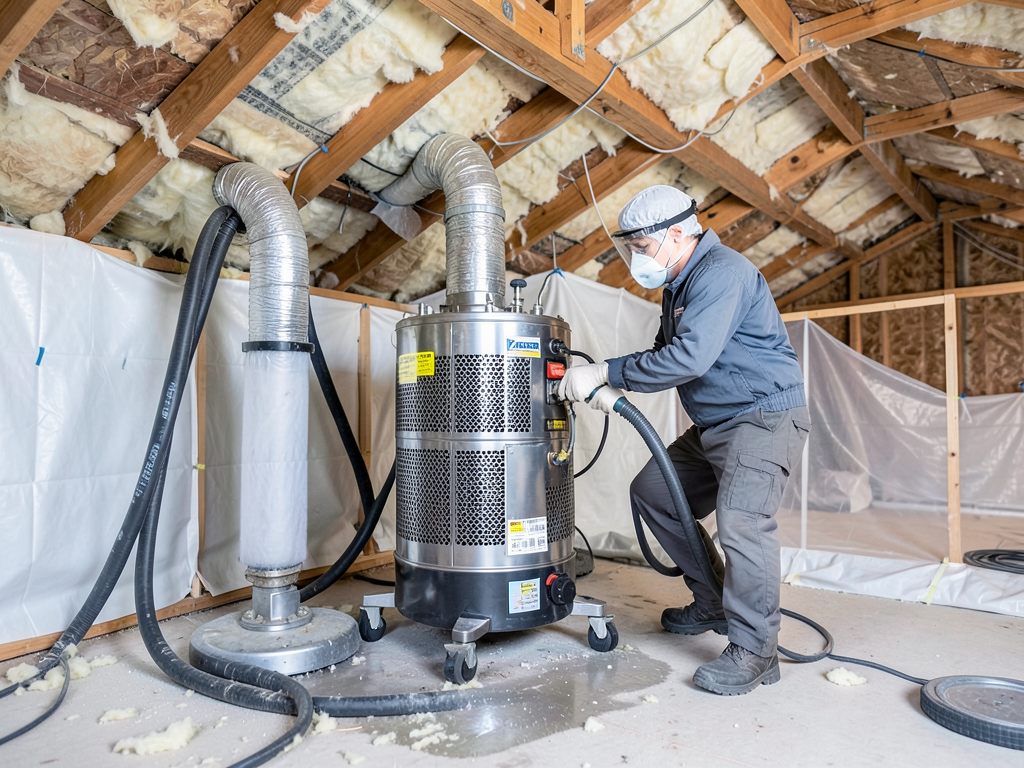
You call our emergency line with a facility code we assigned during planning. Our dispatch system pulls your complete facility profile, risk map, and priority areas. We mobilize the equipment your plan specifies and arrive within your contracted response window. Our crew already knows your building layout, utility locations, and business continuity priorities before entering the building. No learning curve during the emergency.
02

Plan Execution and Adaptation

We execute the containment and extraction protocols you approved during planning. Our team focuses resources on your designated critical areas first. We adapt the plan based on actual damage patterns while maintaining your operational priorities. You receive status updates on your preferred schedule using communication channels you specified. Your facility manager maintains control over business decisions while we handle technical restoration work according to pre-established standards.
03

Recovery Documentation and Update

After restoration, we document what worked and what needs revision. We update your facility risk map with new vulnerabilities we discovered. We refine response protocols based on actual execution experience. Your disaster recovery plan becomes stronger with each incident. We schedule your next facility assessment based on your risk profile and any operational changes. Your plan remains current as your business evolves.

Why Kansas City Facility Managers Choose Local Disaster Recovery Expertise

National disaster recovery firms write generic plans and hand you a binder. They do not understand Kansas City's specific vulnerabilities.

A Plus Water Damage Restoration Kansas City operates in this market daily. We know which Kansas City neighborhoods experience chronic basement seepage due to high water tables. We understand how the West Bottoms floods differently than the Plaza. We have relationships with Kansas City building inspectors who enforce local code interpretations for commercial drying procedures.

We know which Kansas City equipment rental companies stock large-scale commercial dehumidifiers and which ones only handle residential units. When your plan requires 40 air movers and 12 desiccant dehumidifiers, we already know where to source them at 3 a.m. on Sunday.

We understand local supply chains. Your pre-loss planning identifies backup suppliers for critical materials your business needs during recovery. We maintain relationships with Kansas City vendors who can deliver on emergency timelines.

We train on Kansas City weather patterns. We know March freeze warnings mean checking vulnerable pipe locations before temperatures drop. We know September storm forecasts mean pre-positioning extraction equipment near facilities with poor roof drainage. Geographic knowledge speeds response.

Local expertise also means understanding Kansas City's commercial insurance market. We work with the same adjusters repeatedly. We document damage using formats local adjusters recognize. We understand which Kansas City insurance carriers require specific documentation protocols. This familiarity accelerates claim processing and reduces payment delays that strain your cash flow during recovery.

Facility contingency planning works best when your restoration partner understands your local context. Distance creates communication delays and knowledge gaps. Local presence creates response speed and contextual understanding.

What Your Disaster Recovery Planning Engagement Delivers

Planning Development Timeline

Initial facility assessment takes four to six hours depending on building size and complexity. We deliver your risk map and vulnerability analysis within five business days. Full plan development including protocols, vendor agreements, and staff training materials requires two to three weeks. Rush planning for facilities facing immediate seasonal risks can compress into one week. Annual plan updates take two to three hours of facility walkthrough plus documentation review. We schedule updates during your low-activity periods to minimize operational disruption.

Facility Assessment Process

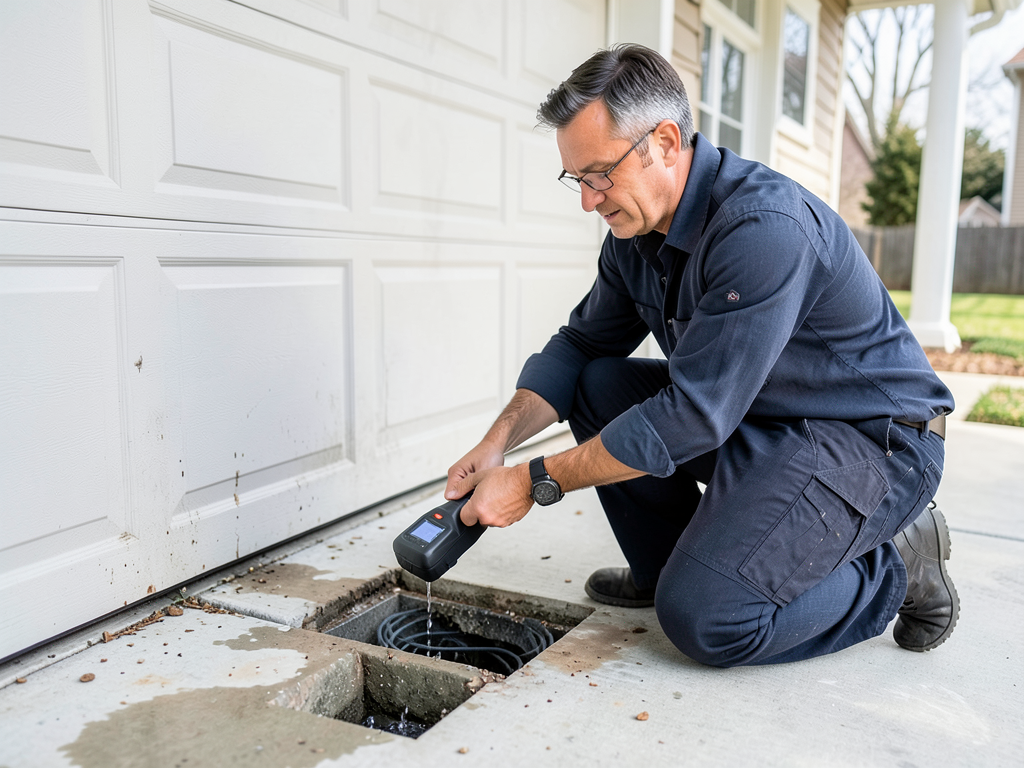
Our assessment team examines building envelope integrity, plumbing system age and condition, drainage capacity, and equipment vulnerability. We use moisture meters to identify existing hidden moisture that signals chronic problems. We test floor drains to verify they connect to functional lines. We photograph and measure critical areas to calculate equipment requirements for different damage scenarios. We interview your maintenance staff about recurring issues and near-miss incidents. This collaborative assessment catches vulnerabilities facility managers see daily but may not recognize as disaster risks.

Deliverables and Documentation

You receive a digital facility profile accessible from any device during emergencies. Your risk map includes photos, measurements, and utility locations. Response protocols provide step-by-step instructions for different water damage scenarios. Vendor contact sheets include after-hours numbers and pre-negotiated service terms. Staff training materials include laminated quick-reference cards for common situations. Everything is written in operational language your team uses, not technical jargon that slows decision-making. Documentation updates automatically when we modify your plan based on facility changes or response experience.

Ongoing Plan Maintenance

Disaster recovery plans become outdated as facilities change. We schedule annual facility reviews to update documentation for renovations, equipment changes, or operational shifts. We test your emergency contact lists quarterly to verify phone numbers remain current. We provide refresher training when you hire new facility staff. After any water damage incident, we conduct a plan effectiveness review and recommend improvements. This continuous maintenance keeps your plan functional instead of letting it become an outdated reference document that fails during actual emergencies.

Frequently Asked Questions

You Have Questions,
We Have Answers

What are the 5 steps of disaster recovery planning? +

The five steps are risk assessment, business impact analysis, plan development, testing, and maintenance. First, identify threats like flooding from the Missouri River or severe storms common to Kansas City. Second, evaluate how downtime affects revenue and operations. Third, document recovery procedures, resource allocation, and communication protocols. Fourth, run simulations to expose gaps. Fifth, update the plan quarterly to reflect changes in operations, personnel, or infrastructure. Commercial facilities in Kansas City face unique risks from tornado season and winter freeze events, so your plan must address regional weather patterns and their impact on business continuity.

What is disaster and recovery planning? +

Disaster recovery planning is the documented process that restores critical business operations after a disruption. It defines recovery time objectives, data backup protocols, and resource allocation to minimize downtime. For Kansas City businesses, this means preparing for floods, severe storms, power outages, and infrastructure failures that can halt operations. The plan identifies essential functions, establishes priorities, and assigns responsibilities. It differs from emergency response by focusing on operational restoration rather than immediate safety. Commercial properties need plans that address supply chain disruptions, data recovery, facility damage, and employee communication to maintain client commitments and protect revenue streams.

What are the 4 C's of disaster recovery? +

The four C's are Crisis Management, Communications, Continuity, and Coordination. Crisis Management addresses immediate response to events like water main breaks or storm damage. Communications ensures stakeholders, employees, and clients receive timely updates. Continuity focuses on maintaining critical operations during disruption. Coordination aligns internal teams with external vendors and emergency services. Kansas City businesses must coordinate with local utilities like Evergy and Kansas City Water Department during outages. Commercial properties in flood-prone areas near the Kansas and Missouri Rivers need robust communication systems that function when primary infrastructure fails. These elements work together to minimize operational disruption and financial loss.

What should be in a disaster recovery plan? +

A disaster recovery plan includes risk assessment, recovery objectives, contact lists, resource inventory, backup procedures, and testing schedules. Document critical systems, their dependencies, and recovery priorities. Include vendor agreements for emergency services, equipment replacement, and temporary facilities. Kansas City plans must address regional risks like tornadoes, ice storms, and flooding. List offsite backup locations, alternative work sites, and equipment redundancies. Define roles and decision-making authority. Include insurance documentation, facility layouts, and utility shutoff procedures. Commercial properties need supplier contact information, customer notification protocols, and financial continuity measures. Test procedures annually and update when operations change.

What are the 4 pillars of disaster recovery? +

The four pillars are Prevention, Preparedness, Response, and Recovery. Prevention reduces risk through building maintenance, infrastructure upgrades, and protective measures against Kansas City weather extremes. Preparedness involves training, resource stockpiling, and documentation. Response covers immediate actions during disasters like storm damage or equipment failure. Recovery focuses on restoring full operations and analyzing lessons learned. Commercial facilities must integrate these pillars into operational planning. Prevention includes reinforcing roofs against wind damage and installing backup power systems. Preparedness means maintaining vendor relationships and cross-training staff. Each pillar supports business continuity and reduces downtime costs when disruptions occur.

What are the 5 P's of disaster? +

The five P's are Predict, Prepare, Protect, Perform, and Perfect. Predict identifies potential disasters through risk analysis of Kansas City hazards like flooding and severe weather. Prepare develops response procedures and resource allocation. Protect implements physical safeguards and insurance coverage. Perform executes the plan during actual events. Perfect reviews outcomes and improves procedures. Commercial operations use this framework to build resilience against regional threats. Predicting Missouri River flood cycles and tornado season timing helps Kansas City businesses schedule preventive maintenance and resource positioning. The framework ensures continuous improvement through post-incident analysis and plan refinement.

What is a disaster recovery plan template? +

A disaster recovery plan template is a pre-formatted framework that guides businesses through documenting recovery procedures. It includes sections for risk assessment, recovery objectives, contact information, resource inventories, and testing protocols. Templates standardize planning across departments and ensure complete coverage of critical elements. Kansas City businesses should customize templates to address regional risks like flooding, storm damage, and utility disruptions. Templates reduce planning time but require local adaptation. They should include spaces for vendor agreements, insurance policies, and facility-specific procedures. Effective templates balance comprehensiveness with usability, ensuring staff can execute procedures during high-stress events without confusion.

How much does a DRP cost? +

A disaster recovery plan costs vary widely based on business size, complexity, and risk exposure. Small businesses might spend two thousand to ten thousand dollars for basic planning and documentation. Mid-sized operations with complex systems spend twenty thousand to seventy-five thousand dollars for comprehensive plans including testing and training. Enterprise-level planning exceeds one hundred thousand dollars for multi-site operations. Kansas City businesses face additional costs for regional considerations like flood mitigation and backup power systems. Costs include consulting fees, software systems, offsite storage, redundant equipment, and ongoing maintenance. The investment prevents far greater losses from extended downtime and operational disruption.

How do you create a DRP? +

Create a disaster recovery plan by conducting risk assessment, defining recovery objectives, documenting procedures, assigning responsibilities, and testing protocols. Start by identifying threats specific to Kansas City operations like flooding, storms, and power failures. Establish maximum acceptable downtime for each critical function. Document step-by-step recovery procedures for systems, facilities, and communications. Assign clear roles with backup personnel. Inventory resources including vendors, equipment, and offsite facilities. Develop communication protocols for employees, clients, and stakeholders. Test the plan through tabletop exercises and simulations. Update procedures quarterly and after any significant operational change. Professional consulting accelerates development and ensures comprehensive coverage.

What is a common disaster recovery strategy? +

The most common disaster recovery strategy is the tiered approach, which prioritizes systems based on criticality. Critical functions receive hot site redundancy with immediate failover capability. Important but less time-sensitive operations use warm sites with delayed activation. Non-critical systems rely on cold sites or delayed recovery. Kansas City businesses implement this by maintaining offsite data backups, establishing alternative work locations, and pre-negotiating vendor agreements. The strategy balances recovery speed against cost. Commercial operations pair this with backup power systems, redundant communications, and cross-trained staff. Regular testing ensures procedures work during actual events and identifies gaps before disasters occur.

How Kansas City's Extreme Temperature Swings Drive Commercial Water Damage Risk

Kansas City experiences 100-degree summer days and subzero winter nights in the same year. These temperature extremes stress commercial plumbing systems and building envelopes more than temperate climates. Expansion and contraction cycles crack pipe joints and building penetrations. Rooftop HVAC units that handle extreme heat in July face freeze risk in January, creating condensate line failures in both seasons. Business continuity planning must account for this year-round water damage vulnerability. Facilities in the Northeast Industrial District and along the I-435 corridor face particular risk due to older infrastructure and temperature-sensitive warehouse operations. Pre-loss planning identifies these seasonal vulnerabilities before they cause operational disruptions.

A Plus Water Damage Restoration Kansas City maintains relationships with commercial property managers throughout the metro, from downtown office buildings to suburban distribution centers. We understand local building code requirements for commercial drying and restoration work. We know which Kansas City inspectors require specific documentation and testing protocols. We participate in Kansas City commercial real estate forums and facility management associations, staying current with local compliance standards and industry best practices. This local integration means your disaster restoration planning meets Kansas City requirements without delays for code research or inspector negotiations. Your plan works within the local regulatory environment instead of fighting it.
Water Damage Restoration Services in The Kansas City Area

While we provide rapid mobile service throughout the entire Kansas City area, you can also view our general service area on the map. We are dedicated to being a local, accessible resource for all your water damage restoration needs, whether you're in the heart of the city or a surrounding community. Our team is always just a phone call away, ready to assist you with expertise and care, no matter where you are located within our service area.

Address:
A Plus Water Damage Restoration Kansas City, 1020 E Armour Blvd, Kansas City, MO, 64109

Additional Services We Offer

Our news updates

Latest Articles & News from The Blogs

How the hard water in Edwardsville is secretly shortening the life of your plumbing and appliances Hard water is more…

How the hard water in Edwardsville is secretly shortening the life of your plumbing and appliances

How the hard water in Edwardsville is secretly shortening the life of your plumbing and appliances Hard water is more…

How to protect your Weatherby Lake home from major water damage while you are away for the winter

How to protect your Weatherby Lake home from major water damage while you are away for the winter Winterizing your…

What every first-time buyer in Raymore needs to check for water damage before closing the deal

What every first-time buyer in Raymore needs to check for water damage before closing the deal Buying your first home…

Contact Us

Every day without a disaster recovery plan increases your operational risk. Call A Plus Water Damage Restoration Kansas City at (816) 473-3833 to schedule your facility vulnerability assessment. We will identify your risks and build your protection framework before water threatens your business continuity.