



Menu

Sanitization & Odor Removal in Kansas City – Expert Antimicrobial Treatment After Water Damage

Professional disinfection and deodorization services that eliminate lingering odors and dangerous pathogens left behind by flooding, sewage backups, and moisture intrusion throughout the Kansas City metro.

Slider Image 1
Slider Image 2
Slider Image 3
Slider Image 4
Slider Image 5
Slider Image 7
Slider Image 8
Slider Image 9
Slider Image 10
Slider Image 11

Why Water Damage in Kansas City Creates Lasting Odor and Health Risks

Kansas City's humid continental climate creates the perfect breeding ground for microbial growth after water damage. Summer humidity regularly exceeds 70 percent, and our heavy spring rains cause frequent basement flooding across neighborhoods like Brookside, Waldo, and the Northland. When water sits in crawl spaces or seeps into drywall, you face more than just dampness. You face bacteria, mold spores, and persistent odors that standard cleaning cannot fix.

The problem compounds when floodwater comes from the Missouri or Kansas Rivers, or when sewage backups occur in older Kansas City homes with outdated plumbing. These events introduce Category 3 water, which contains raw sewage, chemicals, and dangerous pathogens. Without proper antimicrobial treatment, your home becomes a health hazard. You smell it in the air. You see it in the discoloration on walls. And you risk respiratory illness, skin infections, and long-term structural decay.

Most property owners try bleach or store-bought cleaners. These surface-level fixes mask odors temporarily but fail to address contamination deep in porous materials. Professional sanitizing and deodorizing targets the source. We use hospital-grade disinfectants, HEPA filtration, and thermal fogging to neutralize odor molecules at the molecular level. Odor control services are not cosmetic. They are essential to restoring indoor air quality and protecting your family's health after water intrusion in Kansas City's challenging climate.

Why Water Damage in Kansas City Creates Lasting Odor and Health Risks
How Professional Disinfection and Deodorization Works After Water Damage

How Professional Disinfection and Deodorization Works After Water Damage

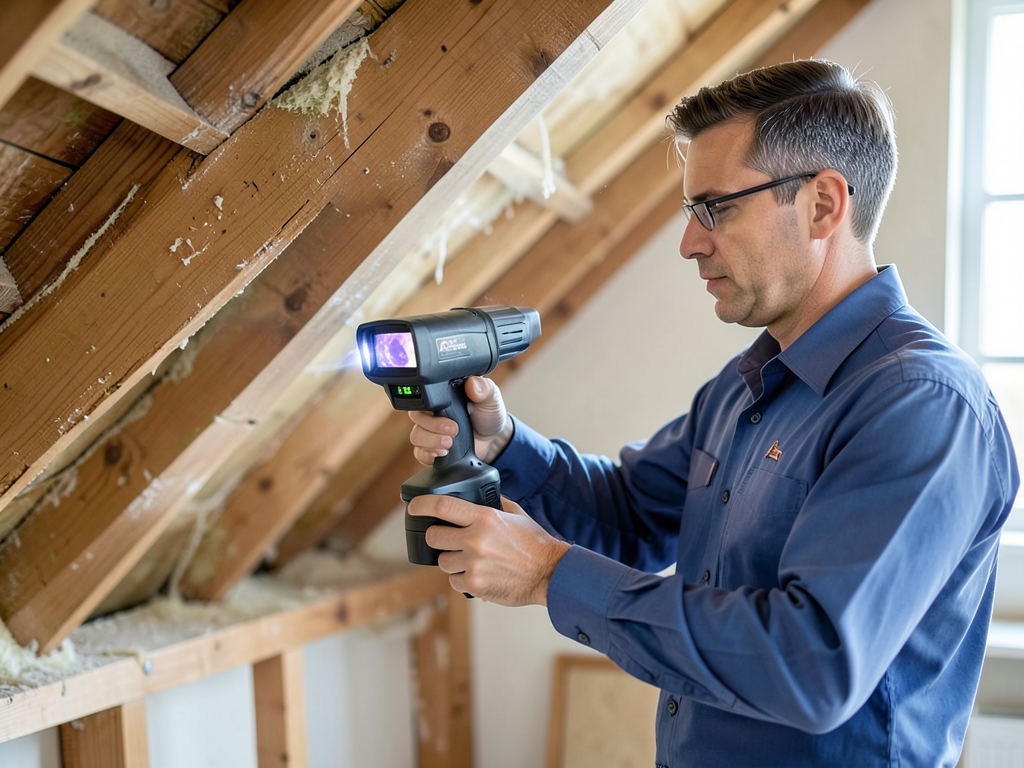
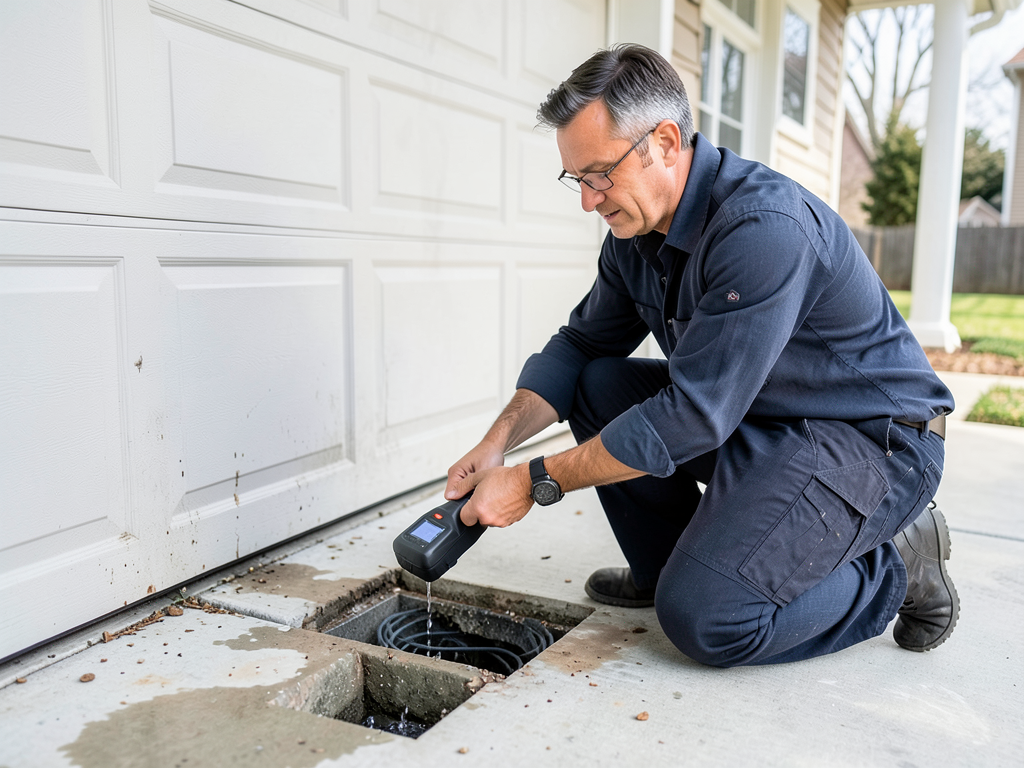
Effective odor abatement begins with identifying the contamination type. Category 1 water from a broken supply line requires different protocols than Category 3 sewage. We test moisture levels with thermal imaging and hygrometers to locate hidden saturation behind baseboards, under flooring, and inside wall cavities. This diagnostic phase determines which antimicrobial agents we deploy and which materials require removal versus treatment.

Once we map the affected zones, we apply EPA-registered antimicrobial solutions to all non-porous and semi-porous surfaces. These agents kill bacteria, viruses, and mold spores on contact. For porous materials like drywall or insulation that absorbed contaminated water, removal is often the only safe option. We do not guess. We follow IICRC S500 standards for water damage restoration and ANSI guidelines for antimicrobial application.

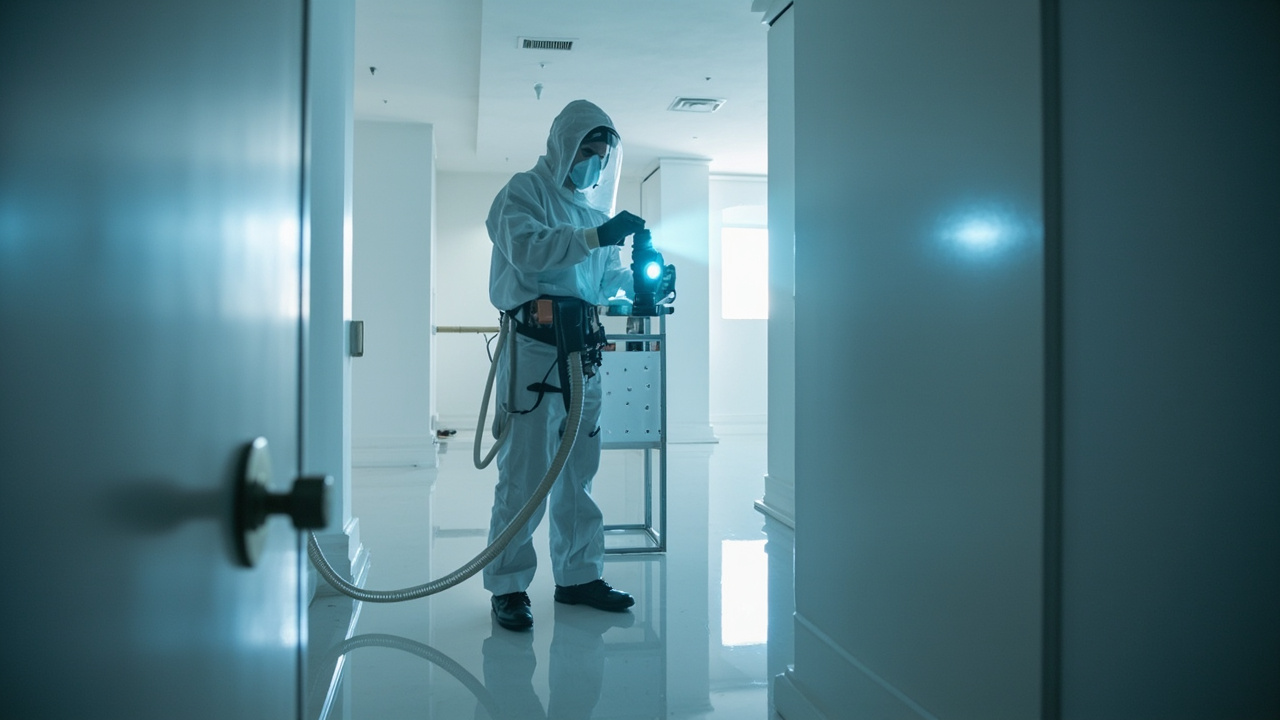
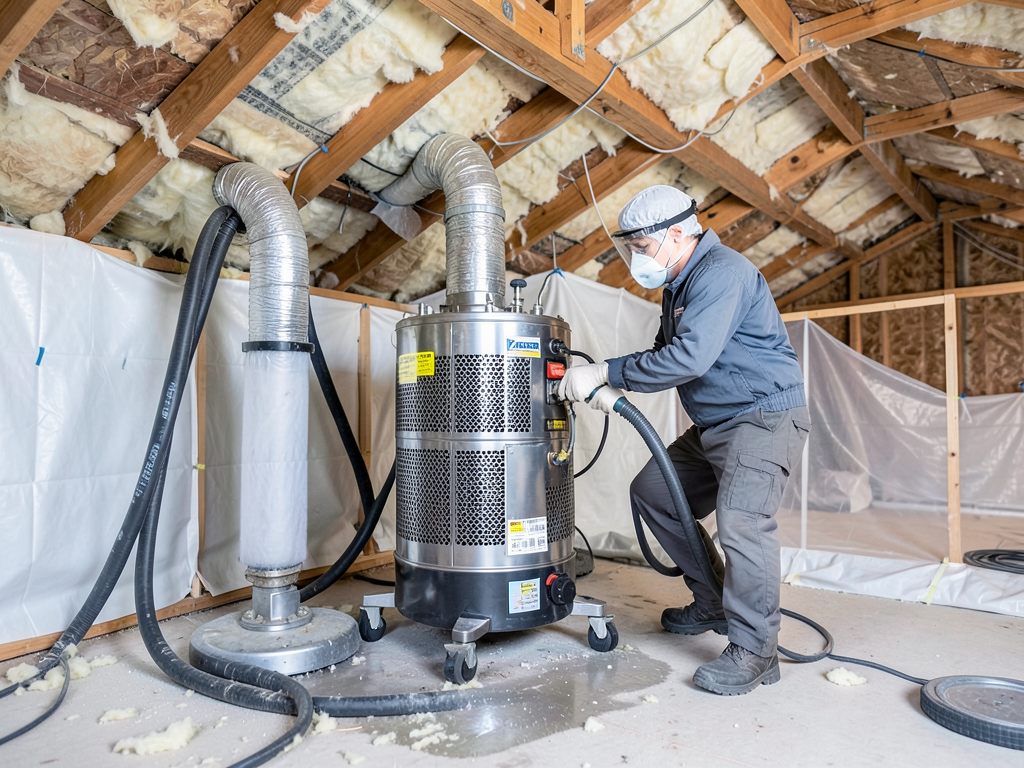
Odor removal requires more than spraying air fresheners. We use hydroxyl generators and ozone machines to break down odor-causing volatile organic compounds at the molecular level. Thermal fogging releases a fine mist that penetrates fabrics, ductwork, and subflooring, neutralizing odors embedded in places you cannot reach. We also treat HVAC systems to prevent recontamination. The air handler and ductwork can harbor mold spores and bacteria, recirculating them through your home long after visible water dries.

Final deodorization includes sealing treated surfaces with encapsulants to lock in any residual odor molecules. This creates a barrier that prevents future off-gassing. The result is a space that smells clean because it is clean, not because we masked the problem with perfume.

What Happens During Our Sanitization and Odor Removal Process

Sanitization & Odor Removal in Kansas City – Expert Antimicrobial Treatment After Water Damage
01

Initial Contamination Assessment

We arrive with moisture meters, thermal cameras, and air quality monitors to identify every area affected by water intrusion. You show us where the damage started, and we trace it to where it spread. We document moisture readings, photograph microbial growth, and determine which materials can be saved versus what must go. This diagnostic phase informs every decision in the sanitization process and ensures we treat hidden contamination that causes long-term odor problems.
02

Antimicrobial Application and Decontamination

After extracting standing water and removing unsalvageable materials, we apply hospital-grade antimicrobial solutions to every surface touched by contaminated water. We use electrostatic sprayers for even coverage on walls, ceilings, and subfloors. Non-porous surfaces get wiped down with disinfectants that meet EPA standards for killing waterborne pathogens. Semi-porous materials like wood framing receive deep penetration treatments. This phase eliminates the biological source of odors and prevents future microbial growth during the drying process.
03

Advanced Odor Neutralization

Once disinfection is complete and moisture levels drop below 15 percent, we deploy thermal foggers, hydroxyl generators, or ozone machines depending on the odor severity and property occupancy. These systems neutralize volatile organic compounds that cause musty smells, sewage odors, and chemical off-gassing. We also treat your HVAC system to eliminate trapped odors in ductwork. Final air quality testing confirms odor molecules are gone, not just covered up. You receive documentation of the entire process for insurance claims and peace of mind.

Why Kansas City Property Owners Trust A Plus Water Damage Restoration Kansas City

You need a restoration company that understands Kansas City's unique challenges. Our techs have responded to hundreds of flood claims in neighborhoods from the West Bottoms to Lee's Summit. We know how the clay soil in this region causes foundation cracks that let groundwater seep into basements. We know that homes built before 1970 in Midtown and the Historic Northeast often have outdated sewer lines prone to backups. And we know that summer humidity in Kansas City creates mold growth within 48 hours if water damage is not handled correctly.

A Plus Water Damage Restoration Kansas City uses IICRC-certified protocols for every job. Our technicians complete ongoing training in antimicrobial application, structural drying, and odor control services. We do not cut corners. If your insurance adjuster requires documentation, we provide detailed moisture logs, photo evidence, and itemized reports that meet carrier standards. If your claim gets denied or delayed, we work with you to resubmit with the technical backup insurers demand.

We also understand the urgency. A sewage backup in your Overland Park rental property is not just a mess. It is a liability. Every hour you wait, the contamination spreads and the odor deepens. We dispatch teams 24/7 because water damage does not wait for business hours. When you call us, you get a live person who can have a crew at your property in under two hours, not an answering service that takes messages.

Local knowledge matters. We source equipment locally, work with Kansas City building inspectors regularly, and understand the permit requirements for structural repairs after major water damage. You are not working with a national franchise that subcontracts to the lowest bidder. You are working with a Kansas City company that has a reputation to protect in this community.

What to Expect When You Hire Us for Sanitization and Odor Removal

Rapid Response and Availability

We dispatch crews around the clock because microbial contamination and odor penetration worsen with every passing hour. When you call (816) 473-3833, we answer immediately and aim to arrive within 90 minutes anywhere in the Kansas City metro. Our trucks carry industrial extractors, antimicrobial agents, air scrubbers, and dehumidifiers so we can begin sanitization and odor control the moment we assess your property. Speed matters. The faster we treat contaminated materials, the less you spend on demolition and the sooner your property is safe to occupy again.

Thorough Initial Assessment

Before we apply a single chemical, we conduct a full inspection using thermal imaging cameras and moisture detection tools. You walk through the property with us. We explain what we find, why certain materials must be removed, and which areas can be treated and saved. You receive a written scope of work that outlines every step, from antimicrobial application to thermal fogging. This assessment also includes air quality baseline readings so we can prove odor elimination when the job is complete. Transparency eliminates surprises and keeps insurance claims on track.

Proven Results and Air Quality Testing

We do not declare a job finished because it looks clean. We validate odor removal with air quality testing and moisture verification. Final readings must show moisture levels below 15 percent and no detectable volatile organic compounds. If you still smell something, we identify the source and retreat it at no extra charge. Your home or business should feel fresh and safe, not just appear clean. We also provide before-and-after documentation that satisfies insurance adjusters and gives you confidence that the contamination is truly gone, not masked with deodorizers.

Post-Treatment Support and Monitoring

After sanitization and odor removal, we offer follow-up inspections to ensure no secondary issues develop. We also provide written recommendations for preventing future water intrusion, such as sump pump installation, drainage improvements, or vapor barrier upgrades. If your property requires reconstruction after material removal, we coordinate with trusted local contractors who understand Kansas City building codes. You are not left to figure out the next steps alone. We stay involved until your property is fully restored and you have the documentation needed to close out insurance claims successfully.

Frequently Asked Questions

You Have Questions,
We Have Answers

Who to call to identify smell in house near me? +

Call a certified water damage restoration company that specializes in odor detection and sanitization. In Kansas City, professionals use thermal imaging cameras and moisture meters to locate hidden water intrusion, mold growth, or bacterial contamination causing smells. Common culprits in Kansas City homes include basement moisture from clay soil settling, HVAC condensation issues from our humid summers, and hidden leaks behind walls. A trained technician can identify whether the smell stems from water damage, sewage backup, dead animals in crawlspaces, or mold colonization. Avoid DIY guessing. Professional assessment prevents long-term damage and health risks.

How to permanently remove bad odor? +

Permanent odor removal requires eliminating the source, not masking it. Surface cleaning fails because odor molecules penetrate porous materials like drywall, subflooring, and insulation. Professional sanitization uses hydroxyl generators or ozone machines to oxidize odor-causing compounds at the molecular level. You must first remove contaminated materials if bacteria or mold has colonized them. In Kansas City, high humidity accelerates microbial growth, making thorough drying critical. After source removal, apply enzyme-based treatments to break down organic residues, then seal surfaces with odor-blocking primers. Air scrubbers with HEPA and carbon filters capture airborne particles during the process.

What is the best odor eliminator for removal? +

The best odor eliminator depends on the source. Enzyme cleaners work for organic smells like urine or food decomposition. Activated charcoal absorbs airborne odor molecules. For structural contamination from water damage or sewage, hydroxyl generators provide safe, continuous oxidation without evacuating occupants. Ozone machines offer powerful oxidation but require temporary evacuation. In Kansas City homes with basement moisture issues, pairing dehumidification with targeted antimicrobial treatments addresses root causes. Avoid aerosol sprays and plug-in fresheners. They mask odors temporarily but allow microbial growth to continue unchecked, worsening the problem and creating health risks over time.

Does sanitizer remove odors? +

Sanitizers kill bacteria and viruses but do not eliminate odors. Odors result from volatile organic compounds released during microbial metabolism or material decomposition. Sanitizing reduces the microbial load producing those compounds, but residual odor molecules remain embedded in porous surfaces. Effective odor removal requires pairing sanitization with oxidation treatments or physical removal of contaminated materials. In Kansas City, sewage backups and flood events create conditions where sanitization alone fails. You need enzymatic cleaners to break down organic residues, followed by hydroxyl or ozone treatment to neutralize remaining odor molecules. Sanitization is one step in a multi-phase process.

How do I find out where a bad smell is coming from in my house? +

Start by inspecting common problem areas. Check under sinks, around toilets, and behind appliances for water leaks. Examine your HVAC system, as mold in ductwork or drain pans creates pervasive odors. In Kansas City homes, crawlspaces and basements often harbor moisture from poor drainage or clay soil issues. Use your nose to narrow the location, then look for visual signs like water stains, discoloration, or mold. If the source remains hidden, call a professional with thermal imaging and moisture detection equipment. They can identify concealed leaks, dead animals in walls, or microbial growth you cannot access.

Is there a device that can detect bad smells? +

Yes. Professionals use electronic nose devices and VOC detectors that measure volatile organic compound concentrations. These tools identify elevated chemical signatures linked to mold, bacteria, or decomposition. Thermal imaging cameras reveal temperature differentials indicating moisture intrusion or airflow issues that concentrate odors. Moisture meters pinpoint hidden water sources feeding microbial growth. Particle counters measure airborne spore and bacteria levels. In Kansas City, these devices help locate odors in challenging spaces like finished basements or multi-level homes where smell migrates through HVAC systems. While consumer-grade options exist, professional-grade equipment provides accuracy needed for proper remediation planning and confirmation testing.

What is the most powerful odor killer? +

Ozone generators provide the most aggressive oxidation, breaking down odor molecules through chemical reaction. However, they require complete evacuation during treatment and proper ventilation afterward. Hydroxyl generators offer nearly equal power without toxicity, making them safer for occupied spaces. For biological odors, enzymatic treatments combined with antimicrobial applications provide lasting results. In Kansas City, chlorine dioxide gas effectively treats large-scale contamination from sewage or flooding. The most powerful approach combines source removal, antimicrobial treatment, oxidation technology, and sealing contaminated surfaces. Single-product solutions fail when odors penetrate structural materials. Professional remediation matches treatment intensity to contamination severity.

How to get rid of bad smell in the house fast? +

Open windows to increase ventilation if outdoor humidity is below 60 percent. Run exhaust fans in bathrooms and kitchens. Place bowls of white vinegar or activated charcoal in affected rooms to absorb airborne odor molecules. For immediate surface treatment, spray a 50-50 vinegar-water solution on hard surfaces. However, these methods only work for minor, fresh odors. In Kansas City homes, persistent smells usually indicate hidden moisture or contamination requiring professional attention. Fast fixes mask symptoms temporarily. If the smell returns within hours, you need source identification and proper remediation. Delaying professional assessment allows mold colonization and structural damage to worsen.

Why does my husband's towel stink after he showers? +

Towels stink when bacteria colonize damp fabric. Body oils, dead skin cells, and soap residue create food sources for microbes. When towels stay damp in Kansas City's humid climate, bacteria multiply rapidly, producing volatile sulfur compounds that smell musty or sour. Washing in cold water or using insufficient detergent fails to kill bacteria. The solution requires washing towels in hot water with adequate detergent, adding white vinegar to the rinse cycle, and drying completely on high heat. Ensure bathroom ventilation removes moisture after showers. If the smell persists after proper washing, the towel harbors deep bacterial colonization and needs replacement.

What are the hardest smells to get rid of? +

Smoke, pet urine, and decomposition odors penetrate deepest into porous materials. Cigarette smoke embeds tar and nicotine into walls, ceilings, and HVAC systems. Pet urine crystallizes in subflooring and padding, reactivating with humidity. Decomposition releases cadaverine and putrescine that bond molecularly to surfaces. In Kansas City, sewage contamination and flood damage create similarly stubborn odors because bacteria colonize structural cavities. These smells require aggressive remediation including material removal, antimicrobial treatment, oxidation technology, and sealing. Surface cleaning fails because odor molecules penetrate inches deep. Professional remediation targets contamination at the source, not just airborne smells.

How Kansas City's Humidity and Flooding History Make Sanitization Critical

Kansas City sits at the confluence of the Missouri and Kansas Rivers, and our location in Tornado Alley brings severe spring storms that dump inches of rain in hours. Neighborhoods along Brush Creek, the Blue River, and Turkey Creek face recurring flood risks. When water enters your property, it brings silt, bacteria, and organic debris that rot inside wall cavities and under flooring. Our summer humidity keeps these materials damp long after visible water dries, allowing mold and bacteria to thrive. Without professional antimicrobial treatment, you are left with a contaminated structure that smells like mildew and harbors health hazards. Proper sanitizing and deodorizing is not optional in this climate. It is the only way to ensure your property is safe and habitable after water damage.

A Plus Water Damage Restoration Kansas City works directly with local insurance agents, property managers, and building inspectors across the metro. We understand the permitting process in Kansas City, Missouri, and know what documentation Johnson County and Wyandotte County adjusters expect for water damage claims. Our familiarity with local construction styles, from the brick bungalows in Brookside to the ranch homes in Gladstone, helps us tailor antimicrobial protocols to each property type. We also maintain relationships with local environmental testing labs when third-party air quality verification is required. Choosing a local provider means faster response, better communication, and a team that understands the specific risks Kansas City property owners face after flooding or sewage backups.
Water Damage Restoration Services in The Kansas City Area

While we provide rapid mobile service throughout the entire Kansas City area, you can also view our general service area on the map. We are dedicated to being a local, accessible resource for all your water damage restoration needs, whether you're in the heart of the city or a surrounding community. Our team is always just a phone call away, ready to assist you with expertise and care, no matter where you are located within our service area.

Address:
A Plus Water Damage Restoration Kansas City, 1020 E Armour Blvd, Kansas City, MO, 64109

Additional Services We Offer

Our news updates

Latest Articles & News from The Blogs

How the hard water in Edwardsville is secretly shortening the life of your plumbing and appliances Hard water is more…

How the hard water in Edwardsville is secretly shortening the life of your plumbing and appliances

How the hard water in Edwardsville is secretly shortening the life of your plumbing and appliances Hard water is more…

How to protect your Weatherby Lake home from major water damage while you are away for the winter

How to protect your Weatherby Lake home from major water damage while you are away for the winter Winterizing your…

What every first-time buyer in Raymore needs to check for water damage before closing the deal

What every first-time buyer in Raymore needs to check for water damage before closing the deal Buying your first home…

Contact Us

Do not let contamination and odors compromise your property's safety. Call A Plus Water Damage Restoration Kansas City now at (816) 473-3833 for immediate antimicrobial treatment and odor control. We respond 24/7 and work directly with your insurance to restore your property fast.