



Menu

Large Scale Water Extraction in Kansas City – Industrial-Grade Solutions That Keep Your Business Running

When facility flooding threatens your operations, our high-capacity commercial water removal systems extract thousands of gallons fast, minimizing downtime and protecting your bottom line across the Kansas City metro.

Slider Image 1
Slider Image 2
Slider Image 3
Slider Image 4
Slider Image 5
Slider Image 7
Slider Image 8
Slider Image 9
Slider Image 10
Slider Image 11

Why Kansas City Commercial Properties Need Industrial Water Extraction Capacity

A catastrophic water event at your facility does not wait for convenient business hours. When a sprinkler malfunction floods your warehouse, a roof failure during a storm dumps thousands of gallons into your production floor, or a pipe burst saturates your retail space, the clock starts immediately. Every minute of standing water equals lost revenue, damaged inventory, and potential structural compromise.

Kansas City's position at the confluence of the Missouri and Kansas rivers means elevated humidity year-round, which accelerates secondary damage once water intrudes. The region's clay-heavy soil shifts with moisture fluctuations, creating hydrostatic pressure against basement foundations in commercial buildings throughout the River Market, Crossroads, and West Bottoms districts. When those foundations fail, you face large loss water mitigation scenarios that demand industrial-grade response.

Standard residential extraction equipment cannot handle the volume. A typical truck-mounted unit processes 200 gallons per minute. When you have 50,000 square feet of flooded space with three inches of standing water, that equals roughly 78,000 gallons. You need bulk water removal services with trailer-mounted pumps capable of 2,000 gallons per minute or more.

The difference between manageable damage and total loss often comes down to extraction speed. Drywall begins irreversible deterioration after 48 hours of saturation. Electrical systems corrode. HVAC components rust. Mold colonization starts within 24 to 48 hours in Kansas City's humid climate. High volume water pumping gets your facility dried fast enough to salvage what matters.

Your insurance carrier expects professional documentation and rapid mitigation. Industrial water extraction provides both.

Why Kansas City Commercial Properties Need Industrial Water Extraction Capacity
How Commercial Water Removal Differs From Residential Response

How Commercial Water Removal Differs From Residential Response

Commercial water extraction is not residential work scaled up. It requires different equipment, different expertise, and different logistics.

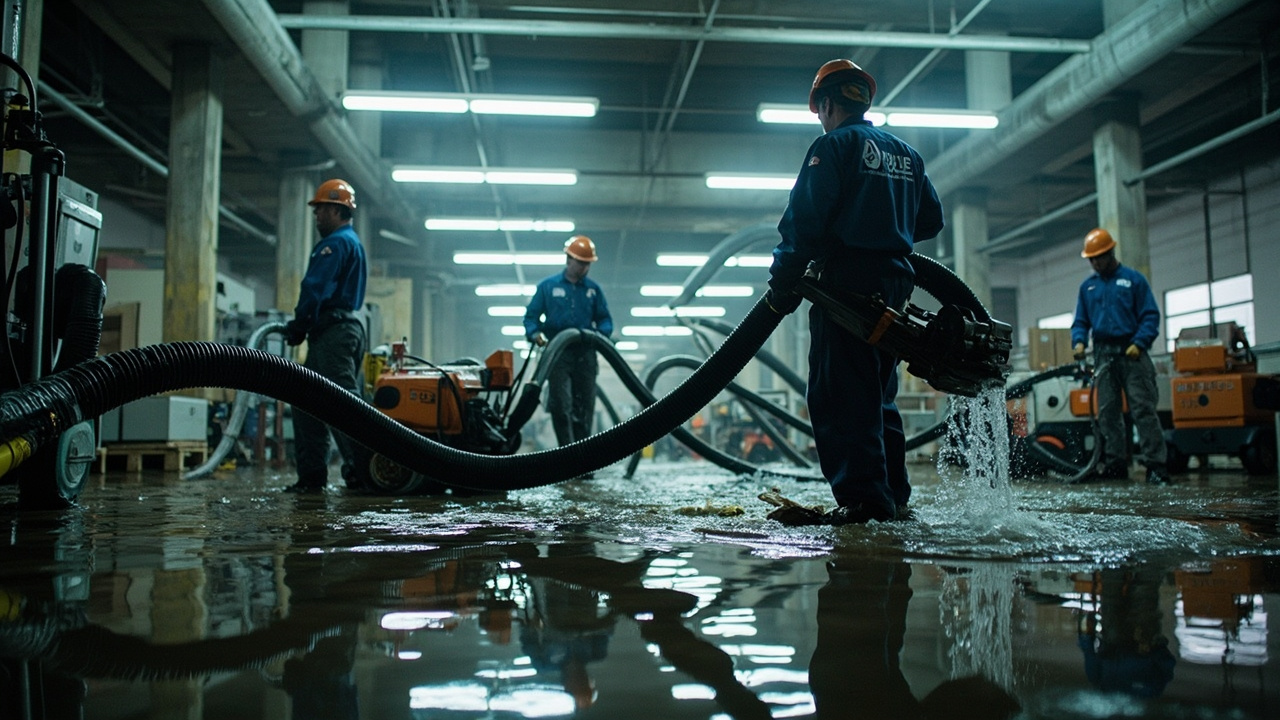
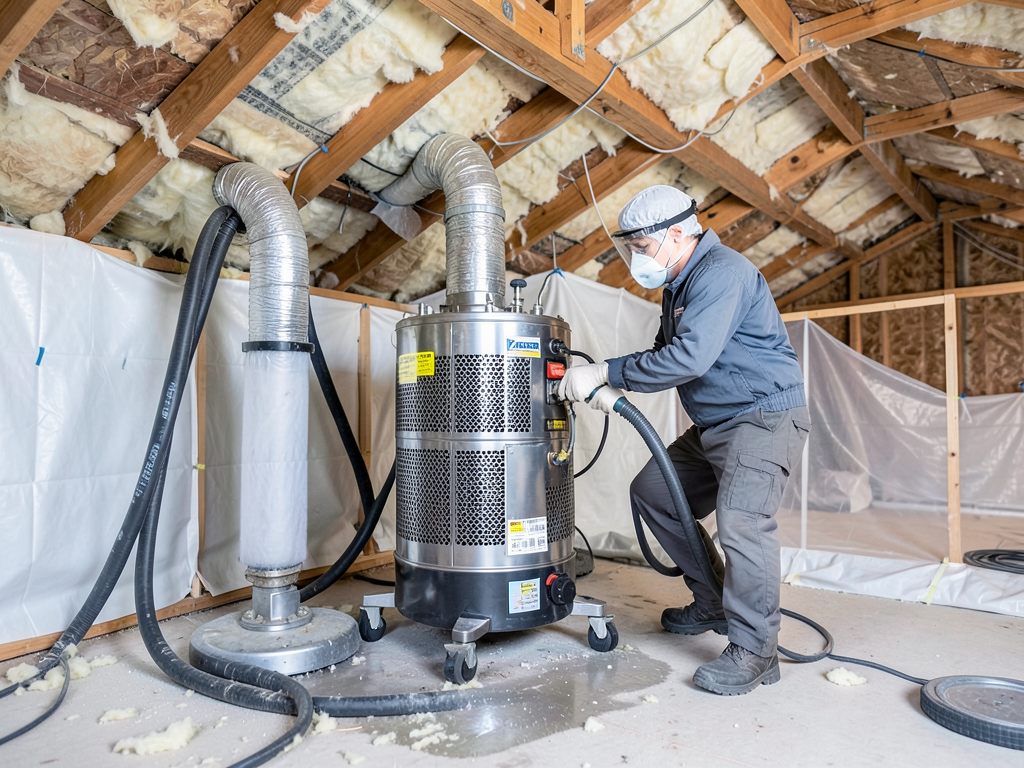
We deploy trailer-mounted submersible pumps rated for continuous operation, not intermittent residential use. These units handle debris-laden water without clogging, critical when dealing with contaminated flood water or industrial process water. For facilities with sensitive equipment or ongoing operations, we use low-profile extractors that allow continued access to parts of your building while we work.

Our commercial team conducts immediate load calculations to determine BTU requirements for drying. A 30,000 square foot warehouse requires different dehumidification strategies than a medical office building. We factor in your HVAC system capacity, insulation values, and whether we can create containment zones to maintain operations in unaffected areas.

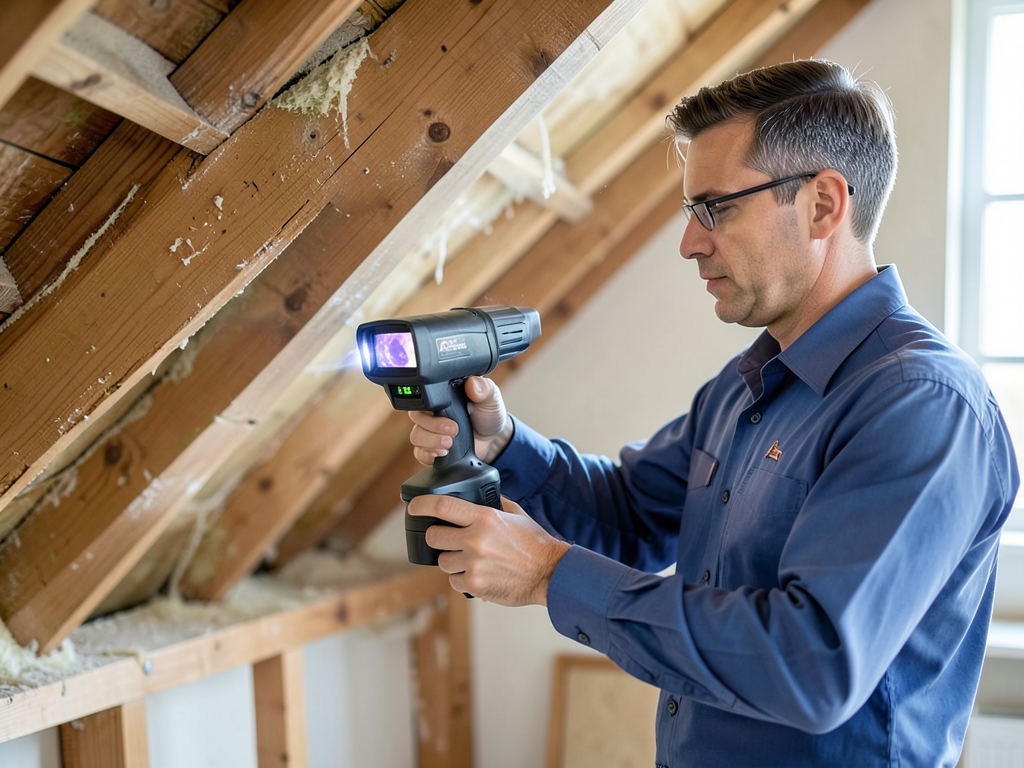
Moisture mapping uses thermal imaging and penetrating moisture meters to track water migration through concrete slabs, behind metal panels, and within structural cavities. Commercial buildings hide water in places residential structures do not have, like above drop ceilings with plenum returns, within wall chases containing bundled utilities, and under raised access flooring common in data centers.

We coordinate with your facility management team to identify shut-off locations for utilities, ensure our generators do not overload your electrical service, and schedule work around your operating requirements. If you run multiple shifts, we adapt. If you cannot afford downtime, we create temporary barriers and stage equipment to keep portions of your facility functional.

Documentation follows IICRC S500 standards for commercial drying. We provide daily moisture readings, photographic progression records, and detailed equipment logs your insurance adjuster expects. This is not a weekend side job. This is professional large loss water mitigation executed by technicians who understand commercial building systems.

What Happens During Emergency Commercial Water Removal

Large Scale Water Extraction in Kansas City – Industrial-Grade Solutions That Keep Your Business Running
01

Immediate Assessment and Containment

Our commercial response team arrives with industrial moisture detection equipment and blueprints of common Kansas City commercial construction types. We identify the water source, establish containment zones to prevent migration into unaffected spaces, and determine whether this qualifies as clean water, gray water, or black water under IICRC classifications. This dictates equipment selection and safety protocols. We then calculate total water volume and map the affected square footage to determine pump capacity requirements and estimated extraction timeline.
02

High Volume Extraction Deployment

We position truck-mounted or trailer-mounted pumps based on access points and discharge locations. For basement flooding, submersible pumps go directly into the water with discharge lines running to approved drainage areas or tanker trucks if municipal discharge is restricted. Ride-on extraction units cover large open floor plans faster than walk-behind models. We run multiple units simultaneously across different zones to prevent hydraulic overload in any single area. Real-time moisture monitoring confirms when extraction is complete and structural drying can begin.
03

Structural Drying and Verification

Once bulk water removal finishes, commercial-grade dehumidifiers and air movers create controlled drying conditions. We monitor ambient temperature, relative humidity, and material moisture content twice daily until all building materials return to dry standard per IICRC guidelines. This typically takes three to seven days depending on materials affected and environmental conditions. Final thermal imaging confirms no hidden moisture reservoirs remain. You receive a complete moisture log and certificate of drying for your insurance carrier and facility records.

Why Kansas City Businesses Choose A Plus Water Damage Restoration Kansas City for Industrial Water Extraction

When your facility floods, you need a contractor who understands commercial building codes, insurance protocols, and business continuity requirements specific to Kansas City.

We know the construction methods common to Kansas City's commercial districts. The brick-and-timber warehouses in the West Bottoms require different drying approaches than the tilt-up concrete distribution centers in the Northland or the steel-frame office buildings in the Country Club Plaza. We have extracted water from facilities throughout Jackson County, Clay County, and Platte County, and we know which local building inspectors require permits for structural drying equipment installations.

Our equipment inventory includes units most restoration companies do not stock. We maintain diesel-powered generators for sites without electrical service, explosion-proof pumps for facilities handling flammable materials, and trailer-mounted desiccant dehumidifiers that outperform refrigerant units in cold weather. When the Kansas City region experienced the 2019 Missouri River flooding, we were one of three contractors in the metro with enough pump capacity to handle simultaneous multi-facility responses.

We communicate in business terms, not restoration jargon. You get a project manager who understands your concerns about production schedules, inventory salvage, and liability exposure. We coordinate with your insurance adjuster, provide daily progress updates to your leadership team, and deliver documentation that satisfies both your carrier and your internal risk management requirements.

Our technicians hold IICRC certifications in commercial drying and applied structural restoration. This is not a crew that normally does residential basements trying to figure out your facility on the fly. This is a team that has handled large loss water mitigation at manufacturing plants, medical facilities, educational institutions, and retail centers across the Kansas City metro.

You need bulk water removal services from a contractor who treats your emergency as a business problem, not just a water problem. That is what we do.

What to Expect When You Call for Commercial Water Extraction

Response Time and Equipment Deployment

We maintain 24/7 dispatch for commercial emergencies. Our typical response time to Kansas City metro locations is under 90 minutes. We do not send a single technician with a van to assess the situation and then schedule equipment delivery for the next day. We dispatch a full commercial response team with truck-mounted or trailer-mounted pumps immediately. If your situation requires more capacity than our initial deployment provides, we have reciprocal agreements with other certified large loss contractors to bring additional equipment on-site within hours. You get industrial water extraction capacity when you need it, not when it is convenient for us.

Initial Assessment and Scope Development

Our project manager walks the entire affected area with moisture detection equipment and documents conditions with thermal imaging and standard photography. We identify all affected materials, measure moisture content in structural components, and determine contamination level if applicable. You receive a written scope of work that outlines extraction methodology, drying strategy, estimated timeline, and equipment list. We review this with your team and your insurance adjuster before we begin mitigation work. If your carrier requires an independent desk review or field inspection, we coordinate that process and adjust our scope based on agreed terms.

Drying Standards and Quality Verification

We follow IICRC S500 standards for determining dry goals. This means we compare moisture readings in affected materials against moisture readings in unaffected materials of the same type within your building. Concrete slabs dry to different moisture content than gypsum board. We do not guess. We measure twice daily and document every reading. When all affected materials reach dry standard, we conduct final thermal imaging to confirm no hidden moisture pockets remain. You receive a certificate of completion with full moisture logs, equipment runtime records, and photographic documentation. This satisfies insurance requirements and protects you from future mold liability claims.

Post-Mitigation Monitoring and Follow-Up

After we complete extraction and structural drying, we offer optional follow-up moisture checks at 30 and 60 days. Kansas City's humidity can cause moisture rebound in some building materials, particularly concrete slabs with vapor barriers underneath. If you had category 3 water intrusion, we recommend independent mold testing before you reoccupy affected spaces. We do not perform mold testing ourselves to avoid conflict of interest, but we coordinate with certified industrial hygienists and provide them access for sampling. If reconstruction is needed, we provide referrals to commercial general contractors familiar with insurance restoration work.

Frequently Asked Questions

You Have Questions,
We Have Answers

How to purify water on a large scale? +

Large scale water purification in commercial settings requires multi-stage treatment. First, remove gross contaminants through filtration and extraction. Next, apply antimicrobial treatments to kill bacteria and mold spores common in Kansas City's humid climate. Industrial air scrubbers filter airborne particles while dehumidifiers control moisture levels. For gray water contamination, you need certified disinfection protocols. Black water demands sewage-grade treatment systems. Professional restoration teams use EPA-registered antimicrobials and follow IICRC S500 standards. The process takes 3-7 days depending on contamination levels. Your insurance adjuster must document water classification before treatment begins to ensure proper coverage.

How to remove large amounts of water? +

Removing large water volumes from commercial properties requires truck-mounted extraction units that pull 200-400 gallons per hour. Submersible pumps handle standing water over two inches deep. For shallower flooding, weighted extractors pull water from carpet and concrete. Kansas City's older buildings often need floor drain augmentation due to undersized drainage systems. Time matters because water migrates through porous materials at one inch per hour. You need extraction within 24-48 hours to prevent structural damage and mold growth. Professional teams coordinate multiple extraction units to minimize business downtime. Document all water removal for insurance and liability purposes before demolition begins.

What is the machine that extracts water? +

The primary machine is a truck-mounted water extractor that combines vacuum suction with heated drying. These units generate 500-600 CFM airflow and create negative pressure to pull water from porous materials. Portable extractors handle smaller zones or upper floors where truck mounts cannot reach. Submersible pumps move standing water at 50-100 gallons per minute. Industrial air movers create airflow across wet surfaces while commercial dehumidifiers remove moisture from air. Kansas City properties often need specialty extraction wands for hardwood floors common in older buildings. The equipment choice depends on water volume, contamination level, and building materials affected by flooding.

What is excessive water extraction? +

Excessive water extraction means pulling moisture too aggressively from building materials, causing secondary damage. Hardwood floors cup or crack when dried too fast. Plaster walls crumble if moisture removal is not gradual. In Kansas City's historic commercial buildings, rapid extraction damages original woodwork and masonry. The risk increases with older construction materials that need slower drying rates. Professional teams monitor moisture readings every 6-12 hours and adjust equipment accordingly. You must balance speed against material preservation. Insurance carriers scrutinize excessive extraction claims because improper drying creates avoidable damage. Follow manufacturer specifications for each material type to prevent liability issues and preserve property value.

How Kansas City's River Geography Creates Commercial Flooding Risk

Kansas City sits at the confluence of the Missouri and Kansas rivers, creating unique flood risk for commercial properties in low-lying areas. The West Bottoms, River Market, and Berkley Riverfront districts have experienced multiple flooding events over the past two decades. Even facilities outside designated floodplains face risk from overwhelmed stormwater systems when heavy rain events exceed drainage capacity. The region's clay soil does not absorb water quickly, which means surface runoff concentrates fast during severe weather. Commercial buildings with basement levels or below-grade loading docks are particularly vulnerable to rapid water intrusion that requires immediate high volume water pumping to prevent structural damage and inventory loss.

Kansas City's commercial building stock includes structures built before modern waterproofing standards existed. Many warehouses and industrial buildings in the urban core date to the early 1900s and lack adequate foundation drainage or sump pump systems. When these buildings flood, they require contractors who understand historic construction methods and can extract water without damaging original structural elements. A Plus Water Damage Restoration Kansas City works regularly with commercial property owners who manage these older facilities, and we know how to handle large scale water extraction in buildings where modern equipment access is limited and structural integrity requires careful assessment before deploying heavy pumps and drying equipment.
Water Damage Restoration Services in The Kansas City Area

While we provide rapid mobile service throughout the entire Kansas City area, you can also view our general service area on the map. We are dedicated to being a local, accessible resource for all your water damage restoration needs, whether you're in the heart of the city or a surrounding community. Our team is always just a phone call away, ready to assist you with expertise and care, no matter where you are located within our service area.

Address:
A Plus Water Damage Restoration Kansas City, 1020 E Armour Blvd, Kansas City, MO, 64109

Additional Services We Offer

Our news updates

Latest Articles & News from The Blogs

How the hard water in Edwardsville is secretly shortening the life of your plumbing and appliances Hard water is more…

How the hard water in Edwardsville is secretly shortening the life of your plumbing and appliances

How the hard water in Edwardsville is secretly shortening the life of your plumbing and appliances Hard water is more…

How to protect your Weatherby Lake home from major water damage while you are away for the winter

How to protect your Weatherby Lake home from major water damage while you are away for the winter Winterizing your…

What every first-time buyer in Raymore needs to check for water damage before closing the deal

What every first-time buyer in Raymore needs to check for water damage before closing the deal Buying your first home…

Contact Us

Your business cannot afford delays when water threatens your facility. Call (816) 473-3833 now for immediate commercial water removal response. Our industrial extraction team is standing by 24/7 to deploy the high-capacity equipment your situation demands.