




Menu

Visible Mold Growth on Walls in Kansas City – Expert Diagnosis and Permanent Remediation

Our certified technicians identify the moisture source behind black mold spots on drywall and fungal growth on wall surfaces, delivering complete containment, removal, and prevention strategies tailored to Kansas City's climate challenges.

Slider Image 1
Slider Image 2
Slider Image 3
Slider Image 4
Slider Image 5
Slider Image 7
Slider Image 8
Slider Image 9
Slider Image 10
Slider Image 11

Why Mold Thrives on Kansas City Walls

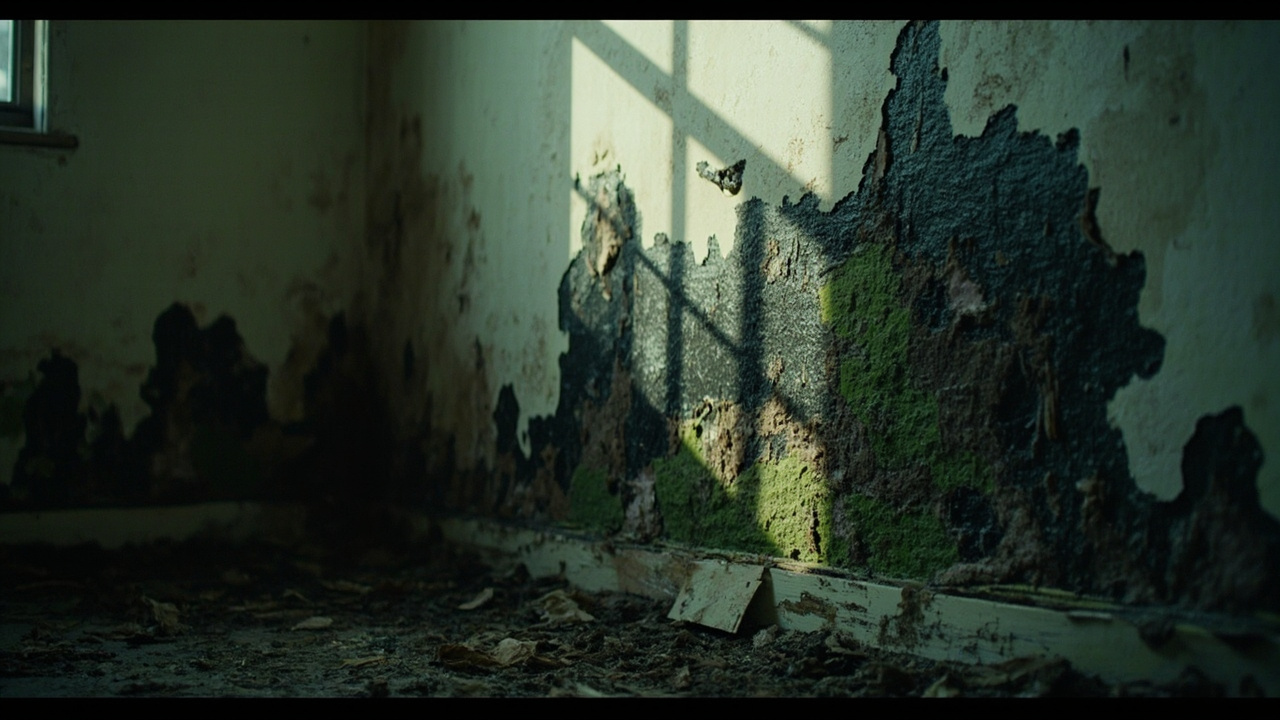
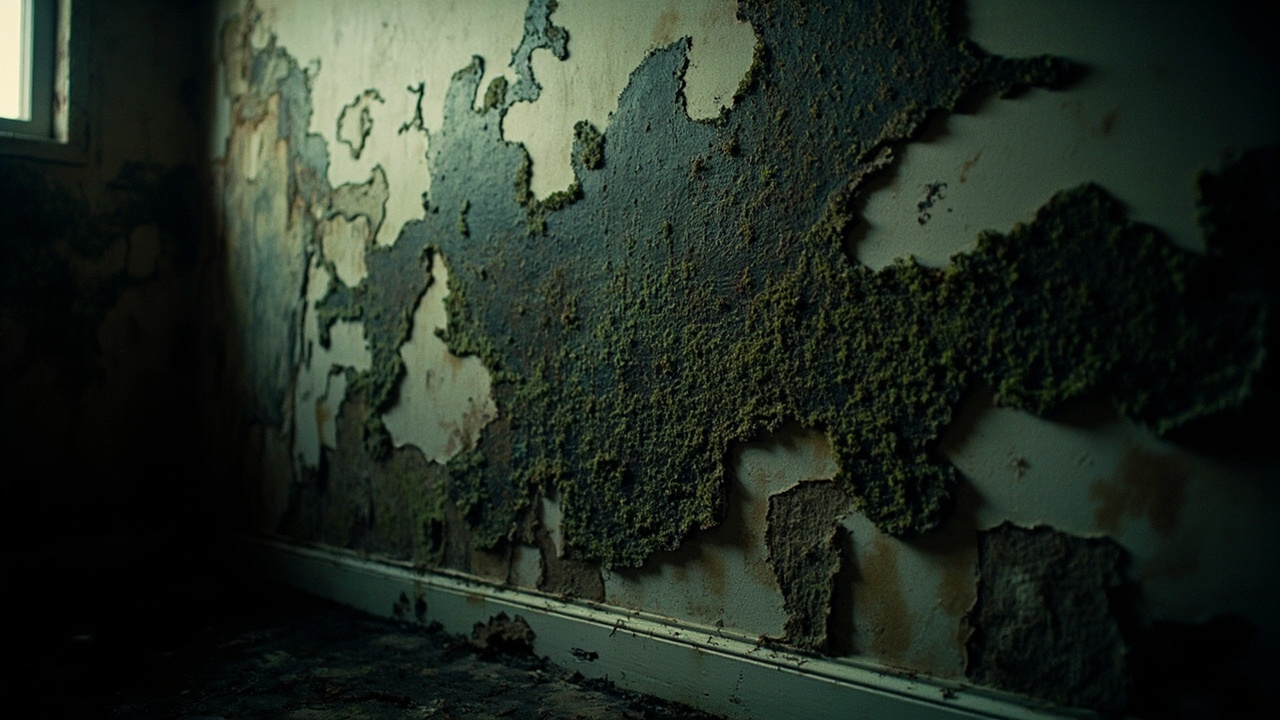
You walk into the bedroom and notice dark patches spreading across the sheetrock. The musty smell hits you before you see the black mold spots on drywall near the window frame. This is not random. Kansas City's humid continental climate creates perfect conditions for fungal growth on wall surfaces.

Summer humidity routinely pushes above 70 percent. Winter freeze-thaw cycles create condensation inside exterior walls. The Missouri River valley traps moisture, especially in neighborhoods near the West Bottoms and along the Blue River corridor. Older homes in Historic Northeast and Westport feature plaster walls over wood lath, which wick moisture from compromised vapor barriers or leaking gutters.

Visible mildew on painted walls often signals a hidden problem. You see surface growth, but the real issue lurks inside the wall cavity. A slow roof leak, failed window flashing, or basement seepage feeds mold patches on sheetrock for weeks before you notice. By the time black spots appear, spore colonies have already established themselves in the drywall paper and insulation.

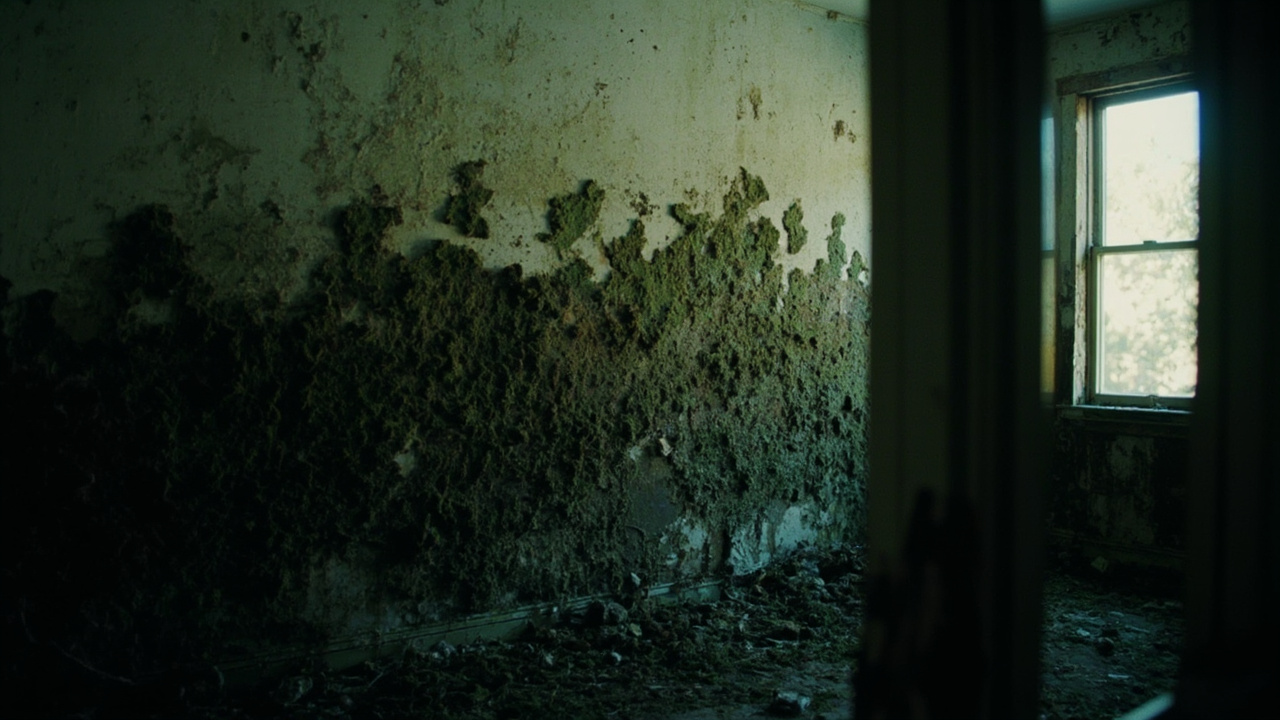
Wall mold infestation spreads fast once conditions align. Spores need three things: moisture, organic material, and temperatures above 40 degrees. Your walls provide two of those automatically. Add water from a plumbing leak, storm damage, or poor ventilation, and growth accelerates within 24 to 48 hours.

Ignoring visible growth means breathing mycotoxins daily. Children, elderly residents, and people with asthma face the highest risk. The problem will not resolve on its own. Surface cleaning with bleach only kills visible mold while moisture continues feeding hidden colonies behind the drywall.

Why Mold Thrives on Kansas City Walls
How We Stop Mold at the Source

How We Stop Mold at the Source

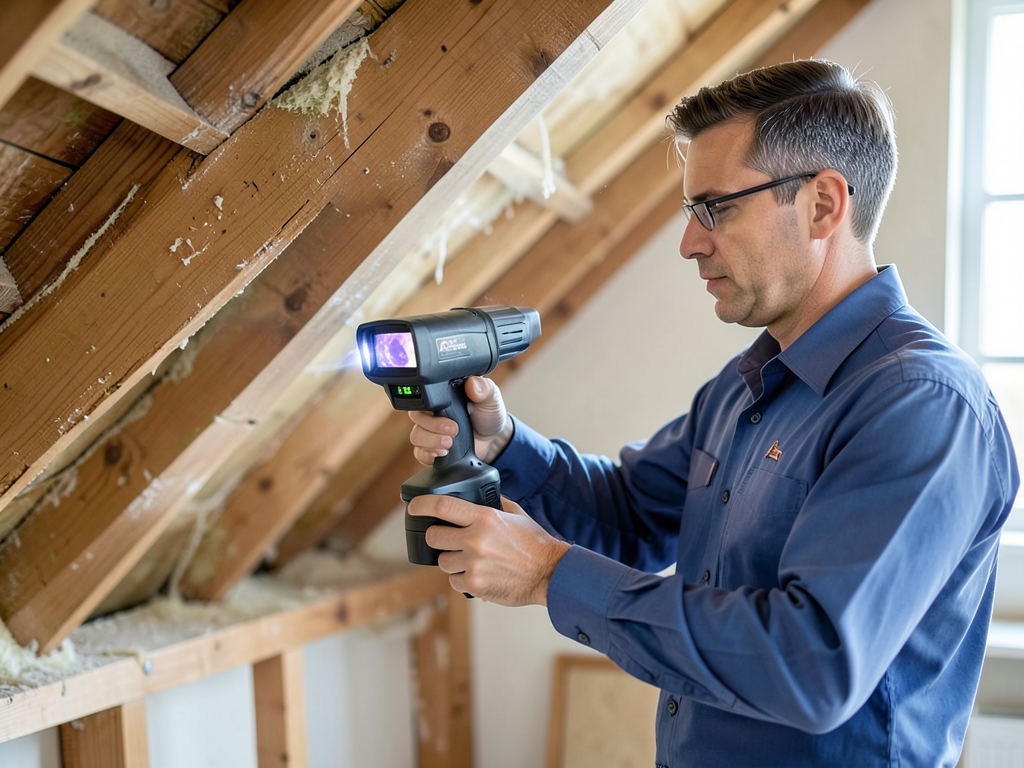
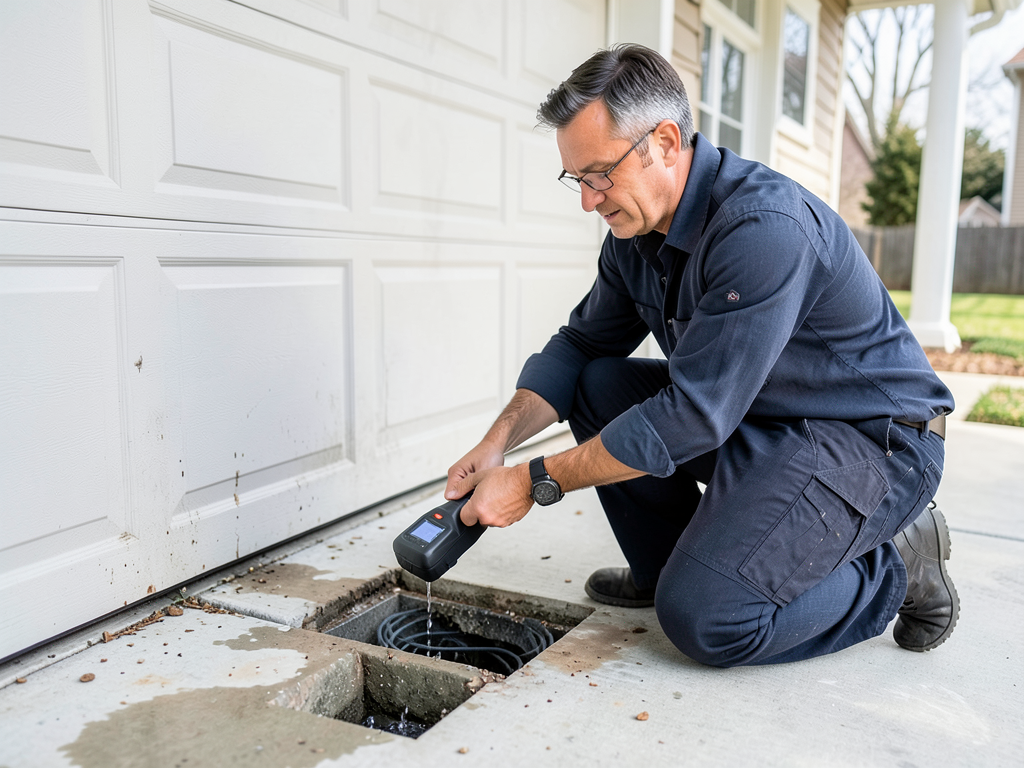
Surface remediation fails because it ignores the root cause. We treat visible mold growth as a symptom, not the disease. Our protocol starts with moisture mapping using thermal imaging cameras and pin-type moisture meters. We measure humidity levels in wall cavities, check for plumbing leaks inside walls, and inspect exterior penetrations where water enters.

Black mold spots on drywall often trace back to failed kickout flashing at roof-to-wall transitions or missing step flashing on chimneys. In Kansas City's older neighborhoods, we frequently find deteriorated mortar joints in brick veneer allowing wind-driven rain to saturate wall sheathing. Bathrooms without proper exhaust ventilation create chronic condensation that feeds fungal growth on wall surfaces.

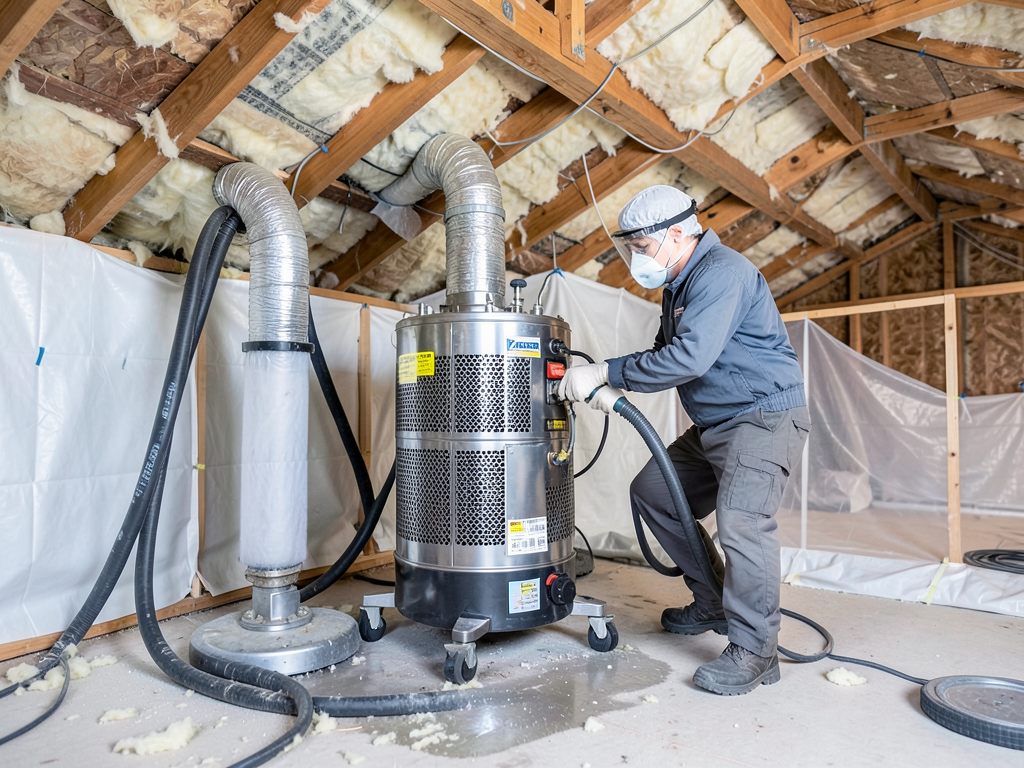
Once we identify the moisture source, we establish containment using 6-mil polyethylene barriers and negative air machines with HEPA filtration. This prevents cross-contamination to unaffected rooms. We remove compromised drywall, insulation, and baseboards, cutting back to clean framing members. Porous materials cannot be salvaged once mold penetrates beyond surface level.

We apply antimicrobial treatments to framing and subfloor, then verify moisture content drops below 16 percent before reconstruction. Studs and joists must dry completely, or new drywall becomes a fresh growth surface. We use commercial dehumidifiers and air movers to accelerate drying in humid months.

The final step addresses prevention. We repair the water intrusion point, whether that means resealing window frames, upgrading bathroom ventilation, or installing vapor barriers in crawl spaces. Visible mildew on painted walls will return if the moisture pathway remains open. A Plus Water Damage Restoration Kansas City does not consider a job complete until both remediation and source correction are verified.

What Happens During Your Mold Remediation Service

Visible Mold Growth on Walls in Kansas City – Expert Diagnosis and Permanent Remediation
01

Inspection and Moisture Tracking

We arrive within hours of your call and conduct thermal imaging of affected walls to map moisture intrusion patterns. Our technicians use calibrated moisture meters to measure water content in drywall, baseboards, and framing. We document all findings with photos and moisture readings, then identify whether the source is plumbing failure, exterior envelope breach, or condensation-related. This data drives our remediation scope.
02

Containment and Safe Removal

We seal the work area with polyethylene sheeting and establish negative air pressure using HEPA-filtered air scrubbers to prevent spore migration. Contaminated drywall, insulation, and trim get removed in controlled sections and double-bagged for disposal. We treat exposed framing with EPA-registered antimicrobials, then verify all surfaces test negative for elevated spore counts before moving to the drying phase.
03

Drying and Source Correction

Industrial dehumidifiers and air movers run continuously until framing moisture drops below 16 percent. We repair the water intrusion point, whether exterior flashing, plumbing leak, or ventilation failure. Once conditions stabilize, we clear the site for reconstruction with new materials. You receive a detailed report documenting pre-remediation conditions, work performed, and final verification testing. The space returns to safe, dry baseline conditions.

Why Kansas City Property Owners Choose Local Expertise

Mold remediation is not a DIY project. You need technicians who understand how Kansas City's specific building methods and climate factors create mold conditions. Homes in Brookside and Waldo feature different construction than newer builds in Northland developments. Brick veneer over wood framing requires different diagnostic approaches than stucco exteriors common in Mission Hills.

We work daily with the moisture challenges unique to this region. The Kansas City area sits at the confluence of the Kansas and Missouri Rivers, creating a humid microclimate that standard ventilation systems struggle to manage. Summer dew points regularly exceed 65 degrees, meaning condensation forms on cool surfaces inside air-conditioned homes. Winter ice dams on north-facing roofs cause meltwater intrusion that shows up as mold patches on sheetrock weeks later.

Our technicians hold IICRC certifications in water damage restoration and applied microbial remediation. We follow ANSI/IICRA S520 standards for mold remediation, which means documented containment protocols, proper PPE, and third-party verification testing. You will not find shortcuts or surface-level fixes in our process.

A Plus Water Damage Restoration Kansas City maintains relationships with local insurance adjusters, which streamlines claims processing when mold results from covered water damage. We provide detailed photo documentation, moisture logs, and scope-of-work estimates that meet carrier requirements. This saves you weeks of back-and-forth paperwork.

We also understand local code requirements for vapor barriers, ventilation rates, and moisture management in habitable spaces. Work performed without permits or inspections creates liability when you sell the property. Our remediation meets Kansas City building codes and passes third-party mold clearance testing.

You get a local team that responds fast, works clean, and fixes the problem permanently. No national franchise learning your building stock on the job.

What You Can Expect from Our Process

Rapid Response and Scheduling

We dispatch a certified technician within two to four hours of your call during business hours. Evening and weekend requests receive next-available appointment priority, typically within 12 hours. Mold does not keep business hours, and delayed response allows spore colonies to expand. Our initial inspection takes 45 to 90 minutes depending on property size and complexity. You receive a written assessment and remediation proposal before we begin work, with clear scope details and timeline projections. Most residential wall mold projects complete within three to five days from containment to final clearance testing.

Thorough Diagnostic Assessment

Our inspection goes beyond visible mold growth. We use thermal imaging to detect temperature differentials that indicate moisture intrusion behind walls. Pin-type and pinless moisture meters measure water content in building materials at multiple depths. We inspect attic ventilation, crawl space conditions, plumbing penetrations, and exterior envelope details like flashing and caulking. Bathrooms get checked for proper exhaust capacity and ductwork termination. We identify whether you face active water intrusion, residual moisture from a past event, or chronic condensation issues. This diagnostic rigor prevents mold recurrence after remediation.

Complete Contamination Removal

We remove all compromised materials, not just surface-clean visible mold. Drywall with fungal growth on wall surfaces gets cut back to clean studs. Insulation in contact with mold gets bagged and removed. We treat framing with antimicrobial solutions and verify moisture levels drop below growth thresholds before reconstruction begins. HEPA air scrubbers run throughout the project to capture airborne spores. You receive post-remediation air quality testing from an independent lab, confirming spore counts return to normal baseline levels. The space gets returned to pre-loss condition with new materials and proper moisture barriers installed.

Prevention and Long-Term Solutions

Remediation means nothing if the moisture source remains active. We repair roof leaks, reseal window frames, upgrade bathroom ventilation, or install dehumidification systems based on your specific moisture pathway. You receive written recommendations for ongoing moisture management, including target humidity levels and seasonal maintenance tasks. We provide documentation of all source repairs completed during remediation. If future moisture issues arise from the same source within the first year, we return to assess and address the concern. Your investment protects your property value and indoor air quality for the long term.

Frequently Asked Questions

You Have Questions,
We Have Answers

What to do if I see mold on my wall? +

Stop touching it. Mold spreads when disturbed. Open windows if weather permits, then isolate the area by closing doors. Take photos for documentation. Do not attempt DIY removal if the patch is larger than 10 square feet or if you smell a musty odor in other rooms. Kansas City's humidity and older housing stock often hide mold behind walls. A professional inspection identifies the moisture source, whether it's a roof leak, foundation seepage, or condensation from poor ventilation. Call a certified mold remediation company to test air quality and remove contaminated materials safely.

Can mold make a baby cough? +

Yes. Mold spores irritate developing respiratory systems. Babies breathe faster than adults, inhaling more spores per pound of body weight. Symptoms include persistent dry cough, wheezing, and congestion that does not improve with standard treatment. Kansas City's humid summers create ideal mold conditions in basements and crawl spaces. If your baby coughs more at home than elsewhere, suspect mold. Check behind furniture, under sinks, and around windows. A pediatrician can rule out other causes, but you need professional mold testing to confirm the source. Remove the baby from the home until remediation is complete.

Can mold cause twitching? +

Prolonged mold exposure can cause neurological symptoms, including muscle twitching. Mycotoxins from certain mold species affect the nervous system, triggering involuntary muscle spasms, tremors, and difficulty concentrating. This is more common with black mold or high spore counts in enclosed spaces. If you experience twitching along with headaches, dizziness, or memory issues, see a doctor immediately. Kansas City homes with poor attic ventilation or basement moisture problems often have hidden mold colonies. Medical treatment addresses symptoms, but you must eliminate the mold source to prevent further exposure. Professional air quality testing confirms contamination levels.

Does black mold affect pregnancy? +

Yes. Mold exposure during pregnancy increases risks for respiratory issues and immune system stress. Pregnant women are more susceptible to mold toxicity because their immune systems are already compromised. Symptoms include chronic sinus infections, fatigue, and breathing difficulty. Black mold produces mycotoxins that can cross the placental barrier in severe cases. Kansas City's older homes and fluctuating temperatures create condensation problems that fuel mold growth. If you are pregnant and suspect mold, leave the property immediately. Have a professional conduct air sampling and surface testing. Do not return until certified remediation is complete and clearance testing confirms safety.

What kills mold permanently on walls? +

Nothing kills mold permanently if moisture remains. Surface cleaning with bleach only removes visible growth but does not address spores inside porous materials like drywall or insulation. Professional remediation involves removing contaminated materials, treating surfaces with antimicrobial solutions, and fixing the moisture source. Kansas City's clay soil causes foundation shifting and water intrusion, feeding mold behind walls. Dehumidifiers and proper ventilation prevent regrowth, but you must repair leaks, improve drainage, and control humidity below 50 percent. EPA-registered fungicides work for non-porous surfaces, but porous materials must be discarded. Permanent solutions require both removal and moisture control.

Will mold go away if it dries out? +

No. Mold goes dormant when dry but reactivates with moisture. Spores remain viable for years, waiting for humidity or water exposure. Kansas City's seasonal humidity swings mean mold can return quickly after a dry spell. Dormant mold still releases spores into the air, affecting indoor air quality. Simply drying the area does not eliminate the colony or the health risk. You must physically remove mold-contaminated materials and treat surfaces with antimicrobial agents. Fixing the moisture source is critical. Leaking pipes, roof damage, or poor ventilation in basements will cause mold to regrow even after drying.

What are the first signs of mold sickness? +

Chronic sinus congestion, persistent cough, and unexplained fatigue are early warning signs. You may notice headaches that worsen indoors, itchy eyes, or skin rashes. Mold sickness develops gradually as spore exposure accumulates. Kansas City residents with basement living spaces or older homes face higher risk due to poor ventilation and humidity. Symptoms often mimic allergies or colds but do not respond to standard medication. If you feel better when away from home, suspect mold. Track symptom patterns and document locations where you feel worse. A doctor can order blood tests for mold antibodies, but professional air testing confirms the source.

Can air purifiers remove mold spores? +

Air purifiers with HEPA filters capture mold spores but do not eliminate the source. They reduce airborne spore counts temporarily, improving air quality while you address the problem. Look for units with true HEPA certification, not HEPA-type filters. Kansas City's humidity requires purifiers with activated carbon filters to handle musty odors from mold growth. Run purifiers continuously in affected rooms, but understand they are a temporary measure. You must remove mold colonies and fix moisture problems for permanent relief. Air purifiers help during remediation by controlling cross-contamination but cannot replace professional mold removal and source repair.

How do I tell if mold is in my lungs? +

You cannot self-diagnose mold in lungs. Symptoms include persistent cough with mucus, shortness of breath, chest tightness, and wheezing that worsens over time. Pulmonary aspergillosis, a fungal lung infection, requires medical imaging and lab tests for confirmation. A pulmonologist performs chest X-rays, CT scans, or bronchoscopy to detect fungal colonies. Kansas City's humid climate increases mold exposure risk, especially in poorly ventilated homes. If you have existing lung conditions like asthma or COPD, you are more vulnerable. Do not wait for severe symptoms. Seek medical attention immediately if breathing difficulties persist after leaving a moldy environment.

Is brain damage from mold reversible? +

Recovery depends on exposure duration and individual health. Mild cognitive symptoms like brain fog and memory issues often improve after mold removal and medical treatment. Severe cases involving chronic inflammatory response syndrome may cause lasting damage. Kansas City residents exposed to high mold concentrations in flooded basements or water-damaged homes face greater risk. Neurological testing and treatment by a specialist trained in mycotoxin illness are essential. Chelation therapy, antifungal medications, and detoxification protocols show promise, but outcomes vary. Early intervention improves prognosis. Remove yourself from mold exposure immediately, then pursue medical evaluation. Complete home remediation prevents continued exposure during recovery.

How Kansas City's Humid Climate Accelerates Wall Mold Growth

Kansas City's location in the Missouri River valley creates a humidity trap. Summer dew points routinely exceed 70 degrees, causing condensation on cool interior walls when air conditioning runs. Winter brings freeze-thaw cycles that create ice dams on north-facing roofs and condensation inside exterior wall cavities. Older homes in neighborhoods like Hyde Park and Armour Hills lack modern vapor barriers, allowing moisture migration through plaster walls. Spring storms deliver wind-driven rain that penetrates brick mortar joints and window flashing, saturating wall sheathing behind the exterior veneer. These conditions make visible mildew on painted walls and mold patches on sheetrock common complaints across the metro.

Property owners in Kansas City need remediation teams familiar with regional construction methods and moisture dynamics. We work daily with the building stock that defines this area, from turn-of-century brick bungalows to mid-century ranch homes with inadequate attic ventilation. Our technicians understand how Kansas City's clay soil creates hydrostatic pressure that drives basement moisture, which migrates upward into first-floor walls. We know which local roofing contractors install proper kickout flashing and which HVAC companies size dehumidification correctly. This local knowledge prevents recurring mold problems that out-of-town franchises miss because they lack regional experience.
Water Damage Restoration Services in The Kansas City Area

While we provide rapid mobile service throughout the entire Kansas City area, you can also view our general service area on the map. We are dedicated to being a local, accessible resource for all your water damage restoration needs, whether you're in the heart of the city or a surrounding community. Our team is always just a phone call away, ready to assist you with expertise and care, no matter where you are located within our service area.

Address:
A Plus Water Damage Restoration Kansas City, 1020 E Armour Blvd, Kansas City, MO, 64109

Additional Services We Offer

Our news updates

Latest Articles & News from The Blogs

How the hard water in Edwardsville is secretly shortening the life of your plumbing and appliances Hard water is more…

How the hard water in Edwardsville is secretly shortening the life of your plumbing and appliances

How the hard water in Edwardsville is secretly shortening the life of your plumbing and appliances Hard water is more…

How to protect your Weatherby Lake home from major water damage while you are away for the winter

How to protect your Weatherby Lake home from major water damage while you are away for the winter Winterizing your…

What every first-time buyer in Raymore needs to check for water damage before closing the deal

What every first-time buyer in Raymore needs to check for water damage before closing the deal Buying your first home…

Contact Us

Visible mold growth will not resolve without professional intervention. Call A Plus Water Damage Restoration Kansas City at (816) 473-3833 for same-day inspection and remediation planning. We identify moisture sources, remove contaminated materials, and restore safe indoor air quality fast.