




Menu

Emergency Mold Containment in Kansas City – 24/7 Response Teams Deployed in Under 60 Minutes

When mold threatens your Kansas City property, every minute counts. Our certified technicians arrive fast with industrial containment barriers and negative air pressure systems to stop airborne spore migration before it spreads through your HVAC system.

Slider Image 1
Slider Image 2
Slider Image 3
Slider Image 4
Slider Image 5
Slider Image 7
Slider Image 8
Slider Image 9
Slider Image 10
Slider Image 11

Kansas City's Climate Creates Perfect Conditions for Rapid Mold Spread

You smell it first. That damp, earthy odor that makes your throat tighten. Then you see it: dark patches spreading across drywall, creeping along baseboards, blooming in corners you cleaned last week.

Kansas City's humidity swings create the perfect breeding ground for mold. Summer humidity regularly hits 70 percent, while spring storms dump moisture into crawlspaces and attics. The Missouri River's proximity keeps ambient moisture high, especially in neighborhoods near Riverside and the West Bottoms. When basement flooding or pipe bursts introduce standing water, mold colonies can establish visible growth in 24 to 48 hours.

The real danger is not what you see. Airborne spores travel through your HVAC ducts, settling in bedrooms, kitchens, and living spaces. Children, elderly residents, and anyone with respiratory conditions face immediate health risks. You might notice persistent coughing, watery eyes, or skin irritation. These symptoms worsen as spore concentration increases.

Emergency mold containment stops this cascade. Immediate mold mitigation involves physical barriers that isolate affected areas, preventing spores from migrating through your property. Without rapid mold containment services, a small bathroom problem becomes a whole-house crisis. The difference between urgent mold isolation and delayed response is often thousands in additional remediation costs.

You cannot clean your way out of active mold growth. Wiping surfaces spreads spores. Fans accelerate airborne distribution. Emergency mold abatement requires negative air pressure, HEPA filtration, and antimicrobial treatments that only certified professionals can deploy safely.

The clock started the moment moisture entered your property. Every hour without 24/7 mold damage containment increases health risks and structural damage.

Kansas City's Climate Creates Perfect Conditions for Rapid Mold Spread
How Professional Containment Stops Mold Before It Spreads

How Professional Containment Stops Mold Before It Spreads

Containment is not cleaning. It is creating a controlled environment where mold cannot escape while we eliminate the source.

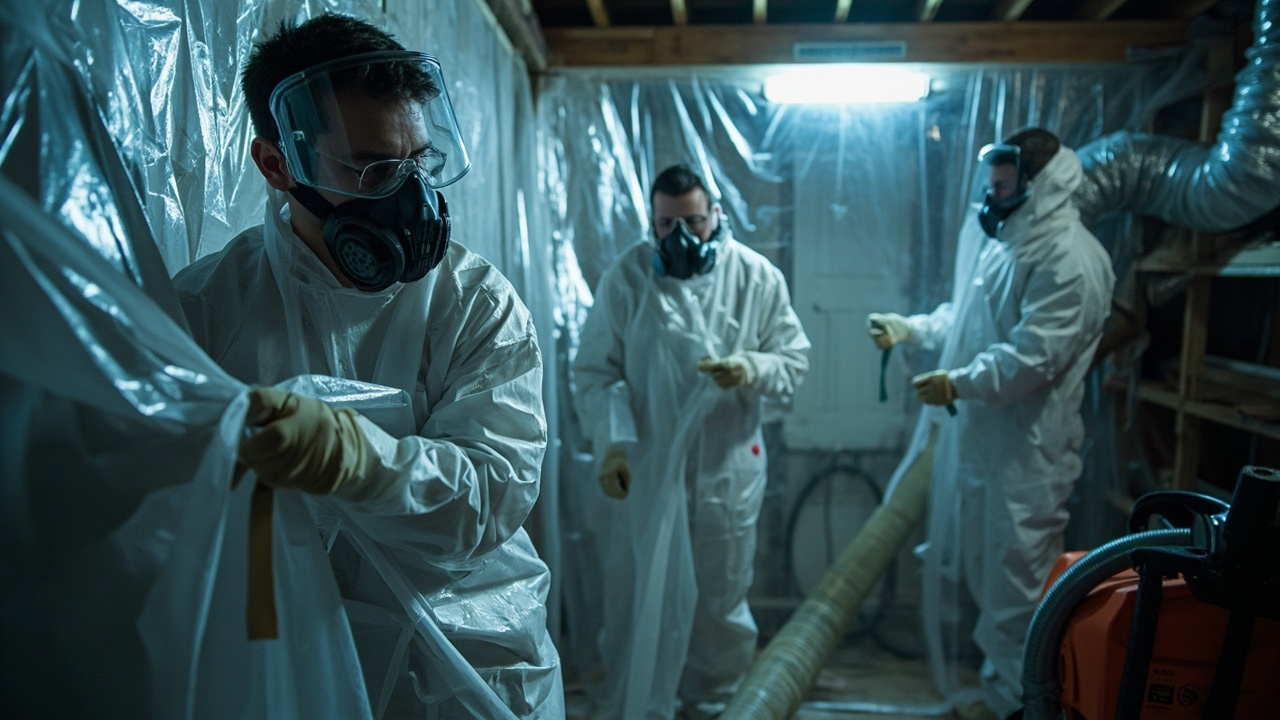
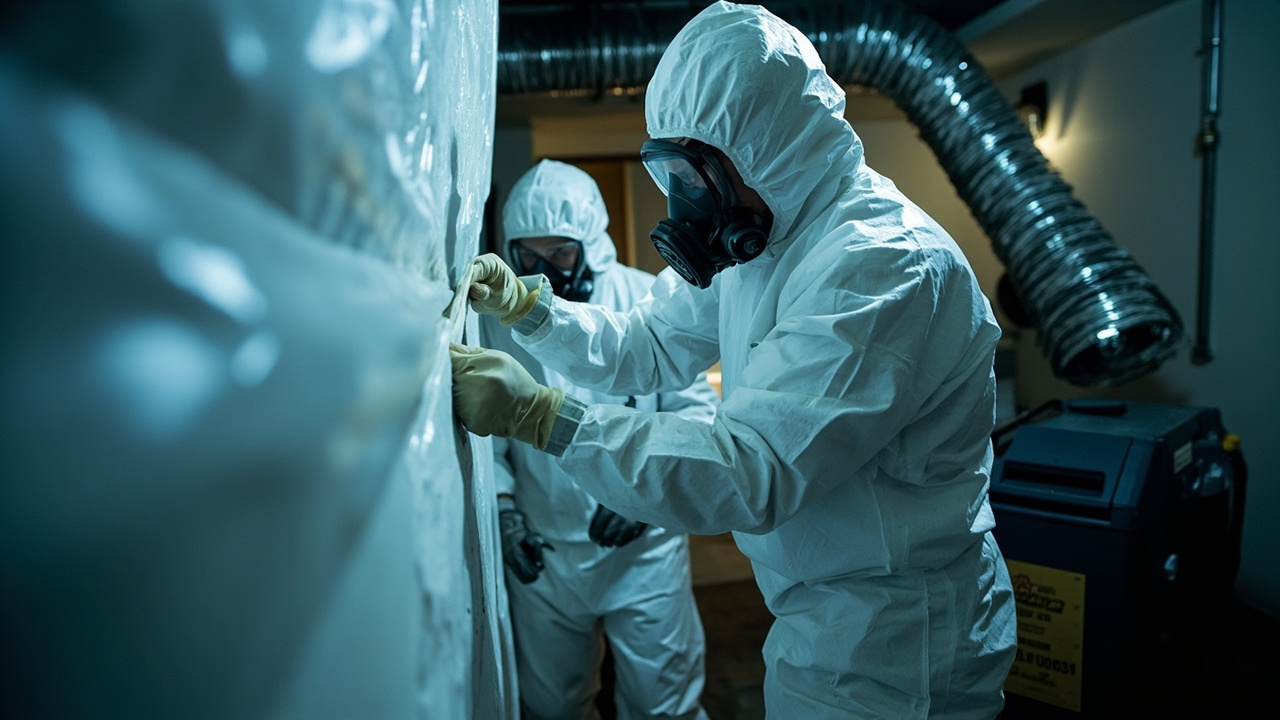
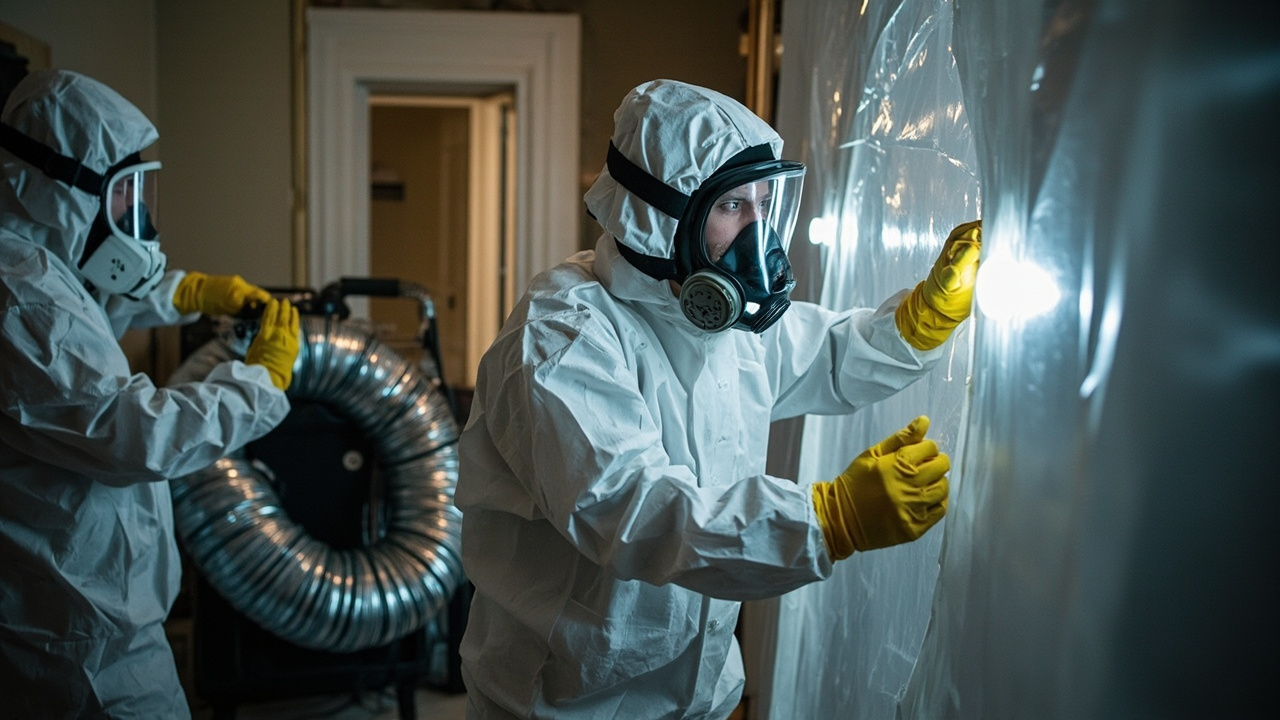
We establish physical barriers using six-mil polyethylene sheeting, sealed with compression tape to create airtight chambers. This prevents cross-contamination to unaffected areas. Doorways receive zippered access panels that maintain containment integrity while allowing technician entry.

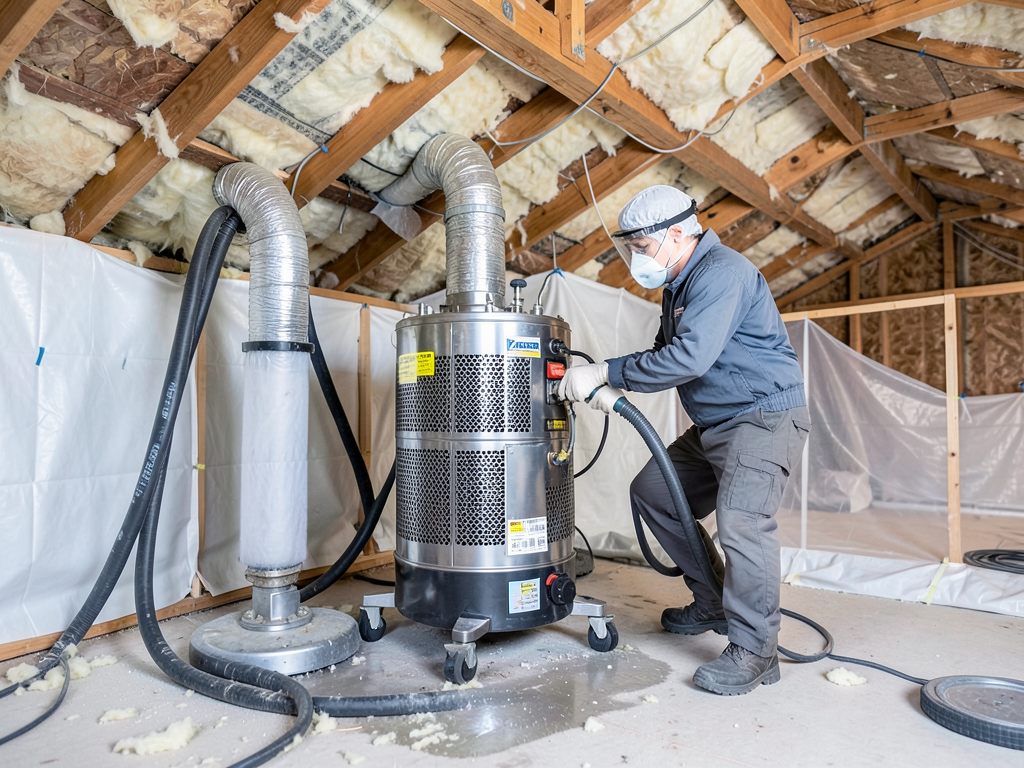
Negative air pressure is critical. We deploy air scrubbers with HEPA filters rated to capture 99.97 percent of particles as small as 0.3 microns. These machines pull contaminated air from the containment zone, filter it, and exhaust it outside your property. This creates lower air pressure inside the containment area than in surrounding rooms. Air flows in, not out. Spores cannot escape.

Kansas City's older housing stock, particularly homes built before 1980 in neighborhoods like Brookside and Waldo, often has interconnected HVAC systems that spread contaminants rapidly. We seal supply and return vents within the containment zone to prevent spore migration through ductwork.

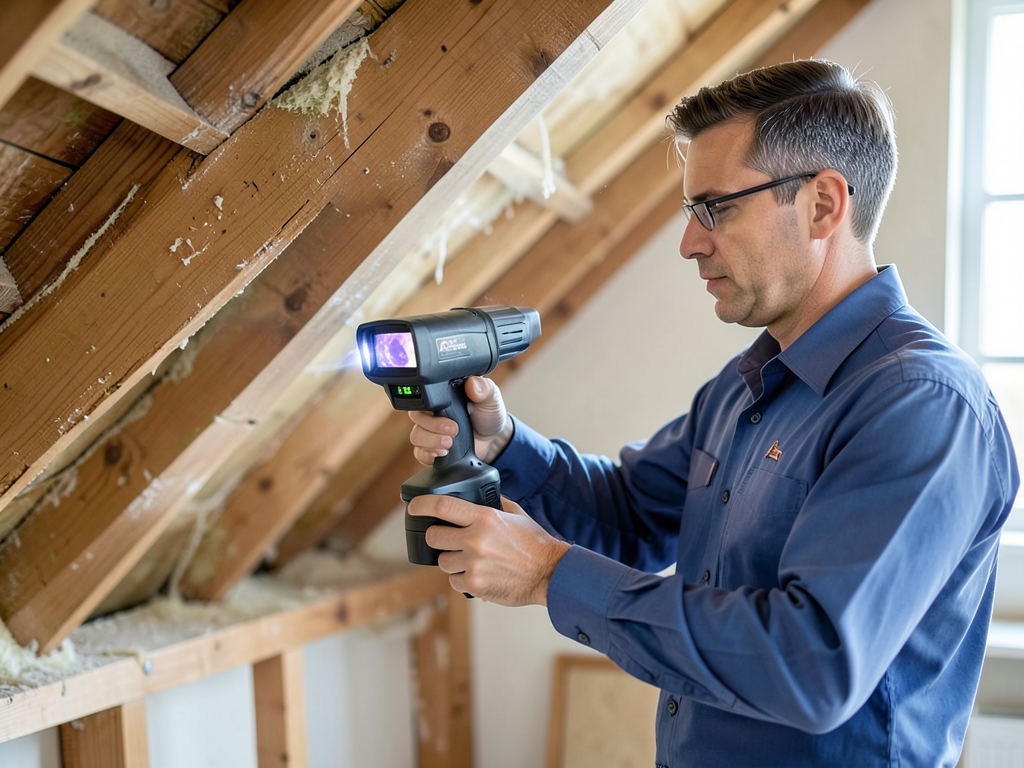
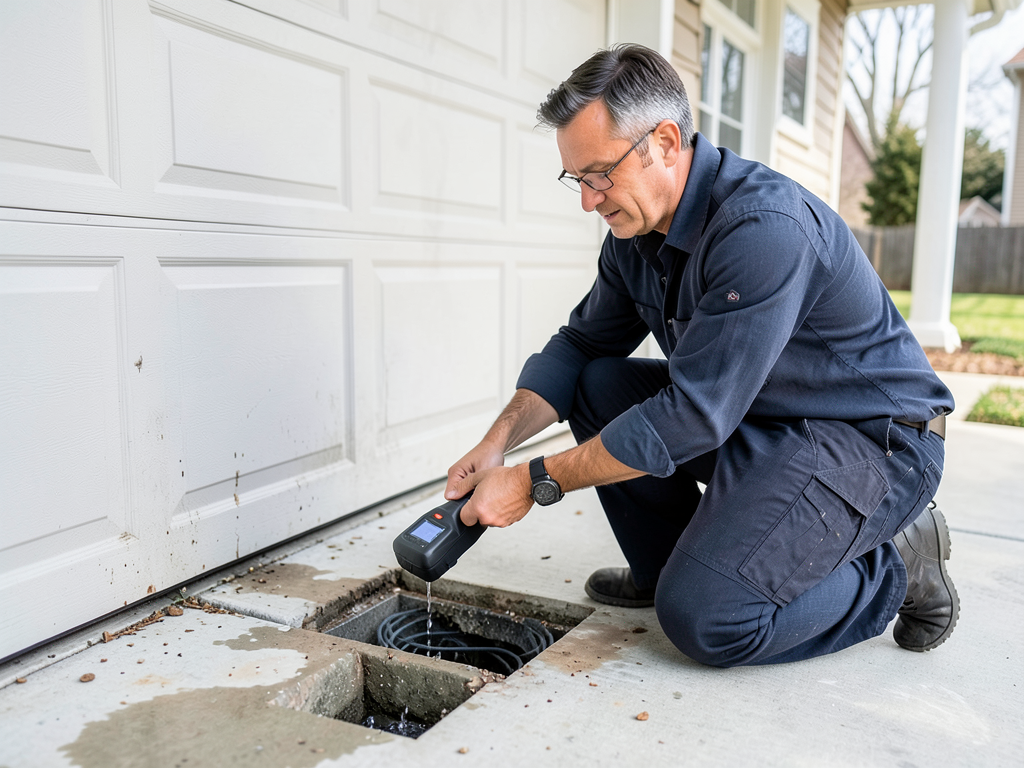
Moisture source identification comes next. We use thermal imaging cameras to detect hidden water intrusion behind walls and under flooring. Infrared technology reveals temperature differentials that indicate dampness. Mold needs moisture. Eliminate water, and you stop growth.

We document everything. Pre-containment photography, moisture meter readings, and air quality samples create a baseline. This data proves remediation effectiveness and supports insurance claims.

A Plus Water Damage Restoration Kansas City uses hospital-grade antimicrobial agents that kill mold at the cellular level. Surface treatments alone fail because mold roots penetrate porous materials. We apply EPA-registered fungicides that penetrate substrates, preventing regrowth.

The containment stays active until air quality testing confirms spore counts match outdoor ambient levels. This typically takes 48 to 72 hours after source removal and cleaning.

What Happens When You Call for Emergency Containment

Emergency Mold Containment in Kansas City – 24/7 Response Teams Deployed in Under 60 Minutes
01

Immediate Phone Assessment

You call (816) 473-3833 and speak directly with a trained technician, not an answering service. We ask specific questions about visible mold location, moisture source, affected square footage, and occupant health symptoms. This information determines equipment deployment and crew size. Our dispatch team alerts the nearest response unit within five minutes of your call. You receive an estimated arrival time and direct technician contact information.
02

On-Site Containment Setup

Technicians arrive with containment supplies, negative air machines, and moisture detection equipment. We walk through your property to identify contamination extent, then seal the affected zone with polyethylene barriers. HEPA air scrubbers start immediately, creating negative pressure within 20 minutes of arrival. We isolate HVAC systems, seal doorways, and establish decontamination chambers for equipment entry and exit. You see physical proof that spores cannot spread.
03

Containment Monitoring and Clearance

Air scrubbers run continuously while we remove contaminated materials and treat surfaces. We monitor containment integrity hourly, checking barrier seals and negative pressure differentials with manometers. After cleaning and antimicrobial treatment, we conduct air quality testing using spore trap sampling. Results must show spore counts equal to or lower than outdoor levels before containment removal. You receive lab reports and photographic documentation of the entire process.

Why Kansas City Property Owners Choose Local Containment Experts

Distance matters in emergencies. National franchise operators dispatch from regional hubs, often 30 to 45 minutes away in good traffic. We operate from Kansas City, with equipment staged for rapid deployment to Northland neighborhoods, Johnson County, and downtown properties.

Kansas City's building code enforcement falls under the International Residential Code with local amendments specific to flood zones and basement construction. Properties in the 100-year floodplain, common along Turkey Creek and the Blue River, require specific remediation documentation for insurance claims. We know these requirements. Our reports meet local adjuster standards.

Historic districts like Hyde Park and Westport have homes built between 1900 and 1940. These structures use plaster walls, wood lath, and pier-and-beam foundations that respond differently to moisture than modern construction. Aggressive drying techniques that work in newer subdivisions can crack plaster or warp historic woodwork. We adjust our methods based on construction era and materials.

A Plus Water Damage Restoration Kansas City maintains relationships with local industrial hygienists who perform independent air quality testing. Third-party verification proves containment effectiveness. We do not test our own work. This protects you.

Insurance claims require specific documentation. We photograph before and after conditions, log equipment runtime hours, and provide material disposal receipts. Kansas City adjusters know our reports. This familiarity speeds approval and reduces claim disputes.

You need someone who answers their phone at 2 a.m. when you discover mold spreading from a burst washing machine hose. National call centers transfer you through three menus before reaching a scheduler who books a next-day appointment. We dispatch immediately.

Local means accountability. We work in this community. Our reputation depends on proper containment, not just fast containment.

What Emergency Containment Looks Like From Start to Finish

Response Time and Availability

We answer emergency calls 24 hours a day, every day. No voicemail. No appointment windows. Technicians are on standby with fully stocked vehicles ready to deploy. Average arrival time is 45 to 60 minutes across Kansas City, faster for downtown and midtown properties. Night and weekend calls receive the same response priority as weekday emergencies. We understand mold does not wait for business hours. You call, we respond, containment begins. This speed prevents thousands in additional damage and protects occupant health during the critical first hours after discovery.

Initial Assessment and Containment Planning

The first technician on-site performs a visual inspection using moisture meters and thermal imaging cameras. We identify all affected areas, not just visible mold. Hidden growth behind cabinets, inside wall cavities, and under flooring gets documented. Moisture readings determine if active water intrusion continues or if residual dampness remains from a resolved leak. This assessment defines containment boundaries. We explain what we found, what equipment we will deploy, and what you should expect over the next 48 to 72 hours. You receive a written scope of work before containment begins.

Completed Containment and Air Quality Results

Successful containment means spore counts inside your property match outdoor ambient levels. We prove this with laboratory air quality testing performed by independent hygienists. You receive quantitative data showing spore species and concentration, compared against baseline outdoor samples. Containment barriers stay in place until results confirm clearance. We photograph the cleaned space and provide disposal receipts for removed materials. Your property is safe for reoccupation. No guesswork, no assumptions. Lab results and documentation prove the work is complete and your indoor air quality is restored.

Post-Containment Monitoring and Prevention

Containment eliminates existing mold, but preventing regrowth requires moisture control. We provide specific recommendations for dehumidification, ventilation improvements, and plumbing repairs based on what caused the initial growth. Kansas City's seasonal humidity swings mean crawlspace encapsulation or basement waterproofing may be necessary for long-term prevention. We do not perform these services ourselves but connect you with qualified contractors. Follow-up air quality testing at 30 days confirms no regrowth has occurred. This optional service provides peace of mind and documents ongoing indoor air quality for sensitive occupants.

Frequently Asked Questions

You Have Questions,
We Have Answers

What is the proper containment for mold remediation? +

Proper mold containment uses physical barriers to stop spore spread during remediation. Professionals install 6-mil polyethylene sheeting to seal off the affected area from clean spaces. Negative air pressure machines with HEPA filters pull air out of the containment zone, preventing spores from escaping. All HVAC systems get shut down, and vents are sealed. Entry points use zipper doors or airlocks. In Kansas City homes with basement moisture issues or flood damage, containment is critical. The goal is to isolate the work zone completely so your family breathes clean air while we remove contaminated materials.

What does Servpro use for mold remediation? +

Servpro typically uses EPA-registered antimicrobial treatments, HEPA air scrubbers, and containment barriers during mold remediation. Their process involves similar industry-standard equipment like negative air machines, PPE, and moisture meters. However, you have options in Kansas City. Different companies use different protocols and technologies. Some focus on dry ice blasting or advanced oxidation. The key is choosing a local team that responds fast, works with your insurance, and understands Kansas City's specific humidity challenges. Ask about their containment methods, drying equipment, and how they handle your home's unique moisture sources.

How to cover mold temporarily? +

If you discover mold and need a temporary fix before professionals arrive, seal the area with thick plastic sheeting and painter's tape. Do not touch or disturb the mold, as this releases spores. Turn off your HVAC system to stop air circulation. Open a window in the affected room only if weather permits. Do not use bleach or spray anything on active mold growth. This is a short-term measure only. In Kansas City's humid climate, mold spreads fast. Call a remediation specialist immediately. Temporary covering buys you hours, not days. Professional containment and removal are urgent.

Is there a way to kill airborne mold? +

Yes, HEPA air scrubbers and negative air machines capture airborne mold spores effectively. These devices pull contaminated air through multi-stage filtration systems that trap particles down to 0.3 microns. Some professionals also use foggers with antimicrobial agents or hydroxyl generators to neutralize airborne spores. However, killing airborne mold is only part of the solution. You must remove the moisture source and the physical mold colony. In Kansas City, high humidity from storms or foundation leaks keeps feeding mold growth. Air filtration protects you during remediation, but permanent removal requires addressing the root moisture problem and contaminated materials.

How Kansas City's Humidity and Flood Plains Accelerate Mold Growth

Kansas City sits at the confluence of the Kansas and Missouri Rivers, creating naturally high humidity that averages 68 percent year-round. Spring storms dump three to five inches of rain in hours, overwhelming aging storm sewers in neighborhoods like Old Northeast and Columbus Park. Basement flooding is common. Crawlspace moisture accumulates in homes built on the limestone bluffs overlooking the river bottoms. These conditions create constant mold pressure. Emergency mold containment is not optional when water intrusion occurs. Immediate mold mitigation prevents spores from establishing colonies in wall cavities and HVAC systems. The local climate makes rapid mold containment services critical, not precautionary.

Kansas City's housing stock includes thousands of pre-1950 homes with stone foundations, balloon framing, and minimal vapor barriers. These structures absorb and retain moisture differently than modern construction. Local building inspectors understand these vulnerabilities and require specific remediation standards for properties in flood-prone areas. A Plus Water Damage Restoration Kansas City works directly with city code enforcement and local adjusters who recognize our documentation standards. This local expertise ensures your emergency mold abatement meets regulatory requirements and insurance claim standards. Urgent mold isolation performed by teams familiar with Kansas City construction methods protects both your property value and your family's health.
Water Damage Restoration Services in The Kansas City Area

While we provide rapid mobile service throughout the entire Kansas City area, you can also view our general service area on the map. We are dedicated to being a local, accessible resource for all your water damage restoration needs, whether you're in the heart of the city or a surrounding community. Our team is always just a phone call away, ready to assist you with expertise and care, no matter where you are located within our service area.

Address:
A Plus Water Damage Restoration Kansas City, 1020 E Armour Blvd, Kansas City, MO, 64109

Additional Services We Offer

Our news updates

Latest Articles & News from The Blogs

How the hard water in Edwardsville is secretly shortening the life of your plumbing and appliances Hard water is more…

How the hard water in Edwardsville is secretly shortening the life of your plumbing and appliances

How the hard water in Edwardsville is secretly shortening the life of your plumbing and appliances Hard water is more…

How to protect your Weatherby Lake home from major water damage while you are away for the winter

How to protect your Weatherby Lake home from major water damage while you are away for the winter Winterizing your…

What every first-time buyer in Raymore needs to check for water damage before closing the deal

What every first-time buyer in Raymore needs to check for water damage before closing the deal Buying your first home…

Contact Us

Call (816) 473-3833 immediately. Technicians are standing by to deploy containment equipment to your Kansas City property within the hour. Do not wait. Do not try cleaning it yourself. Mold spreads with every passing minute. We stop it now.