




Menu

Swollen Baseboards & Trim in Kansas City – Expert Diagnosis and Permanent Repair

When water damaged baseboards start buckling along your walls, you need more than a quick fix. Our team identifies the hidden moisture source, removes compromised materials, and restores your trim to prevent mold and structural damage.

Slider Image 1
Slider Image 2
Slider Image 3
Slider Image 4
Slider Image 5
Slider Image 7
Slider Image 8
Slider Image 9
Slider Image 10
Slider Image 11

Why Kansas City Homes Develop Swollen Baseboards and Warped Trim

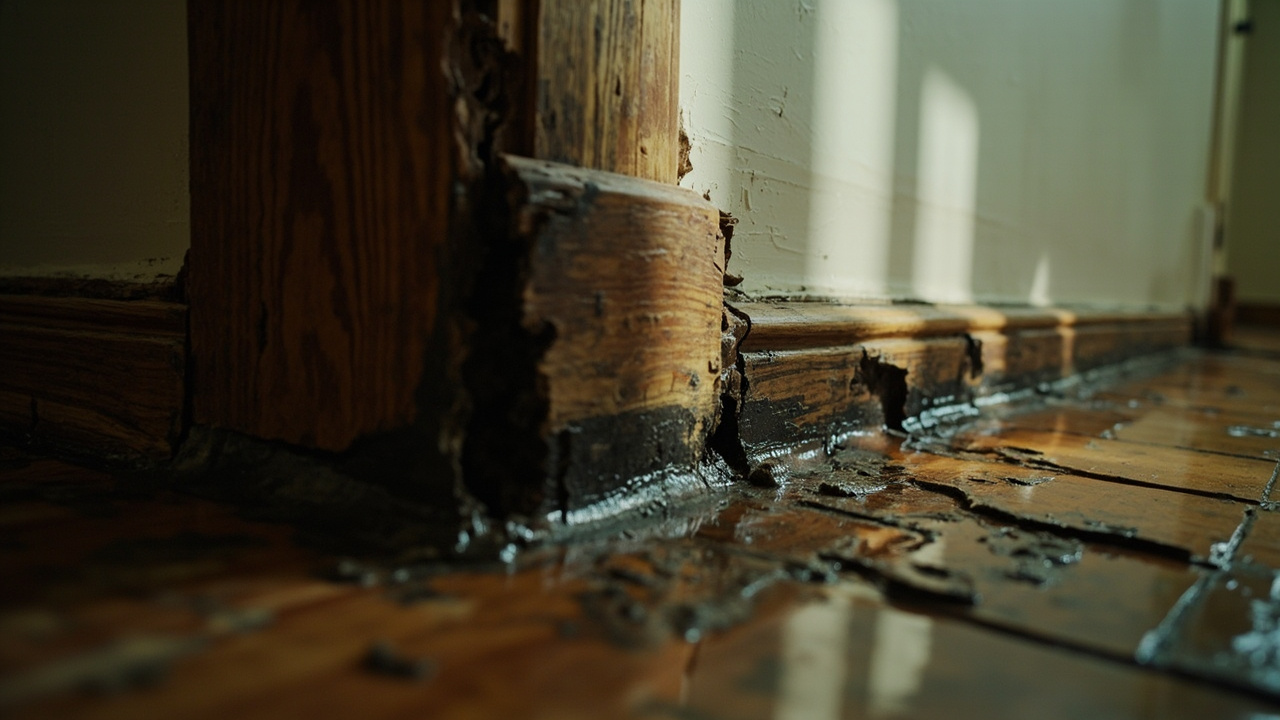
You walk past the same wall every day. Then one morning, you notice it. Your baseboard molding looks bloated. The paint is cracking. The trim feels spongy when you press it.

Kansas City's humid summers and freeze-thaw cycles create the perfect conditions for moisture swollen baseboards. When outside temperatures swing 40 degrees in 24 hours, condensation forms inside exterior walls. That moisture migrates down to floor level, where your trim sits against drywall and subfloor. MDF baseboards absorb water like a sponge. Solid wood warps and splits. Both release a musty smell as mold takes hold.

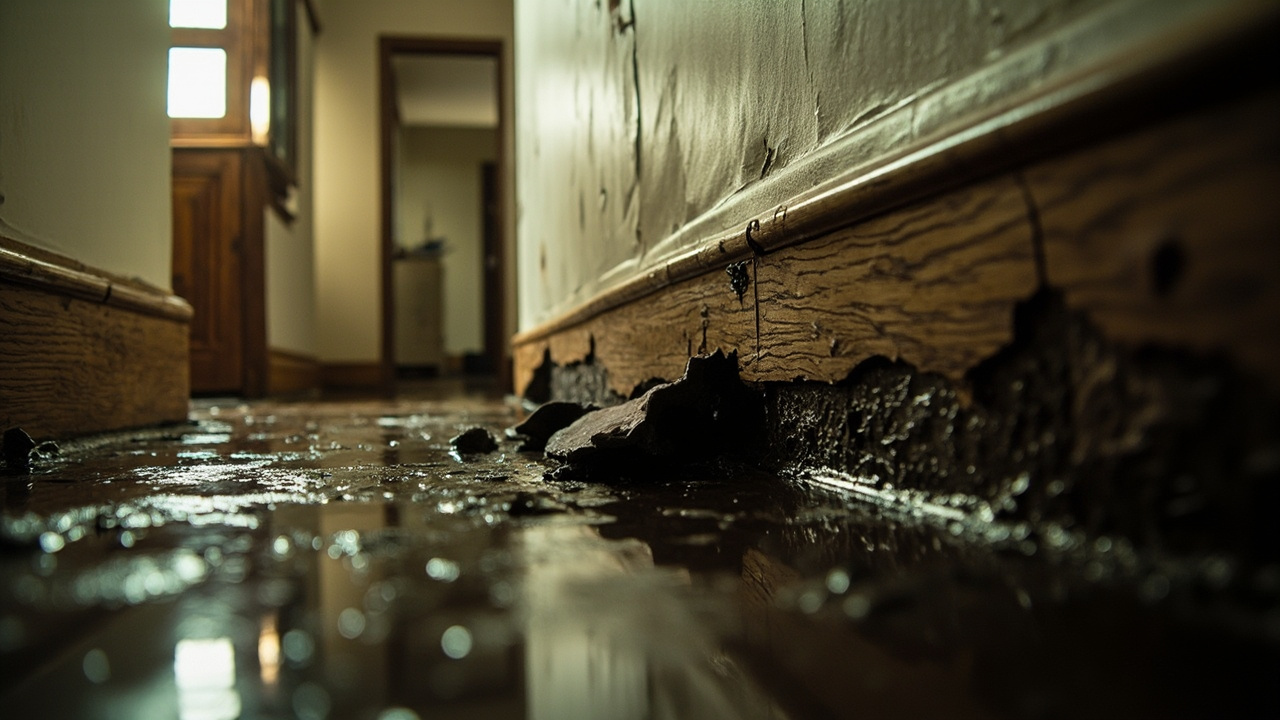
Most homeowners notice expanded MDF trim in bathrooms, kitchens, and exterior walls first. The material swells from the bottom up. Paint bubbles. Joints separate. The baseboard pulls away from the wall. By the time you see bloated wood trim, the water source has been active for weeks or months.

The Missouri River and its tributaries keep groundwater tables high across Kansas City. Older homes in neighborhoods like Hyde Park and Midtown have limestone foundations that wick moisture during wet seasons. Newer construction in Northland subdivisions often has grading issues that direct rainwater toward foundations instead of away. Both scenarios create chronic moisture problems that attack baseboards and trim from behind.

Warped baseboard molding signals a bigger issue. The visible damage you see represents a fraction of the total moisture intrusion. Water damaged baseboards mean saturated drywall, wet insulation, and potential mold growth inside your walls. Ignoring swollen trim leads to structural rot, compromised wall framing, and health risks from airborne spores.

Why Kansas City Homes Develop Swollen Baseboards and Warped Trim
How We Identify and Fix the Real Problem Behind Swollen Trim

How We Identify and Fix the Real Problem Behind Swollen Trim

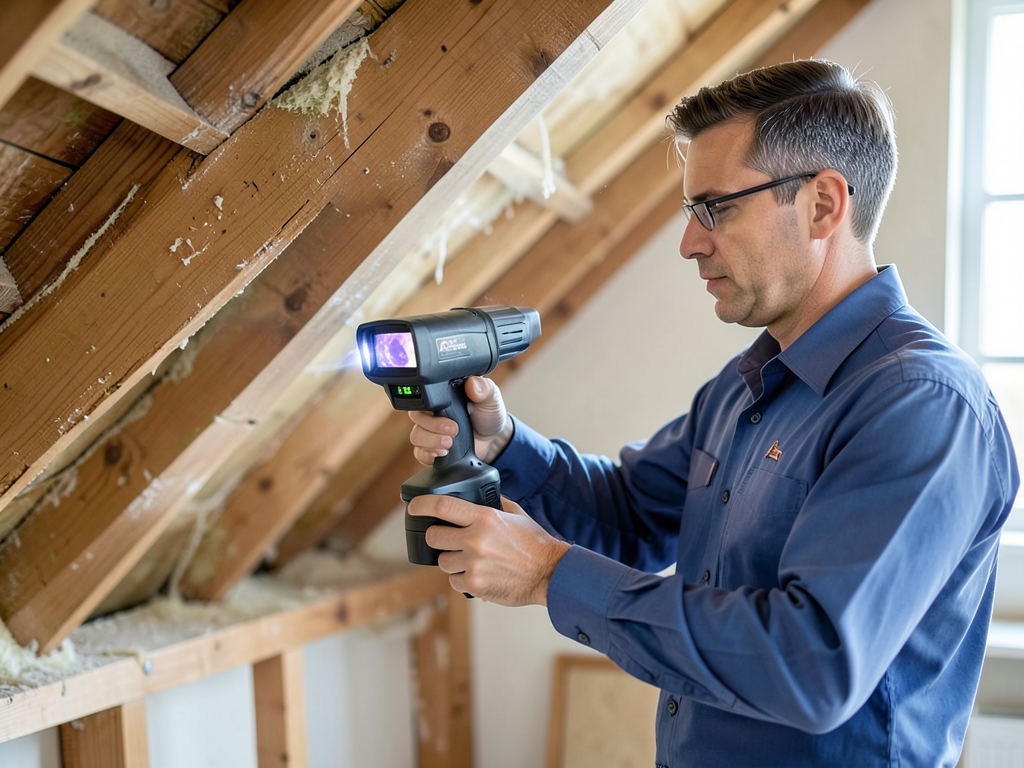
Replacing moisture swollen baseboards without finding the water source guarantees the problem returns. We start with thermal imaging cameras to map temperature differentials behind your walls. Cold spots indicate active moisture. We use pin-type and non-invasive moisture meters to measure water content in drywall, studs, and subfloors. These readings tell us how far the saturation extends and whether the framing is compromised.

Most water damaged baseboards result from one of five sources. Plumbing leaks from supply lines or drain pipes. HVAC condensation from poorly insulated ducts. Foundation seepage through cracks or failed waterproofing. Roof leaks that travel down wall cavities. Or simple capillary action from poor exterior grading. We trace the moisture path from the visible damage back to the entry point.

Once we locate the source, we document the full scope. We remove a section of baseboard to inspect the wall cavity and subfloor. We check for mold growth on the back of the drywall and bottom plate of wall studs. We test adjacent areas to map the contamination zone. This diagnostic phase prevents the common mistake of repairing visible damage while leaving hidden moisture to spread.

The fix requires three distinct phases. First, we eliminate the water source through plumbing repairs, improved drainage, or waterproofing. Second, we remove all saturated materials, including bloated wood trim, wet drywall, and damaged insulation. We dry the framing to below 15 percent moisture content using commercial dehumidifiers and air movers. Third, we treat exposed wood with antimicrobial solutions and install new materials that match your existing trim profiles and finishes.

A Plus Water Damage Restoration Kansas City uses calibrated equipment and follows IICRC S500 standards for water damage restoration. We document moisture readings at each phase to verify complete drying before reconstruction begins.

Our Three-Phase Approach to Baseboard Water Damage

Swollen Baseboards & Trim in Kansas City – Expert Diagnosis and Permanent Repair
01

Moisture Mapping and Source Identification

We deploy thermal cameras and moisture meters to scan walls, floors, and ceilings around the affected baseboards. This technology reveals moisture patterns invisible to the eye. We trace the water source, document saturation levels, and map the contamination zone. You receive photos and moisture readings that show exactly what's happening inside your walls before we remove any materials.
02

Controlled Demolition and Drying

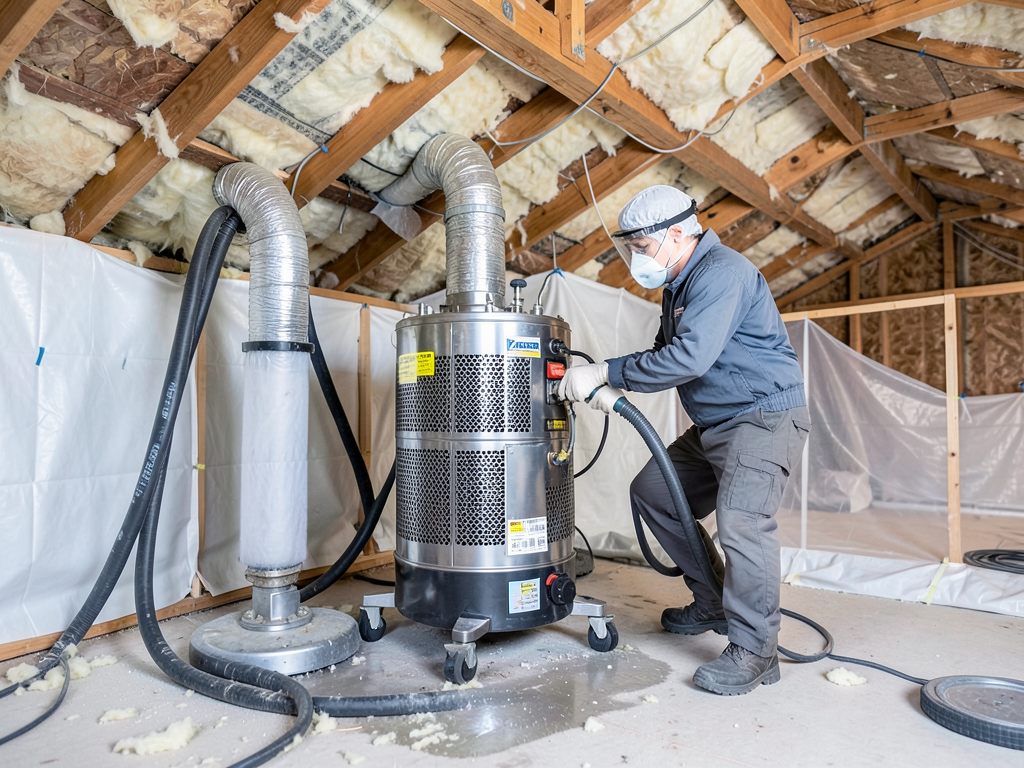
We remove warped baseboard molding and cut out wet drywall to expose the wall cavity. Saturated insulation comes out. We inspect framing for rot and mold. Commercial dehumidifiers and air movers run continuously to drop moisture levels in wood framing below 15 percent. We take daily readings and adjust equipment placement until structures are completely dry. This phase typically runs three to five days depending on saturation depth.
03

Antimicrobial Treatment and Restoration

After drying is verified, we apply EPA-registered antimicrobial solutions to all exposed wood surfaces. New insulation goes in. We hang drywall, tape, mud, and sand to match existing wall texture. We install new baseboards using moisture-resistant materials when appropriate. Final paint matching ensures seamless integration with your existing trim. The restored area looks original and stays dry because we fixed the underlying cause.

Why Kansas City Homeowners Trust Our Baseboard Restoration Process

Water damage restoration requires more than a shop vacuum and a fan. You need technicians who understand building science, moisture dynamics, and the specific challenges of Kansas City construction.

We work in homes built between 1890 and 2023. The older Victorians in Hyde Park have plaster walls, horsehair insulation, and original wood trim worth preserving. The split-levels in Prairie Village have brick veneer and slab foundations prone to moisture wicking. The new builds in Northland have synthetic stucco and complex HVAC systems that generate condensation. Each construction type requires different diagnostic tools and restoration techniques.

Kansas City sits in FEMA flood zones that affect insurance requirements and restoration standards. We document our work to meet carrier specifications for water damage claims. Our moisture readings, photos, and scope documents help you navigate the claims process. We work directly with adjusters to ensure approved coverage matches the actual scope of repairs needed to prevent recurrence.

Local building codes require permits for structural repairs that involve wall framing or electrical systems. We handle permit applications and inspections when your baseboard damage extends into structural elements. This protects you from future issues during home sales or refinancing when unpermitted work surfaces during inspections.

The difference between a surface fix and a lasting repair comes down to measuring moisture and eliminating sources. We use Tramex and Protimeter equipment calibrated for wood species common in Missouri construction. We follow drying protocols proven to prevent mold growth and material failure. When we finish a baseboard restoration, the moisture source is gone, the structure is dry, and your trim looks original.

A Plus Water Damage Restoration Kansas City has restored trim in homes from Brookside to Parkville. We know which lumber yards stock matching profiles for historic moldings and which suppliers carry moisture-resistant MDF for basement applications.

What to Expect When You Call for Swollen Baseboard Repair

Response Time and Initial Assessment

We arrive within two hours for emergency water events and schedule non-emergency inspections within 24 hours. The initial visit takes 45 to 90 minutes. We scan affected areas with thermal cameras and moisture meters, identify the water source, and map the damage extent. You receive a written scope with photos, moisture readings, and a detailed repair plan before we start any work. Emergency mitigation to prevent further damage begins immediately if needed.

Diagnostic Tools and Testing Methods

We use FLIR thermal imaging cameras to detect temperature differentials that indicate moisture behind walls. Pin-type moisture meters measure water content in baseboards, drywall, and framing. Non-invasive meters scan through materials without creating holes. We test multiple locations to map saturation patterns and ensure we find all affected areas. These tools tell us whether the moisture is active or residual, how deep it penetrates, and when the structure is dry enough for reconstruction.

Quality of Materials and Finish Work

We source replacement baseboards from local suppliers who stock profiles matching Kansas City's historic and modern construction. For period homes, we use solid wood milled to original dimensions. For high-moisture areas, we recommend moisture-resistant MDF or PVC trim that won't swell if condensation returns. Paint matching uses spectrophotometer analysis of your existing trim color. The finished installation is caulked, puttied, primed, and painted to blend seamlessly with surrounding areas. You should not be able to identify the repair location.

Post-Restoration Monitoring and Prevention

We provide a post-restoration moisture reading report that documents final conditions of all repaired areas. You receive specific recommendations to prevent recurrence based on the water source we identified. This might include gutter improvements, grading corrections, plumbing upgrades, or HVAC modifications. We offer follow-up moisture checks at 30 and 90 days to verify the area remains dry. If you notice any changes in the repaired section, we return to investigate at no diagnostic charge within the first year.

Frequently Asked Questions

You Have Questions,
We Have Answers

How to fix swollen baseboards? +

First, locate and fix the moisture source. Turn off water to affected areas if a leak exists. Remove the swollen baseboard by prying it away from the wall studs. Check the wall cavity and subfloor for hidden water damage or mold. Dry the area completely using fans and dehumidifiers for 48-72 hours. If particle board or MDF was used, replacement is necessary since these materials do not recover. Install new baseboards using solid wood or moisture-resistant materials. Kansas City's humidity fluctuations make proper ventilation critical to prevent recurrence. Prime and paint immediately to seal the wood.

What is the 7 rule for baseboards? +

The 7 rule for baseboards states that baseboard height should be approximately 7 percent of the ceiling height. For Kansas City homes with standard 8-foot ceilings, this means 5-6 inch baseboards. Homes with 9-foot ceilings use 6-7 inch baseboards. Historic districts in Kansas City often feature taller baseboards in older construction. This proportion creates visual balance between floor and ceiling. You can adjust slightly based on room size and architectural style. Larger rooms handle taller baseboards better. The rule guides aesthetics, not structural requirements. Match existing trim height when replacing swollen sections.

Why do baseboards swell? +

Baseboards swell when moisture penetrates the wood fibers, causing expansion. Common causes include plumbing leaks behind walls, foundation seepage, slab leaks, high humidity, condensation from HVAC systems, or flooding. Kansas City homes built on clay soil often experience foundation shifting that creates gaps where groundwater enters. Particle board and MDF baseboards absorb water rapidly and swell dramatically. Even solid wood expands when exposed to persistent moisture. Bathrooms and kitchens face higher risk due to steam and splashing. The swelling indicates active or recent water intrusion requiring immediate attention to prevent mold growth and structural damage.

Can you repair swollen particle board? +

No. Swollen particle board cannot be successfully repaired. Once particle board absorbs water, the compressed wood fibers separate permanently. The material loses structural integrity and remains deformed even after drying. Attempting to sand or compress it back creates a weak, unstable surface that will crumble over time. You must replace swollen particle board entirely. Remove the damaged section, address the moisture source, dry the wall cavity thoroughly, and install new trim using solid wood or moisture-resistant materials. Kansas City's variable humidity makes particle board a poor choice for baseboards. Choose materials that withstand moisture exposure better.

What does water damage on baseboards look like? +

Water damage on baseboards appears as discoloration, warping, bubbling paint, soft spots, visible swelling, or separation from the wall. You might see dark stains, peeling finish, or white chalky deposits from mineral deposits. The baseboard may feel spongy when pressed. Paint often bubbles or cracks as moisture pushes through. Black spots indicate mold growth. In Kansas City homes, water stains often appear along exterior walls during heavy rain or snowmelt. The damage typically starts at floor level and moves upward. Musty odors accompany hidden water damage. Check adjacent flooring and drywall for concurrent damage.

What is the average cost to replace baseboards? +

Baseboard replacement costs vary based on material choice, linear footage, and labor rates. Material costs range from budget-friendly options to premium hardwoods. Installation labor depends on room complexity, removal difficulty, and whether wall repairs are needed. Kansas City homes with plaster walls or historic trim details require more careful removal. Water damage often reveals additional issues requiring remediation, increasing total costs. Moisture-resistant materials cost more upfront but prevent future replacement. Insurance may cover replacement if water damage resulted from a covered peril. Get multiple quotes and ensure contractors address the underlying moisture problem.

Should baseboards be flush with the floor? +

Baseboards should sit flush against the floor but allow a small expansion gap of 1/8 inch. This gap accommodates seasonal wood movement from Kansas City's humidity changes. The baseboard bottom should align with finished flooring, not subfloor. If gaps exist due to uneven floors, use quarter round or shoe molding to cover the space rather than forcing the baseboard down. Proper installation prevents buckling during wood expansion. Never caulk the bottom edge to the floor, as this traps moisture and prevents drainage. The top edge should sit tight against the wall. Small gaps behind the baseboard are normal.

What are common trim installation mistakes? +

Common trim installation mistakes include incorrect miter cuts, visible nail holes, improper caulking, gaps at joints, painting before installation, using the wrong nail length, forcing pieces together, skipping primer, not accounting for wall irregularities, and failing to locate studs. Kansas City's older homes often have uneven plaster walls requiring careful scribing. Installing trim over wet drywall compound causes future problems. Nailing too close to edges splits the wood. Over-caulking creates messy joints. Skipping expansion gaps leads to buckling. Not addressing underlying moisture issues before installing new trim guarantees repeat problems. Rushing the work shows immediately.

What is the current trend for baseboards? +

Current baseboard trends favor taller profiles (6-8 inches) in modern finishes. Clean-lined, simple profiles replaced ornate Victorian styles in contemporary Kansas City homes. White and off-white remain dominant, though natural wood stains are returning. Thicker baseboards (3/4 inch minimum) provide substantial appearance. Flat stock with minimal detail suits modern aesthetics, while traditional homes maintain period-appropriate profiles. Moisture-resistant MDF with factory priming gains popularity for durability. Some homeowners match baseboards to door casings for cohesive design. Historic district renovations in Kansas City require period-accurate reproductions. Function trumps trends when replacing water-damaged trim.

Will a swollen wood floor go back to normal? +

Swollen wood floors rarely return to normal after water damage. Minor surface moisture may allow slight recovery if dried within 24-48 hours, but significant swelling causes permanent deformation. The wood fibers compress, buckle, or cup in ways that do not reverse. Kansas City's humidity cannot naturally dry saturated flooring fast enough to prevent damage. Engineered wood floors with particleboard cores never recover. Solid hardwood has better chances if dried professionally using specialized equipment, but cupping and crowning often remain. Most insurance claims require replacement rather than attempting restoration. Subfloor damage compounds the problem. Professional assessment determines if drying or replacement makes sense.

How Kansas City's Clay Soil and Humidity Create Perfect Conditions for Baseboard Damage

Kansas City sits on expansive clay soil that swells when wet and shrinks when dry. This seasonal movement creates foundation cracks and gaps where water enters. Summer humidity averages 70 percent, which means moisture in your basement and crawl space never fully evaporates. That trapped humidity condenses on cool surfaces like rim joists and foundation walls, then runs down to saturate baseboards. The freeze-thaw cycles between November and March drive water into exterior wall cavities through brick mortar joints and siding gaps. By spring, that water reaches interior trim at floor level.

Most Kansas City general contractors lack the equipment to measure moisture in wall cavities or verify proper drying before closing walls. They replace swollen baseboards without finding the water source. The problem returns within months. We carry calibrated moisture meters and thermal cameras to every job. We follow IICRC restoration standards developed specifically for water damage scenarios. Our technicians train annually on building science and moisture control specific to Midwest construction. This expertise matters when your home's health depends on finding hidden water before it causes structural damage.
Water Damage Restoration Services in The Kansas City Area

While we provide rapid mobile service throughout the entire Kansas City area, you can also view our general service area on the map. We are dedicated to being a local, accessible resource for all your water damage restoration needs, whether you're in the heart of the city or a surrounding community. Our team is always just a phone call away, ready to assist you with expertise and care, no matter where you are located within our service area.

Address:
A Plus Water Damage Restoration Kansas City, 1020 E Armour Blvd, Kansas City, MO, 64109

Additional Services We Offer

Our news updates

Latest Articles & News from The Blogs

How the hard water in Edwardsville is secretly shortening the life of your plumbing and appliances Hard water is more…

How the hard water in Edwardsville is secretly shortening the life of your plumbing and appliances

How the hard water in Edwardsville is secretly shortening the life of your plumbing and appliances Hard water is more…

How to protect your Weatherby Lake home from major water damage while you are away for the winter

How to protect your Weatherby Lake home from major water damage while you are away for the winter Winterizing your…

What every first-time buyer in Raymore needs to check for water damage before closing the deal

What every first-time buyer in Raymore needs to check for water damage before closing the deal Buying your first home…

Contact Us

Swollen baseboards indicate active moisture that's damaging your walls right now. Call (816) 473-3833 for a diagnostic inspection. We locate the source, map the damage, and provide a detailed repair plan within 24 hours.