




Kansas City sits at the confluence of the Kansas and Missouri Rivers, making properties vulnerable to seasonal flooding and high water tables. Spring storms dump 4-6 inches of rain in hours, overwhelming aging storm drains in neighborhoods like Brookside and Waldo. Clay soil beneath most Kansas City homes expands when saturated, pushing water through basement walls and foundation cracks.
The metro's freeze-thaw cycles crack pipes and ice dams form on older roofs throughout Midtown and the Northland. Sudden temperature swings from 15 degrees to 50 degrees within 48 hours burst supply lines in crawl spaces. Humidity levels spike above 70 percent during summer months, creating ideal conditions for mold growth after any water intrusion.
Buildings constructed before 1980 across the urban core lack proper vapor barriers. Historic homes in Hyde Park and Valentine feature stone foundations that wick moisture. Commercial properties near the River Market face groundwater seepage during high river stages. These regional factors mean Kansas City water damage restoration requires understanding local construction methods, soil conditions, and weather patterns that generic services miss.
A Plus Water Damage Restoration Kansas City has extracted water from thousands of metro properties since establishing operations. Our crews know which Kansas City neighborhoods flood first during storms and which building types suffer worst damage. We maintain relationships with local insurance adjusters, reducing claim approval time and getting restoration work started faster.
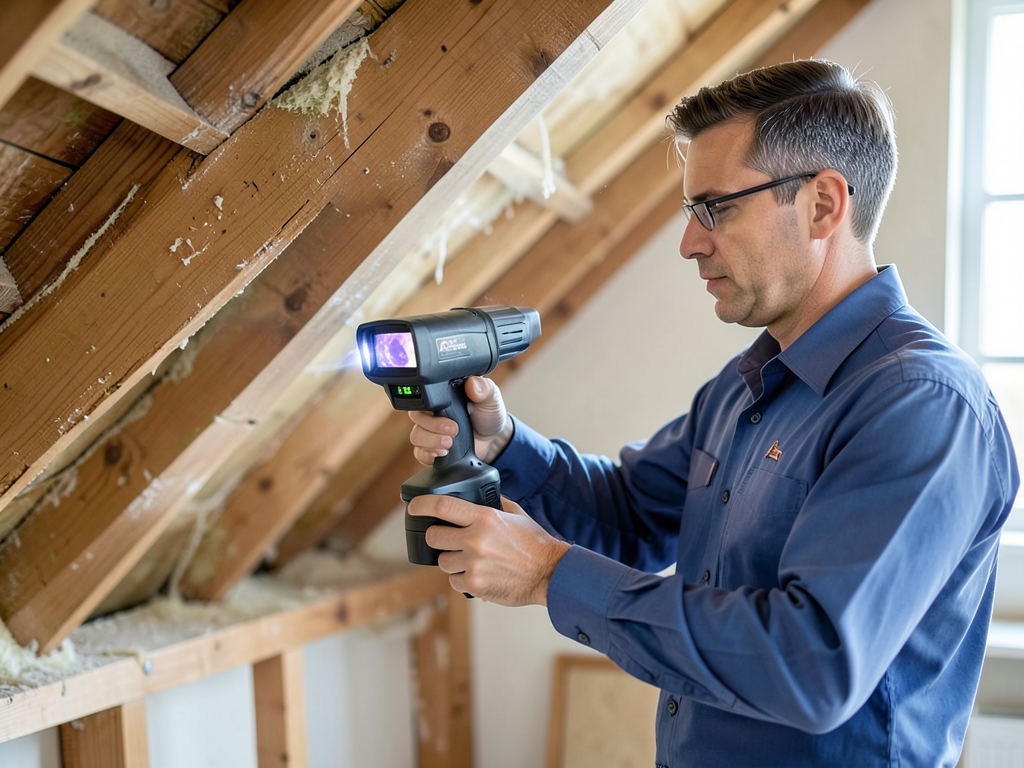
Our technicians complete IICRC certification in water damage restoration and applied structural drying. We invest in truck-mounted extraction units that remove standing water in minutes, not hours. Thermal imaging cameras detect hidden moisture in wall cavities before mold colonies establish. Commercial dehumidifiers pull 200 pints per day from affected areas.
We respond to emergency calls within 60 minutes across the Kansas City metro. Our dispatch system tracks crew locations in real time, sending the closest available team to your property. Night, weekend, and holiday calls receive the same rapid response as weekday emergencies.
You get transparent communication throughout restoration. We document moisture readings daily, photograph progress, and explain each phase of work. Our project managers speak directly with insurance companies, handling paperwork and claim details so you focus on getting your life back to normal. We complete jobs correctly the first time, eliminating callbacks and ensuring structural materials dry completely to prevent future mold issues.

Emergency dispatch system sends certified crews to Kansas City properties within one hour of your call. Truck-mounted extraction equipment removes standing water immediately, stopping damage progression. Night and weekend emergencies receive identical rapid response as weekday calls.

Every technician completes Institute of Inspection Cleaning and Restoration Certification in water damage restoration and applied structural drying. We follow industry standards for moisture detection, extraction protocols, and structural drying procedures. Continuing education keeps crews current on latest restoration techniques.
Thermal imaging cameras identify hidden water in wall cavities, under flooring, and above ceilings before visible damage appears. Moisture meters measure material saturation levels throughout drying process. Documentation proves complete drying to insurance companies and prevents future mold growth.
Established relationships with Kansas City insurance adjusters speed claim approval and payment. We handle all paperwork, documentation, and communication with carriers. Direct billing available so you avoid out-of-pocket costs while waiting for reimbursement. Restoration starts immediately regardless of claim status.
A Plus Water Damage Restoration Kansas City provides complete water removal and structural drying services for residential and commercial properties. Our service range covers everything from burst pipe cleanup to major flood remediation. We deploy appropriate equipment and techniques based on water category, affected materials, and contamination level.
Category 1 clean water from supply lines requires different treatment than Category 3 floodwater containing sewage or chemicals. We assess contamination risk, remove affected materials safely, and apply antimicrobial treatments when needed. Hardwood floors, drywall, insulation, and carpeting each demand specific drying methods to prevent permanent damage.
Our crews handle emergency water extraction, structural drying, content pack-out and storage, mold remediation, reconstruction, and final restoration. We serve as single point of contact from initial emergency through completed repairs. Property owners avoid coordinating multiple contractors while we manage all phases of restoration work. Services scale from single-room water damage to whole-building flood remediation across the Kansas City metro.
Truck-mounted extractors remove standing water from basements, crawl spaces, and living areas within minutes of arrival. Submersible pumps handle deep flooding while wet vacuums pull water from carpets and padding. We extract thousands of gallons quickly, stopping further absorption into structural materials. Crews move furniture to dry areas and remove saturated contents. Emergency board-up services protect properties with roof damage or broken windows.
Commercial dehumidifiers and air movers dry walls, floors, and ceilings to prevent mold growth and structural damage. We monitor moisture levels twice daily using meters and thermal imaging. Drying chambers concentrate airflow on hardwood floors and cabinetry. Injection drying systems force warm air into wall cavities. Most structures reach safe moisture levels within three to five days depending on materials and saturation depth.
Once drying completes, our reconstruction crews replace drywall, install flooring, and restore properties to pre-loss condition. We handle everything from minor repairs to major rebuilds. Cabinet installation, painting, trim work, and fixture replacement return properties to move-in ready status. Single contractor management eliminates coordination headaches. All reconstruction work includes warranty coverage and meets local building codes for Kansas City permits.
Kansas City's climate and aging infrastructure create predictable water damage patterns across the metro. Spring storms overwhelm drainage systems while winter freeze-thaw cycles burst pipes. Homes built before 1980 lack modern waterproofing, making basements vulnerable during heavy rain. Clay soil expansion pushes water through foundation walls and floor seams.
The Missouri River reaches flood stage multiple times per decade, threatening properties near Berkley Riverfront and the West Bottoms. Sump pump failures during power outages leave basements unprotected. Old galvanized supply lines corrode and fail without warning. These regional factors make water damage a when question, not if. Understanding common failure points helps property owners recognize problems early and respond quickly to minimize damage and restoration costs.
Clay soil surrounding Kansas City foundations channels storm water toward basement walls. Clogged gutters and poor grading direct runoff against foundations. Water enters through floor seams, wall cracks, and window wells. Finished basements suffer extensive drywall and flooring damage within hours of water intrusion.
Sudden temperature drops freeze supply lines in crawl spaces, attics, and exterior walls. Expanding ice cracks pipes that burst when temperatures rise. A single crack releases hundreds of gallons before discovery. Water floods multiple rooms, saturating insulation, ceilings, and wall cavities throughout affected areas.
Aging combined sewer systems overflow during major storms. Sewage backs up through floor drains into basements. Category 3 contamination requires specialized cleanup and antimicrobial treatment. Contents exposed to sewage typically face disposal rather than restoration. Professional remediation protects occupant health.
Water heaters last 8-12 years before tank corrosion causes leaks or catastrophic failure. Washing machine supply hoses burst under constant pressure. Dishwasher line connections loosen over time. These failures flood laundry rooms, kitchens, and nearby spaces. Early detection limits damage but complete failures release entire tank contents.
Water damage restoration follows a structured process from emergency call through final repairs. A Plus Water Damage Restoration Kansas City manages every phase of recovery so you deal with one team, not multiple contractors. Our project managers explain each step, answer questions, and keep you informed as work progresses.
You receive direct communication throughout restoration. We document conditions with photos and moisture readings, share findings with insurance adjusters, and coordinate claim paperwork on your behalf. Our crews arrive on schedule, complete work efficiently, and maintain clean worksites. We explain what happens next at the end of each day. Restoration timelines vary based on damage extent and materials affected, but most projects complete within one to two weeks from initial extraction to final reconstruction.
Certified crews arrive within 60 minutes of your emergency call. We assess damage extent, identify water source, and stop active flooding. Initial extraction begins immediately using truck-mounted equipment. Thermal imaging maps water migration through walls and floors. We document conditions for insurance claims and explain restoration scope. You receive project timeline and cost estimate before work proceeds beyond emergency stabilization.
Your project manager provides daily updates on drying progress and moisture levels. We coordinate directly with insurance adjusters, submit required documentation, and handle claim paperwork. You receive photos showing work completed each day. Any scope changes or additional damage discovered during restoration gets discussed before proceeding. Questions receive same-day responses. We keep you informed without overwhelming you with technical details.
Final moisture readings confirm complete structural drying before reconstruction begins. We verify all materials reach safe levels to prevent future mold growth. Reconstruction returns your property to pre-loss condition with quality materials and skilled workmanship. Final walkthrough ensures you approve all completed work. We provide documentation showing restoration completion for insurance settlement and future property records.
A Plus Water Damage Restoration Kansas City follows proven protocols that stop damage progression and restore properties efficiently. Our three-phase approach handles emergencies fast while ensuring complete structural drying and quality reconstruction.
Crews arrive within 60 minutes and immediately deploy truck-mounted extractors to remove standing water. We identify water source, stop active flooding, and assess damage extent. Thermal imaging reveals hidden moisture in walls and ceilings. Contents get moved to dry areas or packed out for storage. We document conditions with photos and moisture readings for insurance claims. Emergency board-up protects properties with structural openings.
Commercial dehumidifiers and air movers dry affected materials over three to five days. We monitor moisture levels twice daily using meters and thermal imaging. Drying equipment placement optimizes airflow across saturated surfaces. Wall cavities receive injection drying when needed. Antimicrobial treatments prevent mold growth on affected materials. Equipment runs continuously until materials reach safe moisture content below 15 percent.
Once drying completes, our crews remove damaged materials and begin reconstruction. Drywall replacement, flooring installation, painting, and trim work return properties to pre-loss condition. We handle permit applications for Kansas City building department when required. Final walkthrough confirms quality completion. You receive documentation showing restoration completion for insurance settlement. Warranty coverage protects reconstruction work.
Professional water damage restoration follows IICRC S500 standards for water damage mitigation. These protocols establish proper extraction methods, drying procedures, and safety requirements. A Plus Water Damage Restoration Kansas City technicians complete IICRC certification in applied structural drying, ensuring work meets industry standards.
Water classification determines restoration approach. Category 1 clean water from supply lines requires basic extraction and drying. Category 2 gray water from appliances contains contaminants requiring antimicrobial treatment. Category 3 black water from sewage or flooding demands specialized cleanup with personal protective equipment and disposal protocols.
Material porosity affects drying time. Non-porous materials like metal and glass dry quickly. Semi-porous materials like wood and concrete require days of dehumidification. Porous materials like insulation and padding often require removal and replacement. We test materials throughout drying to verify moisture content drops below thresholds that support mold growth.
Psychrometry guides equipment placement and dehumidification strategy. Temperature, humidity, and air movement combine to extract moisture from materials efficiently. We measure grains per pound and relative humidity daily, adjusting equipment to maintain optimal drying conditions. Kansas City building codes require permits for reconstruction work exceeding $1,000 or involving structural changes, electrical systems, or plumbing modifications.
Institute of Inspection Cleaning and Restoration Certification establishes water damage restoration protocols. Standards define extraction methods, drying procedures, antimicrobial treatments, and safety requirements. Certified technicians complete training in applied structural drying, psychrometry, and moisture detection. Compliance ensures proper restoration and prevents future problems.
Restoration costs depend on water volume, affected square footage, contamination category, and materials damaged. Emergency extraction and structural drying typically cost less than reconstruction. Contents pack-out, antimicrobial treatment, and mold remediation increase project scope. Most insurance policies cover sudden water damage from burst pipes, appliance failures, and storm damage.
Structural drying takes three to seven days depending on materials affected and saturation depth. Hardwood floors require five to seven days. Drywall dries in three to five days. Concrete and masonry need seven to ten days. Thermal imaging and moisture meters verify complete drying before reconstruction begins. Rushing drying causes future mold problems.
Reconstruction work exceeding $1,000 requires permits from Kansas City building department. Permits ensure electrical, plumbing, and structural work meets local codes. Inspections verify quality and safety. A Plus Water Damage Restoration Kansas City handles permit applications and schedules required inspections. Code compliance protects property value and future sale.
This video explains the complete water damage restoration process in Kansas City from emergency call to final reconstruction. Learn about rapid water extraction techniques, structural drying procedures, moisture detection methods, and IICRC certification standards. Discover why Kansas City properties face unique water damage risks from clay soil, aging infrastructure, and extreme weather. The video covers restoration timelines, water damage categories, material drying requirements, and what to expect when working with professional water damage restoration technicians in the Kansas City metro area.
A Plus Water Damage Restoration Kansas City serves properties throughout the metro area. Our crews respond to emergencies across both Kansas and Missouri sides of the state line. We maintain response capabilities from Liberty and Gladstone in the Northland south through Overland Park and Leawood. East side neighborhoods like Independence and Blue Springs receive same rapid response as urban core properties.
Brookside and Waldo homes face basement flooding during spring storms when Brush Creek and Turkey Creek overflow. Historic properties in Hyde Park and Westport feature old foundations vulnerable to water intrusion. The River Market and Berkley Riverfront deal with high water tables near the Missouri River. Midtown towers and downtown commercial buildings require specialized equipment for high-rise water damage.
Johnson County properties in Overland Park, Olathe, and Shawnee experience similar flooding patterns but different soil conditions than Missouri side locations. Clay County and Platte County areas north of the river see agricultural runoff challenges during heavy rain. The urban core between 39th Street and the Crossroads faces aging infrastructure and combined sewer systems that back up during major storms.
We understand how construction methods vary across Kansas City neighborhoods. Homes built before 1950 in Northeast Kansas City and Historic Northeast require different approaches than 1990s construction in Lee's Summit and Raytown. Commercial properties near Kansas City International Airport face unique challenges from rapid temperature changes and exposed locations. Our technicians adjust restoration techniques based on building age, construction type, and neighborhood characteristics. Every Kansas City area receives professional water damage restoration regardless of location or property type.
Water damage restoration costs in Kansas City typically range from a few hundred dollars for minor leaks to several thousand for major flooding. The price depends on the water category (clean, gray, or black), affected square footage, structural damage, and drying time. Basement flooding costs more due to extraction needs and Kansas City's clay soil moisture issues. Insurance often covers sudden events like burst pipes but not neglect. Get a free inspection to assess your specific situation. Factors like mold growth, drywall replacement, and hardwood floor damage increase costs. Most reputable contractors provide detailed estimates before starting work.
Yes. Water damage restoration is worth it because untreated moisture causes exponential problems. Within 24 to 48 hours, mold colonizes drywall and insulation. Kansas City's humid summers accelerate this growth. Structural wood rot compromises joists and studs, turning a $2,000 fix into a $15,000 rebuild. Insurance claims require professional documentation and mitigation to avoid denial. Property value drops significantly with visible water stains or musty odors. Professional restoration extracts hidden moisture in wall cavities and subfloors that DIY methods miss. The investment protects your home's structural integrity and your family's health from airborne spores.
Minor water damage repairs take 3 to 5 days for drying and restoration. Major flooding in Kansas City homes can require 7 to 14 days depending on the extent. Drying time depends on humidity levels, airflow, and materials affected. Carpet and drywall dry faster than hardwood floors or plaster. Structural repairs add time if joists or studs are compromised. Mold remediation extends the timeline by several days. Cold weather slows evaporation rates. Professionals use moisture meters to confirm materials reach safe levels before reconstruction begins. Insurance processing can add weeks, but mitigation starts immediately.
Water damage restoration costs in Kansas City typically range from a few hundred dollars for minor leaks to several thousand for major flooding. The price depends on the water category (clean, gray, or black), affected square footage, structural damage, and drying time. Basement flooding costs more due to extraction needs and Kansas City's clay soil moisture issues. Insurance often covers sudden events like burst pipes but not neglect. Get a free inspection to assess your specific situation. Factors like mold growth, drywall replacement, and hardwood floor damage increase costs. Most reputable contractors provide detailed estimates before starting work.
Yes. Water damage restoration is worth it because untreated moisture causes exponential problems. Within 24 to 48 hours, mold colonizes drywall and insulation. Kansas City's humid summers accelerate this growth. Structural wood rot compromises joists and studs, turning a $2,000 fix into a $15,000 rebuild. Insurance claims require professional documentation and mitigation to avoid denial. Property value drops significantly with visible water stains or musty odors. Professional restoration extracts hidden moisture in wall cavities and subfloors that DIY methods miss. The investment protects your home's structural integrity and your family's health from airborne spores.
Minor water damage repairs take 3 to 5 days for drying and restoration. Major flooding in Kansas City homes can require 7 to 14 days depending on the extent. Drying time depends on humidity levels, airflow, and materials affected. Carpet and drywall dry faster than hardwood floors or plaster. Structural repairs add time if joists or studs are compromised. Mold remediation extends the timeline by several days. Cold weather slows evaporation rates. Professionals use moisture meters to confirm materials reach safe levels before reconstruction begins. Insurance processing can add weeks, but mitigation starts immediately.
Stop the water source if safe to do so. Shut off the main water valve for pipe bursts. Turn off electricity to affected areas to prevent shock hazards. Move furniture and valuables to dry areas. Do not enter standing water without confirming power is off. Contact your insurance company immediately to start a claim. Document everything with photos and video for your adjuster. Call a professional restoration company within the first hour. Kansas City's humidity means mold starts growing within 24 hours. Remove standing water with a wet vacuum if minimal, but leave extraction to professionals for major flooding.
Stop the water source if safe to do so. Shut off the main water valve for pipe bursts. Turn off electricity to affected areas to prevent shock hazards. Move furniture and valuables to dry areas. Do not enter standing water without confirming power is off. Contact your insurance company immediately to start a claim. Document everything with photos and video for your adjuster. Call a professional restoration company within the first hour. Kansas City's humidity means mold starts growing within 24 hours. Remove standing water with a wet vacuum if minimal, but leave extraction to professionals for major flooding.
While we provide rapid mobile service throughout the entire Kansas City area, you can also view our general service area on the map. We are dedicated to being a local, accessible resource for all your water damage restoration needs, whether you're in the heart of the city or a surrounding community. Our team is always just a phone call away, ready to assist you with expertise and care, no matter where you are located within our service area.
Address:
Kansas City, MO, 64106
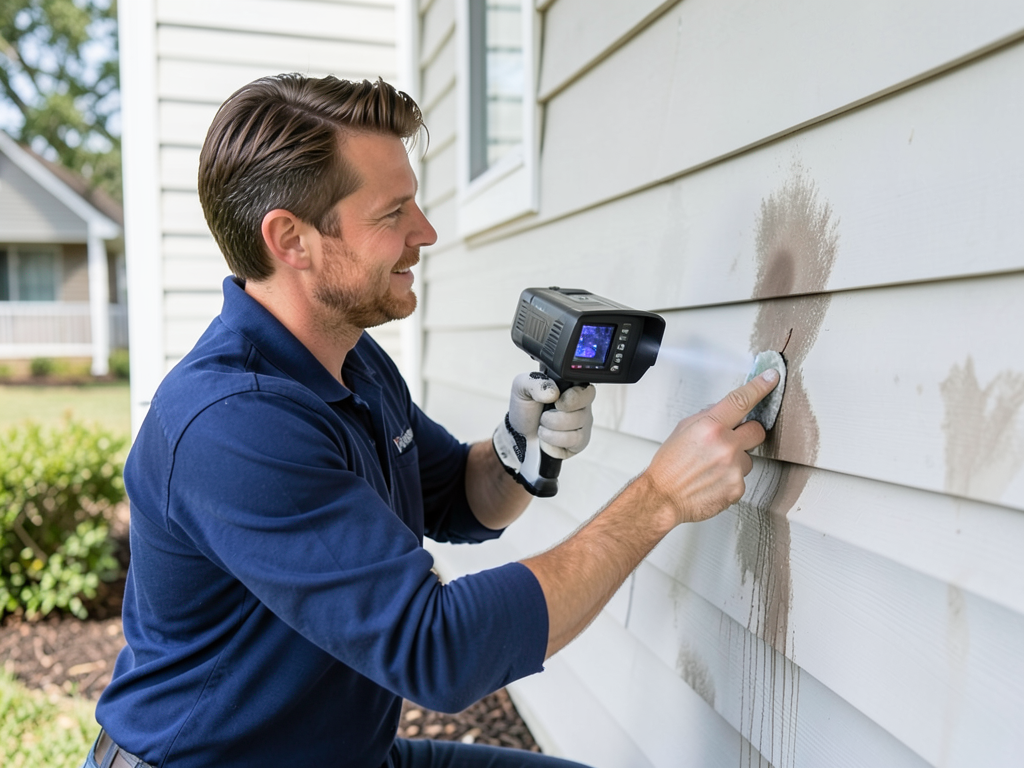
How trapped water behind vinyl siding can rot your Blue Springs home from the outside in Water trapped behind vinyl siding creates a perfect environment for rot and mold growth that can destroy your Blue…
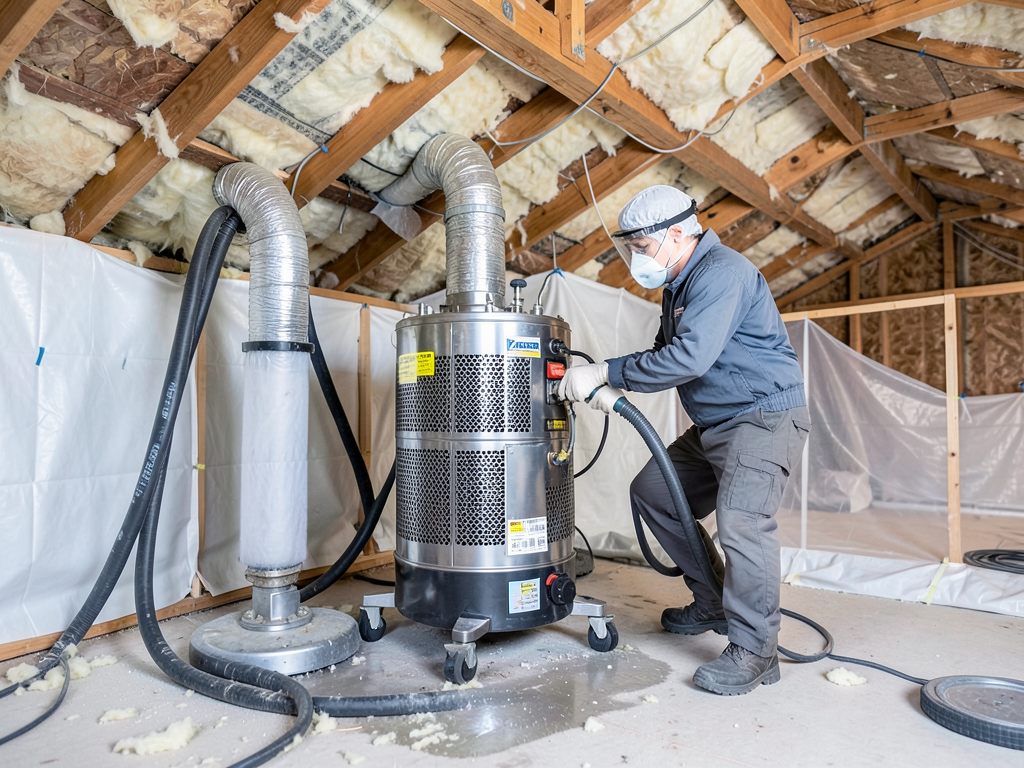
Replacing wet blown-in insulation in your Shawnee attic after a roof leak Finding wet insulation…
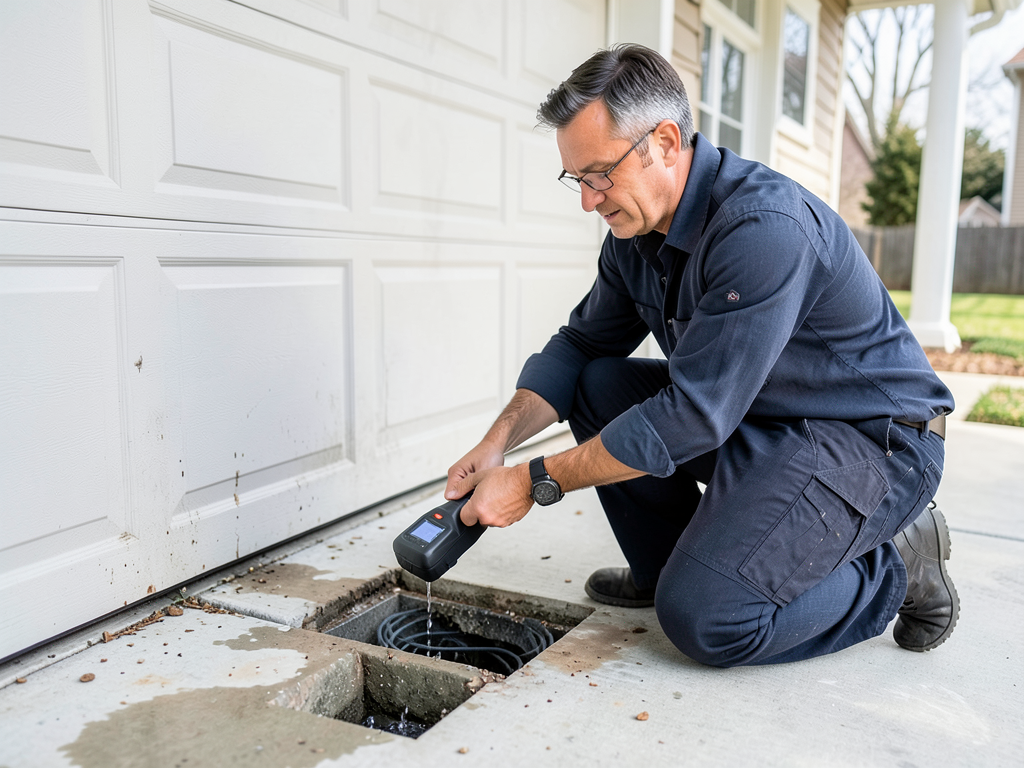
What to do when your Olathe garage floor drain starts backing up Garage floor drain…
Dealing with attic condensation and mystery ceiling spots in Lee’s Summit Those dark spots on…
Every minute counts when water floods your Kansas City property. A Plus Water Damage Restoration Kansas City crews respond within 60 minutes to stop damage and begin restoration. Call (816) 473-3833 now for emergency water extraction and structural drying. We answer 24/7/365.