




Menu

Attic Water Damage Cleanup in Kansas City – Complete Restoration from Leak to Structural Repair

Professional attic water damage cleanup that addresses roof leaks, insulation saturation, and structural compromise before mold takes hold in your Kansas City home.

Slider Image 1
Slider Image 2
Slider Image 3
Slider Image 4
Slider Image 5
Slider Image 7
Slider Image 8
Slider Image 9
Slider Image 10
Slider Image 11

Why Kansas City Attics Are Vulnerable to Water Damage

Kansas City's freeze-thaw cycles create constant expansion and contraction in roofing materials. Ice dams form when snow melts during the day and refreezes at night, forcing water under shingles and into attic spaces. This cycle repeats throughout winter, saturating insulation and rotting roof decking before you notice a ceiling stain downstairs.

Summer brings its own threat. Kansas City's high humidity combines with poor attic ventilation, creating condensation on cooler surfaces like ductwork and roof sheathing. This moisture feeds mold growth and degrades cellulose insulation. Many homes in historic neighborhoods like Hyde Park and Brookside feature original roof framing that lacks modern ventilation design, trapping moisture year-round.

When you discover water in your attic, the clock starts immediately. Wet insulation loses its R-value and becomes a breeding ground for microbial growth. Roof decking begins to delaminate within 48 hours. HVAC equipment rusts. The longer water sits, the more expensive attic water damage restoration becomes.

Attic water removal services must address both the visible water and the hidden moisture in porous materials. You cannot just dry the surface. Effective attic leak cleanup requires removing compromised insulation, drying structural lumber to acceptable moisture content levels, and treating affected surfaces to prevent mold colonization. Attic flood restoration after a roof failure demands immediate response to salvage the structure and prevent cascading damage to living spaces below.

Why Kansas City Attics Are Vulnerable to Water Damage
How We Restore Water-Damaged Attics Correctly

How We Restore Water-Damaged Attics Correctly

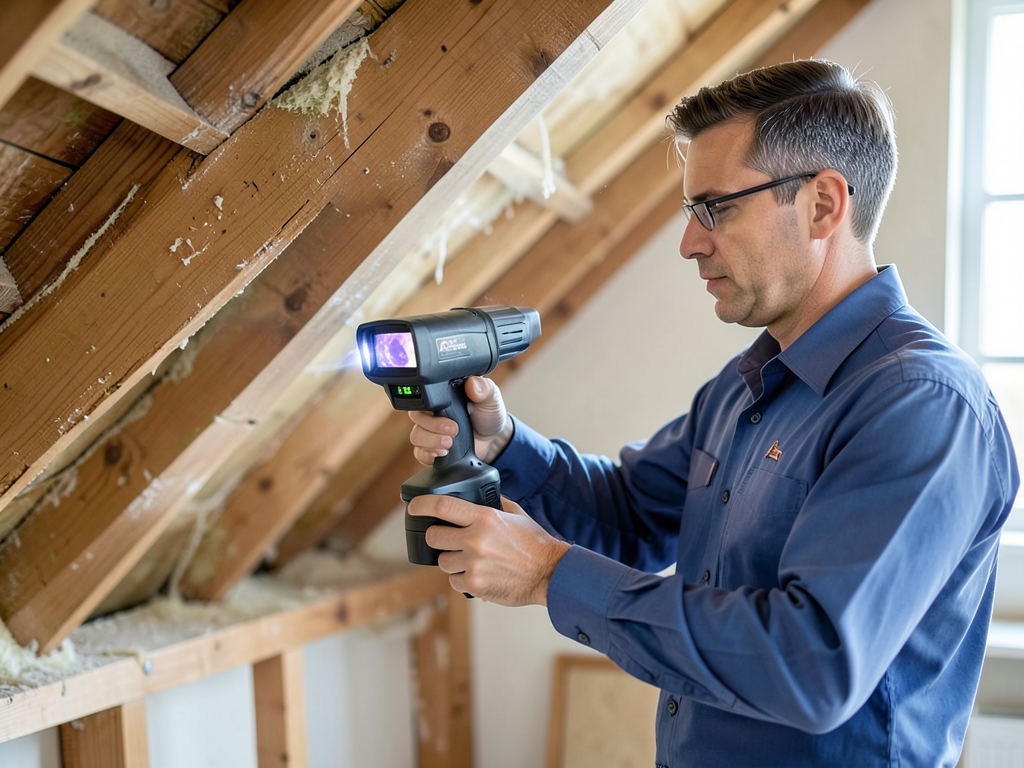
Attic water damage repair begins with source identification. We trace water entry points using thermal imaging and moisture meters to map the full extent of saturation. Roof leaks rarely appear directly below the entry point. Water travels along rafters, pooling in insulation valleys or following electrical conduit before dripping onto drywall.

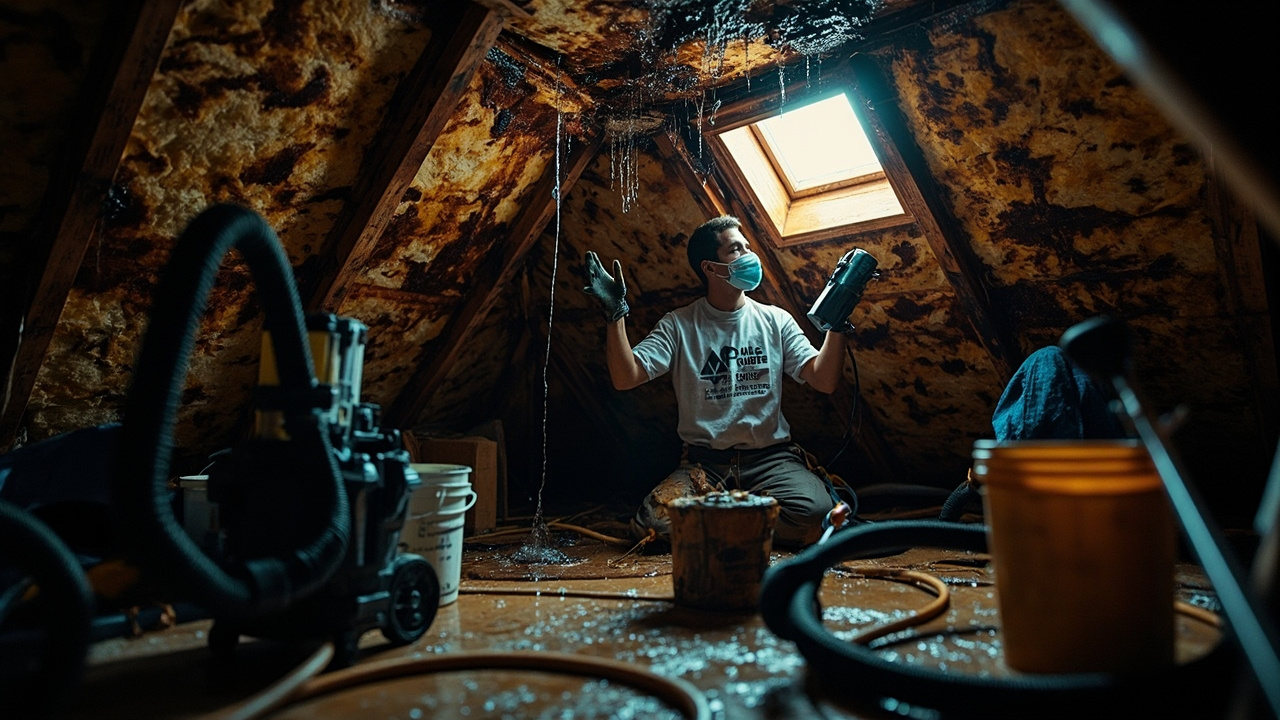
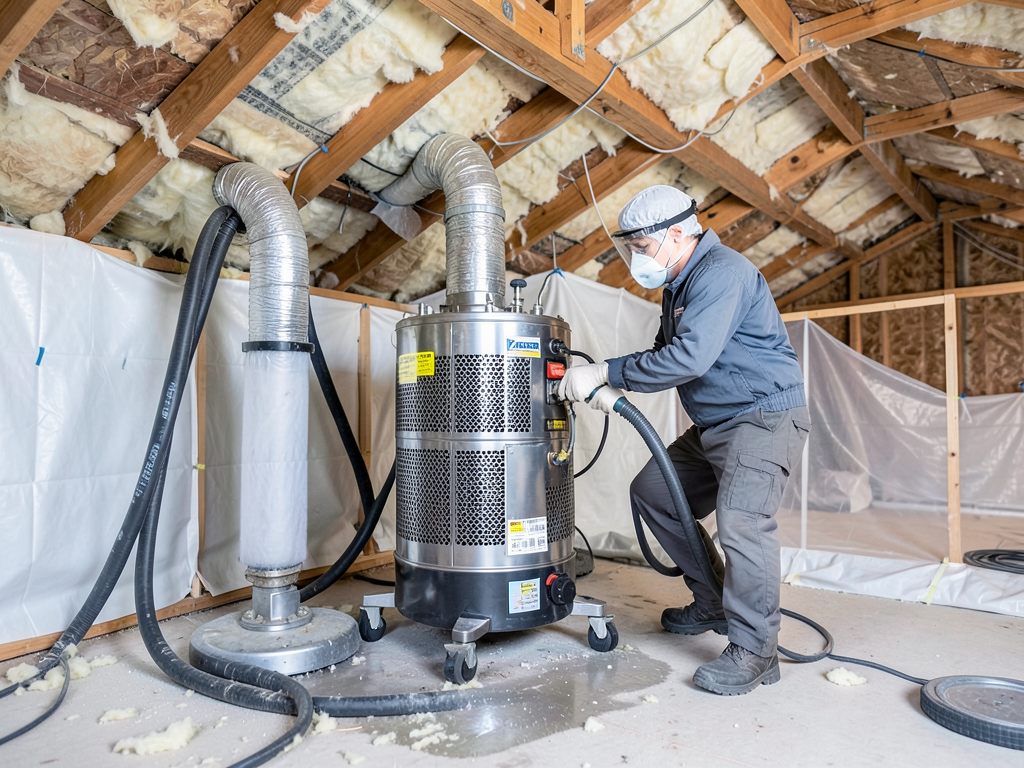
Our extraction process removes standing water first, then addresses saturated materials. Blown-in cellulose insulation acts like a sponge. We remove it completely rather than attempt drying, which never works. Fiberglass batts get pulled if compression or microbial growth is present. We document pre-loss insulation R-values for insurance claims and restoration matching.

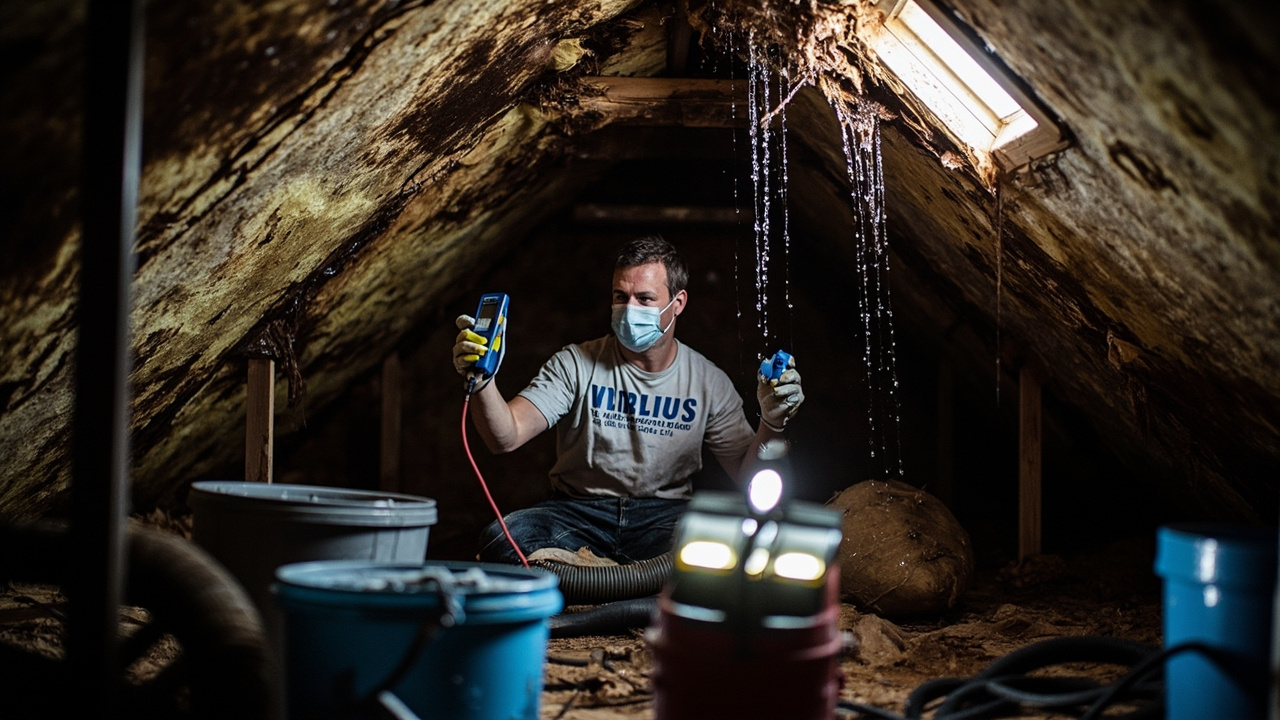
Structural drying uses commercial-grade dehumidifiers and air movers positioned to create airflow across all wet surfaces. We monitor moisture content in roof decking, rafters, and ceiling joists daily using pin-type and pinless meters. Target moisture content is 15% or lower before reconstruction begins. This typically takes three to seven days depending on saturation depth and ambient conditions.

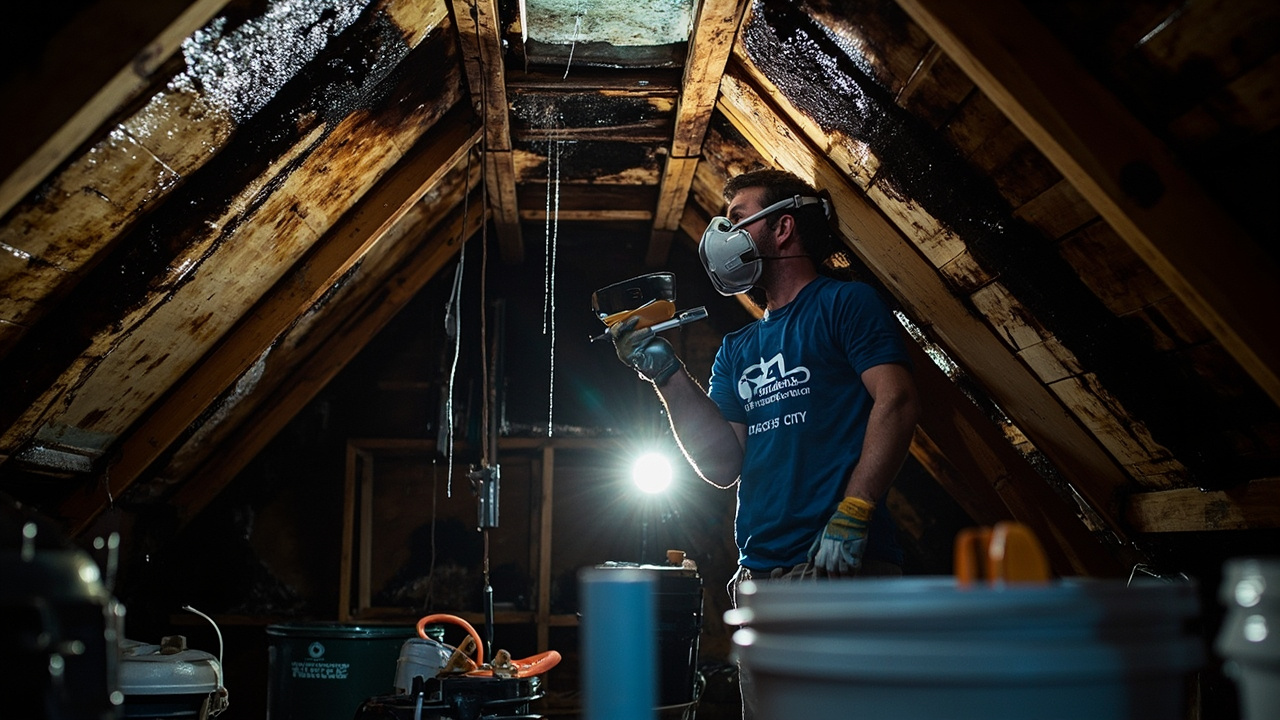
We apply antimicrobial treatments to all affected wood surfaces after drying. Kansas City's humidity means attics remain at risk for secondary mold growth if any moisture remains trapped in porous materials. Our attic water removal services include HEPA air scrubbing during the drying process to capture airborne mold spores before they colonize new areas.

Attic flood restoration includes temporary roof tarping when structural integrity is compromised. We coordinate with roofing contractors for permanent repairs and verify all penetrations are properly sealed before insulation replacement.

What Happens During Your Attic Water Damage Cleanup

Attic Water Damage Cleanup in Kansas City – Complete Restoration from Leak to Structural Repair
01

Emergency Water Extraction

We arrive within hours to stop ongoing water intrusion and extract standing water from your attic. Our team tarps exposed roof areas, removes saturated insulation, and sets up extraction equipment. You get immediate containment to prevent further damage to your home's structure and living spaces below the attic floor.
02

Structural Drying Protocol

Industrial dehumidifiers and air movers run continuously to dry roof decking, rafters, and ceiling joists to safe moisture levels. We monitor daily using moisture meters and thermal imaging to track progress. This phase typically requires three to seven days. You receive daily updates showing measurable moisture reduction in affected materials throughout the drying process.
03

Restoration and Prevention

Once moisture levels reach acceptable thresholds, we apply antimicrobial treatments and replace insulation to match or exceed original R-values. Our team coordinates roof repairs and addresses ventilation deficiencies that contributed to moisture problems. You get a fully restored attic with improved protection against future water intrusion and condensation issues specific to Kansas City climate conditions.

Why Kansas City Homeowners Trust Our Attic Restoration Team

Attic water damage cleanup requires understanding Kansas City's unique housing stock. We work extensively in the craftsman bungalows of Waldo and the ranch homes of Prairie Village. These structures have different attic configurations and ventilation challenges. Bungalows often feature limited attic access and knob-and-tube wiring that complicates equipment placement. Ranch homes typically have larger attic spans with HVAC equipment that must remain operational during restoration.

Our technicians know Kansas City's seasonal patterns. We stock equipment year-round for ice dam emergencies in January and storm damage response in May and June when severe weather peaks. This local focus means faster response times and appropriate equipment staging before weather events hit.

We understand local insurance requirements. Kansas City metro insurers require specific documentation for attic water damage claims, including pre-loss insulation values, structural moisture readings, and scope of antimicrobial treatment. Our reporting matches adjuster expectations because we work with the same carriers repeatedly. You get documentation that speeds claim approval rather than creates disputes.

A Plus Water Damage Restoration Kansas City maintains relationships with roofing contractors who understand the coordination required between water damage restoration and permanent roof repair. We do not perform roof work ourselves, which eliminates conflicts of interest and ensures you get specialists for each phase.

Our local warehouse stocks insulation materials that match Kansas City's climate zone requirements. We do not wait for material deliveries that delay completion. When your attic dries, we restore it immediately using blown-in fiberglass or cellulose at R-values appropriate for your home's age and construction type.

What You Can Expect from Our Attic Water Damage Services

Immediate Emergency Response

We dispatch crews 24 hours a day, seven days a week. Most Kansas City area properties receive response within two to four hours of your call. Our trucks carry tarps, extraction equipment, and initial drying equipment to begin mitigation immediately upon arrival. You do not wait days for a quote while water continues damaging your home. We start containment and extraction during the first visit, then provide detailed scope documentation for insurance once the emergency is controlled. After-hours calls reach a live technician, not an answering service.

Thorough Moisture Assessment

Our initial inspection uses thermal imaging cameras to identify temperature differentials that indicate hidden moisture in roof decking and framing. Pin-type moisture meters measure water content in structural lumber. We map the full extent of saturation, not just visible water. You receive a written assessment identifying all affected materials, moisture readings, and recommended removal versus drying decisions. This documentation supports insurance claims and ensures no hidden moisture remains to cause future mold problems. We photograph all findings and provide readings showing moisture content percentages in wood materials.

Complete Structural Drying

Your attic reaches dry standard when moisture content measures 15% or lower in structural wood materials. We achieve this using commercial dehumidifiers that extract moisture from the air and air movers that promote evaporation from surfaces. Equipment runs continuously until readings stabilize at safe levels. You receive daily moisture logs showing measurable progress. Most attic drying projects complete within three to seven days depending on initial saturation levels and outside weather conditions. We do not rush the process or remove equipment prematurely, which creates conditions for mold growth and material degradation.

Antimicrobial Treatment and Restoration

After achieving dry standard, we apply EPA-registered antimicrobial treatments to all wood surfaces that contacted water. This prevents mold colonization as humidity levels fluctuate seasonally. Insulation replacement matches or exceeds your original R-values using materials appropriate for Kansas City's climate zone. We coordinate with your roofer to ensure all penetrations seal properly before insulation installation. You receive documentation of all treatments applied and insulation specifications for your records and future reference. Our work includes verification that attic ventilation meets current building code requirements to prevent future condensation problems.

Frequently Asked Questions

You Have Questions,
We Have Answers

How to fix water damage in an attic? +

First, stop the water source. If it's a roof leak, place buckets under active drips and tarp the exterior. Remove soaked insulation and damaged materials immediately. Use industrial fans and dehumidifiers to dry out framing and sheathing within 48 hours to prevent mold. Inspect roof decking for rot or sagging. Replace damaged plywood or shingles. In Kansas City's humid climate, drying takes longer than you expect. Check for hidden moisture pockets with thermal imaging. Replace insulation only after surfaces are completely dry. If mold appears or structural damage exists, call a restoration professional.

How much does it cost to repair water damage in the attic? +

Attic water damage repair costs range from a few hundred dollars for minor ceiling stains to several thousand for extensive structural work. Variables include water volume, exposure time, mold presence, and insulation replacement needs. Roof repairs add to the total. Kansas City's freeze-thaw cycles often worsen roof damage, increasing costs. A simple drywall patch and paint runs lower, but full insulation replacement, mold remediation, and roof decking repair drive costs higher. Most insurance policies cover sudden damage like burst pipes but exclude gradual leaks. Get a professional inspection to understand the full scope before committing to repairs.

Will water in the attic dry out? +

Water in your attic will not dry out properly on its own. Kansas City's high humidity and temperature swings create ideal mold conditions within 24 to 48 hours. Stagnant water saturates insulation, drywall, and wood framing. Without airflow and dehumidification, moisture lingers for weeks. This leads to rot, mold growth, and structural weakening. Passive evaporation is too slow. You need active drying with commercial fans, dehumidifiers, and proper ventilation. Remove wet materials immediately. Open attic vents and windows if weather permits. Waiting for natural drying risks permanent damage and health hazards.

How to remove water from an attic? +

Stop the source first. Use a wet vacuum or pump to extract standing water from attic floors. Soak up smaller amounts with towels or absorbent pads. Remove saturated insulation and place it in sealed bags for disposal. Position industrial fans to create cross-ventilation and aim airflow at wet framing. Deploy commercial dehumidifiers to pull moisture from the air. In Kansas City's humid summers, passive drying fails. Open attic vents and windows if outdoor humidity is lower. Check hidden cavities with moisture meters. Do not rely on household fans. Professional extraction equipment removes water faster and reduces mold risk.

What is the 7 and 7 rule for attics? +

The 7 and 7 rule requires at least 7 square feet of attic ventilation per 1,000 square feet of ceiling space, split equally between intake and exhaust vents. This ratio prevents moisture buildup and regulates temperature. Kansas City's hot summers and cold winters demand proper airflow to avoid ice dams and condensation. Balanced ventilation pulls fresh air through soffit vents and exhausts through ridge or gable vents. Poor ventilation traps humidity, accelerating mold growth after water damage. Adequate airflow helps dry attics faster and prevents future moisture problems. Check your ventilation before reinstalling insulation.

Will homeowners insurance cover water damage from a roof leak? +

Most homeowners insurance covers sudden roof leaks from storms, fallen trees, or hail damage. Kansas City's severe thunderstorms and hail events typically qualify. Policies exclude gradual leaks from poor maintenance, worn shingles, or aging roofs. If a storm damages your roof and water enters the attic immediately, coverage applies. Document the damage with photos and contact your insurer quickly. Delayed claims raise red flags. Insurance may cover water extraction, drying, and structural repairs but not the roof replacement itself if wear caused the leak. Review your policy's water damage exclusions and deductibles carefully.

Will homeowners insurance cover water damage to a ceiling? +

Coverage depends on the water source. Insurance typically covers ceiling damage from sudden events like burst pipes, appliance failures, or storm-driven roof leaks. Kansas City's freeze-thaw cycles can burst pipes in attics, which usually qualifies for coverage. Policies exclude damage from long-term leaks, condensation, or poor maintenance. If water drips through your ceiling after a storm, file a claim immediately. If the ceiling stain grew slowly over months, expect denial. Insurance covers the ceiling repair and contents below but may not cover the source repair if it stems from neglect. Document everything and read your policy's exclusions.

How much does Home Depot charge for water damage ceiling repair? +

Home Depot does not perform water damage restoration or ceiling repairs directly. They connect you with third-party contractors through their installation services. Pricing varies widely based on damage extent, materials, and contractor rates. You pay the contractor, not Home Depot. For true water damage cleanup involving extraction, drying, mold prevention, and structural assessment, you need a licensed restoration company. Big-box retailers focus on cosmetic repairs after drying is complete. In Kansas City, hiring a local water damage specialist ensures proper moisture removal and prevents future mold issues. Get multiple quotes and verify contractor credentials.

What does water damage in an attic look like? +

Look for water stains on rafters, sheathing, or insulation. Brown or yellow discoloration spreads from leak points. Sagging or bulging insulation indicates saturation. Check for drip marks, puddles, or damp spots on attic floors. Musty odors signal hidden moisture or mold growth. In Kansas City attics, condensation on nails or framing during winter also indicates ventilation problems. Inspect for dark patches, soft wood, or peeling paint on rafters. Mold appears as black, green, or white fuzzy growth. Use a flashlight to examine roof decking for rot or discoloration around chimneys, vents, and valleys.

Is insulation ruined if it gets wet? +

Yes. Wet insulation loses thermal performance and becomes a mold breeding ground. Fiberglass and cellulose absorb water and compress, eliminating air pockets that provide insulation value. Kansas City's humidity prevents thorough drying. Mold spores colonize damp insulation within 48 hours, spreading throughout your attic. Contaminated insulation must be removed and replaced. Do not attempt to dry and reuse it. Wet insulation adds weight to ceiling joists and drywall, risking collapse. Bag and dispose of saturated material immediately. After drying the attic structure completely, install fresh insulation to restore energy efficiency and indoor air quality.

How Kansas City's Freeze-Thaw Cycles Demand Specialized Attic Water Damage Cleanup

Kansas City experiences an average of 40 freeze-thaw cycles each winter. Daytime temperatures climb above freezing while nights drop below 32 degrees. This constant expansion and contraction compromises roofing materials faster than in climates with stable winter temperatures. Ice dams form along roof edges where heat from living spaces melts snow, creating water backup under shingles. This water enters attic spaces through nail holes and seams, saturating insulation and roof decking. Effective attic leak cleanup in Kansas City requires understanding these seasonal patterns and addressing the thermal dynamics that cause water intrusion beyond simple roof damage.

Our team works throughout the Kansas City metro, from Overland Park to Independence, addressing attic water damage in housing stock ranging from 1920s craftsman homes to modern construction. We understand local building code requirements for attic ventilation ratios and insulation R-values. Kansas City building inspectors require specific documentation when attic restoration involves structural repairs. We provide the moisture logs, antimicrobial treatment records, and material specifications that satisfy local code enforcement and insurance adjusters. This local expertise accelerates your claim approval and ensures restoration work meets all regulatory requirements without delays or rejected documentation.
Water Damage Restoration Services in The Kansas City Area

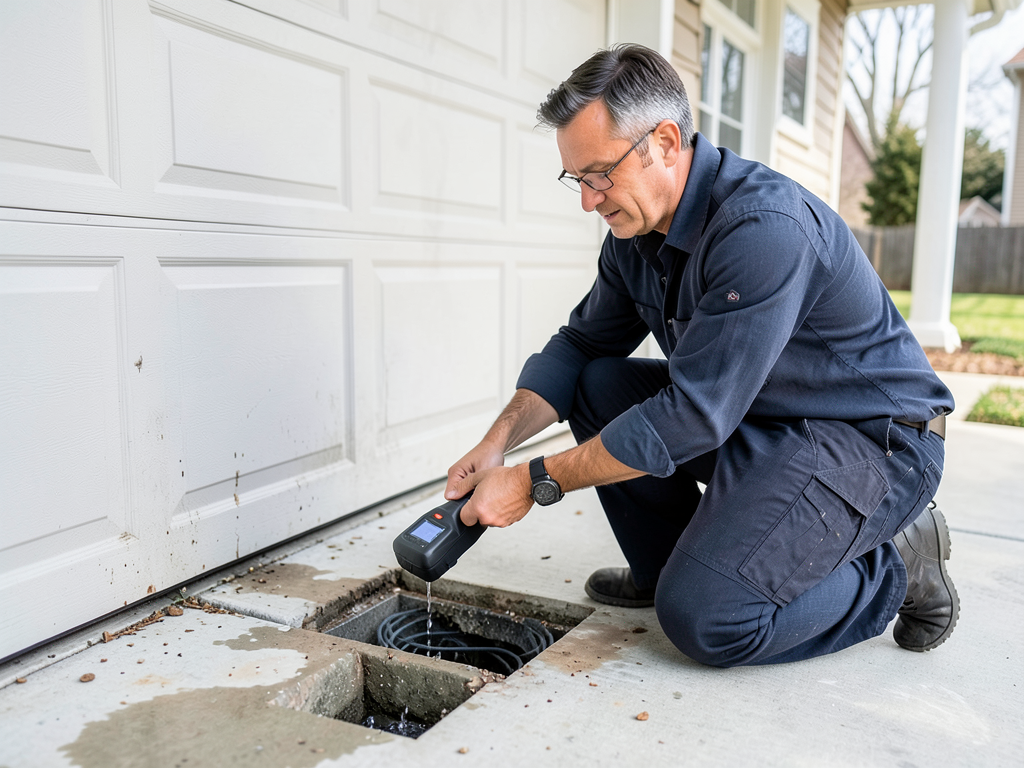
While we provide rapid mobile service throughout the entire Kansas City area, you can also view our general service area on the map. We are dedicated to being a local, accessible resource for all your water damage restoration needs, whether you're in the heart of the city or a surrounding community. Our team is always just a phone call away, ready to assist you with expertise and care, no matter where you are located within our service area.

Address:
A Plus Water Damage Restoration Kansas City, 1020 E Armour Blvd, Kansas City, MO, 64109

Additional Services We Offer

Our news updates

Latest Articles & News from The Blogs

Comparing French drains and interior perimeter drains for Northland basement waterproofing Northland Kansas City homeowners face a unique challenge when…

Comparing French drains and interior perimeter drains for Northland basement waterproofing

Comparing French drains and interior perimeter drains for Northland basement waterproofing Northland Kansas City homeowners face a unique challenge when…

Protecting high-end home theater equipment from basement floods in Loch Lloyd

Protecting high-end home theater equipment from basement floods in Loch Lloyd Basement floods can destroy more than just flooring and…

Why mold loves to hide in Leawood walk-in closets (And how to stop it)

Walk-in closets in Leawood homes provide luxury storage but create perfect conditions for mold growth. The combination of poor ventilation,…

Contact Us

Water in your attic spreads quickly and destroys insulation while threatening structural integrity. Call (816) 473-3833 now for immediate dispatch. Our Kansas City team responds 24/7 with equipment to stop damage and begin professional restoration.