




Menu

Mold Remediation & Removal in Kansas City – Comprehensive Testing, Abatement, and Air Quality Restoration

Professional mold mitigation services for Kansas City homes and businesses, combining certified laboratory testing, EPA-compliant containment protocols, and advanced HEPA filtration to eliminate colonies and restore safe indoor air quality.

Slider Image 1
Slider Image 2
Slider Image 3
Slider Image 4
Slider Image 5
Slider Image 7
Slider Image 8
Slider Image 9
Slider Image 10
Slider Image 11

Why Mold Growth Explodes in Kansas City Properties

Kansas City's humid continental climate creates perfect conditions for mold colonization. Summer humidity regularly exceeds 70 percent, while spring flooding along the Missouri and Kansas rivers saturates soil beneath foundations. The result is persistent moisture infiltration that turns attics, crawlspaces, and basements into breeding grounds.

The older housing stock in neighborhoods like Hyde Park and Westport compounds the problem. Many homes were built before modern vapor barriers became standard. Brick facades absorb rainwater, wood framing wicks moisture upward, and poor attic ventilation traps humid air against roof decking. You see surface growth on walls, but the real damage happens inside wall cavities where colonies spread unchecked.

Winter freeze-thaw cycles crack foundation walls and burst pipes. The water damage triggers microbial growth within 24 to 48 hours. By the time you notice the musty odor or visible spots, spore counts have already spiked to dangerous levels. Professional mold removal requires more than bleach and a scrub brush. You need laboratory testing to identify species, containment barriers to prevent cross-contamination, HEPA air scrubbers to capture airborne spores, and antimicrobial treatments to prevent recolonization.

Kansas City's clay soil shifts with moisture changes, cracking slabs and creating entry points for groundwater. Crawlspace moisture evaporates upward through flooring, raising indoor humidity and feeding growth on organic materials. Mold abatement must address both the visible colonies and the underlying moisture source, or you will face recurring outbreaks within months.

Why Mold Growth Explodes in Kansas City Properties
Our Science-Based Mold Mitigation Protocol

Our Science-Based Mold Mitigation Protocol

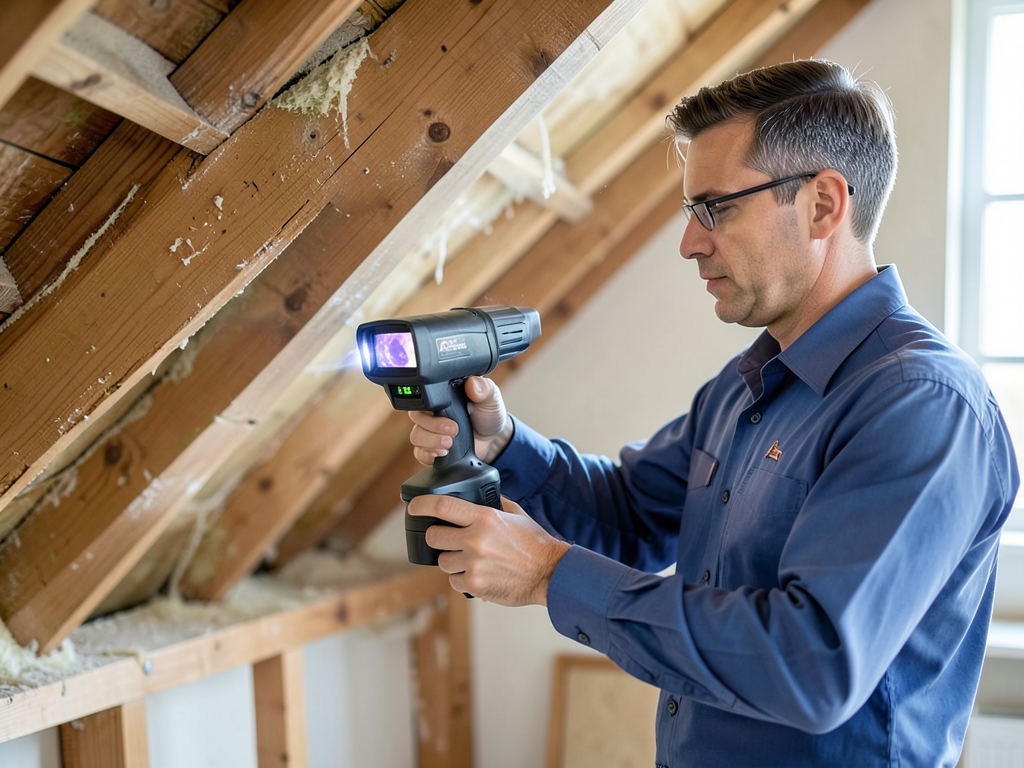
Effective mold decontamination starts with diagnostic precision. We deploy moisture meters to measure substrate moisture content, thermal imaging cameras to locate hidden water intrusion, and air sampling pumps to establish baseline spore concentrations. Laboratory analysis identifies the exact species present, which determines remediation strategy. Stachybotrys chartarum requires different containment protocols than Aspergillus or Penicillium.

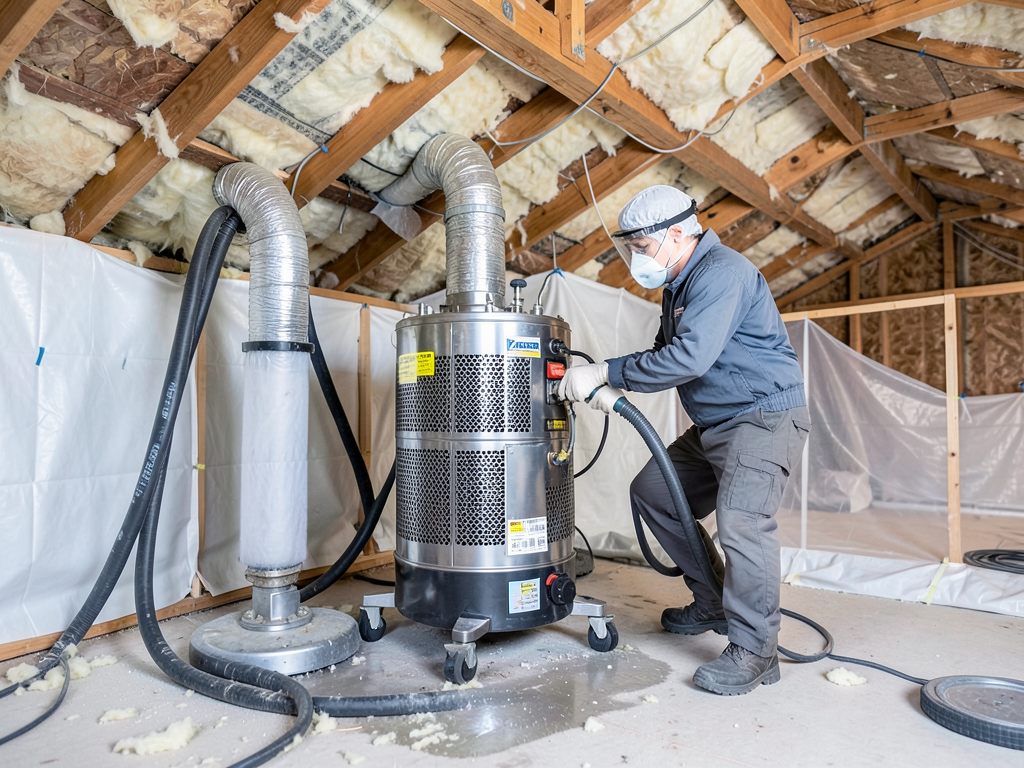
Containment prevents cross-contamination during removal. We construct physical barriers using six-mil polyethylene sheeting, seal all HVAC registers and doorways, and establish negative air pressure using HEPA-filtered air scrubbers. This creates a controlled work zone where spores cannot escape to clean areas. Commercial-grade dehumidifiers reduce ambient humidity below 50 percent, halting active growth.

Physical removal follows IICRC S520 standards. We remove porous materials like drywall, insulation, and carpeting that cannot be salvaged. Non-porous surfaces undergo HEPA vacuuming followed by antimicrobial application. We never use bleach on porous materials because it only kills surface growth while leaving subsurface hyphae intact. Proper mold cleanup services require complete material removal or verifiable decontamination.

Post-remediation verification ensures success. We conduct clearance testing using independent laboratories to confirm spore counts have returned to normal ambient levels. This third-party validation protects you from liability and confirms the workspace is safe for reoccupation. Without clearance testing, you have no objective proof the remediation succeeded.

A Plus Water Damage Restoration Kansas City combines environmental microbiology expertise with structural drying knowledge to eliminate both the mold and its moisture source.

What Happens During Your Mold Remediation Service

Mold Remediation & Removal in Kansas City – Comprehensive Testing, Abatement, and Air Quality Restoration
01

Initial Assessment and Testing

We begin with comprehensive visual inspection using thermal imaging and moisture meters to map the full extent of contamination. Air sampling establishes baseline spore concentrations in affected and control areas. Surface sampling identifies species present. Laboratory analysis typically returns within 48 hours, giving us the data needed to design your site-specific remediation plan and containment strategy.
02

Containment and Removal

We construct negative pressure containment chambers using polyethylene barriers and HEPA air scrubbers to isolate the work zone. Porous materials like drywall and insulation get removed and bagged for disposal. Non-porous surfaces undergo HEPA vacuuming and antimicrobial treatment. Structural cavities receive biocide application to eliminate subsurface growth. We address the moisture source simultaneously, whether that means fixing leaks, improving drainage, or installing vapor barriers.
03

Clearance Testing and Verification

After physical removal and decontamination, we conduct post-remediation air sampling using independent laboratories. Clearance testing confirms spore concentrations have returned to normal levels comparable to outdoor air. You receive detailed laboratory reports documenting successful remediation. This third-party verification protects property value and provides objective evidence the space is safe for reoccupancy, renovation, or sale.

Why Kansas City Property Owners Choose Local Mold Experts

Mold mitigation requires understanding regional construction methods and climate challenges. We know that Kansas City homes built before 1960 often lack proper crawlspace ventilation, creating permanent humidity problems. We recognize that brick veneer construction in Brookside and Mission Hills absorbs moisture differently than the vinyl-sided ranches in Raytown. This local knowledge shapes our diagnostic approach and remediation strategy.

Insurance claims for mold damage depend on proving the contamination resulted from a covered peril like a sudden pipe burst rather than long-term neglect. We document the moisture source, photograph damage progression, and provide detailed scope-of-loss reports that satisfy insurance adjusters. Our familiarity with local carriers and their preferred documentation formats expedites claim approval and reimbursement.

Kansas City's rental market creates unique liability concerns. Property managers must provide habitable units under Missouri landlord-tenant law. Visible mold growth or persistent musty odors constitute habitability violations that allow tenants to withhold rent or terminate leases. We provide rapid response for rental properties, minimizing vacancy loss while ensuring compliance with legal obligations.

Commercial buildings face different challenges. Office spaces must maintain operations during remediation. We schedule containment and removal during off-hours, coordinate with facility managers to isolate affected zones, and provide temporary workspace solutions to maintain business continuity. Our commercial mold abatement projects meet OSHA standards for worker protection and maintain compliance with building codes.

A Plus Water Damage Restoration Kansas City combines certified technicians, commercial-grade equipment, and comprehensive insurance knowledge to deliver remediation that protects both property value and occupant health. We serve both residential and commercial clients throughout the metro area.

What You Can Expect From Our Mold Removal Service

Emergency Response and Timeline

We provide 24-hour emergency response for active water damage that risks triggering mold growth. Initial assessment and testing occur within hours of your call. Laboratory results return within 48 hours. Containment construction and physical removal typically span two to five days depending on contamination extent. Post-remediation clearance testing adds another 48 hours for laboratory analysis. Total project duration ranges from one week for isolated bathroom growth to three weeks for whole-house contamination. We provide daily progress updates and adjust timelines based on moisture readings and drying progress.

Comprehensive Testing and Documentation

Your assessment includes thermal imaging to locate hidden moisture, moisture meter readings at multiple depths, and air sampling in affected areas plus control areas for comparison. We collect surface samples from visible growth for species identification. All samples go to independent AIHA-accredited laboratories for analysis. You receive detailed reports showing spore concentrations, species present, and contamination severity ratings. This documentation supports insurance claims, real estate transactions, or litigation. Post-remediation clearance testing provides objective proof of successful decontamination and safe reoccupancy.

Complete Decontamination and Air Quality Restoration

Successful remediation eliminates both visible growth and airborne spores. We remove contaminated materials rather than attempting surface cleaning that leaves subsurface hyphae intact. HEPA air scrubbers run continuously during removal, capturing spores before they spread. Structural cavities receive antimicrobial treatment to prevent recolonization. We verify completion using clearance testing that confirms spore concentrations match normal outdoor levels. The result is verifiably clean indoor air quality and eliminated health risks. You receive laboratory documentation proving successful decontamination.

Moisture Control and Prevention Strategy

Mold abatement without moisture correction guarantees recurrence within months. We identify and eliminate water sources during remediation. This may involve repairing foundation cracks, improving drainage grading, installing sump pumps, upgrading crawlspace ventilation, or replacing failed plumbing. We provide humidity monitoring recommendations and suggest dehumidifier placement for high-risk areas. You receive a written moisture management plan explaining how to prevent future contamination. This proactive approach protects your investment and prevents recurring remediation costs.

Frequently Asked Questions

You Have Questions,
We Have Answers

How much does it cost to remove mold? +

Mold removal costs depend on the size of the infestation, location, and structural damage. Small jobs, like a bathroom corner, may run lower, while extensive contamination in basements or crawl spaces costs more. Kansas City homes face high humidity and seasonal moisture from our clay soil and heavy spring rains, which drives hidden mold growth. Factors include containment setup, air filtration, disposal, and repairs to drywall or flooring. Expect technicians to assess water sources, test air quality, and provide a detailed estimate before starting work. Never delay treatment. Mold spreads fast in our climate.

What is the difference between mold removal and mold remediation? +

Mold removal means physically scrubbing or tearing out visible mold. Mold remediation goes deeper. It identifies the moisture source, contains the affected area, removes contaminated materials, treats surfaces with antimicrobials, filters airborne spores, and restores your home to pre-loss condition. Remediation addresses the root cause, not just the symptom. In Kansas City, where basement flooding and roof leaks are common, simply wiping down surfaces fails. You need full remediation to prevent regrowth. Professionals use HEPA vacuums, negative air machines, and humidity controls to stop the cycle. Removal is surface-level. Remediation is structural.

How much does full mold remediation cost? +

Full mold remediation costs vary based on square footage, contamination level, and structural repairs. A whole-home project with significant damage will cost more than isolated areas. Kansas City homes built on clay soil experience foundation shifts and plumbing leaks, creating hidden mold colonies behind walls or under floors. Remediation includes inspection, containment, air scrubbing, material removal, antimicrobial treatment, and restoration. Professionals test air quality before and after. Costs rise if HVAC systems are contaminated or if asbestos is present in older homes. Get multiple quotes, but prioritize experience and proper equipment over low bids.

Can you actually remediate mold? +

Yes. Professional remediation eliminates mold colonies and prevents regrowth when done correctly. The process requires containment to stop spore spread, removal of porous materials like drywall or insulation, antimicrobial treatment of hard surfaces, and moisture control. Kansas City's humid summers and wet basements make homes vulnerable to repeat infestations if the water source is not fixed. Technicians use moisture meters, thermal imaging, and air testing to confirm success. DIY bleach treatments fail because mold roots penetrate porous materials. Remediation works, but only if you address leaks, drainage issues, and ventilation problems simultaneously.

Is professional mold removal worth it? +

Yes. Professional mold removal protects your health, prevents structural damage, and saves money long-term. DIY efforts miss hidden colonies behind walls, in HVAC ducts, or under flooring. Kansas City homes face moisture challenges from our clay soil, aging plumbing, and severe storms. Professionals use containment barriers, HEPA filtration, and industrial dehumidifiers to stop cross-contamination. They identify water sources you might overlook, like roof flashing failures or sump pump malfunctions. Mold destroys wood framing, lowers property value, and triggers respiratory issues. Professionals document the work for insurance claims and future home sales. The cost is justified.

What are signs of mold exposure? +

Common signs include persistent coughing, sneezing, watery eyes, throat irritation, skin rashes, and fatigue. Some people experience headaches, difficulty concentrating, or worsened asthma symptoms. In Kansas City, where basements stay damp and attics trap heat, residents often mistake mold exposure for seasonal allergies. If symptoms improve when you leave the house, suspect mold. Severe exposure causes respiratory infections or chronic sinus issues. Infants, elderly individuals, and those with compromised immune systems face higher risks. You may also notice a musty odor, visible black or green patches, or peeling paint. Get tested if symptoms persist.

Do you have to throw everything away with mold in the house after? +

Not always. Non-porous items like metal, glass, and hard plastics can be cleaned and saved. Porous materials like drywall, carpet, insulation, and upholstered furniture usually require disposal because mold roots penetrate deep. Kansas City homes with basement floods or roof leaks often lose contents stored in cardboard boxes or fabric bins. Professionals assess each item. Books, mattresses, and clothing heavily contaminated should go. Clean items immediately with HEPA vacuums and antimicrobial solutions. Document discarded items for insurance claims. Sentimentals like photos may be salvageable with specialty restoration. Act fast. Mold spreads within 48 hours.

What to do if you can't afford mold remediation? +

Start by addressing the moisture source yourself. Fix leaks, improve ventilation, and run dehumidifiers to slow growth. For small isolated areas under 10 square feet, you can attempt DIY cleanup with protective gear, but avoid disturbing large colonies. Contact your insurance company. Some policies cover mold if it results from a covered peril like burst pipes. In Kansas City, local nonprofits or housing assistance programs may offer emergency help for low-income homeowners. Some remediation companies provide payment plans. Delaying treatment worsens damage and costs. Prioritize containment and moisture control while seeking financial solutions.

Is it hard to sell a house that has had mold remediation? +

Not if you document the remediation properly. Buyers appreciate transparency. Provide inspection reports, remediation invoices, and post-remediation air quality tests showing clearance. In Kansas City, where basement moisture and storm damage are common, informed buyers expect past mold issues. Problems arise when sellers hide remediation history or fail to fix the moisture source. Homes with recurring mold or incomplete repairs lose value and scare buyers. Full remediation, paired with improvements like new sump pumps or updated drainage systems, can increase buyer confidence. Disclose everything. Proper documentation turns a liability into proof of diligent homeownership.

Does homeowners insurance cover mold? +

Sometimes. Most homeowners policies exclude mold from gradual leaks, poor maintenance, or flooding. Coverage applies if mold results from a covered peril like sudden pipe bursts, roof storm damage, or appliance malfunctions. Kansas City homes that experience storm-related water intrusion may qualify for coverage if you act immediately. Policies often cap mold remediation payouts at a specific limit. Read your policy carefully and document everything with photos and professional estimates. File claims promptly. Insurers deny coverage for neglect or long-term moisture problems. Consider adding mold endorsements if you live in a flood-prone area or have a finished basement.

How Kansas City's Missouri River Valley Humidity Drives Chronic Mold Problems

The Kansas City metro sits at the confluence of the Missouri and Kansas rivers, creating a natural humidity trap. Summer dew points regularly exceed 70 degrees, pushing indoor relative humidity above 60 percent without mechanical dehumidification. This sustained moisture feeds mold growth on organic materials like wood framing, paper-faced drywall, and ceiling tiles. Spring flooding saturates soil beneath foundations, creating wicking action that pulls moisture into crawlspaces and basements. Older neighborhoods near river bottoms face chronic humidity problems that require permanent dehumidification systems, not just one-time mold cleanup services. Professional mold decontamination must address Kansas City's unique climate challenges to prevent recolonization.

Kansas City property owners need local expertise that understands regional construction methods and insurance claim requirements. We know how Missouri's humid climate affects different building materials, which species commonly colonize local structures, and what documentation local insurance carriers require for claim approval. This knowledge speeds remediation and maximizes insurance reimbursement. National franchise operations lack this regional specialization. Choosing local experts means working with technicians who understand Kansas City's unique challenges and maintain relationships with local laboratories, insurance adjusters, and building inspectors.
Water Damage Restoration Services in The Kansas City Area

While we provide rapid mobile service throughout the entire Kansas City area, you can also view our general service area on the map. We are dedicated to being a local, accessible resource for all your water damage restoration needs, whether you're in the heart of the city or a surrounding community. Our team is always just a phone call away, ready to assist you with expertise and care, no matter where you are located within our service area.

Address:
A Plus Water Damage Restoration Kansas City, 1020 E Armour Blvd, Kansas City, MO, 64109

Additional Services We Offer

Our news updates

Latest Articles & News from The Blogs

How the hard water in Edwardsville is secretly shortening the life of your plumbing and appliances Hard water is more…

How the hard water in Edwardsville is secretly shortening the life of your plumbing and appliances

How the hard water in Edwardsville is secretly shortening the life of your plumbing and appliances Hard water is more…

How to protect your Weatherby Lake home from major water damage while you are away for the winter

How to protect your Weatherby Lake home from major water damage while you are away for the winter Winterizing your…

What every first-time buyer in Raymore needs to check for water damage before closing the deal

What every first-time buyer in Raymore needs to check for water damage before closing the deal Buying your first home…

Contact Us

Mold contamination worsens daily. Protect your property value and occupant health with certified remediation services. Call (816) 473-3833 now for emergency response and laboratory testing. We provide detailed assessments, insurance documentation, and verifiable decontamination for Kansas City properties.