




Menu

Server Room Water Damage in Kansas City – Business Continuity Protection for Your Mission-Critical Infrastructure

Commercial-grade server room flood cleanup and IT room water mitigation engineered to minimize downtime, protect proprietary data, and restore operations with precision in Kansas City's high-humidity business corridors.

Slider Image 1
Slider Image 2
Slider Image 3
Slider Image 4
Slider Image 5
Slider Image 7
Slider Image 8
Slider Image 9
Slider Image 10
Slider Image 11

Why Server Room Water Damage Is a Business Liability in Kansas City

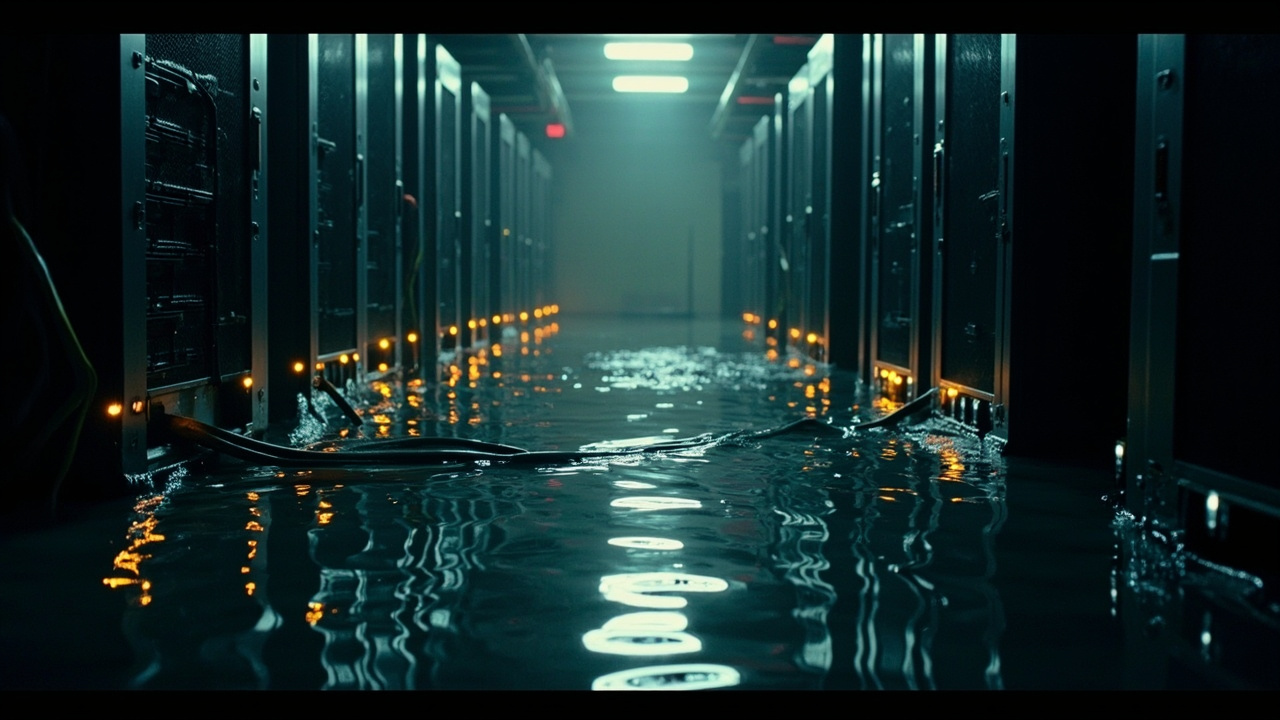
Kansas City's position at the convergence of the Missouri and Kansas rivers creates elevated humidity levels that compound server room vulnerability. When water infiltrates an IT environment, the financial exposure extends beyond hardware replacement. You face regulatory compliance violations, data loss litigation, and operational paralysis that can cost thousands per hour.

Server room water damage in Kansas City originates from predictable sources. Roof failures during spring storm systems flood ceiling plenums above raised floors. HVAC condensate line breaks saturate subfloor cable trays. Sprinkler system malfunctions during freeze-thaw cycles drench equipment racks. The region's clay soil settlement patterns stress building envelopes, creating points of water intrusion through exterior walls adjacent to server closets.

The risk profile escalates in older commercial structures throughout the Crossroads Arts District and River Market, where legacy infrastructure meets modern data center demands. A single inch of water crossing a raised floor can destroy uninterruptible power supply systems, short circuit power distribution units, and corrode network switching hardware within minutes.

Computer room water extraction requires immediate response protocols. Delayed mitigation allows moisture to penetrate server enclosures, corrode circuit boards, and compromise backup systems. The secondary damage from humidity saturation can render equipment unrecoverable even if initial flooding appears contained. Kansas City businesses operating in multi-tenant buildings face additional exposure when water originates from adjacent tenant spaces or shared mechanical systems.

Data center water damage restoration demands specialized protocols that differ fundamentally from standard commercial water mitigation. Generic approaches fail to address electrostatic discharge risks, corrosion prevention requirements, or the sequential power-down procedures necessary to protect live systems during emergency water removal.

Why Server Room Water Damage Is a Business Liability in Kansas City
The Technical Protocol for IT Room Water Mitigation

The Technical Protocol for IT Room Water Mitigation

Server room flood cleanup begins with controlled power isolation. We coordinate with your IT staff to execute proper shutdown sequences that protect data integrity while enabling safe access to affected areas. This prevents the cascade failures that occur when power systems interact with standing water.

Our computer room water extraction methodology uses low-amperage equipment to eliminate electrical interference with sensitive electronics. We deploy desiccant dehumidification systems rather than refrigerant-based units, which introduce condensation risks in temperature-controlled environments. This approach maintains the precise humidity parameters required for server operation while accelerating moisture removal from subfloor plenums and wall cavities.

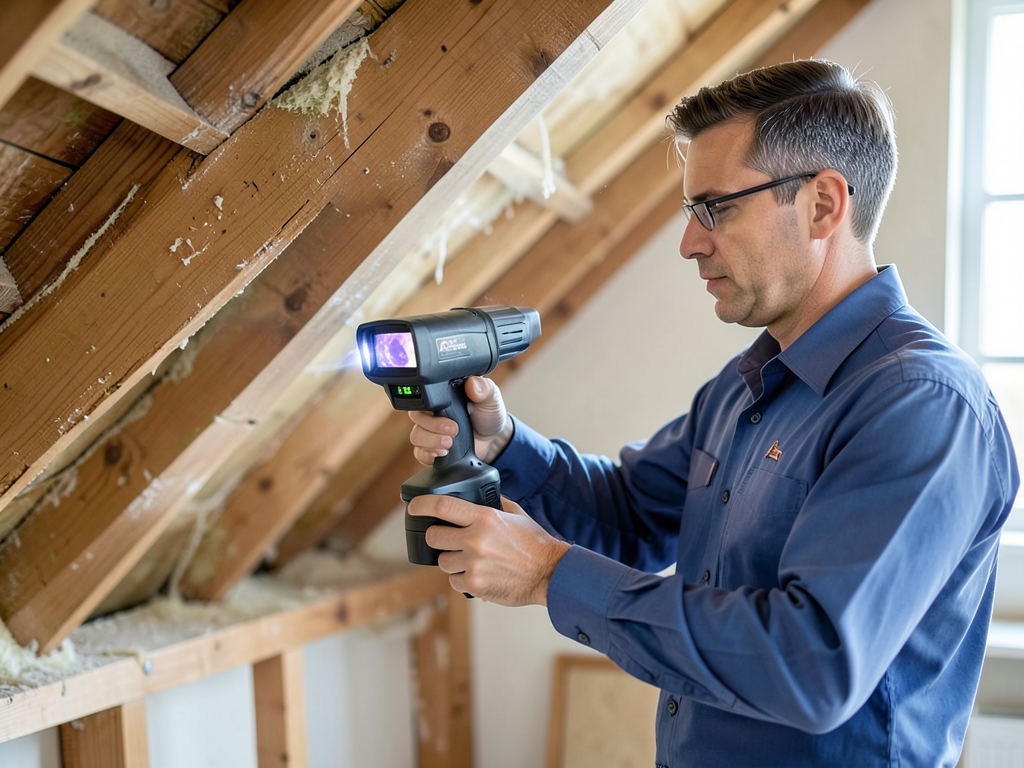
Water intrusion assessment includes thermal imaging to map moisture migration through cable pathways and ventilation systems. We document contamination levels to determine whether affected equipment requires replacement or can withstand restoration. Clean water from supply line failures presents different risks than gray water from HVAC systems or black water from sewer backups.

The critical distinction in data center water damage restoration lies in corrosion prevention. Server components begin oxidizing within hours of water exposure. We apply corrosion inhibitors to circuit boards and connectors while moisture levels remain elevated, then use specialized drying chambers for individual components that cannot be replaced immediately due to supply chain constraints.

Our extraction protocol prioritizes equipment hierarchy. Mission-critical infrastructure receives immediate attention, while secondary systems undergo staged restoration to maintain partial operational capacity. We establish temporary power distribution and network connectivity to restore business functions before complete environmental remediation concludes.

This sequenced approach reduces total downtime by 60 to 70 percent compared to complete facility shutdowns. Kansas City businesses maintain customer service capabilities and fulfill contractual obligations while server room water removal services progress through affected zones systematically.

How Emergency IT Room Response Unfolds

Server Room Water Damage in Kansas City – Business Continuity Protection for Your Mission-Critical Infrastructure
01

Immediate Infrastructure Assessment

Our team arrives with electrical safety equipment and moisture detection tools to map water distribution throughout your server environment. We identify active water sources, assess power system integrity, and establish safe work zones. This initial survey determines which systems require immediate shutdown versus which can operate during mitigation. We coordinate with your facilities management team to isolate affected circuits and document equipment exposure levels for insurance documentation and replacement prioritization.
02

Controlled Water Extraction

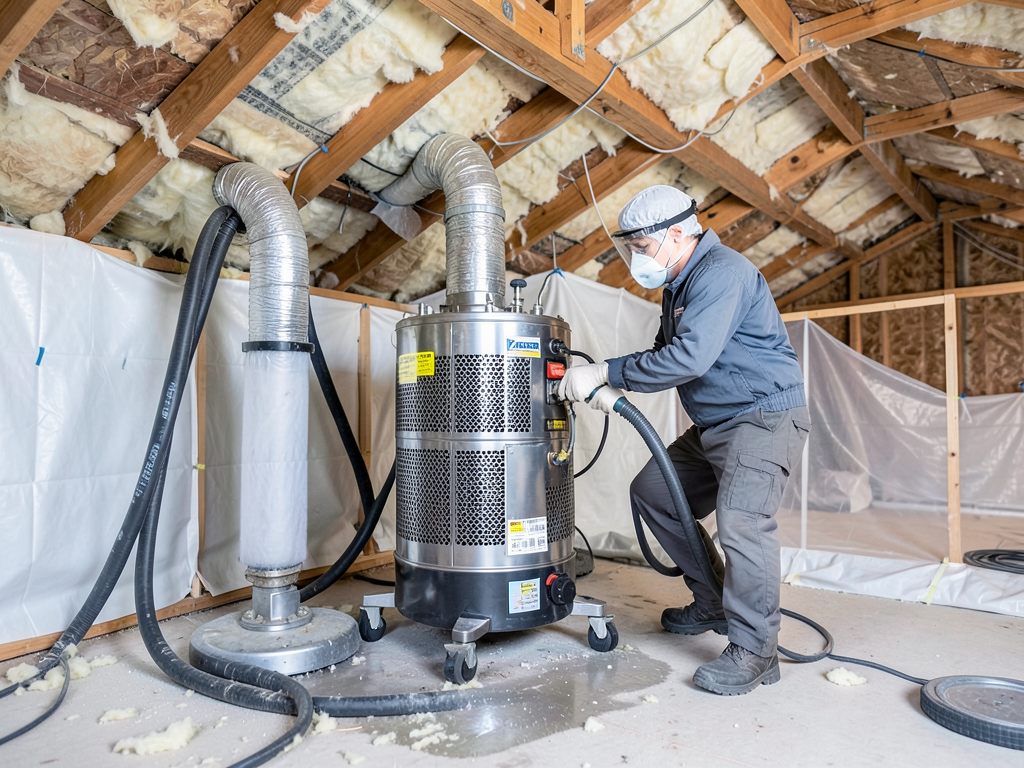
We deploy truck-mounted extraction units positioned outside the facility to minimize vibration and electrical load within the server room. Specialized floor suction tools remove standing water from raised floor cavities without disturbing cable infrastructure. Desiccant dehumidifiers establish negative pressure environments that pull moisture from equipment enclosures and wall assemblies. We maintain continuous monitoring of humidity levels and temperature stability to prevent thermal shock to operating systems. This phase typically requires 48 to 72 hours for complete moisture normalization.
03

Environmental Restoration and Verification

Final remediation includes antimicrobial treatment of affected surfaces, replacement of contaminated insulation materials, and verification testing of environmental controls. We use particle counters to confirm air quality meets data center standards before equipment restart. Power systems undergo load testing to verify electrical safety. We provide detailed documentation of moisture readings, equipment condition assessments, and restoration certifications required for insurance claims and compliance audits. This documentation protects you from future liability related to the water damage incident.

Why Kansas City Businesses Choose Specialized Server Room Response

Generic water damage contractors lack the technical knowledge to navigate server room environments safely. Improper mitigation techniques introduce electrostatic discharge that destroys solid-state drives and memory modules. Inadequate humidity control causes condensation on cold components when systems restart. These errors transform recoverable situations into total losses.

A Plus Water Damage Restoration Kansas City maintains relationships with commercial property managers throughout the Power and Light District, Crown Center, and the I-435 corridor. We understand the occupancy requirements in Kansas City's commercial building codes and coordinate with local building inspectors to maintain compliance during restoration work.

Our technicians receive ongoing training in data center infrastructure management protocols. We work within ASHRAE thermal guidelines and understand the power distribution architectures common to Kansas City's commercial real estate portfolio. This expertise matters when water damage affects facilities housing healthcare records subject to HIPAA requirements or financial data governed by SOX compliance mandates.

The financial district near 12th and Main presents unique challenges due to building age and historic preservation requirements. Server rooms occupy spaces never designed for modern cooling loads, creating condensation risks that accelerate water damage progression. We engineer solutions that address both immediate water removal and the underlying environmental deficiencies that contributed to the incident.

Insurance coordination forms a critical component of commercial water damage response. We provide the technical documentation carriers require to differentiate between covered water damage and excluded maintenance-related failures. Our reports include moisture mapping, equipment inventories, and contamination assessments that support claim valuations.

Kansas City's business community requires partners who understand operational priorities. We staff projects to match your operational tempo, working overnight or during scheduled maintenance windows to minimize business disruption. This scheduling flexibility prevents the extended closures that jeopardize customer relationships and contractual commitments.

What Kansas City Businesses Should Expect From Professional Server Room Water Mitigation

Response Time and Availability

Server room water damage requires immediate response to prevent exponential damage progression. We maintain 24-hour dispatch capability with technicians positioned throughout the Kansas City metro. Our average response time to commercial properties in the downtown core runs under 60 minutes. We arrive with thermal imaging equipment, moisture meters, and extraction tools to begin mitigation immediately. Night and weekend response carries no premium pricing. We understand that water damage does not respect business hours and that delayed response transforms manageable incidents into catastrophic losses. Our dispatch protocols prioritize server room emergencies above standard commercial water damage calls due to the accelerated damage timelines in IT environments.

Technical Assessment and Documentation

The initial evaluation determines the full scope of water intrusion and equipment exposure. We map moisture distribution through walls, floors, and ceiling plenums using infrared thermography and capacitance moisture meters. Each piece of affected equipment receives individual assessment and photographic documentation. We test power distribution systems for ground faults and insulation resistance degradation. This comprehensive survey produces the detailed reports your insurance carrier requires and the technical specifications your IT team needs to prioritize equipment replacement. The assessment typically requires two to four hours depending on facility size and complexity. We deliver preliminary findings within 24 hours and complete documentation within 72 hours.

Restoration Quality and Standards

Server room restoration must meet stricter standards than conventional commercial spaces. We work to ANSI/TIA-942 data center standards for environmental controls and contamination limits. Final moisture readings must fall below 12 percent equilibrium relative humidity before we authorize equipment restart. Air quality testing confirms particulate counts meet ISO 14644 cleanroom classifications appropriate for electronic equipment operation. We verify proper operation of HVAC systems, fire suppression equipment, and emergency power systems before releasing the space back to you. The restoration process typically requires five to seven days for water damage confined to subfloor areas and up to three weeks for incidents involving extensive equipment contamination or structural repairs.

Post-Restoration Monitoring and Prevention

Complete restoration includes identifying the system failures that allowed water intrusion. We provide written recommendations addressing HVAC maintenance deficiencies, inadequate waterproofing, or insufficient leak detection systems. Many Kansas City facilities benefit from water detection cables installed beneath raised floors and above ceiling tiles to provide early warning of future incidents. We offer quarterly environmental monitoring services to verify humidity control systems maintain proper parameters and to identify condensation risks before they cause equipment damage. This proactive approach reduces the likelihood of repeat incidents and demonstrates due diligence to insurance carriers. Our post-restoration support includes emergency contact procedures and priority scheduling should future water damage occur.

Frequently Asked Questions

You Have Questions,
We Have Answers

What is the cost of water leak detection system for server room? +

Water leak detection systems for server rooms range from basic spot detectors to enterprise-grade systems with rope sensors and automatic shutoffs. Entry-level systems start around $200 per zone, while comprehensive monitoring with remote alerts and integration into building management systems can exceed $5,000 for larger facilities. Installation costs vary based on server room size and complexity. Kansas City facilities should factor in humidity monitoring given seasonal swings. The investment is minimal compared to downtime costs from undetected leaks. Most systems pay for themselves after preventing a single incident. Consult with your IT infrastructure vendor for ROI analysis.

What are the risks of server rooms? +

Server rooms face multiple critical risks that threaten business continuity. Water intrusion from HVAC failures, plumbing leaks, or roof penetrations can destroy equipment within minutes. Kansas City's temperature extremes stress climate control systems, increasing failure risk. Electrical hazards multiply when water contacts power distribution units or cabling. Data loss from equipment failure creates liability exposure and regulatory compliance issues. Condensation from humidity fluctuations corrodes connections and shorts circuits. Fire suppression system accidental discharge causes catastrophic damage. Each hour of downtime translates directly to revenue loss and customer impact. Risk mitigation requires environmental monitoring, redundant systems, and immediate response protocols.

How long does water have to sit for water damage? +

Water damage progression accelerates rapidly in server environments. Electronic components can fail within seconds of exposure. Corrosion begins immediately when water contacts circuit boards and connectors. Within 24 hours, oxidation compromises equipment even after apparent drying. Hard drives and storage media suffer permanent damage after brief submersion. The real issue is not sitting time but the conductive nature of water causing short circuits and voltage irregularities. Kansas City's humidity compounds the problem by slowing evaporation. Even small amounts of moisture trapped in equipment housings cause delayed failures weeks later. Immediate power shutdown and professional extraction are non-negotiable to minimize losses.

What is too dry for a server room? +

Server rooms require humidity between 40% and 60% relative humidity. Below 40%, static electricity risk increases dramatically, potentially damaging sensitive components through electrostatic discharge. Kansas City winters with forced air heating can drop humidity to problematic levels without proper humidification. Excessively dry conditions also cause physical stress on plastic components and connectors. Most enterprise equipment operates optimally around 45% to 50% RH. Monitor continuously with calibrated hygrometers tied to your building management system. Balance is critical. Too dry creates ESD risk, too humid accelerates corrosion. ASHRAE TC 9.9 guidelines provide specific targets for your equipment class.

How much to charge for leak detection? +

Professional leak detection for commercial server rooms typically runs $300 to $800 for initial assessment, depending on facility size and complexity. Ongoing monitoring contracts with remote sensors range from $100 to $500 monthly. Emergency leak location services during an active incident command premium rates due to urgency and after-hours response. Pricing reflects the specialized equipment required, such as thermal imaging cameras, moisture meters, and acoustic sensors. Kansas City facilities with multiple floors or complex piping require more extensive investigation. The cost is negligible compared to server downtime expenses. Factor detection speed into vendor selection, as rapid identification limits damage scope and business interruption.

Will homeowners insurance cover a water main leak? +

Standard homeowners insurance does not apply to commercial server room water damage. Commercial property policies cover building damage and potentially equipment, but coverage varies significantly by policy structure. Water main breaks on your property may be covered, but gradual leaks or maintenance issues typically are not. Most commercial policies exclude flood damage unless you carry separate flood insurance. Equipment breakdown coverage or technology equipment policies provide better protection for server hardware. Kansas City businesses should review policy exclusions carefully with their broker. Document all equipment values and maintain current inventories. Business interruption coverage becomes critical for revenue loss during downtime, but proof of direct physical loss is required.

What is not allowed in a server room? +

Server rooms prohibit food, beverages, cardboard boxes, flammable materials, and unauthorized personnel. Magnetic media and unshielded electronics create interference risks. Open water containers or wet umbrellas introduce moisture hazards. Space heaters or unapproved electrical devices create fire risks. Kansas City facilities must ban smoking and comply with clean agent fire suppression requirements that restrict certain materials. Storage of non-IT equipment clutters emergency egress paths and violates fire codes. Cleaning supplies with conductive liquids should never enter the space. Enforce strict access controls and document all entries. Even brief policy violations can trigger equipment failures or create compliance issues during audits.

What are the 5 C's in security? +

The 5 Cs in security are Control, Concealment, Containment, Channels, and Communications. Control limits access through authentication and authorization protocols. Concealment protects sensitive information from unauthorized viewing. Containment isolates security breaches to prevent lateral movement. Channels establish secure pathways for data transmission. Communications maintains coordination during security events. In Kansas City server environments, these principles apply to physical security and cyber defenses equally. Water damage events test all five areas simultaneously. Emergency response requires controlled access, contained flooding, clear communication channels, and concealment of exposed systems during remediation. Integrate these principles into your disaster recovery planning and vendor selection criteria.

What are common server issues? +

Common server issues include hardware failures, overheating, power fluctuations, network connectivity problems, and storage capacity limitations. Kansas City's temperature swings stress cooling systems, causing thermal shutdowns. Power quality issues from electrical storms damage power supplies and motherboards. Hard drive failures increase with age and environmental stress. Memory errors cause system instability and data corruption. Firmware bugs and driver conflicts create intermittent problems difficult to diagnose. Water damage from HVAC condensation or plumbing leaks causes cascading failures across multiple systems. Software conflicts and security vulnerabilities require constant patching. Most issues trace back to environmental control failures or deferred maintenance. Monitoring environmental conditions prevents many common problems.

How likely is mold after water damage? +

Mold growth becomes likely within 24 to 48 hours after water damage in server rooms. Kansas City's humidity accelerates colonization, particularly during summer months. Porous materials like ceiling tiles, drywall, and carpeting provide ideal growth substrates. HVAC systems spread spores throughout the facility if not addressed immediately. Server equipment itself resists mold, but surrounding building materials do not. The real concern is air quality degradation affecting personnel and corrosion acceleration on electronic components from mold metabolic byproducts. Professional remediation requires containment, HEPA filtration, and antimicrobial treatment. Document everything for insurance claims. Delayed response guarantees mold issues, increased remediation costs, and extended downtime.

How Kansas City's Climate Creates Unique Server Room Risks

Kansas City experiences dramatic humidity swings between winter and summer that stress HVAC systems serving temperature-controlled IT environments. Summer dew points regularly exceed 70 degrees, forcing cooling systems to remove massive moisture loads while maintaining the 64 to 75 degree temperature range server equipment requires. This cooling demand creates condensate production that overwhelms drain systems in older buildings throughout the downtown corridor and Country Club Plaza. Spring severe weather systems compound risks with rapid barometric pressure changes that force moisture-laden air through building envelope gaps. The region's position in Tornado Alley means server rooms require enhanced protection from roof damage during severe weather events that can introduce catastrophic water volumes.

Kansas City's concentration of healthcare, financial services, and logistics companies creates elevated demand for specialized server room water mitigation services. The metro area houses major data processing facilities for national healthcare systems and regional banking operations that cannot tolerate extended downtime. Local building codes adopted in 2018 require enhanced water detection systems in new construction server rooms, but most existing facilities lack these protections. A Plus Water Damage Restoration Kansas City maintains working relationships with commercial property management firms throughout the metro, allowing us to respond rapidly to facilities we already understand. This familiarity with building systems and IT infrastructure reduces diagnostic time and accelerates restoration timelines when minutes matter.
Water Damage Restoration Services in The Kansas City Area

While we provide rapid mobile service throughout the entire Kansas City area, you can also view our general service area on the map. We are dedicated to being a local, accessible resource for all your water damage restoration needs, whether you're in the heart of the city or a surrounding community. Our team is always just a phone call away, ready to assist you with expertise and care, no matter where you are located within our service area.

Address:
A Plus Water Damage Restoration Kansas City, 1020 E Armour Blvd, Kansas City, MO, 64109

Additional Services We Offer

Our news updates

Latest Articles & News from The Blogs

How the hard water in Edwardsville is secretly shortening the life of your plumbing and appliances Hard water is more…

How the hard water in Edwardsville is secretly shortening the life of your plumbing and appliances

How the hard water in Edwardsville is secretly shortening the life of your plumbing and appliances Hard water is more…

How to protect your Weatherby Lake home from major water damage while you are away for the winter

How to protect your Weatherby Lake home from major water damage while you are away for the winter Winterizing your…

What every first-time buyer in Raymore needs to check for water damage before closing the deal

What every first-time buyer in Raymore needs to check for water damage before closing the deal Buying your first home…

Contact Us

Server room water damage demands immediate professional response to prevent exponential losses. Our specialized teams respond 24 hours daily throughout Kansas City with the technical expertise and equipment your mission-critical infrastructure requires. Call (816) 473-3833 now for emergency dispatch.