




Menu

Water Stains on Drywall in Kansas City – Expert Diagnosis Stops Hidden Mold and Structural Damage

Water stains on drywall signal active leaks or lingering moisture that threaten your home's integrity. We identify the source, prevent mold growth, and restore your walls before damage spreads through Kansas City's humid climate.

Slider Image 1
Slider Image 2
Slider Image 3
Slider Image 4
Slider Image 5
Slider Image 7
Slider Image 8
Slider Image 9
Slider Image 10
Slider Image 11

Why Kansas City Homes Show Brown Water Spots on Walls and Yellow Stains on Drywall

You notice a brown water spot on your ceiling. Maybe yellow stains on drywall near the bathroom. The moisture discoloration on sheetrock keeps growing, and you wonder if it will stop on its own.

It will not.

Kansas City's clay soil expands and contracts with seasonal moisture changes. This movement cracks foundations and shifts plumbing connections. When pipes leak inside walls, moisture travels along studs and seeps into drywall. You see water marks on ceiling surfaces or wet patches on plasterboard near windows.

The humid summers here make everything worse. Relative humidity above 60 percent slows evaporation. That brown ring on your wall is not just cosmetic damage. It marks where water sat long enough to break down paper backing and feed mold spores. The longer moisture sits, the deeper it penetrates. Drywall is porous. Once saturated, it loses structural integrity and becomes a breeding ground for microbial growth.

Roof leaks are common after Kansas City's spring storms. Ice dams form during freeze-thaw cycles in winter. Condensation from poorly insulated attics drips onto drywall. HVAC drain pans overflow when humidity spikes. Washing machine hoses burst. Toilets leak at the wax ring. Every water source leaves a signature stain pattern.

The problem is not the stain. The problem is what caused it and what is happening behind the surface you cannot see.

Most homeowners wait too long. They think the spot will dry and disappear. Instead, mold colonizes within 48 hours. Wood framing rots. Drywall crumbles when you press it. The repair bill multiplies.

You need to know where the water came from, how far it spread, and whether hidden damage exists. That requires tools and training most homeowners do not have.

Why Kansas City Homes Show Brown Water Spots on Walls and Yellow Stains on Drywall
How We Find the Source and Stop the Damage

How We Find the Source and Stop the Damage

Water stains are symptoms. We diagnose the disease.

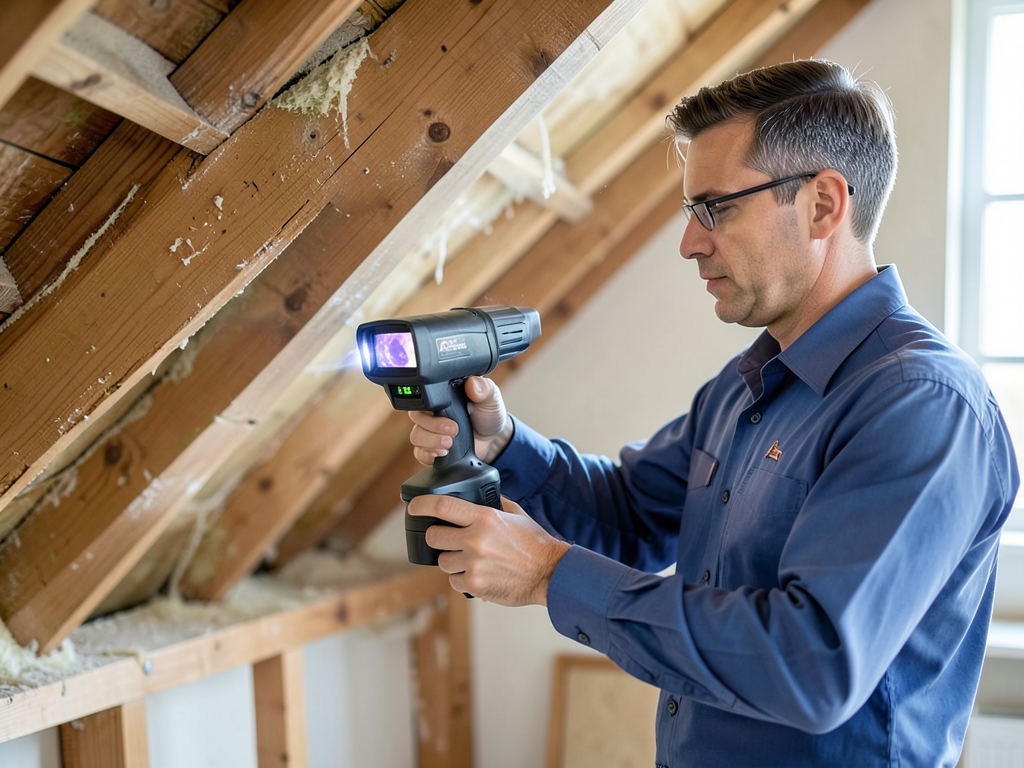
We start with thermal imaging cameras. These detect temperature differences behind walls. Wet material shows cooler than dry material. We map the moisture spread without cutting unnecessary holes. Infrared scanning reveals hidden leaks in supply lines, drain pipes, and roof penetrations.

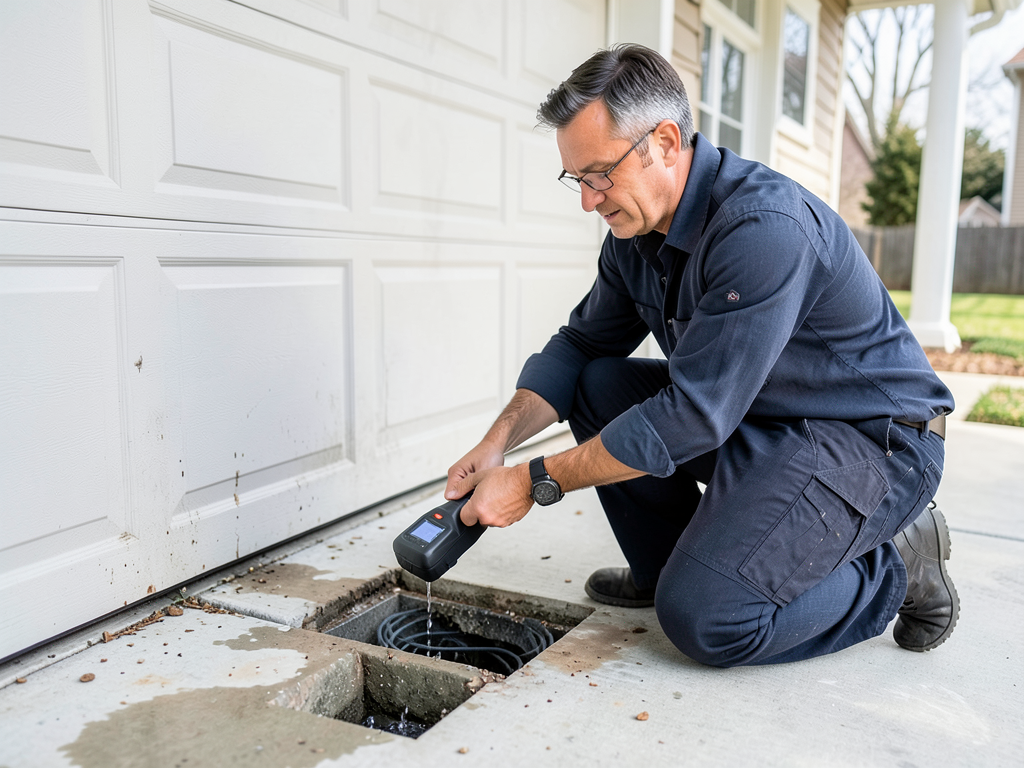
Next, we use pin-type and non-invasive moisture meters. Pin meters penetrate drywall to measure water content at different depths. Non-invasive meters scan large areas quickly to identify wet zones. We document moisture levels in wood framing, insulation, and subfloors. This data tells us whether materials can dry in place or require replacement.

We trace the leak to its origin. Roof leaks often appear far from the entry point because water follows rafters and trusses. Plumbing leaks travel along joists. We check flashing around chimneys, vent pipes, and skylights. We inspect caulking around windows and doors. We test supply lines and drain connections. We examine HVAC systems for condensate issues.

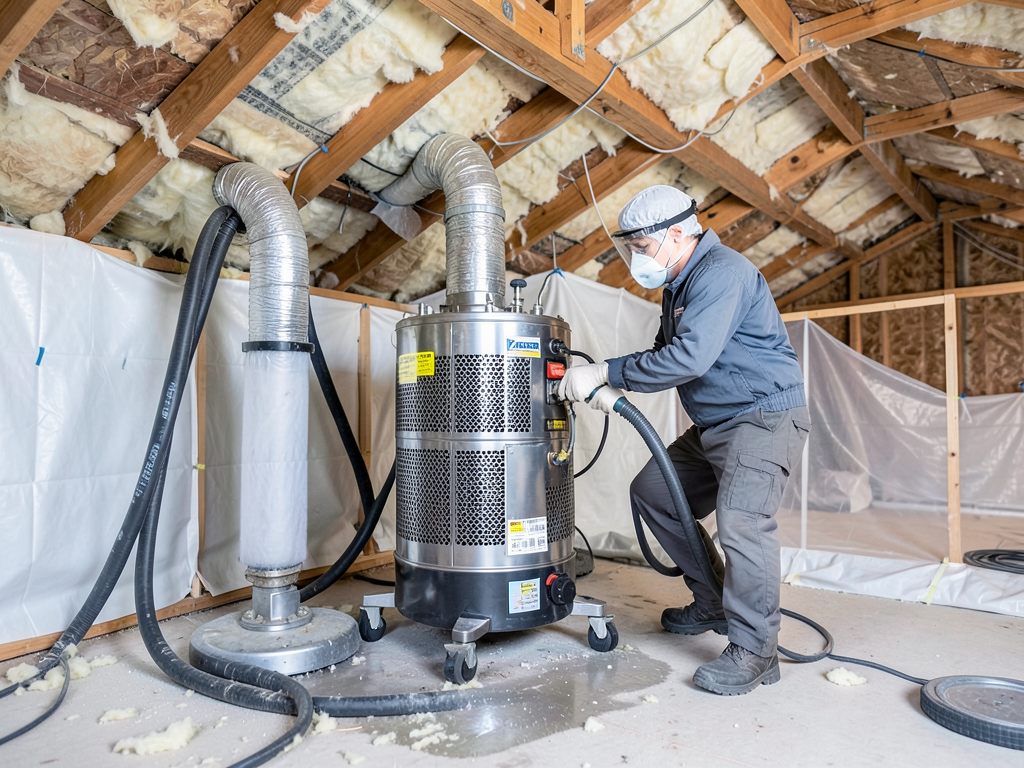
Once we locate the source, we stop the water. We make temporary repairs to prevent further intrusion. Then we extract standing water and set up commercial dehumidifiers and air movers. We create airflow patterns that pull moisture out of wall cavities and building materials.

We monitor drying progress with moisture meters. Drywall must reach 12 percent moisture content or lower before repairs begin. Structural lumber must drop below 16 percent. Rushing this process traps moisture and guarantees mold growth.

We remove unsalvageable materials. Water-damaged drywall that has delaminated or shows microbial growth gets cut out. We remove wet insulation. We treat affected framing with antimicrobial solutions.

A Plus Water Damage Restoration Kansas City handles the entire process. We work with your insurance adjuster to document damage and streamline claims. We rebuild what we removed, matching textures and finishes so repairs blend seamlessly.

What Happens During Your Water Stain Inspection and Repair

Water Stains on Drywall in Kansas City – Expert Diagnosis Stops Hidden Mold and Structural Damage
01

Moisture Mapping and Detection

We arrive with thermal cameras and moisture meters to scan affected areas and adjacent spaces. The inspection covers walls, ceilings, floors, and crawl spaces to determine the full extent of water intrusion. We document baseline moisture readings and photograph all visible damage. This data becomes the foundation for your repair scope and insurance claim. Most inspections take 45 to 90 minutes depending on home size.
02

Source Elimination and Drying

After identifying the leak source, we make repairs to stop active water intrusion. We extract standing water and position industrial dehumidifiers and air movers to create optimal drying conditions. Drying typically takes three to five days, but we monitor moisture levels daily and adjust equipment as needed. We check hidden cavities to confirm moisture is dropping throughout the affected structure, not just at surface level.
03

Restoration and Prevention

Once materials reach safe moisture levels, we remove damaged drywall and insulation. We treat framing with antimicrobial solutions and install new materials. We match existing textures and paint to blend repairs. Before we leave, we explain what caused the damage and how to prevent recurrence. You receive documentation showing before and after moisture readings, proving the structure is dry and safe for occupancy.

Why Kansas City Homeowners Trust Local Water Damage Experts

Water damage restoration is not a DIY project. The equipment and expertise required exceed what homeowners can access. Box fans do not create the airflow velocity needed to dry wall cavities. Household dehumidifiers lack the capacity to handle structural drying. Without moisture meters, you are guessing whether materials are dry.

Kansas City's building stock presents unique challenges. Many homes were built before modern vapor barriers became standard. Older homes have plaster walls that react differently to water than drywall. Historic neighborhoods in Westport and Hyde Park require restoration methods that preserve original materials. Ranch homes from the 1960s and 1970s have crawl spaces prone to groundwater intrusion.

We know how Kansas City's clay soil affects foundation drainage. We understand how the city's plumbing codes have evolved and where older homes typically fail. We work with local insurance adjusters who know our reputation for thorough documentation and fair pricing.

A Plus Water Damage Restoration Kansas City operates 24 hours a day because water damage does not wait for business hours. We dispatch crews within 60 minutes for emergency calls. We maintain relationships with local plumbers, roofers, and contractors to coordinate repairs that exceed our scope.

We handle insurance paperwork. Most homeowners do not know what their policy covers or how to document claims properly. We photograph damage, write detailed estimates, and communicate directly with adjusters. This removes the burden from you and speeds up approval.

We follow IICRC S500 standards for water damage restoration. These guidelines specify extraction methods, drying timeframes, and moisture thresholds for different materials. We do not cut corners. We do not leave jobs half-finished. We complete projects correctly so you do not face recurring problems.

Choosing a local company means accountability. We live and work in Kansas City. Our reputation depends on quality work and honest communication. We return your calls. We show up when promised. We stand behind our work.

What to Expect When You Call for Water Stain Removal

Same-Day Response for Active Leaks

If water is actively leaking or you see expanding stains, we treat it as an emergency. We dispatch a technician within 60 minutes to stop the source and begin extraction. For stable situations where the leak has already stopped, we schedule inspections within 24 hours. Speed matters because mold begins growing within 48 hours of water exposure. The faster we start drying, the less damage occurs and the lower your repair costs. We work around your schedule but recommend addressing water damage immediately to prevent secondary issues.

Comprehensive Moisture Assessment

Our initial inspection includes thermal imaging to detect hidden moisture and moisture meter readings to quantify water content in building materials. We check areas adjacent to visible stains because water travels through wall cavities and floors. We identify the leak source and determine whether structural components are compromised. You receive a written report with photos, moisture readings, and a detailed scope of work. This documentation supports insurance claims and helps you understand exactly what repairs are necessary versus optional.

Complete Restoration, Not Just Patches

We do not slap paint over stains and call it fixed. We remove damaged materials, dry the structure completely, treat affected areas for microbial growth, and rebuild to match existing finishes. Our crews handle drywall removal, insulation replacement, texture matching, and painting. We coordinate with plumbers or roofers if the leak source requires specialized repair. The finished work blends seamlessly with your existing walls and ceilings. You will not see repair lines or color mismatches. We return your home to pre-loss condition.

Post-Repair Moisture Verification

Before we close walls and apply finishes, we verify all materials have reached safe moisture levels. We provide documentation showing final moisture readings that prove the structure is dry. This protects you from future mold issues and validates the quality of our work. If you experience any problems related to our restoration within the first year, we return to evaluate the situation. Most issues stem from new leaks rather than incomplete drying, but we investigate any concerns. Our goal is long-term solutions, not quick fixes.

Frequently Asked Questions

You Have Questions,
We Have Answers

How do you get water stains out of drywall? +

Water stains on drywall require more than surface cleaning. First, fix the leak source. Once dry, apply a stain-blocking primer like Kilz or BIN to seal the area. This prevents the stain from bleeding through fresh paint. If the drywall feels soft or crumbly, surface treatment will not work. You need to cut out damaged sections and replace them. Kansas City's humid summers slow drying time, which complicates DIY fixes. If stains reappear after priming, moisture is still present behind the wall. A professional moisture assessment prevents repeat problems and hidden mold growth.

How to tell if water is leaking behind drywall? +

Look for discoloration, bubbling paint, or soft spots on your drywall. Run your hand along the wall. If it feels damp, spongy, or cooler than surrounding areas, water is present. Check for musty odors, which signal trapped moisture. In Kansas City homes, leaks often hide behind exterior walls due to storm-driven rain or ice dam runoff. Use a moisture meter to confirm readings above 16 percent. Peeling paint or baseboards pulling away from walls also indicate chronic moisture. If you spot these signs, act fast. Hidden leaks cause structural damage and mold within days.

Are water stains on walls bad? +

Yes. Water stains signal active or past leaks. They indicate moisture penetrated your drywall, which creates conditions for mold growth, wood rot, and structural weakening. Even if the stain looks dry now, damage may continue behind the surface. Kansas City's temperature swings and humidity make walls slow to dry completely. Stains on ceilings often mean roof leaks or HVAC condensation issues. Stains near floors suggest plumbing leaks or foundation water intrusion. Ignoring stains leads to expensive repairs. The longer moisture sits, the more damage spreads to framing, insulation, and electrical systems.

Can I paint over water stained drywall? +

You can, but you should not. Paint will not stop the stain from bleeding through. Water carries minerals, rust, and tannins that seep through standard paint within weeks. You must apply a stain-blocking primer first. Use an oil-based or shellac-based product to seal the stain completely. If the drywall feels soft, swollen, or crumbly, painting over it hides structural damage. Kansas City's seasonal humidity can reactivate old stains, making them visible again. Always identify and fix the leak source before painting. Otherwise, you waste time and money on a repair that fails.

Is drywall ruined once it gets wet? +

Not always, but quick action matters. Drywall can survive minor wetting if dried within 48 hours. After that, mold colonizes, and the paper backing deteriorates. If drywall stays wet longer than 72 hours, replacement is necessary. Kansas City's humid climate accelerates mold growth, shrinking your response window. Check for swelling, sagging, or disintegration. If the drywall crumbles when touched or shows visible mold, it cannot be saved. Even if it looks dry, hidden moisture between layers causes delayed failure. Professional drying equipment extracts moisture standard fans miss.

Can water stains be removed from walls? +

Surface stains can be removed with stain-blocking primer and paint, but only if the drywall is completely dry and undamaged. If moisture remains or the drywall has degraded, removal requires cutting out affected sections. Water stains often leave mineral deposits and discoloration deep in the material. Kansas City's hard water worsens staining from leaks. Bleach or household cleaners will not work and may damage drywall further. The key is stopping the moisture source first. If stains return after treatment, you have an ongoing leak. Professional restoration ensures complete moisture removal and prevents recurrence.

How long can drywall be wet before mold? +

Mold begins growing on wet drywall within 24 to 48 hours. Kansas City's summer humidity and warm temperatures create ideal mold conditions, often accelerating this timeline. Once mold starts, it spreads quickly behind walls where you cannot see it. The paper backing on drywall provides food for mold spores. If drywall stays wet beyond 72 hours, replacement becomes necessary. Even if you dry the surface, moisture trapped in wall cavities continues feeding mold growth. Professional water extraction and dehumidification stop mold before it colonizes. Waiting puts your health and home at risk.

Does homeowners insurance cover water leaks in walls? +

It depends on the cause. Homeowners insurance covers sudden and accidental water damage, like burst pipes or storm-driven rain through a damaged roof. It does not cover gradual leaks from poor maintenance or neglected repairs. Kansas City insurers scrutinize roof and plumbing age when processing claims. If your leak results from wear and tear, expect denial. Review your policy for exclusions related to seepage, flooding, or foundation issues. Document damage immediately with photos and contact your insurer fast. A professional water damage assessment strengthens your claim with moisture readings and detailed reports.

How to tell if drywall is water damaged? +

Water-damaged drywall shows discoloration, swelling, soft spots, or sagging. Press the wall gently. If it feels spongy or your finger leaves an impression, the material has degraded. Look for bubbling paint, peeling texture, or crumbling edges. Kansas City homes often develop water damage near windows after heavy rain or along basement walls from groundwater intrusion. Use a moisture meter to check readings. Anything above 16 percent indicates a problem. Musty odors signal hidden mold. Visible mold growth confirms the drywall is compromised. Catching damage early prevents costly structural repairs.

Why do I have water marks on my walls but no leak? +

Water marks without visible leaks often come from condensation, hidden plumbing issues, or capillary action pulling moisture through walls. In Kansas City, temperature swings cause condensation inside exterior walls when warm, humid air meets cold surfaces. Check for poor insulation or HVAC duct leaks. Groundwater can wick up through foundation walls, leaving stains near baseboards. Roof leaks may travel along framing before appearing far from the entry point. Old galvanized pipes sometimes weep inside walls without dripping. A thermal imaging scan locates hidden moisture sources. You need professional diagnostics to identify the true cause.

How Kansas City's Freeze-Thaw Cycles and Clay Soil Create Persistent Water Stains

Kansas City experiences dramatic temperature swings between seasons. Winter temperatures drop below freezing, then spring brings rapid thaws. This cycle causes ice dams on roofs and condensation inside attics. Clay soil shrinks during dry summer months, then expands when fall rains arrive. This movement cracks foundation walls and shifts plumbing connections. Older homes in neighborhoods like Brookside and Waldo show yellow stains on drywall near exterior walls where condensation forms on cold surfaces. Wet patches on plasterboard appear after ice melts on roofs and backs up under shingles. The combination of soil movement and temperature extremes creates chronic moisture problems that require professional diagnosis.

A Plus Water Damage Restoration Kansas City understands how local conditions affect building performance. We know where homes typically fail and what materials hold up best in this climate. We work throughout Jackson County and surrounding areas, giving us perspective on regional patterns. Local building inspectors and insurance adjusters recognize our thoroughness. We follow Kansas City building codes for all reconstruction work and coordinate inspections when required. Choosing a local company means you work with professionals who understand your home's challenges and have relationships with other trades needed for complete repairs.
Water Damage Restoration Services in The Kansas City Area

While we provide rapid mobile service throughout the entire Kansas City area, you can also view our general service area on the map. We are dedicated to being a local, accessible resource for all your water damage restoration needs, whether you're in the heart of the city or a surrounding community. Our team is always just a phone call away, ready to assist you with expertise and care, no matter where you are located within our service area.

Address:
A Plus Water Damage Restoration Kansas City, 1020 E Armour Blvd, Kansas City, MO, 64109

Additional Services We Offer

Our news updates

Latest Articles & News from The Blogs

How the hard water in Edwardsville is secretly shortening the life of your plumbing and appliances Hard water is more…

How the hard water in Edwardsville is secretly shortening the life of your plumbing and appliances

How the hard water in Edwardsville is secretly shortening the life of your plumbing and appliances Hard water is more…

How to protect your Weatherby Lake home from major water damage while you are away for the winter

How to protect your Weatherby Lake home from major water damage while you are away for the winter Winterizing your…

What every first-time buyer in Raymore needs to check for water damage before closing the deal

What every first-time buyer in Raymore needs to check for water damage before closing the deal Buying your first home…

Contact Us

Do not let water stains grow into major damage. Call (816) 473-3833 now for same-day inspection and moisture assessment. We provide honest answers and clear repair options for Kansas City homeowners.