




Kearney sits in a flood-prone zone where Shoal Creek and Little Fishing River converge near Missouri bottomlands. Spring storms dump heavy rain on clay soil that drains slowly, pushing water toward foundations and crawl spaces. Homes near Jesse James Park and properties along Highway 92 see recurring basement seepage during March and April flooding cycles.
The older residential areas around downtown Kearney contain homes built before modern building codes required proper foundation waterproofing. Many properties lack adequate grading to direct water away from structures. When storms hit, basements fill fast. Clay County humidity levels stay high year-round, creating perfect conditions for mold growth within 48 hours of water intrusion.
Burst pipes hit hard during January and February cold snaps when temperatures drop below 20 degrees. Homes with crawl space foundations near Centennial Park experience frozen pipe failures that flood subfloors and insulation. The mix of older housing stock, poor drainage, and extreme weather swings means Kearney residents face water damage from multiple sources throughout the year.
A Plus Water Damage Restoration Kansas City has served Clay County for years, building a reputation for fast response and complete restoration work. We understand how water moves through Kearney properties because we have dried hundreds of local homes and businesses. When you call our emergency line, you reach a live person who dispatches a crew immediately, not an answering service or call center.
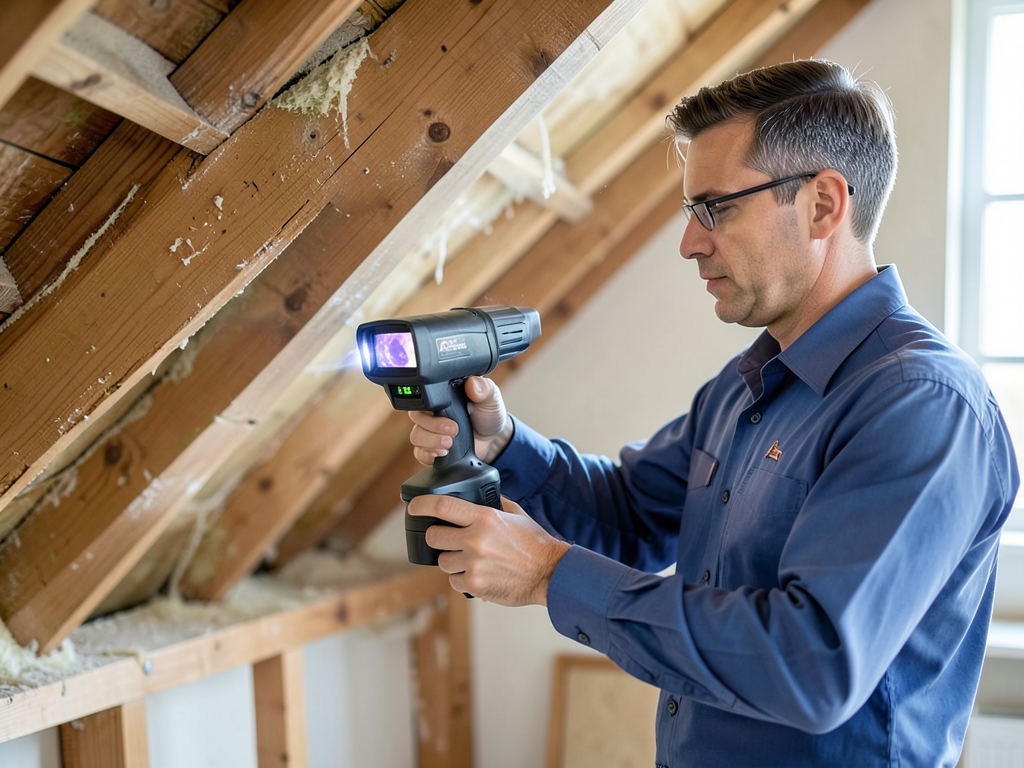
Our technicians carry IICRC certification in water damage restoration and applied structural drying. We use thermal imaging to find hidden moisture in wall cavities and subflooring that standard moisture meters miss. This prevents mold growth and structural rot that shows up weeks after incomplete drying jobs. Every job gets documented with moisture readings and photos for insurance claims.
We own our extraction and drying equipment instead of renting it. This means we arrive with truck-mounted extractors, commercial dehumidifiers, and air movers ready to work. No waiting for equipment delivery while water soaks deeper into your structure. Our crews stay on site until moisture readings return to normal levels, not until the clock hits a certain hour.
Insurance companies know our documentation standards meet adjuster requirements. We provide detailed scope sheets, moisture logs, and photo evidence that support your claim. Many Kearney customers tell us their claims process moved faster because our paperwork was complete and accurate from day one. We handle the technical details so you can focus on your family and business operations.

Our emergency line connects you to a live dispatcher who sends crews to Kearney properties within hours, not days. We arrive with truck-mounted extraction equipment and start water removal immediately. No appointments needed. No waiting until Monday morning. Water damage does not keep business hours, and neither do we.

We document every step of the restoration process with moisture readings, thermal images, and detailed scope sheets that insurance adjusters accept without pushback. Our crews work directly with your insurance company to provide the evidence needed for claim approval. This gets you paid faster and eliminates claim disputes over incomplete documentation.
Every technician on our crews holds current IICRC certification in water damage restoration and applied structural drying. These credentials mean our teams follow industry-standard protocols for moisture detection, extraction, and drying. Proper training prevents the mold growth and structural damage that follows when inexperienced crews leave hidden moisture behind walls and flooring.
We know how water behaves in Kearney's clay soil conditions and older foundation types. Our crews understand the basement seepage patterns in properties near Shoal Creek and the crawl space flooding common to homes around Centennial Park. Local knowledge means faster diagnosis and more effective water mitigation strategies specific to Clay County properties.
Water damage restoration requires more than shop vacuums and box fans. A Plus Water Damage Restoration Kansas City provides comprehensive water removal, structural drying, and reconstruction services that take Kearney properties from flooded to fully restored. We handle everything from initial emergency water extraction through final repairs and mold prevention.
Our service categories address the three phases of water damage recovery. Emergency water removal stops the immediate crisis and prevents further damage. Structural drying eliminates moisture from building materials to prevent mold and rot. Restoration services repair and rebuild damaged structures to pre-loss condition. Each phase requires specialized equipment and expertise that our certified crews bring to every Kearney job site.
Immediate water extraction stops damage from spreading through your Kearney property. Our truck-mounted pumps remove standing water from basements, crawl spaces, and flooded rooms in hours instead of days. We extract water from carpets, pull wet insulation, and remove soaked materials that cannot be saved. Fast extraction prevents water migration into wall cavities and subfloors where it causes hidden structural damage and mold growth.
Structural drying eliminates moisture from building materials using commercial dehumidifiers and air movers. We monitor moisture levels in walls, flooring, and framing with thermal imaging and moisture meters. Drying continues until readings return to normal levels, preventing mold growth and wood rot. Proper structural drying takes three to five days depending on materials and saturation levels. Our crews document moisture readings daily for insurance purposes.
Water damage restoration includes repairing or replacing damaged building materials. We remove and replace wet drywall, install new insulation, repair subflooring, and restore damaged structures to pre-loss condition. Our crews handle everything from minor drywall patches to complete basement renovations. Restoration services get your Kearney property back to normal after water extraction and drying are complete.
Kearney's location near creek systems and clay soil conditions create recurring water damage issues for residential and commercial properties. Spring flooding, winter pipe bursts, and year-round humidity problems affect homes and businesses across Clay County. Understanding these common issues helps property owners recognize water damage early and call for professional water removal before minor leaks become major disasters.
Foundation drainage problems plague older Kearney homes built before modern grading requirements. Basement seepage increases during heavy rain when gutters overflow and ground becomes saturated. Crawl space flooding affects properties throughout the area when poor ventilation combines with high water tables. These issues require professional water mitigation to prevent structural damage and mold growth.
Basements in older Kearney homes flood during spring storms when clay soil becomes saturated and water finds cracks in foundation walls. Seepage appears near floor joints and through porous concrete. Without proper sump pumps and drainage, basement flooding damages finished spaces, destroys stored items, and creates mold problems that spread through HVAC systems into living areas.
Frozen pipes burst during January and February cold snaps when temperatures drop into teens and twenties. Pipes in crawl spaces and exterior walls freeze first. When pipes thaw, water floods insulation, subflooring, and wall cavities. Burst pipe damage spreads fast, often flooding multiple rooms before property owners discover the leak. Quick water extraction prevents subfloor damage and mold growth.
Heavy rain overwhelms gutters and drainage systems during spring thunderstorms. Properties near Shoal Creek experience flooding when creek levels rise rapidly. Storm water enters through foundation cracks, window wells, and door thresholds. Flash flooding deposits mud and debris that requires specialized cleanup. Storm damage restoration includes water extraction, debris removal, and sanitization to prevent contamination from floodwater.
Clay County humidity levels stay high year-round, accelerating mold growth after water intrusion. Moisture hidden in wall cavities and under flooring creates mold colonies within 48 hours. Without thermal imaging and professional moisture detection, hidden water damage causes structural rot and indoor air quality problems. Complete structural drying prevents mold growth and protects your property investment.
Water damage creates panic. You need clear information about what happens next and when your property will be dry again. A Plus Water Damage Restoration Kansas City provides straightforward communication from first call through final restoration. We explain the process, set realistic timelines, and keep you updated as work progresses.
Our approach focuses on stopping damage first, then drying your structure completely before starting repairs. Each phase requires specific equipment and expertise. Understanding what to expect during water damage restoration helps you make informed decisions and reduces stress during an already difficult situation. Here is what happens when you work with our Kearney crews.
When you call our emergency line, we dispatch a crew to your Kearney property within hours. Our technicians arrive with moisture detection equipment and assess the extent of water damage. We identify the water source, measure affected areas, and document damage with photos and moisture readings. You receive a clear explanation of required services and timeline before work begins. Emergency extraction starts immediately to stop water from spreading.
Structural drying takes multiple days. Our crews monitor moisture levels daily and adjust equipment placement to maximize drying efficiency. You receive daily updates on drying progress with moisture meter readings that show building materials returning to normal levels. We explain what we find and answer questions about the process. This transparency helps you understand why proper drying takes time and prevents future mold problems.
Every service we perform gets documented with photos, moisture logs, and detailed scope sheets. We provide the evidence your insurance company requires for claim approval. Our documentation shows the water source, affected materials, equipment used, and daily progress toward complete drying. This paperwork package supports your claim and speeds the approval process. Many Kearney customers report faster claim settlements because our documentation meets adjuster standards.
Water damage restoration follows a proven sequence that stops immediate damage, removes all moisture, then repairs affected structures. Each phase builds on the previous step to ensure complete restoration.
Our crews arrive at your Kearney property with truck-mounted extraction equipment and begin removing standing water immediately. We extract water from carpets, flooring, and affected areas using powerful pumps and vacuums. Wet materials that cannot be saved get removed to prevent contamination and speed drying. Content removal protects your belongings while we work. This first phase stops water damage from spreading and prepares your property for structural drying.
Commercial dehumidifiers and air movers eliminate moisture from building materials. We monitor moisture levels in walls, flooring, and framing using thermal imaging cameras and moisture meters. Drying equipment runs continuously until moisture readings return to normal levels. Our technicians adjust equipment placement daily to target remaining wet areas. This phase prevents mold growth and structural damage that occurs when moisture stays trapped in building materials.
After complete structural drying, we repair or replace damaged materials. Restoration includes drywall replacement, insulation installation, flooring repairs, and paint work to return your property to pre-loss condition. Our crews handle minor repairs or complete renovations depending on damage extent. All work meets Clay County building codes. Your Kearney property is restored and ready for normal use when we finish.
Professional water damage restoration follows strict standards established by the Institute of Inspection, Cleaning and Restoration Certification. These protocols determine proper moisture detection methods, drying equipment requirements, and completion standards that protect property owners from incomplete restoration work. A Plus Water Damage Restoration Kansas City follows IICRC S500 Standard and Reference Guide for Professional Water Damage Restoration on every Kearney project.
The S500 standard classifies water damage into three categories based on contamination level. Category 1 water comes from clean sources like supply lines. Category 2 water contains some contamination from sources like washing machine overflow. Category 3 water is grossly contaminated from sewage backups or flood water. Each category requires different safety protocols and disposal procedures for affected materials.
Water damage also gets classified by how deeply it penetrates building materials. Class 1 damage affects only part of a room with minimal absorption. Class 2 damage affects entire rooms with significant absorption into materials. Class 3 damage comes from overhead sources and saturates walls and ceilings. Class 4 damage requires specialty drying for hardwood, plaster, and concrete that absorb water slowly. Our crews identify both category and class during initial assessment to determine appropriate equipment and safety measures.
Missouri does not require contractor licensing for water damage restoration, but IICRC certification ensures technicians understand proper protocols. Certified technicians know how to use moisture meters correctly, position drying equipment for maximum efficiency, and recognize when materials require removal instead of drying. This expertise prevents the mold growth and structural damage that follows incomplete water removal.
Clay County building codes require permits for repairs that involve structural changes, electrical work, or plumbing modifications. Our crews handle permit applications when restoration work requires structural repairs beyond simple drywall replacement. Proper permitting protects property owners during insurance claims and future property sales.
The IICRC S500 standard defines complete structural drying as achieving moisture content within 5 percent of pre-loss readings. Our technicians take baseline moisture readings in unaffected areas, then monitor wet materials until they reach those same levels. This objective standard prevents premature equipment removal that leads to mold growth and ensures complete water damage remediation on your Kearney property.
Restoration costs depend on water category, damage class, and affected square footage. Emergency extraction costs less than complete structural drying and repairs. Category 3 water requires specialized cleaning and disposal that increases costs. Most homeowners insurance policies cover water damage from sudden pipe bursts but exclude flood damage and gradual leaks. We work with your insurance adjuster to document covered losses.
Structural drying takes three to seven days depending on materials and saturation levels. Hardwood flooring and plaster walls dry slower than drywall and carpet. High humidity extends drying time. Our crews monitor progress daily and adjust equipment placement to speed drying without causing secondary damage like wood cracking. Proper drying cannot be rushed without risking incomplete moisture removal that causes mold problems.
Mold begins growing within 48 hours of water intrusion in Clay County humidity conditions. Complete water removal within this window prevents mold contamination. IICRC standards require antimicrobial treatment for Category 2 and Category 3 water damage. Our crews apply EPA-registered antimicrobial solutions to affected surfaces after water extraction. Proper treatment and complete drying stop mold before it becomes a health hazard.
Professional water damage restoration company explains the complete water extraction, structural drying, and repair process for Kearney, Missouri properties. Covers IICRC standards, moisture detection methods, drying equipment requirements, and mold prevention protocols. Details how Clay County soil conditions and humidity levels affect water damage severity and restoration timelines. Explains what property owners should expect during emergency water removal and structural drying phases.
A Plus Water Damage Restoration Kansas City provides emergency water damage services throughout Kearney and the greater Clay County area. Our crews respond to properties in downtown Kearney near the historic district, residential neighborhoods around Centennial Park, and newer developments along Highway 92 toward Holt. We serve homes and businesses throughout the Kearney R-1 School District boundaries and adjacent unincorporated areas.
Properties near Shoal Creek and Little Fishing River face higher flooding risks during spring storms. We respond quickly to water damage calls from homes along these waterways where basement flooding occurs during heavy rain. The older residential areas around Jesse James Park contain homes built before modern foundation waterproofing standards. These properties require specialized knowledge of older construction methods and common failure points.
Commercial properties along Highway 92 and 33rd Street experience water damage from roof leaks, plumbing failures, and HVAC condensation problems. We handle water mitigation for retail spaces, office buildings, and industrial facilities that require fast restoration to minimize business interruption. Quick response and efficient drying keep commercial operations running while we work.
North of Interstate 35, newer subdivisions feature modern construction but still face water damage from appliance failures, storm damage, and plumbing issues. Our crews understand the different restoration requirements for newer homes compared to older Kearney properties. We serve the entire greater Kearney area from Holt to Excelsior Springs, providing the same rapid response and professional service regardless of property location.
Our service area extends throughout Clay County including Smithville, Liberty, and Gladstone. We respond to water damage emergencies anywhere in the greater Kansas City metro area when properties need immediate water extraction and professional structural drying. Local knowledge of Clay County soil conditions, common construction types, and regional weather patterns helps us diagnose water damage sources quickly and implement effective mitigation strategies for each unique property.
Most water damage restoration companies in Kearney MO respond within 1-2 hours of your call. Many operate 24/7 emergency services for urgent situations like burst pipes or flooding. Response time matters because water spreads quickly and causes more damage each hour. When you call, the company will ask about your situation and dispatch a team immediately. They arrive with equipment ready to start extraction and mitigation. Fast response prevents secondary damage like mold growth and structural issues. Local Kearney companies often respond faster than regional chains because they're closer to your property.
Water damage restoration costs in Kearney vary widely based on damage severity and affected area size. Small jobs like a single room leak might run lower, while whole-house flooding requires more resources. Your final bill depends on water category, extraction needs, equipment used, and restoration scope. Most companies provide free estimates after inspecting your property. They assess damage extent, identify affected materials, and create a detailed plan. Insurance often covers water damage from sudden incidents like burst pipes. Get written estimates from multiple Kearney companies and ask about payment plans if needed.
Your homeowners insurance typically covers sudden and accidental water damage in Kearney MO. Examples include burst pipes, appliance malfunctions, and roof leaks from storm damage. Insurance usually excludes damage from neglect, gradual leaks, or flooding from outside sources. Flood damage requires separate flood insurance. Read your policy carefully to understand your coverage limits and deductibles. Most restoration companies work directly with insurance adjusters and help document damage for claims. File your claim immediately after damage occurs. Take photos and keep damaged items until your adjuster reviews them.
Most water damage restoration companies in Kearney MO respond within 1-2 hours of your call. Many operate 24/7 emergency services for urgent situations like burst pipes or flooding. Response time matters because water spreads quickly and causes more damage each hour. When you call, the company will ask about your situation and dispatch a team immediately. They arrive with equipment ready to start extraction and mitigation. Fast response prevents secondary damage like mold growth and structural issues. Local Kearney companies often respond faster than regional chains because they're closer to your property.
Water damage restoration costs in Kearney vary widely based on damage severity and affected area size. Small jobs like a single room leak might run lower, while whole-house flooding requires more resources. Your final bill depends on water category, extraction needs, equipment used, and restoration scope. Most companies provide free estimates after inspecting your property. They assess damage extent, identify affected materials, and create a detailed plan. Insurance often covers water damage from sudden incidents like burst pipes. Get written estimates from multiple Kearney companies and ask about payment plans if needed.
Your homeowners insurance typically covers sudden and accidental water damage in Kearney MO. Examples include burst pipes, appliance malfunctions, and roof leaks from storm damage. Insurance usually excludes damage from neglect, gradual leaks, or flooding from outside sources. Flood damage requires separate flood insurance. Read your policy carefully to understand your coverage limits and deductibles. Most restoration companies work directly with insurance adjusters and help document damage for claims. File your claim immediately after damage occurs. Take photos and keep damaged items until your adjuster reviews them.
Water damage restoration in Kearney typically takes 3-7 days for standard jobs. Small areas with minimal damage finish faster. Extensive flooding or structural damage extends the timeline to 2-3 weeks. The process includes water extraction, drying, cleaning, and repairs. Drying alone takes 3-5 days depending on humidity and materials affected. Your restoration company monitors moisture levels daily with specialized meters. They adjust equipment placement as needed. Factors affecting timeline include water category, affected materials, and weather conditions. Your technician provides a timeline estimate after initial assessment and updates you throughout.
Hidden water damage in your Kearney home shows through musty odors, especially in basements and crawl spaces. You might notice unexplained stains or discoloration on walls and ceilings. Paint and wallpaper start bubbling or peeling. Floors feel soft or spongy when you walk on them. You hear dripping sounds inside walls. Watch for increased humidity and condensation on windows. Mold appears in corners or behind furniture. Your water bills increase without explanation. Check for warped baseboards and buckled flooring. Feel walls for dampness or temperature changes. These signs indicate moisture problems needing professional inspection.
You can often stay in your Kearney home during minor water damage restoration affecting one or two rooms. Your family needs to relocate if damage is extensive or involves contaminated water from sewage. Safety concerns include electrical hazards, structural instability, and mold exposure. Loud equipment runs continuously during drying, making sleep difficult. Your restoration team will recommend evacuation if necessary. They consider air quality, accessibility, and your family's health needs. Some insurance policies cover temporary housing during major restorations. Discuss your situation with your restoration company and insurance adjuster to make informed decisions about staying or leaving.
Water damage restoration companies in Kearney MO use industrial-grade water extractors to remove standing water quickly. Air movers create airflow to speed drying. Commercial dehumidifiers pull moisture from air and materials. Moisture meters and thermal imaging cameras detect hidden water in walls and floors. Air scrubbers filter contaminants and prevent mold spores from spreading. Technicians use antimicrobial treatments on affected surfaces. Specialized drying equipment targets hardwood floors and wall cavities. Truck-mounted extractors handle large-scale flooding. Professional equipment works faster and more effectively than consumer rentals, preventing secondary damage and reducing restoration time.
Choose a water damage restoration company in Kearney with IICRC certification, which ensures proper training and industry standards. Check online reviews and ask neighbors for recommendations. Verify the company offers 24/7 emergency response. Ask about their experience with your specific damage type. Request references from recent local jobs. Ensure they provide free inspections and detailed written estimates. The company should use professional-grade equipment and moisture monitoring technology. Check their experience working with insurance companies. Ask about their process timeline and what to expect. Compare multiple companies before deciding. Trust your instincts about professionalism and communication quality.
Mold grows after water damage in Kearney homes when moisture remains for 24-48 hours. Humid Missouri weather accelerates growth. Mold spores exist everywhere and need only moisture, organic material, and warmth to multiply. Common growth areas include drywall, carpet padding, insulation, and wood framing. Poor ventilation traps moisture inside your home. Delayed cleanup gives mold time to establish. Category 3 water from sewage brings additional contaminants and bacteria. Temperature above 60 degrees promotes faster growth. Professional restoration companies dry your property within 24 hours and apply antimicrobial treatments to prevent mold establishment and protect your indoor air quality.
Yes, most water damage restoration companies in Kearney work directly with insurance adjusters throughout the claims process. They document damage with photos and detailed reports your insurer requires. The restoration company provides estimates matching insurance industry standards. They communicate with your adjuster about scope, timeline, and necessary procedures. Many companies bill your insurance directly after you pay your deductible. They understand insurance terminology and requirements, making claims smoother. This partnership helps you get fair compensation for damages. Your restoration company becomes your advocate, explaining technical details to adjusters. Ask your chosen company about their insurance coordination experience before hiring them.
Water damage restoration in Kearney typically takes 3-7 days for standard jobs. Small areas with minimal damage finish faster. Extensive flooding or structural damage extends the timeline to 2-3 weeks. The process includes water extraction, drying, cleaning, and repairs. Drying alone takes 3-5 days depending on humidity and materials affected. Your restoration company monitors moisture levels daily with specialized meters. They adjust equipment placement as needed. Factors affecting timeline include water category, affected materials, and weather conditions. Your technician provides a timeline estimate after initial assessment and updates you throughout.
Hidden water damage in your Kearney home shows through musty odors, especially in basements and crawl spaces. You might notice unexplained stains or discoloration on walls and ceilings. Paint and wallpaper start bubbling or peeling. Floors feel soft or spongy when you walk on them. You hear dripping sounds inside walls. Watch for increased humidity and condensation on windows. Mold appears in corners or behind furniture. Your water bills increase without explanation. Check for warped baseboards and buckled flooring. Feel walls for dampness or temperature changes. These signs indicate moisture problems needing professional inspection.
You can often stay in your Kearney home during minor water damage restoration affecting one or two rooms. Your family needs to relocate if damage is extensive or involves contaminated water from sewage. Safety concerns include electrical hazards, structural instability, and mold exposure. Loud equipment runs continuously during drying, making sleep difficult. Your restoration team will recommend evacuation if necessary. They consider air quality, accessibility, and your family's health needs. Some insurance policies cover temporary housing during major restorations. Discuss your situation with your restoration company and insurance adjuster to make informed decisions about staying or leaving.
Water damage restoration companies in Kearney MO use industrial-grade water extractors to remove standing water quickly. Air movers create airflow to speed drying. Commercial dehumidifiers pull moisture from air and materials. Moisture meters and thermal imaging cameras detect hidden water in walls and floors. Air scrubbers filter contaminants and prevent mold spores from spreading. Technicians use antimicrobial treatments on affected surfaces. Specialized drying equipment targets hardwood floors and wall cavities. Truck-mounted extractors handle large-scale flooding. Professional equipment works faster and more effectively than consumer rentals, preventing secondary damage and reducing restoration time.
Choose a water damage restoration company in Kearney with IICRC certification, which ensures proper training and industry standards. Check online reviews and ask neighbors for recommendations. Verify the company offers 24/7 emergency response. Ask about their experience with your specific damage type. Request references from recent local jobs. Ensure they provide free inspections and detailed written estimates. The company should use professional-grade equipment and moisture monitoring technology. Check their experience working with insurance companies. Ask about their process timeline and what to expect. Compare multiple companies before deciding. Trust your instincts about professionalism and communication quality.
Mold grows after water damage in Kearney homes when moisture remains for 24-48 hours. Humid Missouri weather accelerates growth. Mold spores exist everywhere and need only moisture, organic material, and warmth to multiply. Common growth areas include drywall, carpet padding, insulation, and wood framing. Poor ventilation traps moisture inside your home. Delayed cleanup gives mold time to establish. Category 3 water from sewage brings additional contaminants and bacteria. Temperature above 60 degrees promotes faster growth. Professional restoration companies dry your property within 24 hours and apply antimicrobial treatments to prevent mold establishment and protect your indoor air quality.
Yes, most water damage restoration companies in Kearney work directly with insurance adjusters throughout the claims process. They document damage with photos and detailed reports your insurer requires. The restoration company provides estimates matching insurance industry standards. They communicate with your adjuster about scope, timeline, and necessary procedures. Many companies bill your insurance directly after you pay your deductible. They understand insurance terminology and requirements, making claims smoother. This partnership helps you get fair compensation for damages. Your restoration company becomes your advocate, explaining technical details to adjusters. Ask your chosen company about their insurance coordination experience before hiring them.
While we provide rapid mobile service throughout the entire Kansas City area, you can also view our general service area on the map. We are dedicated to being a local, accessible resource for all your water damage restoration needs, whether you're in the heart of the city or a surrounding community. Our team is always just a phone call away, ready to assist you with expertise and care, no matter where you are located within our service area.
Address:
Kearney, MO, 64060
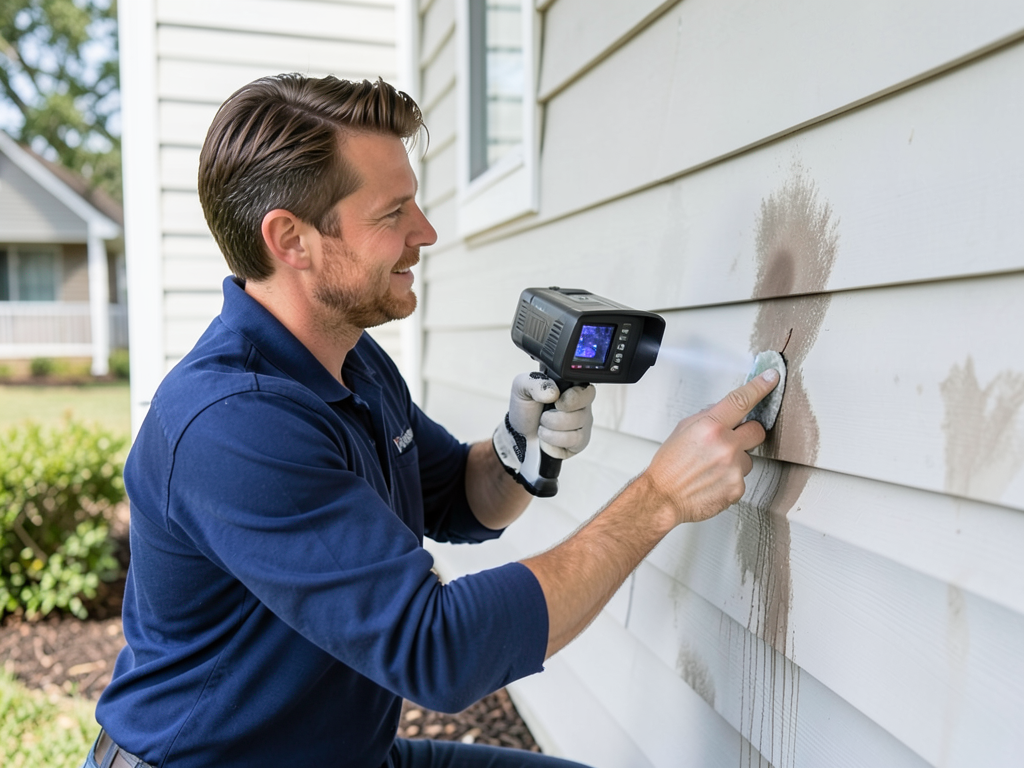
How trapped water behind vinyl siding can rot your Blue Springs home from the outside in Water trapped behind vinyl siding creates a perfect environment for rot and mold growth that can destroy your Blue…
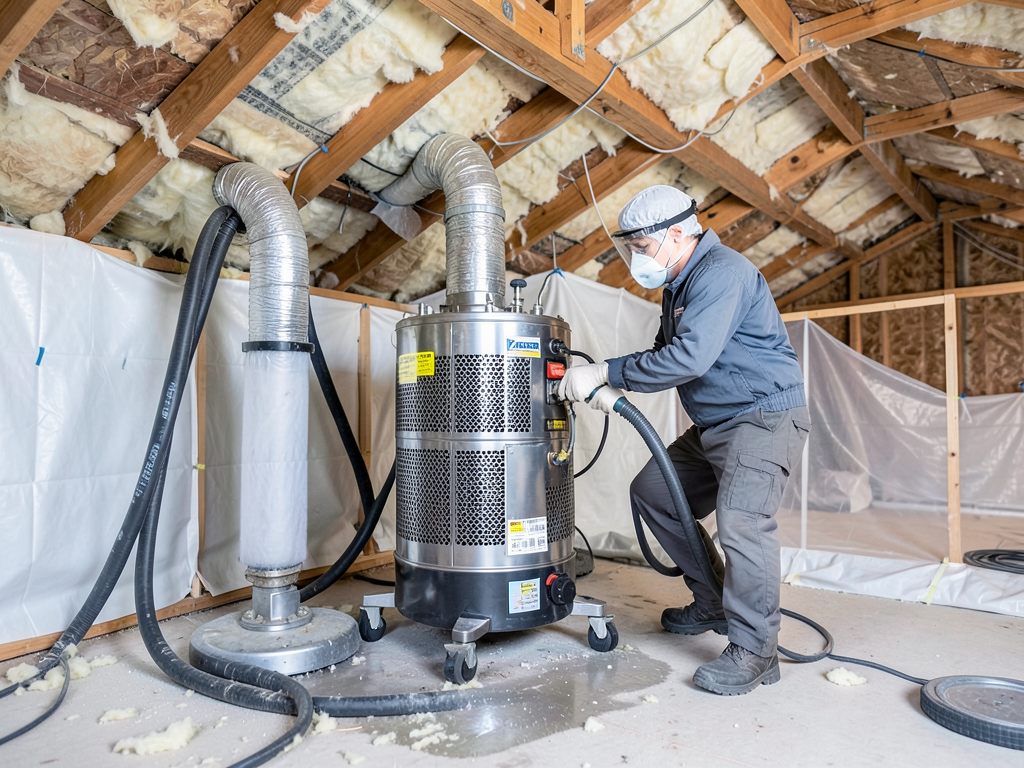
Replacing wet blown-in insulation in your Shawnee attic after a roof leak Finding wet insulation…
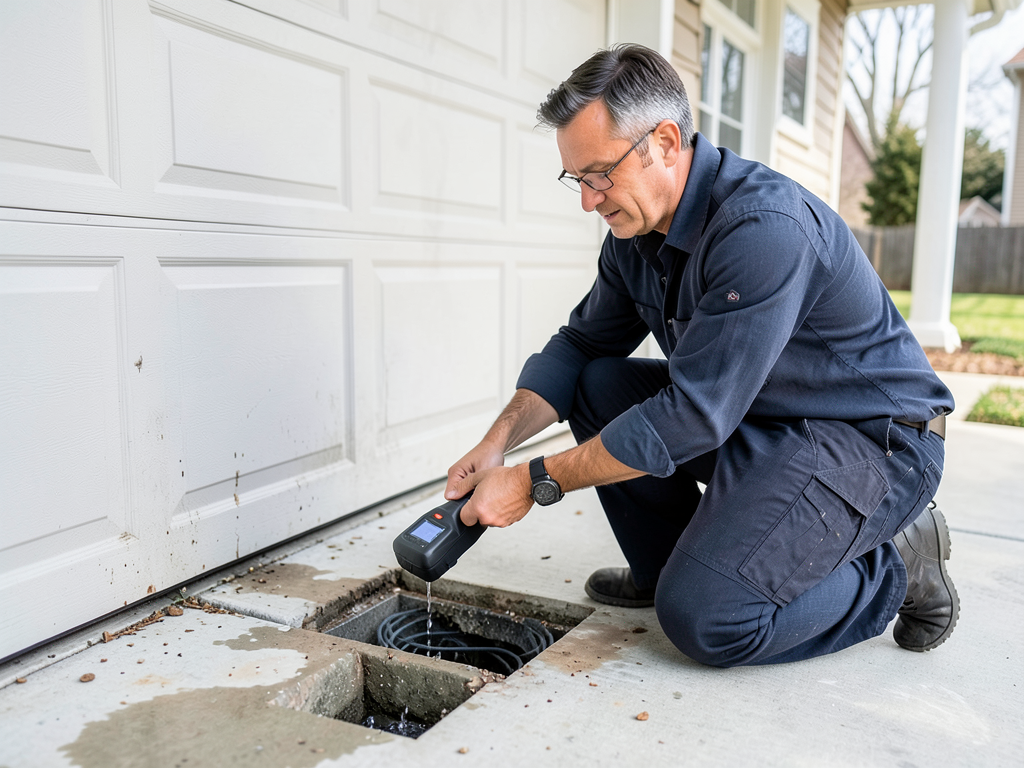
What to do when your Olathe garage floor drain starts backing up Garage floor drain…
Dealing with attic condensation and mystery ceiling spots in Lee’s Summit Those dark spots on…
Water damage spreads every minute you wait. Call A Plus Water Damage Restoration Kansas City at (816) 473-3833 right now for immediate dispatch. Our crews arrive equipped to start water extraction and stop damage from destroying your Kearney property.