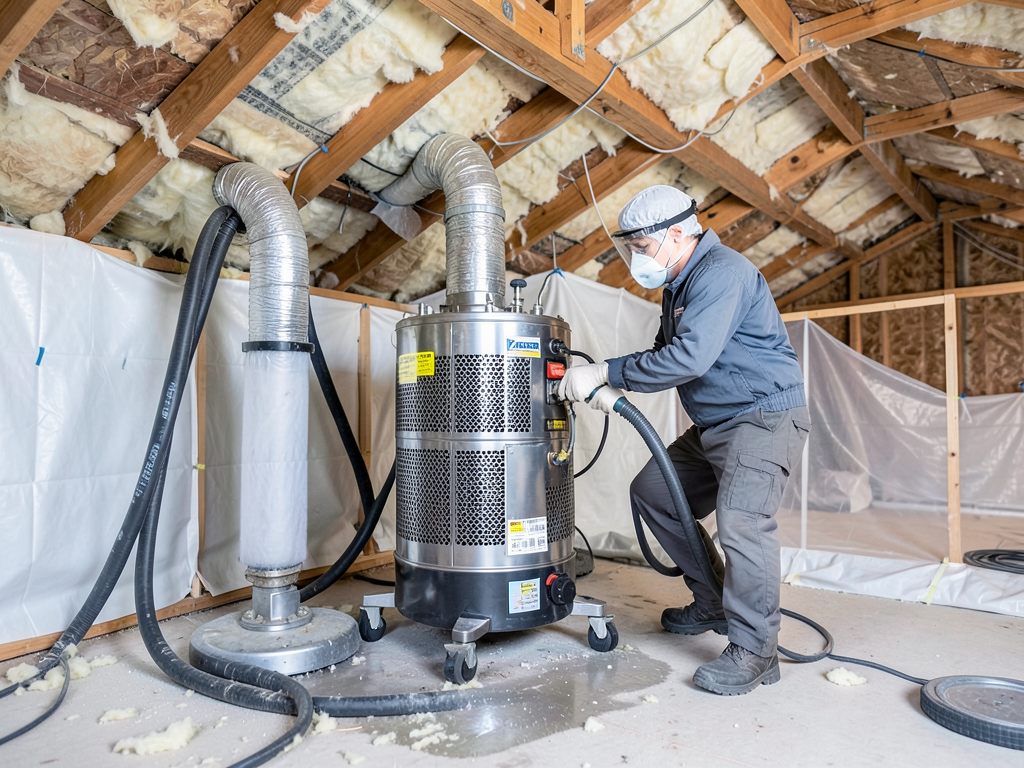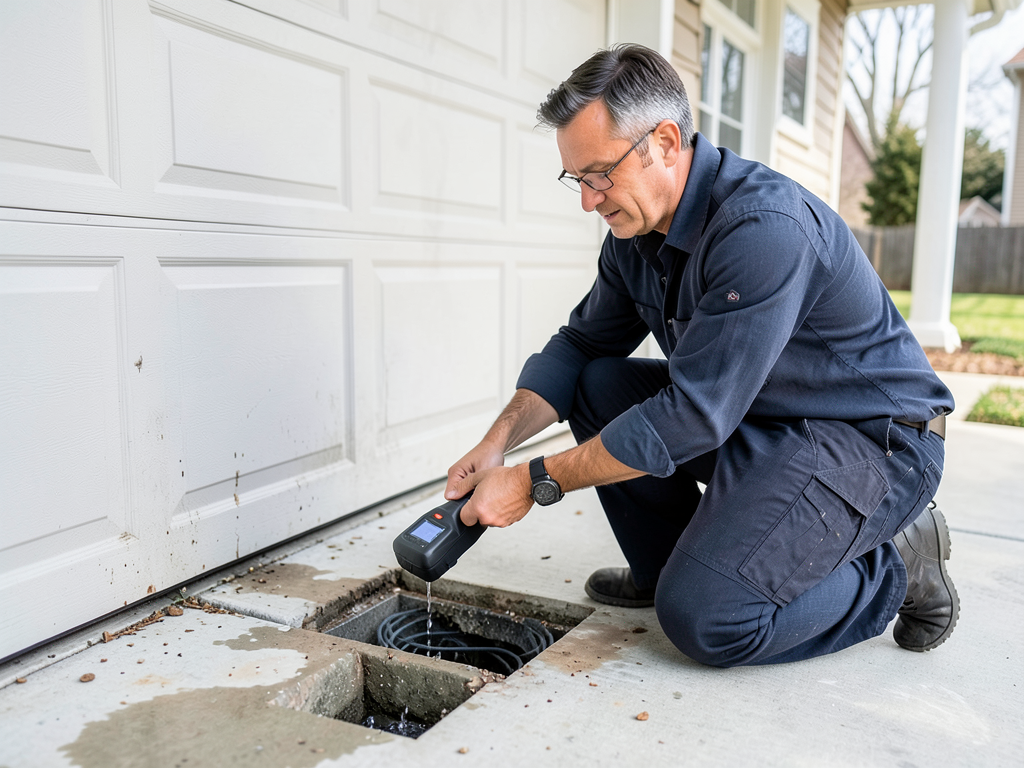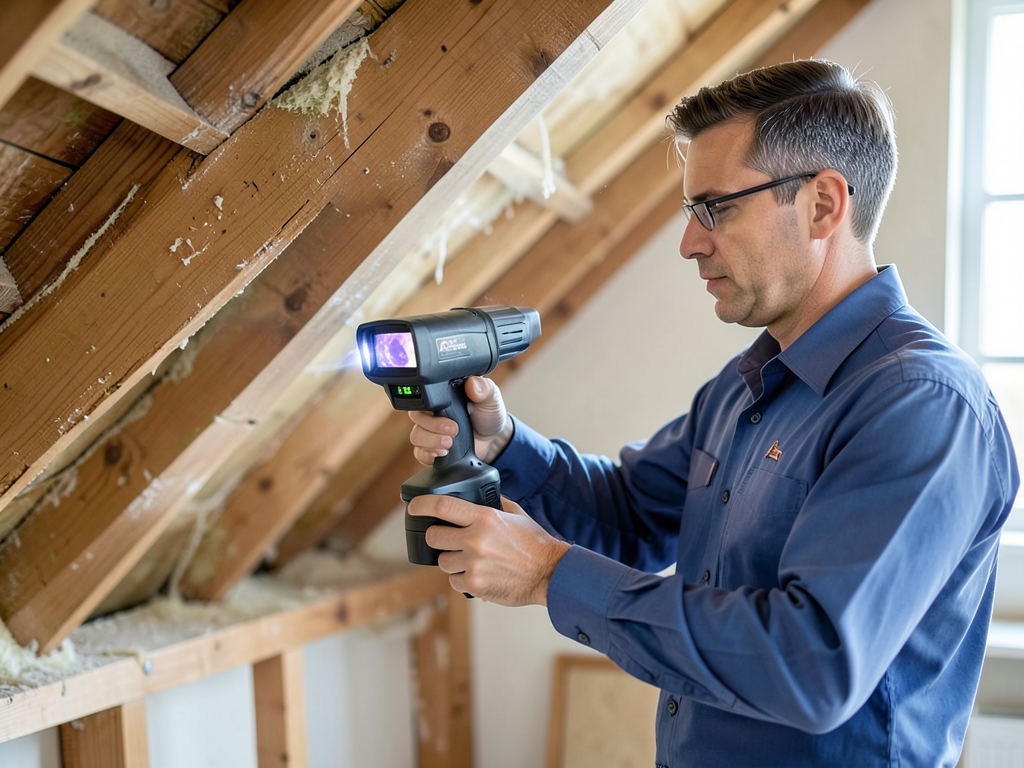





Kansas City averages 67 percent relative humidity from May through September. This moisture-saturated air slows evaporation and accelerates mold growth. Water-damaged materials in humid environments develop microbial colonies within 24 to 48 hours. Box fans and rental dehumidifiers cannot reduce ambient humidity enough to create effective drying. Professional restoration uses refrigerant and desiccant dehumidifiers that lower humidity to 30 percent while maintaining optimal temperature. This creates vapor pressure differential that pulls moisture from structural cavities. Without this controlled environment, hidden moisture remains trapped in wall assemblies and floor systems long after surfaces appear dry.
Kansas City building codes require professional certification for water damage restoration in commercial properties. Residential work follows IICRC S500 industry standards even when not legally mandated. Insurance companies deny claims when mitigation fails to meet these standards. We maintain IICRC Water Damage Restoration certification and follow documented protocols for every project. Our technicians understand local construction methods common to Kansas City homes including pier and beam foundations, plaster walls, and oak flooring. This expertise prevents costly mistakes that DIY cleanup creates. We also coordinate with Kansas City building inspectors when structural repairs require permits.