







Menu

Does Insurance Cover Mold in Kansas City – Expert Guide to Property Insurance Mold Coverage and Claims

Navigate homeowners insurance mold coverage with confidence. Learn when mold remediation insurance claims get approved, what triggers denial, and how Kansas City's humid climate affects your policy rights.

Slider Image 1
Slider Image 2
Slider Image 3
Slider Image 4
Slider Image 5
Slider Image 7
Slider Image 8
Slider Image 9
Slider Image 10
Slider Image 11

Why Mold Coverage Confuses Kansas City Property Owners

You discover black mold spreading behind your bathroom tile. You call your insurance agent. They tell you it depends. That vague answer leaves Kansas City homeowners frustrated and confused about property insurance mold coverage.

The answer to does home insurance pay for mold removal hinges on one critical factor: the cause. Insurance companies distinguish between sudden water damage and gradual neglect. If a pipe bursts and mold grows within 72 hours, most policies cover remediation. If mold develops from a slow leak you ignored for months, they deny the claim.

Kansas City's climate complicates this equation. Summer humidity regularly exceeds 70 percent. Basement moisture condenses on cold foundation walls. Attic ventilation struggles against muggy air. This environment creates mold even when you maintain your home properly.

Is mold damage covered by insurance in these climate-driven cases? Sometimes. Policies vary widely. Some exclude mold entirely. Others cap coverage at $10,000. A few cover full remediation if the triggering event was sudden and accidental.

The Missouri River and its tributaries create localized flood risks that standard homeowners insurance mold coverage does not address. You need separate flood insurance, and even then, mold coverage requires specific endorsements.

Understanding your policy language before disaster strikes determines whether you pay out of pocket or file a successful mold remediation insurance claim. Most Kansas City homeowners never read their exclusions until it's too late. That mistake costs thousands in denied claims every year.

Why Mold Coverage Confuses Kansas City Property Owners
How Insurance Adjusters Evaluate Mold Claims

How Insurance Adjusters Evaluate Mold Claims

Insurance adjusters follow a forensic process when you file a mold remediation insurance claim. They investigate the timeline, the moisture source, and your maintenance records. Their job is to determine if the mold resulted from a covered peril or from neglect.

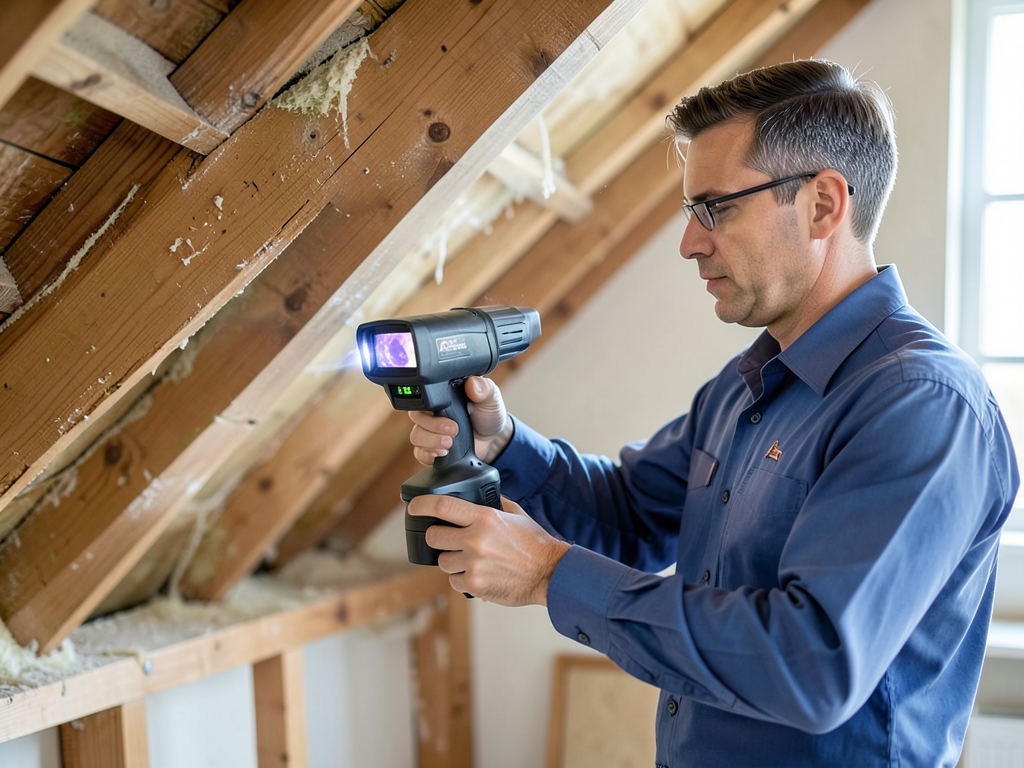
First, they inspect the affected area and document the mold extent. They look for water stains, structural damage, and ventilation issues. They measure moisture levels in drywall, framing, and subfloors using hygrometers and thermal imaging cameras.

Next, they review your home maintenance history. They ask when you last inspected your roof, cleaned your gutters, and serviced your HVAC system. They check for previous water damage claims. They want to know if you ignored warning signs like musty odors or peeling paint.

Then they examine the triggering event. If a severe thunderstorm damaged your roof and rain saturated your attic insulation, that's a covered sudden event. If your bathroom exhaust fan never worked and condensation rotted your ceiling joists over five years, that's maintenance failure.

The adjuster's report determines whether homeowners insurance mold coverage applies. They classify the cause as sudden and accidental or as gradual and preventable. This classification dictates approval or denial.

Professional documentation strengthens your position. When you hire a certified water damage restoration company immediately after discovering moisture intrusion, you create a paper trail. Moisture readings, photo documentation, and remediation logs prove you acted quickly to mitigate damage. Adjusters view fast response favorably because it demonstrates responsible property ownership and limits the insurer's total exposure.

What Happens When You File a Mold Insurance Claim

Does Insurance Cover Mold in Kansas City – Expert Guide to Property Insurance Mold Coverage and Claims
01

Document the Discovery

Take timestamped photos and videos of the mold and the moisture source. Capture wide shots showing the entire affected area and close-ups revealing mold texture and color. Document any visible water damage like stains, warping, or peeling. This evidence establishes when you discovered the problem and proves you reported it promptly, which strengthens your mold remediation insurance claim.
02

Contact Your Insurer Immediately

Call your insurance company within 24 hours of discovering mold. Report the moisture source and request an adjuster inspection. Ask specific questions about your property insurance mold coverage limits and exclusions. Request written confirmation of your claim number and the adjuster's contact information. Delays between discovery and reporting give insurers grounds to question whether the damage was truly sudden.
03

Hire Professional Remediation

Engage a licensed mold remediation company to assess the damage and provide a written scope of work. Professional documentation includes moisture mapping, air quality testing, and containment protocols. This third-party assessment carries weight with adjusters because it's unbiased and follows industry standards. The detailed report helps answer does home insurance pay for mold removal by establishing the extent and cause of contamination.

Why Kansas City Homeowners Trust Local Mold Expertise

Insurance companies respect local restoration firms that understand regional construction and climate patterns. Kansas City's mix of pre-war bungalows, mid-century ranches, and modern construction creates unique moisture challenges. A Plus Water Damage Restoration Kansas City knows how limestone foundations in older Midtown homes wick moisture differently than poured concrete in Overland Park subdivisions.

We document mold claims using IICRC S520 standards, the protocol adjusters expect. Our moisture mapping identifies hidden water migration patterns that homeowners miss. We photograph wall cavities, test air quality, and generate lab reports that satisfy insurance requirements. This documentation separates approved claims from denied ones.

Kansas City's position at the confluence of the Kansas and Missouri Rivers creates microclimate humidity variations. Homes near Brush Creek experience different moisture loads than properties on higher ground in Waldo or Brookside. We account for these geographic factors when we assess whether mold growth resulted from environmental conditions or from maintenance neglect.

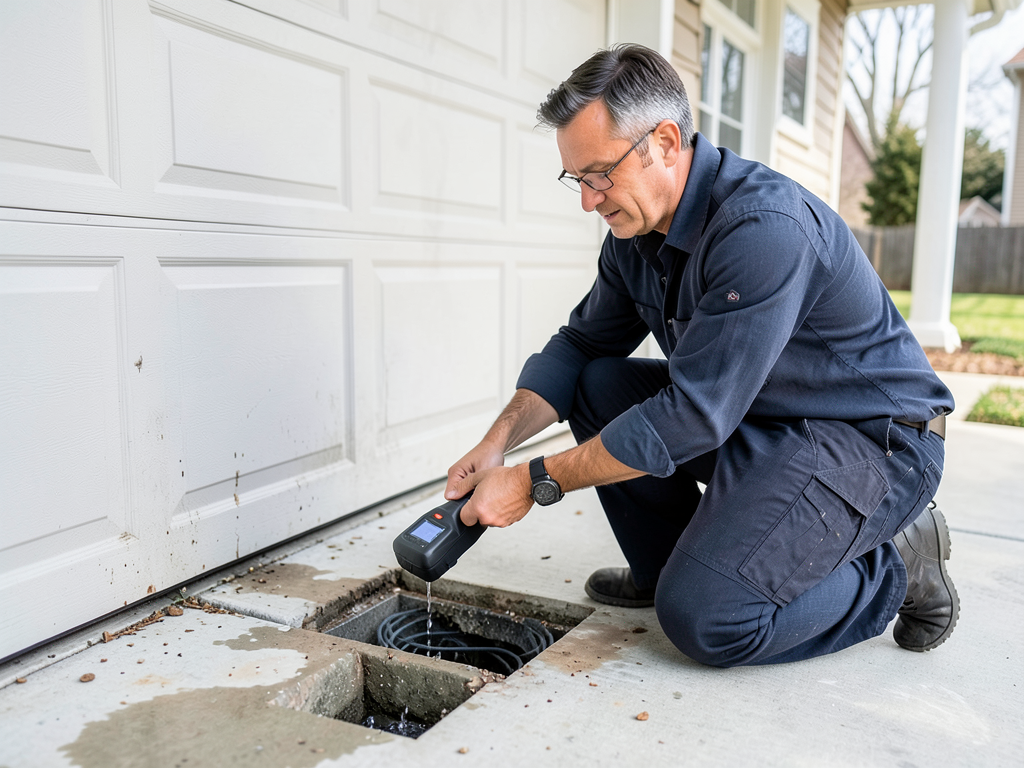
Insurance adjusters ask tough questions. They want to know if your bathroom fan vented properly, if your gutters drained away from the foundation, if your basement sump pump functioned. We answer these questions with data. We measure ventilation CFM rates, document drainage slopes, and test sump pump capacity. This technical approach proves your home was maintained and that the mold resulted from a sudden covered event.

Local expertise matters when you navigate homeowners insurance mold coverage disputes. We've worked with every major insurer operating in the Kansas City metro. We know which companies honor claims fairly and which ones fight every line item. That experience helps you avoid coverage traps and maximize your settlement.

What to Expect During the Mold Insurance Process

Claim Response Timeline

Insurance companies must acknowledge your claim within three business days and send an adjuster within seven days under Missouri regulations. The adjuster typically spends 45 to 90 minutes inspecting your property, measuring moisture, and photographing damage. You receive a coverage decision within 10 to 15 business days. If approved, payment processing takes another 5 to 10 days. Total timeline from filing to payment ranges from three to five weeks for straightforward claims. Complex cases involving coverage disputes or multiple moisture sources extend to eight weeks or longer.

The Adjuster Inspection Process

The adjuster arrives with a moisture meter, thermal camera, and inspection checklist. They probe walls and ceilings to measure water content percentages. They photograph mold growth patterns and document the suspected moisture source. They ask about your home maintenance routine, when you last inspected the area, and whether you noticed odors or stains. Answer directly and factually. Provide maintenance records if available. The adjuster writes a report recommending approval or denial based on whether the damage resulted from a sudden covered event or from gradual neglect.

Coverage Approval and Remediation

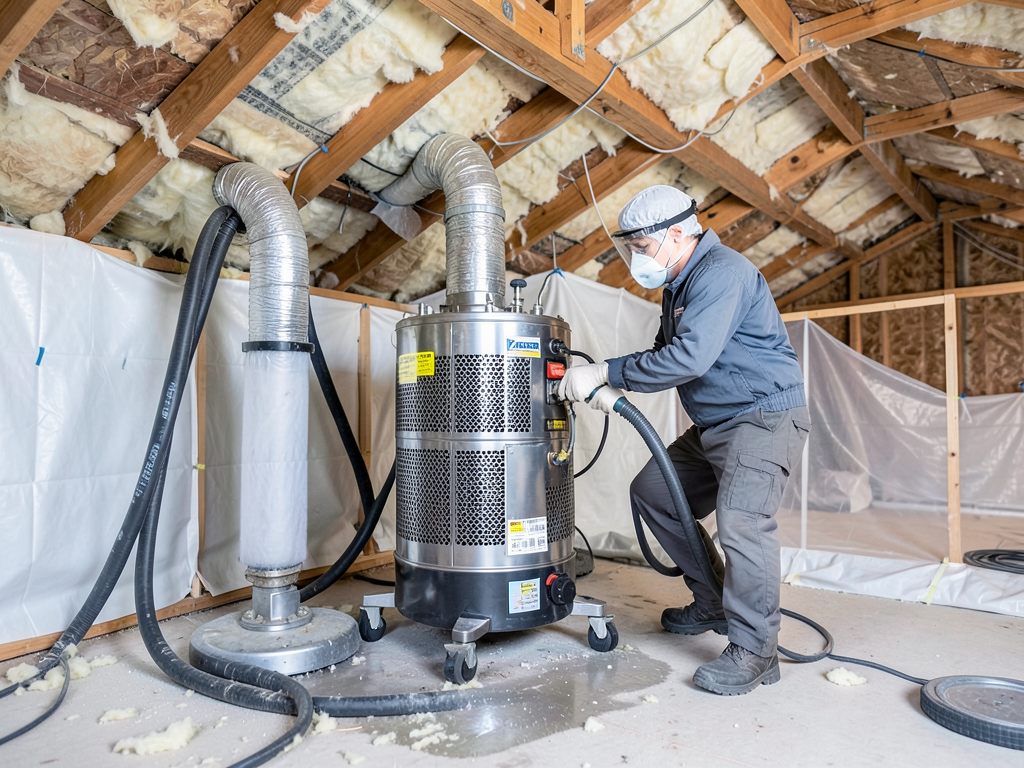
When your mold remediation insurance claim is approved, the insurer issues a scope of work and payment. Most policies subtract your deductible and any applicable sub-limits. If your policy caps mold coverage at $10,000 but remediation costs $15,000, you pay the difference. Professional remediation includes containment barriers, HEPA air filtration, antimicrobial treatment, and material removal. The process takes three to seven days depending on contamination extent. Final clearance testing confirms mold spore counts return to normal background levels before reconstruction begins.

Post-Remediation Documentation

Keep all remediation records, lab reports, and paid invoices in a permanent file. These documents prove you addressed the mold properly if future moisture problems trigger additional claims. Insurance companies review claim history when you file again, and proper remediation records demonstrate you mitigated damage responsibly. Update your home maintenance log to include the moisture source repair, such as pipe replacement or roof patching. This ongoing documentation protects your insurability and strengthens future claims by showing consistent property care.

Frequently Asked Questions

You Have Questions,
We Have Answers

Should I tell my insurance company about mold? +

Yes, you should report potential mold to your insurance company immediately if it stems from a covered peril like a burst pipe or storm damage. Kansas City homes face high humidity and basement moisture issues, which often lead to mold growth. Your policy may cover sudden mold discovered within a specific timeframe after water damage. Document everything with photos and detailed notes before cleanup begins. Delayed reporting can result in claim denial. However, if mold results from long-term neglect or maintenance issues, your insurer will likely deny coverage. Transparency upfront protects your claim and helps adjusters understand the damage timeline.

Can you claim for mold on house insurance? +

You can claim mold damage if it results from a covered peril. Most Kansas City homeowners policies cover mold when it follows sudden water events like pipe bursts, roof leaks from storms, or appliance malfunctions. Coverage limits typically range from $5,000 to $10,000, though some policies exclude mold entirely. Read your policy declarations page carefully. Mold from gradual leaks, humidity, or deferred maintenance will be denied. Kansas City's clay soil and fluctuating temperatures cause foundation shifts and plumbing stress, creating water intrusion points. If storm damage or a plumbing failure causes mold, file quickly and document the source.

What are my rights if my insurance denies a mold claim? +

If your insurance denies a mold claim in Kansas City, you have options. Request a written denial explanation citing specific policy language. Review your policy independently or hire a public adjuster to challenge the decision. Missouri law requires insurers to act in good faith. If you believe the denial was improper, file a complaint with the Missouri Department of Insurance. You can also hire an attorney specializing in insurance disputes to review your case. Gather all documentation including photos, repair estimates, and correspondence. Some denials stem from unclear damage timelines or insufficient evidence, which you can often rectify with additional proof.

What is an example of a mold claim for insurance? +

A common mold claim example involves a Kansas City homeowner who discovers water damage after a winter pipe freeze. The pipe bursts in an exterior wall, flooding the basement. The homeowner reports it immediately and dries the area, but mold appears within 72 hours behind drywall. Because the pipe burst was sudden and accidental, the insurer covers water extraction, drying, and limited mold remediation up to the policy cap. However, if the homeowner ignored a slow leak for months, the claim would be denied as maintenance neglect. Timing and cause determine coverage.

Will my rates go up if I file a mold claim? +

Filing a mold claim can increase your homeowners insurance rates in Kansas City, though not always. Insurers view mold claims as signs of potential ongoing problems, especially in high-humidity climates like Missouri. Your rates depend on your claims history, the payout amount, and your carrier's policies. Multiple claims within a few years can trigger non-renewal or significant premium hikes. Some insurers overlook a single small claim. If mold damage is minor and you can afford remediation out of pocket, weigh the cost against future rate increases. An insurance agent can help you model potential impacts before filing.

What to do if you can't afford mold removal? +

If you cannot afford professional mold removal in Kansas City, address the moisture source first to stop further growth. Fix leaks, improve ventilation, and use dehumidifiers to lower humidity below 50 percent. Small surface mold on non-porous materials can be cleaned with detergent and water. For extensive mold or health concerns, contact local nonprofits or community development corporations that offer home repair assistance. Some remediation companies offer payment plans. Leaving mold untreated worsens structural damage and health risks. Prioritize containment and moisture control while you explore financing options or negotiate with contractors.

What is the average cost of mold remediation? +

Mold remediation costs vary widely based on the extent and location of growth. Small surface mold cleanup may cost a few hundred dollars, while extensive contamination requiring containment, air scrubbing, and reconstruction can run into thousands. Kansas City properties often face basement and crawlspace mold due to humidity and poor drainage, which increases complexity. Factors include square footage affected, materials involved, and required demolition. Most insurance policies cap mold coverage at $5,000 to $10,000 if covered at all. Get multiple quotes from certified remediation professionals and review your policy limits before starting work.

How much does it cost to fix damp issues in a house? +

Fixing damp issues in Kansas City homes depends on the source and severity. Simple fixes like gutter repairs or grading improvements cost a few hundred dollars. French drains, sump pump installations, or crawlspace encapsulation can run into thousands. Kansas City's clay soil expands and contracts with moisture, stressing foundations and creating water entry points. Exterior waterproofing, foundation crack repair, and vapor barriers add to costs. Interior dehumidification and ventilation improvements help manage moisture but do not fix structural issues. Address the root cause to prevent recurring mold. A water damage specialist can assess your property and recommend cost-effective solutions.

What are the signs of mold in a house? +

Mold in Kansas City homes shows visible signs like black, green, or white patches on walls, ceilings, or baseboards. You may smell a musty, earthy odor in basements, bathrooms, or crawlspaces. Water stains, peeling paint, and warped drywall signal moisture problems that support mold growth. Condensation on windows and high indoor humidity above 60 percent create ideal conditions. You might experience allergy symptoms like sneezing, coughing, or eye irritation when indoors. Check behind appliances, under sinks, and around HVAC systems. Kansas City's humid climate makes bathrooms and basements especially vulnerable. Address moisture sources immediately to prevent spread.

How to get homeowners insurance to pay for mold? +

To get homeowners insurance to pay for mold in Kansas City, you must prove the mold resulted from a covered peril like a sudden pipe burst or storm damage. Document everything immediately with photos, videos, and written notes. Report the claim within your policy's required timeframe, usually 24 to 48 hours. Provide evidence linking the mold directly to the water event. Hire a licensed remediation company to assess the damage and provide a detailed estimate. Keep all receipts and correspondence. If your insurer disputes the claim, request a written explanation and consider hiring a public adjuster to negotiate on your behalf.

How Kansas City Humidity Levels Impact Mold Insurance Claims

Kansas City's average summer dew points reach 65 to 70 degrees, creating ideal mold conditions in any space below 72 degrees. Basements and crawl spaces naturally fall into this temperature range, meaning condensation forms on cool surfaces even without leaks. Insurance adjusters recognize this climatic reality. When mold appears in a properly ventilated Kansas City basement during July humidity peaks, adjusters may classify it as environmental rather than maintenance-related. However, you must prove adequate ventilation and dehumidification efforts. Without evidence of moisture control measures, adjusters assume neglect and deny property insurance mold coverage.

Missouri's insurance regulations require clear policy language about mold exclusions and sub-limits. Many Kansas City homeowners discover their coverage only after filing a claim. Local restoration companies familiar with regional insurers help you understand your policy before disaster strikes. We review coverage documents and identify gaps that leave you exposed. This proactive approach prevents surprises when you need your homeowners insurance mold coverage most. Kansas City's competitive insurance market means policies vary dramatically between carriers. Local expertise helps you choose appropriate coverage levels based on your home's age, construction type, and flood zone location.
Water Damage Restoration Services in The Kansas City Area

While we provide rapid mobile service throughout the entire Kansas City area, you can also view our general service area on the map. We are dedicated to being a local, accessible resource for all your water damage restoration needs, whether you're in the heart of the city or a surrounding community. Our team is always just a phone call away, ready to assist you with expertise and care, no matter where you are located within our service area.

Address:
A Plus Water Damage Restoration Kansas City, 1020 E Armour Blvd, Kansas City, MO, 64109

Additional Services We Offer

Our news updates

Latest Articles & News from The Blogs

How the hard water in Edwardsville is secretly shortening the life of your plumbing and appliances Hard water is more…

How the hard water in Edwardsville is secretly shortening the life of your plumbing and appliances

How the hard water in Edwardsville is secretly shortening the life of your plumbing and appliances Hard water is more…

How to protect your Weatherby Lake home from major water damage while you are away for the winter

How to protect your Weatherby Lake home from major water damage while you are away for the winter Winterizing your…

What every first-time buyer in Raymore needs to check for water damage before closing the deal

What every first-time buyer in Raymore needs to check for water damage before closing the deal Buying your first home…

Contact Us

Does home insurance pay for mold removal in your situation? Call A Plus Water Damage Restoration Kansas City at (816) 473-3833 for a professional assessment. We document mold damage using insurance industry standards and help you navigate the claims process. Available 24/7 for emergency moisture intrusion.