




Menu

Washing Machine Overflow Cleanup in Kansas City – 24/7 Emergency Response and Water Extraction

Our rapid response teams arrive within 60 minutes across Kansas City to stop washing machine floods, extract standing water, and prevent structural damage before mold takes hold.

Slider Image 1
Slider Image 2
Slider Image 3
Slider Image 4
Slider Image 5
Slider Image 7
Slider Image 8
Slider Image 9
Slider Image 10
Slider Image 11

Why Washing Machine Overflows Cause Major Damage in Kansas City Homes

A washing machine overflow releases gallons of water in minutes. That water does not stop at the laundry room door. It spreads under baseboards, seeps through subflooring, and saturates drywall. In Kansas City homes, especially those built on the region's expansive clay soil, this creates immediate structural risk. Clay soil shifts with moisture changes, and a sudden saturation event can destabilize your foundation or cause settling.

Kansas City's humid climate compounds the problem. After a washing machine leak, moisture lingers in hidden cavities. Within 24 to 48 hours, mold colonizes behind walls and under flooring. Your home's indoor air quality degrades. Your family breathes in spores. The longer water sits, the worse the damage becomes.

Most washing machine floods happen without warning. A failed hose, a clogged drain pump, or a malfunctioning water inlet valve can dump 10 to 20 gallons per minute onto your floor. You notice the problem when water spreads into adjacent rooms or drips through your ceiling. By then, the subfloor is soaked. The clock is ticking. Emergency washer flood remediation is not optional. It is the only way to stop secondary damage. You need washing machine flood cleanup services that understand how water behaves in Kansas City homes. You need technicians who know how to extract water from crawl spaces, dry out floor joists, and prevent the mold growth that thrives in our regional humidity.

Why Washing Machine Overflows Cause Major Damage in Kansas City Homes
How We Stop Water Damage After a Washing Machine Overflow

How We Stop Water Damage After a Washing Machine Overflow

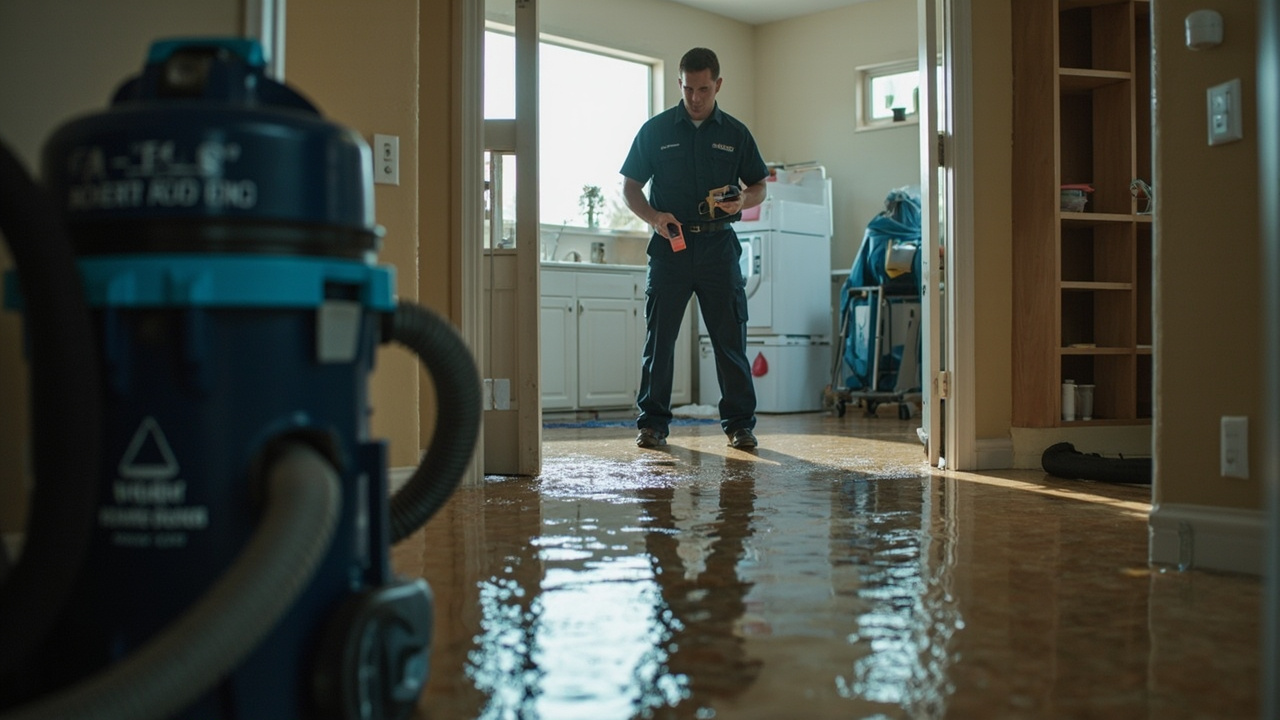
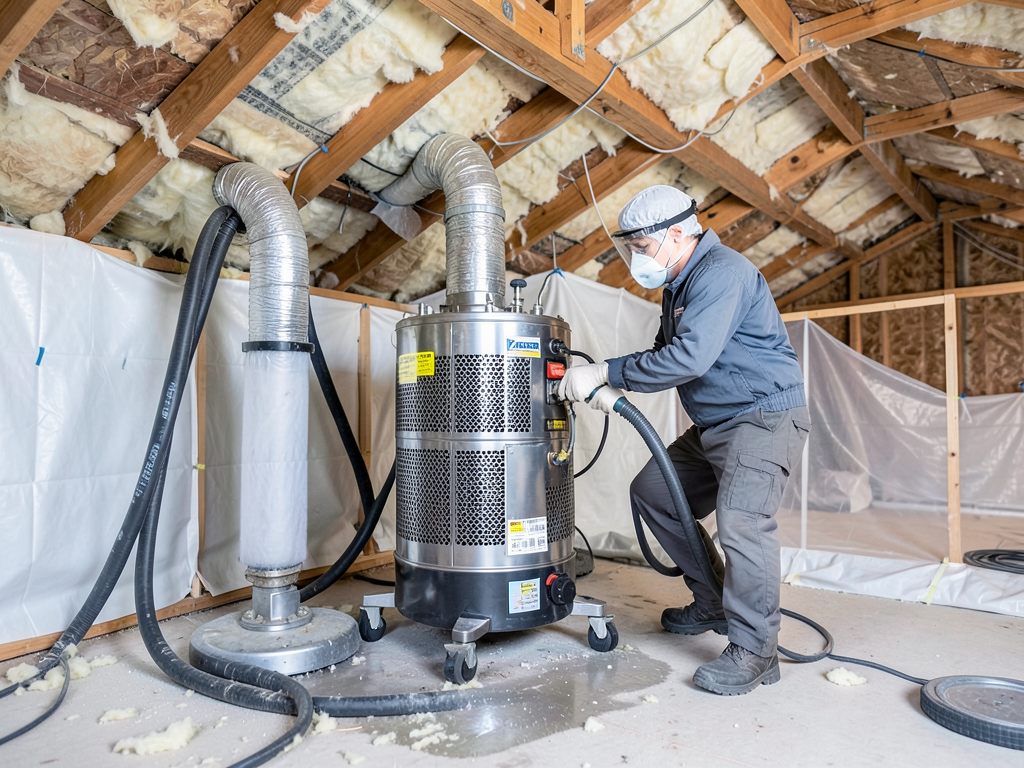
When you call us for laundry machine overflow water removal, we mobilize immediately. Our trucks carry truck-mount extraction units capable of pulling thousands of gallons from saturated materials. We do not use shop vacs. We use industrial water extractors that remove 95% of standing water in the first pass.

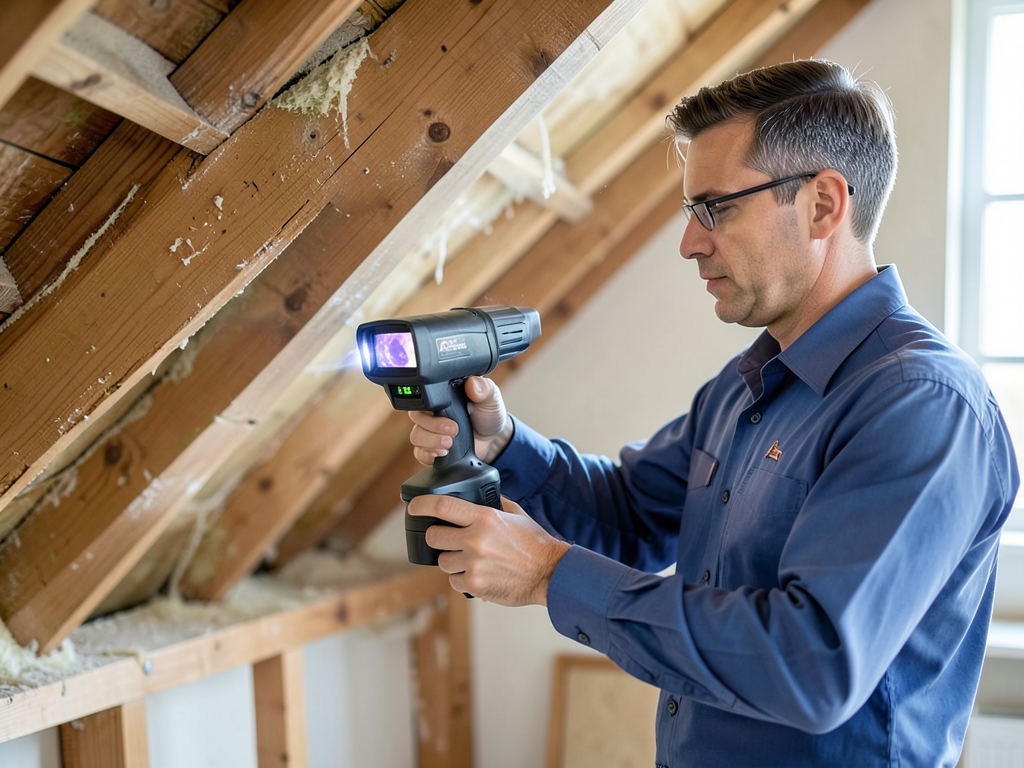
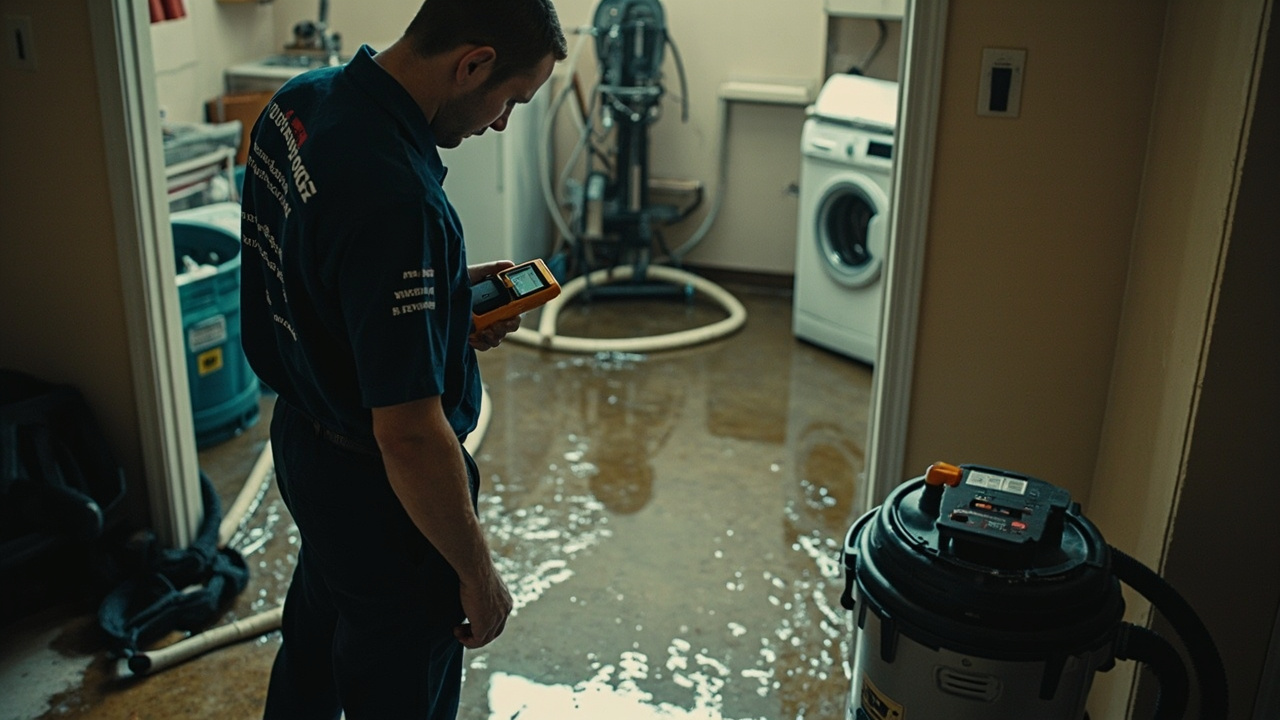
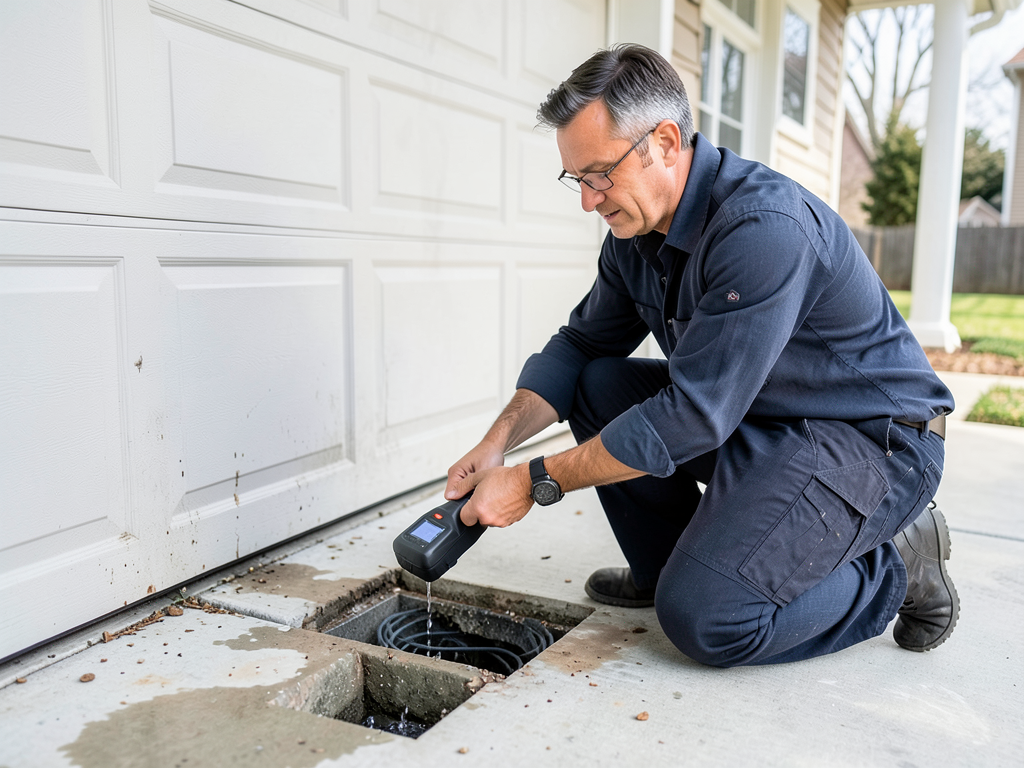
After extraction, we assess moisture levels using thermal imaging cameras and penetrating moisture meters. We measure moisture content in subflooring, wall cavities, and insulation. This tells us where water migrated and what materials need drying or replacement. In Kansas City homes with pier and beam foundations, we inspect crawl spaces for pooling water and compromised support beams. In homes with slab foundations, we check for delamination and capillary action that pulls moisture into drywall.

Our drying process uses commercial-grade air movers and low-grain refrigerant dehumidifiers. Air movers create high-velocity airflow across wet surfaces, accelerating evaporation. Dehumidifiers pull moisture from the air and reduce ambient humidity to below 40%, which prevents mold growth. We do not guess when materials are dry. We take daily moisture readings and adjust equipment placement based on data. Washer water damage restoration requires precision, not guesswork.

We also handle contents restoration. If your washing machine overflow soaked carpets, we extract water onsite and transport them to our facility for cleaning and drying. If hardwood flooring buckled, we evaluate whether it can be dried in place or needs replacement. We document every step for your insurance claim.

What Happens When You Call for Emergency Flood Cleanup

Washing Machine Overflow Cleanup in Kansas City – 24/7 Emergency Response and Water Extraction
01

Immediate Water Extraction

Within 60 minutes of your call, our technicians arrive with truck-mount extraction equipment. We remove standing water from all affected rooms, including water that spread under cabinets and into adjacent spaces. We pull water from carpet padding, subflooring, and any porous material that absorbed moisture. Speed matters because every hour of saturation increases damage severity and raises your restoration cost.
02

Moisture Mapping and Assessment

We use thermal imaging and moisture meters to map hidden water migration. Water follows gravity and capillary action, often traveling into wall cavities and under flooring you cannot see. We document moisture levels in all affected materials and identify structural components at risk. This assessment determines what equipment we deploy and how long the drying process will take. We also inspect your HVAC system to ensure contaminated water did not reach ductwork.
03

Complete Drying and Verification

We set up air movers and dehumidifiers to dry all structural materials to industry standard moisture levels. We monitor drying progress daily and adjust equipment as needed. Drying typically takes three to five days depending on the saturation level and materials involved. Once moisture readings confirm all materials are dry, we remove equipment and provide you with a completion certificate. Your home is safe, dry, and protected from mold.

Why Kansas City Homeowners Trust Us for Washing Machine Leak Water Extraction

A Plus Water Damage Restoration Kansas City operates 24 hours a day, seven days a week. We do not close. We do not make you wait until Monday morning. When your washing machine floods your home at 2:00 AM on a Saturday, we answer the phone and dispatch a crew. Our average response time across Kansas City is under 60 minutes.

We understand how Kansas City homes are built. Many properties in neighborhoods like Brookside, Waldo, and the Historic Northeast feature original hardwood flooring and plaster walls. These materials require specialized drying techniques. Hardwood floors can be saved if dried quickly and correctly. Plaster walls hold moisture longer than drywall and need extended drying times. We adjust our approach based on your home's age, construction, and materials.

Our technicians hold IICRC certifications in water damage restoration and applied structural drying. They know the science of psychrometry and understand how temperature, humidity, and airflow interact to dry materials. They do not rely on rules of thumb. They rely on data.

We also work directly with your insurance company. We provide detailed documentation, moisture logs, and photo evidence to support your claim. We can bill your insurance directly in most cases, which eliminates your upfront cost. You should not have to navigate claims paperwork while dealing with a flooded home.

Local expertise matters. We know Kansas City's building codes and permit requirements. We understand how the region's weather patterns affect drying times. We have worked in your neighborhood before. When you need emergency washer flood remediation, you need someone who knows your city and responds fast.

What You Can Expect During the Restoration Process

Response Time and Availability

We operate around the clock because water damage does not wait for business hours. When your washing machine overflows, every minute counts. Our dispatch center answers calls 24/7, and we mobilize crews immediately. Our typical response time across Kansas City is under 60 minutes. We keep multiple trucks stocked with extraction equipment, air movers, and dehumidifiers so we can respond to multiple emergencies simultaneously. You will not wait hours for help. You will not be placed on a schedule for tomorrow. We come now, and we bring everything needed to stop the damage.

Initial Inspection and Damage Assessment

When we arrive, we conduct a thorough inspection of all affected areas. We use moisture meters to measure water content in flooring, walls, and subflooring. We use thermal imaging cameras to detect hidden moisture behind walls and under cabinets. This technology allows us to see moisture migration patterns that are invisible to the naked eye. We document all findings with photos and detailed notes. This assessment determines the scope of work, the equipment required, and the estimated drying timeline. We provide you with a clear explanation of what happened, what needs to be done, and how long it will take.

The Quality of the Final Outcome

Our goal is to return your home to its pre-loss condition. That means all structural materials are dried to industry standard moisture levels, all damaged materials are repaired or replaced, and your home is safe from mold growth. We do not consider the job complete until moisture readings confirm that all affected materials are dry. We provide you with a completion certificate that documents final moisture levels. Your floors, walls, and substructure are stable and ready for any necessary reconstruction. You can trust that the work was done correctly because we verify it with data, not assumptions.

Follow-Up and Mold Prevention

After drying is complete, we offer follow-up inspections to ensure no secondary moisture issues develop. Mold can appear days or weeks after a water event if materials were not dried completely. We recommend a 30-day follow-up moisture check in high-risk areas like crawl spaces and wall cavities. If we detect elevated moisture levels during follow-up, we address it immediately at no additional charge. Prevention is easier than remediation. We also provide guidance on preventing future washing machine floods, including hose replacement schedules and drain pan installation recommendations.

Frequently Asked Questions

You Have Questions,
We Have Answers

How to clean a washing machine overflow pipe? +

Turn off the water supply first. Disconnect the overflow pipe from the machine and check for visible clogs. Use a plumber's snake or flexible drain brush to clear any debris, lint, or soap buildup inside the pipe. Flush with hot water to remove residue. If the pipe connects to your home's drain system, you may need to access the standpipe behind the machine. Kansas City homes with older plumbing often see mineral buildup from hard water, which can narrow the pipe diameter. If the clog persists or water backs up into other drains, call a professional immediately to prevent structural water damage.

How do you remove black mold from a washing machine rubber seal? +

Black mold on the rubber seal is dangerous and requires immediate action. Mix equal parts white vinegar and water in a spray bottle. Spray the seal thoroughly and let it sit for 10 minutes. Scrub with a stiff brush, pulling back the folds to reach hidden mold. Wipe clean with a microfiber cloth. For stubborn mold, use a diluted bleach solution (one part bleach to four parts water), but never mix bleach and vinegar. Kansas City's high humidity, especially in basements, accelerates mold growth. If mold returns quickly or covers large areas, you likely have a moisture problem requiring professional water damage assessment.

What do you do when your washing machine overflows? +

Stop the panic. First, turn off the washing machine immediately. Shut off the water supply valves behind the machine. Unplug the unit to prevent electrical hazards. Move wet laundry to a dry area. Begin water extraction using towels, a wet-dry vacuum, or a mop. Open windows and run fans to start drying the area. Document the damage with photos for insurance. Do not wait. Water seeps into subflooring and drywall within hours, causing mold and structural damage. If you see water spreading beyond the laundry area or soaking into walls, call a water damage restoration professional in Kansas City immediately for 24/7 emergency extraction and drying.

How to clean up a washing machine flood? +

Act fast. Time is your enemy. First, extract all standing water using a wet-dry vacuum or towels. Pull up soaked rugs and remove furniture from the wet area. Use fans and dehumidifiers to dry the space quickly. Kansas City's humid summers slow evaporation, increasing mold risk. Check beneath the machine and along baseboards for hidden water. Pull back flooring edges if water seeped underneath. Sanitize all affected surfaces with a disinfectant to prevent bacterial growth. If water soaked into drywall, subflooring, or spread to other rooms, you need professional extraction equipment and moisture meters to prevent hidden mold growth and structural rot.

Can I pour bleach down a washing machine drain pipe? +

Yes, but use it correctly. Pour one cup of bleach directly into the drum (not the overflow pipe itself) and run a hot water cycle to disinfect the machine interior and flush the drain system. Do not pour concentrated bleach into the overflow pipe or standpipe, as it can damage rubber seals and corrode metal components. Bleach also reacts dangerously with other cleaning products. Kansas City's hard water can reduce bleach effectiveness. If you suspect a clog in the drain pipe itself, use a plumber's snake instead. For persistent drainage issues or foul odors coming from the pipe, call a plumber to inspect for deeper blockages or venting problems.

How to unclog an overflow tube washer? +

The overflow tube prevents backups during the spin cycle. First, unplug the machine and turn off water. Locate the overflow tube (usually a small hose connected to the tub). Disconnect it and inspect for lint, fabric fibers, or soap scum. Use a flexible brush or plumber's snake to clear the blockage. Flush with hot water. Check the attached drain hose and standpipe for clogs as well. Kansas City's older homes may have undersized standpipes that cannot handle modern high-efficiency washers. If the tube repeatedly clogs or water backs up during every cycle, you may need a larger drain system or a professional plumber's assessment.

What is the black gunk in a rubber seal washing machine? +

That black gunk is a combination of mold, mildew, soap scum, fabric softener residue, and bacteria. It thrives in the damp, dark environment of the rubber seal folds. Kansas City's humidity makes this worse, especially in basement laundry rooms. The buildup smells foul and can transfer to your clothes. It forms when moisture stays trapped after wash cycles and detergent residue feeds microbial growth. Prevent it by wiping the seal dry after each load and leaving the door open between uses. If the gunk is thick or moldy, clean it immediately. Prolonged exposure can degrade the rubber and cause leaks.

What kills mold better, bleach or vinegar? +

Bleach kills mold faster on hard, non-porous surfaces, but vinegar is safer for rubber seals and penetrates porous materials better. Bleach destroys mold on contact but can damage washing machine components and releases harsh fumes. Vinegar takes longer but is non-toxic and prevents mold regrowth better. For Kansas City homeowners dealing with basement humidity and recurring mold, vinegar is the smarter long-term solution. Use a 50-50 vinegar-water mix for regular cleaning. For severe mold infestations on walls or subflooring after an overflow, neither is enough. You need professional antimicrobial treatment and controlled drying to prevent spores from spreading throughout your home.

Can vinegar damage the washing machine seal? +

No, vinegar does not damage rubber seals when used correctly. White vinegar is acidic but mild enough for regular cleaning. It actually helps dissolve soap scum and mineral deposits that degrade the rubber over time. Use a 50-50 vinegar-water solution, never full-strength vinegar for extended soaking. Kansas City's hard water leaves mineral buildup that stiffens seals and causes cracks. Vinegar helps remove those deposits. What damages seals is harsh chemicals like concentrated bleach, fabric softener buildup, or leaving the seal wet between uses. After cleaning with vinegar, wipe the seal dry and leave the door open to air out the drum.

How to unblock washing machine drain pipe without taking machine apart? +

Try this first. Locate the standpipe (the vertical pipe behind the machine). Remove the drain hose from the standpipe. Use a plumber's snake or drain auger to break up clogs in the pipe. If the standpipe is clear, the clog is likely in the drain hose itself. Detach the hose from the machine and flush it with hot water or use a long flexible brush. Kansas City homes with cast iron or galvanized pipes often have internal corrosion that traps lint. If the blockage persists, you may have a deeper drain line clog requiring professional hydro-jetting or camera inspection. Do not ignore slow drains, they cause overflows.

How Kansas City's Clay Soil and Humidity Make Washing Machine Overflows More Dangerous

Kansas City sits on expansive clay soil that swells when wet and shrinks when dry. A washing machine overflow introduces a sudden moisture load into your foundation and subflooring. This rapid saturation can cause clay soil beneath slab foundations to expand unevenly, leading to cracking and shifting. Homes with crawl spaces face similar risks as water pools on vapor barriers and raises humidity levels that promote wood rot in floor joists. The region's average relative humidity of 60% to 70% during summer months slows natural evaporation, which means water lingers longer in structural materials. Without professional washing machine leak water extraction and controlled drying, your home's structure is at risk.

Kansas City's building codes require proper moisture management, especially in older homes that lack modern vapor barriers and drainage systems. Local restoration professionals understand these regional challenges. We know which neighborhoods have pier and beam foundations, which homes have basements prone to seepage, and which construction eras used materials that absorb water quickly. This local knowledge allows us to tailor our drying strategy to your specific home. National franchise operations follow generic protocols. We adjust our approach based on decades of experience working in Kansas City homes and knowledge of how local conditions affect water damage outcomes.
Water Damage Restoration Services in The Kansas City Area

While we provide rapid mobile service throughout the entire Kansas City area, you can also view our general service area on the map. We are dedicated to being a local, accessible resource for all your water damage restoration needs, whether you're in the heart of the city or a surrounding community. Our team is always just a phone call away, ready to assist you with expertise and care, no matter where you are located within our service area.

Address:
A Plus Water Damage Restoration Kansas City, 1020 E Armour Blvd, Kansas City, MO, 64109

Additional Services We Offer

Our news updates

Latest Articles & News from The Blogs

How the hard water in Edwardsville is secretly shortening the life of your plumbing and appliances Hard water is more…

How the hard water in Edwardsville is secretly shortening the life of your plumbing and appliances

How the hard water in Edwardsville is secretly shortening the life of your plumbing and appliances Hard water is more…

How to protect your Weatherby Lake home from major water damage while you are away for the winter

How to protect your Weatherby Lake home from major water damage while you are away for the winter Winterizing your…

What every first-time buyer in Raymore needs to check for water damage before closing the deal

What every first-time buyer in Raymore needs to check for water damage before closing the deal Buying your first home…

Contact Us

Do not wait for water damage to get worse. Call A Plus Water Damage Restoration Kansas City now at (816) 473-3833. Our crews are standing by 24/7 to respond to your emergency. We will be there in under 60 minutes with the equipment and expertise to stop the damage.