




Menu

Fire Sprinkler Water Cleanup in Kansas City – 24/7 Emergency Response in Under 60 Minutes

When fire suppression systems discharge unexpectedly, our Kansas City emergency teams arrive fast with commercial-grade extraction equipment to stop structural damage before it spreads to drywall, flooring, and inventory.

Slider Image 1
Slider Image 2
Slider Image 3
Slider Image 4
Slider Image 5
Slider Image 7
Slider Image 8
Slider Image 9
Slider Image 10
Slider Image 11

When Fire Sprinklers Flood Your Kansas City Property

A single activated sprinkler head releases 15 to 60 gallons of water per minute. In Kansas City's older commercial corridors like the River Market and Crossroads Arts District, accidental sprinkler discharge happens more often than you think. A warehouse worker bumps a sprinkler head, freezing temperatures crack aged piping in unheated spaces, or maintenance work triggers a system malfunction.

The result is immediate chaos. Water cascades across finished floors, soaks into drywall, ruins inventory, and seeps into ceiling cavities. Unlike residential pipe bursts, fire suppression system water extraction requires understanding pressurized release patterns and contamination risks from stagnant water sitting in overhead pipes for years.

Kansas City's humid spring and summer months compound the problem. Once sprinkler water saturates porous materials, you have a 24 to 48-hour window before mold colonizes behind walls. The freeze-thaw cycles we experience from November through March also stress aging sprinkler infrastructure in warehouses and older retail buildings along Main Street and in the West Bottoms.

Emergency sprinkler water removal is not a mop-and-bucket job. You need industrial extraction equipment, moisture mapping technology, and technicians who understand commercial building envelopes. Waiting for your property manager to figure it out costs you every hour. Structural drywall wicks water vertically. Subfloors delaminate. Insurance adjusters document every delay as "failure to mitigate."

You need a team on-site now, not tomorrow morning.

When Fire Sprinklers Flood Your Kansas City Property
How We Execute Burst Fire Sprinkler Flood Remediation

How We Execute Burst Fire Sprinkler Flood Remediation

Fire sprinkler water damage restoration requires a different protocol than clean water extraction. Sprinkler system water often contains rust particulates, biofilm, and sediment from years of stagnation in overhead pipes. We treat it as Category 2 grey water and apply appropriate containment measures to prevent cross-contamination.

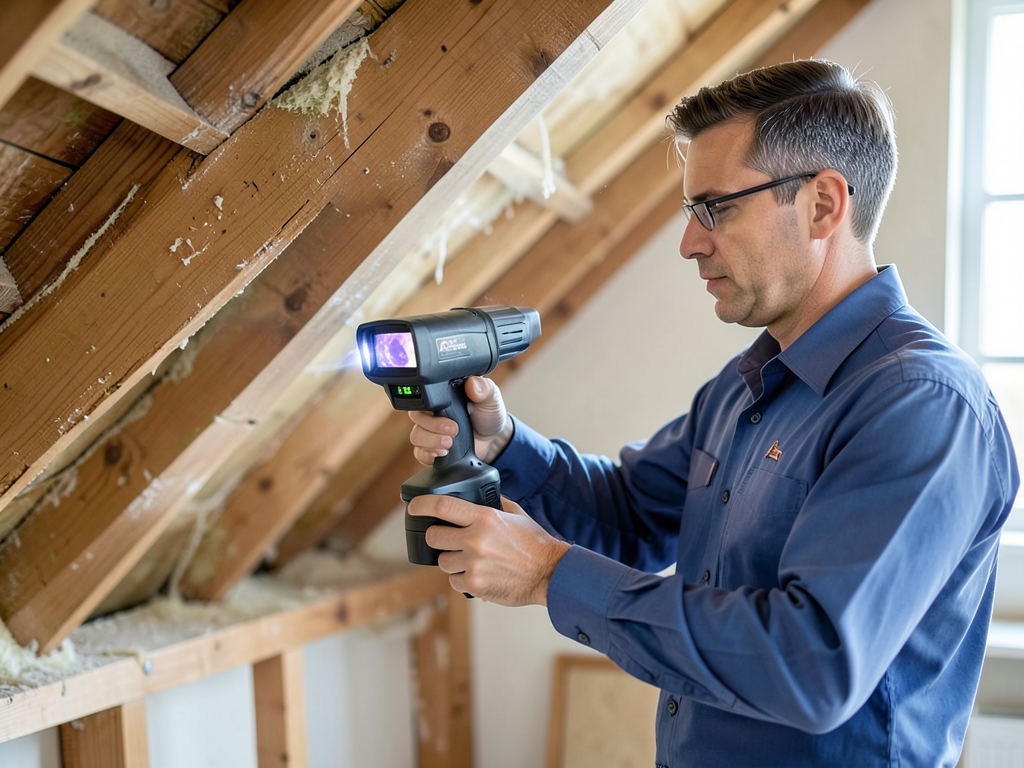
Our first priority is source control. We identify which zone activated, isolate the system if still discharging, and document the affected area with thermal imaging cameras. These cameras reveal moisture migration patterns invisible to the naked eye, especially in commercial spaces with drop ceilings and insulated wall assemblies common in Kansas City office buildings and distribution centers.

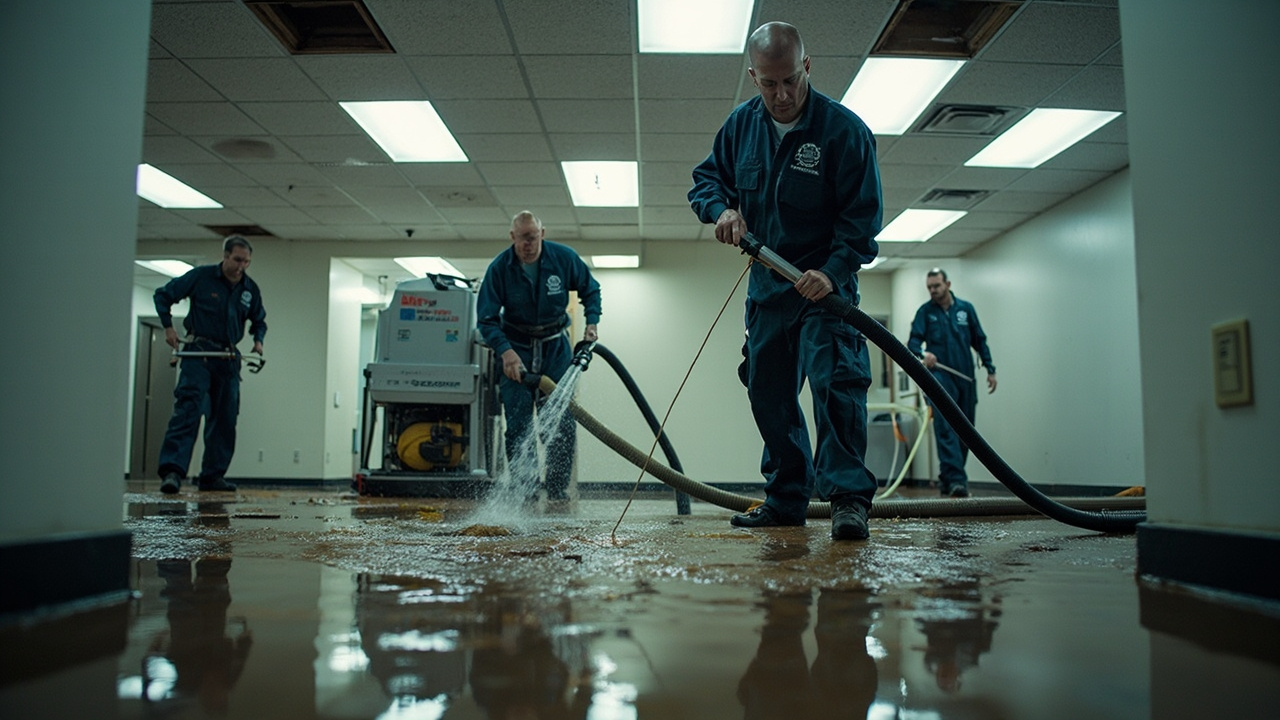
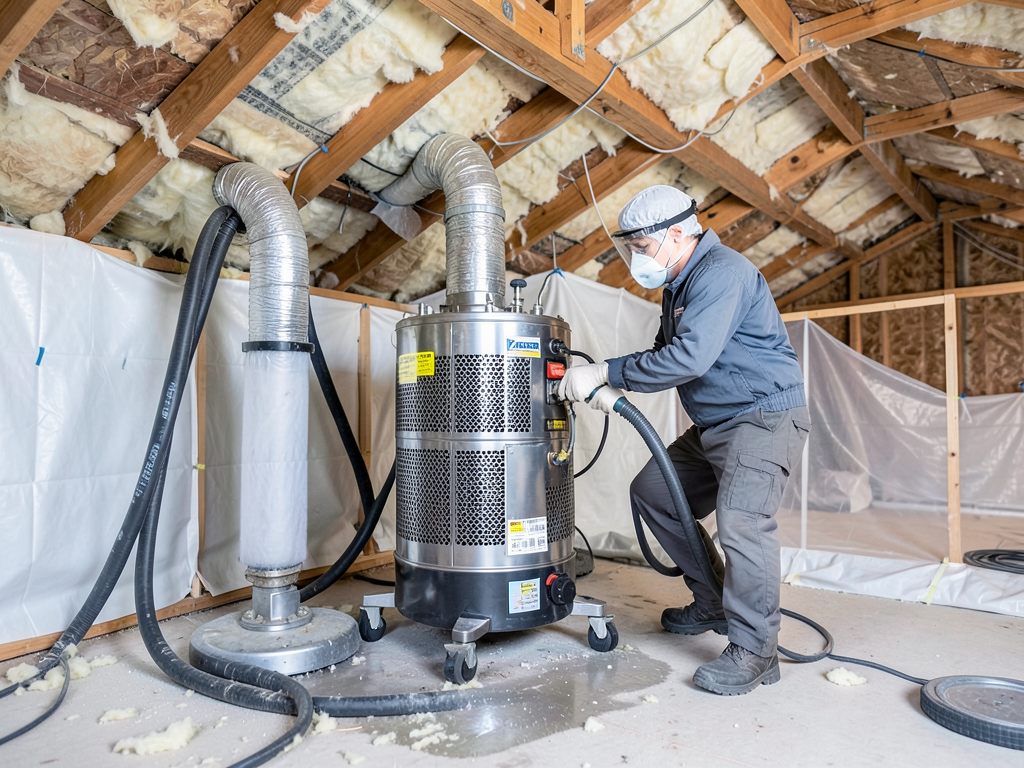
We deploy truck-mounted extractors capable of pulling 200 gallons per hour, not shop vacs. For large-scale incidents in commercial properties, we bring trailer-mounted desiccant dehumidifiers that process thousands of cubic feet per minute. Standard refrigerant dehumidifiers cannot handle the moisture load from a prolonged sprinkler discharge.

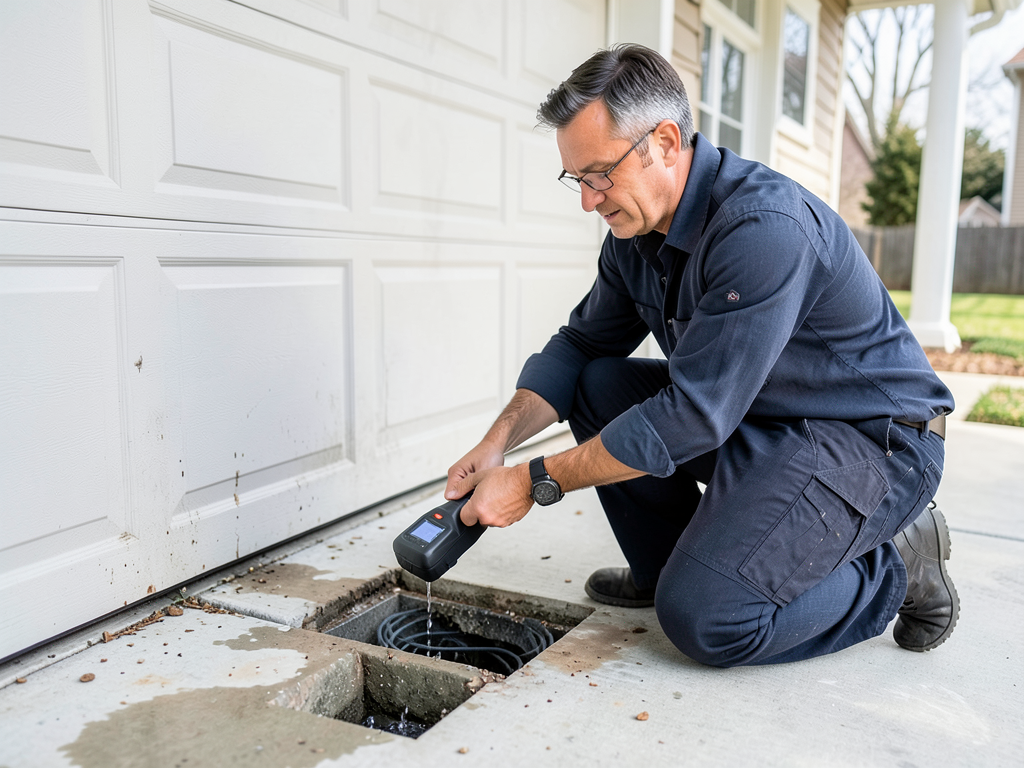
Structural drying follows IICRC S500 standards. We measure moisture content in framing lumber, concrete slabs, and gypsum board using pin-type and non-invasive meters. Drying equipment stays in place until readings return to baseline, which we document for your insurance carrier.

We also coordinate with your fire protection contractor to pressure-test the system before reactivating it. Kansas City commercial properties must comply with NFPA 25 inspection standards, and we document our work to support your compliance record. Every step is photographed, logged, and delivered in a detailed loss report your adjuster can process immediately.

What Happens When You Call for Sprinkler Water Cleanup

Fire Sprinkler Water Cleanup in Kansas City – 24/7 Emergency Response in Under 60 Minutes
01

Emergency Dispatch and Assessment

You call our 24/7 dispatch line and speak with a live technician, not an answering service. We gather critical details about the sprinkler zone affected, water volume, and building type. A crew is dispatched within 15 minutes, typically arriving on-site in under 60 minutes anywhere in the Kansas City metro. Our trucks carry thermal imaging equipment, moisture meters, and containment supplies to begin work immediately upon arrival.
02

Water Extraction and Containment

We set up containment barriers to isolate affected zones, preventing water migration into unaffected areas. Truck-mounted extractors remove standing water from floors, carpets, and subfloor cavities. We pull baseboards and drill weep holes in wall cavities if moisture readings indicate water intrusion behind drywall. Air movers and commercial dehumidifiers are positioned based on psychrometric calculations, not guesswork. This phase runs continuously until moisture levels stabilize.
03

Drying Verification and Documentation

We monitor drying progress twice daily using calibrated moisture meters, adjusting equipment placement as needed. Once structural materials return to normal moisture content, we photograph all readings and compile a comprehensive loss report with equipment logs, moisture maps, and photographic evidence. This documentation package is sent directly to your insurance adjuster and property manager. You receive a certificate of completion showing the structure is dry and ready for reconstruction.

Why Kansas City Properties Need Local Sprinkler Water Specialists

Kansas City's building stock presents unique challenges for accidental sprinkler discharge cleanup. The River Market and Crossroads Arts District contain converted warehouses and historic buildings with concealed sprinkler piping in tight ceiling plenums. Water travels unpredictably through old timber joists and brick masonry walls. You cannot apply cookie-cutter extraction methods to 100-year-old structures.

We understand Kansas City's commercial building typologies because we work in them every week. We know where water hides in the raised-floor data centers in Overland Park office parks. We know how it saturates the spray foam insulation in newer industrial buildings along I-435. We know the freeze risk in unheated warehouse spaces in the West Bottoms during January cold snaps.

Our familiarity with local insurance carriers also speeds your claim. We work regularly with adjusters from State Farm, Farmers, and regional carriers who handle commercial policies in the Kansas City metro. We provide the documentation they need in the format they expect, eliminating the back-and-forth that delays approvals.

We also coordinate directly with Kansas City fire protection contractors to get your suppression system back online. You cannot operate without a functional sprinkler system. Building inspectors will not issue occupancy permits if your system is down. We help you navigate that process so your business reopens as quickly as possible.

Local expertise means faster response, better coordination, and less downtime. National franchise operations dispatch techs from outside the metro who do not know your building types or your local code requirements. When your facility floods, you need people who already know Kansas City.

What You Get When You Choose Our Sprinkler Water Cleanup Service

60-Minute Emergency Response

Our Kansas City crews operate 24 hours a day, 365 days a year. When you call at 2 a.m. on a Sunday, you speak with a live dispatcher who activates the closest available team. We arrive in under 60 minutes with fully equipped trucks carrying extraction equipment, containment supplies, and structural drying tools. You do not wait until business hours for help. Mitigation begins the moment we walk through your door.

Detailed Moisture Mapping and Monitoring

We map moisture migration using thermal imaging cameras and document affected areas with floor plans and photographs. Moisture meters are used to establish baseline readings in unaffected areas, then track drying progress in saturated materials. You receive daily updates showing drying curves and equipment performance data. This level of documentation satisfies insurance requirements and provides transparency into the process, so you know exactly where your property stands every day.

Complete Structural Drying Certification

Drying equipment stays in place until structural materials return to normal moisture content, verified by calibrated meters. We do not pull equipment prematurely to move on to the next job. You receive a certificate of completion documenting final moisture readings, equipment runtime logs, and atmospheric data. This certificate protects you from future liability if moisture-related issues arise later. Your contractor can begin reconstruction immediately without waiting for additional testing.

Insurance Coordination and Loss Documentation

We communicate directly with your insurance adjuster from day one, providing detailed loss reports with photographic evidence, equipment logs, and material inventories. Our documentation follows Xactimate estimating standards, which most carriers use for claim processing. We also provide a scope of work for reconstruction so your contractor knows exactly what needs replacement versus what can be saved. This coordination eliminates disputes and speeds claim approvals, getting you back to normal operations faster.

Frequently Asked Questions

You Have Questions,
We Have Answers

Is fire sprinkler water clean? +

No. Fire sprinkler water is not clean. It sits stagnant in pipes for months or years, collecting rust, sediment, bacteria, and biofilm. When a sprinkler activates in your Kansas City property, this contaminated water floods your space. The water is often black, smells foul, and can stain carpets, drywall, and furniture. This is Category 2 gray water, not safe for contact. You need immediate extraction and antimicrobial treatment. Do not try to clean this yourself. The longer contaminated water sits, the worse the microbial growth and structural damage become. Call a professional restoration team immediately.

How often do sprinkler systems need to be flushed? +

Commercial fire sprinkler systems in Kansas City should be flushed annually, per NFPA 25 standards. Wet systems accumulate rust and sediment over time, especially in older buildings with iron pipes. Flushing removes debris and ensures proper flow during an emergency. Dry systems in unheated warehouses require more frequent checks due to Missouri's freeze-thaw cycles. If your building skips this maintenance, expect heavier contamination during activation. Regular flushing reduces the severity of water damage if a sprinkler discharges. Consult your building engineer or fire protection contractor to stay compliant and minimize future restoration costs.

How to drain water from a fire sprinkler system? +

Do not attempt this yourself unless you are a licensed fire protection contractor. Draining a fire sprinkler system requires shutting off the water supply valve, opening drain valves at low points, and releasing pressure. Improper draining can cause air pockets, freezing damage, or system failure. In Kansas City commercial buildings, only certified technicians should touch your fire suppression system. If you need emergency water removal after a sprinkler discharge, focus on extraction and drying, not the system itself. Restoration professionals handle the water cleanup while your fire protection contractor handles the sprinkler system reset and testing.

What is the best way to clean a fire sprinkler head? +

You should never clean fire sprinkler heads yourself. Sprinkler heads are heat-sensitive devices calibrated to activate at specific temperatures. Touching, wiping, or applying chemicals can trigger accidental discharge or damage the fusible link, causing failure during a real fire. Kansas City building codes require certified fire protection contractors to inspect and maintain sprinkler heads. If a head is dirty, corroded, or painted over, it must be replaced, not cleaned. After a sprinkler activation floods your property, focus on water extraction and drying. Leave all sprinkler system work to licensed professionals to maintain compliance and safety.

Why does fire sprinkler water smell bad? +

Fire sprinkler water smells bad because it sits stagnant in pipes for years. The water collects rust, sediment, bacteria, and biofilm, creating a foul, sulfur-like or metallic odor. When a sprinkler activates in your Kansas City building, this rotten water floods your space. The smell intensifies as microbial growth spreads through porous materials like carpet, drywall, and insulation. This contaminated water is Category 2 gray water and requires professional extraction, antimicrobial treatment, and deodorization. The odor will not disappear on its own. You need industrial air scrubbers, thermal fogging, and complete drying to eliminate the smell.

What is the 3x rule for sprinklers? +

The 3x rule for irrigation sprinklers states that spray patterns should overlap by at least 50 percent. This rule does not apply to fire suppression sprinklers, which follow NFPA spacing standards based on hazard classification and ceiling height. If you are dealing with fire sprinkler water damage in your Kansas City commercial property, the concern is not spacing rules but immediate water extraction. Fire sprinkler discharge floods businesses with contaminated water. Speed matters. Waiting even a few hours allows mold growth and structural damage to escalate. Focus on calling a water damage restoration company immediately, not sprinkler design theory.

What is the 3 times rule for sprinklers? +

The 3 times rule for irrigation sprinklers refers to overlap coverage for efficient watering. This rule does not apply to fire suppression systems, which are governed by NFPA 13 standards for spacing, coverage, and hydraulic calculations. If your Kansas City business just experienced a fire sprinkler discharge, the priority is emergency water extraction, not system design. Fire sprinkler water is contaminated and destructive. Every minute counts. Delay allows microbial growth, rust staining, and structural saturation. Call a 24/7 water damage restoration team immediately. Let fire protection contractors handle sprinkler system reset while restoration professionals handle the cleanup.

How do you flush a fire sprinkler system? +

Flushing a fire sprinkler system requires opening drain valves at the system's low points while water supply remains on, pushing stagnant water and debris through the pipes. This task is performed by licensed fire protection contractors, not building owners or restoration companies. In Kansas City commercial properties, annual flushing per NFPA 25 reduces contamination levels if a sprinkler activates. If your system just discharged, do not attempt to flush it yourself. Focus on water extraction and drying. Call a restoration company to handle flood cleanup while your fire protection contractor inspects, flushes, and resets the sprinkler system properly.

What is the life expectancy of a fire sprinkler system? +

Fire sprinkler systems last 50 to 100 years with proper maintenance, but individual components wear out faster. Sprinkler heads last 20 to 50 years depending on environment and corrosion. Pipes in Kansas City buildings can corrode faster due to water chemistry and humidity fluctuations. Dry systems in unheated spaces face freeze-thaw stress. Regular inspections per NFPA 25 catch corrosion, leaks, and worn components before failure. If your system discharges unexpectedly due to age or corrosion, you face major water damage. Immediate restoration prevents mold and structural loss. Invest in preventive maintenance to avoid emergency water cleanup situations.

What happens if you don't drain the sprinkler system? +

If you do not drain a fire sprinkler system before freezing temperatures, water expands inside the pipes and causes catastrophic ruptures. Kansas City winters regularly drop below freezing. Dry systems in unheated warehouses or parking garages must be properly maintained. A burst sprinkler pipe floods your property with thousands of gallons of contaminated water, causing structural damage, inventory loss, and mold growth. This is not a minor leak. You need immediate emergency water extraction, structural drying, and antimicrobial treatment. Frozen pipe bursts are preventable with proper seasonal maintenance. If this happens, call a 24/7 restoration company immediately.

Why Kansas City's Freeze-Thaw Cycles Create Sprinkler System Failures

Kansas City experiences 20 to 30 freeze-thaw cycles every winter, stressing aging sprinkler piping in older commercial buildings throughout the River Market, West Bottoms, and industrial corridors along I-70. Unheated warehouse spaces and attic-mounted piping are especially vulnerable when temperatures drop below 20 degrees Fahrenheit for extended periods. Water expands when it freezes, cracking soldered joints and splitting pipe sections. When temperatures rise, the ice thaws and water floods out under full system pressure. This seasonal pattern makes accidental sprinkler discharge cleanup a recurring issue for Kansas City property managers every January and February.

Local building codes require commercial properties to maintain functional fire suppression systems per NFPA 25 standards, and Kansas City fire marshals enforce compliance strictly in high-occupancy buildings. When a sprinkler system discharges accidentally, you cannot simply shut it down and forget about it. The system must be inspected, tested, and recertified before you reopen for business. Working with a restoration company familiar with Kansas City's inspection requirements and local fire protection contractors ensures you meet those deadlines without costly delays or occupancy shutdowns.
Water Damage Restoration Services in The Kansas City Area

While we provide rapid mobile service throughout the entire Kansas City area, you can also view our general service area on the map. We are dedicated to being a local, accessible resource for all your water damage restoration needs, whether you're in the heart of the city or a surrounding community. Our team is always just a phone call away, ready to assist you with expertise and care, no matter where you are located within our service area.

Address:
A Plus Water Damage Restoration Kansas City, 1020 E Armour Blvd, Kansas City, MO, 64109

Additional Services We Offer

Our news updates

Latest Articles & News from The Blogs

How the hard water in Edwardsville is secretly shortening the life of your plumbing and appliances Hard water is more…

How the hard water in Edwardsville is secretly shortening the life of your plumbing and appliances

How the hard water in Edwardsville is secretly shortening the life of your plumbing and appliances Hard water is more…

How to protect your Weatherby Lake home from major water damage while you are away for the winter

How to protect your Weatherby Lake home from major water damage while you are away for the winter Winterizing your…

What every first-time buyer in Raymore needs to check for water damage before closing the deal

What every first-time buyer in Raymore needs to check for water damage before closing the deal Buying your first home…

Contact Us

Every minute counts when fire suppression systems flood your property. Call (816) 473-3833 now for immediate dispatch. Our Kansas City emergency crews are standing by 24/7 with the equipment and expertise to stop structural damage and get your building dry fast.