




Menu

Commercial Mold Remediation in Kansas City – Minimize Downtime and Protect Your Business Operations

Industrial-grade commercial mold removal services that eliminate contamination fast, meet compliance standards, and keep your Kansas City facility operational without extended closures or tenant displacement.

Slider Image 1
Slider Image 2
Slider Image 3
Slider Image 4
Slider Image 5
Slider Image 7
Slider Image 8
Slider Image 9
Slider Image 10
Slider Image 11

Mold Contamination Threatens Business Continuity in Kansas City Commercial Properties

Kansas City's humid summers combined with the Missouri River valley's moisture patterns create an environment where mold grows aggressively in commercial buildings. When your facility experiences water intrusion from roof leaks, plumbing failures, or HVAC condensation issues, mold colonization begins within 24 to 48 hours. This rapid growth cycle means delayed action translates directly to higher remediation costs and longer operational disruptions.

Commercial mold mitigation differs fundamentally from residential work. You face liability concerns, tenant health complaints, and lease obligation issues that residential property owners never encounter. A restaurant in the Crossroads Arts District cannot afford a three-week closure. A warehouse in the West Bottoms must maintain inventory access. An office building in the Power and Light District needs to protect employee health while avoiding panic.

The scope of commercial mold abatement also presents unique challenges. Contamination often spreads through shared HVAC systems, affecting multiple tenant spaces simultaneously. Your property may require business mold remediation work during off-hours to minimize tenant impact. Building codes and commercial lease agreements often mandate specific containment protocols and air quality verification before reoccupancy.

Business owners frequently underestimate contamination extent because visible growth represents only a fraction of the problem. Mold colonizes inside wall cavities, above ceiling tiles, and within ductwork where standard inspections miss it. Commercial mold cleanup requires industrial equipment, specialized containment systems, and documentation protocols that residential work never demands. The financial impact extends beyond remediation costs to include lost revenue, tenant credits, and potential legal exposure if you mishandle the situation.

Mold Contamination Threatens Business Continuity in Kansas City Commercial Properties
Our Industrial-Grade Approach to Commercial Mold Remediation

Our Industrial-Grade Approach to Commercial Mold Remediation

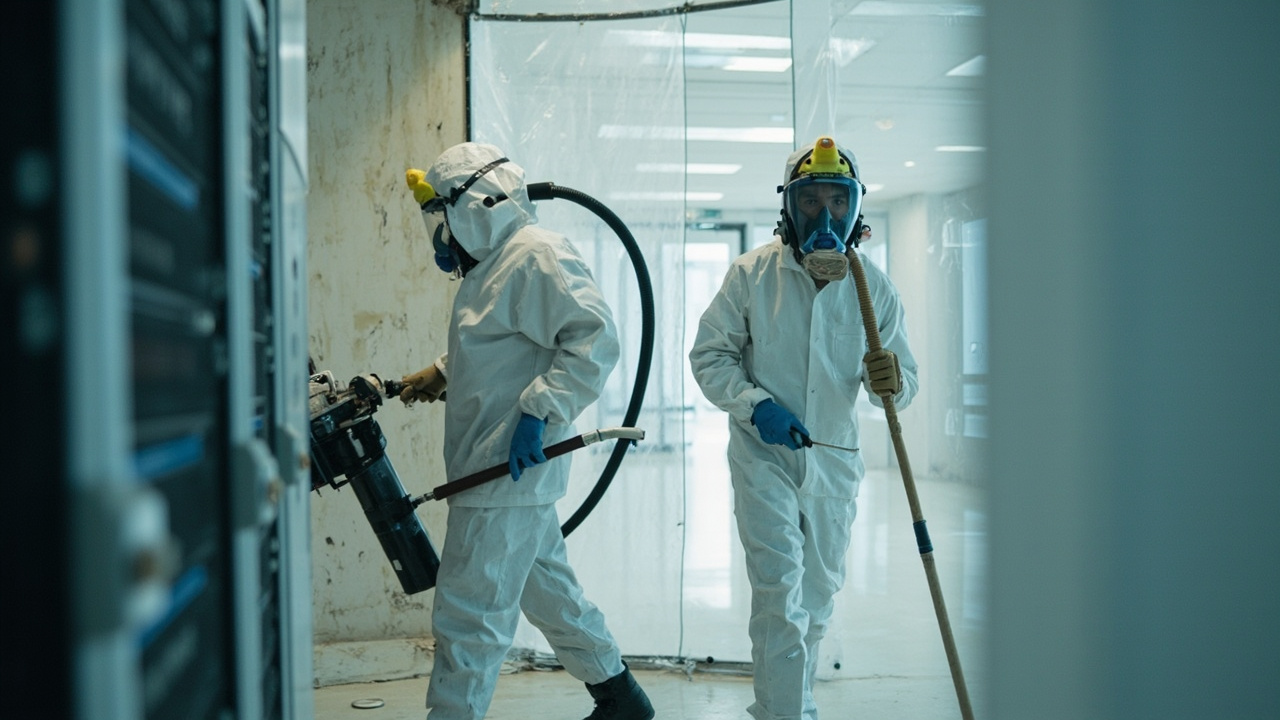
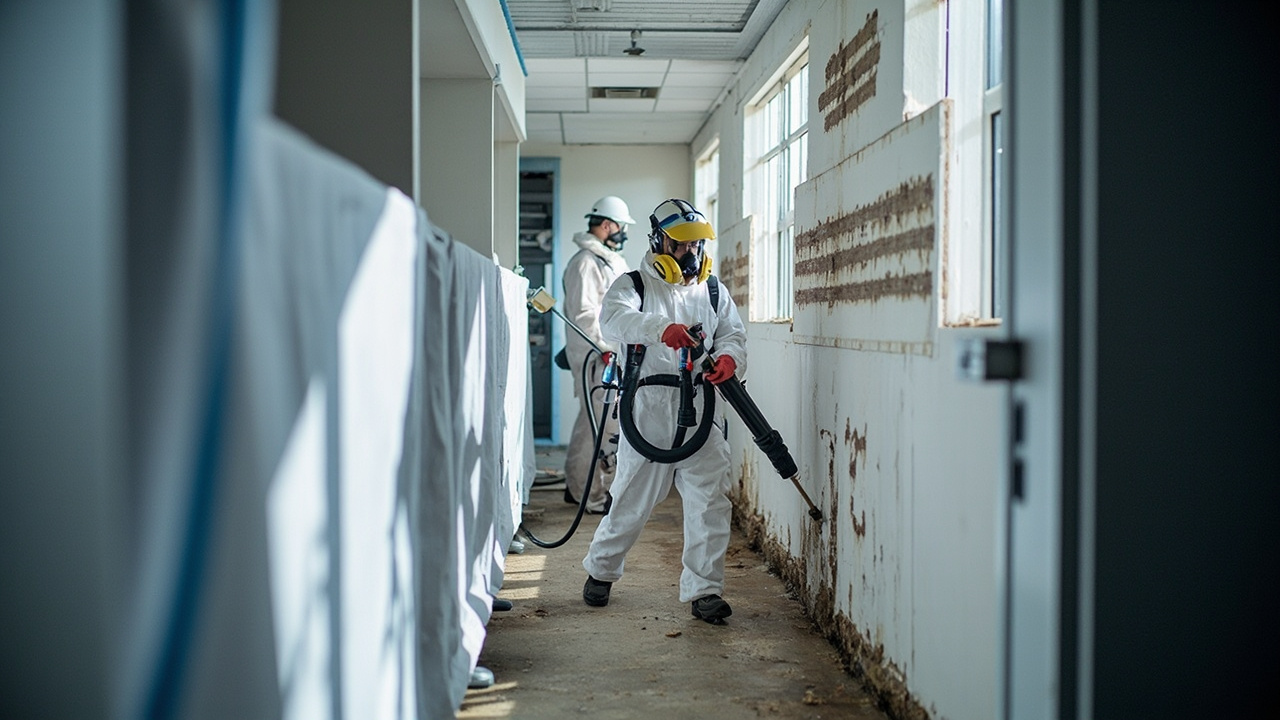
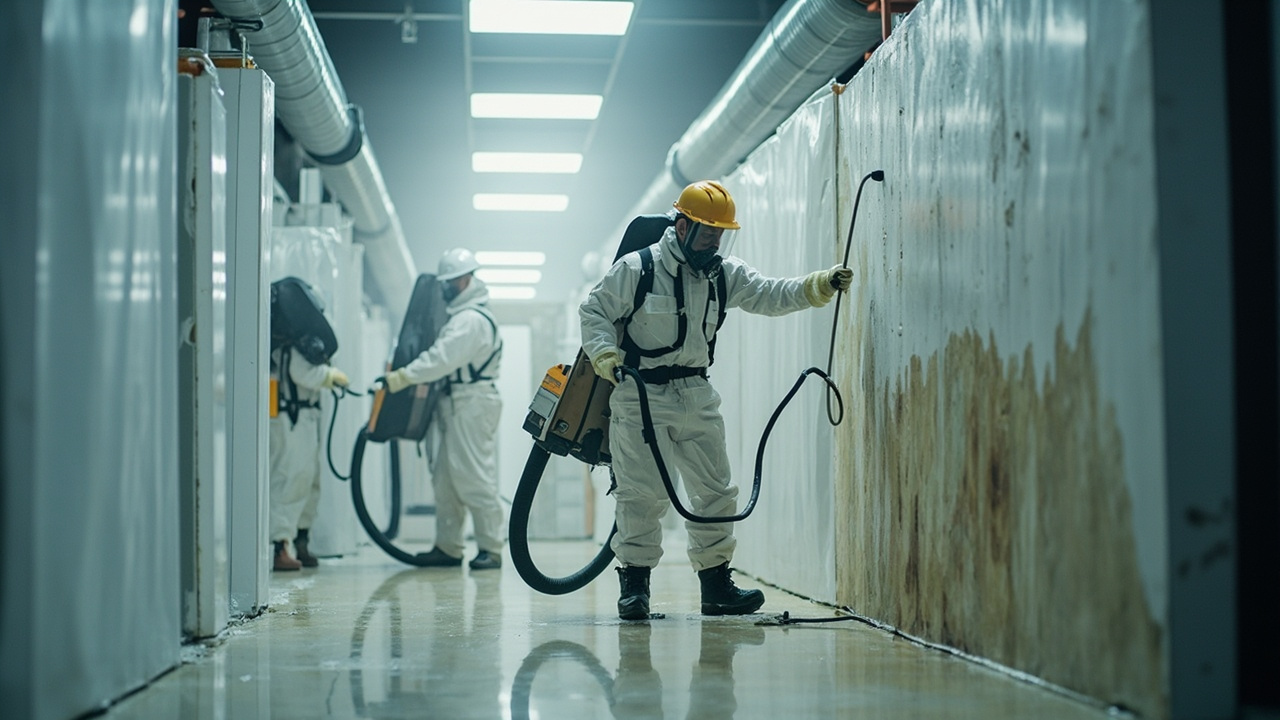
A Plus Water Damage Restoration Kansas City uses containment strategies designed for occupied commercial buildings. We establish negative air pressure zones using commercial-grade air scrubbers equipped with HEPA filtration to prevent cross-contamination into unaffected areas. This approach allows your business to continue operating in sections of your building while we perform commercial mold removal in contained zones.

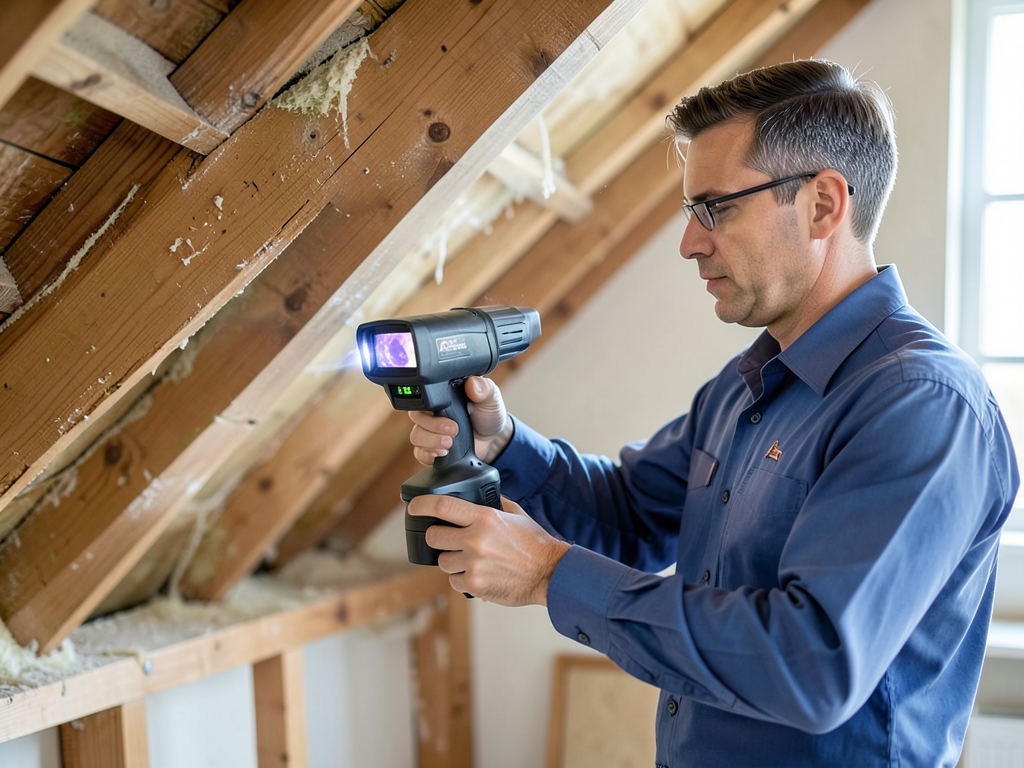
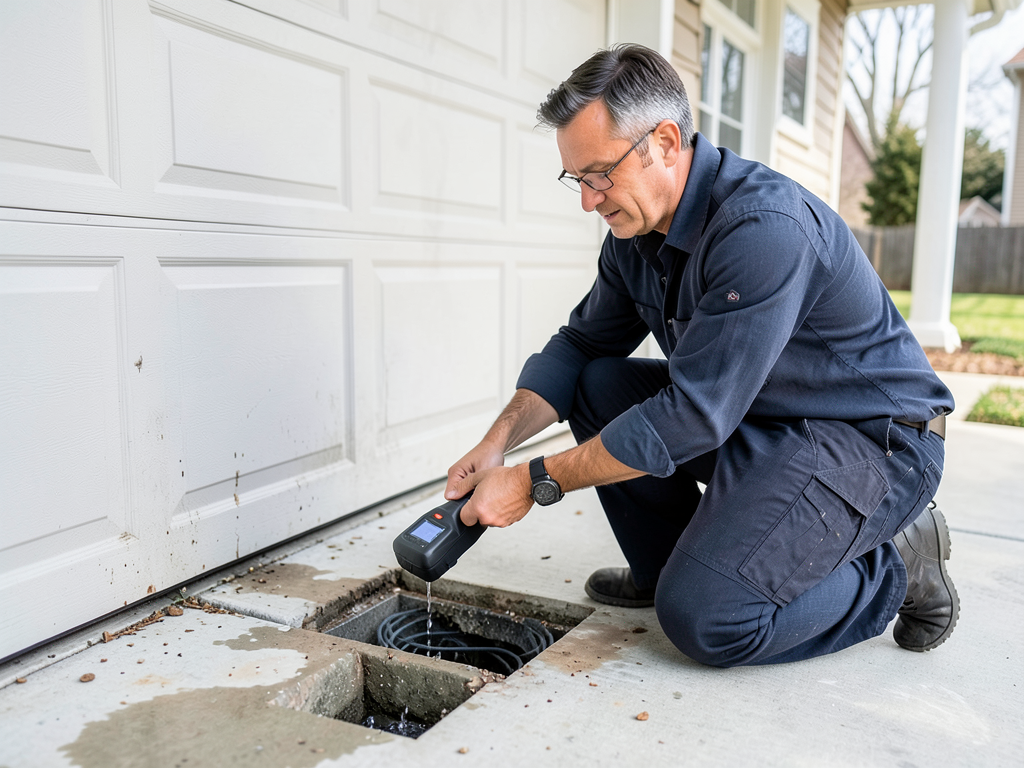
Our assessment protocol goes beyond visual inspection. We use moisture mapping technology to identify hidden water sources feeding mold growth. Thermal imaging cameras detect temperature differentials that indicate moisture trapped in wall assemblies or ceiling plenums. We collect air samples and surface samples to identify mold species and concentration levels, which determines the appropriate remediation protocol and helps establish liability documentation.

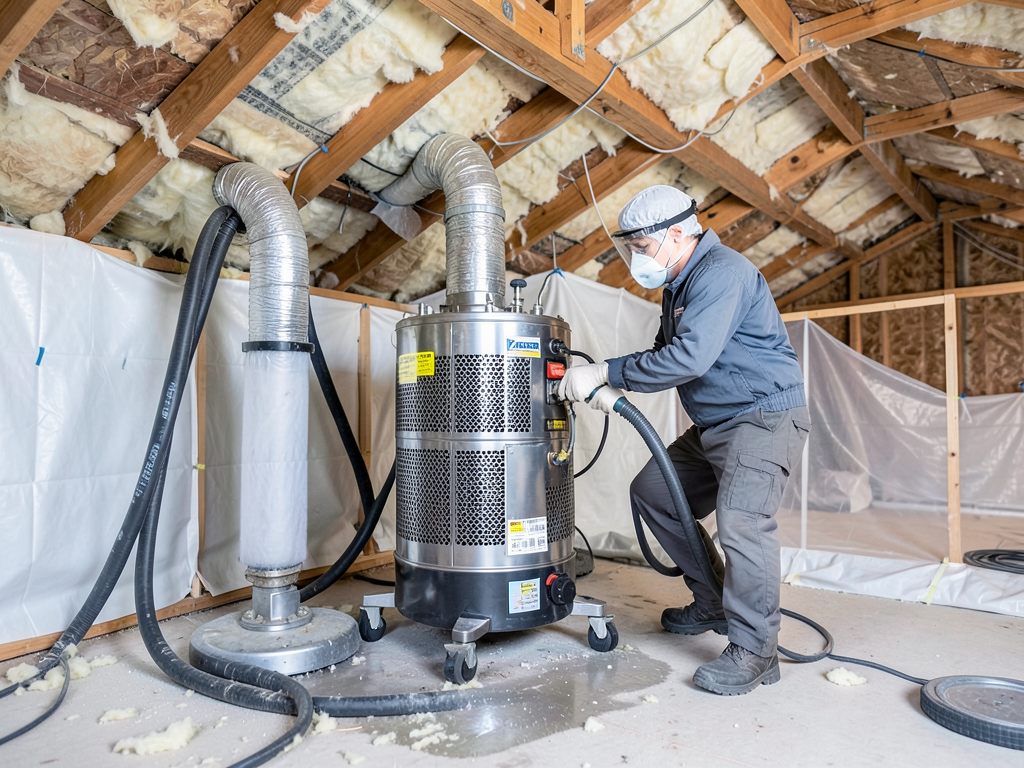
The removal process follows IICRC S520 standards for commercial mold mitigation. We remove contaminated materials using proper packaging and disposal procedures that meet EPA guidelines. For structural elements that cannot be removed, we apply antimicrobial treatments and perform HEPA vacuuming to eliminate mold spores from surfaces. All contaminated materials move through designated egress routes that prevent spore dispersal into clean areas.

Post-remediation verification separates professional commercial mold cleanup from inadequate attempts. We conduct clearance testing using independent third-party environmental consultants when projects exceed certain size thresholds. Air quality testing confirms spore counts have returned to normal ambient levels before we release spaces back to you. We document every phase with time-stamped photography and detailed reports that satisfy insurance requirements and provide legal protection. This documentation proves essential if tenant disputes or insurance claims arise months after project completion.

What Happens During Your Commercial Mold Remediation Project

Commercial Mold Remediation in Kansas City – Minimize Downtime and Protect Your Business Operations
01

Emergency Site Assessment

We dispatch a project manager to your Kansas City facility within hours of your call. The assessment identifies contamination extent, determines if emergency containment is needed, and establishes a remediation timeline that considers your operational requirements. You receive a detailed scope of work with material removal specifications, containment boundaries, and projected completion dates before any work begins.
02

Containment and Removal

Our crews build physical barriers using polyethylene sheeting and establish negative air pressure to isolate the work area. We remove contaminated drywall, insulation, ceiling tiles, and other porous materials that cannot be salvaged. Non-porous surfaces undergo HEPA vacuuming and antimicrobial treatment. All personnel wear appropriate PPE and follow decontamination protocols when moving between containment zones and clean areas.
03

Verification and Reconstruction

Post-remediation air quality testing confirms successful mold removal before reconstruction begins. We coordinate with your general contractor or provide turnkey reconstruction services to return your space to pre-loss condition. You receive comprehensive documentation including chain of custody records for disposed materials, clearance test results, and photographic evidence of completed work that satisfies insurance adjusters and regulatory requirements.

Why Kansas City Businesses Choose A Plus Water Damage Restoration

Commercial mold remediation demands an understanding of Kansas City's commercial real estate landscape that out-of-town contractors lack. We know how quickly properties in the River Market flood during Missouri River overflow events. We understand that older buildings in the Garment District often have concealed moisture problems in original masonry walls. When you need business mold remediation in a historic property on the Plaza, we know which containment approaches protect ornamental plaster and architectural details while still achieving thorough decontamination.

Our equipment inventory matches commercial project requirements. We maintain enough negative air machines, dehumidifiers, and air scrubbers to handle large-scale contamination without renting equipment that delays project start dates. When you need work completed over a weekend to minimize business interruption, we have the crew capacity to execute aggressive schedules that single-truck operators cannot match.

Kansas City businesses also value our relationships with local environmental testing laboratories. We get priority turnaround on air quality analysis, which compresses project timelines. When clearance testing reveals residual contamination, we address it immediately rather than waiting days for re-testing appointments. This responsiveness translates directly to faster reoccupancy and reduced revenue loss.

Insurance coordination separates professional remediation firms from contractors who leave you managing the claims process alone. We document everything using industry-standard protocols that adjusters recognize and accept. Our estimates use Xactimate pricing that aligns with insurance company expectations, which reduces dispute frequency. We attend adjuster site visits, explain technical aspects of the scope, and advocate for appropriate coverage. Many clients never interact directly with their insurance company because we handle communication from first notice through final payment.

What to Expect During Commercial Mold Remediation

Project Timeline and Scheduling

Commercial mold abatement timelines depend on contamination extent and your operational constraints. Small isolated incidents in storage areas or restrooms often require two to four days from containment through clearance testing. Large projects involving multiple tenant spaces or shared HVAC system contamination may require two to three weeks. We schedule work during your low-activity periods when possible. Weekend and overnight work costs more but prevents business disruption. You receive a detailed project schedule before work begins that identifies critical milestones including containment completion, removal completion, and clearance testing dates. Weather delays rarely affect interior mold work, which means we meet projected timelines more reliably than exterior construction trades.

Initial Inspection and Scope Development

The assessment phase determines project success. We inspect your entire facility, not just areas with visible growth, because mold spreads through air handling systems and wall cavities. Moisture meters identify wet materials that will develop mold growth if not addressed. We review your HVAC system design to determine if ductwork contamination exists. You receive a written scope identifying all affected materials, recommended removal specifications, and containment boundaries. This scope serves as your bidding document if you need competing estimates. The assessment also identifies underlying moisture sources like roof leaks or plumbing problems that must be corrected before mold remediation begins. Starting remediation before fixing moisture sources guarantees failure.

Final Deliverables and Documentation

You receive a comprehensive project binder containing all documentation your insurance company, property manager, or legal counsel might require. This includes pre-remediation photographs showing contamination extent, chain of custody records for all disposed materials, air sampling laboratory reports, and post-remediation clearance test results. We provide material safety data sheets for all antimicrobial products used in your facility. The documentation proves you exercised reasonable care in addressing the contamination, which protects you from liability if tenant health complaints arise later. These records also establish baseline conditions if moisture problems recur, helping you demonstrate that new growth represents a separate incident rather than incomplete remediation.

Post-Remediation Monitoring and Prevention

Successful commercial mold mitigation eliminates existing contamination but does not prevent future problems if moisture sources persist. We provide moisture management recommendations specific to your building systems and usage patterns. High-humidity areas like locker rooms or pool facilities may benefit from supplemental dehumidification. Buildings with recurring condensation problems often need HVAC modifications to improve air circulation. We offer periodic moisture inspections that catch developing problems before they escalate to full remediation projects. Many Kansas City commercial property managers schedule quarterly inspections for high-risk areas. This proactive approach costs less than emergency remediation and prevents tenant complaints that damage your reputation.

Frequently Asked Questions

You Have Questions,
We Have Answers

What do professionals use for mold remediation? +

Professional mold remediation uses HEPA filtration systems to capture airborne spores, antimicrobial treatments to kill mold at the root, and containment barriers to prevent cross-contamination during removal. Technicians wear PPE and apply EPA-registered fungicides on non-porous surfaces. For porous materials like drywall or insulation, removal and disposal follow IICRC S520 standards. Industrial dehumidifiers and air scrubbers control humidity and air quality. In Kansas City commercial properties, technicians address Missouri's humidity-driven growth patterns and ensure HVAC systems are cleaned to prevent recirculation. Documentation includes pre- and post-remediation testing to verify clearance and satisfy insurance or regulatory requirements.

How much is professional mold remediation? +

Professional mold remediation for commercial properties varies based on square footage affected, containment complexity, and material removal requirements. Small-scale office remediation differs significantly from warehouse or multi-tenant building projects. Cost factors include labor, disposal fees, HVAC cleaning, and post-remediation verification testing. Kansas City properties with older HVAC systems or water intrusion from Missouri River basin flooding face higher costs due to extensive decontamination needs. Insurance coverage depends on your policy's water damage exclusions. Request a detailed scope of work and clearance testing protocols before authorizing work. Prioritize code compliance and business continuity over lowest bid.

What is commercial mold remediation? +

Commercial mold remediation is the systematic removal and decontamination of fungal growth in business properties, following IICRC S520 and OSHA guidelines. Unlike residential work, commercial projects require minimal operational disruption, liability management, and strict documentation for insurance and regulatory compliance. Kansas City commercial buildings face mold risks from HVAC condensation, roof leaks, and basement moisture infiltration common in older structures. The process includes containment, air filtration, material removal, antimicrobial treatment, and verification testing. Businesses must address mold to protect employee health, avoid OSHA violations, and maintain property value. Speed and discretion are critical to prevent tenant concerns or revenue loss.

How do companies remediate mold? +

Companies follow a structured protocol starting with moisture source identification and containment setup using plastic sheeting and negative air pressure. HEPA air scrubbers capture airborne spores during removal. Technicians remove porous materials like ceiling tiles or drywall that cannot be salvaged and treat non-porous surfaces with antimicrobial solutions. HVAC systems are cleaned to prevent spore distribution. In Kansas City, companies address Missouri's high summer humidity and aging building stock where poor ventilation accelerates growth. Post-remediation verification testing confirms spore counts meet clearance standards. Documentation includes photographic evidence, air quality reports, and disposal manifests for insurance and compliance purposes.

How much does professional mold removal cost? +

Professional mold removal costs depend on contamination extent, accessibility, and material replacement needs. Small isolated areas cost less than multi-floor contamination requiring extensive demolition. Labor, containment equipment, disposal fees, and post-remediation testing drive pricing. Kansas City commercial properties with concealed growth behind walls or above ceilings face higher costs due to discovery and access challenges. Insurance may cover remediation if tied to a covered peril like burst pipes, but not long-term neglect or maintenance failures. Obtain multiple detailed proposals specifying scope, clearance testing, and timeline. Focus on liability reduction and code compliance, not just upfront cost.

What kills mold permanently? +

No single product kills mold permanently. Effective remediation requires removing the moisture source, physically removing contaminated materials, and applying EPA-registered fungicides to non-porous surfaces. Bleach kills surface mold but does not penetrate porous materials where roots embed. Professional antimicrobials like quaternary ammonium compounds provide better efficacy. In Kansas City, controlling humidity below 60 percent and fixing water intrusion points prevents recurrence. HVAC maintenance and proper ventilation are critical in Missouri's humid climate. Permanent control depends on moisture management, not chemical treatment alone. Without addressing the water source, mold returns regardless of treatment method.

Can black mold be fully remediated? +

Yes, black mold can be fully remediated when protocols are followed correctly. The term black mold typically refers to Stachybotrys chartarum, which requires the same containment, removal, and verification processes as other species. Porous materials must be removed and disposed of, while non-porous surfaces are treated with antimicrobials. Kansas City properties with basement moisture or roof leaks are susceptible to black mold due to sustained water exposure. Post-remediation clearance testing verifies spore counts meet acceptable standards. Full remediation depends on eliminating the moisture source and proper material removal. Containment prevents spore spread during the process. Black mold is not inherently unremovable.

How much does Servpro cost for mold removal? +

Pricing for any national franchise varies by project scope, location, and contamination extent. Compare detailed written estimates from multiple licensed contractors rather than focusing on brand recognition. Request breakdowns of labor, materials, containment methods, disposal fees, and post-remediation testing. Kansas City commercial properties benefit from contractors familiar with local building codes and Missouri climate challenges like humidity control and flood risk. Evaluate contractors on IICRC certification, insurance coverage, response time, and clearance testing protocols. The lowest estimate often excludes critical steps like HVAC decontamination or verification testing. Prioritize thoroughness and compliance over brand name or price alone.

Is mold remediation tax deductible? +

Mold remediation may be tax deductible for commercial properties as a business expense if it is an ordinary and necessary cost to maintain operations. Remediation tied to casualty losses or repairs can qualify under IRS guidelines. Consult your CPA to determine if the expense is deductible as a repair versus a capital improvement requiring depreciation. Kansas City businesses should document all remediation costs, insurance reimbursements, and business interruption losses. Residential rental property owners may also deduct remediation as a maintenance expense. IRS Publication 535 covers business expense deductions. Tax treatment depends on your business structure and whether remediation restores or improves the property.

How hard is it to win a mold lawsuit? +

Winning a mold lawsuit requires proving negligence, causation, and documented damages, which is challenging without expert testimony and air quality data. Defendants argue mold is a maintenance issue, not a liability. Successful plaintiffs demonstrate the property owner knew of water intrusion and failed to act, causing health issues or property damage. Missouri courts require clear medical evidence linking exposure to illness. Kansas City commercial landlords face liability if lease agreements specify maintenance responsibilities and tenants document complaints. Litigation is expensive and time-consuming. Most cases settle before trial. Strong documentation of water damage reports, repair delays, and health impacts improves your position.

How Kansas City's Humidity and Flood Plains Increase Commercial Mold Risk

Kansas City sits at the confluence of the Kansas and Missouri Rivers, creating a moisture-rich environment where relative humidity frequently exceeds 70 percent during summer months. This persistent humidity means commercial buildings require aggressive dehumidification and air circulation to prevent mold growth. Properties in the West Bottoms and River Market face additional risk from periodic flooding that saturates foundation walls and creates hidden moisture reservoirs. The region's clay soil also contributes to foundation movement that creates cracks allowing groundwater infiltration. Commercial buildings constructed before modern vapor barrier requirements often experience chronic moisture problems in below-grade spaces. These geographic and climatic factors make commercial mold remediation a recurring need rather than a one-time event for many Kansas City business owners.

Kansas City commercial property owners benefit from working with remediation contractors who understand local building stock. Many commercial buildings downtown date from the early 20th century and contain materials like horsehair plaster and wood lath that require specialized handling during mold removal. Modern buildings in the Power and Light District use different construction methods but face challenges from sealed building envelope designs that trap moisture when HVAC systems malfunction. A Plus Water Damage Restoration Kansas City maintains relationships with local building officials and understands Kansas City's commercial property maintenance codes. We know which remediation approaches satisfy inspectors and which shortcuts create compliance problems. This local knowledge prevents project delays and helps you avoid citations that complicate insurance claims or property sales.
Water Damage Restoration Services in The Kansas City Area

While we provide rapid mobile service throughout the entire Kansas City area, you can also view our general service area on the map. We are dedicated to being a local, accessible resource for all your water damage restoration needs, whether you're in the heart of the city or a surrounding community. Our team is always just a phone call away, ready to assist you with expertise and care, no matter where you are located within our service area.

Address:
A Plus Water Damage Restoration Kansas City, 1020 E Armour Blvd, Kansas City, MO, 64109

Additional Services We Offer

Our news updates

Latest Articles & News from The Blogs

How the hard water in Edwardsville is secretly shortening the life of your plumbing and appliances Hard water is more…

How the hard water in Edwardsville is secretly shortening the life of your plumbing and appliances

How the hard water in Edwardsville is secretly shortening the life of your plumbing and appliances Hard water is more…

How to protect your Weatherby Lake home from major water damage while you are away for the winter

How to protect your Weatherby Lake home from major water damage while you are away for the winter Winterizing your…

What every first-time buyer in Raymore needs to check for water damage before closing the deal

What every first-time buyer in Raymore needs to check for water damage before closing the deal Buying your first home…

Contact Us

Mold contamination worsens daily. Call (816) 473-3833 now to schedule an immediate assessment. A Plus Water Damage Restoration Kansas City provides same-day emergency response for commercial properties throughout the Kansas City metro. We deliver containment, removal, and clearance testing that keeps your business operational.