




Harrisonville sits in a challenging convergence zone where Missouri's clay soil and humid subtropical climate create perfect conditions for water damage to spiral out of control. The region's expansive clay soils retain moisture and shift with seasonal freeze-thaw cycles, creating foundation vulnerabilities that allow water intrusion during heavy rainfall. Homes near the South Grand River corridor and throughout subdivisions like Southgate and Pleasant Hill face elevated risk during spring flooding events.
Summer humidity levels routinely exceed 70 percent, which means any water intrusion begins growing mold within 24 to 48 hours. Basements and crawl spaces in older Harrisonville homes lack modern vapor barriers, making them especially vulnerable. The area's frequent thunderstorm activity from April through September dumps several inches of rain in short periods, overwhelming aging sewer systems and causing backup flooding in lower-lying neighborhoods near Rockhaven Road and areas south of Highway 7.
Winter presents different challenges. Frozen pipes burst when temperatures drop below 20 degrees, common during January and February cold snaps. The resulting flood damage spreads quickly through walls and ceilings before homeowners even notice the problem. Time is your enemy with water damage in Harrisonville. The longer water sits, the more your structure deteriorates and the higher your restoration costs climb.
Most restoration companies show up hours after you call, take photos, and leave you waiting for crews and equipment. We operate differently because we understand what those hours cost you. A Plus Water Damage Restoration Kansas City maintains fully-stocked emergency response vehicles positioned across the Kansas City metro, including rapid access to Harrisonville and surrounding Cass County communities. When you call our dispatch line, we mobilize immediately with industrial extraction equipment, thermal imaging cameras, and commercial drying systems already loaded.
Our technicians receive continuous training in IICRC water damage restoration protocols and stay current on insurance documentation requirements. We photograph everything, measure moisture levels in all affected materials, and create detailed scope reports that insurance adjusters trust. This eliminates the back-and-forth delays that plague most claims. We communicate directly with your insurance carrier, send daily progress updates, and handle the paperwork that overwhelms homeowners during crisis situations.
What separates our approach is complete transparency about the restoration process. We explain exactly what materials can be saved versus what requires replacement. We test hidden moisture in wall cavities and subflooring that other companies miss, preventing mold growth three months later. Our equipment stays onsite until moisture readings return to normal ranges, not just until surfaces feel dry. You receive a final moisture report documenting your property is completely stabilized.
We serve Harrisonville property owners, business managers, and facility directors who need decisive action during water emergencies. Our reputation depends on stopping damage progression and returning your property to pre-loss condition as quickly as possible.

Our response vehicles reach Harrisonville properties within 60 to 90 minutes of your call, including nights and weekends. We arrive with truck-mounted extraction systems and commercial air movers already onboard. Standing water gets removed immediately, and drying equipment starts working within the first hour to prevent secondary damage.

We handle all communication with your insurance adjuster, including detailed photo documentation, moisture readings, and scope reports that meet carrier requirements. This eliminates claim delays and reduces your out-of-pocket costs. Most customers pay only their deductible when we manage the insurance process from start to finish.
Every crew member holds current IICRC certification in water damage restoration and applied structural drying. We follow industry protocols for moisture testing, antimicrobial treatment, and documentation. Our work meets the standards insurance companies and property managers require, protecting your investment and preventing future liability issues.
We extract water, stabilize structures, treat affected materials with antimicrobial solutions, and monitor drying progress with thermal imaging. Equipment stays onsite until all materials return to normal moisture content. You receive documentation proving your property is completely dry, protecting you from hidden mold growth and structural deterioration.
Water damage restoration requires coordinated response across multiple specialties, from initial extraction through final reconstruction. A Plus Water Damage Restoration Kansas City provides complete water mitigation services for residential and commercial properties throughout Harrisonville and Cass County. Our service range covers everything from burst pipe flooding to storm damage, sewer backups to appliance failures.
We structure our response around three critical phases that every water damage situation requires. Emergency mitigation stops damage progression and stabilizes your property. Structural drying removes all moisture from affected materials and prevents mold growth. Restoration rebuilding returns your property to pre-loss condition with professional repairs and reconstruction.
Each phase requires specialized equipment and expertise. Our crews use truck-mounted extractors that remove thousands of gallons per hour, commercial dehumidifiers that process entire buildings, and thermal imaging cameras that detect hidden moisture. We coordinate the entire process from emergency call through final walkthrough, ensuring nothing gets missed and all work meets insurance requirements and local building codes.
Our emergency mitigation teams arrive within 60 to 90 minutes with industrial extraction equipment and begin removing standing water immediately. We extract water from carpets, pad, and subflooring using truck-mounted systems that pull moisture from materials other equipment cannot reach. Thermal imaging identifies hidden water migration in walls and ceilings. We remove damaged contents, treat surfaces with antimicrobial solutions, and set up commercial air movers and dehumidifiers to begin the drying process. Emergency mitigation stops damage from spreading and reduces your total restoration costs.
Structural drying goes beyond surface water removal to eliminate moisture trapped in walls, subflooring, and structural materials. We monitor moisture levels daily using penetrating and non-invasive meters, adjusting equipment placement as materials dry. Commercial dehumidifiers process thousands of cubic feet per hour, pulling humidity from the air and accelerating evaporation. Air movers create circulation that drives moisture to the surface where dehumidifiers capture it. This process continues until all materials return to normal moisture content, preventing mold growth and structural damage that appears months later.
Once your property is completely dry, our reconstruction teams handle all repairs needed to return your home or business to pre-loss condition. We replace damaged drywall, flooring, baseboards, and trim. We repaint affected areas and match existing finishes. Reconstruction includes cabinet reinstallation, fixture replacement, and any structural repairs required by the water damage. Our general contractors coordinate all trades, pull necessary permits, and ensure all work meets Harrisonville building codes. You work with one team from emergency call through final completion.
Harrisonville properties face specific water damage risks tied to regional weather patterns, soil conditions, and housing stock characteristics. Many homes in established neighborhoods date to the 1960s and 1970s, built before modern moisture barriers and improved plumbing standards became standard practice. These older systems fail more frequently, creating emergency situations that require immediate professional response.
Spring flooding events along the South Grand River and local creek tributaries cause widespread basement flooding in lower-lying areas. Summer thunderstorms dump several inches of rain in short periods, overwhelming gutters and creating foundation seepage. Winter freeze-thaw cycles burst pipes in unheated spaces and exterior walls. Year-round humidity accelerates mold growth in any space exposed to water intrusion.
The clay soil throughout Cass County expands when wet and contracts when dry, creating foundation movement that cracks basement walls and allows water entry. These same soil conditions prevent proper drainage around homes without carefully designed grading and drainage systems. Understanding these local risk factors helps property owners recognize water damage early and respond quickly before minor problems escalate into major restoration projects.
Spring and summer thunderstorms overwhelm sump pumps and foundation drainage systems, pushing water through basement walls and floor joints. Standing water damages furnaces, water heaters, stored belongings, and finished living spaces. Rapid extraction prevents permanent damage to concrete and treats affected materials before mold begins growing in the humid environment.
Frozen pipes burst during January and February cold snaps, releasing hundreds of gallons through walls and ceilings before homeowners notice the problem. Supply line failures under sinks and behind toilets flood bathrooms and adjacent rooms. Water migrates quickly through drywall and insulation, requiring immediate extraction and structural drying to prevent permanent damage and mold contamination.
Water heaters fail without warning, releasing 40 to 80 gallons across basement floors. Washing machine hoses rupture during operation, flooding laundry rooms and seeping into adjacent spaces. Dishwasher leaks damage kitchen cabinets and subflooring before anyone notices the problem. These appliance failures require immediate water extraction and complete structural drying to prevent secondary damage.
Severe thunderstorms damage roofing materials and create entry points for water intrusion. Wind-driven rain enters through compromised flashing around chimneys and vents. Water travels through attic insulation into ceiling cavities, creating stains and structural damage in living spaces below. Emergency tarping stops additional water entry while extraction and drying prevent permanent ceiling and insulation damage.
Water damage creates chaos and panic. Your immediate concern is stopping the water and protecting your property from further destruction. When you call our emergency line, you speak directly with trained dispatch staff who ask specific questions about your situation and mobilize the appropriate response team. We provide an accurate arrival time and explain what to do while you wait for crews to arrive.
Our response focuses on three priorities. Stop water intrusion at the source, extract standing water immediately, and begin stabilizing affected materials. You do not wait hours wondering when help will arrive or what happens next. Our teams communicate throughout the process, explaining each step and answering questions about timeline, costs, and insurance coverage.
We treat your property with the same urgency we would expect for our own homes. Equipment deployment begins within the first hour. Documentation starts immediately for insurance purposes. You receive daily updates on drying progress and timeline to completion. This structured approach eliminates the uncertainty that makes water damage even more stressful than it already is.
When you call our emergency line, dispatch gathers information about your water damage situation and mobilizes the nearest response crew. You receive an accurate arrival time, not a vague window. Our team leader calls when they are 10 minutes away and introduces the crew when they arrive. We walk through affected areas with you, explain what needs to happen, and answer all questions before work begins. You always know what is happening and why.
We photograph all damage before any work begins, creating the evidence your insurance adjuster needs to approve your claim. Moisture readings document the extent of water migration into walls, floors, and ceilings. Equipment logs track drying progress throughout the project. We communicate directly with your insurance carrier, provide detailed scope reports, and handle the paperwork that overwhelms most homeowners. This documentation protects you from claim denials and ensures maximum coverage.
Our crews do not leave until all materials return to normal moisture content. Final moisture readings document your property is completely dry and stable. You receive a completion report proving all work meets industry standards and insurance requirements. This documentation protects you from future mold claims and provides verification if you sell your property. We guarantee our drying process eliminates all moisture that could cause future problems.
Every water damage situation follows the same basic restoration sequence, from emergency mitigation through final reconstruction. We streamline this process to minimize disruption and get you back to normal as quickly as possible.
Our crews arrive with industrial extraction equipment and begin removing standing water immediately. We inspect all affected areas using moisture meters and thermal imaging cameras to map water migration into hidden spaces. Contents get moved to dry areas or removed for cleaning and storage. We categorize water damage based on contamination level, which determines the treatment protocol required. Emergency board-up or tarping services protect your property from additional damage while restoration work proceeds.
Commercial air movers and dehumidifiers run continuously until all materials reach normal moisture content. We monitor progress daily with penetrating and non-invasive moisture meters, adjusting equipment as different materials dry. Antimicrobial treatments prevent mold growth during the drying process. This phase typically requires three to seven days depending on the extent of water migration and materials affected. Equipment stays onsite until final readings confirm complete drying.
Once your property is completely dry, reconstruction teams rebuild damaged areas using materials that match your existing finishes. We replace drywall, flooring, baseboards, and trim. Painting returns walls and ceilings to their original appearance. Our general contractors handle all trades, coordinate inspections, and ensure all work meets local building codes. You walk through the completed work before final sign-off, ensuring everything meets your expectations.
Professional water damage restoration follows specific industry standards established by the Institute of Inspection, Cleaning and Restoration Certification. These protocols govern how water damage is assessed, what equipment is required, how long drying should take, and when reconstruction can safely begin. Insurance companies require restoration contractors to follow IICRC S500 Standard and Reference Guide for Professional Water Damage Restoration when processing claims.
Water damage is classified into three categories based on contamination level. Category 1 is clean water from supply lines or rainfall. Category 2 is gray water from appliances or sump pump failures that contains some contamination. Category 3 is black water from sewage backups or flooding that contains dangerous pathogens requiring specialized treatment. The category determines what materials can be saved versus what requires removal and disposal.
Drying standards require specific moisture content levels before materials are considered stable. Wood framing must reach 15 percent moisture content or less. Drywall needs to reach 12 percent or below. Concrete and masonry have different standards measured with non-invasive meters. Meeting these standards prevents mold growth and ensures structural integrity. Documentation proving compliance protects property owners from future liability.
Harrisonville properties must meet Missouri building codes when reconstruction work requires permits. This includes electrical work, plumbing modifications, and structural repairs. Licensed contractors pull permits, coordinate inspections, and ensure all work receives final approval. These requirements protect property owners and maintain property values. Professional restoration companies handle all permitting and inspection requirements as part of the reconstruction process.
The IICRC S500 standard establishes moisture content requirements, drying equipment specifications, and documentation protocols that govern professional water damage restoration. Insurance carriers require restoration contractors to follow these standards when processing claims. Compliance ensures complete drying and prevents future mold contamination. Our technicians maintain current IICRC certification and follow all S500 protocols on every project.
Water damage restoration costs depend on water volume, affected square footage, contamination category, and materials damaged. Category 3 black water requires specialized treatment and disposal that increases costs. Hardwood flooring costs more to restore than carpet. Hidden water migration into walls requires opening cavities for drying access. Most residential projects range from basic extraction and drying to complete reconstruction depending on damage severity.
Emergency mitigation begins within hours of your call. Structural drying typically requires three to seven days depending on water volume and materials affected. Reconstruction timelines vary based on scope, material availability, and required inspections. Most residential water damage projects reach completion within two to three weeks from initial call. Commercial projects may require longer timelines depending on business operations and space requirements.
Most homeowner insurance policies cover sudden and accidental water damage from burst pipes, appliance failures, and storm damage. Flood damage requires separate flood insurance. We document all damage, communicate directly with adjusters, and provide detailed scope reports that meet carrier requirements. Direct insurance billing minimizes your out-of-pocket costs. Most customers pay only their deductible when we handle the claims process.
Professional water damage restoration company explains emergency response protocols for Harrisonville Missouri properties. Video covers water extraction procedures, structural drying requirements, and insurance coordination for residential and commercial water damage. Learn about IICRC restoration standards, moisture testing procedures, and timeline expectations for complete water damage restoration. Includes information about regional climate challenges, basement flooding risks, and burst pipe prevention specific to Harrisonville and Cass County Missouri.
A Plus Water Damage Restoration Kansas City provides emergency water damage response throughout Harrisonville and surrounding Cass County areas. Our response vehicles reach properties in all Harrisonville neighborhoods within 60 to 90 minutes of your emergency call, including established areas near downtown, growing subdivisions along Highway 7, and rural properties east toward Pleasant Hill.
We serve homeowners and businesses throughout the Southgate neighborhood, where mature trees and aging infrastructure create increased risk for storm damage and plumbing failures. Properties near the South Grand River corridor face elevated flooding risk during spring rainfall events, requiring rapid response to prevent extensive basement damage. The growing residential areas south of Rockhaven Road and west toward Garden City feature newer construction with modern building standards, though burst pipes and appliance failures still create emergency situations requiring immediate professional response.
Commercial properties along Highway 71 and the business district near East Mechanic Street require specialized response protocols that minimize business interruption. Our teams coordinate after-hours access, work around business operations, and prioritize equipment placement that allows continued use of unaffected spaces. Retail locations, office buildings, and industrial facilities receive the same rapid response and complete documentation required for commercial insurance claims.
Rural properties throughout eastern Cass County face unique challenges, including well water contamination concerns and limited access for equipment. We coordinate generator power when needed and adapt our drying protocols for properties without city utilities. Agricultural buildings, outbuildings, and farm homes receive the same professional response and complete structural drying as residential properties in town.
We maintain response capability across the entire Harrisonville metro area, from Peculiar to the west, Pleasant Hill to the east, and south toward Archie. Our familiarity with local soil conditions, common construction types, and regional weather patterns allows us to anticipate challenges and deploy appropriate resources on the first response. Every neighborhood faces different water damage risks based on elevation, drainage patterns, and housing age. We adapt our restoration approach to address the specific conditions affecting your property and surrounding area.
Water damage restoration costs in Harrisonville typically range from a few hundred dollars for minor repairs to several thousand for extensive structural damage. The final price depends on the water source (clean, gray, or black water), affected square footage, materials damaged, and moisture penetration depth. Harrisonville homes built on clay soil often experience foundation settling, which can complicate restoration and increase costs. Insurance coverage reduces your out-of-pocket expense. Most companies provide free assessments and work directly with your carrier to streamline claims. Get a written estimate before work begins.
Water damage restoration is worth it when you consider the alternative. Untreated water damage in Harrisonville homes leads to mold growth within 24 to 48 hours, structural decay, and collapsed ceilings or floors. Missouri's humidity accelerates deterioration. Professional restoration saves you from health hazards, prevents secondary damage, and preserves your property value. Most insurance policies cover restoration costs if you act quickly. Delaying repair turns a manageable problem into a total loss. The investment protects your family's health and your home's structural integrity.
Third-party restoration timelines vary based on damage severity. Minor water extraction and drying typically take three to five days. Severe flooding with structural repairs can take two to three weeks. Response time matters more than brand name. In Harrisonville, local companies often arrive faster than national chains because they are already in your neighborhood. Ask about response time guarantees and equipment availability before hiring. The first 24 hours determine whether you face minor repairs or major reconstruction. Choose a company that answers your call immediately.
Water damage restoration costs in Harrisonville typically range from a few hundred dollars for minor repairs to several thousand for extensive structural damage. The final price depends on the water source (clean, gray, or black water), affected square footage, materials damaged, and moisture penetration depth. Harrisonville homes built on clay soil often experience foundation settling, which can complicate restoration and increase costs. Insurance coverage reduces your out-of-pocket expense. Most companies provide free assessments and work directly with your carrier to streamline claims. Get a written estimate before work begins.
Water damage restoration is worth it when you consider the alternative. Untreated water damage in Harrisonville homes leads to mold growth within 24 to 48 hours, structural decay, and collapsed ceilings or floors. Missouri's humidity accelerates deterioration. Professional restoration saves you from health hazards, prevents secondary damage, and preserves your property value. Most insurance policies cover restoration costs if you act quickly. Delaying repair turns a manageable problem into a total loss. The investment protects your family's health and your home's structural integrity.
Third-party restoration timelines vary based on damage severity. Minor water extraction and drying typically take three to five days. Severe flooding with structural repairs can take two to three weeks. Response time matters more than brand name. In Harrisonville, local companies often arrive faster than national chains because they are already in your neighborhood. Ask about response time guarantees and equipment availability before hiring. The first 24 hours determine whether you face minor repairs or major reconstruction. Choose a company that answers your call immediately.
Stop the water source if possible. Turn off the main water supply for pipe bursts or appliance failures. Move furniture and valuables to dry areas. Document everything with photos and videos for insurance claims. Do not enter rooms with standing water if electrical outlets are submerged. Contact a water restoration company immediately. In Harrisonville, Missouri's humidity means mold starts growing within 24 hours. Open windows if weather permits, but avoid using fans until professionals assess the damage. Call your insurance company to start the claims process.
Insurance typically covers water restoration if the damage is sudden and accidental. Burst pipes, appliance failures, and storm-related flooding fall under most homeowner policies. Gradual damage from leaks or poor maintenance is usually excluded. Harrisonville residents with flood-prone properties near Gunn City or near local creeks need separate flood insurance through FEMA. Your restoration company should document everything for your claim. Most work directly with adjusters to maximize coverage. Review your policy and call your agent immediately after damage occurs to understand your specific coverage limits.
Waterproofing a 1500 square foot basement in Harrisonville costs between $3,000 and $8,000 for interior methods like sealants and sump pump installation. Exterior excavation and membrane installation runs $10,000 to $15,000. Harrisonville's clay soil expands when wet and contracts when dry, creating hydrostatic pressure against foundation walls. This makes waterproofing necessary for many homes. Costs depend on the waterproofing method, drainage system complexity, and foundation condition. Request multiple quotes and ensure contractors address grading issues that direct water toward your foundation.
The average water damage insurance claim ranges from $7,000 to $12,000 nationally. Harrisonville claims vary based on damage source and extent. Minor toilet overflows settle around $2,000 to $4,000. Burst pipes affecting multiple rooms reach $10,000 to $20,000. Sewer backups and contaminated water claims exceed $15,000 due to sanitation requirements. Your claim amount depends on materials affected, square footage, and necessary structural repairs. Document everything thoroughly. Work with restoration companies experienced in insurance documentation to maximize your settlement and minimize out-of-pocket costs.
Mold begins growing within 24 to 48 hours after water damage in Harrisonville. Missouri's humidity accelerates this timeline. Porous materials like drywall, insulation, and carpet provide ideal growth conditions. You may not see visible mold for several days, but spores colonize quickly behind walls and under flooring. Temperature between 60 and 80 degrees creates perfect conditions. This is why immediate water extraction and dehumidification matter. Once mold establishes, you face health risks and higher remediation costs. Act within the first 24 hours to prevent mold growth.
Call a water restoration company immediately when you discover water damage. Do not wait to see if it dries on its own. Call for burst pipes, appliance failures, roof leaks, sewage backups, or flooding. In Harrisonville, where humidity stays high, waiting even 24 hours guarantees mold growth. Call if you smell musty odors, see water stains, or notice warped floors. Emergency situations require immediate response. Companies offering 24/7 service arrive within hours, extract water, and begin drying before structural damage worsens. Speed determines whether you face minor repairs or major reconstruction.
Insurance coverage depends on your policy, not the restoration company you choose. If your homeowner's insurance covers the water damage event, it typically covers restoration services from any licensed contractor, including national chains or local companies. Your policy dictates coverage limits and deductibles. Harrisonville residents should verify their contractor works with insurance companies and provides detailed documentation for claims. Choose based on response time, local expertise, and customer reviews rather than brand recognition. Review your policy and call your insurance agent to confirm coverage before authorizing work.
Stop the water source if possible. Turn off the main water supply for pipe bursts or appliance failures. Move furniture and valuables to dry areas. Document everything with photos and videos for insurance claims. Do not enter rooms with standing water if electrical outlets are submerged. Contact a water restoration company immediately. In Harrisonville, Missouri's humidity means mold starts growing within 24 hours. Open windows if weather permits, but avoid using fans until professionals assess the damage. Call your insurance company to start the claims process.
Insurance typically covers water restoration if the damage is sudden and accidental. Burst pipes, appliance failures, and storm-related flooding fall under most homeowner policies. Gradual damage from leaks or poor maintenance is usually excluded. Harrisonville residents with flood-prone properties near Gunn City or near local creeks need separate flood insurance through FEMA. Your restoration company should document everything for your claim. Most work directly with adjusters to maximize coverage. Review your policy and call your agent immediately after damage occurs to understand your specific coverage limits.
Waterproofing a 1500 square foot basement in Harrisonville costs between $3,000 and $8,000 for interior methods like sealants and sump pump installation. Exterior excavation and membrane installation runs $10,000 to $15,000. Harrisonville's clay soil expands when wet and contracts when dry, creating hydrostatic pressure against foundation walls. This makes waterproofing necessary for many homes. Costs depend on the waterproofing method, drainage system complexity, and foundation condition. Request multiple quotes and ensure contractors address grading issues that direct water toward your foundation.
The average water damage insurance claim ranges from $7,000 to $12,000 nationally. Harrisonville claims vary based on damage source and extent. Minor toilet overflows settle around $2,000 to $4,000. Burst pipes affecting multiple rooms reach $10,000 to $20,000. Sewer backups and contaminated water claims exceed $15,000 due to sanitation requirements. Your claim amount depends on materials affected, square footage, and necessary structural repairs. Document everything thoroughly. Work with restoration companies experienced in insurance documentation to maximize your settlement and minimize out-of-pocket costs.
Mold begins growing within 24 to 48 hours after water damage in Harrisonville. Missouri's humidity accelerates this timeline. Porous materials like drywall, insulation, and carpet provide ideal growth conditions. You may not see visible mold for several days, but spores colonize quickly behind walls and under flooring. Temperature between 60 and 80 degrees creates perfect conditions. This is why immediate water extraction and dehumidification matter. Once mold establishes, you face health risks and higher remediation costs. Act within the first 24 hours to prevent mold growth.
Call a water restoration company immediately when you discover water damage. Do not wait to see if it dries on its own. Call for burst pipes, appliance failures, roof leaks, sewage backups, or flooding. In Harrisonville, where humidity stays high, waiting even 24 hours guarantees mold growth. Call if you smell musty odors, see water stains, or notice warped floors. Emergency situations require immediate response. Companies offering 24/7 service arrive within hours, extract water, and begin drying before structural damage worsens. Speed determines whether you face minor repairs or major reconstruction.
Insurance coverage depends on your policy, not the restoration company you choose. If your homeowner's insurance covers the water damage event, it typically covers restoration services from any licensed contractor, including national chains or local companies. Your policy dictates coverage limits and deductibles. Harrisonville residents should verify their contractor works with insurance companies and provides detailed documentation for claims. Choose based on response time, local expertise, and customer reviews rather than brand recognition. Review your policy and call your insurance agent to confirm coverage before authorizing work.
While we provide rapid mobile service throughout the entire Kansas City area, you can also view our general service area on the map. We are dedicated to being a local, accessible resource for all your water damage restoration needs, whether you're in the heart of the city or a surrounding community. Our team is always just a phone call away, ready to assist you with expertise and care, no matter where you are located within our service area.
Address:
Harrisonville, MO, 64701
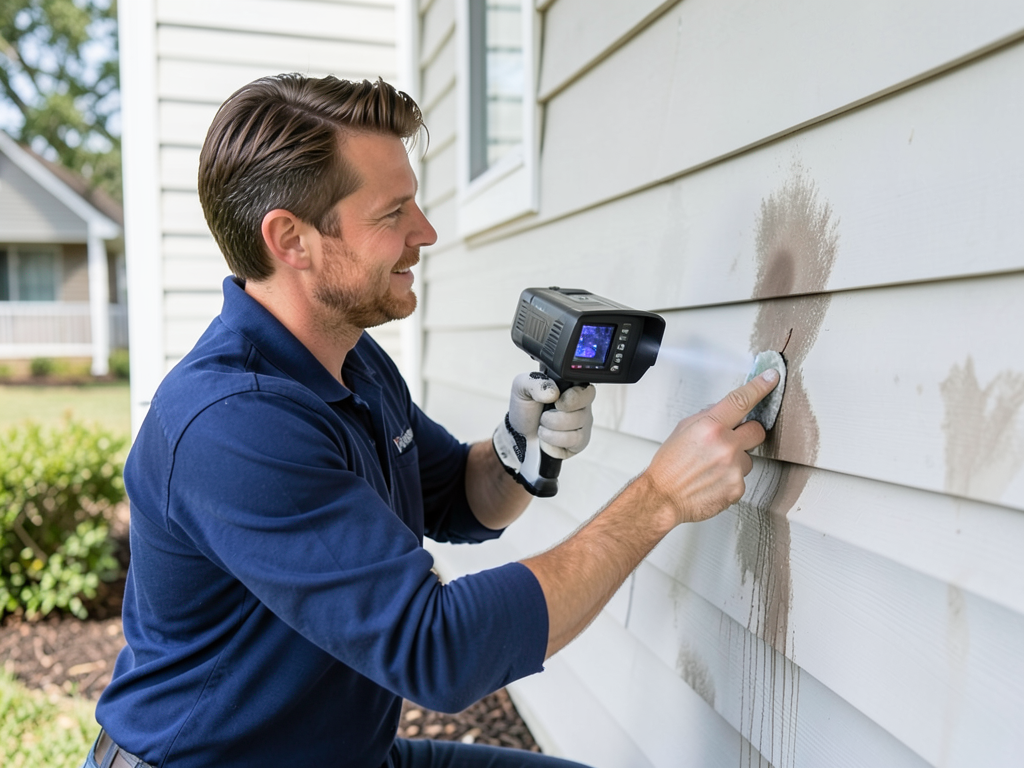
How trapped water behind vinyl siding can rot your Blue Springs home from the outside in Water trapped behind vinyl siding creates a perfect environment for rot and mold growth that can destroy your Blue…
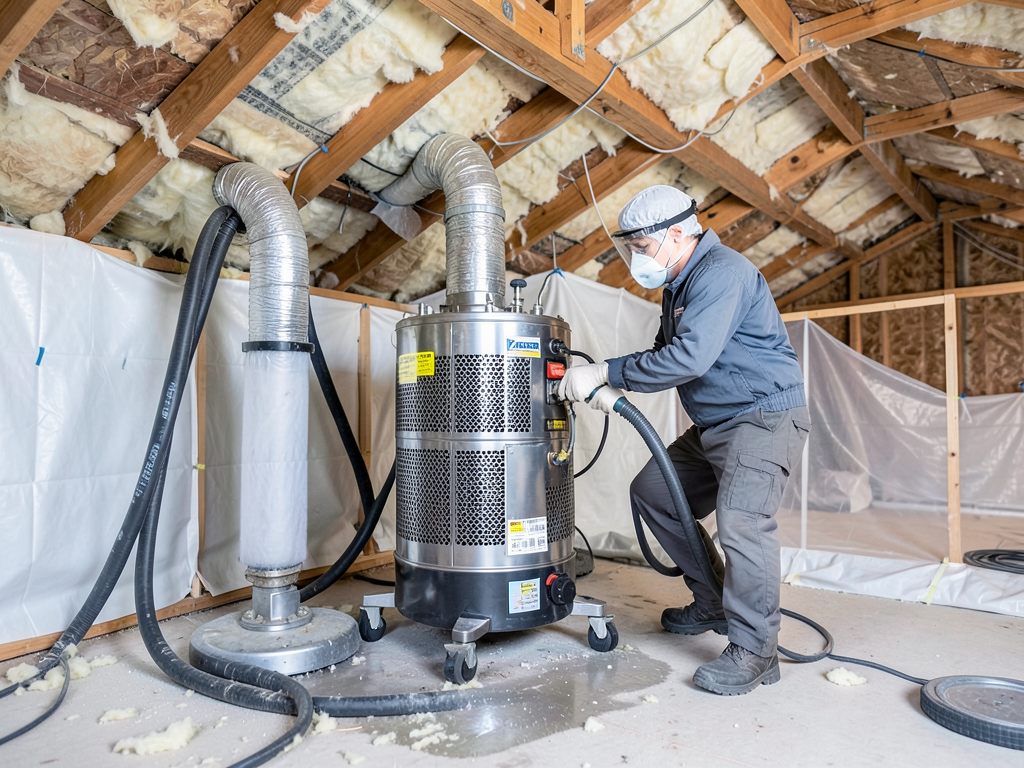
Replacing wet blown-in insulation in your Shawnee attic after a roof leak Finding wet insulation…
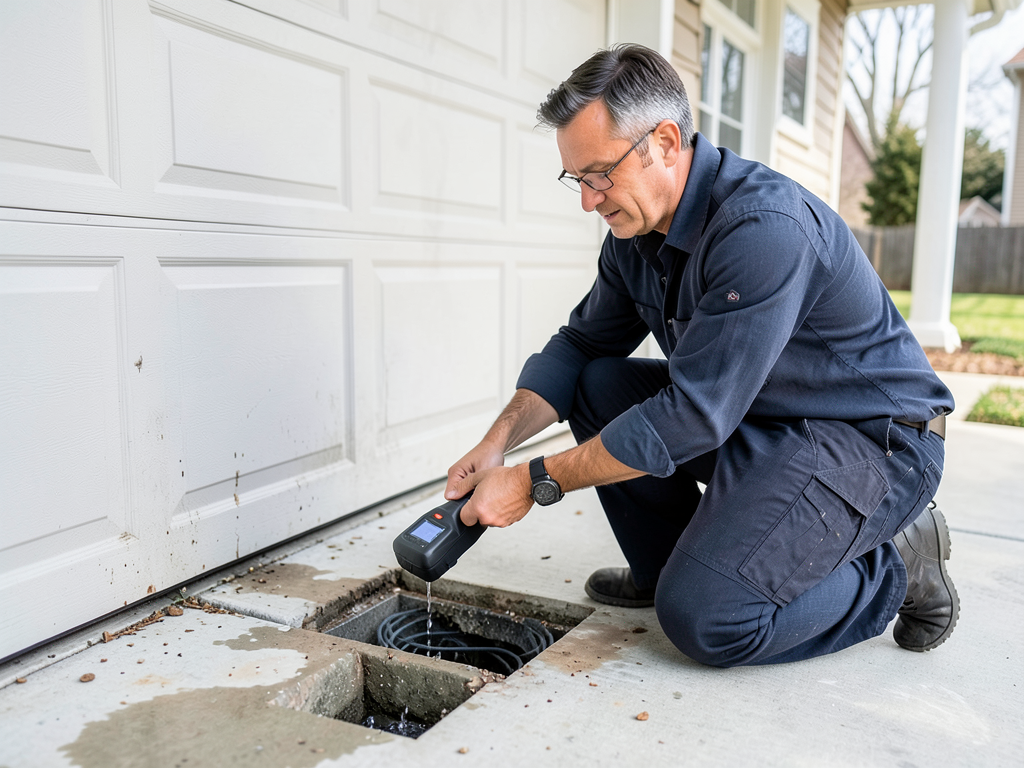
What to do when your Olathe garage floor drain starts backing up Garage floor drain…
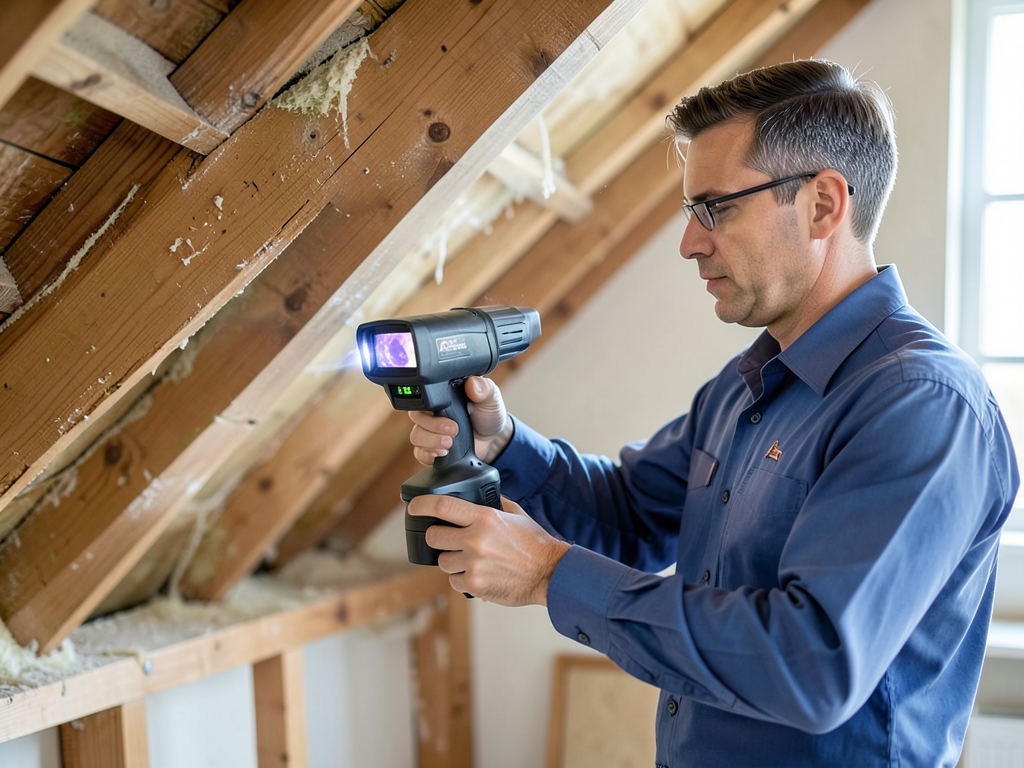
Dealing with attic condensation and mystery ceiling spots in Lee’s Summit Those dark spots on…
Water damage is happening right now. Every minute you wait allows more water to migrate into walls, floors, and structural materials. Our emergency crews dispatch immediately when you call (816) 473-3833. We arrive with industrial extraction equipment and begin stopping damage progression within the first hour. Call now for same-day response.