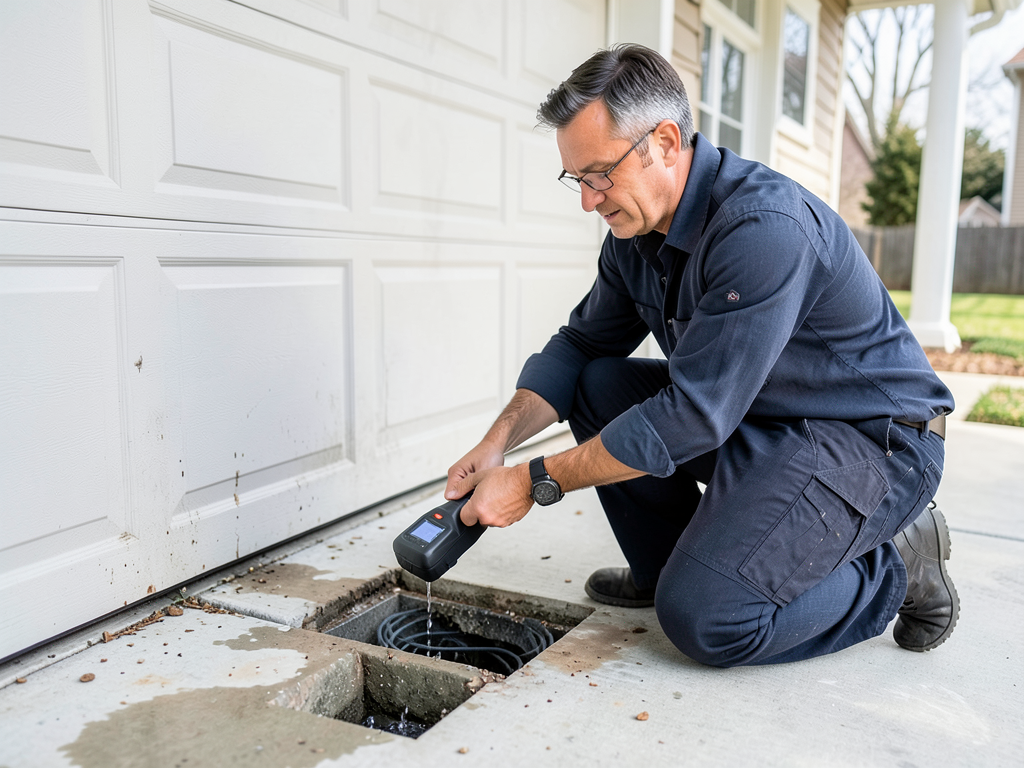





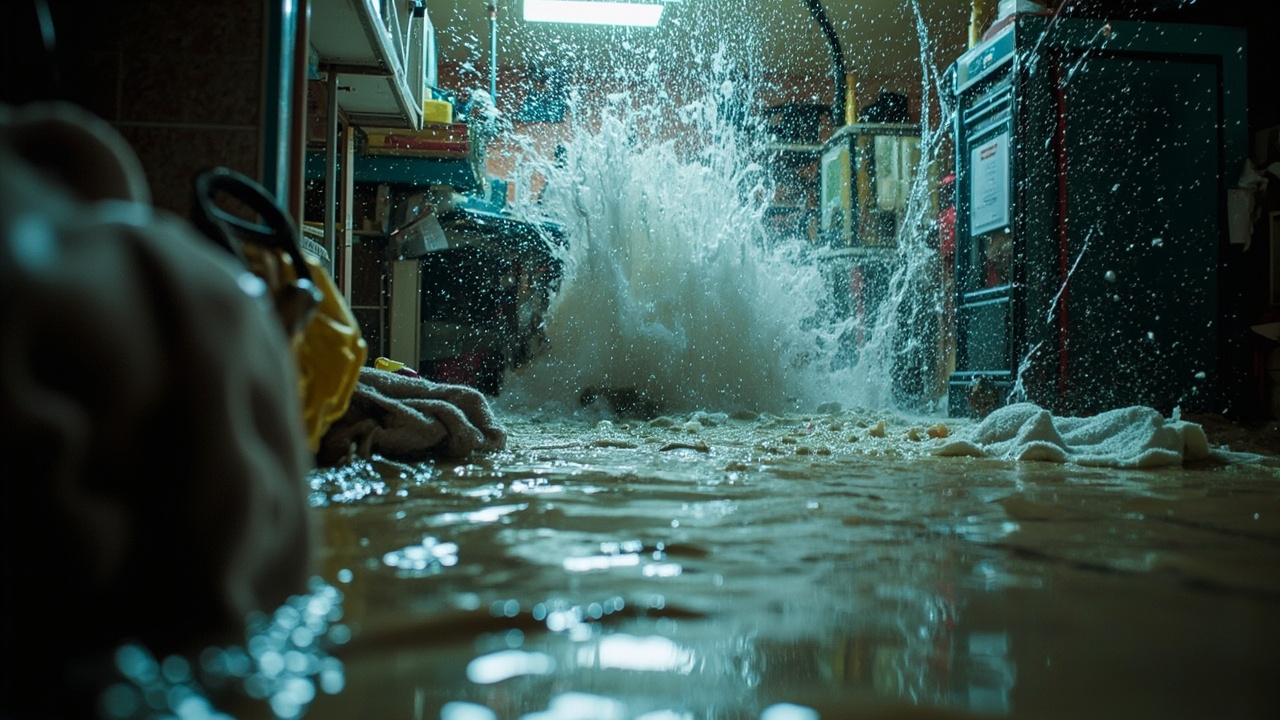
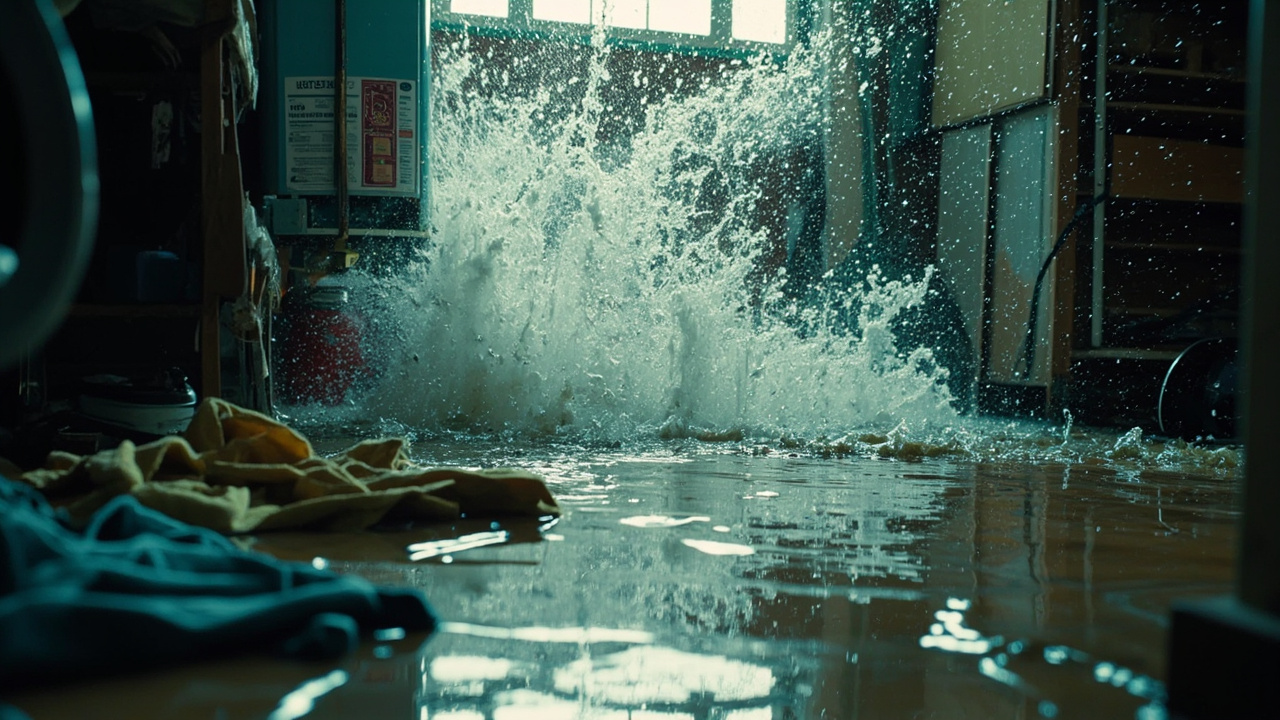
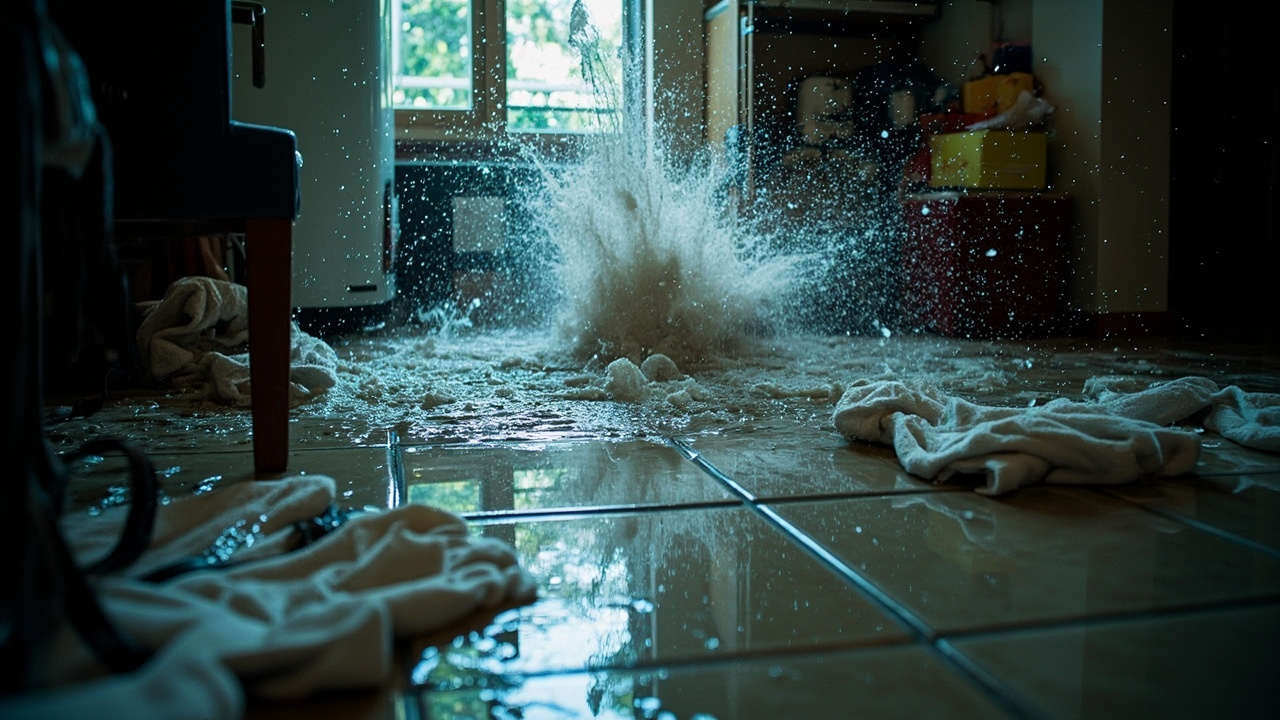
Kansas City experiences dramatic temperature swings during winter months. A 50-degree day followed by a 20-degree night is common from December through February. These freeze-thaw cycles stress water heater tanks, particularly units installed in unheated garages or exterior utility closets. When ambient temperature drops, the tank works harder to maintain water temperature. This increased thermal expansion and contraction weakens the steel over time. Sediment accumulation at the tank bottom accelerates corrosion. Eventually, the bottom of the tank rusts through or a seam fails under pressure. Homes built in the 1970s and 1980s across neighborhoods like Brookside and Waldo often have original water heaters nearing end of life. These older units are ticking time bombs during cold snaps.
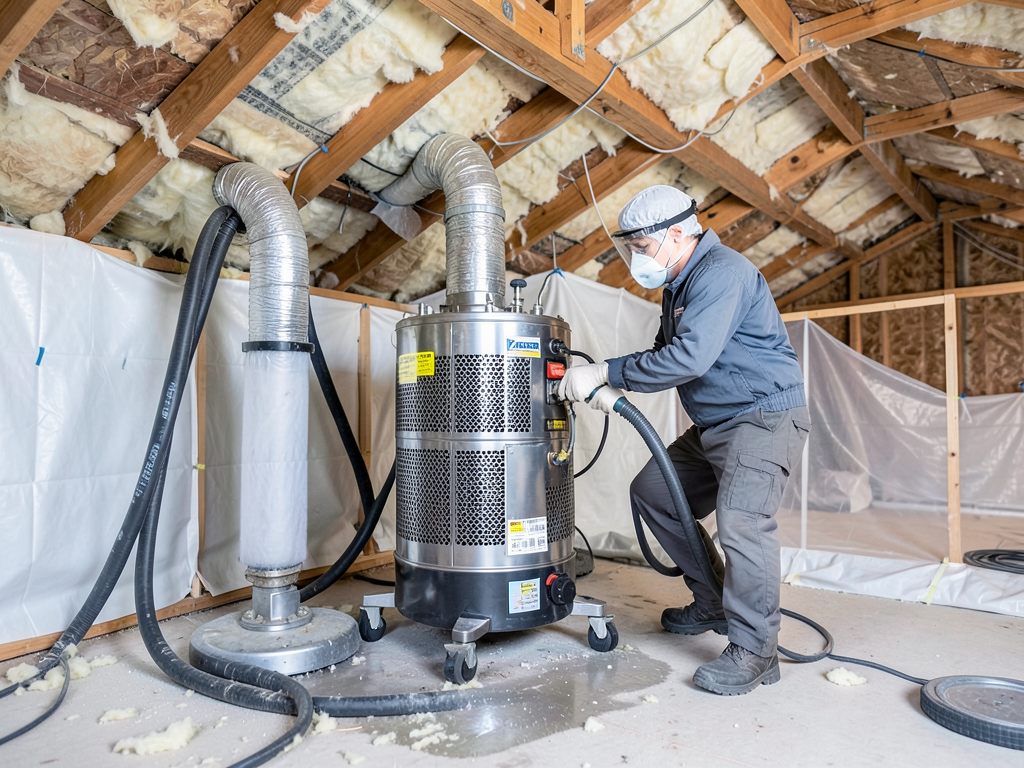
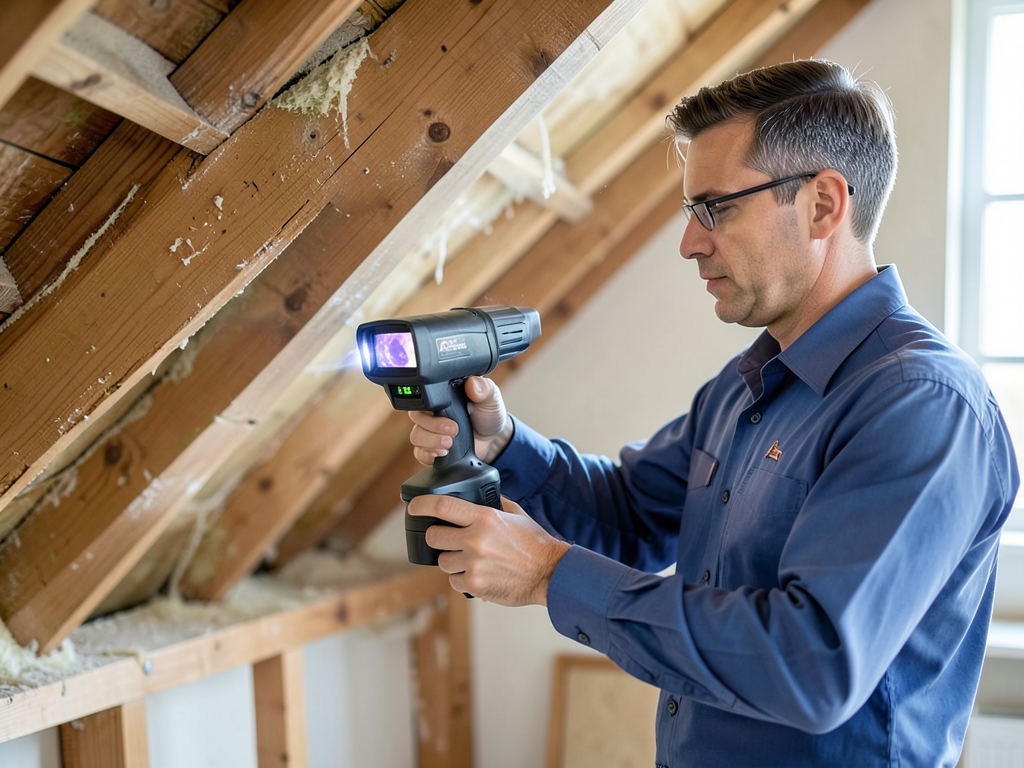
Kansas City property owners benefit from working with restoration crews who understand local building codes and insurance claim procedures. Our technicians know that many Kansas City homes have combination HVAC and water heater closets where a burst tank can damage furnace components. We coordinate with local plumbers and HVAC contractors to assess collateral damage and streamline repairs. We also understand that Kansas City's high clay content soil retains moisture, which means basement humidity levels run higher than in other regions. This baseline humidity affects our drying strategy and equipment deployment. Choosing a local crew means faster response times and restoration methods tailored to the specific challenges of Kansas City's climate and housing stock.