





Menu

Efflorescence on Concrete in Kansas City – Expert Diagnosis and Permanent Moisture Solutions

If white powder or crystalline deposits have appeared on your basement floor, foundation walls, or garage slab, you're seeing a moisture warning sign that demands professional investigation to prevent structural damage.

Slider Image 1
Slider Image 2
Slider Image 3
Slider Image 4
Slider Image 5
Slider Image 7
Slider Image 8
Slider Image 9
Slider Image 10
Slider Image 11

Why White Powder Keeps Appearing on Your Kansas City Concrete

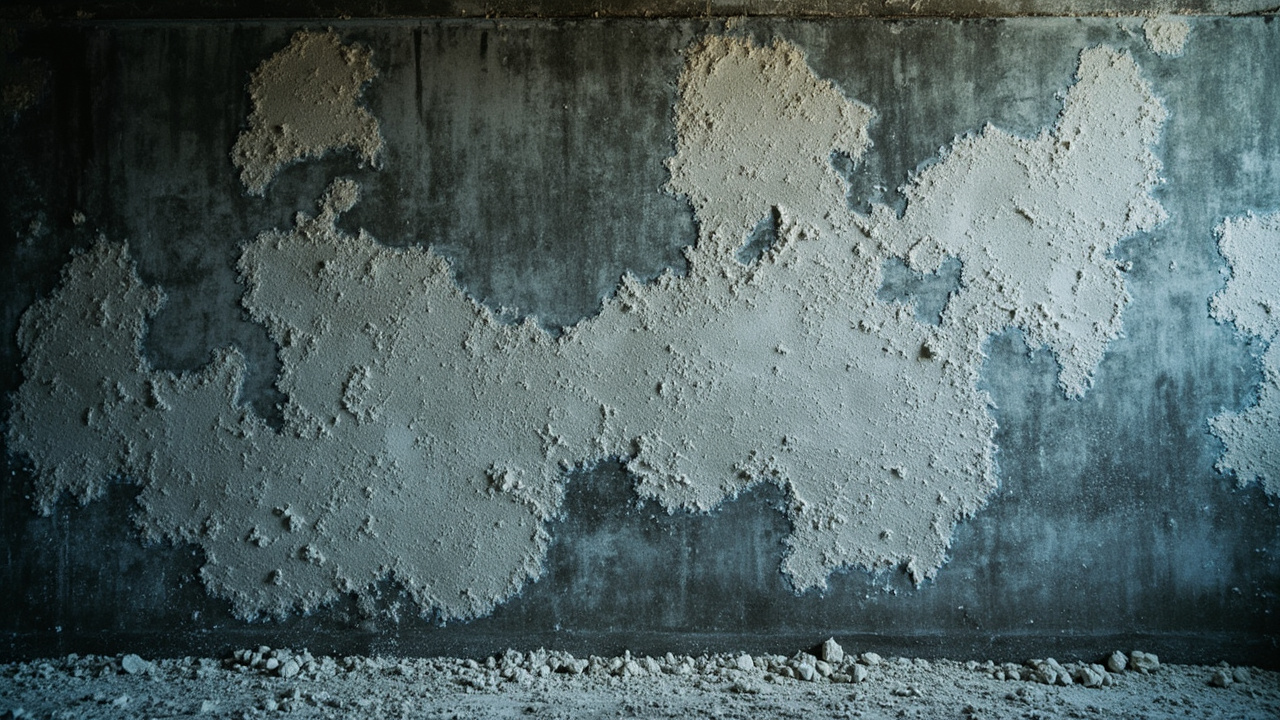
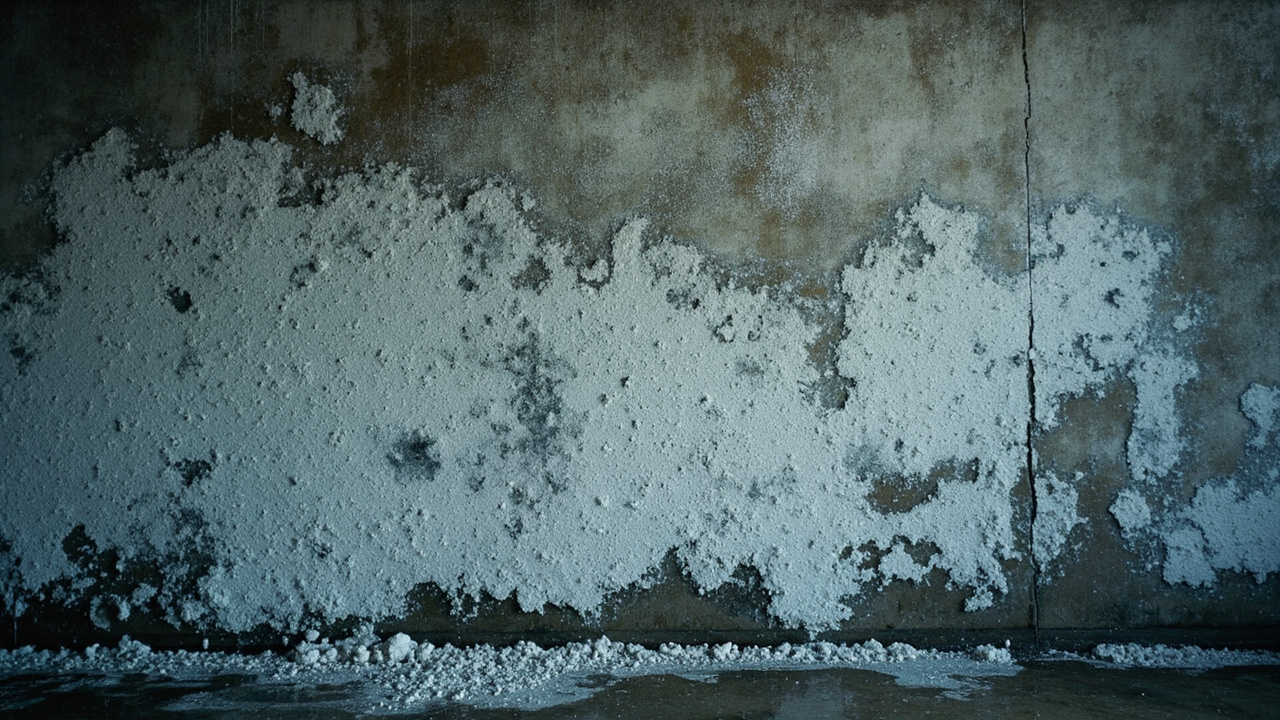
You walk into your basement and notice a white, chalky residue spreading across the concrete floor. You scrub it off, but within weeks, the white powder on concrete returns. This frustrating cycle is efflorescence, and it signals a moisture problem beneath the surface.

Kansas City sits on expansive clay soil that shifts with seasonal moisture changes. When heavy spring rains saturate the ground, hydrostatic pressure forces water through your foundation. As that moisture migrates through concrete pores, it dissolves mineral salts trapped inside the cement. When the water reaches the surface and evaporates, those minerals crystallize into the white residue on concrete you see.

The Missouri River floodplain and our humid continental climate create ideal conditions for this problem. Summer humidity keeps basements damp. Winter freeze-thaw cycles crack foundations. Spring storms dump inches of rain in hours, overwhelming aging French drains and sump systems common in older Kansas City neighborhoods like Brookside and Westport.

Those concrete salt deposits are not just cosmetic. They indicate active water infiltration. Left unchecked, that moisture accelerates concrete spalling, promotes mold growth, and weakens structural integrity. The longer mineral salts on concrete accumulate, the more damage occurs behind the scenes.

If you see crystalline deposits on concrete spreading across your floor, climbing your foundation walls, or appearing near floor drains, you need a moisture assessment. The efflorescence is the symptom. The water intrusion is the disease. A Plus Water Damage Restoration Kansas City identifies the source and eliminates it permanently.

Why White Powder Keeps Appearing on Your Kansas City Concrete
How We Stop Moisture Migration and Remove Efflorescence Permanently

How We Stop Moisture Migration and Remove Efflorescence Permanently

Most contractors treat efflorescence like a cleaning problem. They pressure wash the concrete, apply a sealant, and leave. Within months, the white powder returns because they never addressed the water source.

We use a diagnostic protocol that pinpoints where moisture enters. We start with a calcium chloride moisture vapor emission test to measure how much water vapor transmits through your slab. We inspect foundation cracks with a borescope to identify subsurface voids. We test soil drainage with percolation measurements to determine if grade slope is directing water toward your foundation instead of away from it.

Once we map the moisture pathway, we engineer a solution matched to your building. If hydrostatic pressure is forcing groundwater through your foundation, we install a subsurface drainage system with a perforated pipe network that intercepts water before it reaches your walls. If capillary action is wicking moisture up through your slab, we apply a penetrating silicate sealer that reacts chemically with concrete to block water migration at the molecular level.

For severe cases involving foundation cracks, we inject polyurethane or epoxy resins that expand to fill voids and create a waterproof barrier. We repair mortar joints in block foundations using hydraulic cement that sets under wet conditions. We replace failed sump pumps with commercial-grade units featuring battery backup and high-capacity discharge lines.

After we eliminate the water source, we remove existing efflorescence using a pH-neutral cleaner that dissolves mineral salts without etching concrete. We never use acid-based products that damage the cement paste and create more porosity for future water intrusion.

What Happens During an Efflorescence Assessment and Repair

Efflorescence on Concrete in Kansas City – Expert Diagnosis and Permanent Moisture Solutions
01

Moisture Source Investigation

We arrive with moisture meters, thermal imaging cameras, and testing equipment to measure concrete moisture content and vapor transmission rates. We inspect your foundation perimeter for drainage failures, check floor drains for backflow issues, and test humidity levels in crawl spaces. This diagnostic phase identifies whether water enters through hydrostatic pressure, capillary action, surface runoff, or plumbing leaks. You receive a detailed moisture map showing exactly where water infiltrates your structure.
02

Targeted Water Mitigation

Based on diagnostic results, we implement the appropriate moisture control system. This may include exterior excavation to install foundation waterproofing membranes, interior drainage channels with sump basins, crack injection with hydrophobic resins, or vapor barrier installation beneath slabs. We address soil grading issues that direct water toward your foundation. We repair or replace failed gutters and downspouts. Every solution targets the root cause, not just the visible symptoms on your concrete surface.
03

Efflorescence Removal and Prevention

After eliminating the moisture source, we remove existing mineral deposits using specialized cleaners formulated for concrete. We apply penetrating sealers that prevent future water migration without trapping moisture inside the slab. For commercial properties, we coordinate with your maintenance team to establish humidity control protocols. You receive documentation of all work performed, including moisture readings before and after treatment, so you have proof the problem is resolved. We schedule a follow-up inspection to verify the efflorescence does not return.

Why Kansas City Property Owners Trust Local Moisture Control Experts

Kansas City's unique geology and weather patterns create moisture challenges that out-of-state contractors fail to understand. Our crews work with expansive clay soil daily. We know how Missouri River proximity affects groundwater tables. We understand how limestone bedrock beneath the city influences drainage patterns.

We have repaired thousands of basements in homes built on the slopes north of the Missouri River, where gravity pulls groundwater downhill toward foundations. We have waterproofed commercial buildings in the West Bottoms industrial district, where the floodplain creates perpetual moisture issues. We have sealed parking garages downtown where deicing salt accelerates concrete deterioration.

This local experience matters when diagnosing your specific problem. A contractor from out of state will not recognize that homes in Mission Hills have shallow foundations due to limestone bedrock. They will not know that properties near Brush Creek flood during heavy rain because the stormwater system overflows. They will not understand why basements in Waldo stay damp year-round due to high water tables in that area.

A Plus Water Damage Restoration Kansas City has worked with local building inspectors, insurance adjusters, and structural engineers for years. We understand Kansas City's building codes for foundation drainage. We know which waterproofing methods city inspectors approve. We maintain relationships with local concrete suppliers who provide materials matched to our soil chemistry and climate conditions.

When you hire a local team, you get technicians who have solved your exact problem in your neighborhood before. We carry parts for sump pump brands common in Kansas City homes. We stock sealers rated for our freeze-thaw cycles. We respond quickly because our crews live and work in this metro area. Your moisture problem is not an experiment for us. It is a routine repair we have perfected through years of local work.

What You Can Expect When You Call for Efflorescence Repair

Rapid Response and Scheduling

We dispatch a technician within 24 hours for residential assessments and same-day for commercial emergencies. During your initial call, we ask targeted questions about when the efflorescence appeared, where it concentrates, and whether you have noticed standing water or musty odors. This helps us arrive prepared with the correct diagnostic equipment. Most inspections take 60 to 90 minutes. If we identify an active leak or drainage failure requiring immediate attention, we can often begin mitigation work the same day. For complex projects requiring excavation or structural repairs, we provide a detailed timeline before starting any work.

Comprehensive Moisture Assessment

Our inspection includes concrete moisture testing using calcium chloride domes that measure vapor emission rates over 72 hours. We use infrared thermal imaging to detect hidden moisture patterns behind walls and beneath flooring. We inspect exterior drainage systems, test sump pump function, and evaluate soil grading around your foundation perimeter. You receive a written report with moisture readings, photographs of problem areas, and a diagnosis explaining why efflorescence formed. We explain every finding in plain language and answer all questions before discussing repair options. You will understand exactly what caused the problem and why our proposed solution will eliminate it.

Permanent Moisture Control

We do not offer temporary fixes or surface treatments that fail within months. Every solution we install is engineered to eliminate the water source permanently. Interior drainage systems include commercial-grade sump pumps with battery backup and alarm systems. Foundation crack repairs use flexible polyurethane or rigid epoxy based on crack width and structural movement. Exterior waterproofing includes drainage board, filter fabric, and perforated pipe installed below footing level. After repairs, we clean and seal the concrete using products rated for Kansas City's climate. You get a dry basement or slab that stays dry year-round.

Documentation and Follow-Up

You receive detailed documentation of all work performed, including before and after moisture readings, photographs, and material specifications. This documentation proves the moisture problem is resolved, which protects your property value and satisfies insurance requirements. We schedule a follow-up inspection 30 days after project completion to verify moisture levels remain low and efflorescence has not returned. For commercial clients, we provide maintenance recommendations and humidity monitoring protocols to prevent future issues. If you ever notice new moisture problems, we return to investigate at no charge during the first year after project completion.

Frequently Asked Questions

You Have Questions,
We Have Answers

Is efflorescence on concrete a problem? +

Efflorescence itself is not structurally harmful, but it signals a moisture problem that can cause real damage. The white, chalky deposits you see are salts left behind as water moves through concrete and evaporates. In Kansas City, where freeze-thaw cycles and high humidity are common, persistent efflorescence often means water is migrating through your foundation or basement walls. If ignored, this moisture can lead to spalling concrete, mold growth, and structural weakness. The deposits are a symptom. The water intrusion is the actual problem you need to address.

How do you fix efflorescence on concrete? +

You fix efflorescence by addressing the moisture source first, then cleaning the surface. Start by identifying where water enters, whether through cracks, poor drainage, or hydrostatic pressure common in Kansas City clay soils. Repair those entry points. Next, dry brush the efflorescence deposits or use a stiff broom. For stubborn stains, apply a diluted white vinegar solution or a commercial efflorescence cleaner, scrub gently, and rinse thoroughly. Do not seal until the concrete is completely dry and the moisture issue is resolved, or you trap the problem underneath.

Should efflorescence be removed? +

Yes, you should remove efflorescence before it builds up or before applying any sealers or coatings. The salt deposits can interfere with paint, sealant adhesion, and waterproofing treatments. In Kansas City basements, where humidity and water intrusion are frequent issues, removing efflorescence helps you assess the severity of the moisture problem. Use a dry brush for light deposits or a mild acidic cleaner for heavier buildup. Removing it also prevents further salt crystallization that can cause surface spalling or flaking over time. Clean surfaces perform better long term.

Can you seal concrete over efflorescence? +

No, you should never seal concrete over efflorescence. Sealing traps moisture and salts beneath the surface, which will cause the sealer to fail, bubble, or peel. In Kansas City, where seasonal moisture fluctuations are common, this mistake often leads to worse damage. You must remove all efflorescence, identify and fix the moisture source, and allow the concrete to dry completely before applying any sealer. If you seal too soon, you lock in the problem and create conditions for spalling, mold growth, and continued water damage underneath the coating.

How do professionals remove efflorescence? +

Professionals remove efflorescence using a combination of mechanical and chemical methods. First, they dry brush or pressure wash the surface to remove loose deposits. For heavy buildup, they apply a mild acidic cleaner like diluted muriatic acid or a specialized efflorescence remover, which dissolves the salts without damaging the concrete. After scrubbing, they rinse thoroughly and let the surface dry. Professionals also inspect for the root cause, like foundation cracks, poor grading, or interior moisture common in Kansas City homes, and recommend repairs to prevent recurrence. They treat the symptom and the source.

Should I worry about efflorescence? +

You should worry if efflorescence is persistent, heavy, or appears after you have previously cleaned it. This indicates ongoing water intrusion, which can lead to structural damage, mold, and deteriorating concrete. In Kansas City, where clay soil expansion and seasonal storms drive hydrostatic pressure, recurring efflorescence often signals foundation issues or inadequate drainage. If you see it once on new concrete, it is usually harmless. If it keeps coming back or appears with damp spots, musty odors, or cracks, you have a moisture problem that needs professional diagnosis and repair.

Does efflorescence indicate water damage? +

Yes, efflorescence indicates water is or has been moving through your concrete. The salts rise to the surface as moisture migrates and evaporates, leaving deposits behind. In Kansas City, this often results from foundation leaks, poor exterior grading, or high water tables common in low-lying neighborhoods. While efflorescence itself is not water damage, it is a clear symptom of water intrusion. If you see it in your basement or on exterior walls, inspect for cracks, damp spots, or pooling water. Address the moisture source immediately to prevent mold, spalling, and structural deterioration.

How do I stop efflorescence from returning? +

You stop efflorescence from returning by eliminating the moisture source. Improve exterior drainage by grading soil away from your foundation, extending downspouts, and installing proper gutters. Seal foundation cracks and apply waterproof coatings to exterior walls. In Kansas City, where clay soils hold water and drive hydrostatic pressure, consider installing a French drain or sump pump system. Improve interior ventilation with dehumidifiers to reduce condensation. Once the concrete stays dry, efflorescence cannot form. Surface cleaning is temporary. Permanent fixes require controlling water before it reaches the concrete.

What is the best efflorescence remover? +

The best efflorescence remover depends on severity. For light deposits, white vinegar diluted with water works well and is safe for most surfaces. For moderate to heavy buildup, use a commercial efflorescence cleaner containing phosphoric acid or a diluted muriatic acid solution, applied carefully with proper ventilation and protective gear. In Kansas City, where humidity can slow drying, avoid harsh acids on older, porous concrete that may absorb too much chemical. Always test in a small area first, scrub gently, rinse thoroughly, and ensure the concrete dries completely before sealing.

Does Drylok stop efflorescence? +

Drylok and similar masonry waterproofers do not stop efflorescence. They can actually trap moisture and salts behind the coating, making the problem worse. Efflorescence happens because water moves through concrete, and if you seal over it without fixing the moisture source, the salts and water pressure will cause the coating to bubble, peel, or fail. In Kansas City, where foundation moisture is common, apply Drylok only after removing all efflorescence, repairing leaks, and ensuring the concrete is completely dry. It prevents future water entry but does not cure existing moisture problems.

How Kansas City Clay Soil and Spring Storms Trigger Efflorescence Outbreaks

Kansas City sits on Smectite clay soil that expands dramatically when wet and shrinks when dry. This constant volume change creates hydrostatic pressure against foundations during wet periods and pulls away during drought, leaving gaps for water infiltration. Spring storms dropping two to four inches of rain in hours saturate this clay faster than it can absorb moisture, creating groundwater mounding that forces water through basement walls and floor slabs. Older neighborhoods like Waldo, Brookside, and Hyde Park have homes built before modern waterproofing standards, making them especially vulnerable to moisture intrusion that manifests as efflorescence.

A Plus Water Damage Restoration Kansas City has worked throughout the metro area, from older homes in the Northeast to newer construction in Johnson County. We understand how soil conditions differ between the limestone bedrock areas north of the river and the deeper clay deposits south of downtown. We know which drainage solutions work in the West Bottoms floodplain versus the elevated neighborhoods near Loose Park. This local knowledge allows us to engineer moisture control systems matched to your specific location and soil type, not generic solutions that fail because they ignore Kansas City's unique geology.
Water Damage Restoration Services in The Kansas City Area

While we provide rapid mobile service throughout the entire Kansas City area, you can also view our general service area on the map. We are dedicated to being a local, accessible resource for all your water damage restoration needs, whether you're in the heart of the city or a surrounding community. Our team is always just a phone call away, ready to assist you with expertise and care, no matter where you are located within our service area.

Address:
A Plus Water Damage Restoration Kansas City, 1020 E Armour Blvd, Kansas City, MO, 64109

Additional Services We Offer

Our news updates

Latest Articles & News from The Blogs

How the hard water in Edwardsville is secretly shortening the life of your plumbing and appliances Hard water is more…

How the hard water in Edwardsville is secretly shortening the life of your plumbing and appliances

How the hard water in Edwardsville is secretly shortening the life of your plumbing and appliances Hard water is more…

How to protect your Weatherby Lake home from major water damage while you are away for the winter

How to protect your Weatherby Lake home from major water damage while you are away for the winter Winterizing your…

What every first-time buyer in Raymore needs to check for water damage before closing the deal

What every first-time buyer in Raymore needs to check for water damage before closing the deal Buying your first home…

Contact Us

Every day you ignore those white deposits, moisture continues damaging your concrete. Call A Plus Water Damage Restoration Kansas City at (816) 473-3833 for a comprehensive moisture assessment. We identify the water source and engineer a permanent solution that eliminates efflorescence for good.