




Menu

Water Damage Restoration in Kansas City – Fast, Certified Mitigation for Homes and Businesses

When flooding strikes your property, you need water damage restoration backed by IICRC-certified technicians who understand Kansas City's unique climate challenges and respond within 60 minutes to prevent mold growth and structural damage.

Slider Image 1
Slider Image 2
Slider Image 3
Slider Image 4
Slider Image 5
Slider Image 7
Slider Image 8
Slider Image 9
Slider Image 10
Slider Image 11

Why Kansas City Properties Face Constant Water Damage Threats

Kansas City sits at the confluence of the Missouri and Kansas Rivers, which means flooding is not a question of if but when. Your property faces water intrusion risks from multiple angles. Spring thunderstorms dump inches of rain in hours, overwhelming storm drains in neighborhoods like Waldo and Brookside. The clay soil underneath most of Kansas City cannot absorb water quickly, which drives runoff directly into basements and crawl spaces.

Winter freeze-thaw cycles crack foundation walls and burst pipes in older homes across the Historic Northeast and Westport. Summer humidity climbs above 70 percent for weeks, creating perfect conditions for hidden moisture problems behind walls and under flooring. When your sump pump fails during a July downpour or your water heater ruptures in February, every minute counts.

Water damage remediation is not just about removing standing water. It is about understanding how Kansas City's climate creates ongoing moisture challenges. You need professionals who recognize that water damage cleanup must address both visible flooding and hidden moisture migration through your property's structure. Without proper water damage mitigation, you face mold growth within 24 to 48 hours, wood rot, and structural instability that costs exponentially more to fix later.

The damage does not stop spreading on its own. Water follows gravity and capillary action, moving through drywall, insulation, and subflooring while you sleep. That small leak becomes a major insurance claim if you wait.

Why Kansas City Properties Face Constant Water Damage Threats
How Professional Water Damage Restoration Stops the Spread

How Professional Water Damage Restoration Stops the Spread

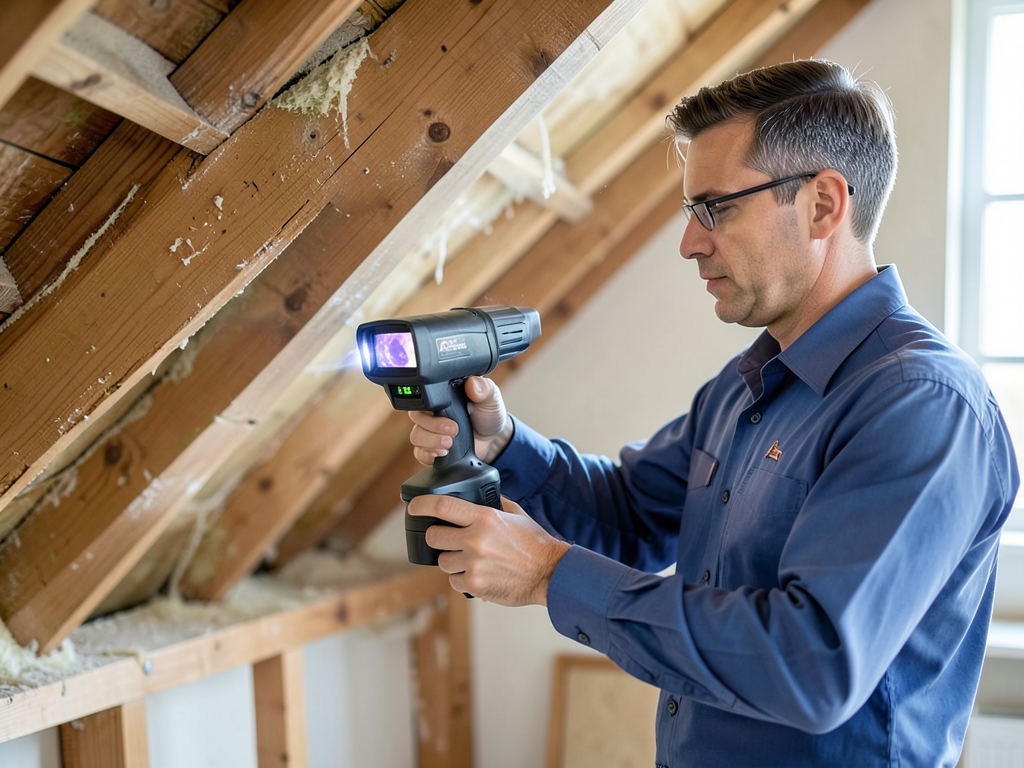
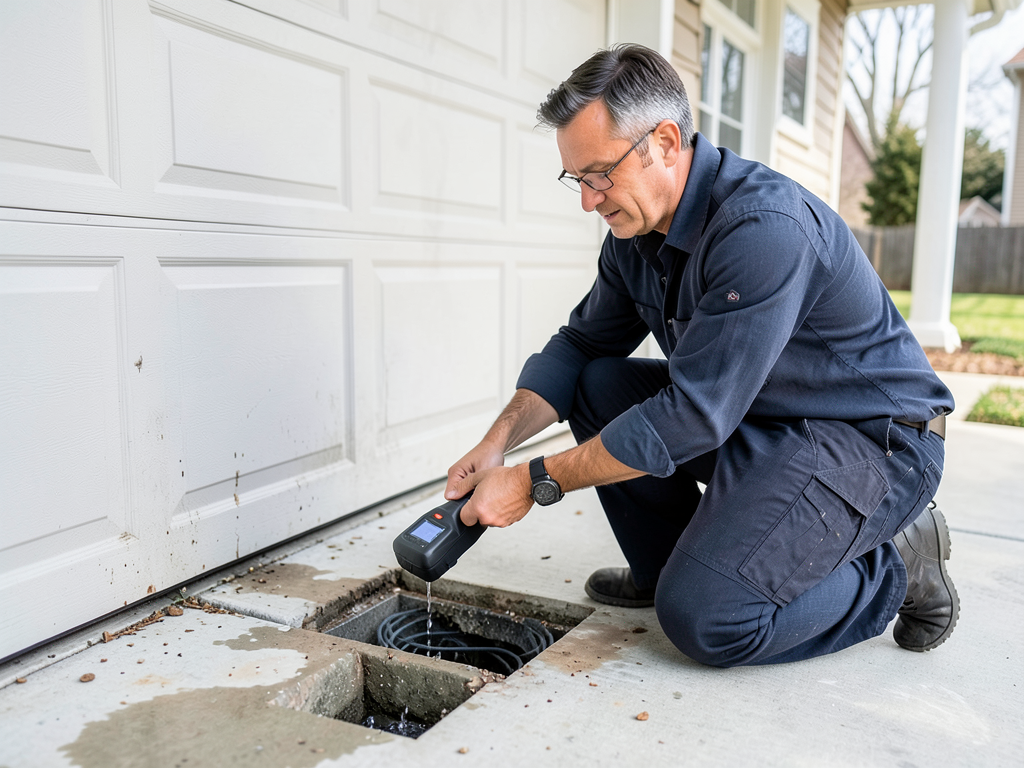
Water damage repair starts with rapid moisture detection using thermal imaging cameras and moisture meters that measure humidity levels in materials you cannot see. We map the full extent of water migration before extraction begins, which prevents the common mistake of drying only visible areas while moisture remains trapped in wall cavities.

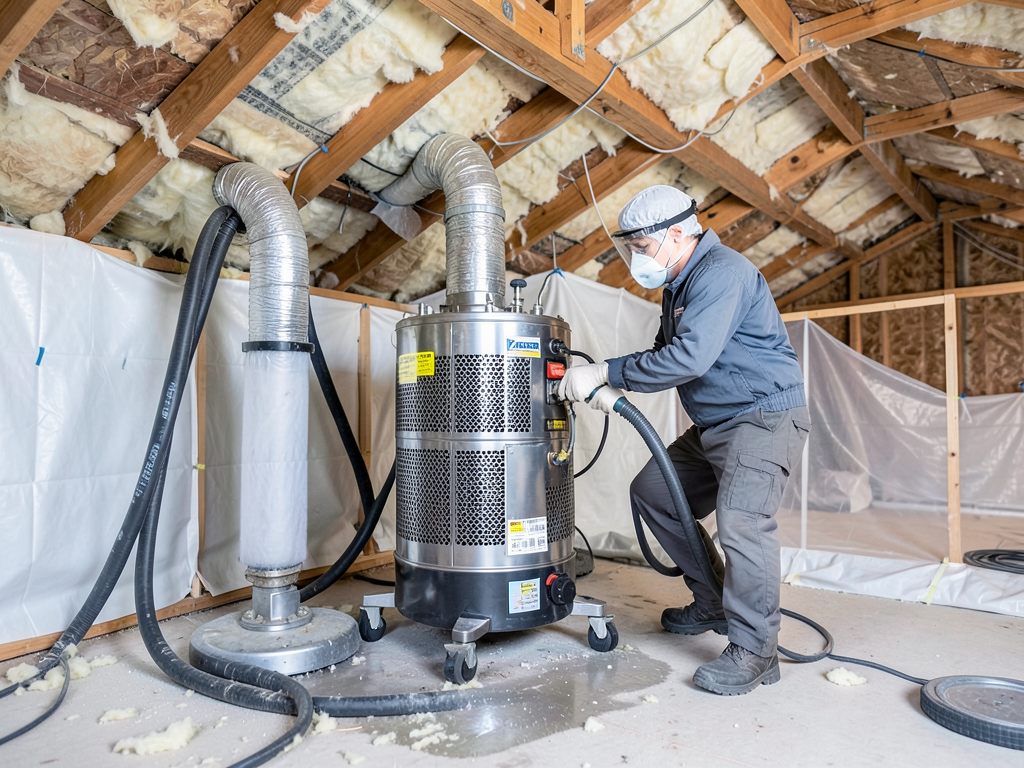
Commercial-grade extraction equipment removes standing water at rates up to 18 gallons per minute. Truck-mounted extractors create powerful suction that pulls water from carpet padding, subflooring, and concrete. For severe flooding, we deploy submersible pumps that handle contaminated water from sewage backups or river flooding.

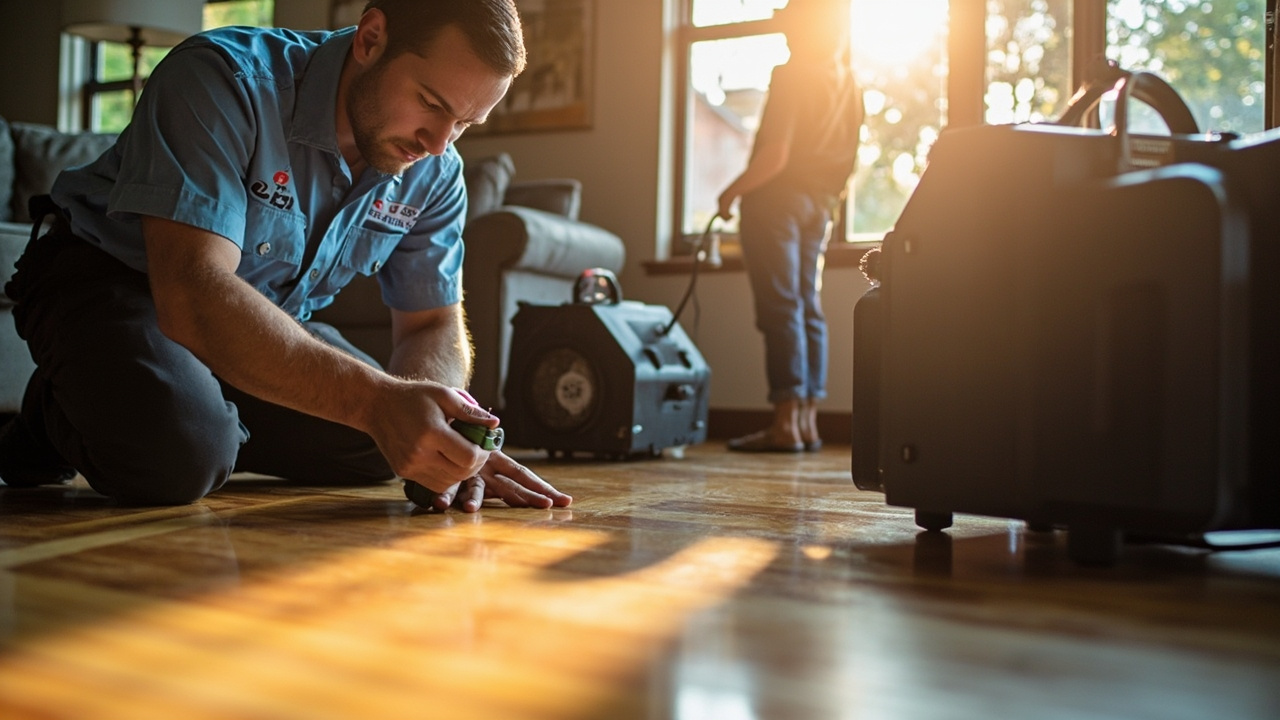
The drying phase uses industrial air movers and commercial dehumidifiers positioned based on psychrometric calculations. We are not guessing. We measure grain depression and vapor pressure to ensure proper drying velocity. Air movers create evaporation at the surface level, while dehumidifiers extract moisture from the air before it re-condenses on cooler surfaces. This controlled environment prevents secondary water damage and mold colonization.

Water damage mitigation includes antimicrobial treatments on affected surfaces, particularly after Category 2 or Category 3 water intrusions. We document moisture readings twice daily and adjust equipment placement as materials dry. Your property reaches proper moisture equilibrium, typically 12 to 15 percent moisture content for wood materials, before we remove equipment.

A Plus Water Damage Restoration Kansas City follows IICRC S500 standards for water damage remediation, which means you get a scientifically sound drying protocol, not a rush job that leaves moisture behind.

What Happens During Your Water Damage Emergency Call

Water Damage Restoration in Kansas City – Fast, Certified Mitigation for Homes and Businesses
01

Immediate Dispatch and Assessment

You call our emergency line, and a certified technician responds within 60 minutes anywhere in the Kansas City metro. We arrive with moisture detection equipment and begin documenting the damage for your insurance claim. You get a verbal assessment of the water category, affected materials, and estimated drying time before any work starts. We also identify safety hazards like electrical risks or structural instability.
02

Water Extraction and Containment

Truck-mounted extractors and submersible pumps remove standing water within hours. We set up containment barriers using plastic sheeting and negative air pressure to prevent moisture migration into unaffected areas. Saturated materials like carpet padding and damaged drywall are removed to expose structural elements for proper drying. You see immediate progress as water disappears and airflow begins.
03

Controlled Drying and Verification

Industrial dehumidifiers and air movers run continuously for three to five days on average, depending on the extent of saturation. We take moisture readings twice daily and document progress in a drying log your insurance adjuster will accept. Once all materials reach acceptable moisture levels, we apply antimicrobial treatments and provide a completion certificate. Your property is verified dry and safe for reconstruction.

Why Kansas City Property Owners Choose Local Water Damage Experts

Out-of-state restoration franchises do not understand how Kansas City's clay soil creates hydrostatic pressure against your foundation during wet seasons. They do not recognize how older homes in neighborhoods like Hyde Park and Armour Hills have limestone foundations that require different drying protocols than modern poured concrete. You need technicians who have dried hundreds of basements in Mission Hills, removed flood damage in the West Bottoms industrial district, and know which Kansas City insurance adjusters require specific documentation.

A Plus Water Damage Restoration Kansas City maintains relationships with local plumbers, electricians, and general contractors who respond quickly when water damage exposes additional issues. We know the Kansas City Building Code requirements for structural drying in commercial properties and can coordinate with your business continuity plan to minimize downtime.

We also understand Kansas City's insurance landscape. Many homeowners carry flood insurance through FEMA because standard policies exclude rising water damage. We document water source and damage patterns in ways that support your claim, whether it is sudden pipe burst covered by your homeowner policy or exterior flooding requiring separate coverage.

Local expertise means faster response times. Our equipment warehouse sits in Kansas City, which means we deploy additional dehumidifiers and air movers to your property within hours, not days. When water is spreading through your property, distance matters. We also know the microclimates across Kansas City. Homes near Brush Creek face different flood risks than properties on higher ground in Waldo, and we adjust our mitigation strategies accordingly.

You get technicians who live in Kansas City, understand your neighborhood, and prioritize your property like it was their own.

What You Can Expect From Start to Finish

Emergency Response Time

We answer emergency calls 24 hours a day, seven days a week, including holidays. A certified water damage technician arrives at your Kansas City property within 60 minutes of your call during normal conditions. Severe weather may extend response times slightly, but we prioritize active flooding emergencies. You receive a call from the responding technician with an estimated arrival time within 15 minutes of contacting us. We do not use answering services or offshore call centers. You speak directly with someone who dispatches local crews.

Initial Damage Assessment

The first hour onsite focuses on documentation and safety. We photograph all affected areas, measure moisture levels in walls and flooring, and classify the water category based on contamination level. You receive a verbal explanation of findings and a written scope of work before extraction begins. We identify whether your damage falls under sudden internal failure covered by insurance or external flooding requiring separate claims. This assessment includes thermal imaging to detect hidden moisture and a preliminary timeline for the drying process.

Complete Property Restoration

Water damage restoration is not complete until your property looks and functions like the damage never happened. After controlled drying, we coordinate reconstruction services including drywall replacement, flooring installation, and paint matching. You get a single point of contact who manages subcontractors and keeps your project on schedule. Final moisture verification testing confirms all materials meet industry standards before we consider the job complete. You receive documentation showing before, during, and after readings that satisfy insurance requirements.

Post-Restoration Monitoring

We provide a 30-day follow-up inspection to verify no secondary moisture issues have developed. Kansas City's humidity can cause problems if drying was incomplete or if hidden moisture remains in wall cavities. This visit includes moisture testing in previously affected areas and a visual inspection for any signs of mold growth or recurring dampness. You also receive guidance on preventing future water damage, including sump pump maintenance recommendations and drainage improvements specific to your property's location and soil conditions.

Frequently Asked Questions

You Have Questions,
We Have Answers

How much does water damage remediation cost? +

Water damage restoration costs in Kansas City range widely based on severity, square footage, and contamination level. A minor leak affecting one room might cost less than a basement flood or sewage backup. Category 1 clean water incidents are cheaper to remediate than Category 3 black water events, which require specialized disinfection. Kansas City's clay soil and freeze-thaw cycles can complicate foundation water intrusion, increasing extraction and drying time. Most homeowners insurance policies cover sudden water damage, not gradual leaks. Get a free inspection to understand your specific situation and work directly with your adjuster.

What does water damage restoration include? +

Water damage restoration includes emergency water extraction, structural drying, dehumidification, antimicrobial treatment, and content pack-out if needed. Technicians use moisture meters and thermal imaging to detect hidden water in walls and subfloors, common in Kansas City's older brick homes. Air movers and commercial dehumidifiers run for days to eliminate moisture and prevent mold. Restoration includes removing damaged drywall, insulation, or flooring, then sanitizing affected areas. If sewage or contaminated water is present, disinfection protocols are required. The process ends with verification that moisture levels are normal before rebuilding begins.

Can water damage be repaired? +

Yes, water damage can be repaired if addressed quickly. The first 48 hours are critical before mold colonizes. Kansas City's high summer humidity accelerates microbial growth, making speed critical. Professional extraction removes standing water, then industrial drying equipment pulls moisture from materials. Drywall, flooring, and insulation often need replacement if saturated, while structural framing can usually be dried and salvaged. Sewage backups require disposal of porous materials due to contamination. Delaying repair leads to wood rot, electrical hazards, and mold, which complicates restoration and increases costs. Fast response protects your property and health.

Is water damage restoration worth it? +

Yes, professional water damage restoration is worth it. DIY attempts miss hidden moisture in wall cavities, subfloors, and insulation, leading to mold and structural decay. Kansas City's older housing stock is vulnerable to wood rot if moisture lingers. Professionals use specialized equipment like thermal cameras and moisture meters to find every wet spot. Insurance typically covers restoration costs for sudden water events, making out-of-pocket expense minimal. Skipping professional help can void insurance claims, reduce home value, and create health hazards. Proper restoration protects your investment and ensures safe living conditions.

Does insurance pay for water restoration? +

Most homeowners insurance policies cover water damage restoration if the cause is sudden and accidental, like burst pipes, appliance malfunctions, or roof leaks from storm damage. Kansas City's freeze-thaw cycles cause pipe bursts, a common covered event. Gradual leaks, neglected maintenance, and flood damage require separate flood insurance. Sewage backups may need a rider. Your policy deductible applies, then insurance pays for extraction, drying, and repairs. Work with a restoration company experienced in insurance documentation. They photograph damage, track moisture readings, and communicate directly with adjusters to maximize your claim.

Will insurance pay out for water damage? +

Insurance pays for water damage if the cause is sudden and accidental. Burst pipes, sudden appliance failures, and ice dam leaks are typically covered. Kansas City homeowners face coverage for frozen pipe bursts during winter cold snaps. Flood damage from rising rivers or sewer backups often require separate policies. Gradual damage from ignored leaks or poor maintenance is excluded. Review your policy for water damage endorsements and exclusions. Document everything with photos and keep records of plumbing maintenance. A restoration company can help navigate claims by providing detailed reports and moisture documentation your adjuster needs.

How likely is mold after water damage? +

Mold growth is extremely likely after water damage if moisture remains for 24 to 48 hours. Kansas City's humid summers create ideal conditions for mold colonization. Porous materials like drywall, insulation, carpet, and ceiling tiles absorb water and feed mold spores. Hidden moisture in wall cavities or under flooring accelerates growth you cannot see. Professional extraction and drying within the first day significantly reduces mold risk. If water sat for days, expect mold remediation as part of restoration. Thermal imaging and moisture meters detect hidden dampness. Fast response is your best mold prevention.

What does category 3 damage look like? +

Category 3 water damage involves grossly contaminated black water from sewage backups, toilet overflows with feces, or floodwater from rivers and streams. This water contains bacteria, viruses, and pathogens that pose serious health risks. Kansas City's combined sewer systems can cause basement backups during heavy rain. Category 3 damage looks dark, smells foul, and often contains visible waste or debris. All porous materials like carpet, drywall, and insulation must be removed and disposed of. Restoration requires full disinfection with antimicrobial agents. Never attempt DIY cleanup. Professional protective equipment and protocols are required.

How to get the most out of a water damage claim? +

To maximize your water damage claim, document everything immediately with photos and videos showing the source and extent of damage. Contact your insurance company within 24 hours and request a copy of your policy. Hire a licensed restoration company experienced with insurance work. They provide detailed moisture maps, equipment logs, and daily progress reports adjusters need. Keep receipts for temporary housing or emergency repairs. In Kansas City, mention specific causes like frozen pipes or storm damage clearly. Do not admit fault or delay mitigation. Fast professional response proves you minimized loss, which insurers require.

What not to do after water damage? +

Do not wait to call for help. Every hour increases damage and mold risk, especially in Kansas City's humid climate. Do not use household vacuums or fans, which spread contamination and are ineffective. Avoid entering standing water if electrical outlets are submerged. Do not remove wet materials without documentation for your insurance claim. Never delay mitigation to wait for an adjuster. Your policy requires you to prevent further damage immediately. Do not assume surface drying means moisture is gone. Hidden water in walls and subfloors causes long-term problems. Call a professional restoration company immediately.

How Kansas City's Clay Soil and River Proximity Complicate Water Damage Restoration

Kansas City sits on expansive clay soil that swells when wet and shrinks when dry, creating constant pressure shifts against foundations. This soil type prevents rapid water absorption during storms, which means surface water pools around foundations and seeks entry through cracks and gaps. Properties near the Missouri River floodplain in areas like the West Bottoms and Berkley Riverfront face additional challenges from rising water tables during spring runoff. Water damage cleanup in Kansas City must address not just interior flooding but also the ongoing hydrostatic pressure that continues pushing moisture through foundation walls days after the initial event. Proper water damage mitigation requires understanding how this clay soil behaves across wet and dry seasons.

Local building codes in Kansas City have evolved to address repetitive flooding in certain neighborhoods, requiring specific drainage solutions and sump pump installations in new construction. A Plus Water Damage Restoration Kansas City maintains current knowledge of these requirements, which matters when your water damage repair involves rebuilding to code. We work directly with Kansas City insurance adjusters who understand local flood risks and documentation standards. Properties in historic districts like the Northeast or Westport also face additional considerations because preservation guidelines affect how we approach structural drying and reconstruction. Choosing a restoration company familiar with Kansas City's unique regulatory environment ensures your repairs meet all compliance requirements.
Water Damage Restoration Services in The Kansas City Area

While we provide rapid mobile service throughout the entire Kansas City area, you can also view our general service area on the map. We are dedicated to being a local, accessible resource for all your water damage restoration needs, whether you're in the heart of the city or a surrounding community. Our team is always just a phone call away, ready to assist you with expertise and care, no matter where you are located within our service area.

Address:
A Plus Water Damage Restoration Kansas City, 1020 E Armour Blvd, Kansas City, MO, 64109

Additional Services We Offer

Our news updates

Latest Articles & News from The Blogs

How the hard water in Edwardsville is secretly shortening the life of your plumbing and appliances Hard water is more…

How the hard water in Edwardsville is secretly shortening the life of your plumbing and appliances

How the hard water in Edwardsville is secretly shortening the life of your plumbing and appliances Hard water is more…

How to protect your Weatherby Lake home from major water damage while you are away for the winter

How to protect your Weatherby Lake home from major water damage while you are away for the winter Winterizing your…

What every first-time buyer in Raymore needs to check for water damage before closing the deal

What every first-time buyer in Raymore needs to check for water damage before closing the deal Buying your first home…

Contact Us

Every hour you wait allows water to migrate deeper into your property's structure. Call (816) 473-3833 now for immediate dispatch of certified water damage restoration technicians. We answer 24/7 and arrive within 60 minutes anywhere in Kansas City.