







Menu

Musty Smells & Odor Removal in Kansas City | Eliminate Mildew Odors at the Source

Professional damp smell remediation and neutralizing musty odors caused by water damage, basement moisture, and hidden leaks throughout the Kansas City metro area.

Slider Image 1
Slider Image 2
Slider Image 3
Slider Image 4
Slider Image 5
Slider Image 7
Slider Image 8
Slider Image 9
Slider Image 10
Slider Image 11

Why That Smell Won't Go Away

You scrub the walls. You run dehumidifiers. You buy every air freshener at the store. The smell comes back in three days.

Kansas City's climate creates perfect conditions for persistent odors. Summer humidity climbs above 70 percent. Spring rains soak soil around your foundation. Winter freeze-thaw cycles crack basement walls. The Missouri River valley traps moisture in older neighborhoods like Westport and Hyde Park. Clay soil shifts under homes, opening gaps for groundwater. Historic brick buildings in the Crossroads absorb water like sponges.

That musty smell signals active moisture problems. The odor comes from microbial volatile organic compounds. Mold and mildew release these gases as they digest wet building materials. You smell it in basements, crawl spaces, and behind walls. The scent intensifies after rain or when you run the AC.

Mildew odor elimination requires finding the moisture source. Damp smell remediation fails without fixing the leak, the drainage issue, or the ventilation problem feeding it. Air fresheners mask the symptom. They do nothing to stop microbial growth consuming your drywall, insulation, and floor joists.

Kansas City homes built before 1980 often lack proper vapor barriers. Crawl spaces vent directly to outside air, pumping humidity into the house. Finished basements trap moisture behind paneling. Removing moldy scents means addressing these design flaws while extracting contaminated materials.

The smell indicates property damage happening right now. Ignoring it costs you money in deteriorating structure and declining air quality. You deserve to breathe clean air in your own home.

Why That Smell Won't Go Away
How We Eliminate Odors Permanently

How We Eliminate Odors Permanently

We do not spray deodorizers and walk away. Eradicating water damage smells requires a systematic approach.

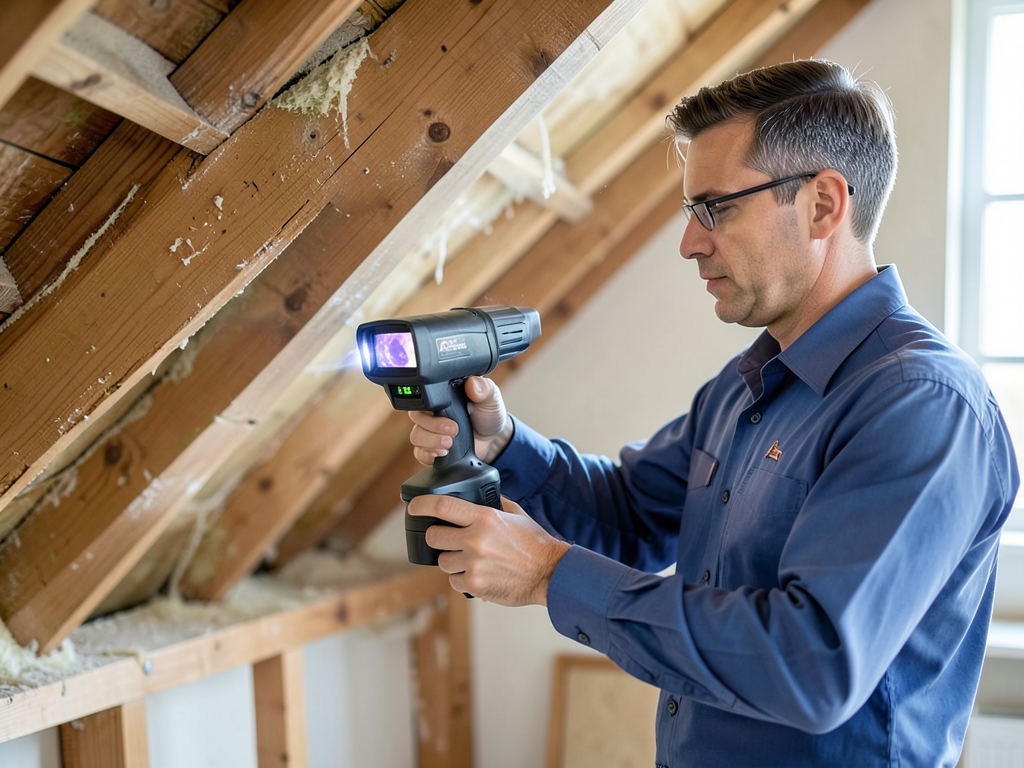
First, we use thermal imaging cameras and moisture meters to map the problem. We test humidity levels in each room. We inspect HVAC ducts, plumbing penetrations, and exterior grading. We identify whether you have a plumbing leak, foundation seepage, roof intrusion, or condensation issue.

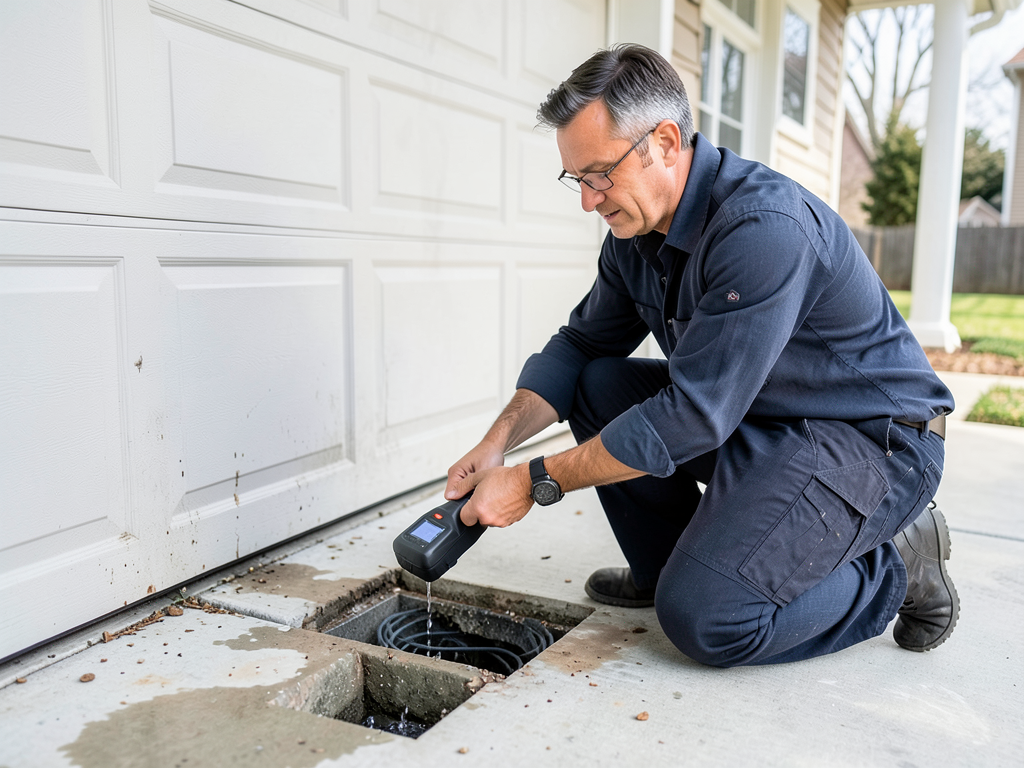
Next, we address the moisture source. We extract standing water with truck-mounted pumps. We remove saturated materials that cannot be saved. Wet drywall comes out. Soaked insulation gets pulled. Contaminated carpet padding gets stripped to the subfloor. You cannot dry materials colonized with mold. They must be removed.

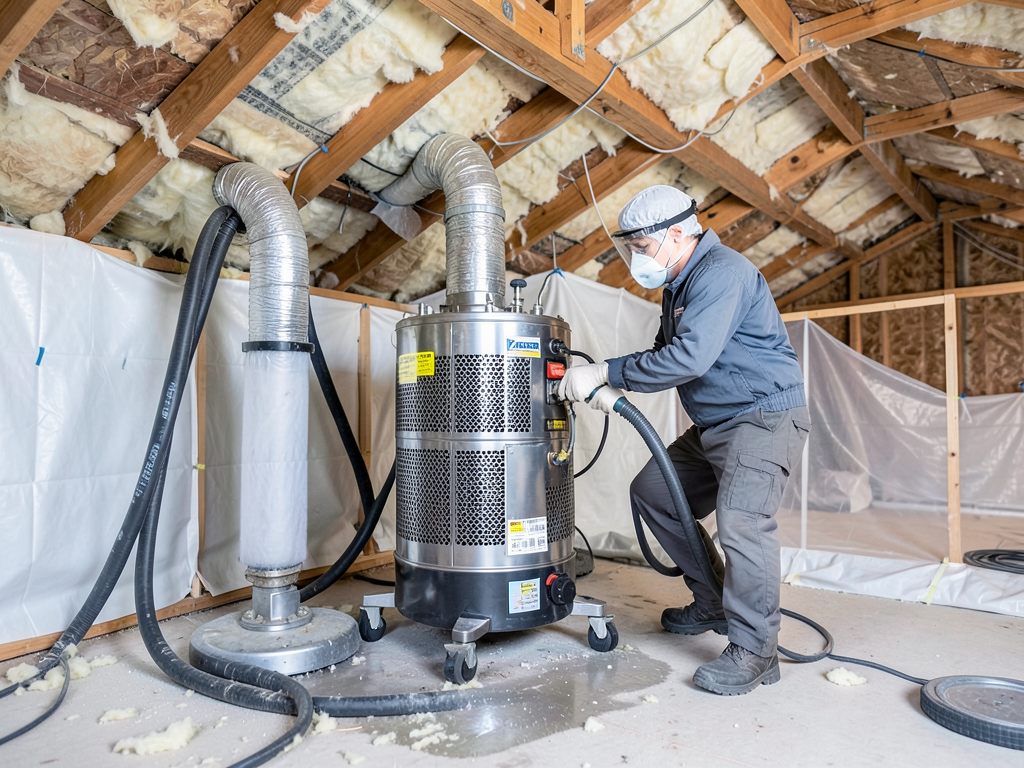
We set up negative air pressure to contain the work area. HEPA air scrubbers filter airborne spores. We run commercial dehumidifiers to drop relative humidity below 50 percent. We position axial fans to create airflow across all surfaces.

Once materials reach dry standard (measured with calibrated meters), we treat surfaces with antimicrobial solutions. We fog the space with hydroxyl generators, which break down odor molecules at the molecular level without leaving chemical residues. We encapsulate remaining surfaces to prevent future off-gassing.

We verify our work with post-remediation testing. We document moisture readings. We take air samples if needed. Neutralizing musty odors means restoring your space to a dry, stable condition where microbial growth cannot reestablish.

A Plus Water Damage Restoration Kansas City uses IICRC protocols for water damage restoration and odor control. We follow industry standards because shortcuts lead to recurring problems.

What Happens When You Call Us

Musty Smells & Odor Removal in Kansas City | Eliminate Mildew Odors at the Source
01

Immediate Inspection

We arrive within two hours for emergency calls. Our technician conducts a room-by-room assessment with thermal imaging and moisture detection equipment. We document every affected area. We identify the moisture source causing your odor problem. You receive a written scope of work before we start any remediation. We explain what needs removal and what can be saved.
02

Controlled Remediation

We contain the work area with plastic sheeting and negative air pressure. We remove contaminated materials following EPA guidelines. We extract water, apply antimicrobial treatments, and position drying equipment strategically. Our industrial dehumidifiers pull 20 gallons per day from the air. Hydroxyl generators run continuously to break down volatile organic compounds producing the smell. We monitor progress with calibrated meters.
03

Verified Resolution

We do not finish until moisture readings return to dry standard for your materials. We take final documentation photos. We provide a completion certificate with before and after readings. We explain how to prevent recurrence through better ventilation, dehumidification, or drainage improvements. You get a written report for your insurance company. The smell does not return because we fixed the cause.

Why Kansas City Property Owners Choose Us

You need someone who understands how Kansas City buildings respond to moisture. We know that homes in Brookside have limestone foundations that wick water. We recognize that Midtown apartments built in the 1920s lack waterproofing membranes. We have worked in crawl spaces throughout Waldo where clay soil pushes water toward foundations every spring.

Local knowledge matters when diagnosing odor sources. A crew from out of state does not know that Kansas City's 38 inches of annual rainfall concentrates in April and May. They do not recognize signs of seasonal flooding in the Blue River valley. They cannot spot inadequate grading common in neighborhoods built before modern drainage codes.

We work directly with Kansas City insurance adjusters who handle claims in this market. We document damage in formats they recognize. We understand Xactimate pricing for this region. We communicate in the language your adjuster expects, which speeds your claim approval.

A Plus Water Damage Restoration Kansas City operates 24 hours a day because water damage does not wait for business hours. We dispatch crews from our local facility, not from a call center three states away. When your sump pump fails at 2 AM, we answer the phone and send a truck.

We invest in professional equipment because consumer-grade tools fail on serious water damage. Our truck-mounted extraction systems remove hundreds of gallons per hour. Our thermal imaging cameras detect moisture behind walls without demolition. Our hydroxyl generators eliminate odors without toxic ozone treatments that require evacuation.

You will work with IICRC-certified technicians who follow industry standards for water damage restoration and odor control. We train our crews on proper containment, safe material removal, and effective drying techniques. We do the work correctly the first time.

What to Expect From Our Service

Response Time

We dispatch crews within two hours for emergency water damage causing odors. For non-emergency odor investigations, we schedule inspections within 24 hours. Our Kansas City location allows fast response throughout Jackson, Clay, Platte, and Cass counties. We work weekends and holidays. You get a technician on-site quickly, not an appointment three days out. Speed matters because moisture damage accelerates every hour. Faster response means less material removal and lower restoration costs.

Comprehensive Assessment

Our initial inspection takes 45 to 90 minutes depending on property size. We test moisture content in floors, walls, and ceilings. We use thermal cameras to identify hidden water intrusion. We check HVAC systems, plumbing fixtures, and drainage around your foundation. We measure indoor humidity and temperature. You receive a detailed written estimate before work begins. We explain what caused the odor, what damage exists, and what remediation requires. No surprises.

Verified Results

We measure success with calibrated instruments, not guesswork. Your space must reach dry standard before we remove equipment. Humidity must stabilize below 50 percent. Affected materials must return to normal moisture content for that material type. We document final readings in your completion report. You get photo documentation showing before and after conditions. The odor disappears because we eliminated the microbial growth producing it. We fix the problem, not just the smell.

Post-Remediation Support

We provide written recommendations to prevent odor recurrence. This includes ventilation improvements, dehumidification strategies, and drainage modifications. We explain how to maintain proper indoor humidity year-round. We offer follow-up moisture checks at 30 and 90 days for major projects. We coordinate with contractors if you need foundation repair, grading correction, or HVAC modifications. We remain available to answer questions after project completion. You have our direct number, not a national call center.

Frequently Asked Questions

You Have Questions,
We Have Answers

How to get rid of a strong musty smell? +

Strong musty smells come from hidden moisture and microbial growth. First, locate the source. Check basements, crawl spaces, and HVAC ducts. In Kansas City homes, high humidity from Missouri River proximity makes this common. Run a dehumidifier to drop moisture below 50 percent. Clean affected surfaces with antimicrobial solutions. Replace porous materials like drywall or insulation if contaminated. Air out the space with fans and open windows when weather permits. If the smell persists after 48 hours, you need professional odor removal. The source must be eliminated, not just masked.

What is the hardest smell to get rid of in a house? +

Smoke damage ranks as the hardest smell to eliminate. Smoke particles penetrate porous materials like drywall, insulation, and wood framing. Protein-based odors from decomposition or sewage rank second. These smells embed deep into subflooring and wall cavities. In Kansas City's older housing stock, these odors soak into plaster and horsehair insulation. Standard cleaning fails because you cannot reach the source. Professional thermal fogging, ozone treatment, or hydroxyl generators neutralize odor molecules at the molecular level. Sometimes removal of contaminated materials is the only solution.

Will DampRid get rid of musty smell? +

DampRid absorbs moisture in small, enclosed spaces like closets or cabinets. It does not eliminate musty smells throughout a whole room or basement. The product captures water vapor but does not address the microbial source causing odor. In Kansas City's humid climate, especially during summer months, DampRid refills too quickly to be cost-effective for larger areas. You need a dehumidifier for whole-room moisture control. DampRid works as a supplement in problem spots, but it will not solve chronic humidity issues or active water intrusion problems.

How to get rid of old lady smell in house? +

This smell comes from stale air, old fabrics, and accumulated dust in poorly ventilated spaces. Start by deep-cleaning carpets, upholstery, and curtains. Wash walls with a vinegar solution. Replace HVAC filters and clean ductwork. Open windows regularly to cycle fresh air through the home. In Kansas City's historic neighborhoods, older homes trap odors in thick plaster walls and wood floors. Run an air purifier with activated carbon filters. Steam-clean all soft surfaces. If odor persists in carpets or padding, replacement may be needed.

What causes a house to have a musty smell? +

Musty smells signal excess moisture and microbial growth. Common causes include basement seepage, crawl space humidity, roof leaks, and plumbing failures. Kansas City homes face unique challenges from clay soil that shifts and cracks foundations, allowing groundwater intrusion. Poor ventilation traps humid air, especially in basements and attics. HVAC condensation lines can clog and overflow. Older homes lack vapor barriers in crawl spaces. High outdoor humidity during summer months worsens the problem. You must control moisture at the source to eliminate the smell permanently.

How do you deodorize a house completely? +

Complete deodorization requires eliminating odor sources, not masking them. Remove contaminated materials like wet insulation, damaged drywall, or soiled carpets. Clean all hard surfaces with enzymatic cleaners. Treat HVAC systems and ductwork where odors circulate. Use thermal fogging or hydroxyl generators for molecular-level neutralization. Replace air filters and run air scrubbers with activated carbon. In Kansas City homes with crawl spaces, encapsulation prevents future odor migration. Ensure adequate ventilation and control humidity below 50 percent. Professional-grade equipment reaches places household products cannot.

What is the old lady's smell called? +

The smell is called nonenal. Human skin produces this aldehyde compound after age 40 as hormonal changes occur. The scent accumulates in fabrics, bedding, and poorly ventilated spaces. It is not caused by poor hygiene. Regular washing of linens, good ventilation, and air circulation reduce the odor. Clean walls and soft surfaces where the compound settles. Use enzyme-based cleaners designed for organic odors. Replace old carpets and padding if saturated. Air purifiers with activated carbon filters help, but ventilation and cleaning remain most effective.

What does toxic mold smell like in a house? +

Toxic mold produces a strong earthy, musty odor similar to rotting wood or wet paper. Some species create sharper chemical smells. Stachybotrys, often called black mold, has a distinct soil-like scent. In Kansas City basements and crawl spaces, this smell intensifies during humid months. The odor comes from microbial volatile organic compounds released during growth. If you smell this persistently, you have active water intrusion and contamination. Do not ignore it. Prolonged exposure causes respiratory issues. Professional testing identifies species and contamination extent before remediation.

What absorbs bad smells in a room? +

Activated carbon absorbs odors most effectively. Baking soda works for mild smells in small areas like refrigerators. White vinegar neutralizes organic odors when used as a surface cleaner. For whole rooms, run air purifiers with HEPA and carbon filters. Fresh coffee grounds absorb odors temporarily. In Kansas City's humid climate, dehumidifiers prevent new odors by controlling moisture. These solutions mask or absorb airborne molecules but do not eliminate the source. If smells return quickly, you have an underlying moisture or contamination problem requiring professional attention.

Is DampRid better than a dehumidifier? +

Dehumidifiers outperform DampRid for whole-room moisture control. DampRid works in small enclosed spaces but lacks capacity for basements or living areas. A dehumidifier actively pulls moisture from air and drains it continuously. In Kansas City's summer humidity, a quality dehumidifier maintains 40 to 50 percent relative humidity automatically. DampRid requires constant refilling and becomes expensive for large spaces. Use DampRid in closets or safes as a supplement. For serious moisture problems common in Kansas City basements, invest in a dehumidifier with adequate capacity for your square footage.

How Kansas City's Climate Creates Persistent Odor Problems

Kansas City sits in a humidity transition zone where continental and Gulf air masses collide. Summer dew points regularly exceed 70 degrees, creating conditions where basements never fully dry. The Missouri and Kansas river valleys trap moisture, especially in low-lying areas like the West Bottoms and neighborhoods near Brush Creek. Spring storms dump two to three inches of rain in hours, overwhelming older drainage systems. Clay soil expands when wet and shrinks when dry, creating foundation cracks that let groundwater seep in. Homes built before 1990 often lack proper vapor barriers in crawl spaces, allowing ground moisture to migrate into living spaces. This combination makes Kansas City particularly vulnerable to persistent dampness and the musty odors that follow.

We have remediated water damage in every type of Kansas City construction, from limestone foundations in historic neighborhoods to modern developments in Lee's Summit and Overland Park. We understand local building practices and common failure points in this region. We work with Kansas City code inspectors who know our reputation for quality work. We maintain relationships with local insurance agents and adjusters who trust our documentation and estimates. When you hire a local company, you get technicians who live in this community and understand what Kansas City property owners face. We have worked through the flooding events, the ice storms, and the summer humidity that create unique challenges in this metro area.
Water Damage Restoration Services in The Kansas City Area

While we provide rapid mobile service throughout the entire Kansas City area, you can also view our general service area on the map. We are dedicated to being a local, accessible resource for all your water damage restoration needs, whether you're in the heart of the city or a surrounding community. Our team is always just a phone call away, ready to assist you with expertise and care, no matter where you are located within our service area.

Address:
A Plus Water Damage Restoration Kansas City, 1020 E Armour Blvd, Kansas City, MO, 64109

Additional Services We Offer

Our news updates

Latest Articles & News from The Blogs

How the hard water in Edwardsville is secretly shortening the life of your plumbing and appliances Hard water is more…

How the hard water in Edwardsville is secretly shortening the life of your plumbing and appliances

How the hard water in Edwardsville is secretly shortening the life of your plumbing and appliances Hard water is more…

How to protect your Weatherby Lake home from major water damage while you are away for the winter

How to protect your Weatherby Lake home from major water damage while you are away for the winter Winterizing your…

What every first-time buyer in Raymore needs to check for water damage before closing the deal

What every first-time buyer in Raymore needs to check for water damage before closing the deal Buying your first home…

Contact Us

Call (816) 473-3833 now for same-day odor assessment. We locate the moisture source, remove contaminated materials, and eliminate odors permanently. Available 24/7 throughout Kansas City metro.