




Menu

Black Mold Symptoms in Kansas City – Expert Diagnosis and Safe Removal Before Health Risks Escalate

A Plus Water Damage Restoration Kansas City identifies early warning signs of black mold exposure and removes stachybotrys chartarum at the source, protecting your family from toxic mold health effects before symptoms worsen.

Slider Image 1
Slider Image 2
Slider Image 3
Slider Image 4
Slider Image 5
Slider Image 7
Slider Image 8
Slider Image 9
Slider Image 10
Slider Image 11

Kansas City's Humidity Creates the Perfect Environment for Black Mold Growth

You wake up with a persistent cough that will not quit. Your kids complain about headaches after school. You smell something musty in the basement, but you cannot pinpoint the source. These are signs of black mold exposure, and in Kansas City, you are not imagining it.

Kansas City's position at the confluence of the Kansas and Missouri Rivers creates year-round humidity that lingers in homes, particularly in basements and crawl spaces. Summer humidity regularly exceeds 70 percent, and spring flooding from nearby waterways compounds the problem. When water intrusion combines with poor ventilation in the older housing stock common in neighborhoods like Brookside and Hyde Park, stachybotrys chartarum finds ideal conditions to colonize drywall, insulation, and subflooring.

Black mold poisoning symptoms often mimic seasonal allergies or common colds, which is why many Kansas City residents ignore them for months. Chronic fatigue, difficulty concentrating, persistent sinus congestion, skin rashes, and respiratory irritation are toxic mold health effects that worsen over time. Children, elderly family members, and anyone with compromised immune systems face heightened black mold health risks.

The problem is not just the visible patches you might see behind a toilet or along a basement wall. Stachybotrys chartarum releases mycotoxins into the air. You breathe them in daily. The longer you wait, the deeper the colonization spreads through porous building materials. Kansas City's freeze-thaw cycles also create hidden moisture pathways inside exterior walls, feeding mold growth you cannot see until symptoms force you to investigate.

Kansas City's Humidity Creates the Perfect Environment for Black Mold Growth
How We Identify and Remove Black Mold at the Source

How We Identify and Remove Black Mold at the Source

Black mold removal is not a bleach-and-pray situation. Surface cleaning does nothing if the colonization has penetrated drywall, insulation, or structural framing. A Plus Water Damage Restoration Kansas City uses a containment-focused protocol that stops spore spread before we begin physical removal.

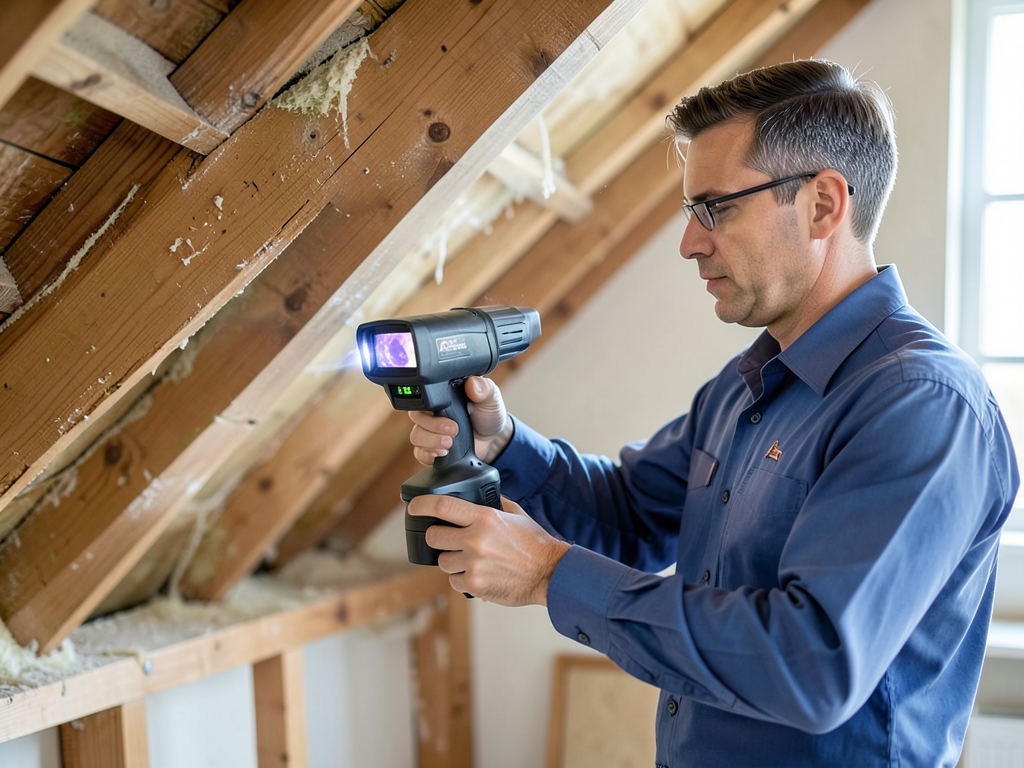
We start with moisture mapping using thermal imaging cameras and pin-type moisture meters. Black mold needs moisture content above 16 percent to thrive. We trace the moisture source, whether it is a hidden plumbing leak, foundation seepage, or condensation from inadequate attic ventilation. Stopping the water source is the only way to prevent recurrence.

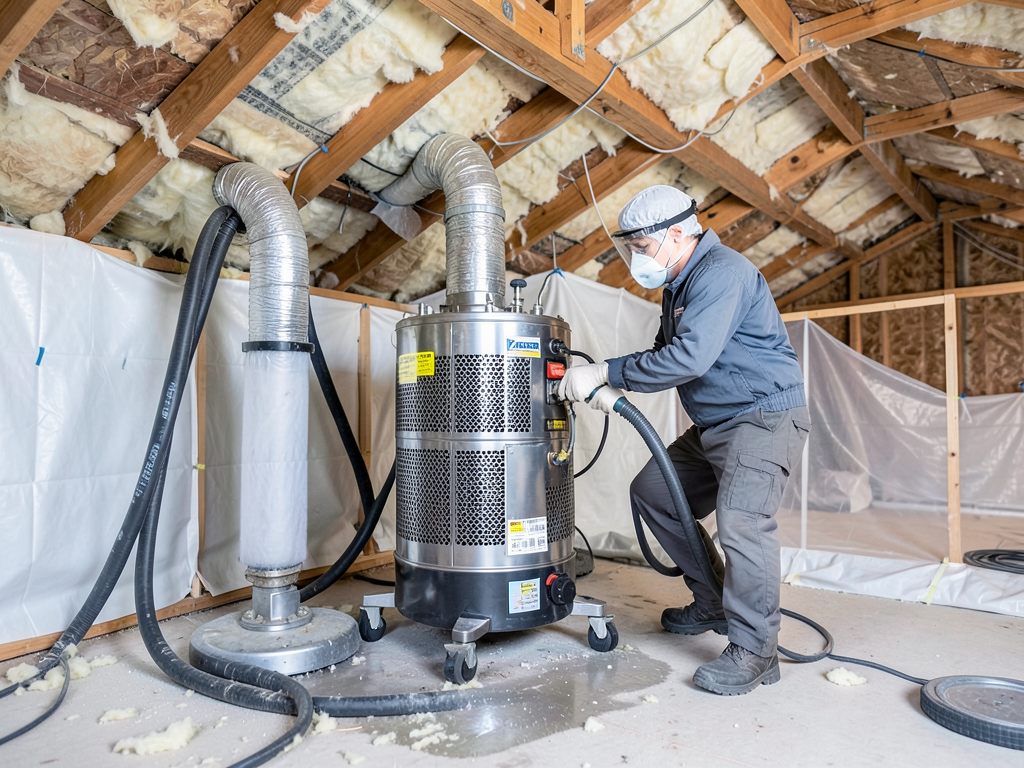
Next, we establish negative air pressure containment using HEPA-filtered air scrubbers. This prevents airborne spores from migrating to unaffected rooms during demolition. We remove contaminated materials, not just wipe surfaces. Drywall, insulation, and subflooring with visible colonization get bagged and removed. We do not cut corners by trying to salvage compromised materials.

After physical removal, we apply antimicrobial treatments to framing and structural elements that cannot be removed. We then verify remediation success using post-remediation air sampling. This is critical. You need lab confirmation that spore counts have returned to normal ambient levels, not just a visual inspection.

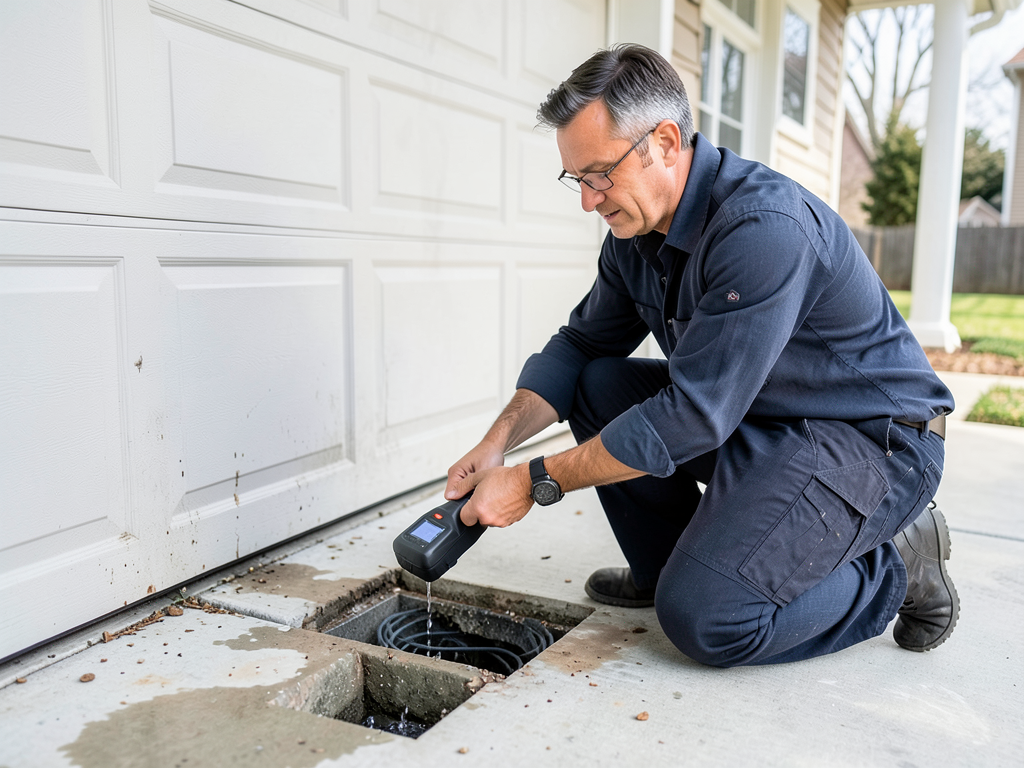
Finally, we address the moisture source permanently. This might involve sump pump installation, vapor barrier upgrades in crawl spaces, or exterior grading corrections to redirect surface water away from your foundation. Without moisture control, black mold will return within months. Kansas City's clay soil retains water and shifts with seasonal changes, which means foundation waterproofing is often part of the long-term solution.

What Happens During Your Black Mold Assessment and Removal

Black Mold Symptoms in Kansas City – Expert Diagnosis and Safe Removal Before Health Risks Escalate
01

Comprehensive Moisture and Mold Mapping

We use thermal imaging and moisture meters to trace hidden water sources and map the full extent of mold colonization behind walls and under flooring. You see exactly where the problem exists before we start demolition. We document everything with photos and moisture readings so you understand the scope and can share findings with your insurance adjuster if needed.
02

Contained Removal and Antimicrobial Treatment

We seal off the affected area with polyethylene barriers and establish negative air pressure to prevent spore migration. Contaminated materials are physically removed and bagged for safe disposal. Structural elements that remain are treated with EPA-registered antimicrobials. HEPA air scrubbers run continuously during the process to capture airborne spores and maintain air quality in unaffected rooms.
03

Post-Remediation Verification and Moisture Control

After removal, we conduct post-remediation air sampling to verify spore counts have returned to safe levels. You receive lab results confirming successful remediation. We then address the underlying moisture problem with dehumidification, vapor barriers, drainage corrections, or waterproofing solutions. This step prevents recurrence and protects your investment. You get a clean, dry space with documented proof the mold is gone.

Why Kansas City Homeowners Trust Local Expertise for Mold Remediation

Black mold remediation is not a national franchise checklist job. Kansas City's unique building challenges require local knowledge. The homes in Waldo, Westport, and Mission Hills were built in different eras with different materials. We know which houses have limestone foundations prone to seepage, which neighborhoods have high water tables, and which HVAC configurations create condensation problems in finished basements.

A Plus Water Damage Restoration Kansas City understands the seasonal patterns that drive mold growth here. Spring flooding from the Blue River and Turkey Creek creates basement moisture issues that persist into summer. Fall temperature swings cause condensation inside exterior walls when warm, humid air meets cold sheathing. We do not just treat the mold you see today. We anticipate the conditions that will cause it to return next season and engineer solutions accordingly.

We also navigate local building code requirements for mold remediation and reconstruction. Jackson County and Kansas City have specific regulations for moisture barrier installation, ventilation standards, and waste disposal. We pull permits when required and work directly with your insurance adjuster to document findings and justify coverage. Many out-of-town contractors skip these steps, leaving you with compliance headaches and claim denials.

You also need a team that responds fast. Mold colonization accelerates rapidly in the first 48 to 72 hours after water intrusion. We dispatch within hours, not days. Our equipment staging facility in Kansas City means we arrive with industrial dehumidifiers, air scrubbers, and moisture detection tools ready to deploy immediately. Speed matters when you are trying to prevent a small leak from becoming a whole-house contamination event.

What to Expect During Black Mold Remediation in Your Kansas City Home

Rapid Response and Initial Assessment

We dispatch a certified technician to your property within hours of your call. The initial assessment takes 60 to 90 minutes and includes thermal imaging, moisture readings, and visual inspection of all suspected areas. You receive a detailed scope of work and remediation plan before we begin any physical work. We coordinate directly with your insurance company if you are filing a claim. Most assessments happen the same day you contact us, and we can begin containment and removal within 24 hours if the situation requires urgent action.

Transparent Communication Throughout the Process

You know what we find, why it happened, and how we will fix it. We walk you through moisture maps and explain the remediation steps in plain language. You receive daily updates during active removal and photos documenting progress. We answer your questions about health risks, insurance coverage, and reconstruction timelines without pressuring you into unnecessary services. If air sampling reveals the problem is less severe than initially suspected, we tell you. Transparency builds trust, and trust is what you need when your family's health is at stake.

Lab-Verified Clean Air Results

Post-remediation air sampling is not optional. We send samples to an independent third-party lab for analysis. You receive a written report confirming spore counts have returned to normal ambient levels. This documentation is critical if you ever sell your home or need to prove remediation was completed correctly. We do not declare a job finished based on visual inspection alone. Lab results provide objective proof the air in your home is safe to breathe. Most results return within 72 hours of sample collection.

Long-Term Moisture Control Solutions

Removing mold is only half the solution. We identify and correct the moisture problem that caused it. This might involve sump pump installation, crawl space encapsulation, exterior drainage grading, or HVAC modifications to improve ventilation. We provide written recommendations and can coordinate the work or connect you with trusted local contractors. Kansas City's clay soil and seasonal weather patterns make moisture control an ongoing priority. We offer annual moisture inspections to catch problems early before they escalate into full remediation projects again.

Frequently Asked Questions

You Have Questions,
We Have Answers

How long does it take to recover from mold toxicity? +

Recovery time varies based on exposure duration and individual health. Mild cases may improve within weeks after mold removal and medical treatment. Severe or prolonged exposure can take months to years for full recovery. Your body needs time to clear mycotoxins from your system. Treatment includes removing yourself from the contaminated environment, proper remediation of the source, and medical care from a physician experienced in mold illness. Kansas City's humidity creates ideal conditions for mold growth, so addressing water intrusion quickly prevents toxicity from worsening. Never attempt recovery while still exposed to active mold contamination.

What does mold poisoning feel like? +

Mold poisoning feels like persistent flu symptoms that never resolve. You may experience constant fatigue, brain fog, difficulty concentrating, and memory problems. Physical symptoms include chronic headaches, sinus congestion, coughing, wheezing, and skin rashes. Many people report joint pain, muscle aches, and unexplained weakness. Digestive issues like nausea and diarrhea are common. The frustrating part is symptoms worsen in the contaminated building and improve when you leave. If you feel consistently worse at home in Kansas City's humid climate, mold exposure could be the cause. Medical testing confirms mycotoxin presence in your system.

How do you know if you have black mold? +

Black mold appears dark green or black with a slimy texture when wet. You will find it in areas with chronic moisture problems like basement walls, bathroom ceilings, or around leaking pipes. It produces a distinctive musty, earthy odor that smells like rotting wood or wet soil. In Kansas City homes, check crawl spaces, attic insulation after roof leaks, and behind drywall near plumbing. Visual inspection is not enough. Professional testing identifies the specific species. If you see any dark discoloration larger than a softball, call a certified mold inspector before disturbing it.

Can you live in a house with black mold? +

You should not live in a house with confirmed black mold until professional remediation is complete. Short-term exposure may cause respiratory irritation and allergic reactions. Long-term exposure leads to chronic health problems, especially in children, elderly residents, and people with compromised immune systems. Kansas City's seasonal humidity accelerates mold growth, making containment difficult without intervention. If you must stay during remediation, seal off contaminated areas completely and use HEPA air filtration. Never sleep in rooms with visible mold growth. Temporary relocation protects your health while professionals address the moisture source and remove contamination safely.

What kills black mold? +

Professional remediation is the only safe method for black mold removal. Certified technicians use containment barriers, HEPA filtration, and antimicrobial treatments to kill mold at the source. They remove contaminated materials like drywall and insulation that cannot be salvaged. The key is fixing the underlying moisture problem first. Bleach does not kill mold on porous surfaces and spreads spores airborne. DIY methods fail because black mold roots penetrate deep into building materials. Kansas City's climate requires humidity control and proper ventilation after treatment. Professional remediation includes clearance testing to confirm complete removal before you reoccupy the space.

How quickly does black mold spread? +

Black mold spreads rapidly under ideal conditions. In Kansas City's humid climate, colonies can double in size within 24 to 48 hours when moisture is present. A small patch behind your bathroom wall can spread throughout the cavity in days. Spores travel through HVAC systems, contaminating multiple rooms quickly. Flooding or major leaks accelerate growth exponentially. The mold you see is often just surface growth. Extensive colonization hides behind walls, under flooring, and in insulation. This is why immediate water damage response matters. Every hour of delayed drying increases contamination severity and remediation costs significantly.

What are the 10 warning signs of mold toxicity? +

The 10 warning signs of mold toxicity include persistent fatigue that rest does not improve, chronic sinus congestion and post-nasal drip, difficulty concentrating or brain fog, memory problems, unexplained headaches, respiratory issues like coughing or wheezing, skin rashes or irritation, joint pain without injury, digestive problems, and mood changes including anxiety or depression. Kansas City residents often mistake these symptoms for seasonal allergies. The critical clue is symptom patterns. If you feel worse at home and better when away for extended periods, mold exposure is likely. Multiple household members experiencing similar symptoms simultaneously indicates environmental contamination requiring professional assessment.

How do I test myself for mold toxicity? +

Medical testing for mold toxicity starts with your physician. Blood tests detect antibodies your immune system produces against specific mold species. Urine mycotoxin tests measure toxin levels your body is eliminating. These tests confirm exposure but do not diagnose illness alone. Your doctor evaluates test results alongside your symptoms and exposure history. In Kansas City, functional medicine practitioners and environmental medicine specialists understand mold illness better than general practitioners. Testing yourself requires both medical evaluation and home inspection. Professional mold testing identifies contamination sources. Without addressing the environmental cause, medical treatment alone will not resolve ongoing exposure and symptoms.

What is the difference between toxic black mold and black mold? +

The term toxic black mold specifically refers to Stachybotrys chartarum, which produces mycotoxins harmful to humans. Regular black mold is a general term for any dark-colored mold species. Not all black-appearing mold is Stachybotrys. Other species like Aspergillus, Cladosporium, and Alternaria appear black but have different toxicity levels. The distinction matters because Stachybotrys requires more aggressive remediation protocols. You cannot identify species by appearance alone. Laboratory testing of samples determines exact identification. In Kansas City homes with water damage, assume any substantial black mold growth requires professional assessment. All mold indicates moisture problems that need immediate correction regardless of species.

What is commonly mistaken for black mold? +

Dirt, soot, and mildew are commonly mistaken for black mold. Dark mineral deposits from hard water appear on bathroom tiles and grout. Soot from candles or fireplaces creates black staining on walls and ceilings. Regular mildew grows in thin patches on shower curtains and window sills. The difference is texture and smell. Black mold feels slimy when wet, grows in thick patches, and smells strongly of damp earth. Kansas City's older homes often have dark discoloration from age and dust accumulation. Professional testing eliminates guesswork. A certified inspector uses moisture meters and samples to distinguish harmless staining from hazardous mold contamination requiring remediation.

Why Kansas City's Riverside Location and Clay Soil Make Black Mold a Persistent Threat

Kansas City sits at the confluence of two major rivers, which drives humidity levels higher than surrounding regions. Spring flooding from the Missouri and Kansas Rivers raises local water tables, pushing moisture through foundation walls and basement floors. The clay soil common throughout Jackson County and surrounding areas compounds the problem. Clay retains water and expands during wet seasons, creating hydrostatic pressure against foundations. This forces moisture through cracks, cold joints, and porous concrete. Even homes with no visible leaks often have elevated humidity levels in basements and crawl spaces, creating ideal conditions for stachybotrys chartarum colonization.

A Plus Water Damage Restoration Kansas City has worked in every neighborhood from Brookside to North Kansas City. We know the building patterns, foundation types, and common failure points in homes across the metro. We understand local building codes for remediation and reconstruction, and we work directly with adjusters from the insurance companies that dominate the Kansas City market. Our technicians live here, work here, and respond from local staging facilities. When you call a national franchise, you get a subcontractor who may or may not understand Kansas City's unique mold challenges. When you call us, you get a team that has seen your exact problem a hundred times before.
Water Damage Restoration Services in The Kansas City Area

While we provide rapid mobile service throughout the entire Kansas City area, you can also view our general service area on the map. We are dedicated to being a local, accessible resource for all your water damage restoration needs, whether you're in the heart of the city or a surrounding community. Our team is always just a phone call away, ready to assist you with expertise and care, no matter where you are located within our service area.

Address:
A Plus Water Damage Restoration Kansas City, 1020 E Armour Blvd, Kansas City, MO, 64109

Additional Services We Offer

Our news updates

Latest Articles & News from The Blogs

How the hard water in Edwardsville is secretly shortening the life of your plumbing and appliances Hard water is more…

How the hard water in Edwardsville is secretly shortening the life of your plumbing and appliances

How the hard water in Edwardsville is secretly shortening the life of your plumbing and appliances Hard water is more…

How to protect your Weatherby Lake home from major water damage while you are away for the winter

How to protect your Weatherby Lake home from major water damage while you are away for the winter Winterizing your…

What every first-time buyer in Raymore needs to check for water damage before closing the deal

What every first-time buyer in Raymore needs to check for water damage before closing the deal Buying your first home…

Contact Us

You should not wait for symptoms to worsen. Call A Plus Water Damage Restoration Kansas City at (816) 473-3833 for same-day assessment and lab-verified remediation. We stop mold at the source and restore safe air quality in your home.