






Menu

Sump Pump Maintenance Guide in Kansas City – Prevent Basement Flooding Before the Next Storm

Learn the exact sump pump maintenance checklist Kansas City homeowners need to avoid costly water damage during Missouri's heavy spring rains and flash flood season.

Slider Image 1
Slider Image 2
Slider Image 3
Slider Image 4
Slider Image 5
Slider Image 7
Slider Image 8
Slider Image 9
Slider Image 10
Slider Image 11

Why Kansas City Basements Need Year-Round Sump Pump Care

Kansas City sits at the confluence of the Kansas and Missouri Rivers, and the region's clay-heavy soil does not drain water easily. When spring thunderstorms dump several inches of rain in under an hour, that water has nowhere to go but down. Your sump pump is the only barrier between your basement and a flood.

Most Kansas City homeowners ignore their sump pump until it fails. You flip the switch during a storm and nothing happens. By then, water is already pooling around your furnace and ruining storage boxes. The clay soil common in neighborhoods like Brookside and Waldo makes hydrostatic pressure worse. Water pushes against foundation walls with tremendous force, and a dormant sump pump cannot handle the sudden surge.

Preventative sump pump maintenance is not optional in this climate. You need a sump pump care routine that accounts for sediment buildup from our muddy groundwater, power outages during severe weather, and the freeze-thaw cycles that crack discharge lines every winter. How to maintain a sump pump correctly means checking components monthly, not just when you hear strange noises.

A sump pump maintenance checklist tailored to Kansas City conditions protects your property investment. You prevent mold growth, structural damage, and the nightmare of dealing with insurance claims after a flood. Sump pump upkeep instructions are simple, but they must be done consistently. Most failures happen because homeowners skip basic inspections until it is too late.

Why Kansas City Basements Need Year-Round Sump Pump Care
The Complete Sump Pump Maintenance Process

The Complete Sump Pump Maintenance Process

Proper sump pump maintenance starts with understanding your system type. Submersible pumps sit inside the sump pit and handle debris better, while pedestal pumps keep the motor above water and last longer. Kansas City homes built before 1990 often have undersized pits that fill too quickly during heavy rain. You need to know your pump's gallons-per-hour rating and whether it matches your basement's square footage.

The maintenance process involves three core tasks. First, you inspect the float switch. This component triggers the pump when water reaches a certain level. Clay sediment and mineral deposits from our hard water can jam the float arm, rendering the entire system useless. You test the switch by pouring water into the pit and watching the pump activate. If it hesitates or fails to start, you clean or replace the float immediately.

Second, you check the discharge line and backflow preventer. Kansas City winters freeze pipes, and a blocked discharge line forces water back into your basement. You verify the exterior exit point is clear of ice, mud, and landscaping debris. The backflow preventer stops pumped water from reversing direction during power outages. This valve must move freely, or your pump runs continuously and burns out the motor.

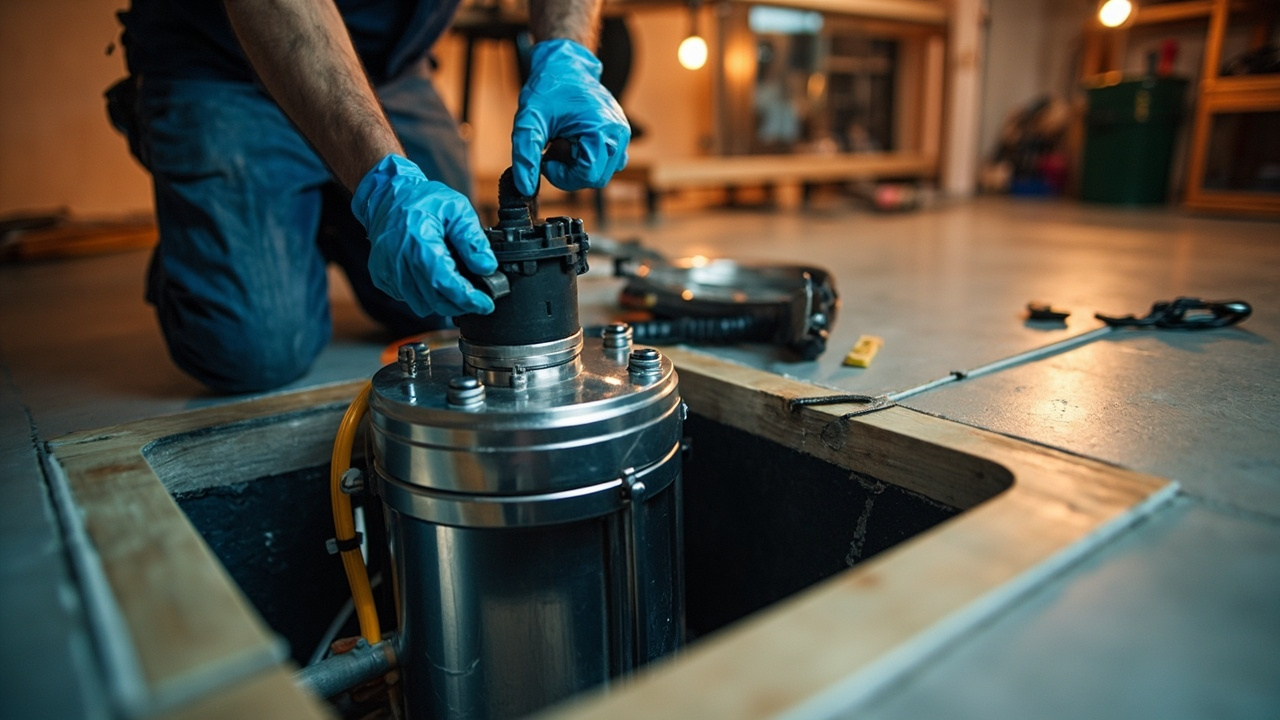
Third, you clean the sump pit itself. Sediment settles at the bottom and reduces pump efficiency. You remove the pump, vacuum out debris, and inspect the intake screen. This step prevents clogs that cause the motor to overheat. Professional-grade maintenance also includes amp draw testing to detect motor wear before failure occurs. Most homeowners skip this diagnostic step and pay for emergency replacements during storms.

How We Help You Execute Reliable Sump Pump Care

Sump Pump Maintenance Guide in Kansas City – Prevent Basement Flooding Before the Next Storm
01

Baseline System Assessment

We evaluate your current sump pump setup against Kansas City's flood risk factors. You receive a detailed report showing pump capacity, pit size adequacy, and discharge line condition. We identify weak points like inadequate backup power or improper grading around your foundation. This assessment establishes a maintenance schedule based on your home's age, soil type, and historical water intrusion patterns.
02

Seasonal Maintenance Protocol

We implement a preventative sump pump maintenance routine aligned with Kansas City's weather patterns. Before spring storm season, we test float switches, clean pits, and verify discharge lines are thawed and clear. We check battery backup systems and replace aging components before they fail. You get documentation of each service visit, including amp draw readings and performance benchmarks that track system health over time.
03

Emergency Preparedness Planning

We help you prepare for worst-case scenarios. You learn how to manually operate your pump during power outages and when to activate backup systems. We provide guidance on sump pump alarm installation and water-level monitoring. If your pump fails despite maintenance, you have direct access to emergency response resources. This planning minimizes water damage and gives you confidence during severe weather events.

Why Kansas City Homeowners Trust Local Expertise

Kansas City's unique flooding challenges require local knowledge. National companies do not understand how our clay soil composition affects foundation drainage or how quickly water tables rise after storms. A Plus Water Damage Restoration Kansas City works exclusively in this metro area. We know which neighborhoods in Shawnee, Overland Park, and Independence flood first during heavy rain. We understand the specific building code requirements for sump pump installation in Johnson County and Jackson County.

Our technicians recognize the warning signs other providers miss. They spot foundation cracks common in homes built on the area's expansive clay soil. They identify inadequate french drain systems that funnel too much water into undersized sump pits. This expertise comes from years of responding to basement floods across the metro and understanding the patterns that cause them.

You work with a team that prioritizes education over sales. We show you how to maintain a sump pump between professional service visits. You learn to recognize float switch problems, unusual pump cycling, and discharge line issues before they become emergencies. This approach reduces your long-term costs and gives you control over your home's flood prevention strategy.

We also understand Kansas City's insurance landscape. Many policies exclude flood damage but cover sump pump failures under different terms. We provide documentation that supports your claims and helps you navigate the coverage process. Our maintenance records demonstrate you took reasonable precautions, which strengthens your position with adjusters. This local insight protects both your property and your financial interests when water damage occurs despite your best efforts.

What to Expect from Professional Sump Pump Maintenance

Service Timing and Availability

Routine maintenance visits take 45 to 90 minutes depending on system complexity and pit accessibility. We schedule seasonal inspections before spring storms and again before winter freeze conditions. You receive reminder notifications 30 days before your next service window. Emergency diagnostic visits happen within four hours during business hours and within 12 hours overnight. We prioritize pre-storm appointments when severe weather is forecast, helping you avoid the rush when other homeowners realize their pumps are not working.

Comprehensive System Evaluation

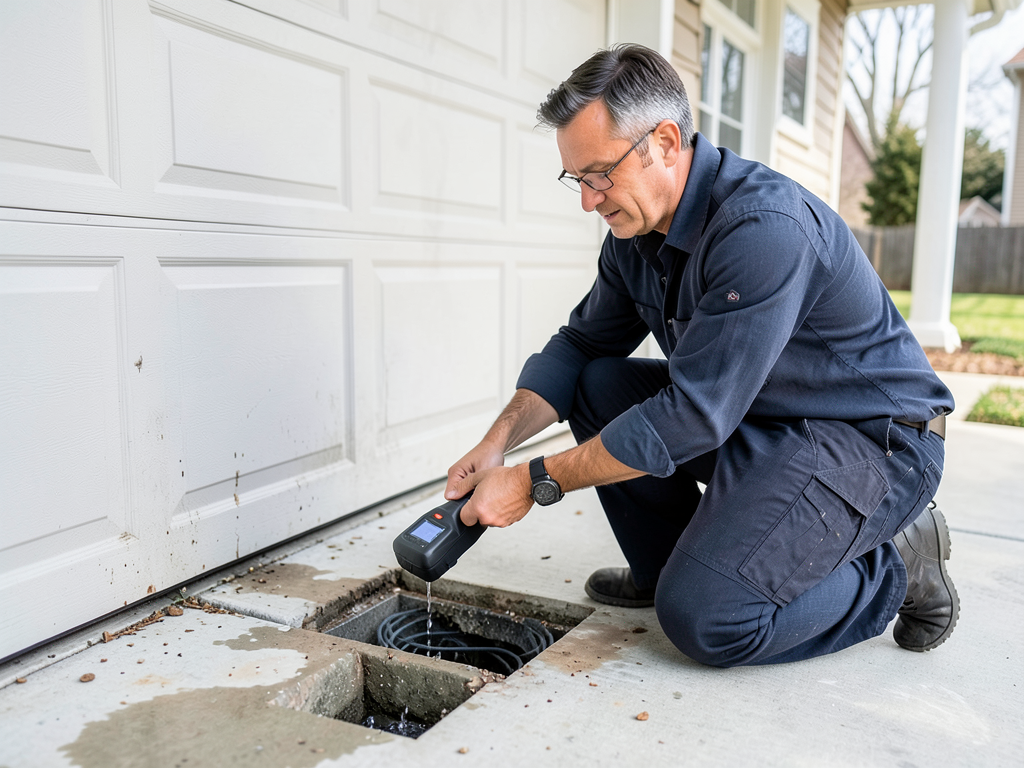
Initial assessments include measuring pump capacity against your basement dimensions and current groundwater conditions. We test float switch responsiveness, check valve operation, and discharge line integrity. You receive amp draw readings that establish motor health baselines for future comparison. We inspect sump pit construction quality and identify sediment accumulation rates. The evaluation includes recommendations for backup battery systems or secondary pumps if your flood risk warrants additional protection. You get a written report with photographs documenting current conditions and any components requiring attention.

Results You Can Measure

Properly maintained sump pumps activate smoothly when water enters the pit and shut off cleanly when the level drops. You notice quieter operation and faster cycle times. Discharge lines clear completely without backflow, and the pump handles heavy rain events without running continuously. Your basement stays dry during storms that flood neighboring properties. We track pump runtime data across service visits to identify performance degradation before failure occurs. This proactive approach extends equipment lifespan and prevents the catastrophic failures that lead to insurance claims and expensive remediation work.

Ongoing Support and Follow-Up

We maintain detailed service records for every system we inspect. You receive copies documenting maintenance dates, component conditions, and any repairs performed. These records prove valuable for insurance purposes and home sales. Between scheduled visits, you have access to phone support for questions about unusual pump behavior or storm preparation. We provide guidance on simple troubleshooting steps you can take before calling for service. If maintenance reveals components nearing end-of-life, we notify you with lead time to plan replacements during non-emergency conditions when costs are lower.

Frequently Asked Questions

You Have Questions,
We Have Answers

What maintenance does a sump pump require? +

Your sump pump needs regular checks to stay reliable. Test it every three months by pouring water into the pit until the float activates. Clean debris from the pit and screen. Inspect the discharge line for clogs or freezing, especially during Kansas City winters. Check the check valve to prevent backflow. Lubricate the float if needed. Battery backup systems require annual testing and battery replacement every three years. Kansas City's clay soil and seasonal storms make consistent maintenance critical. A well-maintained pump protects your basement from flooding during heavy rains common to the region.

What is the most common problem with sump pumps? +

Switch failure is the most common sump pump problem. The float switch activates the pump when water rises, but debris, mineral buildup, or mechanical wear can cause it to stick or fail. This leaves your basement vulnerable during storms. Kansas City's high mineral content in groundwater accelerates buildup on switches and impellers. Other frequent issues include clogged discharge lines, frozen pipes during winter cold snaps, and burned-out motors from overuse during prolonged wet periods. Regular testing catches switch problems before they cause flooding. Annual inspections prevent most failures.

Does sump pump maintenance really matter? +

Sump pump maintenance matters significantly. A failed pump during a Kansas City thunderstorm can flood your basement in minutes, causing thousands in water damage. Mold growth starts within 24 hours of water intrusion. Regular maintenance catches problems before they fail, protecting your foundation, belongings, and indoor air quality. Kansas City experiences seasonal heavy rains and rapid snowmelt that stress sump systems. Clay soil common throughout the metro area channels water toward foundations, increasing pump workload. Ten minutes of quarterly testing prevents costly emergency repairs and protects your home investment. Skip it and risk disaster.

Can I put a chlorine tablet in my sump pump? +

Never put chlorine tablets in your sump pump. Chlorine corrodes metal components, degrades rubber seals, and damages the pump motor. It also creates toxic fumes in enclosed spaces and can harm your septic system if discharge connects to it. Some homeowners try this to control odors, but it causes more problems than it solves. For odor control, clean the pit regularly, ensure proper venting, and address standing water issues. If you smell sewage, you may have a sanitary line problem requiring professional attention. Use pumps designed for your specific application instead of improvising chemical solutions.

What is the typical lifespan of a sump pump? +

A quality sump pump typically lasts seven to ten years with proper maintenance. Heavy-duty models in low-stress environments can reach 15 years. Kansas City homes with high water tables or frequent flooding cycles through pumps faster, shortening lifespan to five to seven years. Battery backup pumps need battery replacement every three to five years. Factors affecting longevity include runtime frequency, power quality, debris exposure, and maintenance consistency. Pedestal pumps generally outlast submersible models but move less water. Replace pumps proactively before complete failure to avoid emergency situations during storms.

How much does it cost to have a sump pump serviced? +

Professional sump pump service in Kansas City typically ranges from modest to moderate costs, depending on scope. Basic annual inspections and cleaning run lower, while comprehensive service including discharge line checks, valve testing, and electrical inspections costs more. Battery replacement adds to the total. Many water damage restoration companies include sump service as part of preventive maintenance packages. Costs vary based on pump type, accessibility, and any repairs discovered during inspection. Investing in annual service prevents emergency repair bills that run significantly higher. Compare local providers and ask what their service includes before committing.

What are the signs of a bad sump pump? +

Warning signs of a failing sump pump include strange noises like grinding or rattling, indicating bearing or impeller damage. Pumps that run constantly suggest switch failure or undersized capacity. Irregular cycling points to electrical problems. Visible rust on the pump or excessive vibration signals imminent failure. If your basement smells musty or shows water stains despite pump operation, the system is not keeping up. Slow drainage or water remaining in the pit after operation means reduced pumping capacity. Test your pump immediately if you notice these signs. Kansas City's storm season is not the time to discover failure.

What is the #1 cause of basement flooding? +

Sump pump failure is the number one cause of basement flooding in homes with sump systems. When pumps fail during heavy rains common to Kansas City, water overwhelms foundation drainage systems. Other leading causes include clogged or frozen discharge lines, power outages during storms, and overwhelmed municipal storm sewers backing up into homes. Kansas City's clay soil and older neighborhoods with combined sewer systems increase flooding risk. Foundation cracks and poor exterior grading also contribute. Battery backup systems and regular pump maintenance dramatically reduce flood risk. Address drainage issues before storm season hits the metro area.

What is the average cost to replace a sump pump? +

Sump pump replacement in Kansas City typically costs between moderate and higher amounts, depending on pump type and installation complexity. Basic pedestal pumps cost less but submersible models offer better performance. Battery backup systems add to the total. Installation difficulty varies based on pit condition, electrical work needed, and discharge routing. Expect higher costs for commercial-grade pumps or systems requiring new pit excavation. Emergency replacements during flooding cost significantly more than planned upgrades. Get quotes from multiple licensed contractors. Investing in quality equipment and professional installation prevents repeated failures and protects your basement investment.

Do plumbers clean sump pumps? +

Many plumbers service sump pumps, but water damage restoration specialists often provide more comprehensive maintenance. Plumbers handle installation, replacement, and basic repairs effectively. However, restoration companies understand how pumps integrate with broader basement waterproofing and drainage systems. They recognize early signs of water intrusion and foundation issues that plumbers might miss. For Kansas City homeowners, choose providers familiar with local soil conditions, seasonal flooding patterns, and regional building practices. Ask about their experience with pump maintenance specifically. Annual service from qualified professionals, whether plumbers or restoration experts, keeps your system reliable when storms hit.

How Kansas City's Clay Soil and Flash Flood Patterns Demand Proactive Pump Care

Kansas City's clay-rich soil creates unique drainage challenges. Clay expands when wet and contracts when dry, causing foundation movement that cracks basement walls and creates new water entry points. During spring thunderstorms, this soil type becomes saturated quickly and sheds water toward foundations instead of absorbing it. Flash flooding along Brush Creek, the Blue River, and Turkey Creek overwhelms storm sewers, raising water tables in surrounding neighborhoods within minutes. Your sump pump must handle sudden, extreme water volume spikes that less flood-prone regions never experience. Maintenance routines must account for the sediment load our muddy groundwater carries and the rapid pressure changes that stress pump motors beyond typical operating parameters.

Local building codes and insurance requirements make professional maintenance documentation important. Johnson County and Jackson County have specific requirements for sump pump discharge placement relative to property lines and storm sewer connections. Homeowners associations in developments like Leawood and Prairie Village enforce additional rules about visible discharge pipes. Working with a Kansas City-based water damage restoration company means your maintenance practices comply with municipal codes and HOA covenants. We understand the inspection requirements that apply during property transfers and can provide the documentation buyers and title companies request. This local expertise protects your investment and simplifies compliance with regulations other providers may not know exist.
Water Damage Restoration Services in The Kansas City Area

While we provide rapid mobile service throughout the entire Kansas City area, you can also view our general service area on the map. We are dedicated to being a local, accessible resource for all your water damage restoration needs, whether you're in the heart of the city or a surrounding community. Our team is always just a phone call away, ready to assist you with expertise and care, no matter where you are located within our service area.

Address:
A Plus Water Damage Restoration Kansas City, 1020 E Armour Blvd, Kansas City, MO, 64109

Additional Services We Offer

Our news updates

Latest Articles & News from The Blogs

How the hard water in Edwardsville is secretly shortening the life of your plumbing and appliances Hard water is more…

How the hard water in Edwardsville is secretly shortening the life of your plumbing and appliances

How the hard water in Edwardsville is secretly shortening the life of your plumbing and appliances Hard water is more…

How to protect your Weatherby Lake home from major water damage while you are away for the winter

How to protect your Weatherby Lake home from major water damage while you are away for the winter Winterizing your…

What every first-time buyer in Raymore needs to check for water damage before closing the deal

What every first-time buyer in Raymore needs to check for water damage before closing the deal Buying your first home…

Contact Us

Do not wait for the next storm to test your sump pump. Call (816) 473-3833 now to schedule a comprehensive maintenance assessment. Our team will evaluate your system, perform necessary cleaning and adjustments, and give you peace of mind before severe weather strikes.