




Menu

Storm Flooding Emergency Service in Kansas City – 24/7 Response Teams Dispatch in Under 60 Minutes

When storm flooding hits your Kansas City property, you need storm flooding emergency service now. Our crews arrive fast, extract water immediately, and stop structural damage before it spreads.

Slider Image 1
Slider Image 2
Slider Image 3
Slider Image 4
Slider Image 5
Slider Image 7
Slider Image 8
Slider Image 9
Slider Image 10
Slider Image 11

Why Kansas City Storm Flooding Demands Immediate Professional Response

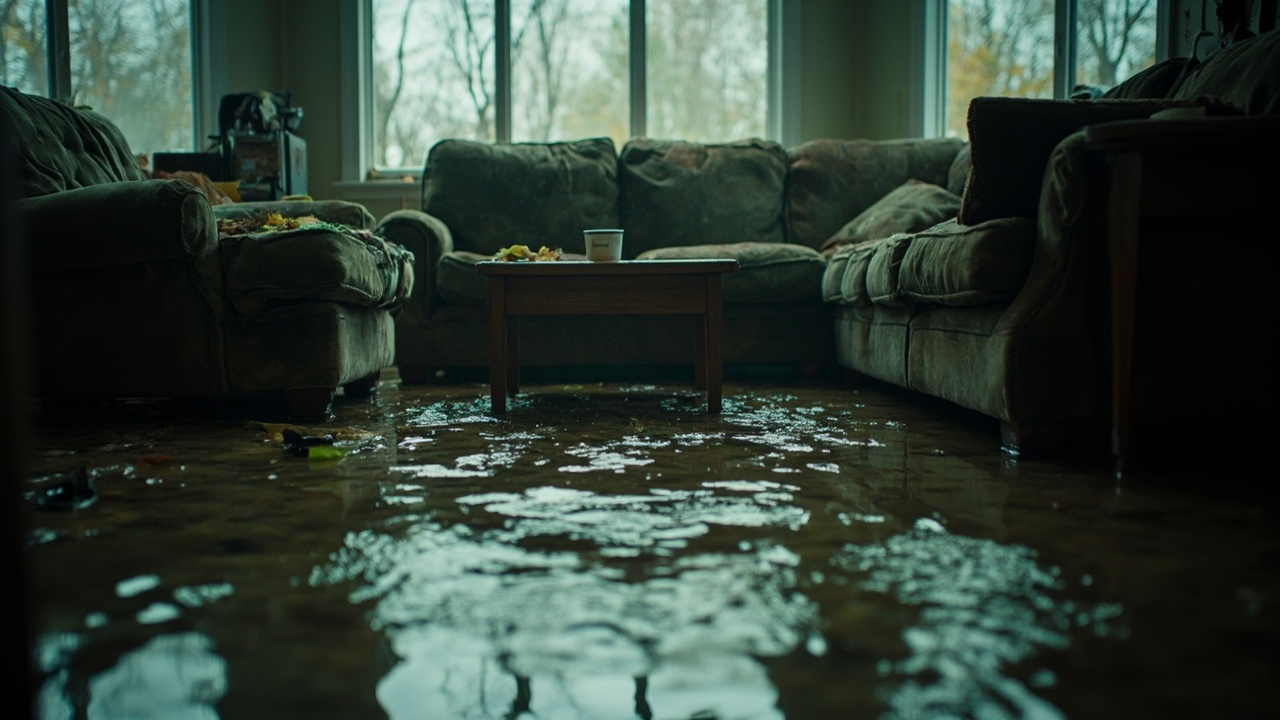
Kansas City sits at the confluence of the Kansas and Missouri Rivers. When severe thunderstorms dump three inches of rain in an hour, that water has nowhere to go but into your basement, crawlspace, or first floor. The clay soil common throughout Jackson County does not absorb water quickly. Instead, it creates runoff that pools around foundations and seeps through cracks, window wells, and sump pump failures.

You need emergency storm damage restoration the moment you see standing water. Every hour you wait, water migrates deeper into drywall, insulation, and subfloors. Mold spores colonize porous materials within 24 to 48 hours. Electrical systems become hazards. Hardwood floors cup and warp beyond repair.

Storm flooding in Kansas City is not just a cleanup problem. The combination of humid summers and fluctuating spring temperatures creates ideal conditions for secondary damage. Your urgent flood cleanup services must address both the visible water and the moisture trapped in wall cavities and beneath flooring.

When storm drains back up along Ward Parkway or flash flooding overwhelms Brush Creek, you need 24/7 flood water removal from a team that understands Kansas City's unique drainage challenges. Rapid storm water extraction prevents the cascade of damage that turns a fixable problem into a total loss. Calling an emergency flood repair company immediately gives you the best chance to salvage your belongings and avoid structural compromise.

Why Kansas City Storm Flooding Demands Immediate Professional Response
Our Storm Flooding Emergency Protocol

Our Storm Flooding Emergency Protocol

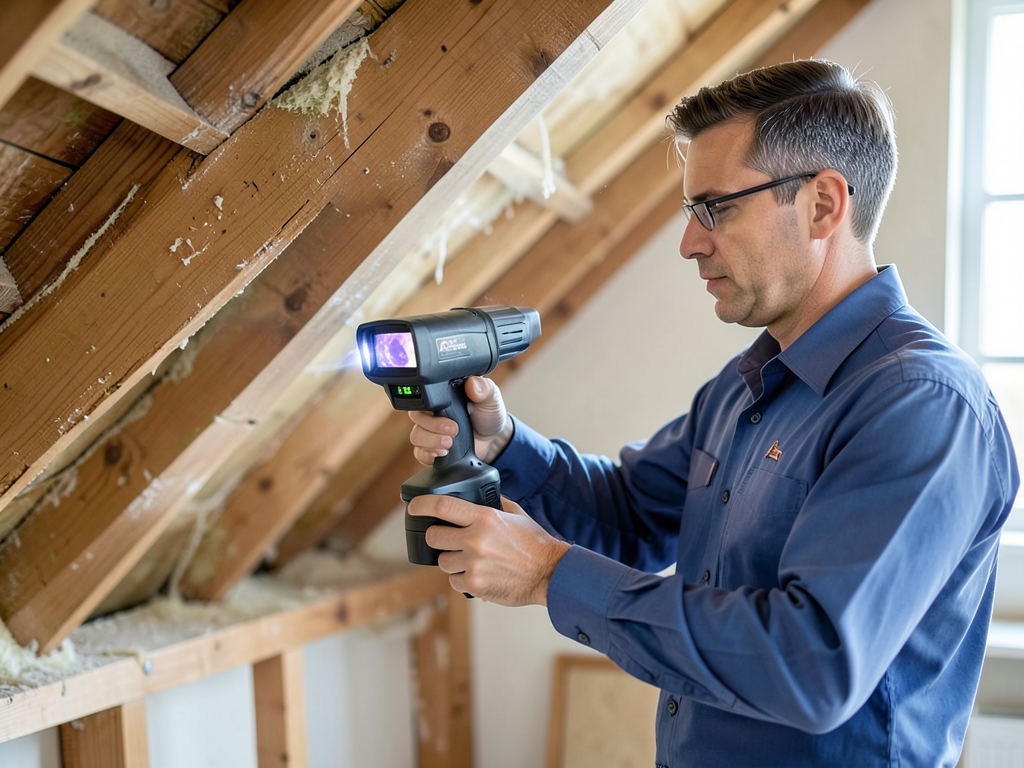
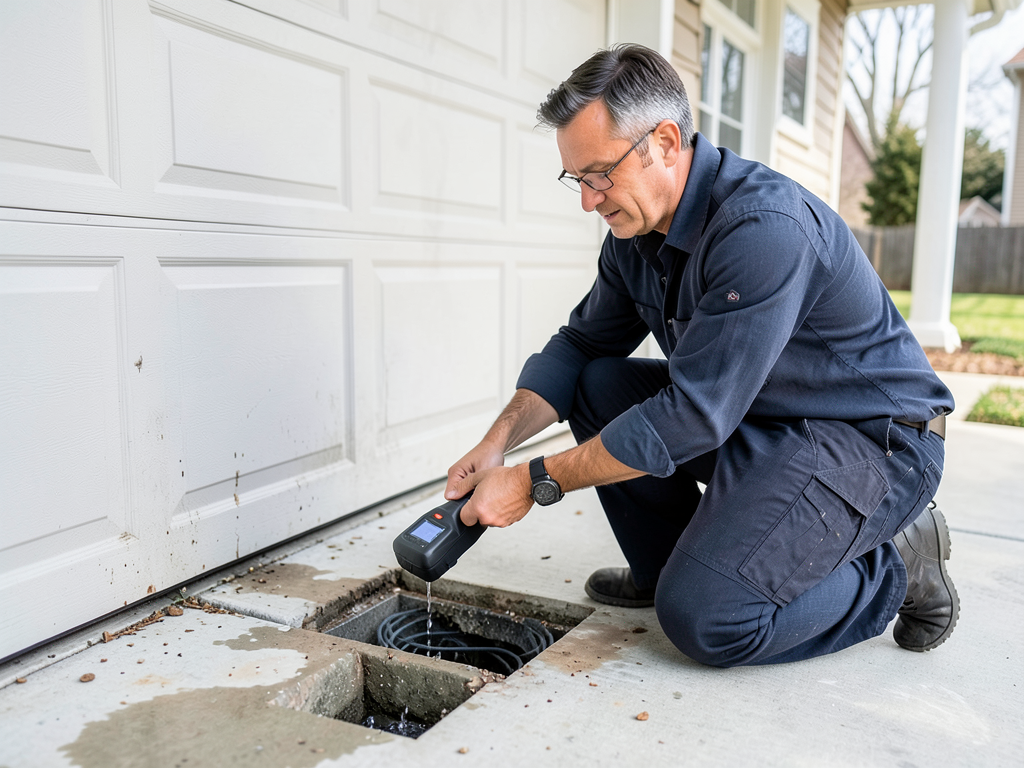
We deploy truck-mounted extractors and submersible pumps to remove standing water in the first hour. Speed matters because water wicks upward through capillary action. Drywall absorbs moisture 12 inches above the visible waterline. Baseboards act as sponges. We measure moisture levels using infrared cameras and penetrating moisture meters to map the full extent of saturation you cannot see.

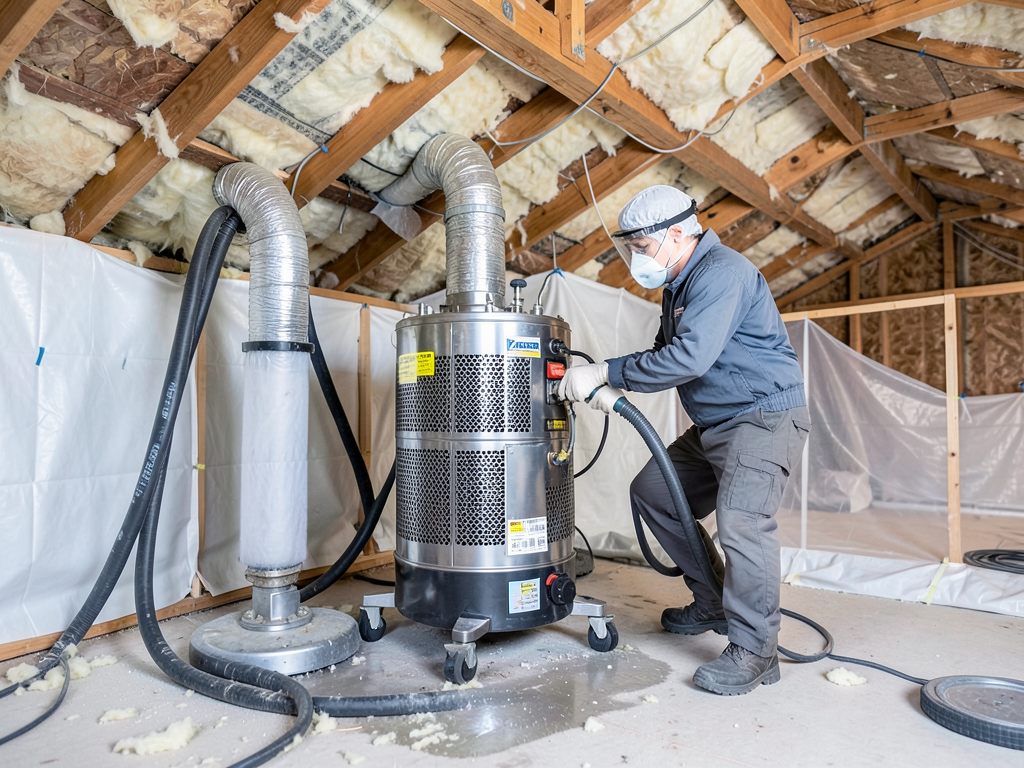
After extraction, we place commercial air movers and low-grain refrigerant dehumidifiers to create negative pressure drying environments. This is not the same as pointing box fans at wet carpet. Our equipment cycles the air 20 to 30 times per hour and removes moisture at the molecular level. We monitor daily using psychrometric calculations to ensure drying progresses on schedule.

We document every step for your insurance claim. Photos, moisture readings, equipment logs, and daily progress notes give your adjuster exactly what they need to approve the scope of work. We bill your insurer directly in most cases, so you avoid out-of-pocket expenses while waiting for reimbursement.

For storm flooding that introduces contaminated water from sewer backups or overland flow, we follow IICRC S500 standards for category 2 and category 3 water. This means controlled demolition of non-salvageable materials, antimicrobial treatment, and proper disposal. We do not cut corners. Contaminated materials must be removed to protect your health.

A Plus Water Damage Restoration Kansas City handles emergency storm damage restoration with the urgency your situation demands. We answer your call, dispatch immediately, and work around the clock until your property is stabilized and drying properly.

What Happens When You Call for Emergency Storm Flooding Service

Storm Flooding Emergency Service in Kansas City – 24/7 Response Teams Dispatch in Under 60 Minutes
01

Immediate Dispatch and Assessment

You call our emergency line at (816) 473-3833, and we dispatch a crew to your Kansas City property within the hour. Our technician performs a visual inspection, identifies the water source, measures affected areas, and explains the extraction and drying plan. You receive a clear outline of what happens next before any equipment is placed.
02

Water Extraction and Containment

We use truck-mounted extractors and submersible pumps to remove standing water. Weighted extraction wands pull water from carpet padding. We move furniture to unaffected areas, pull baseboards to access wall cavities, and set containment barriers to isolate the drying zone. Air movers and dehumidifiers begin running immediately to halt secondary damage.
03

Monitoring and Structural Drying

We return daily to measure moisture levels in flooring, walls, and structural components. Drying typically takes three to five days depending on materials and saturation depth. Once readings return to normal, we remove equipment and provide a completion report. You are left with a dry, stable structure ready for any necessary repairs or restoration work.

Why Kansas City Property Owners Trust Local Emergency Flood Response

Storm flooding in Kansas City requires local knowledge. We know that homes in the West Plaza and Brookside neighborhoods were built in the 1920s and 1930s with limestone foundations that wick moisture. We understand that properties near Brush Creek face flash flooding risk during severe weather. We have worked with nearly every major insurance carrier active in Jackson County and know how to document claims for fast approval.

National franchises send technicians from other states who do not understand Kansas City's soil conditions or building codes. They follow a script. We adapt our approach based on your property type, the flood source, and the materials affected. If you have a historic home in the Hyde Park district, we know how to dry plaster walls without causing cracking. If you own a commercial building in the Crossroads, we understand the liability of keeping your business open during remediation.

We also respond faster because our crews are based in Kansas City. When storms hit at 2 a.m. on a Sunday, we are 15 minutes away, not waiting for a corporate call center to route your emergency to an on-call technician three counties over.

You need an emergency flood repair company that prioritizes your property as much as you do. A Plus Water Damage Restoration Kansas City treats every storm flooding call as if it were our own home or business. We communicate clearly, work efficiently, and do not leave until the job is done right. Our reputation depends on your outcome, and we take that seriously.

What to Expect During Emergency Storm Flooding Response

Arrival Time and Availability

We answer emergency calls 24 hours a day, seven days a week. When you call (816) 473-3833, you speak directly with our dispatch team, not an answering service. We commit to arriving at your Kansas City property within 60 minutes during peak storm season and typically arrive faster. Our trucks carry all necessary extraction and drying equipment, so we begin work immediately upon arrival. There is no waiting for equipment delivery or second trips to the warehouse.

Initial Evaluation and Scope

Our lead technician walks the affected areas with you, explains what they observe, and answers your questions. We use moisture meters and thermal imaging to identify hidden saturation. You receive a verbal overview of the extraction process, estimated drying time, and what to expect over the next few days. We also discuss your insurance coverage and whether direct billing is an option. This conversation happens before we start any work, so you understand the plan and the process.

Completion and Documentation

Once structural drying is complete, we provide you with a final moisture report showing all affected materials have returned to normal levels. This documentation is critical for your insurance claim and proves the work was done to industry standards. We remove all equipment, return furniture to its original location, and leave your property clean and ready for any necessary repairs. You receive photos, equipment logs, and a detailed invoice broken down by labor, equipment, and materials.

Follow-Up and Prevention Guidance

After the emergency is resolved, we provide recommendations to reduce future storm flooding risk. This may include sump pump upgrades, foundation grading adjustments, or backup power solutions for your existing drainage system. We do not sell these services ourselves, but we can refer you to trusted Kansas City contractors who specialize in basement waterproofing and drainage correction. Our goal is to help you avoid the same problem twice.

Frequently Asked Questions

You Have Questions,
We Have Answers

Is flooding considered an emergency? +

Yes. Flooding is a critical emergency that requires immediate action. Water infiltration escalates rapidly, causing structural damage, electrical hazards, and mold growth within 24-48 hours. Kansas City's clay soil and aging infrastructure amplify risk, especially during spring storms when the Missouri and Kansas Rivers overflow. Floodwater often contains sewage, chemicals, and debris that pose health threats. You must act within the first hour to protect your property and family. Turn off power at the breaker, evacuate if water is rising, and call a 24/7 emergency restoration team immediately. Delaying response increases damage exponentially and jeopardizes insurance claims.

What are the emergency procedures for a flood? +

First, ensure everyone's safety and evacuate if water is rising above floor level. Turn off electricity at the main breaker panel to prevent electrocution. Do not touch electrical equipment if standing in water. If safe, shut off the main water supply to stop additional flooding. Move valuables and furniture to higher ground. Document damage with photos and video for insurance claims. Contact your insurance company immediately. Call a certified emergency water damage restoration company that operates 24/7 in the Kansas City metro. Do not use household vacuums on standing water. Professional extraction equipment prevents secondary damage and mold contamination.

Who to call if you have a flood? +

Call a certified water damage restoration company that offers 24/7 emergency response in Kansas City. These professionals have industrial-grade extraction equipment, thermal imaging cameras, and structural drying systems. They arrive within 60-90 minutes, stop the source, extract standing water, and begin drying to prevent mold. Do not wait for your insurance adjuster before starting mitigation. Most restoration companies work directly with insurers and document damage for your claim. If flooding is widespread and affects multiple homes in your neighborhood, contact Kansas City's Emergency Management at 311 for community resources and potential disaster declarations.

How do you contact FEMA when you've been through a flood? +

Contact FEMA by calling 1-800-621-3362 or visit DisasterAssistance.gov to register online. You can also use the FEMA mobile app to file claims. FEMA assistance applies only if the President declares Kansas City or Jackson County a federal disaster area, which requires widespread damage beyond individual incidents. Apply within 60 days of the disaster declaration. FEMA provides grants for temporary housing, home repairs, and personal property replacement not covered by insurance. Keep all receipts and documentation. FEMA does not replace flood insurance. If you live in a floodplain near the Blue River or Brush Creek, you need separate flood insurance through NFIP.

What are four types of emergencies? +

The four primary types of emergencies are natural disasters, medical emergencies, fire emergencies, and hazardous material incidents. Natural disasters include flooding, tornadoes, severe thunderstorms, and ice storms common in Kansas City. Medical emergencies involve injury or illness requiring immediate care. Fire emergencies include structure fires, electrical fires, and wildfires. Hazardous material incidents involve chemical spills, gas leaks, or contaminated floodwater containing sewage. Kansas City residents face heightened flood risk due to proximity to the Missouri River, Kansas River, and tributaries like Brush Creek. Each emergency type requires specific response protocols and trained professionals.

Who is liable for flooding? +

Liability depends on the flood source. Property owners are liable for damage caused by negligence, such as ignoring known plumbing leaks, failing to maintain gutters, or improper grading that directs water toward neighboring properties. Municipalities may be liable if storm sewer failures or inadequate drainage infrastructure cause flooding. In Kansas City, liability disputes often involve stormwater management failures or burst municipal water mains. Landlords are liable for tenant damages if they neglected maintenance. Natural flooding from rivers or heavy rainfall typically falls on the property owner unless covered by flood insurance. Document everything and consult a property damage attorney if liability is contested.

What are 5 emergency procedures? +

Five critical emergency procedures for flooding are: evacuate immediately if water is rising, turn off electricity at the breaker panel, shut off the main water supply if the source is internal, contact emergency restoration services within the first hour, and document all damage with photos and video before moving items. Do not enter flooded basements without confirming power is off. Avoid contact with floodwater, which often contains sewage and chemicals in Kansas City's older neighborhoods. Notify your insurance carrier immediately to start the claims process. Remove wet materials like carpets and drywall within 24 hours to prevent mold colonization in Missouri's humid climate.

What to do immediately after a flood? +

Immediately call a certified water damage restoration company that operates 24/7 in Kansas City. Do not wait. Extract standing water within the first few hours using professional equipment. Remove soaked materials like carpet padding, drywall, and insulation to prevent mold growth, which begins within 24-48 hours in Kansas City's humidity. Open windows if weather permits and use fans to increase airflow. Do not use bleach on porous surfaces. Document everything for insurance claims before cleanup. Disinfect all surfaces contacted by floodwater, especially if sewage is present. Check your basement foundation for cracks that allowed water entry, common in Kansas City's clay soil conditions.

What is the average FEMA flood payout? +

FEMA grants average between three thousand and eight thousand dollars, but amounts vary significantly based on damage severity and declared disaster scope. FEMA assistance is not a replacement for flood insurance. It covers only essential repairs, temporary housing, and uninsured necessities. Most Kansas City homeowners find FEMA grants insufficient for full restoration after major flooding events. To maximize assistance, document all damage thoroughly and apply immediately after a federal disaster declaration. FEMA does not cover cosmetic repairs or luxury items. If you live in a floodplain near the Missouri River or Brush Creek, you must carry separate NFIP flood insurance, as standard homeowners policies exclude flood damage.

Does a water leak count as an emergency? +

Yes. Active water leaks are emergencies that require immediate response. Even small leaks cause hidden structural damage, electrical hazards, and rapid mold growth within 24-48 hours in Kansas City's humid climate. Burst pipes, slab leaks, and water heater failures flood homes quickly, especially during winter freeze-thaw cycles common in Missouri. Leaks behind walls or under floors are particularly dangerous because damage compounds unseen. Shut off water at the main valve immediately and call a 24/7 emergency restoration company. Do not ignore slow leaks, which rot framing, destroy flooring, and attract pests. Document the source and damage for insurance claims before cleanup begins.

How Kansas City's Clay Soil and Flash Flooding Make Storm Water Extraction Critical

Kansas City sits on Cretaceous shale and clay soils that expand when wet and contract when dry. This cycle creates foundation movement and cracks that allow water infiltration during heavy rain events. When thunderstorms stall over the metro and dump two to four inches of rain in an hour, storm sewers along Ward Parkway, Troost Avenue, and Mission Road quickly overwhelm. Water backs up into basements through floor drains, window wells, and foundation cracks. Rapid storm water extraction prevents this water from soaking into floor joists, insulation, and wall studs where it causes long-term structural damage and mold growth.

A Plus Water Damage Restoration Kansas City has worked with property owners throughout Jackson County for years. We understand how local building codes and insurance requirements affect storm flooding claims. Our technicians are trained to IICRC standards and use equipment calibrated for the humidity levels common in Kansas City's spring and summer months. When you choose a local emergency flood repair company, you get a team that knows your neighborhood, responds faster, and delivers results that meet both your expectations and your insurance carrier's documentation requirements.
Water Damage Restoration Services in The Kansas City Area

While we provide rapid mobile service throughout the entire Kansas City area, you can also view our general service area on the map. We are dedicated to being a local, accessible resource for all your water damage restoration needs, whether you're in the heart of the city or a surrounding community. Our team is always just a phone call away, ready to assist you with expertise and care, no matter where you are located within our service area.

Address:
A Plus Water Damage Restoration Kansas City, 1020 E Armour Blvd, Kansas City, MO, 64109

Additional Services We Offer

Our news updates

Latest Articles & News from The Blogs

How the hard water in Edwardsville is secretly shortening the life of your plumbing and appliances Hard water is more…

How the hard water in Edwardsville is secretly shortening the life of your plumbing and appliances

How the hard water in Edwardsville is secretly shortening the life of your plumbing and appliances Hard water is more…

How to protect your Weatherby Lake home from major water damage while you are away for the winter

How to protect your Weatherby Lake home from major water damage while you are away for the winter Winterizing your…

What every first-time buyer in Raymore needs to check for water damage before closing the deal

What every first-time buyer in Raymore needs to check for water damage before closing the deal Buying your first home…

Contact Us

Do not wait for water damage to worsen. Call (816) 473-3833 now for 24/7 emergency response. Our crews are standing by to dispatch to your Kansas City property within the hour. Stop the damage before it spreads.