




Menu

Water Mitigation vs Restoration in Kansas City – Know the Difference Before Your Insurance Claim

Understanding water mitigation vs restoration can save you thousands and prevent coverage denials. Get clear answers about water damage mitigation vs restoration, plus expert guidance navigating Kansas City's humidity-driven flood claims.

Slider Image 1
Slider Image 2
Slider Image 3
Slider Image 4
Slider Image 5
Slider Image 7
Slider Image 8
Slider Image 9
Slider Image 10
Slider Image 11

Why Kansas City Property Owners Confuse Water Mitigation and Restoration

When water invades your property, the clock starts ticking. Most Kansas City homeowners call for help without knowing whether they need mitigation or restoration. The difference between water mitigation and restoration is not just semantics. It determines your insurance coverage, your timeline, and whether you stop the damage or just clean it up.

Kansas City's humid summer months and frequent spring storms create a perfect environment for mold growth within 24 to 48 hours. The Missouri River basin drainage patterns mean properties near the Blue River, Brush Creek, and the West Bottoms face recurring flood risks. When water enters your property, you face two distinct phases of recovery.

Water damage mitigation vs restoration breaks down like this. Mitigation means emergency response. It is the immediate work to stop active water intrusion, extract standing water, and stabilize the environment. Restoration is the rebuild. It is the reconstruction phase where damaged materials get replaced and your property returns to pre-loss condition.

The confusion costs Kansas City residents thousands in denied claims. Insurance policies require prompt mitigation to prevent secondary damage. If you skip straight to restoration without proper mitigation documentation, your carrier can reduce or deny your claim. Understanding water remediation vs restoration helps you protect your coverage and your property.

Mitigation vs reconstruction represents two phases of the same recovery process. One stops the bleeding. The other heals the wound. Both require specialized equipment, training, and documentation to satisfy insurance requirements and building codes in Kansas City.

Why Kansas City Property Owners Confuse Water Mitigation and Restoration
The Technical Difference Between Water Cleanup and Water Repair

The Technical Difference Between Water Cleanup and Water Repair

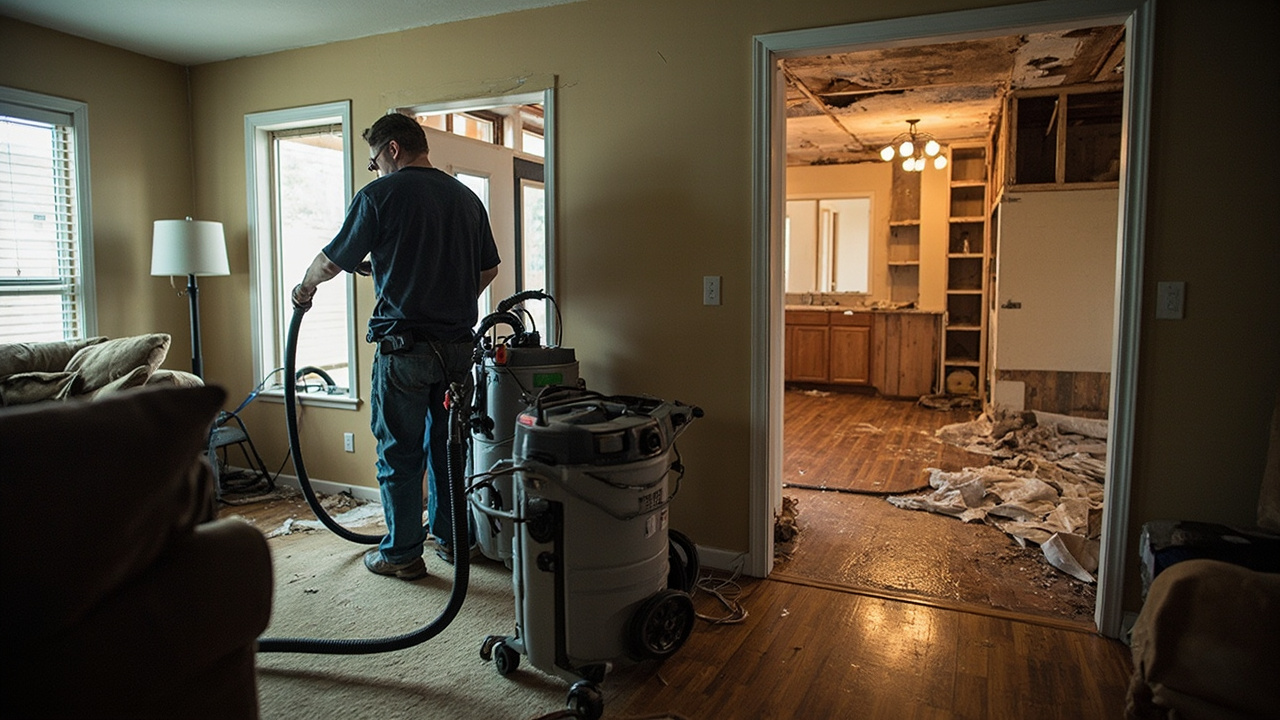
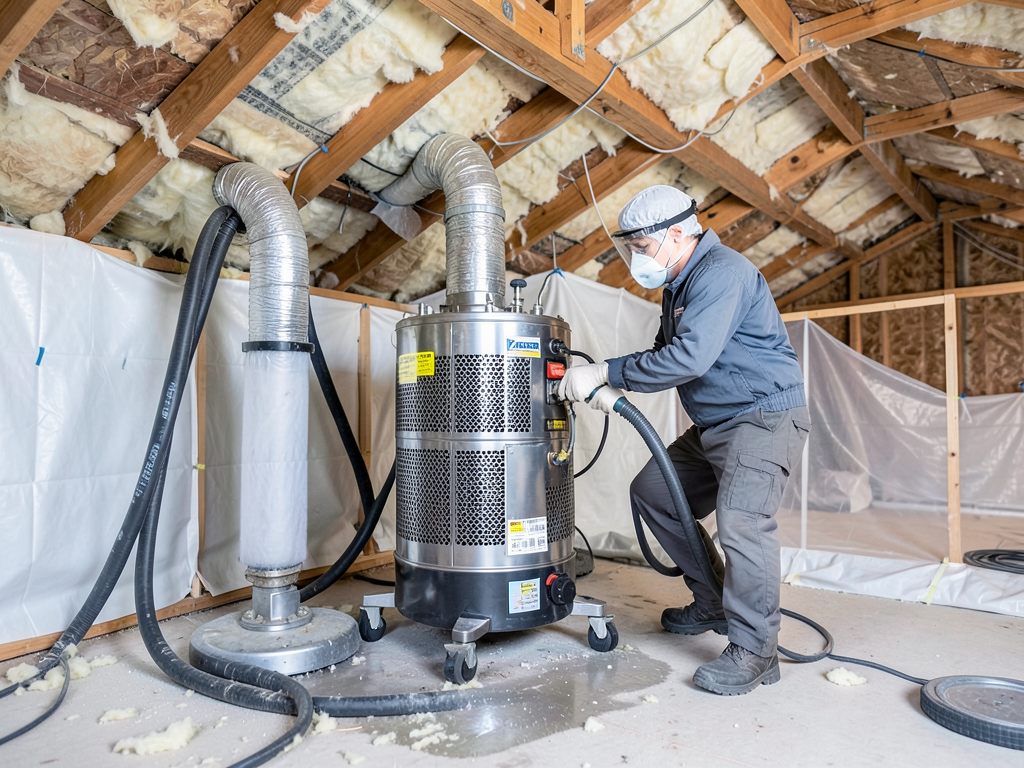
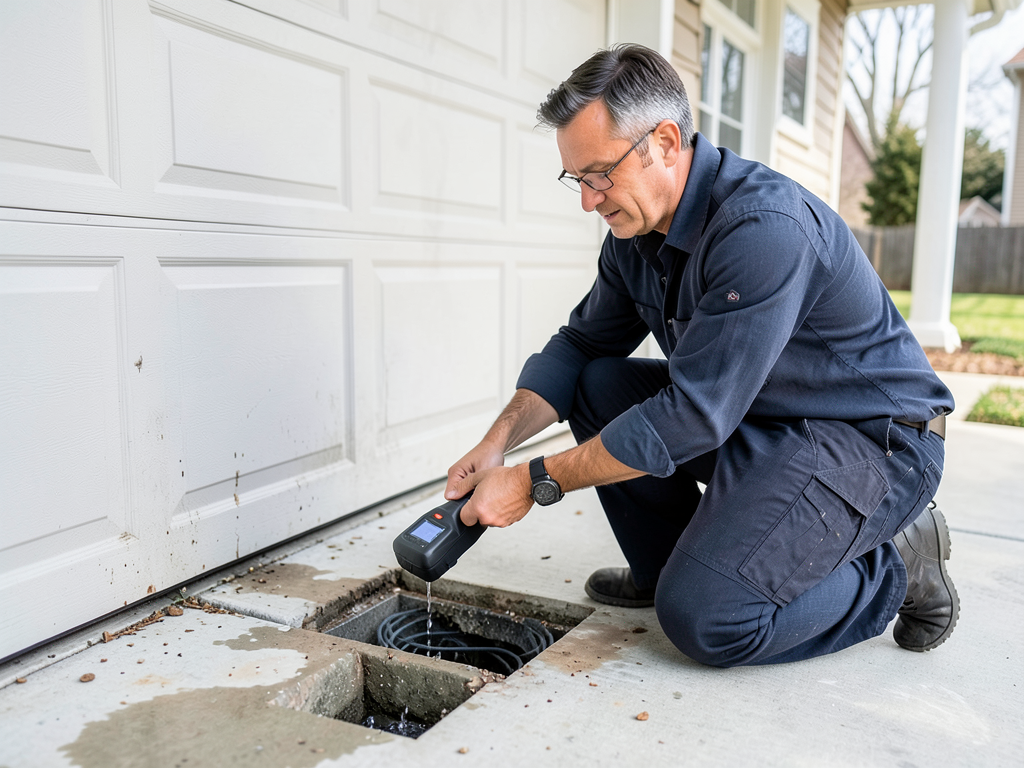
Water mitigation is emergency stabilization. Technicians arrive within hours to extract water using truck-mounted pumps and portable extractors. They remove soaked materials that cannot be saved, like carpet padding and wet drywall below the flood cut line. Air movers and commercial dehumidifiers create airflow patterns that accelerate evaporation. Moisture meters track progress across walls, subfloors, and structural lumber until readings return to normal dry standards.

This phase focuses on preventing secondary damage. Mold, warping, delamination, and structural weakening all accelerate if the environment stays wet. Mitigation technicians document every step with photos, moisture logs, and equipment placement diagrams. This documentation becomes critical for your insurance adjuster.

Water cleanup vs water repair highlights the difference in scope. Cleanup is temporary. Repair is permanent. Mitigation does not fix anything. It stabilizes the environment so restoration can begin safely.

Water restoration starts after the structure reaches dry standards. Contractors rebuild what mitigation removed. Drywall goes back up. Flooring gets replaced. Cabinets, trim, and paint return your property to pre-loss condition. Restoration requires construction permits in Kansas City, especially for structural work or electrical systems affected by flooding.

The distinction matters because different professionals handle each phase. Mitigation requires IICRC-certified water damage technicians with extraction equipment and drying knowledge. Restoration requires licensed general contractors, electricians, and plumbers. You cannot skip mitigation and jump to restoration without risking mold contamination, failed inspections, and insurance disputes.

A Plus Water Damage Restoration Kansas City handles both phases under one roof. We mitigate the emergency, then manage the restoration through completion. This continuity eliminates gaps, speeds recovery, and simplifies communication with your insurance carrier.

How the Two-Phase Water Damage Recovery Process Works

Water Mitigation vs Restoration in Kansas City – Know the Difference Before Your Insurance Claim
01

Emergency Mitigation Response

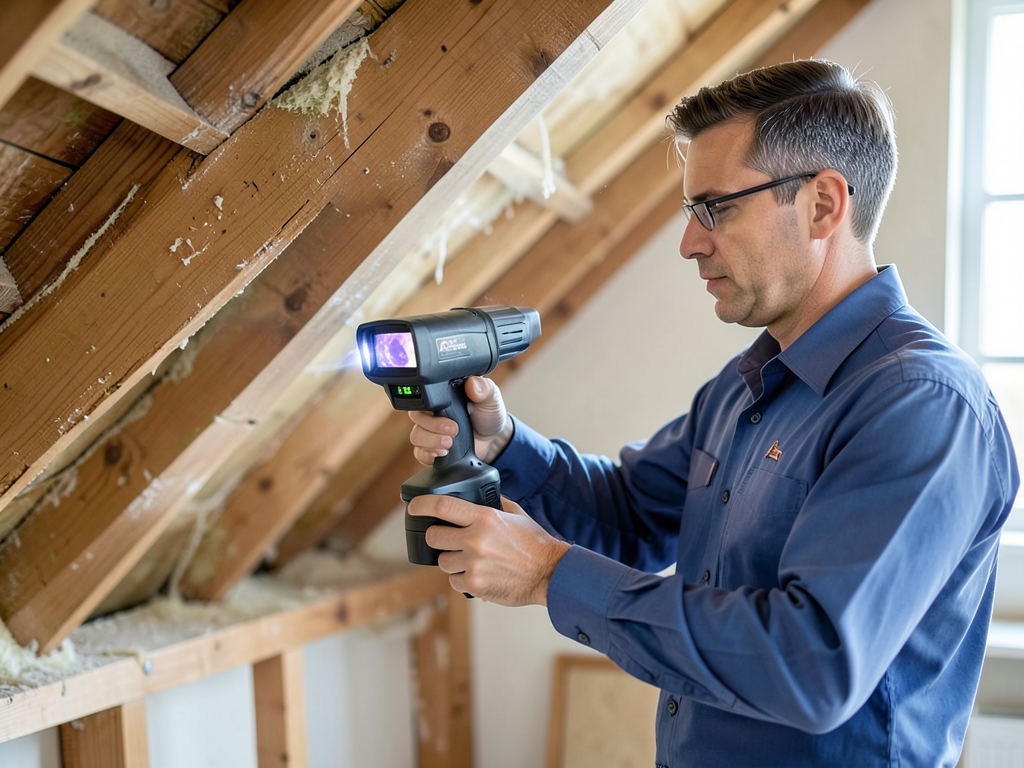
Our team arrives within two hours of your call to stop water intrusion and extract standing water. We use thermal imaging cameras to detect hidden moisture in wall cavities and subfloors. Industrial extractors remove water while air movers and dehumidifiers begin the drying process. We document baseline moisture readings and photograph all affected areas for insurance purposes before removing unsalvageable materials.
02

Drying and Monitoring

The mitigation phase continues for three to five days depending on the extent of saturation and Kansas City's ambient humidity. We monitor moisture levels twice daily using penetrating and non-penetrating meters. Equipment stays in place until all materials reach dry standards below 15 percent moisture content. Daily logs track progress and confirm the environment is stable for reconstruction. We communicate findings directly to your insurance adjuster.
03

Restoration and Reconstruction

Once the structure is dry and stable, restoration begins. Licensed contractors replace drywall, flooring, cabinetry, and trim to match pre-loss condition. Electricians verify wiring safety. Plumbers inspect affected supply lines and drains. We coordinate inspections with Kansas City building officials to ensure code compliance. Final walkthrough confirms every detail meets your expectations and insurance scope of work before we close the project.

Why Kansas City Property Owners Trust Local Water Damage Expertise

Kansas City's water damage patterns differ from national averages. The city sits at the confluence of the Kansas and Missouri Rivers. Spring storms dump heavy rain on already saturated soil. Clay-heavy ground common in Midtown, Waldo, and Brookside neighborhoods drains poorly, causing groundwater seepage into basements. Older homes in historic districts like Hyde Park and Westport have stone foundations that wick moisture.

These local conditions require specialized knowledge. A company that trained in Arizona or Seattle does not understand Kansas City's seasonal humidity swings or the legacy plumbing common in pre-1950 construction. We know which neighborhoods flood during heavy rain. We know the soil conditions that cause foundation seepage. We know the building code requirements for flood-prone areas near Brush Creek.

Insurance adjusters in Kansas City expect thorough documentation. Mitigation reports must include moisture mapping, daily drying logs, and equipment inventories. Restoration estimates must separate covered flood damage from pre-existing issues like foundation cracks or outdated plumbing. We handle these details every day. Our familiarity with local carriers like State Farm, Allstate, and Farmers speeds approval and reduces claim disputes.

Local expertise also means faster response. We are not dispatching crews from another state. Our trucks are already in Kansas City. When your basement floods at 2 AM during a thunderstorm, we are on-site within two hours. Speed matters because every hour of standing water increases damage severity and mold risk.

Choosing A Plus Water Damage Restoration Kansas City means working with professionals who understand your property, your insurance, and your local environment. We are not a national franchise applying one-size-fits-all methods. We are Kansas City water damage specialists solving Kansas City water damage problems.

What to Expect When You Call for Water Damage Help

Immediate Dispatch and Arrival

We answer calls 24 hours a day, 365 days a year. When you call (816) 473-3833, you speak directly with a dispatcher who logs your emergency and assigns a crew. Technicians arrive within two hours with extraction equipment, air movers, dehumidifiers, and moisture detection tools. The initial assessment takes 30 to 45 minutes. We identify the water source, classify the contamination level, and determine the affected materials. You receive a verbal summary of the mitigation plan before we start work, including estimated duration and equipment placement. Emergency tarping, water extraction, and initial drying begin immediately to prevent further damage.

Insurance Coordination and Documentation

We document every step of mitigation and restoration for your insurance claim. Baseline moisture readings, thermal imaging scans, and photo documentation create a complete record of damage severity and scope. Daily logs track drying progress with time-stamped meter readings. We provide this documentation package to your adjuster within 24 hours of initial contact. Many Kansas City carriers prefer direct billing. We work directly with your insurance company to submit estimates, answer questions, and expedite approvals. This removes the burden from you and speeds claim resolution. You do not pay out of pocket and wait for reimbursement. We handle billing directly with your carrier after your deductible is met.

Complete Restoration to Pre-Loss Condition

Restoration begins only after the structure reaches certified dry standards. Licensed contractors handle all reconstruction work, including drywall replacement, flooring installation, painting, trim carpentry, and cabinet reinstallation. We match existing finishes and materials to maintain consistency with unaffected areas. Electrical and plumbing systems damaged by water receive inspection and repair by licensed tradespeople. All work complies with Kansas City building codes and receives required inspections. The final walkthrough confirms every detail meets the insurance scope of work and your expectations. We do not consider the job complete until you confirm satisfaction with the restored space. Post-restoration moisture verification ensures no hidden dampness remains.

Follow-Up Monitoring and Prevention Guidance

We schedule a follow-up inspection 30 days after restoration completion to verify no secondary moisture issues have developed. This visit includes moisture testing in previously affected areas and adjacent spaces. If we detect any problems, we address them immediately at no additional cost. We also provide guidance on preventing future water damage based on the source of your loss. Recommendations may include sump pump upgrades, improved drainage around the foundation, backwater valve installation, or improved attic ventilation. Kansas City's climate creates recurring water intrusion risks. Understanding your property's vulnerabilities helps you take proactive steps to avoid future losses and insurance claims.

Frequently Asked Questions

You Have Questions,
We Have Answers

What is the difference between water restoration and mitigation? +

Water mitigation is the emergency response that stops ongoing damage. Technicians extract standing water, set up drying equipment, and remove wet materials to prevent further harm. This happens within 24-48 hours of the event. Water restoration is the rebuild phase that happens after mitigation. Crews replace drywall, repair flooring, repaint walls, and return your property to pre-loss condition. Think of mitigation as stopping the bleeding and restoration as the surgery. In Kansas City, where basement flooding and storm damage are common, understanding this difference helps you know what to expect during insurance claims and recovery timelines.

What is mitigation and restoration? +

Mitigation means reducing or preventing damage from getting worse after a water event. The goal is damage control through water extraction, structural drying, antimicrobial treatment, and removing unsalvageable materials. Restoration means rebuilding and repairing your property after mitigation stabilizes the situation. This includes carpentry, painting, flooring installation, and reconstruction work. Kansas City properties often need both services after severe storms or plumbing failures. Mitigation typically takes 3-5 days. Restoration can take weeks depending on the extent of damage. Most restoration companies handle both phases, which streamlines insurance coordination and keeps your project under one contractor from start to finish.

What is the difference between remediation and restoration? +

Remediation focuses on eliminating specific contaminants like mold, sewage, or hazardous materials. Technicians use containment barriers, air scrubbers, and specialized cleaning protocols to remove the threat and prevent spread. Restoration is the construction phase that repairs physical damage and returns your property to normal use. You might need mold remediation after a slow leak in your Kansas City basement, then restoration to replace drywall and insulation. Remediation addresses the health hazard. Restoration addresses the structural damage. Many Kansas City properties require both services after water damage sits undetected, especially in older homes with limited crawlspace ventilation or poor grading around foundations.

What is included in water mitigation? +

Water mitigation includes emergency water extraction using truck-mounted pumps or portable extractors, structural drying with commercial dehumidifiers and air movers, moisture mapping with infrared cameras and meters, antimicrobial treatment to prevent mold growth, content manipulation to salvage belongings, and removal of non-salvageable materials like soaked carpet padding or baseboards. Kansas City properties often need special attention to hardwood floors, which cup quickly in humid conditions. Technicians document everything for insurance claims, take photos, and track daily moisture readings. The goal is to dry your structure to industry standards within 72 hours, preventing secondary damage that costs thousands more to repair later.

Is it hard to sell a house that has had mold remediation? +

Selling a house with past mold remediation is manageable if you have proper documentation. Kansas City buyers want proof the problem was fixed by licensed professionals, clearance testing showing mold counts returned to normal levels, and evidence the moisture source was corrected. Full disclosure is legally required in Missouri. Hiding past remediation can void your sale or trigger lawsuits. Buyers are less concerned about remediation history than ongoing moisture problems. If you fixed a roof leak, updated grading, and have paperwork showing professional remediation, most buyers move forward. Properties without documentation or with recurring moisture issues face price reductions and financing challenges.

What is the average cost of water mitigation? +

Water mitigation costs vary widely based on water volume, affected square footage, contamination level, and drying time required. A small Kansas City basement with clean water might cost a few thousand dollars. A whole-house sewage backup can reach five figures. Insurance typically covers mitigation costs after sudden events like burst pipes or storm damage. Coverage depends on your policy and the cause of loss. Companies charge for equipment rental, labor hours, disposal fees, and antimicrobial treatments. Request itemized estimates and confirm your contractor works directly with your insurance adjuster. Kansas City properties with finished basements or crawlspace issues often face higher costs due to limited access and humidity challenges.

How Kansas City's Clay Soil and River Basin Location Complicate Water Damage Recovery

Kansas City sits on expansive clay soil that retains water and drains poorly. After heavy spring rains, this clay becomes saturated and pushes groundwater into basements through foundation walls and floor joints. Neighborhoods near the Blue River, Brush Creek, and the Kansas River floodplain experience recurring seepage issues. The difference between water mitigation and restoration becomes critical in these areas because improper drying allows moisture to wick back into structural materials from the surrounding soil. Standard drying protocols used in sandy or loamy soil regions fail here. Mitigation requires extended monitoring periods to confirm moisture levels stabilize despite exterior ground saturation. Restoration cannot begin until soil moisture levels drop or waterproofing improvements prevent future intrusion.

Kansas City building codes address flood-prone areas with specific foundation and drainage requirements. Properties in designated flood zones require compliance documentation for insurance renewals. A Plus Water Damage Restoration Kansas City maintains relationships with local building officials and understands permit requirements for water damage repairs. We know which reconstruction projects trigger inspection requirements and which fall under minor repair exemptions. This local expertise prevents project delays and failed inspections. Kansas City property owners benefit from working with professionals who understand the city's regulations, soil conditions, and seasonal weather patterns. National franchises apply generic methods that ignore these local factors. We solve Kansas City problems with Kansas City knowledge.
Water Damage Restoration Services in The Kansas City Area

While we provide rapid mobile service throughout the entire Kansas City area, you can also view our general service area on the map. We are dedicated to being a local, accessible resource for all your water damage restoration needs, whether you're in the heart of the city or a surrounding community. Our team is always just a phone call away, ready to assist you with expertise and care, no matter where you are located within our service area.

Address:
A Plus Water Damage Restoration Kansas City, 1020 E Armour Blvd, Kansas City, MO, 64109

Additional Services We Offer

Our news updates

Latest Articles & News from The Blogs

How the hard water in Edwardsville is secretly shortening the life of your plumbing and appliances Hard water is more…

How the hard water in Edwardsville is secretly shortening the life of your plumbing and appliances

How the hard water in Edwardsville is secretly shortening the life of your plumbing and appliances Hard water is more…

How to protect your Weatherby Lake home from major water damage while you are away for the winter

How to protect your Weatherby Lake home from major water damage while you are away for the winter Winterizing your…

What every first-time buyer in Raymore needs to check for water damage before closing the deal

What every first-time buyer in Raymore needs to check for water damage before closing the deal Buying your first home…

Contact Us

Do not let confusion about mitigation vs restoration delay your recovery. Call (816) 473-3833 now for immediate dispatch. Our crews are standing by 24/7 to stop water damage and start the restoration process.