




Menu

Steps to Take After a Flood in Kansas City – Your Complete Recovery Checklist for Missouri River Valley Homes

When the Blue River, Turkey Creek, or Missouri River overflow, knowing the exact steps to take after a flood can save your Kansas City home from permanent structural damage, toxic mold growth, and insurance claim rejection.

Slider Image 1
Slider Image 2
Slider Image 3
Slider Image 4
Slider Image 5
Slider Image 7
Slider Image 8
Slider Image 9
Slider Image 10
Slider Image 11

Why Kansas City Floods Are Different and More Damaging Than You Think

Kansas City sits at the confluence of the Kansas and Missouri Rivers, making flood events a recurring threat. When heavy spring rains combine with snowmelt from upstream, areas like the West Bottoms, River Market, and neighborhoods near Turkey Creek see rapid water intrusion. The clay-heavy soil common throughout the metro retains moisture, which means water does not drain away quickly. It seeps into basements, crawl spaces, and foundation walls for days after the visible water recedes.

You need to know what to do after a house flood because the damage clock starts ticking immediately. Within 24 hours, drywall begins to warp, wood framing swells, and Category 2 water (contaminated with bacteria) transitions to Category 3 (grossly unsanitary). Within 48 hours, mold colonies establish themselves in wall cavities and under flooring. Your immediate actions after flooding determine whether your home can be salvaged or whether you face a total gut job.

Most Kansas City homeowners make critical mistakes in the first 72 hours. They assume standing water is the only problem. They miss hidden moisture in rim joists, subfloors, and insulation. They do not document the damage properly for insurance, or they remove water without addressing microbial contamination. This post-flood recovery checklist walks you through the exact water damage clean up steps professionals use to restore homes safely and completely. Whether you experienced a sewer backup in Brookside or river flooding in North Kansas City, this guide to handling flood damage gives you the framework to act fast and act right.

Why Kansas City Floods Are Different and More Damaging Than You Think
The Professional Flood Recovery Process: What Happens When You Call A Plus Water Damage Restoration Kansas City

The Professional Flood Recovery Process: What Happens When You Call A Plus Water Damage Restoration Kansas City

We do not just pump out water and call it done. Flood restoration requires a systematic approach that addresses visible damage, hidden moisture, contamination, and structural integrity. When you call A Plus Water Damage Restoration Kansas City, we deploy a team trained in IICRC S500 Water Damage Restoration standards. This is not optional cleanup. It is a controlled demolition and reconstruction process designed to prevent secondary damage.

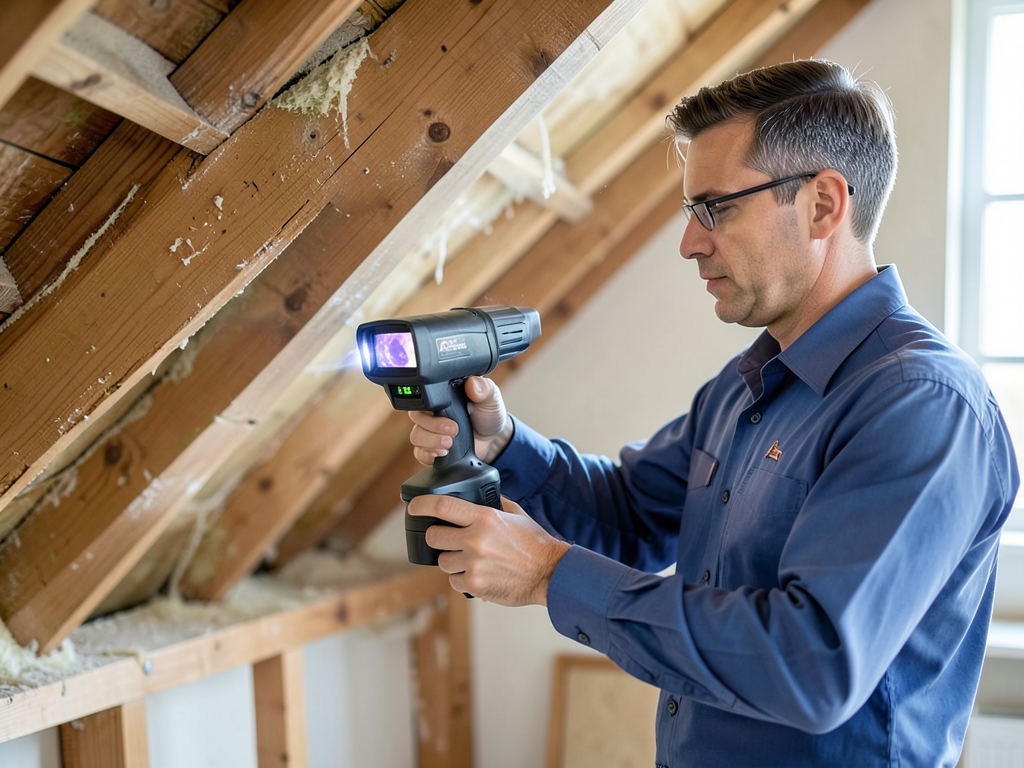
First, we perform moisture mapping using thermal imaging cameras and penetrating moisture meters. We identify wet building assemblies you cannot see, like insulation inside walls, subfloor layers under tile, and ceiling cavities above the flood line. We document moisture content percentages and contamination categories for your insurance adjuster. This is critical because Kansas City insurers frequently deny claims that lack professional documentation.

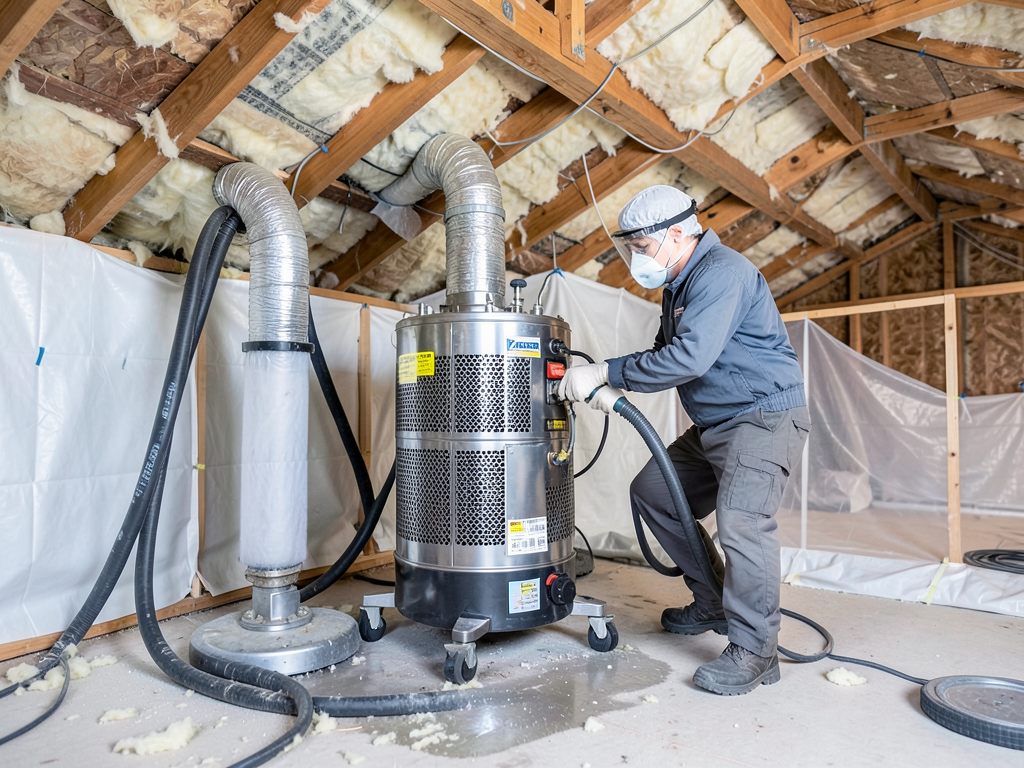
Next, we extract standing water using truck-mounted pumps, not shop vacs. We remove category-specific materials according to contamination level. Category 3 flood water from the Missouri River contains sewage, agricultural runoff, and chemical pollutants. That means we remove and dispose of drywall, insulation, carpeting, and porous materials that contacted floodwater. We do not dry them in place. We eliminate them.

Then we set up commercial dehumidification and air filtration systems. We create negative air pressure environments to prevent cross-contamination. We monitor drying progress with daily moisture readings until all building materials reach equilibrium moisture content, typically 48 to 96 hours depending on materials and outdoor humidity levels. We apply antimicrobial treatments to framing, concrete, and structural elements before reconstruction begins. This is how you prevent the mold bloom that happens three weeks later when families think they are in the clear.

Your First 48 Hours: What You Must Do Before Professional Help Arrives

Steps to Take After a Flood in Kansas City – Your Complete Recovery Checklist for Missouri River Valley Homes
01

Safety First Assessment

Do not enter a flooded home until electrical power is shut off at the main breaker. Standing water conducts electricity. Check for sagging ceilings, which indicate water-saturated drywall ready to collapse. Look for foundation cracks or shifting. Smell for natural gas. Wear rubber boots and gloves if you must enter. Take photos and video of every room from multiple angles for your insurance claim before you touch anything.
02

Water Removal and Ventilation

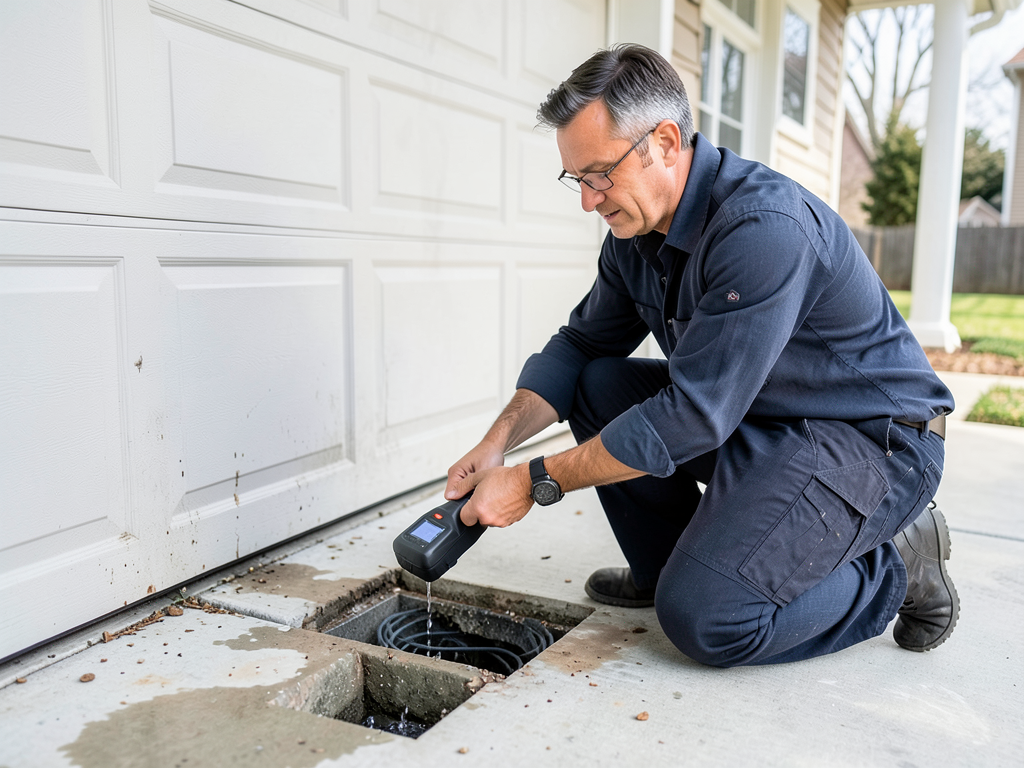
If safe to do so, begin removing standing water with a pump or wet vac. Open windows and doors to promote air circulation. Move furniture and belongings to dry areas. Remove soaked area rugs, bedding, and clothing immediately. Do not use your HVAC system to dry the home because it will spread contaminated air and mold spores through ductwork. Document all damaged items with photos and serial numbers.
03

Call Your Insurance and Restoration Team

Contact your insurance company within 24 hours to file a flood claim. Then call a certified water damage restoration company like A Plus Water Damage Restoration Kansas City at (816) 473-3833. We work directly with your adjuster to ensure proper documentation and maximize your claim payout. The faster we extract water and begin controlled drying, the more of your home we can save. Waiting 48 hours doubles your restoration costs.

Why Kansas City Homeowners Choose Local Flood Restoration Expertise

When floodwaters recede, you need a restoration company that understands Kansas City building construction. Homes in historic neighborhoods like Hyde Park and Midtown feature plaster walls over wood lath, not drywall. Bungalows in Waldo have pier and beam foundations with accessible crawl spaces, while ranch homes in Raytown sit on slab foundations that require different drying techniques. Split-level homes common in Overland Park trap water in lower-level family rooms with limited ventilation.

A Plus Water Damage Restoration Kansas City has restored flood-damaged homes across the metro for years. We know that homes built before 1950 often have no vapor barrier between the basement slab and soil, which means ground moisture continues to wick into the structure long after the flood. We understand that Kansas City's extreme temperature swings, from below zero in winter to 100 degrees in summer, create expansion and contraction stress in building materials. Wet framing in these conditions warps and twists, requiring replacement rather than drying.

We also navigate Kansas City's permit and code enforcement requirements. If your flood damage requires structural work, electrical rewiring, or plumbing replacement, you need permits from the city. We coordinate inspections and ensure all reconstruction meets current building codes, which have been updated significantly since your home was built. This protects your home's resale value and ensures your insurance coverage remains valid.

Our local presence means we respond faster than national franchise operations. We are on-site within 90 minutes of your call, not the next day. We use equipment staged in Kansas City, not shipped from regional hubs. We know which insurance adjusters operate in the metro and how to document claims they will approve. We understand the difference between flood insurance through NFEMA and homeowner's water damage coverage, and we help you maximize benefits from both when applicable. You are not just getting water extraction. You are getting a restoration partner who knows your neighborhood, your home's construction, and the local challenges that make Kansas City flood recovery complex.

What to Expect During Professional Flood Restoration in Kansas City

Emergency Response Timeframe

We arrive within 90 minutes of your call to (816) 473-3833, any time of day or night. Flood damage is a true emergency because microbial growth begins within 24 hours and structural damage accelerates every hour water remains in building materials. We operate 24/7 because floodwaters do not wait for business hours. When you call, you speak to a live person who dispatches a crew immediately, not an answering service that returns your call the next morning. Our trucks are pre-loaded with extraction equipment, moisture meters, air movers, and dehumidifiers so we begin mitigation the moment we arrive.

Initial Assessment and Moisture Mapping

We conduct a room-by-room inspection using thermal imaging cameras to detect hidden moisture in walls, ceilings, and subfloors. We measure moisture content with penetrating meters and document readings for your insurance claim. We identify contamination categories based on the water source and determine which materials can be dried and which must be removed. We create a scope of work with photos, moisture maps, and a timeline for drying and reconstruction. This documentation is critical because insurance adjusters require proof of damage extent before approving claims. We email you this report within four hours of our initial assessment.

Complete Structural Drying and Verification

We extract all standing water and set up industrial dehumidifiers and air movers to create controlled drying conditions. We monitor moisture levels daily and adjust equipment placement as needed. We do not remove equipment until moisture readings meet industry standards for dry building materials, typically 48 to 96 hours depending on materials affected. We provide daily progress reports and final verification readings that prove your home is dry. This verification protects you from mold growth and structural failure weeks after we leave. We also apply antimicrobial treatments to all affected surfaces to eliminate bacteria and prevent future microbial colonization.

Reconstruction and Final Walkthrough

After drying is complete and verified, we rebuild removed walls, replace flooring, and restore your home to pre-flood condition. We handle permit applications, coordinate inspections, and ensure all work meets Kansas City building codes. We do not subcontract reconstruction to unknown third parties. Our crews perform the work from demolition through final paint. When reconstruction is complete, we walk through your home with you to verify every detail meets your expectations. We provide documentation of all work performed, including photos, invoices, and permit close-out paperwork for your records and future home sales.

Frequently Asked Questions

You Have Questions,
We Have Answers

What steps to take after a flood? +

First, ensure your safety. Do not enter standing water if electrical outlets or appliances are submerged. Turn off power at the breaker if you can do so safely. Document all damage with photos and video for insurance claims. Contact your insurance company immediately. Remove standing water as quickly as possible to prevent structural damage and mold growth. Move salvageable items to dry areas. In Kansas City, our clay-heavy soil can shift during flooding, so watch for foundation cracks. Call a professional water damage restoration company within 24 hours to begin extraction and drying.

What should be done after the flood? +

After a flood, prioritize safety and rapid response. Turn off electricity and gas if flooding affected those systems. Extract standing water using pumps or wet vacuums. Remove waterlogged materials like carpeting, drywall, and insulation that cannot be salvaged. Open windows and use fans to increase airflow, but only after water removal begins. Disinfect all hard surfaces with antimicrobial solutions to prevent bacterial growth. Kansas City's humid summers accelerate mold growth, so dehumidification is critical. Keep detailed records of all damage and expenses. Professional restoration teams have industrial equipment that dries structures faster than DIY methods.

What are the 5 steps of disaster recovery? +

The five steps of disaster recovery are assessment, stabilization, extraction, drying, and restoration. Assessment identifies the extent of water damage and safety hazards. Stabilization prevents further damage through tarping, boarding, or temporary power shutoffs. Extraction removes standing water using pumps and vacuums. Drying uses dehumidifiers and air movers to eliminate moisture from structures and contents. Restoration rebuilds damaged areas, replacing drywall, flooring, and fixtures. In Kansas City, flooding from the Missouri River or severe storms requires fast action. Professional restoration companies complete these steps systematically to prevent secondary damage and return your property to pre-loss condition.

What should you do after going through a flood? +

After going through a flood, focus on safety first. Avoid floodwater, which often contains sewage, chemicals, and bacteria. Document all damage before cleanup begins. Contact your insurance carrier to start a claim. Remove water within 24 to 48 hours to prevent mold colonization. Discard porous materials like carpet padding, mattresses, and particle board furniture. Clean and disinfect salvageable items. Kansas City properties built on clay soil may experience foundation settling after floods, so inspect crawl spaces and basements carefully. Professional water damage restoration teams have moisture meters and thermal imaging to detect hidden water pockets behind walls.

How quickly does mold grow after a flood? +

Mold can begin growing within 24 to 48 hours after a flood. Kansas City's humidity, especially during summer months, accelerates this timeline. Mold spores are everywhere, but they need moisture and organic material to colonize. Wet drywall, wood framing, insulation, and carpeting provide ideal conditions. Once mold starts, it spreads quickly and releases spores that affect indoor air quality. You may not see visible mold for several days, but microscopic growth begins much faster. This is why rapid water extraction and dehumidification are critical. Professional restoration companies monitor moisture levels to ensure complete drying before reconstruction.

What should you avoid doing after a flood? +

Avoid entering your property until authorities declare it safe. Do not touch electrical equipment or outlets while standing in water. Never use gasoline-powered generators or pressure washers indoors, as carbon monoxide poisoning is a serious risk. Avoid mixing household cleaners, which can create toxic fumes. Do not attempt to remove large amounts of water without proper equipment. In Kansas City, do not ignore foundation inspection after flooding, as our expansive clay soils shift when saturated. Avoid delaying water removal or skipping professional inspection. Hidden moisture behind walls or under flooring leads to structural rot and mold growth within days.

What are the 5 steps of preparedness? +

The five steps of preparedness are planning, training, equipping, exercising, and evaluating. Planning involves creating emergency response procedures and identifying risks specific to your property. Training ensures everyone knows their role during a disaster. Equipping means stocking emergency supplies, backup power, and contact information for restoration companies. Exercising tests your plan through drills or walkthroughs. Evaluating reviews what worked and what needs improvement. For Kansas City properties, preparedness includes understanding flood zones near the Missouri and Kansas Rivers, installing sump pumps with battery backup, and maintaining drainage systems. Residential and commercial properties benefit from documented emergency plans.

Do you have to throw everything away after a flood? +

No, you do not have to throw everything away after a flood. Hard surfaces like metal, glass, and solid wood furniture can often be cleaned, disinfected, and salvaged. Electronics may be recoverable if dried properly before power is restored. However, porous materials like carpet, padding, mattresses, upholstered furniture, and particle board typically cannot be saved. Drywall and insulation saturated by contaminated floodwater must be removed. Documents and photos can sometimes be freeze-dried by specialists. Kansas City properties affected by sewage backups or river flooding require stricter disposal standards. Professional restoration companies sort salvageable items from total losses during the assessment phase.

What are the 10 precautions of flood? +

Ten flood precautions include: know your flood zone, purchase flood insurance, install backflow valves on drains, elevate utilities and appliances, maintain gutters and downspouts, grade soil away from foundations, install a sump pump with battery backup, seal basement walls, create an emergency kit, and develop an evacuation plan. Kansas City properties near the Missouri River or in low-lying neighborhoods should inspect drainage systems annually. Store important documents in waterproof containers. Trim trees that could fall during storms. Clear debris from storm drains. Keep emergency contacts accessible, including a 24-hour water damage restoration company.

What are the 4 C's of disaster recovery? +

The four C's of disaster recovery are communication, coordination, continuity, and community. Communication ensures all stakeholders receive timely, accurate information during and after the disaster. Coordination aligns response efforts between property owners, insurance adjusters, contractors, and restoration teams. Continuity focuses on resuming normal operations as quickly as possible, whether for homes or businesses. Community recognizes the importance of local resources and mutual support. In Kansas City, recovery often involves coordination with city inspectors, local contractors familiar with regional building codes, and restoration companies experienced with Midwest flooding patterns. Effective disaster recovery requires all four elements working together.

How Kansas City's Missouri River Valley Location Increases Flood Damage Severity

Kansas City's position at the confluence of the Kansas and Missouri Rivers creates a flood risk profile unlike cities on single waterways. When spring rains hit the metro, water does not just come from local runoff. It arrives from upstream snowmelt in the Dakotas and Montana, overwhelming levees and drainage systems designed for local precipitation only. The clay soil throughout Jackson County, Clay County, and Platte County compounds the problem because it does not absorb water. Instead, it channels runoff into basements and crawl spaces. Homes near Turkey Creek, Brush Creek, and the Blue River experience flash flooding that fills lower levels in minutes, not hours. This rapid water intrusion saturates building materials before homeowners can react, making immediate professional extraction critical to preventing total loss.

Kansas City building codes require licensed contractors to pull permits for water damage reconstruction that involves structural elements, electrical systems, or plumbing. A Plus Water Damage Restoration Kansas City maintains all required licenses and works directly with city inspectors to ensure your rebuilt home meets current code standards. This matters because insurance companies can deny future claims if they discover unpermitted reconstruction work. We also understand local insurance claim procedures because we work with adjusters from State Farm, Farmers, Allstate, and other carriers operating in the Kansas City metro every week. We know what documentation they require, how they calculate depreciation on building materials, and how to present claims that get approved quickly. You are not just hiring a restoration company. You are hiring a local advocate who protects your investment and your insurance coverage.
Water Damage Restoration Services in The Kansas City Area

While we provide rapid mobile service throughout the entire Kansas City area, you can also view our general service area on the map. We are dedicated to being a local, accessible resource for all your water damage restoration needs, whether you're in the heart of the city or a surrounding community. Our team is always just a phone call away, ready to assist you with expertise and care, no matter where you are located within our service area.

Address:
A Plus Water Damage Restoration Kansas City, 1020 E Armour Blvd, Kansas City, MO, 64109

Additional Services We Offer

Our news updates

Latest Articles & News from The Blogs

How the hard water in Edwardsville is secretly shortening the life of your plumbing and appliances Hard water is more…

How the hard water in Edwardsville is secretly shortening the life of your plumbing and appliances

How the hard water in Edwardsville is secretly shortening the life of your plumbing and appliances Hard water is more…

How to protect your Weatherby Lake home from major water damage while you are away for the winter

How to protect your Weatherby Lake home from major water damage while you are away for the winter Winterizing your…

What every first-time buyer in Raymore needs to check for water damage before closing the deal

What every first-time buyer in Raymore needs to check for water damage before closing the deal Buying your first home…

Contact Us

Every hour you wait increases damage and restoration costs. Call A Plus Water Damage Restoration Kansas City at (816) 473-3833 right now for immediate dispatch. We are available 24/7, and we work directly with your insurance company to maximize your claim payout while restoring your home correctly.