



Menu

Sewage Backup Cleanup in Kansas City – Hazmat-Certified Crews Remove Raw Sewage in Under 2 Hours

When raw sewage floods your property, you need more than fast response. You need EPA-compliant sewage removal, industrial extraction equipment, and certified technicians who eliminate biohazards without spreading contamination through your Kansas City home or business.

Slider Image 1
Slider Image 2
Slider Image 3
Slider Image 4
Slider Image 5
Slider Image 7
Slider Image 8
Slider Image 9
Slider Image 10
Slider Image 11

Why Sewage Backups Hit Kansas City Properties Harder Than Most Cities

Kansas City sits at the confluence of the Missouri and Kansas Rivers, which means high water tables and aging combined sewer systems in older neighborhoods like the Westside, Northeast, and parts of Midtown. When heavy rain hits, the city's combined system overflows. Your sewer line becomes a reverse pipe, pushing raw sewage into basements, crawl spaces, and ground-level drains.

Clay soil compounds the problem. Kansas City's expansive clay shifts with moisture, cracking sewer laterals and creating entry points for tree roots. A cracked pipe 15 feet from your foundation can funnel blackwater straight into your lowest level during a storm event.

You face three categories of contamination. Category 1 is clean water. Category 2 is gray water from appliances. Category 3 is blackwater, which includes raw sewage, urine, feces, and pathogens like E. coli, hepatitis A, and salmonella. Sewage backup is always Category 3. It requires hazmat protocols, not a wet vac and bleach.

The Kansas City Health Department classifies raw sewage as a biohazard. Exposure can cause gastrointestinal illness, respiratory infection, and skin disease. You cannot DIY this. Sewage remediation requires negative air pressure, HEPA filtration, antimicrobial treatment, and proper disposal of porous materials that absorbed fecal matter. Walking through sewage spreads contamination to every surface you touch. Waiting 24 hours allows bacteria to colonize drywall, insulation, and subfloors, turning a cleanup into a full gut job.

Why Sewage Backups Hit Kansas City Properties Harder Than Most Cities
How Professional Sewage Damage Restoration Works in Kansas City

How Professional Sewage Damage Restoration Works in Kansas City

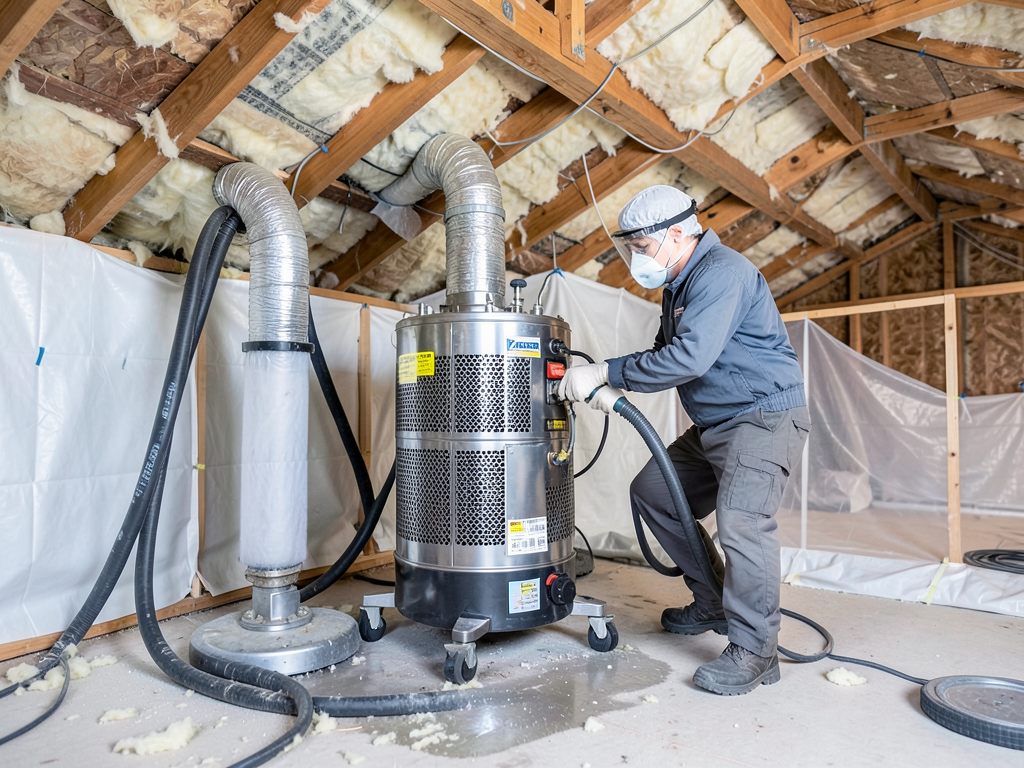
Sewage removal is not water extraction. We establish containment zones using polyethylene sheeting to prevent cross-contamination. Our crew wears Tyvek suits, respirators, and nitrile gloves. We set up negative air machines with HEPA filters to create lower air pressure inside the contaminated zone, preventing airborne pathogens from migrating to clean areas of your property.

We use truck-mounted extractors with dedicated waste tanks for blackwater. Portable pumps remove standing sewage first. Then we apply enzymatic cleaners that break down organic matter at the molecular level. Standard disinfectants kill surface bacteria but leave waste residue embedded in grout lines, subflooring, and wall cavities. Enzymes digest the waste, eliminating the fuel source for bacterial regrowth.

Porous materials get removed. Carpet, pad, baseboards, drywall below the contamination line, and insulation all absorb fecal matter. You cannot sanitize a sewage-soaked carpet. We cut drywall 12 inches above the visible waterline because wicking pulls contamination higher than you see. We remove baseboards to access the wall cavity and inspect for hidden saturation.

After extraction and demolition, we apply EPA-registered antimicrobials to all hard surfaces. Concrete, tile, and framing lumber get treated with hospital-grade disinfectants. We then set up commercial dehumidifiers and air movers to dry the structure to below 15 percent moisture content, measured with a pin-type meter. Drying prevents mold colonization, which begins within 48 hours in Kansas City's humid climate.

A Plus Water Damage Restoration Kansas City follows IICRC S500 standards for water damage and S520 for mold remediation, which intersect during sewage jobs.

What Happens During Emergency Sewage Backup Cleaning

Sewage Backup Cleanup in Kansas City – Hazmat-Certified Crews Remove Raw Sewage in Under 2 Hours
01

Immediate Containment and Assessment

Our crew arrives with containment supplies and safety gear. We shut off the water supply if the backup is active, establish a clean entry point, and seal off contaminated zones with plastic sheeting and zippered doors. We document the affected area with photos and moisture readings, then identify the source of the backup to prevent recontamination during cleanup.
02

Extraction and Disinfection

We pump out standing sewage using dedicated blackwater extractors, then remove all porous materials that contacted waste. Hard surfaces get scrubbed with enzymatic cleaners and treated with antimicrobial agents. We inspect wall cavities, crawl spaces, and HVAC ducts for hidden contamination. Air scrubbers with HEPA filters run continuously to capture airborne particulates and odor molecules during the cleaning process.
03

Structural Drying and Clearance Testing

After disinfection, we deploy industrial dehumidifiers and air movers to dry framing, subfloors, and concrete slabs. We monitor moisture levels daily until readings drop below 15 percent. Once dry, we conduct ATP testing to verify bacterial load is within safe limits. You receive a clearance certificate documenting that the space is safe for reconstruction and reoccupancy.

Why Kansas City Property Owners Choose A Plus for Sewer Backup Cleaning

Kansas City has specific sewer codes enforced by the Water Services Department. Properties in the combined sewer area must maintain their lateral from the home to the main. If your backup originated from your lateral, the city will not cover cleanup. If it came from the main during a storm overflow, you may qualify for city assistance, but you still need immediate remediation to prevent health hazards.

We work directly with Kansas City adjusters who understand local sewer infrastructure issues. Many homeowners assume sewage backups are covered under standard flood policies. They are not. You need sewer backup endorsement or a separate rider. We document the source of the backup, photograph the damage, and provide detailed estimates that distinguish between covered sewage damage and non-covered maintenance issues like root intrusion from deferred pipe repair.

Our crews know the neighborhoods where backups are most common. Homes near Brush Creek, the Blue River, and the West Bottoms flood regularly during heavy rain. Properties built before 1950 in the Northeast and Historic Northeast often have cast iron laterals that corroded decades ago. Brookside and Waldo have mature tree canopies with aggressive root systems that invade clay pipes. We have cleaned sewage from basements in all 28 Kansas City Council districts.

A Plus Water Damage Restoration Kansas City maintains relationships with local plumbers, including contractors licensed by the Missouri Division of Professional Registration. If your backup requires pipe repair or replacement, we coordinate the plumbing fix and the sewage cleanup as a single project. We do not leave you guessing who handles what. You get one team, one timeline, and one point of contact.

What You Can Expect During Sewage Remediation in Kansas City

Emergency Response Time and Availability

We dispatch crews 24 hours a day, 365 days a year. Most Kansas City sewage backups happen during overnight storms when you cannot see the damage until morning. We arrive within 90 minutes of your call, often faster for addresses inside the I-435 loop. Our trucks carry containment materials, extraction equipment, and disinfectants, so we start work immediately. You do not wait for a second trip to get supplies. Emergency response minimizes contamination spread and reduces the total cost of cleanup by preventing secondary damage to unaffected areas.

Initial Inspection and Contamination Mapping

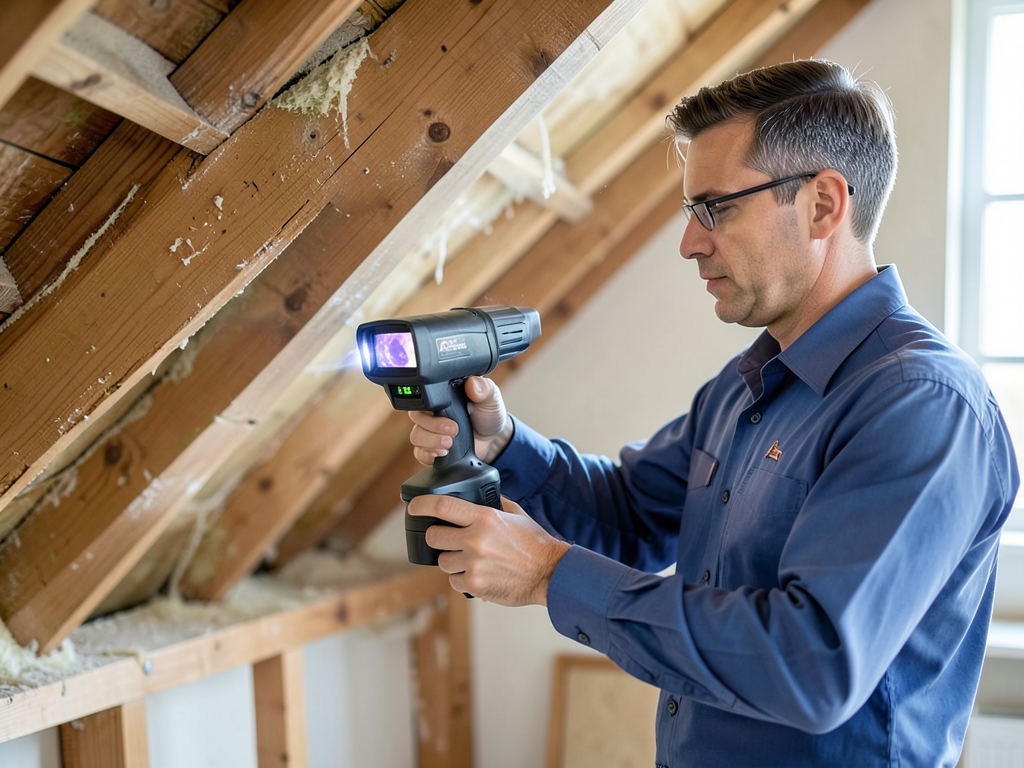
We walk the property with moisture meters, thermal cameras, and particle counters. Sewage does not always stay where you see it. It seeps through cracks in concrete slabs, travels along floor joists, and wicks up drywall inside wall cavities. We map the full extent of contamination before starting demolition. You receive a written scope of work that identifies which materials must be removed, which can be disinfected, and where hidden saturation exists. This prevents change orders and surprise costs during the project.

Final Cleanliness and Air Quality Verification

After drying, we conduct ATP testing on hard surfaces to measure bacterial contamination in real time. ATP tests detect the presence of organic matter at the cellular level, showing whether disinfection was effective. We also run air quality tests using particle counters to verify airborne pathogen levels are below EPA thresholds. You receive a Certificate of Completion with lab results, moisture readings, and photo documentation. This certificate is required by many insurance carriers and protects you from future liability if you sell the property.

Post-Cleanup Monitoring and Prevention Consulting

Sewage backups often recur if the root cause is not fixed. We provide a written report identifying why the backup happened, whether it was a city main issue, a broken lateral, or a blocked vent stack. We recommend preventive measures like backwater valves, sump pump upgrades, or pipe lining. We also offer annual inspections of below-grade drains and cleanouts to catch warning signs before another flood. Prevention costs less than repeated emergency cleanups, and it reduces your insurance premiums over time.

Frequently Asked Questions

You Have Questions,
We Have Answers

How to clean up after sewer back up? +

Do not attempt cleanup yourself. Sewage contains dangerous pathogens like E. coli, hepatitis A, and parasites. You need professional extraction equipment and EPA-registered disinfectants. First, evacuate everyone and pets. Shut off electricity to affected areas if safe. Do not touch contaminated materials. Call a certified sewage cleanup company immediately. Professionals wear PPE, extract all contaminated water, remove porous materials like drywall and carpet, then disinfect all surfaces with hospital-grade antimicrobials. They use air scrubbers with HEPA filters to remove airborne bacteria. Kansas City basements are particularly vulnerable due to clay soil expansion and aging sewer laterals.

Is it safe to stay in a house with sewage backup? +

No. Evacuate immediately. Sewage contains Category 3 water, the most hazardous classification. You risk exposure to bacteria, viruses, and parasites that cause severe illness. Airborne contaminants spread quickly through HVAC systems. Children, elderly, and immunocompromised individuals face extreme risk. Even brief contact causes skin infections or respiratory problems. Kansas City homes with finished basements increase exposure risk because contaminants absorb into porous surfaces. Do not return until professionals complete extraction, removal of contaminated materials, thorough disinfection, and air quality testing. Your family's health is not worth the risk. Stay elsewhere until clearance.

How much does sewage backup cleanup cost? +

Sewage cleanup in Kansas City typically ranges from several hundred to several thousand dollars, depending on contamination extent and structural damage. Small bathroom backups cost less than flooded basements. Costs include water extraction, contaminated material removal, antimicrobial treatment, dehumidification, and disposal fees. Older Kansas City homes with brick foundations or finished basements often face higher costs due to material absorption. Structural drying takes longer in humid Midwestern conditions. Insurance coverage varies, so check your policy immediately. Emergency response prevents secondary damage and mold growth, which dramatically increases costs. Get multiple estimates, but prioritize certified technicians with proper containment equipment over price.

How to get rid of sewer smell after a backup? +

Professional deodorization is necessary because sewage smell indicates dangerous bacteria are still present. Simple air fresheners mask odors temporarily but do not eliminate contamination. Certified technicians identify all affected materials, then apply enzyme treatments that break down organic matter causing the smell. Porous materials like carpet padding, insulation, and drywall often require removal because sewage penetrates deep into fibers. Professionals use thermal foggers and hydroxyl generators to neutralize odor molecules. Kansas City's humidity prolongs drying time, which extends odor problems. Air scrubbers with activated carbon filters remove airborne particles. If you still smell sewage after cleaning, contamination remains and poses health risks.

How long do sewage bacteria last on surfaces? +

Sewage bacteria survive on surfaces for days to months, depending on conditions. E. coli lives up to several weeks on hard surfaces. Salmonella persists for months in dried sewage residue. Viruses like hepatitis A remain infectious for weeks. Kansas City's humid climate extends bacterial survival because moisture supports growth. Porous materials like wood, drywall, and fabric harbor bacteria indefinitely without proper disinfection. Temperature affects survival rates, but basements stay cool and damp year-round. This is why professional-grade antimicrobial treatment is critical. Household cleaners do not penetrate deep enough or kill all pathogens. You cannot see or smell bacteria, so surfaces appearing clean may still be contaminated.

Can I clean my sewer line myself? +

Basic maintenance like enzymatic drain treatments is safe, but do not attempt repairs or cleaning after backups. Sewage exposure risks serious illness. Snaking or hydro-jetting requires specialized equipment and training. You could damage pipes or worsen blockages in Kansas City's aging sewer infrastructure, many lines dating to the 1950s. Clay pipes common in older neighborhoods crack easily. Tree root intrusion is widespread due to mature elms and oaks. Main line clogs require professional camera inspection to identify the problem location. If sewage backs up into your home, the contamination requires certified cleanup, not DIY efforts. Call a licensed plumber for line issues and restoration professionals for cleanup.

Does homeowners insurance cover sewer back up? +

Standard homeowners insurance typically excludes sewer backup unless you purchased separate coverage, called sewer and drain backup endorsement or rider. This optional coverage costs extra but protects against backups from main lines, floor drains, and sump pump failures. Many Kansas City homeowners lack this coverage and face thousands in out-of-pocket costs. Coverage limits vary, usually between $5,000 and $25,000. Review your policy immediately. If you have the endorsement, document everything with photos and contact your insurer before cleanup begins. Some insurers require specific procedures. Kansas City's combined sewer system increases backup risk during heavy rain, making this coverage valuable protection.

How long does it take to get sick from sewage exposure? +

Symptoms appear within hours to days, depending on exposure type and your immune system. Direct contact causes skin infections and rashes within 24 hours. Ingesting contaminated water causes gastrointestinal illness in 12 to 48 hours, with symptoms like vomiting, diarrhea, and fever. Respiratory exposure from airborne particles causes symptoms in days. Children and elderly get sick faster. Some pathogens like hepatitis A have longer incubation periods of two to six weeks. If you contacted sewage in Kansas City, wash thoroughly with antibacterial soap immediately. Monitor for symptoms and seek medical attention if illness develops. Tell your doctor about sewage exposure for proper diagnosis and treatment.

Who is responsible for blocked sewer drains? +

Responsibility depends on blockage location. Homeowners own and maintain the sewer lateral from the house to the property line or main connection point. If roots, grease buildup, or collapsed pipes cause the backup in your lateral, you pay. Kansas City Water Services maintains the main sewer line in the street. If the municipal main causes backup into your home, the city may be responsible, but proving this requires camera inspection documentation. Many Kansas City laterals are old clay pipes susceptible to root intrusion and deterioration. Responsibility disputes are common. A licensed plumber can camera inspect your line to determine blockage location and identify the responsible party.

Why is my sewer bill 200 dollars? +

Your sewer bill question likely refers to Kansas City Water Services billing, not sewage cleanup costs. Sewer charges appear on your water bill and are calculated based on water usage, typically averaging winter water consumption. High bills result from increased water use, rate increases, or meter reading errors. Kansas City uses tiered rates, so excessive water use costs more. Leaking toilets or irrigation systems inflate bills. This is separate from sewage backup cleanup costs or plumbing repairs. If you experienced a sewage backup, cleanup costs appear as separate charges from restoration companies or plumbers, not on your municipal water bill. Contact Kansas City Water Services directly to dispute billing errors.

How Kansas City's Combined Sewer System Causes Repeat Sewage Backups

Kansas City operates one of the largest combined sewer systems in the Midwest, serving over 400,000 residents. During heavy rain, stormwater and sanitary sewage share the same pipes. When capacity is exceeded, the system overflows into basements through floor drains and toilets. The Kansas City Water Services Department has spent over $4.5 billion upgrading infrastructure under the federal consent decree, but backups still occur in older neighborhoods where laterals have not been replaced. If you live in a home built before 1970, your sewer lateral is likely clay tile or cast iron, both of which crack and allow root intrusion. A single heavy rain can trigger backups across entire blocks in the Northeast, Westside, and historic urban core.

Missouri does not require licensing for water damage restoration contractors, but the Institute of Inspection, Cleaning and Restoration Certification sets the industry standard. IICRC-certified technicians follow protocols for sewage removal that protect you from liability and ensure insurance compliance. A Plus Water Damage Restoration Kansas City employs IICRC-certified crews trained in bloodborne pathogen handling, confined space entry, and hazmat waste disposal. We follow Kansas City Health Department guidelines for biohazard waste, which requires manifested disposal at approved facilities. Choosing a certified local contractor means your cleanup meets federal, state, and local standards, which matters when you file insurance claims and when you eventually sell your property.
Water Damage Restoration Services in The Kansas City Area

While we provide rapid mobile service throughout the entire Kansas City area, you can also view our general service area on the map. We are dedicated to being a local, accessible resource for all your water damage restoration needs, whether you're in the heart of the city or a surrounding community. Our team is always just a phone call away, ready to assist you with expertise and care, no matter where you are located within our service area.

Address:
A Plus Water Damage Restoration Kansas City, 1020 E Armour Blvd, Kansas City, MO, 64109

Additional Services We Offer

Our news updates

Latest Articles & News from The Blogs

How the hard water in Edwardsville is secretly shortening the life of your plumbing and appliances Hard water is more…

How the hard water in Edwardsville is secretly shortening the life of your plumbing and appliances

How the hard water in Edwardsville is secretly shortening the life of your plumbing and appliances Hard water is more…

How to protect your Weatherby Lake home from major water damage while you are away for the winter

How to protect your Weatherby Lake home from major water damage while you are away for the winter Winterizing your…

What every first-time buyer in Raymore needs to check for water damage before closing the deal

What every first-time buyer in Raymore needs to check for water damage before closing the deal Buying your first home…

Contact Us

Sewage exposure is a health emergency. Every hour you wait increases contamination spread and bacterial colonization. Call A Plus Water Damage Restoration Kansas City now at (816) 473-3833. We dispatch certified crews immediately to contain, extract, and disinfect your property using hazmat protocols.