




Menu

Rapid Response Flood Extraction in Kansas City – We're On-Site in Under 60 Minutes

When flooding strikes your Kansas City property, every minute counts. Our rapid response flood extraction teams deploy immediately with truck-mounted pumps and commercial-grade extractors to stop water damage before it destroys your structure, belongings, and health.

Slider Image 1
Slider Image 2
Slider Image 3
Slider Image 4
Slider Image 5
Slider Image 7
Slider Image 8
Slider Image 9
Slider Image 10
Slider Image 11

Why Kansas City Flooding Demands Immediate Professional Extraction

You walk into your basement and the water is ankle-deep. Your heart drops. This is not a mop-and-bucket situation.

Kansas City sits at the confluence of the Missouri and Kansas Rivers. When spring storms dump inches of rain in hours, our clay-heavy soil cannot absorb it fast enough. Water backs up through floor drains, overwhelms sump pumps, and floods crawl spaces across neighborhoods like Waldo, Brookside, and the Northland. The city's older housing stock, much of it built before modern drainage codes, makes the problem worse. Basements flood. Slab foundations crack and let water seep through.

Standing water is not just an inconvenience. Within 24 hours, mold spores germinate. Within 48 hours, wood framing begins to warp and drywall turns to mush. Contaminated floodwater carries bacteria, sewage, and chemicals. You cannot wait for the water to evaporate. You need emergency water removal services that extract every gallon, not just the surface puddles.

Rapid response flood extraction means deploying industrial pumps and truck-mounted extractors within the first critical hour. This is urgent water cleanup that prevents secondary damage. The longer water sits, the more it costs you in repairs, replacement, and health risks. Kansas City's high summer humidity makes drying even slower. You need immediate flood pumping to remove the water, then dehumidification to pull moisture from subfloors, insulation, and wall cavities. This is not a DIY job. This is emergency water damage extraction that requires commercial equipment and trained technicians who understand structural drying.

Why Kansas City Flooding Demands Immediate Professional Extraction
How Professional Flood Extraction Stops Damage in Its Tracks

How Professional Flood Extraction Stops Damage in Its Tracks

Rapid response flood extraction is a technical process. It is not just removing visible water. It is removing moisture from materials before they fail.

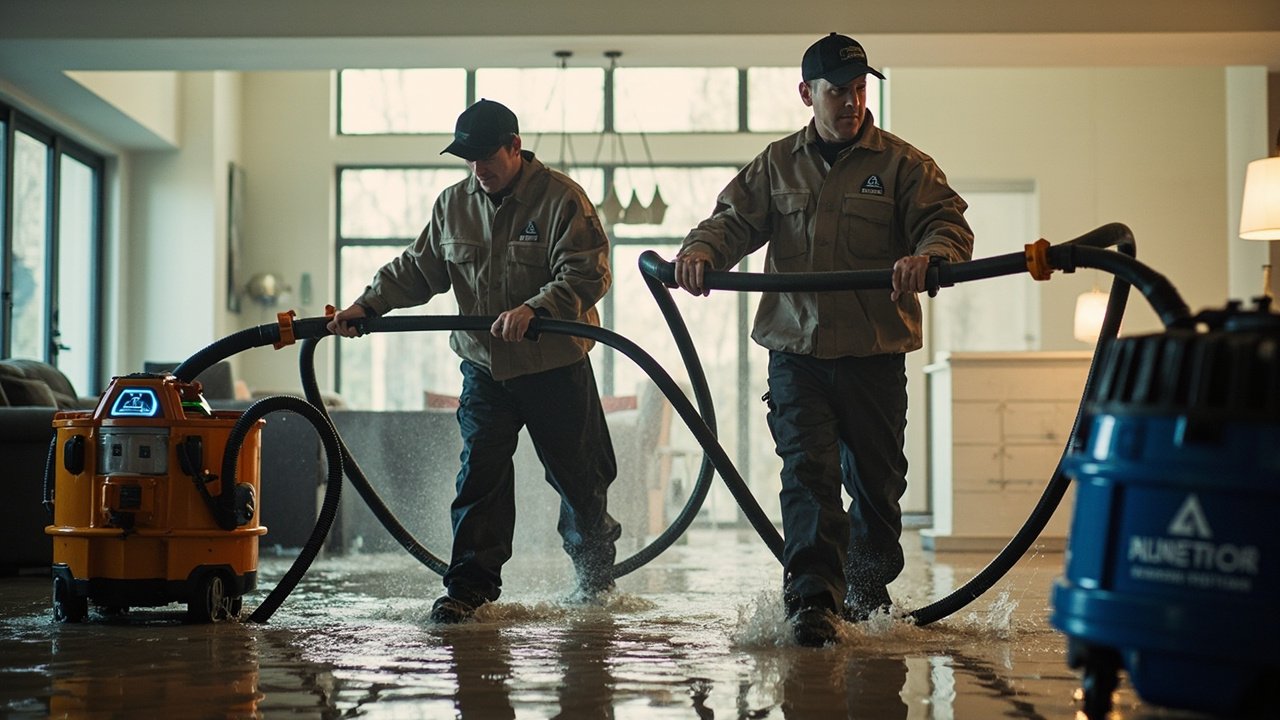
We start with high-capacity submersible pumps that move hundreds of gallons per minute. These pumps pull standing water from basements, crawl spaces, and commercial spaces. Once the bulk water is gone, we deploy truck-mounted extractors. These machines use vacuum pressure to pull water from carpet padding, subflooring, and even concrete slabs. You cannot extract this moisture with a wet-dry vacuum from the hardware store. The suction is too weak.

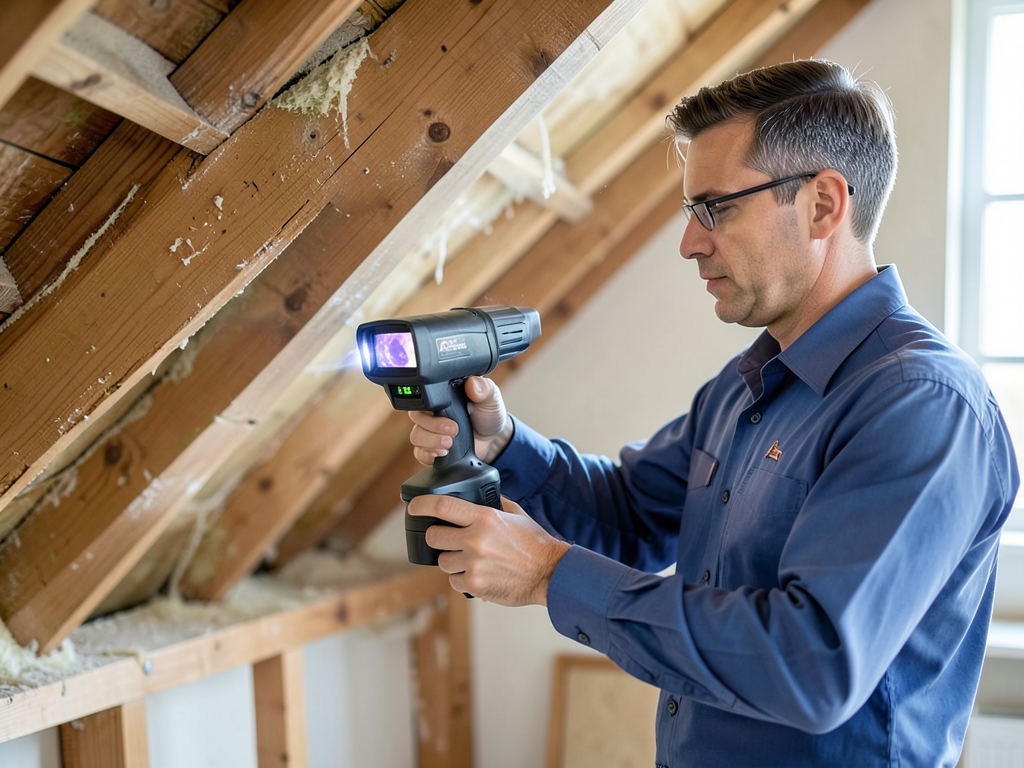
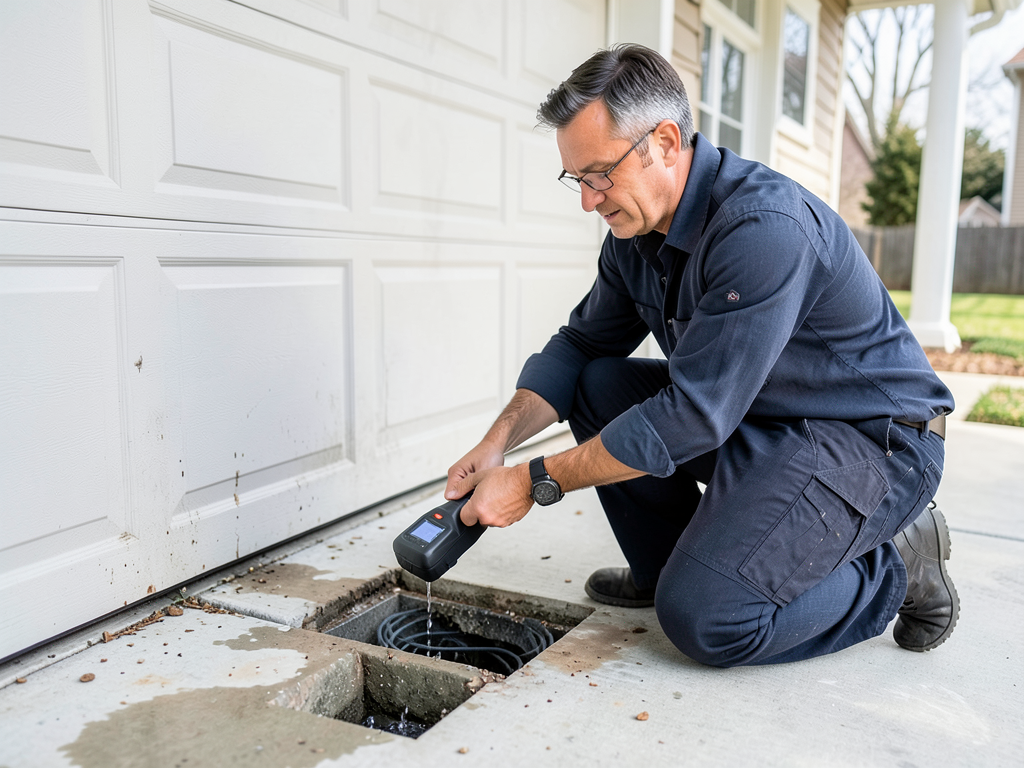
Next, we use thermal imaging cameras to map hidden moisture. Water migrates through porous materials. It travels through drywall, up studs, and into insulation. If we do not find it, it will cause hidden mold growth and wood rot. The camera shows us the thermal signature of wet materials so we can target them with focused drying.

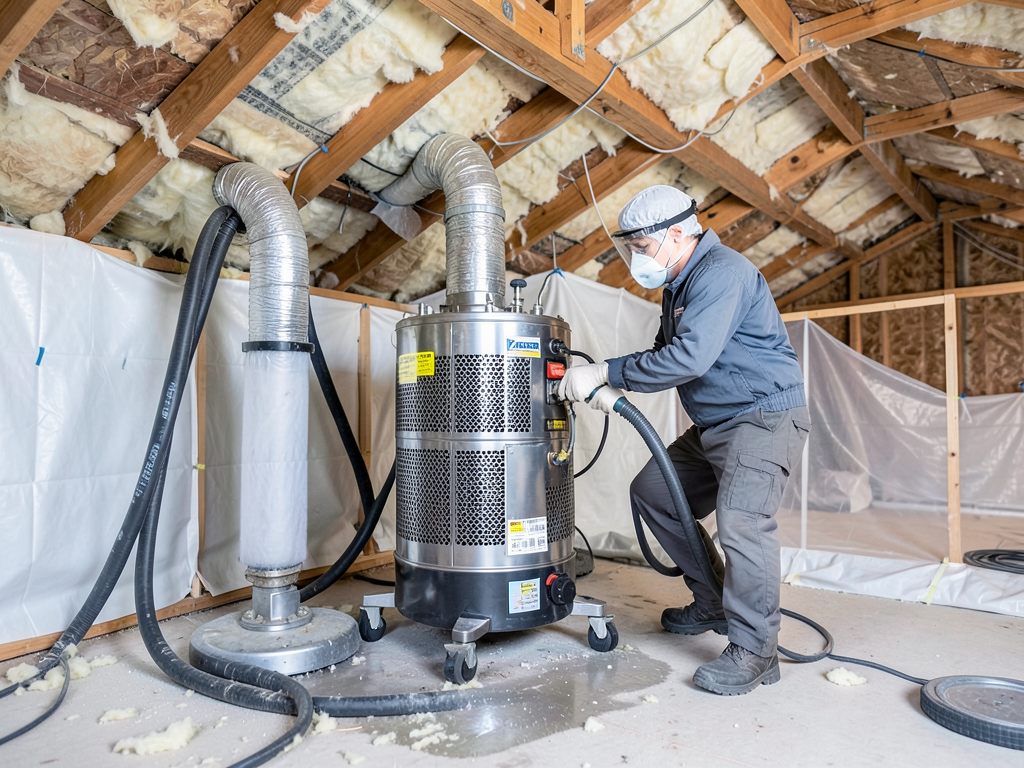
Then we set up industrial air movers and commercial dehumidifiers. Air movers create circulation that evaporates moisture from surfaces. Dehumidifiers pull that moisture out of the air. We monitor the drying process with moisture meters, checking readings twice daily until materials return to dry standards. This is not guesswork. We follow IICRC S500 protocols for water damage restoration.

We also handle contaminated water differently. If the flood came from a sewer backup or river overflow, it is Category 3 water. That means it contains pathogens. We use antimicrobial treatments and dispose of porous materials that cannot be safely cleaned. This protects your family from illness.

A Plus Water Damage Restoration Kansas City has the equipment and training to execute this process correctly. Speed and precision make the difference between a salvageable property and a total loss.

What Happens When You Call for Emergency Flood Extraction

Rapid Response Flood Extraction in Kansas City – We're On-Site in Under 60 Minutes
01

Immediate Dispatch and Assessment

You call our emergency line. We dispatch a crew immediately, not tomorrow or next week. Our team arrives with pumps, extractors, and moisture detection tools. We assess the source of the flooding, the category of water contamination, and the extent of saturation. We stop the water source if possible and begin extraction within minutes of arrival. This initial response window determines how much of your property we can save.
02

High-Volume Water Removal

We deploy submersible pumps to remove standing water first. Then we use truck-mounted extractors to pull water from carpets, padding, and porous materials. We move furniture and contents to dry areas to prevent further damage. Our technicians monitor extraction progress with moisture meters to confirm we are pulling water from deep within materials, not just the surface. This phase continues until extractable water is gone.
03

Structural Drying and Monitoring

Once extraction is complete, we position air movers and dehumidifiers to dry structural materials. We take moisture readings twice daily to track drying progress. We adjust equipment placement as needed to target problem areas revealed by thermal imaging. Drying continues until moisture levels meet industry standards for stability. We document the entire process for your insurance claim. You get a property that is dry, safe, and ready for repairs.

Why Kansas City Property Owners Choose Us for Emergency Flood Response

When your property floods, you need a company that knows Kansas City. We understand the challenges of the local building stock. Many homes in neighborhoods like Hyde Park and Volker have limestone foundations that wick moisture. The older brick homes in the Northeast and Historic Northeast have no vapor barriers in crawl spaces. The ranch homes in Gladstone and North Kansas City often have slab foundations that crack from soil shifting.

We have worked in every type of structure in this city. We know how water behaves in Kansas City basements. We know the drainage problems caused by our clay soil. We know how quickly mold grows in our humid climate. This local knowledge shapes our response.

We also understand the insurance process. Flood damage claims require detailed documentation. We photograph every stage of extraction and drying. We provide moisture logs and equipment placement diagrams. This documentation helps you get a fair settlement. We work directly with adjusters to explain the scope of damage and the necessity of our mitigation work.

Our crews are available around the clock. Floods do not wait for business hours. A pipe bursts at 2 a.m. A sump pump fails during a Sunday storm. We answer the phone and we show up. Our response time averages under 60 minutes for most Kansas City addresses.

We also carry the right equipment. Our truck-mounted extractors have more suction power than portable units. Our commercial dehumidifiers pull more moisture per hour than residential models. Our thermal cameras find hidden water that cheaper moisture meters miss. Equipment quality directly affects outcomes.

A Plus Water Damage Restoration Kansas City has built our reputation on fast response, thorough work, and honest communication. When you call us, you get a team that treats your emergency like it is our own.

What You Can Expect from Our Emergency Flood Extraction Service

Arrival Time and Availability

We answer emergency calls 24 hours a day, every day of the year. When you call, you speak to a real person who dispatches a crew immediately. Our average response time is under 60 minutes for most Kansas City metro addresses. We do not wait until morning or until after the weekend. Flood damage accelerates by the hour. Delays cost you thousands in additional repairs. Our crews are strategically located to reach properties across Kansas City, Overland Park, Lee's Summit, and Independence quickly. We arrive with fully stocked trucks ready to start extraction the moment we assess the situation. Speed is not a marketing claim. It is how we operate.

On-Site Damage Assessment

When we arrive, we conduct a thorough assessment before we start extraction. We identify the water source and shut it off if possible. We classify the water category to determine contamination risk. We use moisture meters and thermal imaging to map the extent of saturation, including hidden moisture in walls, subfloors, and insulation. This assessment guides our extraction and drying plan. We explain what we find, what needs to happen, and what the timeline looks like. We document everything with photos and detailed notes for your insurance claim. You get transparency from the first minute. No surprises, no upselling, just the truth about what your property needs.

Complete Water Removal and Drying

Our extraction process removes water at every level. We use high-capacity pumps for standing water, truck-mounted extractors for carpet and padding, and specialized tools for hardwood floors and tile. We do not stop when the surface looks dry. We continue until moisture readings confirm that structural materials have returned to safe levels. This means drying framing, insulation, drywall, and subfloors. We position air movers to create airflow and dehumidifiers to pull moisture from the air. We monitor progress with daily moisture readings and adjust equipment as needed. The result is a structure that is thoroughly dry, not just visually dry. This prevents mold, rot, and warping.

Post-Extraction Support and Documentation

After extraction and drying are complete, we provide you with a full report documenting the work performed. This includes photos, moisture logs, equipment logs, and a detailed scope of mitigation services. This documentation is critical for your insurance claim. We also provide guidance on next steps, including repairs, mold testing if needed, and prevention strategies. If you need help navigating the insurance process, we assist with that too. We have worked with every major carrier in Kansas City. We understand what adjusters need to see and how to present the information. Our job is not done when the water is gone. It is done when you have everything you need to restore your property and move forward.

Frequently Asked Questions

You Have Questions,
We Have Answers

How much does flood removal cost? +

Flood removal costs in Kansas City vary based on the extent of water damage, contamination level, and affected square footage. Emergency extraction typically starts at a few hundred dollars for minor incidents but can reach several thousand for severe flooding involving multiple rooms or structural damage. Your insurance often covers flood damage if you have a separate flood policy, which is common near the Missouri River and Blue River floodplains. We provide free damage assessments and work directly with your insurance adjuster to document losses and streamline claims. Fast action reduces costs by preventing secondary damage like mold growth and structural deterioration.

What is the immediate response to a flood? +

Stop the water source immediately if safe to do so. Turn off electricity to affected areas to prevent electrocution. Move valuables and furniture to dry areas. Do not enter standing water without knowing its depth and contamination level. Call a 24/7 emergency extraction team right away. In Kansas City, our crews arrive within 60 minutes to begin water removal using industrial pumps and vacuums. We document everything for your insurance claim while extracting water. Time matters. Every hour delays increase structural damage, mold risk, and restoration costs. Do not wait to dry naturally.

Who is the largest restoration company? +

Several national chains operate in restoration, but size does not equal quality or speed. Large franchises often dispatch from distant locations, delaying response times during Kansas City emergencies. Local specialists understand our region's specific flood risks from Missouri River overflow, clay soil drainage issues, and basement vulnerabilities in older neighborhoods like Brookside and Waldo. We focus exclusively on Kansas City metro properties, arriving faster with crews who know local building codes and insurance requirements. Emergency response demands local expertise and immediate availability, not corporate bureaucracy. Choose the team that gets here first and knows your neighborhood.

What is a rapid flooding? +

Rapid flooding, also called flash flooding, occurs when water accumulates faster than soil and drainage systems can absorb it. In Kansas City, this happens during intense thunderstorms when 2-4 inches of rain falls within an hour. Our clay-heavy soil does not absorb water quickly, causing street flooding and basement intrusion in low-lying areas near Brush Creek and the Kansas River. Rapid floods give little warning and create dangerous conditions. They overwhelm sump pumps, breach foundation walls, and contaminate homes with stormwater. Immediate extraction prevents structural damage and mold growth that starts within 24-48 hours.

Does insurance cover water remediation? +

Standard homeowners insurance typically does not cover flood damage. You need separate flood insurance through FEMA's National Flood Insurance Program or private carriers. However, insurance usually covers sudden water damage from burst pipes, appliance failures, or sewer backups depending on your policy. In Kansas City, many properties near floodplains carry flood policies due to Missouri River proximity. We verify your coverage during the initial call and document all damage with photos and moisture readings for your claim. Our team works directly with adjusters to ensure you receive fair compensation. Always review your policy to understand what water events are covered.

How do I get my property out of a flood zone? +

You cannot physically move property out of a FEMA-designated flood zone, but you can request a Letter of Map Amendment if your structure sits above the base flood elevation. Hire a licensed surveyor to provide elevation certificates proving your home is not at risk. Submit the LOMR application to FEMA with supporting documentation. This process takes several months but can reduce or eliminate flood insurance requirements. In Kansas City, many properties near the Missouri River bottomlands qualify for re-mapping. Alternatively, elevate your structure above flood levels or install flood mitigation systems. Consult a local floodplain management specialist for guidance.

Can you flush a toilet during a flood? +

Do not flush toilets during active flooding. Floodwater often overwhelms municipal sewer systems, causing backups that push contaminated water into your home through drains and toilets. In Kansas City, combined sewer systems in older neighborhoods like Northeast Kansas City are especially vulnerable during heavy rain events. Flushing adds pressure to an already stressed system. If sewage backs up into your home, you face Category 3 contamination requiring professional biohazard cleanup. Wait until floodwaters recede and authorities confirm sewer systems are functional. If you must use facilities, have bottled water and sanitation supplies ready.

What are the 5 stages of a flood? +

The five stages are Action, Minor, Moderate, Major, and Record flooding, measured by the National Weather Service based on river gauge heights. Action stage means flooding begins in low-lying areas. Minor affects roads and farmland. Moderate threatens structures and requires evacuations. Major causes significant property damage and widespread evacuations. Record exceeds all previous measurements. In Kansas City, the Missouri River gauge at Parkville tracks these stages during spring runoff and severe storm events. Understanding these levels helps you prepare and evacuate safely. Emergency extraction teams monitor river forecasts to pre-position equipment before waters rise.

What are the four elements of EPP? +

Emergency Preparedness Plans include four elements: Prevention, Preparedness, Response, and Recovery. Prevention reduces hazards before disasters strike. Preparedness ensures you have supplies, communication plans, and evacuation routes ready. Response involves immediate actions during emergencies like shutting off utilities and contacting professional help. Recovery restores your property to pre-loss condition through cleanup, repairs, and rebuilding. For Kansas City properties, this means knowing your flood risk zones, maintaining sump pumps, storing emergency contacts, and having a restoration company on speed dial. We help with response and recovery phases, arriving 24/7 to extract water and prevent further damage.

Is SERVPRO a good restoration company? +

National franchises like SERVPRO operate through independently owned locations with varying quality and response times. They provide adequate service in many cases but often lack the local focus and speed critical during Kansas City emergencies. Franchise fees and corporate overhead can increase costs without improving outcomes. Local restoration specialists know Kansas City's unique challenges, from Missouri River flood patterns to clay soil drainage issues in neighborhoods like Midtown and Westport. We arrive faster, work directly with local insurance adjusters, and focus exclusively on this metro area. Choose the team that prioritizes your neighborhood, not distant franchise territories.

How Kansas City's Clay Soil and Flash Flooding Make Rapid Extraction Critical

Kansas City sits on expansive clay soil that swells when wet and shrinks when dry. This creates foundation movement that cracks slabs, shifts footings, and opens gaps where floodwater enters. When thunderstorms drop two or three inches of rain in an hour, our soil cannot absorb it. Water pools on the surface and flows toward low points like basements and crawl spaces. The city's combined sewer system in older neighborhoods can overflow during heavy rain, sending contaminated water back through floor drains. Rapid response flood extraction is not optional here. It is the only way to prevent structural damage and health hazards before they escalate.

Kansas City building codes have evolved over the decades, but thousands of homes were built before modern waterproofing standards existed. Many basements lack exterior drainage systems or sump pumps. Crawl spaces often have no vapor barriers. This makes professional flood extraction even more important. You cannot rely on passive drying in a city with our humidity levels. A Plus Water Damage Restoration Kansas City understands the local construction methods, the drainage problems caused by our soil, and the mold risks posed by our climate. We have worked in every neighborhood from the Plaza to Parkville. We know what works in Kansas City structures, and we execute it correctly the first time.
Water Damage Restoration Services in The Kansas City Area

While we provide rapid mobile service throughout the entire Kansas City area, you can also view our general service area on the map. We are dedicated to being a local, accessible resource for all your water damage restoration needs, whether you're in the heart of the city or a surrounding community. Our team is always just a phone call away, ready to assist you with expertise and care, no matter where you are located within our service area.

Address:
A Plus Water Damage Restoration Kansas City, 1020 E Armour Blvd, Kansas City, MO, 64109

Additional Services We Offer

Our news updates

Latest Articles & News from The Blogs

How the hard water in Edwardsville is secretly shortening the life of your plumbing and appliances Hard water is more…

How the hard water in Edwardsville is secretly shortening the life of your plumbing and appliances

How the hard water in Edwardsville is secretly shortening the life of your plumbing and appliances Hard water is more…

How to protect your Weatherby Lake home from major water damage while you are away for the winter

How to protect your Weatherby Lake home from major water damage while you are away for the winter Winterizing your…

What every first-time buyer in Raymore needs to check for water damage before closing the deal

What every first-time buyer in Raymore needs to check for water damage before closing the deal Buying your first home…

Contact Us

Your property is flooding. Every minute you wait increases the damage and the cost. Call us now at (816) 473-3833. We will dispatch a crew immediately. We answer 24/7. Stop the damage before it destroys your home or business.