


Menu

Commercial Sewage Cleanup in Kansas City – Minimize Downtime and Protect Your Business Assets

Industrial-grade commercial sewage remediation and black water extraction services engineered to restore operations quickly while maintaining full regulatory compliance across Kansas City's commercial districts.

Slider Image 1
Slider Image 2
Slider Image 3
Slider Image 4
Slider Image 5
Slider Image 7
Slider Image 8
Slider Image 9
Slider Image 10
Slider Image 11

When Commercial Sewage Events Threaten Business Continuity

A commercial sewer backup in your Kansas City facility creates immediate liability exposure and operational disruption. The convergence of aging infrastructure in districts like the West Bottoms and River Market with Kansas City's notorious clay soil movement creates unique vulnerabilities for commercial properties. Clay soil expansion during Missouri's freeze-thaw cycles causes lateral line separation and main line intrusion. When these failures occur, you face Category 3 contaminated water containing fecal matter, pathogens, and chemical pollutants.

Commercial sewage removal demands different protocols than residential extraction. Your facility requires commercial black water extraction equipment capable of handling high-volume contamination without cross-contaminating clean zones. Every hour of downtime translates to lost revenue, potential lease violations, and employee safety concerns. Manufacturing spaces, retail facilities, and multi-tenant commercial buildings in Kansas City face additional complications from HVAC systems that can distribute airborne pathogens throughout the property if commercial sewage cleanup is not executed properly.

The risk extends beyond visible contamination. Porous materials like drywall, insulation, and subflooring absorb sewage water within minutes. Kansas City's average humidity of 65 percent accelerates microbial amplification in contaminated building materials. Without immediate industrial sewage cleanup, bacterial colonies establish within 24 to 48 hours. This triggers mandatory demolition of affected materials to meet IICRC S500 standards and Kansas City Health Department requirements for commercial occupancy restoration.

When Commercial Sewage Events Threaten Business Continuity
Rapid Commercial Sewage Remediation Protocol

Rapid Commercial Sewage Remediation Protocol

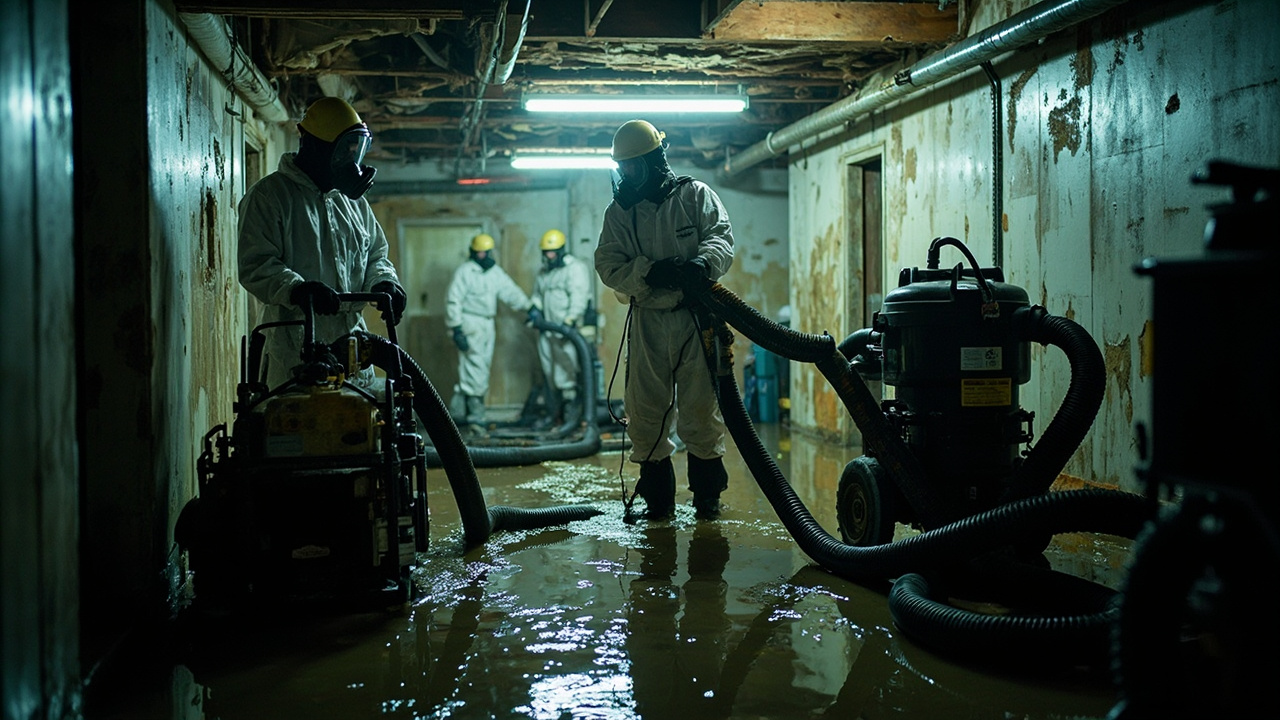
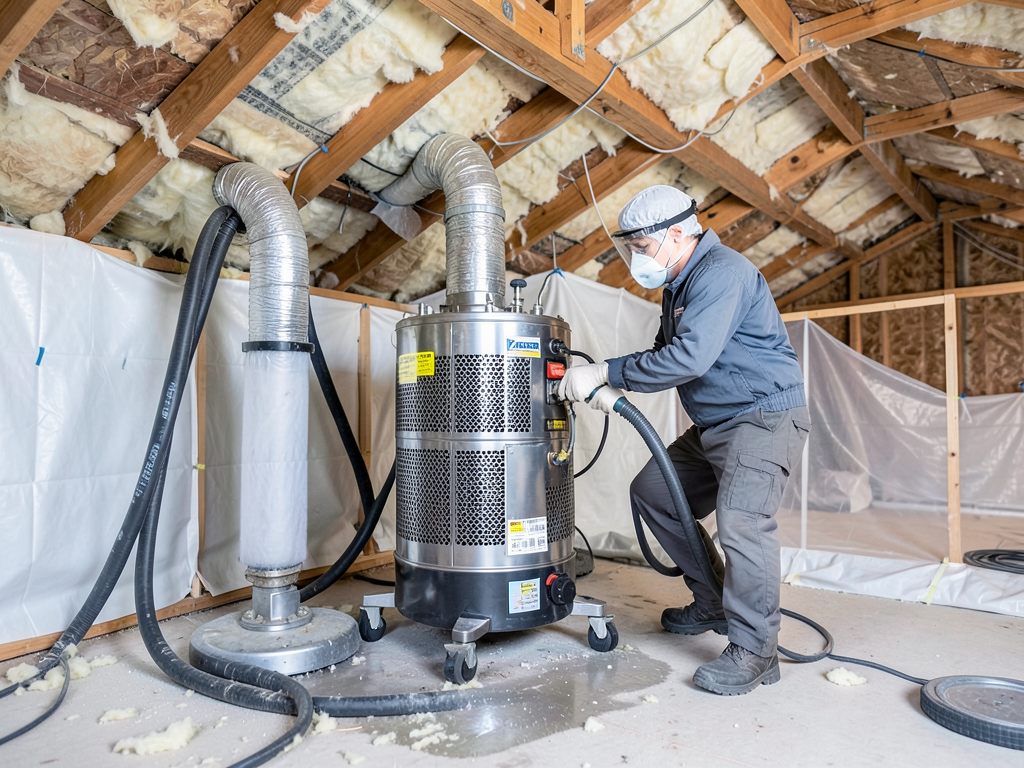
Commercial sewage remediation follows containment-first methodology to prevent contamination migration. We establish negative air pressure zones using industrial air scrubbers with HEPA filtration to contain airborne particulates. This prevents pathogen distribution through your HVAC system and protects unaffected operational areas. Truck-mounted extraction units remove standing sewage water at rates exceeding 200 gallons per minute, critical for large commercial footprints common in Kansas City's industrial corridors along I-435 and I-70.

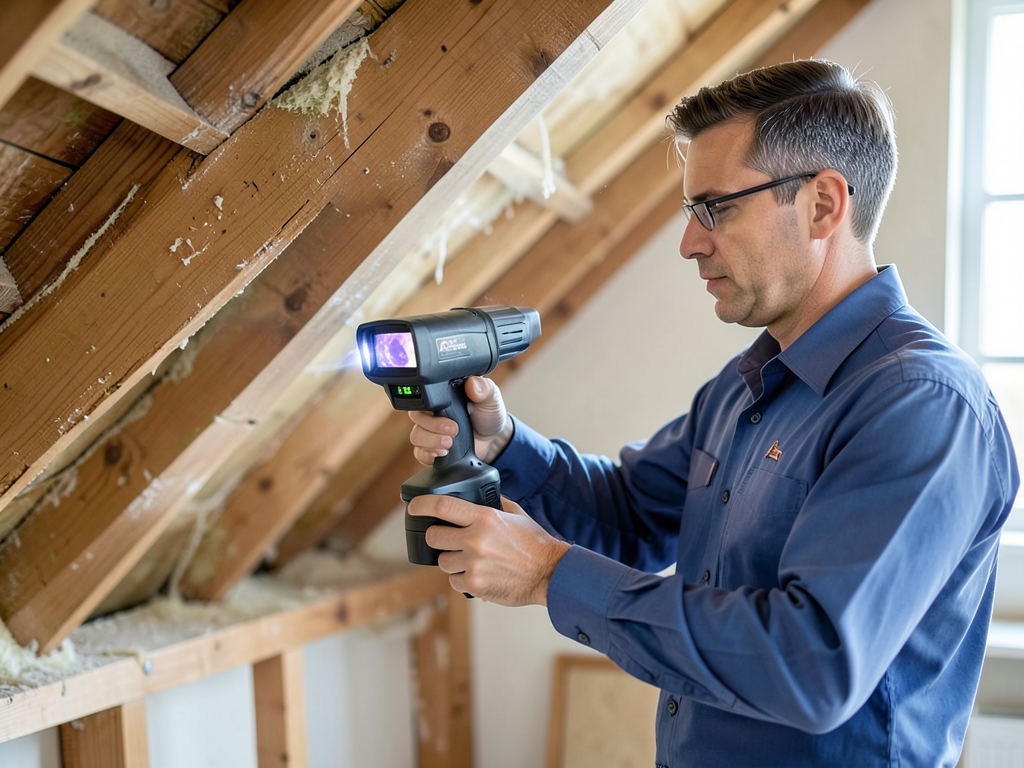
Material categorization determines demolition scope. We use thermal imaging to identify moisture intrusion behind walls and under flooring systems. Non-porous surfaces like sealed concrete undergo antimicrobial treatment with EPA-registered disinfectants effective against E. coli, Hepatitis A, and norovirus. Porous materials exposed to Category 3 water require removal and disposal according to Missouri Department of Natural Resources guidelines for biohazardous waste.

Commercial sewer backup cleaning includes complete sanitation of HVAC ductwork and mechanical systems. Sewage intrusion often compromises air handling units, creating ongoing contamination risk if not addressed. We document every phase using moisture meters, particle counters, and ATP testing to verify microbial reduction to acceptable levels. This documentation satisfies insurance adjusters, health inspectors, and lease compliance requirements. The goal is returning your facility to pre-loss condition while meeting commercial building codes specific to Kansas City's jurisdiction.

How Commercial Sewage Extraction Unfolds

Commercial Sewage Cleanup in Kansas City – Minimize Downtime and Protect Your Business Assets
01

Emergency Containment Response

Our team arrives with truck-mounted extraction equipment and establishes physical barriers to isolate contaminated zones from operational areas. We deploy negative air machines immediately to prevent airborne pathogen spread through your facility. Power distribution is assessed for safe operation of industrial extraction pumps. Standing sewage water removal begins within 30 minutes of arrival using submersible pumps capable of handling solid debris without clogging.
02

Contamination Assessment and Removal

Thermal imaging identifies all moisture intrusion points including hidden wall cavities and subfloor penetration. We categorize materials as salvageable or requiring removal based on porosity and exposure duration. Contaminated drywall, insulation, and flooring are removed using controlled demolition techniques that minimize dust and debris spread. All removed materials are bagged and labeled as biohazardous waste for compliant disposal through licensed Missouri waste management facilities.
03

Disinfection and Verification Testing

All remaining surfaces undergo antimicrobial application using EPA-registered disinfectants applied at manufacturer-specified dwell times. HVAC systems receive dedicated cleaning to remove any pathogen colonization in ductwork or mechanical units. We conduct final verification using ATP meters to measure microbial load and moisture meters to confirm structures have reached equilibrium moisture content. Documentation packages include pre-loss photos, removal manifests, and clearance testing results required for occupancy certificates.

Why Kansas City Businesses Choose Local Commercial Sewage Specialists

Commercial sewage cleanup in Kansas City requires understanding local infrastructure limitations and regulatory frameworks that generic restoration companies miss. Properties in the Crossroads Arts District and Crown Center area tie into combined sewer systems that surcharge during heavy rainfall, creating backflow events through floor drains and lower-level fixtures. We know which commercial buildings face elevated risk and how to implement backflow prevention as part of restoration.

A Plus Water Damage Restoration Kansas City maintains relationships with local commercial plumbing contractors familiar with Kansas City's permit requirements for sewer line repair and replacement. When your sewage event stems from collapsed terra cotta lines common in pre-1970 Kansas City commercial construction, we coordinate excavation permits through the City's Public Works Department and ensure compliance with Missouri One Call utility location requirements. This prevents project delays that extend your downtime.

Our equipment inventory includes industrial dehumidifiers and air movers sized for Kansas City's commercial property types, from 5,000 square foot retail spaces to 50,000 square foot warehouses in the West Bottoms. We maintain sufficient extraction capacity to respond to multiple simultaneous commercial losses without equipment shortages that force project delays. Insurance adjusters working Kansas City claims recognize our documentation standards, which expedites approval processes and gets you back to business faster.

We understand Kansas City's commercial real estate market and the pressure you face from lease obligations, employee retention, and customer commitments. Our project managers provide daily updates with specific completion timelines, not vague estimates. You receive transparent communication about what work is occurring, why it is necessary, and when you can resume operations.

What Commercial Clients Should Expect

Emergency Response Timing

Commercial sewage events receive priority dispatch with team arrival typically within 60 to 90 minutes across the Kansas City metro. We maintain 24/7 availability because sewage backups do not respect business hours. Our response vehicles carry sufficient extraction equipment, antimicrobials, and containment materials to begin work immediately without return trips for supplies. For multi-location businesses, we can mobilize multiple crews simultaneously to address contamination across your portfolio. Initial containment and extraction usually completes within four to six hours depending on contamination volume, allowing you to communicate realistic timelines to stakeholders.

Comprehensive Damage Documentation

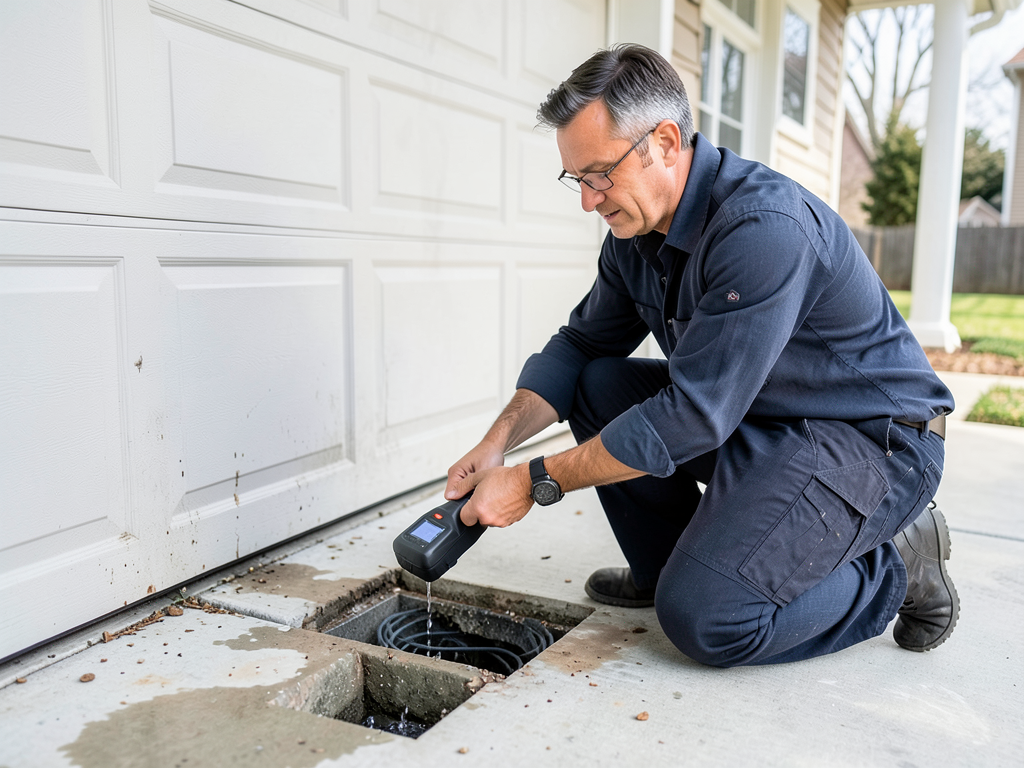
Our initial assessment includes detailed photo documentation, moisture mapping, and contamination extent analysis. You receive a written scope of work outlining all necessary demolition, extraction, and disinfection procedures before work begins. This scope separates emergency mitigation from reconstruction, giving you clarity on insurance coverage boundaries. We use moisture meters and thermal cameras to identify all affected areas, preventing concealed damage that could trigger future microbial growth or odor issues. Documentation meets insurance carrier requirements and provides the paper trail necessary for potential subrogation against responsible parties if your sewage event resulted from municipal system failure or neighboring property negligence.

Verified Contamination Clearance

Commercial sewage remediation is not complete until independent verification confirms microbial reduction to acceptable levels. We conduct ATP surface testing to measure biological load on treated surfaces. Moisture content testing confirms structural drying has reached equilibrium levels that prevent future microbial growth. You receive a clearance letter documenting that your facility meets IICRC S500 standards for Category 3 water damage restoration. This documentation satisfies health department inspections, insurance requirements, and tenant occupancy concerns. If additional testing is required by your insurance carrier or lease agreement, we coordinate with qualified industrial hygienists to conduct air quality sampling.

Post-Restoration Follow-Up

Following completion, we provide recommendations for preventing future sewage intrusions, including backflow preventer installation and regular drain line maintenance schedules. For properties with recurring issues tied to municipal infrastructure problems, we can document patterns to support your communications with Kansas City Water Services regarding needed repairs. We maintain project files for five years, providing you access to documentation if questions arise during property sales, lease renewals, or future insurance claims. If odors develop or moisture concerns emerge post-restoration, we return to assess conditions and determine if additional remediation is needed.

Frequently Asked Questions

You Have Questions,
We Have Answers

How much does it cost to clean up sewage? +

Commercial sewage cleanup costs depend on contamination category, square footage affected, and structural damage. Category 3 water (raw sewage) requires full containment, antimicrobial treatment, and disposal protocols that drive costs higher than standard water damage. Factors include depth of contamination, porous materials requiring removal (drywall, insulation), HVAC system exposure, and business downtime during restoration. Kansas City commercial properties often face additional costs from clay soil intrusion issues and aging infrastructure that compounds contamination spread. Request a detailed scope of work before restoration begins to understand liability exposure and document losses for your commercial property policy claim.

Does insurance cover sewage cleanup? +

Commercial property insurance typically covers sudden and accidental sewage backups, but policy language varies significantly. Standard policies often exclude gradual seepage or maintenance-related failures. You need specific endorsements for sewer backup coverage, which is not automatic. Documentation is critical: establish the failure was sudden (pipe burst, system overload) rather than deferred maintenance. Kansas City businesses should review coverage limits specifically, as aging municipal sewer systems and combined sewer overflow events during heavy rain can complicate claims. Your insurer will require professional restoration documentation, contamination testing results, and disposal records to substantiate the claim and demonstrate code-compliant remediation.

How much does it cost to clean up sewage in crawl space? +

Crawl space sewage cleanup costs increase due to restricted access, ventilation challenges, and extensive material removal requirements. Contaminated insulation, vapor barriers, and floor joists often require complete replacement. Confined space protocols add labor costs, and antimicrobial fogging requires specialized equipment in low-clearance areas. Kansas City crawl spaces face additional humidity retention issues that accelerate mold growth post-contamination if not properly dried. Factor in structural assessments for wood rot and foundation inspections, as sewage exposure compromises load-bearing members. Commercial properties must document remediation thoroughly to avoid future liability if contamination was inadequately addressed and affects tenant spaces above.

Do plumbers clean up sewage? +

Plumbers address the source (clearing blockages, repairing broken lines), but they do not perform biohazard remediation. Sewage cleanup requires certified restoration contractors with Category 3 water training, antimicrobial protocols, and proper disposal permits. Plumbers fix the mechanical failure. Restoration professionals remove contaminated materials, disinfect surfaces, document moisture levels, and verify microbial clearance. Kansas City commercial properties need both trades coordinated: the plumber restores function, the restoration contractor mitigates liability and health risks. Attempting cleanup without proper certification exposes your business to OSHA violations, insurance claim denials, and potential tenant litigation if contamination persists.

Is sewer jetting worth it? +

Sewer jetting is effective for preventive maintenance and clearing organic buildup, grease, and minor root intrusion in commercial lines. High-pressure water jets scour pipe interiors without chemicals. For Kansas City businesses with older clay or cast iron lines, jetting clears blockages but does not repair structural defects like cracks, offset joints, or collapsed sections. Cost-benefit depends on frequency of backups and line condition. If you experience repeated blockages, invest in a camera inspection first to identify whether the problem is debris (jetting solves this) or structural failure (requiring repair or replacement). Jetting treats symptoms, not infrastructure failure.

Why is my sewer bill 200 dollars? +

High sewer bills stem from volumetric charges based on water usage, not actual sewage output. Kansas City Water Services calculates sewer charges using winter water consumption averages to exclude irrigation. A 200-dollar bill suggests high indoor water use, potential leaks, or incorrect meter readings. Commercial properties with kitchens, restrooms, or manufacturing processes generate higher wastewater volumes. Check for running toilets, leaking fixtures, or underground line leaks that inflate consumption data. Request a meter accuracy test if usage spikes unexpectedly. Sewer rates also include stormwater fees and infrastructure surcharges that vary by property classification and impervious surface area on your site.

What is the average lifespan of a sewer line? +

Sewer line lifespan depends on material and soil conditions. Cast iron lasts 50 to 60 years but corrodes internally. Clay pipes last 50 to 100 years but crack from root intrusion and soil shifting. PVC lines last 100 years or more with proper installation. Kansas City commercial properties often have mixed-era infrastructure, with older sections in clay or cast iron that are reaching failure points. Soil conditions (expansive clay that shifts with moisture changes) accelerate joint separation and cracking. Regular camera inspections every five to seven years identify deterioration before catastrophic failure. Budget for replacement proactively rather than emergency repairs during business hours.

How much does sewage insurance cost? +

Sewage backup insurance is an endorsement added to commercial property policies, typically costing 200 to 600 dollars annually depending on coverage limits. Standard limits range from 10,000 to 50,000 dollars, which may not cover extensive contamination in multi-tenant or large-footprint commercial buildings. Kansas City businesses near combined sewer systems or in flood-prone zones should consider higher limits. Premiums reflect claim history, building age, and proximity to municipal infrastructure. This coverage is separate from flood insurance and general liability. Review exclusions carefully: gradual damage, lack of maintenance, and subsurface water infiltration are commonly excluded. Higher limits cost more but prevent out-of-pocket exposure during Category 3 events.

Are trenchless sewer repairs worth it? +

Trenchless sewer repairs (pipe bursting or cured-in-place pipe lining) minimize excavation, business disruption, and site restoration costs. For Kansas City commercial properties with paved parking lots, landscaping, or buildings above sewer lines, trenchless methods avoid tearing up operational areas. Costs are higher per linear foot than open-trench, but total project costs drop when you factor in surface restoration and downtime. Trenchless works best for structurally sound pipes with localized damage. Collapsed or severely offset lines still require excavation. Request a camera inspection to confirm candidacy. For businesses prioritizing continuity and minimizing tenant disruption, trenchless is worth the premium.

How long does sewage cleanup take? +

Commercial sewage cleanup takes 3 to 10 days depending on contamination extent, affected square footage, and material removal requirements. Initial extraction and disinfection occur within 24 to 48 hours. Structural drying requires 3 to 5 days with commercial dehumidifiers and air movers. Material removal (flooring, drywall, insulation) and antimicrobial treatment add time. Kansas City humidity levels slow drying, particularly in summer months. Post-remediation verification (moisture mapping, microbial clearance testing) adds 1 to 2 days. Factor in permit approvals if structural repairs are needed. Minimizing downtime requires immediate response and coordination between restoration, plumbing, and inspection teams to keep your business operational.

How Kansas City's Clay Soil and Aging Infrastructure Drive Commercial Sewage Risks

Kansas City sits on expansive Sibley clay soil that swells up to 25 percent during wet periods and contracts during drought. This constant movement places tremendous stress on underground sewer laterals, particularly in commercial districts developed before 1980 when terra cotta and cast iron pipes were standard. The West Bottoms, River Market, and older industrial areas along Truman Road experience disproportionate sewer line failures due to this soil movement combined with infrastructure age. Commercial properties in these zones face elevated risk of commercial sewer backup events during spring when soil moisture fluctuates rapidly. Understanding this geological reality drives our approach to commercial sewage cleanup, as we evaluate whether structural repairs are needed beyond immediate contamination removal.

Kansas City's commercial building codes require specific protocols for sewage remediation in multi-tenant properties and food service establishments. The Kansas City Health Department mandates Category 3 water intrusion be addressed using IICRC S500 standards before occupancy can resume. A Plus Water Damage Restoration Kansas City maintains direct relationships with city health inspectors who verify our work meets local requirements. This local knowledge prevents the compliance delays that occur when out-of-area restoration companies unfamiliar with Kansas City's specific permitting and inspection processes attempt commercial sewage remediation. Our established reputation with local insurance adjusters who work Kansas City claims daily also streamlines approval processes, reducing the administrative burden on your team during an already stressful event.
Water Damage Restoration Services in The Kansas City Area

While we provide rapid mobile service throughout the entire Kansas City area, you can also view our general service area on the map. We are dedicated to being a local, accessible resource for all your water damage restoration needs, whether you're in the heart of the city or a surrounding community. Our team is always just a phone call away, ready to assist you with expertise and care, no matter where you are located within our service area.

Address:
A Plus Water Damage Restoration Kansas City, 1020 E Armour Blvd, Kansas City, MO, 64109

Additional Services We Offer

Our news updates

Latest Articles & News from The Blogs

How the hard water in Edwardsville is secretly shortening the life of your plumbing and appliances Hard water is more…

How the hard water in Edwardsville is secretly shortening the life of your plumbing and appliances

How the hard water in Edwardsville is secretly shortening the life of your plumbing and appliances Hard water is more…

How to protect your Weatherby Lake home from major water damage while you are away for the winter

How to protect your Weatherby Lake home from major water damage while you are away for the winter Winterizing your…

What every first-time buyer in Raymore needs to check for water damage before closing the deal

What every first-time buyer in Raymore needs to check for water damage before closing the deal Buying your first home…

Contact Us

Every hour of contamination exposure increases your liability and extends downtime. Call (816) 473-3833 now for immediate commercial sewage cleanup dispatch across Kansas City. Our teams are standing by with industrial extraction equipment ready to deploy.