
How trapped water behind vinyl siding can rot your Blue Springs home from the outside in
Water trapped behind vinyl siding creates a perfect environment for rot and mold growth that can destroy your Blue Springs home from the outside in. When moisture gets past the siding and becomes trapped against the sheathing it breaks down structural materials while remaining completely hidden from view. The humid summers and freeze-thaw cycles in Jackson County accelerate this damage turning what might seem like a minor siding issue into a major structural problem that affects your home’s integrity and your family’s health. Water Stains on Drywall.
Common signs water is trapped behind your siding
Trapped moisture behind vinyl siding often shows warning signs before catastrophic damage occurs. You might notice paint bubbling or peeling on interior walls near the affected area especially on upper floors where water travels down wall cavities. Warped or buckled siding panels that don’t snap back into place indicate moisture has compromised the structural integrity of the material. Dark streaks or staining on interior drywall near electrical outlets or along baseboards suggest water is wicking through from the exterior wall cavity. Water Damage Restoration Harrisonville.
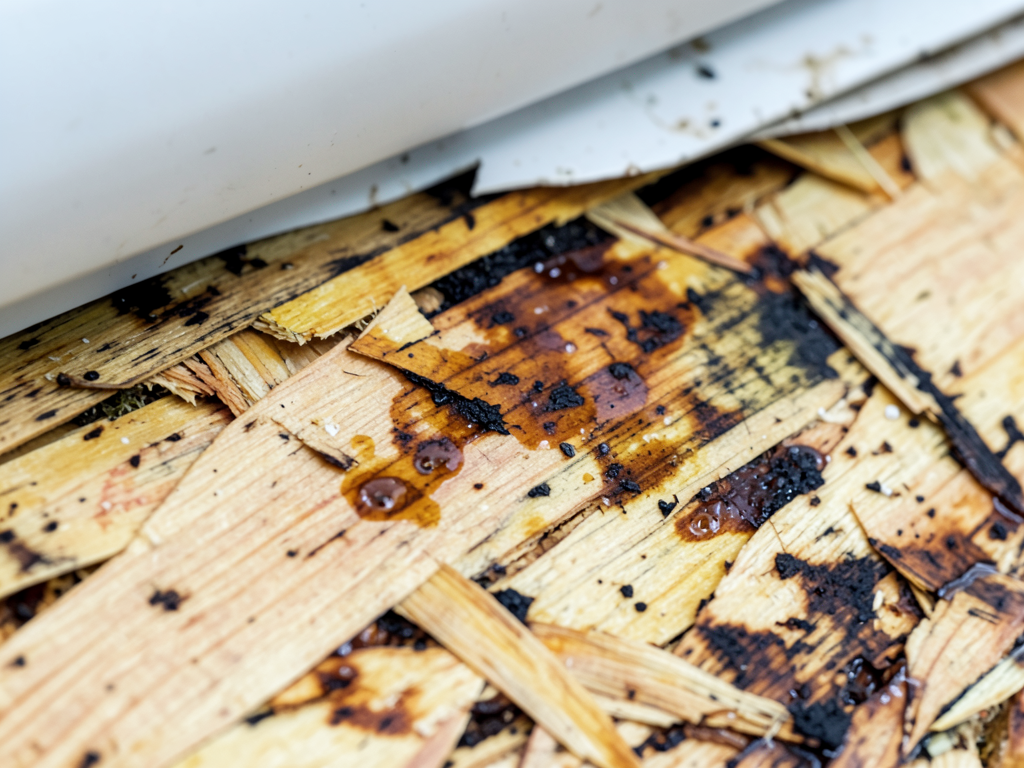
Musty odors inside your home that worsen when humidity rises point to active mold growth within the wall structure. If you press on exterior walls and they feel soft or spongy rather than firm the OSB sheathing behind the siding has likely begun to rot. These symptoms often appear in specific areas like north-facing walls that receive less direct sunlight allowing moisture to linger longer or near roof valleys where water concentrates during heavy storms.
How Blue Springs weather creates siding moisture problems
Blue Springs experiences weather patterns that make siding moisture problems particularly severe. The area receives an average of 41 inches of rainfall annually with spring thunderstorms delivering intense downpours that can overwhelm even properly installed siding systems. The clay-heavy soil in Jackson County expands when wet and contracts when dry causing subtle foundation shifts that create gaps in siding joints over time.
Winter freeze-thaw cycles prove especially damaging in Blue Springs. When water enters small cracks behind siding and freezes it expands by approximately 9% in volume forcing materials apart and creating larger entry points for future moisture. The temperature swings common in Missouri can cause vinyl siding to expand and contract by up to 1/2 inch per 12-foot panel potentially breaking the seal between siding and flashing components.
Wind-driven rain during severe weather events can force water horizontally behind siding through even tiny gaps around windows doors and utility penetrations. The combination of high humidity levels during summer months and poor attic ventilation creates conditions where condensation forms inside wall cavities adding to the moisture load that siding systems must manage.
The hidden dangers of trapped moisture
Once water becomes trapped behind siding the damage progresses through several destructive stages. Initially moisture breaks down the water-resistant barriers and house wrap designed to protect the structure. According to the International Building Code Section 1403.2 these barriers must provide a continuous weather-resistant shield but when compromised water freely penetrates to the sheathing. International Building Code Section 1403.2.
OSB sheathing begins to deteriorate within 24-48 hours of consistent moisture exposure. The wood fibers separate and lose structural strength reducing the panel’s ability to support the wall’s weight. Mold colonies particularly Stachybotrys chartarum black mold can establish themselves within 48-72 hours in dark moist environments. These colonies release spores and mycotoxins that contaminate indoor air quality and pose health risks including respiratory problems allergic reactions and in severe cases neurological symptoms. EPA mold remediation guidelines.
Structural wood components like wall studs and bottom plates absorb moisture through capillary action causing them to swell crack and eventually rot. This process can reduce the structural capacity of load-bearing walls by up to 40% before visible signs appear. The moisture also creates ideal conditions for carpenter ants and termites which are attracted to damp wood and can accelerate structural damage by creating tunnels and galleries within compromised materials.
Professional inspection vs DIY assessment
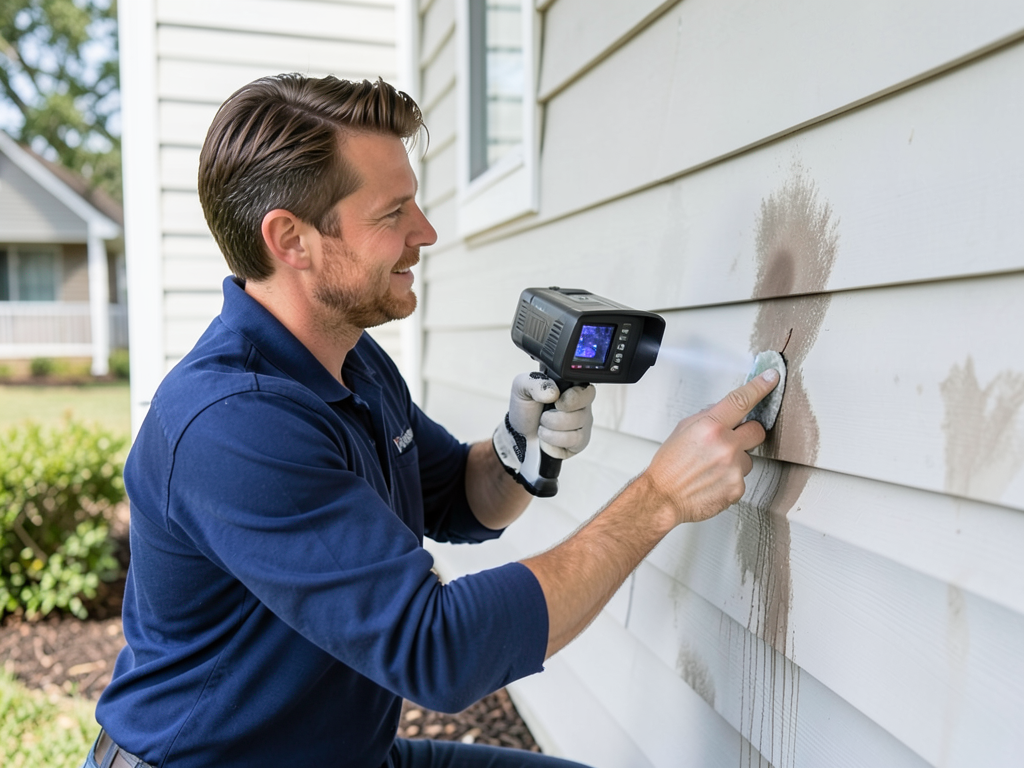
Identifying trapped moisture requires more than a visual inspection. Professional restoration technicians use specialized equipment to detect hidden problems that homeowners typically miss. Moisture meters with deep-penetrating probes can measure water content within wall cavities without destructive testing while infrared thermal imaging cameras detect temperature variations that indicate moisture presence behind finished surfaces. Specialized commercial water damage restoration for Kansas City business owners.
DIY assessments often miss critical warning signs. A simple visual check might show intact siding while failing to detect water-damaged sheathing behind it. Homeowners using basic moisture meters on exterior surfaces only measure surface moisture missing the deeper problems within wall cavities. Without proper training it’s difficult to distinguish between normal material expansion and moisture-induced warping.
Professional inspections include checking for proper flashing installation around windows doors and roof transitions. Many moisture problems in Blue Springs homes stem from improper flashing that fails to meet Missouri building code requirements for weather protection. Technicians also assess attic ventilation which plays a crucial role in preventing condensation-related moisture problems that affect siding performance.
Our Kansas City water damage restoration process
When trapped moisture is discovered proper restoration requires a systematic approach that addresses both the immediate damage and the underlying causes. The process begins with controlled removal of affected siding to expose the extent of moisture damage without causing additional structural compromise. This step often reveals problems that extend beyond the initially suspected area.
Damaged sheathing insulation and any mold-contaminated materials must be removed according to IICRC S520 standards for mold remediation. The exposed wall cavity is then thoroughly dried using industrial-grade dehumidifiers and air movers that can reduce moisture content to safe levels within 24-72 hours. This drying process must achieve moisture content below 16% to prevent future mold growth as measured by calibrated moisture meters.
After drying the wall is rebuilt using new moisture-resistant materials and proper installation techniques that comply with current building codes. This includes installing new house wrap with proper overlaps and sealing replacing damaged structural components and ensuring all flashing is correctly positioned to direct water away from vulnerable areas. The final step involves reinstalling siding with attention to manufacturer specifications for expansion gaps and fastening patterns.
Preventing future siding moisture problems
Prevention starts with proper installation and maintenance. All siding joints should be designed to allow for thermal expansion while preventing water infiltration. J-channel trim around windows and doors must be installed with a slight downward slope to ensure water drains away rather than pooling behind the trim. Kick-out flashing at roof-to-wall intersections proves critical for directing roof runoff away from siding and preventing water from being driven behind the exterior finish. Why you should not ignore that musty smell in your Olathe basement.
Regular maintenance includes inspecting caulking around windows and doors annually replacing any cracked or missing sections before they allow water entry. Cleaning gutters and downspouts ensures proper roof drainage preventing overflow that can saturate siding areas near the foundation. Trimming vegetation away from siding prevents plants from trapping moisture against the exterior surface and creating shaded areas where mold thrives.
Improving attic ventilation helps prevent condensation-related moisture problems. Most building codes require a minimum of 1 square foot of net free ventilation area for every 150 square feet of attic space. In Blue Springs’ climate increasing this to 1:300 can significantly reduce moisture-related problems by promoting better air circulation and reducing temperature differentials that cause condensation.
Cost considerations for siding moisture damage
The cost of addressing trapped moisture behind siding varies significantly based on the extent of damage and the required repairs. Early intervention when problems are caught during the initial moisture intrusion stage typically costs between $2000 and $5000 for professional assessment and repair of a standard wall section. This includes moisture detection limited material replacement and proper reinstallation.
Costs escalate substantially when structural damage has occurred. Mold remediation alone can range from $15 to $30 per square foot while replacing damaged sheathing and structural components can add $8 to $15 per square foot to the project cost. Complete wall reconstruction including new insulation house wrap and siding can range from $25000 to $50000 for an average home depending on the square footage affected.
Insurance coverage for siding moisture damage varies by policy and the specific cause of the problem. Damage from sudden events like storm damage is typically covered while long-term moisture intrusion due to maintenance issues may be excluded. Many homeowners in Blue Springs discover that their insurance deductible makes filing a claim impractical for moderate damage emphasizing the importance of early detection and prevention.
When to call for professional help
Certain situations require immediate professional intervention to prevent extensive damage. If you notice multiple warning signs like interior staining musty odors and soft exterior walls in the same area the damage has likely progressed beyond what DIY repairs can address. Water intrusion that occurs during every heavy rain indicates a systemic problem that requires professional diagnosis and repair.
Mold growth visible on interior surfaces or detected through musty odors signals that moisture problems have existed long enough for mold colonies to establish. According to the EPA areas larger than 10 square feet affected by mold should be handled by certified remediation professionals. Any situation where structural integrity is compromised such as sagging walls or ceilings requires immediate professional assessment to ensure occupant safety.
Don’t wait for visible damage to become severe. The cost of professional inspection and early intervention is typically far less than addressing advanced structural damage. A thorough inspection by certified technicians can identify problems while they’re still manageable potentially saving thousands in repair costs and protecting your home’s value.
Frequently Asked Questions
How can I tell if water is trapped behind my vinyl siding
Look for signs like bubbling interior paint warped siding panels musty odors soft spots when pressing on walls and dark staining near electrical outlets. Professional moisture meters and thermal imaging can detect hidden problems that visual inspection misses.
Is water behind siding covered by homeowners insurance
Coverage depends on the cause of the water intrusion. Sudden damage from storms or accidents is typically covered while long-term moisture problems due to maintenance issues or improper installation may be excluded. Check your specific policy and consult with your insurance agent.
How long does it take for mold to grow behind siding
Mold colonies can establish themselves within 48-72 hours in dark moist environments. Once established mold continues to spread and release spores potentially affecting indoor air quality and causing health problems for occupants.
Can I fix siding moisture problems myself
Minor issues like replacing cracked caulking can be DIY projects but trapped moisture that has caused structural damage requires professional restoration. Improper repairs can trap moisture worse and lead to more extensive damage over time.
What causes water to get trapped behind vinyl siding
Common causes include improper flashing installation wind-driven rain forcing water through gaps condensation from poor ventilation foundation shifting creating gaps and freeze-thaw cycles forcing materials apart. Blue Springs’ weather patterns can accelerate these problems.
Protect your Blue Springs home from hidden siding damage
Water trapped behind vinyl siding represents a serious threat to your home’s structural integrity and your family’s health. The combination of Blue Springs’ climate local soil conditions and the hidden nature of this damage makes professional assessment and intervention essential for protecting your investment. Don’t wait until you see visible damage or experience health symptoms from mold exposure.
If you notice any warning signs of trapped moisture or want peace of mind about your home’s exterior condition call (816) 473-3833 today to schedule a comprehensive inspection. Our certified technicians use advanced moisture detection equipment and follow industry best practices to identify and address siding moisture problems before they cause extensive damage. Pick up the phone and call (816) 473-3833 before the next storm hits and turns a small problem into a major structural issue.
{
“@context”: “https://schema.org”,
“@type”: “BlogPosting”,
“headline”: “How trapped water behind vinyl siding can rot your Blue Springs home from the outside in”,
“description”: “Trapped water behind vinyl siding causes hidden rot and mold in Blue Springs homes. Learn warning signs, local weather impacts, and when to call for professional help.”,
“wordCount”: 1994,
“datePublished”: “2026-06-10T06:43:00.000Z”,
“dateModified”: “2026-06-10T06:43:00.000Z”,
“inLanguage”: “en-US”,
“mainEntityOfPage”: {
“@type”: “WebPage”,
“@id”: “https://apluswaterdamagerestorationkansascity.com”
},
“publisher”: {
“@type”: “LocalBusiness”,
“name”: “A Plus Water Damage Restoration Kansas City”,
“url”: “https://apluswaterdamagerestorationkansascity.com”
},
“author”: {
“@type”: “Organization”,
“name”: “A Plus Water Damage Restoration Kansas City”,
“url”: “https://apluswaterdamagerestorationkansascity.com”
},
“image”: {
“@type”: “ImageObject”,
“url”: “https://apluswaterdamagerestorationkansascity.com/wp-content/uploads/2026/03/how-trapped-water-behind-vinyl-siding-can-rot-your-1.png”
}
}
{
“@context”: “https://schema.org”,
“@type”: “LocalBusiness”,
“name”: “A Plus Water Damage Restoration Kansas City”,
“url”: “https://apluswaterdamagerestorationkansascity.com”,
“address”: {
“@type”: “PostalAddress”,
“addressLocality”: “Kansas City”
},
“areaServed”: {
“@type”: “City”,
“name”: “Kansas City”
}
}
{
“@context”: “https://schema.org”,
“@type”: “BreadcrumbList”,
“itemListElement”: [
{
“@type”: “ListItem”,
“position”: 1,
“name”: “Home”,
“item”: “https://apluswaterdamagerestorationkansascity.com”
},
{
“@type”: “ListItem”,
“position”: 2,
“name”: “Blog”,
“item”: “https://apluswaterdamagerestorationkansascity.com/blog”
},
{
“@type”: “ListItem”,
“position”: 3,
“name”: “How trapped water behind vinyl siding can rot your Blue Springs home from the outside in”
}
]
}
{
“@context”: “https://schema.org”,
“@type”: “Service”,
“serviceType”: “Water Damage Restoration”,
“provider”: {
“@type”: “LocalBusiness”,
“name”: “A Plus Water Damage Restoration Kansas City”,
“url”: “https://apluswaterdamagerestorationkansascity.com”
},
“areaServed”: {
“@type”: “City”,
“name”: “Kansas City”
},
“description”: “Trapped water behind vinyl siding causes hidden rot and mold in Blue Springs homes. Learn warning signs, local weather impacts, and when to call for professional help.”
}