




Menu

Basement Flood Cleanup in Kansas City – Fast Water Extraction and Complete Restoration by Local Experts

A Plus Water Damage Restoration Kansas City delivers 24/7 basement flood cleanup with industrial-grade pumping, structural drying, and mold prevention to protect your home and property value.

Slider Image 1
Slider Image 2
Slider Image 3
Slider Image 4
Slider Image 5
Slider Image 7
Slider Image 8
Slider Image 9
Slider Image 10
Slider Image 11

Why Kansas City Basements Flood and Why Speed Matters

Kansas City sits at the confluence of the Missouri and Kansas Rivers, and our clay soil does not drain water the way sand or gravel does. When spring storms hit or winter snow melts, that water pushes against foundation walls. Clay expands when wet, contracts when dry, and cracks your foundation over time. Add aging sump pumps, outdated drainage systems, and sudden downpours, and you get flooded basements across Brookside, Waldo, and the Northland.

Standing water in your basement is not just inconvenient. It destroys drywall, insulation, and flooring. It soaks into wooden joists and studs, weakening your home's structure. Within 24 to 48 hours, mold spores begin to colonize. That smell you notice is microbial growth, and it spreads fast in humid conditions like ours.

Basement water extraction must happen immediately. Pumping water out is step one, but flooded basement water removal also means extracting moisture from building materials. If you wait, you face structural rot, black mold, and thousands in repair costs. Insurance adjusters know the difference between emergency response and delayed action. The longer water sits, the more your claim gets scrutinized.

Flooded basement remediation is not a DIY project. You need commercial dehumidifiers, air movers, and moisture meters to dry the space properly. You need someone who understands Kansas City's humidity levels and how long it takes to dry a concrete slab in August versus January. Flooded basement restoration means returning your space to pre-loss condition, not just mopping up and hoping for the best.

Why Kansas City Basements Flood and Why Speed Matters
How Professional Basement Flood Restoration Works

How Professional Basement Flood Restoration Works

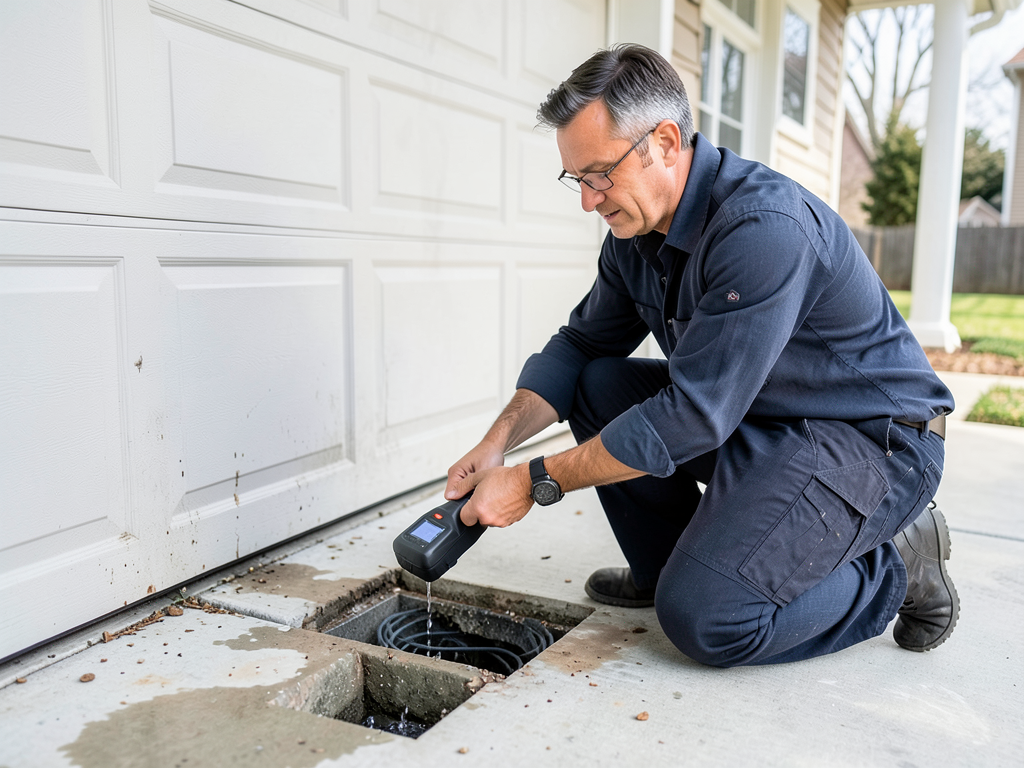
Flooded basement pumping starts with extracting standing water using truck-mounted or portable pumps rated for high-volume removal. We do not use shop vacs. We use submersible pumps that move hundreds of gallons per minute. Once the bulk water is gone, we extract residual moisture from carpet, pad, and subflooring using weighted extraction tools.

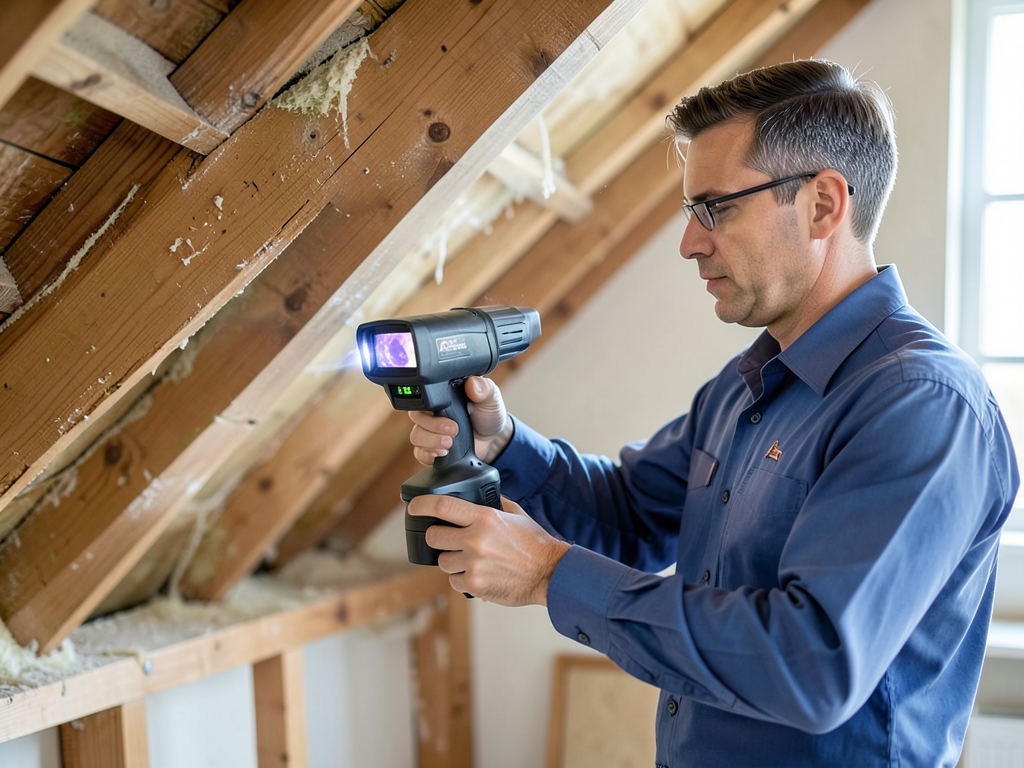
Next, we assess hidden moisture. Water wicks up drywall, soaks into insulation, and hides in wall cavities. We use thermal imaging cameras and pin-type moisture meters to map wet areas you cannot see. If your drywall reads above 17 percent moisture content, it needs to come out. If your insulation is saturated, it loses R-value and becomes a mold factory.

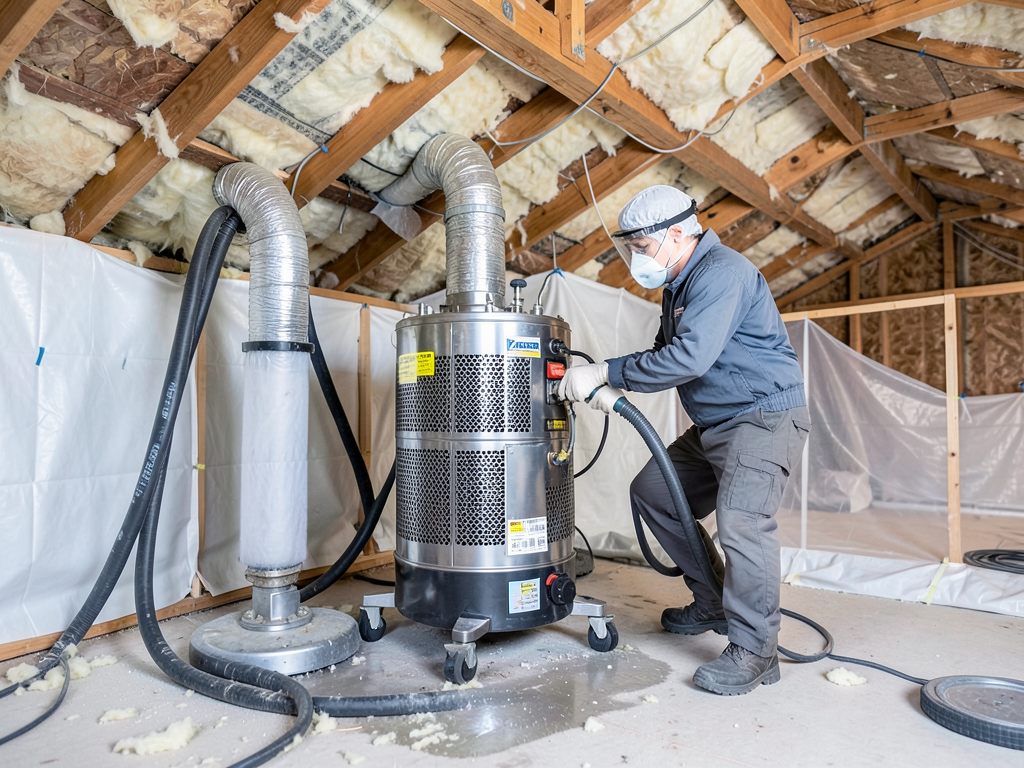
We position industrial dehumidifiers and air movers to create negative pressure and accelerate evaporation. Dehumidifiers pull moisture from the air, but air movers push air across wet surfaces to speed drying. We monitor daily with moisture readings and adjust equipment placement as needed. A flooded basement does not dry evenly. Corners, behind furniture, and areas with poor airflow take longer.

If sewage is involved, we treat the space as a Category 3 contamination event. That means antimicrobial application, disposal of porous materials, and HEPA filtration. You cannot salvage carpet or drywall exposed to sewage.

We document everything for your insurance claim. Photos, moisture logs, equipment placement, and material disposal records. Adjusters want proof you mitigated damage quickly and correctly. Flooded basement restoration includes working with your insurer to get you the coverage you deserve, not the minimum they want to pay.

What Happens During Your Basement Flood Cleanup

Basement Flood Cleanup in Kansas City – Fast Water Extraction and Complete Restoration by Local Experts
01

Emergency Water Removal

We arrive with pumps, extractors, and containment tools to remove standing water immediately. Our team inspects your sump pump, floor drains, and entry points to stop additional water intrusion. We move salvageable belongings to dry areas and begin documenting damage for insurance. Speed here prevents secondary damage like swelling, warping, and microbial growth.
02

Moisture Mapping and Drying

We use thermal cameras and moisture meters to locate hidden water in walls, floors, and ceiling cavities. Industrial dehumidifiers and air movers are positioned strategically to dry the space. We monitor moisture levels daily and adjust equipment to ensure complete drying. This phase typically takes three to five days depending on the extent of saturation and outdoor humidity levels.
03

Restoration and Prevention

Once dry, we remove damaged materials like wet drywall, insulation, or flooring. We treat exposed surfaces with antimicrobial agents to prevent mold. If needed, we coordinate with contractors to rebuild walls, install new flooring, and address the root cause like poor grading or failed waterproofing. You get a dry, safe basement and a plan to prevent future flooding.

Why Kansas City Homeowners Trust Local Basement Flood Experts

Kansas City's weather is unpredictable. We see severe thunderstorms in May, flash flooding in June, and ice dams in February. A national franchise does not understand how our clay soil shifts or why basements in the West Bottoms flood differently than those in Lee's Summit. We do.

A Plus Water Damage Restoration Kansas City responds to flooded basements across Jackson, Clay, and Platte Counties. We know the quirks of homes built in the 1920s in Hyde Park versus newer construction in Olathe. We know which neighborhoods have outdated storm sewer systems and where foundation cracks are common.

We work with local insurance adjusters daily. They know our documentation is thorough and our pricing is fair. We do not inflate claims or recommend unnecessary work. We give you an honest assessment of what needs to be removed, what can be saved, and what you should monitor.

Our equipment stays in Kansas City. We do not ship it in from another state or share it across multiple regions. When you call, we dispatch locally, and we arrive fast. We stock truck-mounted extractors, low-grain refrigerant dehumidifiers, and HEPA air scrubbers because we run multiple jobs daily in this market.

We also understand Kansas City's building codes. If your basement needs electrical work or structural repairs, we know which permits are required and which contractors meet city standards. We coordinate the entire restoration so you do not have to manage multiple vendors.

Basement flooding is stressful, but it does not have to be a disaster. You need someone who shows up, does the work correctly, and gets your home back to normal. That is what we do.

What to Expect When You Call for Basement Flood Cleanup

Immediate Response and Arrival Time

We answer emergency calls 24 hours a day, 365 days a year. When you call, you speak with a dispatcher who logs your address and the severity of the flooding. We dispatch a crew immediately. Most Kansas City locations see a response within 60 to 90 minutes. Our trucks are staged across the metro, not in a single warehouse. We prioritize active flooding and sewage backups. When we arrive, we start pumping water before we talk paperwork.

Thorough Damage Assessment and Scope

After water removal, we inspect your basement with moisture meters, thermal cameras, and visual assessment. We check walls, floors, insulation, and structural members. We document affected areas with photos and written notes. You receive a detailed scope of work that explains what needs to be removed, what can be dried in place, and what requires antimicrobial treatment. We walk you through the findings and answer your questions before we proceed. No surprises.

Complete Drying and Verified Results

We do not leave until your basement is dry. Industrial dehumidifiers and air movers run continuously, and we visit daily to take moisture readings. We track progress with written logs that show moisture levels dropping over time. When all affected materials read below 15 percent moisture content, we remove equipment. You get a final moisture report that verifies the space is dry. This documentation is critical for your insurance claim and future resale disclosures.

Insurance Coordination and Claim Support

We work directly with your insurance company to document damage and justify our scope of work. You receive itemized invoices, moisture logs, photos, and equipment logs that adjusters require. We explain the claims process and help you understand what your policy covers. If your adjuster has questions, we answer them directly. We do not guarantee claim approval, but we provide the documentation needed to support your case. Our goal is to make the process easier, not harder.

Frequently Asked Questions

You Have Questions,
We Have Answers

How to clean-up after a flooded basement? +

Stop all water sources first. If safe, turn off electricity to the basement. Remove standing water using a sump pump or wet vac. Pull out soaked items like furniture, carpets, and boxes within 24 hours to prevent mold. Open windows and run fans to increase airflow. Remove damaged drywall and insulation at least 12 inches above the waterline. Disinfect all hard surfaces with a bleach solution. Kansas City's high humidity slows drying, so use dehumidifiers continuously. Document everything with photos for insurance. Call a certified water damage restoration company if water depth exceeded two inches or sat longer than 24 hours.

How much does it cost to clean-up a flooded basement? +

Basement flood cleanup costs in Kansas City range from a few hundred to several thousand dollars. Minor floods with clean water and quick response cost less. Costs increase with contaminated water, structural damage, mold remediation, and the amount of standing water removed. Factors include basement size, water source, extraction time, materials damaged, and required repairs. Most Kansas City homeowners pay between $1,500 and $7,500 for professional restoration. Emergency service rates apply for after-hours calls. Your insurance coverage significantly impacts out-of-pocket costs. Get a detailed written estimate before work begins and ask about insurance billing assistance.

How much does Servpro cost to clean a basement? +

Servpro pricing varies by location, damage severity, and services required. They typically charge for water extraction, drying equipment, labor hours, and materials. Kansas City Servpro franchises operate independently and set their own rates. Expect similar pricing to other national restoration chains. Many Kansas City restoration companies offer comparable or better service at competitive rates. Always get multiple estimates before choosing a provider. Ask for itemized quotes that break down equipment rental, labor, and materials separately. Check if they work directly with your insurance carrier. Local companies often provide more personalized service and faster response times for Kansas City properties.

Will insurance pay for a flooded basement? +

It depends on your policy and flood cause. Standard homeowners insurance covers sudden internal failures like burst pipes, water heater leaks, or sump pump malfunctions. It does not cover external flooding from rivers, rain, or groundwater seepage. Kansas City properties near the Missouri or Kansas Rivers need separate flood insurance through the National Flood Insurance Program. Review your policy exclusions carefully. Gradual damage or maintenance issues get denied. Document everything immediately with photos and detailed notes. File your claim within 24 hours. Most insurers cover cleanup, drying, and restoration but exclude negligence-related damage.

What kills mold after a flood? +

Professional-grade antimicrobial solutions kill mold most effectively after floods. EPA-registered disinfectants like quaternary ammonium compounds target mold spores and prevent regrowth. Bleach solutions work on non-porous surfaces but do not penetrate drywall or wood. Kansas City's humidity requires thorough drying first because mold needs moisture to survive. Remove all wet materials that cannot be fully dried within 48 hours. HEPA filtration during cleanup captures airborne spores. Professionals use antimicrobial foggers and apply encapsulants to treated surfaces. Do not rely on bleach alone for basement mold. Complete moisture removal stops mold permanently.

How long does it take for mold to grow after flooding? +

Mold can begin growing within 24 to 48 hours after flooding. Kansas City's humid climate accelerates growth, sometimes starting within 12 hours during summer months. Mold spores exist everywhere and only need moisture, oxygen, and organic material to colonize. Basements provide ideal conditions with limited airflow and porous materials like drywall and wood. You cannot always see early mold growth, but musty odors indicate active colonies. Speed matters critically. Remove standing water and begin drying immediately to prevent mold establishment. Once visible mold appears, professional remediation becomes necessary to prevent health risks and structural damage.

How long does it take to dry out a basement after a flood? +

Complete basement drying takes three to seven days with professional equipment. Kansas City humidity extends drying times compared to drier climates. Concrete walls and floors retain moisture longer than above-grade rooms. Factors include water depth, affected materials, airflow, temperature, and humidity levels. Professional restoration companies use industrial dehumidifiers, air movers, and moisture meters to track progress. They monitor readings daily until materials reach acceptable moisture content. Do not rush this process. Premature reconstruction traps moisture and causes mold growth. Expect longer drying times for finished basements with drywall and insulation compared to unfinished concrete spaces.

What is the most expensive part of finishing a basement? +

This question addresses basement finishing, not flood cleanup. However, after flooding damages a finished Kansas City basement, replacing drywall, insulation, and flooring becomes the costliest restoration expense. Water-damaged drywall must be cut out and replaced. Insulation loses R-value when wet and requires removal. Flooring replacement costs vary by material type. Electrical systems damaged by water need complete rewiring for safety. HVAC ductwork may need replacement if contaminated. Structural repairs to foundation walls or floor joists add significant expense. The most expensive aspect of post-flood restoration is addressing hidden moisture in walls and preventing future mold growth.

Does flood insurance pay for clean up? +

Flood insurance covers cleanup costs if you have a National Flood Insurance Program policy or private flood coverage. NFIP policies pay up to coverage limits for building cleanup, debris removal, and contents. Standard homeowners insurance does not cover external flooding cleanup. Kansas City properties in FEMA flood zones should carry flood insurance. Policies cover water extraction, drying, sanitizing, and disposal of contaminated materials. They typically exclude landscaping and external property cleanup. File claims immediately with detailed documentation. Most policies have 30-day waiting periods before coverage begins, so purchase before flood season. Review your specific policy for cleanup coverage limits and exclusions.

How long does it take to deep clean a 2000 sq ft house? +

This question addresses general house cleaning, not basement flood restoration. However, flood cleanup differs completely from routine cleaning. A flooded 2,000-square-foot basement requires three to seven days for professional water extraction, drying, sanitizing, and initial restoration. Speed matters more than perfection during emergency response. Technicians work around the clock to prevent secondary damage. The process involves industrial equipment operation, moisture monitoring, antimicrobial treatment, and damaged material removal. Kansas City restoration companies prioritize structural drying over cosmetic cleaning. Complete restoration including repairs takes weeks. Focus on proper drying timelines rather than cleaning speed to prevent long-term mold and structural issues.

How Kansas City's Clay Soil and Storm Patterns Make Basement Flooding a Persistent Threat

Kansas City sits on expansive clay soil that swells when saturated and shrinks when dry. This cycle creates hydrostatic pressure against foundation walls, especially in older homes built before modern waterproofing standards. Spring storms dump several inches of rain in hours, overwhelming outdated storm sewers in neighborhoods like Westport and the Northland. Add flash flooding from the Blue River and Little Blue River watersheds, and you see why basement water extraction is a constant need here. Clay does not drain like sand or limestone. Water pools, pushes, and finds every crack in your foundation.

Basement flood restoration in Kansas City requires understanding local construction methods and material behavior in high humidity. Homes built in the 1940s through 1960s often lack vapor barriers or have inadequate perimeter drainage. We know which neighborhoods flooded in 1993, 2011, and 2019, and we understand why. Local expertise means knowing which contractors meet city code, which materials hold up in our climate, and which solutions actually prevent future flooding. National chains rotate crews and equipment across regions. We stay here, work here, and know the patterns that cause basements to flood in Kansas City.
Water Damage Restoration Services in The Kansas City Area

While we provide rapid mobile service throughout the entire Kansas City area, you can also view our general service area on the map. We are dedicated to being a local, accessible resource for all your water damage restoration needs, whether you're in the heart of the city or a surrounding community. Our team is always just a phone call away, ready to assist you with expertise and care, no matter where you are located within our service area.

Address:
A Plus Water Damage Restoration Kansas City, 1020 E Armour Blvd, Kansas City, MO, 64109

Additional Services We Offer

Our news updates

Latest Articles & News from The Blogs

How the hard water in Edwardsville is secretly shortening the life of your plumbing and appliances Hard water is more…

How the hard water in Edwardsville is secretly shortening the life of your plumbing and appliances

How the hard water in Edwardsville is secretly shortening the life of your plumbing and appliances Hard water is more…

How to protect your Weatherby Lake home from major water damage while you are away for the winter

How to protect your Weatherby Lake home from major water damage while you are away for the winter Winterizing your…

What every first-time buyer in Raymore needs to check for water damage before closing the deal

What every first-time buyer in Raymore needs to check for water damage before closing the deal Buying your first home…

Contact Us

Call A Plus Water Damage Restoration Kansas City now at (816) 473-3833. We dispatch crews 24/7 across the Kansas City metro. Do not wait for mold to grow or structural damage to worsen. Get professional flooded basement pumping and restoration today.