




Menu

Peeling Paint & Wallpaper in Kansas City – Expert Diagnosis and Permanent Water Damage Solutions

When bubbling paint or lifting wallpaper appears on your walls, it signals hidden moisture intrusion that requires immediate professional assessment and water damage restoration to prevent structural decay and mold growth.

Slider Image 1
Slider Image 2
Slider Image 3
Slider Image 4
Slider Image 5
Slider Image 7
Slider Image 8
Slider Image 9
Slider Image 10
Slider Image 11

Why Your Walls Are Telling You About Hidden Water Damage

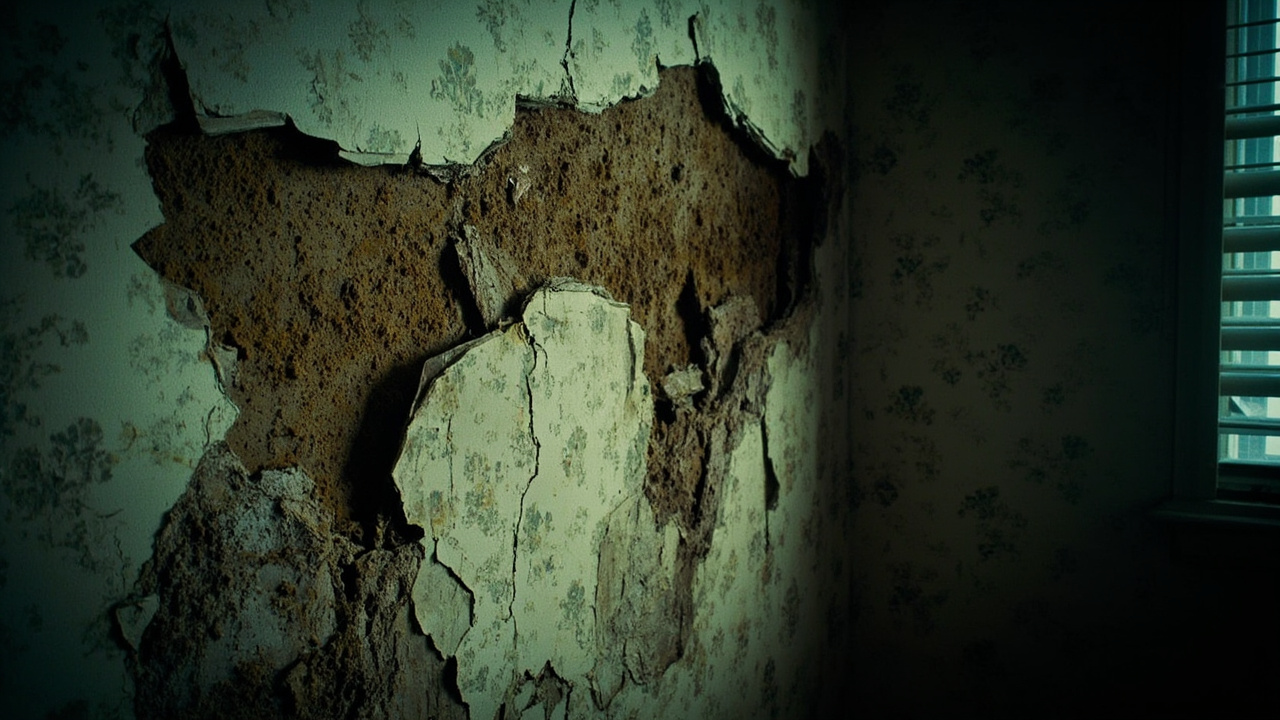
Bubbling paint does not happen without cause. When you see blistering wall paint, flaking paint, or loose wallpaper in your Kansas City home, you are looking at the visible symptom of moisture penetration behind your wall surfaces.

Kansas City's dramatic weather swings create the perfect environment for hidden water problems. We experience intense summer humidity that can push 80 percent, followed by winter freeze-thaw cycles that stress building envelopes. Spring storms dump several inches of rain in hours, overwhelming gutters and causing foundation seepage. These conditions force moisture into wall cavities where it becomes trapped behind paint and wallpaper.

The moisture does not evaporate. It accumulates between the substrate and the finish layer, breaking the adhesive bond. Paint blisters form as water vapor pushes outward. Wallpaper lifts at seams and edges. You might notice the problem starts in corners, near windows, or along exterior walls where temperature differentials are greatest.

Many Kansas City homes built before 1980 lack proper vapor barriers. Older brick homes in neighborhoods like Brookside and Hyde Park are especially vulnerable because moisture wicks through masonry during our humid summers. Even newer construction in areas like Lee's Summit can develop problems if flashing around windows was improperly installed.

Lifting wallpaper is not a cosmetic nuisance. It means water has compromised the drywall paper face or plaster substrate underneath. Left untreated, that moisture feeds mold growth and rots framing members. The longer you wait, the more extensive the structural repairs become.

Why Your Walls Are Telling You About Hidden Water Damage
How We Find and Fix the Real Problem Behind Surface Damage

How We Find and Fix the Real Problem Behind Surface Damage

Most contractors treat peeling paint as a painting problem. They scrape, prime, and repaint without addressing why the moisture is there. Within months, the bubbling returns because the source was never resolved.

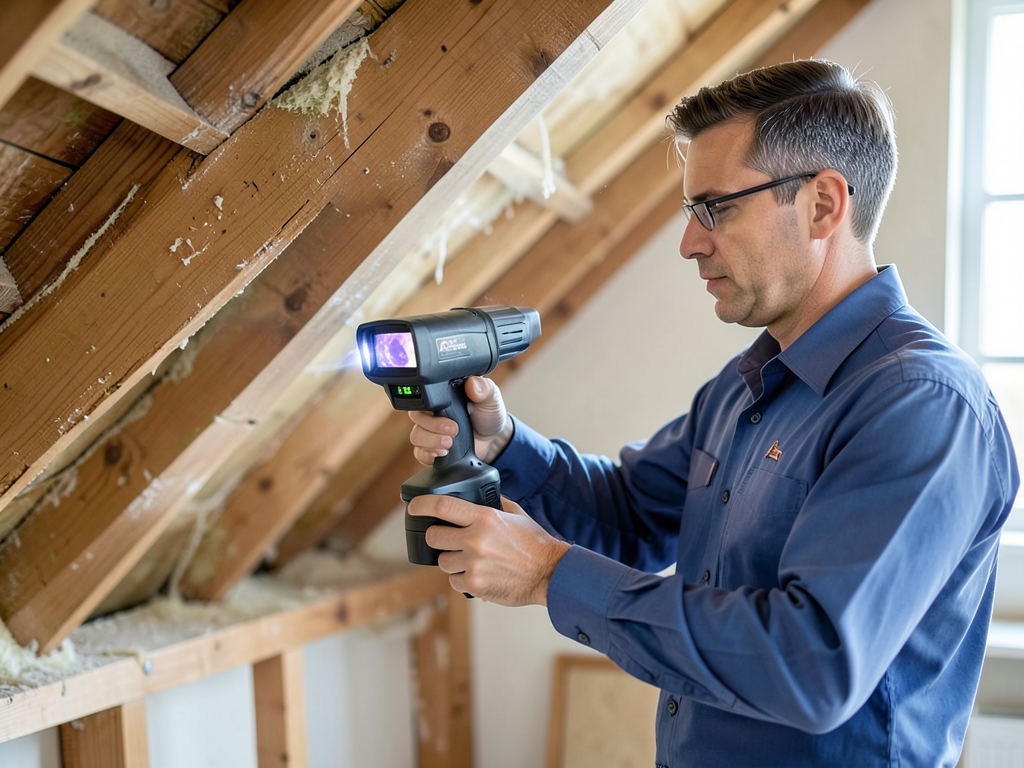
A Plus Water Damage Restoration Kansas City approaches this differently. We use thermal imaging cameras to map temperature anomalies behind walls that indicate active moisture intrusion. These infrared scans reveal wet insulation, saturated drywall, and plumbing leaks that are invisible to the naked eye. We also deploy pin-type and non-invasive moisture meters to quantify water content in building materials, establishing baseline readings that guide our drying strategy.

Once we identify the source, we stop it. That might mean repairing a leaking supply line, sealing foundation cracks with hydraulic cement and exterior membrane, or installing proper kick-out flashing where roof planes intersect walls. We do not mask symptoms.

After source control, we remove compromised materials. Drywall that has been saturated loses structural integrity and harbors mold spores. We cut back to dry, sound material, typically 12 inches beyond visible damage. If insulation is wet, we extract it because it cannot be effectively dried in place.

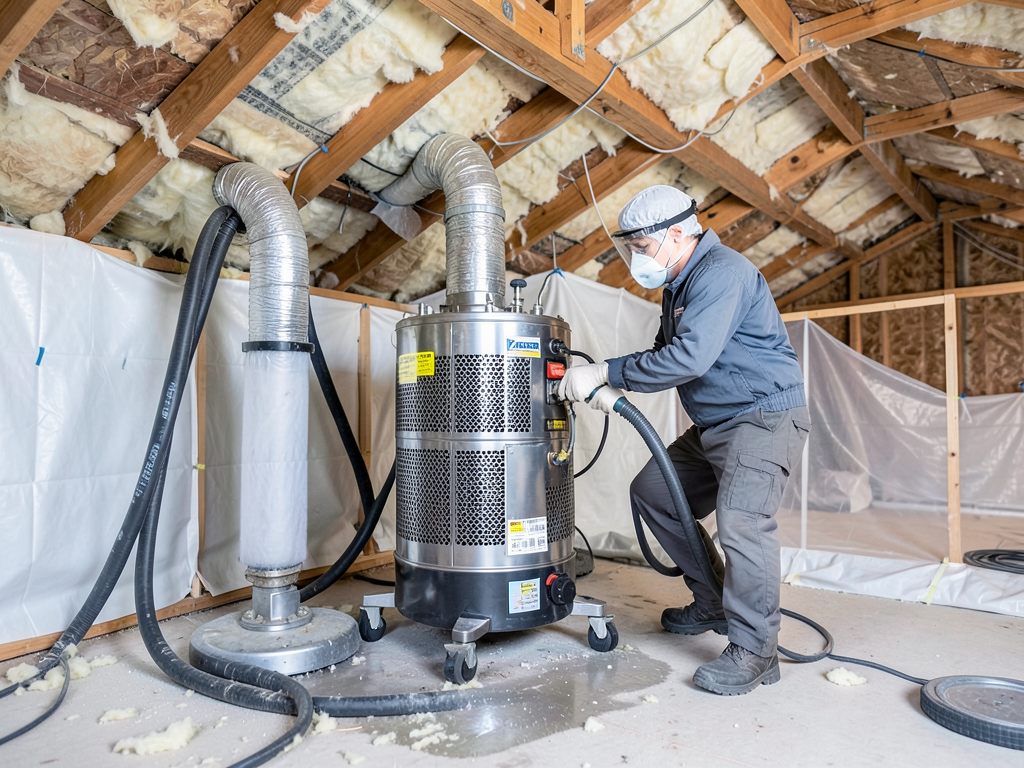
We then deploy commercial dehumidifiers and air movers calibrated to your specific space volume and moisture load. Daily moisture readings track drying progress until all affected materials reach equilibrium moisture content, typically below 15 percent for wood framing and 1.0 percent for drywall.

Only after documented drydown do we rebuild with mold-resistant drywall, vapor-appropriate primer systems, and properly adhered finishes. This ensures the flaking paint and loose wallpaper do not return.

What Happens When You Call Us About Wall Surface Problems

Peeling Paint & Wallpaper in Kansas City – Expert Diagnosis and Permanent Water Damage Solutions
01

Emergency Moisture Assessment

We arrive with professional-grade moisture detection equipment within hours of your call. Our technician performs a complete moisture mapping survey using thermal imaging and meters to identify all affected areas, not just where you see bubbling paint. You receive a written moisture map and source identification before any work begins, so you understand exactly what is happening behind your walls.
02

Source Repair and Containment

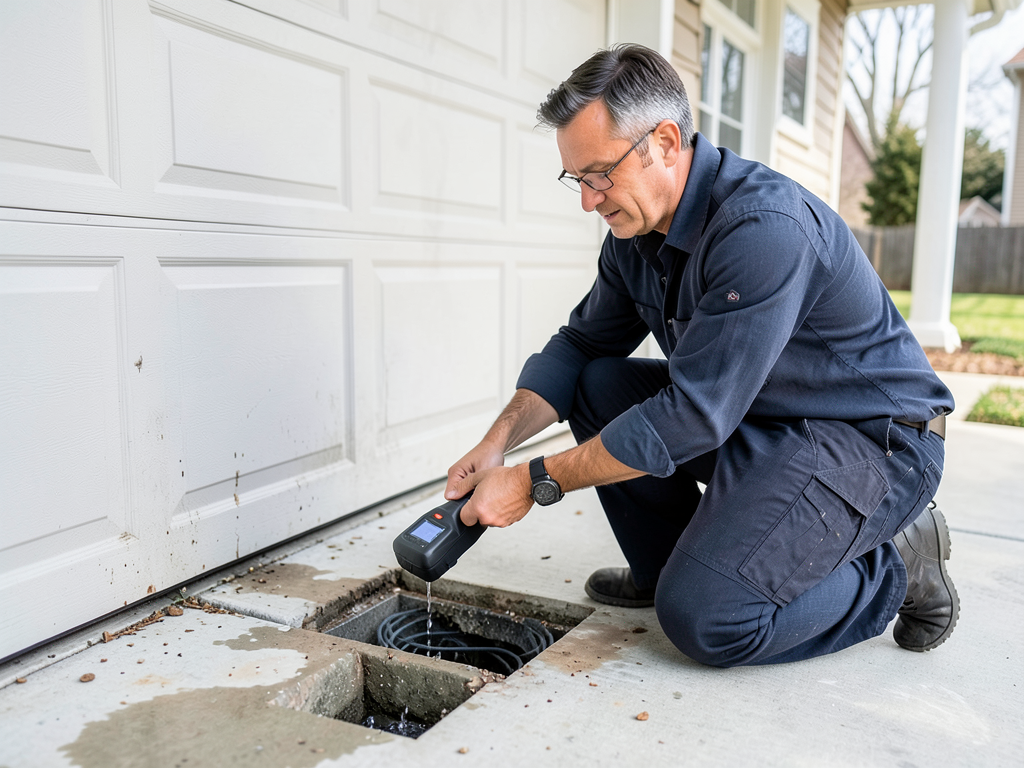
We stop the water at its entry point, whether that is a plumbing failure, roof leak, or foundation seepage. Temporary containment barriers prevent moisture migration to unaffected spaces. We document pre-existing conditions with photos and moisture readings for insurance purposes. Our team coordinates with plumbers or roofers if the source repair requires specialized trade work beyond water damage restoration scope.
03

Controlled Drying and Reconstruction

Commercial drying equipment runs continuously with daily monitoring until moisture levels reach acceptable standards. We remove and dispose of unsalvageable materials following EPA mold remediation protocols. Once the structure is verifiably dry, we rebuild with materials selected for moisture resistance. Final paint and wallpaper application uses products appropriate for the specific wall location and moisture exposure risk, preventing recurrence of blistering wall paint.

Why Kansas City Property Owners Choose Local Water Damage Specialists

National franchise operators follow corporate scripts written for generic conditions. They lack familiarity with Kansas City's specific construction methods and climate challenges. A technician from a chain operation might not recognize that your home's limestone foundation is wicking groundwater, a common problem in older Kansas City neighborhoods where homes were built directly on native limestone ledge.

A Plus Water Damage Restoration Kansas City has diagnosed moisture problems in thousands of local properties. We know that homes near Brush Creek frequently experience foundation seepage during spring flooding. We understand that 1950s ranch homes in Prairie Village often have undersized gutters that overflow during our intense thunderstorms, saturating wall cavities at the roofline. We recognize that historic brick homes in Midtown require breathable lime-based repair mortars, not modern Portland cement that traps moisture and causes paint failure.

This local knowledge prevents misdiagnosis. When we see flaking paint on an exterior brick wall, we check for failed repointing mortar and inadequate weep holes before assuming the problem is interior. When lifting wallpaper appears in a basement, we test for hydrostatic pressure against foundation walls, a condition exacerbated by Kansas City's expansive clay soils.

We also navigate local code requirements efficiently. Kansas City amended its building code to require specific vapor retarder classifications based on climate zone. We specify compliant materials that meet these standards, preventing inspection delays during reconstruction. Our relationships with local building inspectors, insurance adjusters, and trade contractors streamline the restoration process.

You get faster resolution because we do not waste time learning your building's construction methods or researching local conditions. We have seen your exact problem hundreds of times. We know the correct fix the first time.

What You Can Expect From Start to Finish

Response Time and Availability

We answer calls 24 hours a day because water damage does not wait for business hours. When you contact us about bubbling paint or loose wallpaper, we schedule an assessment within the same day for emergency situations, or within 24 hours for non-urgent evaluations. Our technician arrives with all necessary diagnostic equipment, not just a visual inspection. The initial assessment takes 45 to 90 minutes depending on your property size. You receive preliminary findings before we leave, including moisture readings, suspected source identification, and recommended next steps. We do not pressure you into immediate contracts. You get clear information to make an informed decision.

Comprehensive Moisture Investigation

Our assessment goes beyond the obvious damage. We check adjacent rooms, inspect attic spaces above affected ceilings, and evaluate crawlspaces or basements below problem areas. Thermal imaging reveals temperature differentials that indicate hidden moisture pathways. Pin-type moisture meters provide exact readings in wood framing, while non-invasive meters scan through finished surfaces without causing damage. We test multiple locations to establish the full extent of moisture intrusion. This thorough evaluation prevents the common mistake of treating visible symptoms while missing hidden water damage that will cause problems later. You receive a detailed moisture map and written report documenting all findings.

Professional Restoration Standards

We follow Institute of Inspection, Cleaning and Restoration Certification protocols for water damage restoration. Drying equipment is positioned based on psychrometric calculations specific to your space conditions, not guesswork. Daily logs track temperature, humidity, and moisture content readings throughout the drying process. We maintain these records for insurance documentation and quality assurance. Reconstruction work meets or exceeds Kansas City building code requirements. We use mold-resistant drywall in areas with moisture exposure history. Paint systems include proper primer sealers that prevent tannin bleed-through and provide vapor-appropriate moisture management. The finished work looks and performs better than the original construction because we correct the underlying deficiencies that caused the failure.

Post-Restoration Support and Monitoring

After completing restoration work, we provide a final moisture verification report documenting that all building materials have reached acceptable dryness levels. You receive maintenance recommendations specific to your property's vulnerability factors, such as gutter cleaning schedules or foundation grading improvements. We offer optional six-month and annual follow-up inspections to verify that moisture problems have not recurred. These monitoring visits use the same diagnostic equipment to compare current readings against post-restoration baselines. If new moisture intrusion occurs, early detection prevents extensive damage. This ongoing relationship gives you peace of mind that the blistering wall paint will not return, and provides documentation for future property transactions.

Frequently Asked Questions

You Have Questions,
We Have Answers

What to do if paint is peeling off the wall? +

Stop the source. Peeling paint often signals moisture intrusion, not just poor prep. Check for leaks, failed caulking around windows, or basement seepage common in Kansas City homes with shifting clay soil. Scrape loose material with a putty knife, then sand the edges smooth. Prime bare spots with a stain-blocking primer before repainting. If peeling is widespread or returns quickly, you need water damage restoration first. Paint is a cosmetic fix. Addressing hidden moisture prevents mold growth and structural rot. Do not just repaint over the symptom.

Why is my paint peeling like wallpaper? +

Your paint is peeling in sheets because moisture trapped behind the film is breaking the bond. This happens when water vapor drives through drywall from leaks, humidity, or condensation. Kansas City's humid summers and freeze-thaw cycles stress exterior walls, pushing moisture inward. Interior peeling near bathrooms or kitchens points to poor ventilation. The paint never adhered properly to the substrate, or water damaged the drywall paper backing. You need to locate the moisture source, dry affected areas completely, and repair any water-damaged substrates before recoating.

Is it cheaper to paint or peel and stick wallpaper? +

Peel and stick wallpaper costs more upfront than paint per square foot, but installation is faster if you do it yourself. Paint requires prep work, multiple coats, and drying time. For Kansas City homes with plaster walls or texture issues, wallpaper can hide imperfections paint cannot. Long-term, paint is cheaper. Wallpaper peels when moisture infiltrates walls, creating repeat costs. If you are covering water stains or damage, neither option works until you fix the underlying problem. Budget for proper surface prep and moisture remediation first.

Should I scrape off all the peeling paint? +

Yes. Remove all loose, flaking paint before repainting. Scraping prevents new coats from peeling along the same failure lines. Use a stiff putty knife or wire brush, then sand the edges to feather transitions. If paint scrapes off easily, moisture damaged the substrate. Check for soft drywall, efflorescence, or mold. Kansas City homes with foundation settling or roof leaks often show widespread peeling. Do not skim over compromised areas with spackle and hope. Address water damage first. Proper prep takes time, but it stops the cycle of repainting every two years.

Can I paint over paint that is peeling? +

No. Painting over peeling paint traps the problem. New coats add weight, accelerating delamination. The fresh paint peels within months, wasting time and money. You must scrape loose material, sand smooth, and prime bare spots. If moisture caused the peeling, repainting without drying the substrate guarantees failure. Kansas City's humidity and older home construction create hidden condensation issues. Test suspicious areas by pressing firmly. If the paint bubbles or feels spongy, water damaged the wall. Fix leaks, dry the structure, then repaint correctly.

What is the difference between flaking and peeling paint? +

Flaking paint breaks into small chips or powder, usually from age, UV exposure, or chalking. Peeling paint lifts in curled sheets or strips, caused by moisture, poor adhesion, or incompatible coatings. Flaking is surface degradation. Peeling is bond failure between layers or substrate. Kansas City exteriors flake from sun and weather. Interiors peel from leaks, humidity, or condensation. Flaking requires cleaning and recoating. Peeling requires investigation. If paint peels near ceilings, check for roof leaks. Near floors, check for foundation moisture or plumbing issues.

Will Kilz stop peeling paint? +

Kilz primer seals stains and blocks some moisture, but it does not stop peeling caused by active water intrusion. If moisture drives through the wall, Kilz will eventually fail. It works for spot priming after you fix leaks and dry the substrate. Kansas City homes with basement seepage or failed exterior flashing need water damage repairs first. Kilz helps prevent tannin bleed and odor, making it useful after water cleanup. Apply it to bare, dry surfaces only. Using Kilz over wet drywall or active leaks wastes product and delays real solutions.

Does peeling wallpaper mean damp? +

Yes. Peeling wallpaper almost always indicates moisture problems. Water weakens wallpaper paste, causing edges to lift or entire sections to bubble. Check for leaks behind the wall, poor ventilation, or condensation. Kansas City's humidity and older home construction create ideal conditions for hidden moisture. Exterior walls without vapor barriers trap condensation. Bathrooms and kitchens without exhaust fans build moisture. Peel back loose wallpaper and inspect the drywall. Look for discoloration, soft spots, or mold. Address the moisture source before re-wallpapering, or the problem repeats.

What do you put on walls to stop paint peeling? +

Apply a moisture-resistant primer like Zinsser Gardz or Kilz after fixing the water source. These primers seal porous surfaces and improve topcoat adhesion. If moisture caused the original peeling, you need vapor barriers or better ventilation. Kansas City basements benefit from dehumidifiers and proper grading to keep groundwater away from foundations. Bathrooms need exhaust fans vented outdoors, not into attics. Exterior walls need intact caulking and flashing. Primer stops paint peeling only when applied to dry, clean substrates after you eliminate moisture intrusion.

What is the cost of painting a 1000 sq ft house? +

Painting a 1000 square foot house in Kansas City varies widely based on prep work, paint quality, and whether you hire professionals. Expect costs to reflect surface condition. Homes with peeling paint, water damage, or failed substrates require scraping, priming, and repairs before painting. Exterior jobs cost more due to weather exposure and access challenges. Interior projects depend on trim complexity and wall texture. Budget for moisture remediation if peeling is widespread. Cutting corners on prep guarantees repainting sooner. Invest in fixing underlying issues first for lasting results.

How Kansas City's Clay Soil and Storm Patterns Create Wall Moisture Problems

Kansas City sits on expansive clay soil that swells when wet and shrinks during dry periods, creating constant movement against foundation walls. This soil movement cracks foundation seals and allows groundwater intrusion during our intense spring storms, when three to five inches of rain can fall in a single event. The moisture penetrates basement walls and wicks upward through capillary action in older masonry construction, eventually reaching interior wall finishes where it manifests as bubbling paint and lifting wallpaper. Properties in low-lying areas near Turkey Creek, Brush Creek, or the Blue River experience the most severe foundation moisture problems because seasonal flooding raises the water table and increases hydrostatic pressure against below-grade walls.

A Plus Water Damage Restoration Kansas City maintains relationships with structural engineers and foundation specialists who understand local soil conditions and can recommend permanent solutions for chronic moisture problems. We have worked on properties throughout the metro area, from historic homes in the Northeast neighborhood to newer construction in Overland Park and Olathe. This experience base means we recognize patterns specific to different construction eras and neighborhood conditions. When you choose local expertise for water damage restoration, you benefit from accumulated knowledge about how Kansas City buildings fail and what repairs actually prevent recurrence of flaking paint and loose wallpaper problems.
Water Damage Restoration Services in The Kansas City Area

While we provide rapid mobile service throughout the entire Kansas City area, you can also view our general service area on the map. We are dedicated to being a local, accessible resource for all your water damage restoration needs, whether you're in the heart of the city or a surrounding community. Our team is always just a phone call away, ready to assist you with expertise and care, no matter where you are located within our service area.

Address:
A Plus Water Damage Restoration Kansas City, 1020 E Armour Blvd, Kansas City, MO, 64109

Additional Services We Offer

Our news updates

Latest Articles & News from The Blogs

How the hard water in Edwardsville is secretly shortening the life of your plumbing and appliances Hard water is more…

How the hard water in Edwardsville is secretly shortening the life of your plumbing and appliances

How the hard water in Edwardsville is secretly shortening the life of your plumbing and appliances Hard water is more…

How to protect your Weatherby Lake home from major water damage while you are away for the winter

How to protect your Weatherby Lake home from major water damage while you are away for the winter Winterizing your…

What every first-time buyer in Raymore needs to check for water damage before closing the deal

What every first-time buyer in Raymore needs to check for water damage before closing the deal Buying your first home…

Contact Us

Peeling paint is not getting better on its own. Call A Plus Water Damage Restoration Kansas City now at (816) 473-3833 for same-day moisture assessment. We will find the source, stop the water, and restore your walls correctly the first time.