




Menu

Soggy Insulation in Kansas City – Expert Diagnosis and Complete Removal Before Mold Takes Hold

Kansas City homeowners face serious health risks when water-damaged insulation goes untreated. Our technicians diagnose the moisture source, remove saturated material, and restore your attic or crawl space safely.

Slider Image 1
Slider Image 2
Slider Image 3
Slider Image 4
Slider Image 5
Slider Image 7
Slider Image 8
Slider Image 9
Slider Image 10
Slider Image 11

Why Kansas City Homes Struggle with Wet Insulation Year-Round

Kansas City sits at the confluence of two major rivers and experiences some of the most volatile weather patterns in the Midwest. Spring storms dump heavy rainfall that overwhelms gutters and roof valleys. Summer humidity hovers above 70 percent for weeks. Winter brings freeze-thaw cycles that crack roof penetrations and force ice dams under shingles. These conditions create the perfect environment for soggy insulation.

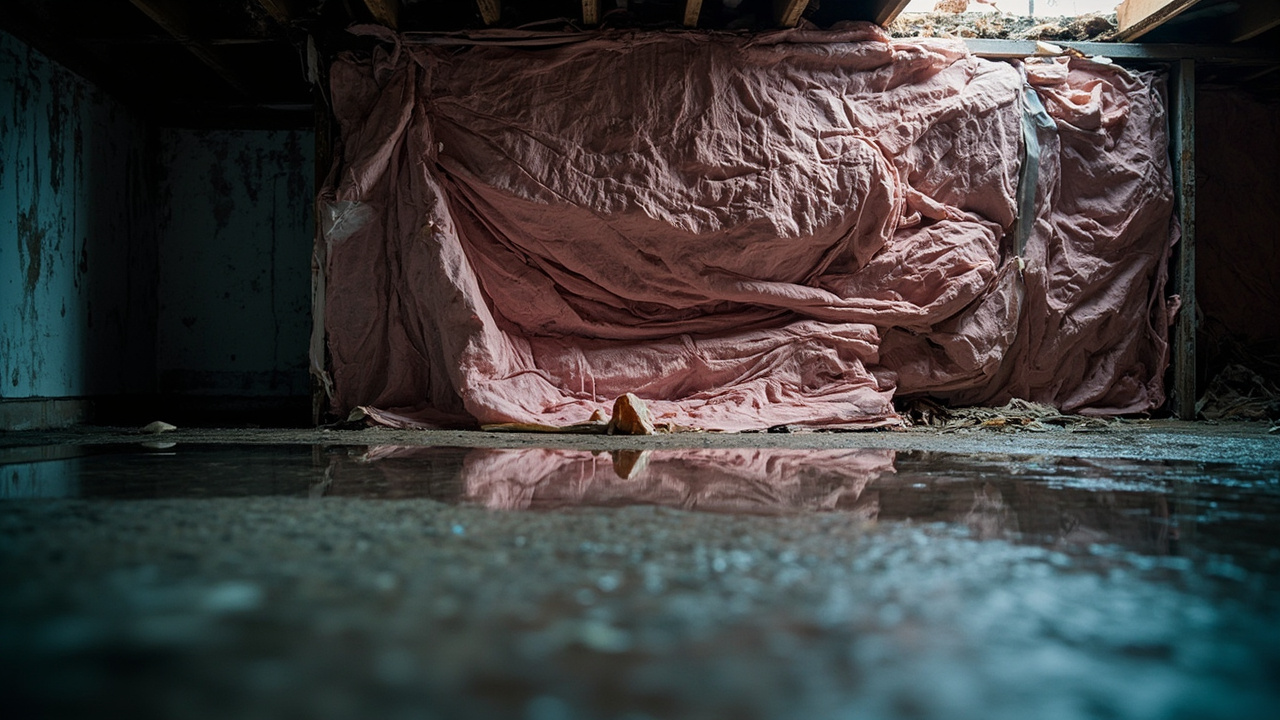
You notice it first as a musty smell in the hallway. Then you see a brownish stain spreading across the ceiling in your bedroom. By the time you climb into the attic, the fiberglass batts are compressed, discolored, and dripping. The damage is not just cosmetic. Wet insulation loses its R-value immediately. It stops protecting your home from temperature extremes. Your HVAC system runs longer to compensate. Your energy bills spike.

Saturated insulation also becomes a breeding ground for mold within 24 to 48 hours. The spores spread through your HVAC ducts and into living spaces. You breathe them in. Your kids breathe them in. Respiratory issues, headaches, and allergic reactions follow. Damp insulation also attracts pests like silverfish, roaches, and rodents that tunnel through the material and contaminate it further.

Kansas City's clay soil compounds the problem. Heavy rains cause the soil to swell and push against foundation walls. Hairline cracks appear. Water seeps into crawl spaces and soaks the insulation from below. Many older homes in neighborhoods like Brookside and Waldo have inadequate vapor barriers, which allows ground moisture to wick upward into fiberglass or cellulose.

If you see sagging ceiling tiles, peeling paint, or water stains, you have water-damaged insulation somewhere in the structure. The longer it sits, the worse the damage becomes.

Why Kansas City Homes Struggle with Wet Insulation Year-Round
How We Locate the Source and Remove Soaked Insulation Safely

How We Locate the Source and Remove Soaked Insulation Safely

Most contractors pull out the wet insulation and call it done. That approach ignores the reason the insulation got wet in the first place. Water does not appear out of nowhere. It comes from a failed roof flashing, a pinhole leak in a supply line, condensation from an undersized exhaust vent, or groundwater intrusion through a foundation crack. If you do not fix the source, the replacement insulation will get wet again in six months.

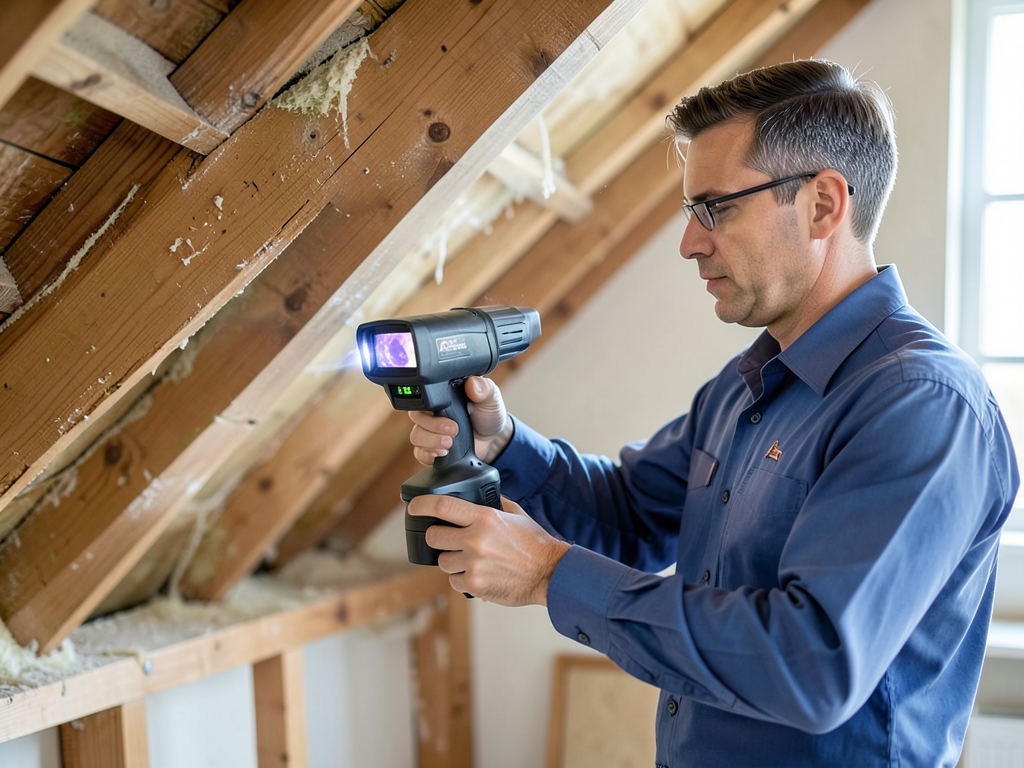
Our process starts with moisture mapping. We use thermal imaging cameras to scan your ceilings, walls, and floors. These cameras detect temperature differentials that indicate hidden moisture. We combine that data with moisture meters that measure water content in wood framing, drywall, and insulation. This gives us a clear picture of where the water is and where it came from.

Once we identify the source, we isolate the affected area. If the leak is in the attic, we set up containment barriers to prevent contaminated dust from falling into living spaces during removal. We wear respirators and protective suits because soaked insulation often harbors mold, bacteria, and fiberglass particles that become airborne when disturbed.

We remove the saturated insulation by hand and bag it in heavy-duty contractor bags. We do not use shop vacs or blowers that scatter contaminants. We inspect the roof decking, rafters, and ceiling joists for rot, mold growth, and structural compromise. If we find mold on wood framing, we treat it with antimicrobial solutions and HEPA-vacuum the surfaces. If the wood is rotted, we flag it for replacement before new insulation goes in.

We dry the cavity completely using commercial dehumidifiers and air movers. We monitor moisture levels daily until readings drop below 15 percent. Only then do we recommend reinstallation. Rushed jobs trap residual moisture and create worse problems down the road.

What Happens During a Soggy Insulation Removal in Kansas City

Soggy Insulation in Kansas City – Expert Diagnosis and Complete Removal Before Mold Takes Hold
01

Initial Moisture Assessment

We arrive with thermal imaging equipment and moisture meters to map the full extent of water intrusion. You walk through the affected areas with our technician. We check attics, crawl spaces, and wall cavities. We document moisture readings in framing, subflooring, and insulation. We photograph the damage for your insurance claim. This assessment takes 30 to 60 minutes and gives you a clear scope of work before removal begins.
02

Safe Insulation Removal

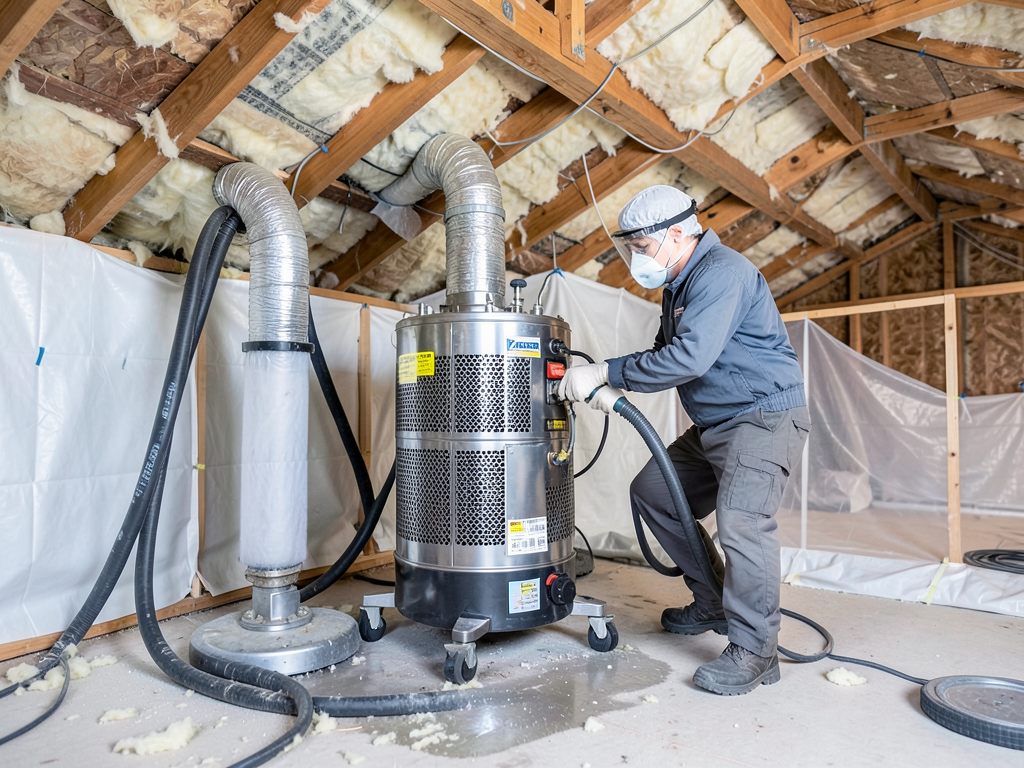
Our crew sets up containment barriers and negative air machines to prevent cross-contamination. We wear full PPE and remove the water-damaged insulation by hand. We bag and dispose of it according to Kansas City waste regulations. We inspect the exposed framing for mold, rot, and structural damage. If we find issues, we treat or flag them immediately. This step protects your family from airborne contaminants and ensures nothing is hidden behind new material.
03

Drying and Verification

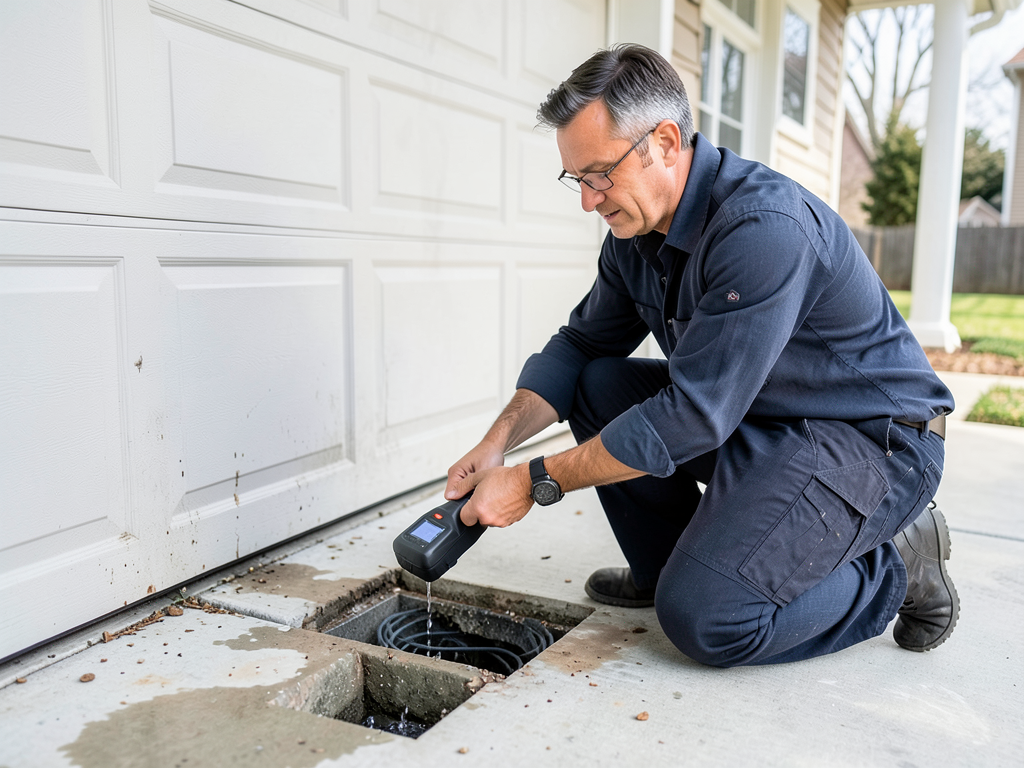
We deploy industrial dehumidifiers and air movers to dry the cavity completely. We monitor moisture levels daily using pin and pinless meters. Once readings drop below 15 percent and stay stable for 48 hours, we issue a dry-out certificate. You get documentation proving the space is safe for new insulation. We coordinate with your contractor or handle reinstallation ourselves. This final step ensures the problem does not return in three months.

Why Kansas City Homeowners Trust Local Expertise for Insulation Damage

Kansas City's housing stock is diverse. You have century-old bungalows in Hyde Park with knob-and-tube wiring and no attic ventilation. You have split-levels in Overland Park with vaulted ceilings and complex roof lines. You have ranch homes in Raytown with crawl spaces that flood every spring. Each structure type has unique vulnerabilities. A technician who does not understand local construction methods will miss critical details.

We have worked in every neighborhood from the Northland to South Kansas City. We know that homes built before 1980 often have inadequate vapor barriers in crawl spaces. We know that Kansas City's clay soil causes foundation settling that cracks slab edges and allows water to wick upward. We know that ice dams form on north-facing roof slopes during hard freezes and melt into attic spaces as temperatures rise.

This local knowledge matters when diagnosing why your insulation got wet. A roofer might blame the shingles. A plumber might blame the supply lines. We look at the whole system. We check your gutters for clogs, your downspouts for proper drainage, your soffit vents for blockages, and your attic ventilation for code compliance. We identify the chain of failures that led to water intrusion.

Our clients in Brookside, Waldo, and Prairie Village know we respond fast. We do not put you on a waitlist for two weeks while mold colonizes your framing. We arrive the same day you call. We bring the equipment to start the job immediately. We work directly with your insurance adjuster to document the loss and ensure your claim is processed correctly.

A Plus Water Damage Restoration Kansas City has the training and certifications to handle hazardous materials like asbestos-containing vermiculite insulation found in older homes. We follow EPA protocols for containment and disposal. We do not cut corners. We do not leave you with a bigger mess than we started with.

You want a team that understands Kansas City homes, Kansas City weather, and Kansas City building codes. That is what we deliver on every job.

What You Can Expect When We Handle Your Insulation Problem

Rapid Response and Scheduling

We answer your call within minutes, not hours. Our dispatch team asks targeted questions to assess urgency. If you have active water intrusion or visible mold, we prioritize your job. In most cases, we arrive within two to four hours. We work evenings and weekends because water damage does not wait for business hours. You get a two-hour arrival window, and we call 30 minutes before we show up. No guessing games. No wasted days waiting at home.

Thorough Initial Evaluation

Our technician spends 45 to 90 minutes on the initial assessment. We do not rush through it. We use thermal imaging to find hidden moisture behind walls and above ceilings. We take moisture readings in multiple locations to map the full extent of damage. We inspect your roof, your plumbing, your HVAC condensate lines, and your foundation drainage. We explain what we find in plain language. You get a written scope of work with photos before any removal begins.

Clean and Complete Restoration

We leave your property cleaner than we found it. We use HEPA-filtered vacuums to remove dust and debris. We wipe down surfaces with antimicrobial cleaners. We haul away all contaminated insulation and dispose of it legally. You do not find scraps of fiberglass in your driveway or soggy batts sitting in your trash cans. We restore attic access panels, replace ventilation screens, and verify that all structural elements are dry and stable before we consider the job complete.

Documentation for Insurance and Future Reference

You receive a detailed report with moisture readings, thermal images, and photos of the damage. We document the source of the water intrusion and the steps we took to remediate it. This report helps your insurance claim and protects you if future buyers ask about past water damage. We also provide recommendations for preventing recurrence, such as gutter maintenance, attic ventilation upgrades, or foundation waterproofing. You get a point of contact for follow-up questions, not a voicemail box.

Frequently Asked Questions

You Have Questions,
We Have Answers

Will wet insulation ever dry out? +

Wet insulation rarely dries properly on its own. Fiberglass and cellulose trap moisture, creating pockets where water sits. Kansas City's high humidity, especially during summer months, makes natural drying nearly impossible. Even if the surface feels dry, moisture remains trapped inside, compressing the material and destroying its R-value. Compressed insulation loses thermal efficiency and creates conditions for mold growth. You need professional extraction and drying equipment to pull moisture from deep within the material. Most water-damaged insulation requires replacement because the structural integrity breaks down once saturated. Waiting to dry it wastes time and money while hidden damage spreads.

Will mold grow in wet insulation? +

Yes. Mold grows on wet insulation quickly, often within 24 to 48 hours. Fiberglass itself resists mold, but the paper backing, dust, and organic debris trapped in the fibers provide food for spores. Cellulose insulation, made from recycled paper, feeds mold directly. Kansas City's warm, humid climate accelerates growth. Once mold colonizes insulation, it spreads to surrounding wood framing, drywall, and HVAC ducts. You cannot clean moldy insulation. The spores penetrate too deep. Professionals remove contaminated material, treat affected framing with antimicrobial solutions, and install fresh insulation. Delaying removal spreads spores throughout your home via air movement.

How to fix wet insulation? +

You must remove and replace saturated insulation. First, identify and stop the water source. Roof leaks, burst pipes, and foundation seepage require immediate repair. Next, professionals extract standing water and pull out wet material. Fiberglass and cellulose lose structural integrity when soaked. The affected area needs complete drying using commercial air movers and dehumidifiers. Framing and subfloors must reach safe moisture levels before installing new insulation. Kansas City homes with older plaster walls or balloon framing require extra care during removal to avoid structural damage. Professionals test for mold, treat framing if necessary, and verify dryness before reinstalling properly rated insulation.

How long does it take for mold to grow on wet insulation? +

Mold can begin growing on wet insulation within 24 to 48 hours under the right conditions. Temperature between 60 and 80 degrees, humidity above 60 percent, and organic material create ideal growth conditions. Kansas City's summer climate hits all three markers. Cellulose insulation grows mold faster than fiberglass because it provides direct food for spores. Attic spaces heat up quickly, accelerating the timeline. You may not see visible mold immediately, but spores colonize within two days. Microscopic growth releases spores into your air before you notice black or green patches. Speed matters. Act within 24 hours to prevent colonization.

How long does it take wet insulation to dry an attic? +

Wet insulation in an attic can take weeks to dry completely, and often never dries properly without professional equipment. Kansas City's summer humidity slows evaporation. Fiberglass holds water in pockets between fibers. Cellulose absorbs moisture like a sponge. Passive airflow through soffit and ridge vents cannot pull moisture from compressed, saturated material. You need industrial air movers and dehumidifiers to create proper vapor pressure. Even then, drying takes days, not hours. Most professionals recommend removal rather than drying because compressed insulation loses R-value permanently. The time spent trying to dry it allows mold to colonize and structural damage to spread.

Does insulation need to be replaced after water damage? +

Yes, in most cases. Water destroys insulation's thermal performance and structural integrity. Fiberglass compresses when wet, losing R-value permanently. Cellulose absorbs moisture and breaks down into clumps. Paper backing on fiberglass batts tears and separates. Even if material appears dry, trapped moisture and contamination remain. Kansas City homes with roof leaks or plumbing failures need immediate replacement to prevent mold growth. Insurance typically covers replacement after water damage events like storms or burst pipes. Professionals assess the contamination level and moisture content. Clean water damage may allow limited salvage, but sewage backups or prolonged exposure require complete removal and replacement.

Why is it hard to sell a house with spray foam insulation? +

Spray foam insulation complicates home sales because it creates inspection concerns and perceived risks. Closed-cell foam blocks access to wiring and plumbing for future repairs. Inspectors cannot see framing for rot or structural issues. Improper installation traps moisture, causing hidden damage. Some buyers fear off-gassing or indoor air quality problems. Lenders sometimes require additional inspections or appraisals. Kansas City's older homes with balloon framing need careful foam application to avoid trapping moisture in wall cavities. Buyers worry about removal costs if problems arise. Proper installation with documentation and receipts helps, but buyer hesitation remains common. The material itself performs well when installed correctly.

What are the symptoms of insulation sickness? +

Insulation sickness refers to symptoms caused by breathing fiberglass particles, mold spores, or chemical off-gassing from damaged insulation. You may experience respiratory irritation, coughing, scratchy throat, and skin rashes. Mold exposure causes headaches, fatigue, sinus congestion, and eye irritation. Kansas City's humid climate accelerates mold growth in compromised insulation. Long-term exposure can worsen asthma and trigger allergic reactions. Fiberglass particles irritate lungs and skin on contact. If your symptoms improve when you leave home and return when you come back, insulation contamination may be the cause. Professionals test air quality and inspect insulation for mold, moisture damage, and proper containment.

What are the 10 warning signs of mold toxicity? +

Mold toxicity warning signs include chronic fatigue, brain fog, memory problems, difficulty concentrating, headaches, sinus congestion, respiratory issues, skin rashes, joint pain, and mood changes. You may notice increased sensitivity to light and sound. Digestive problems, unexplained weight changes, and metallic taste appear in some cases. Kansas City residents with basement moisture or attic leaks face higher exposure risks. Symptoms worsen in the home and improve away from it. Multiple family members showing similar symptoms suggests environmental exposure. Mold releases mycotoxins that accumulate in your body over time. Medical testing and professional mold inspection identify contamination sources. Removal and remediation stop exposure.

How Kansas City's Humidity and Storms Make Soggy Insulation a Recurring Problem

Kansas City averages 40 inches of rain per year, with heavy spring storms that can drop two inches in an hour. This sudden influx overwhelms gutters, pools on flat roofs, and drives water under shingles through capillary action. Summer humidity often exceeds 70 percent, which causes condensation on cold surfaces like air ducts and water lines running through unconditioned attics. Winter brings freeze-thaw cycles that crack roof penetrations and expand small leaks into major intrusions. These seasonal extremes mean that water-damaged insulation is not a one-time event. It is a chronic issue that requires proactive maintenance and fast response when problems occur.

Local building codes in Kansas City require proper attic ventilation ratios and vapor barriers in crawl spaces, but many older homes were built before these standards existed. Homes in Brookside, Hyde Park, and Waldo often lack adequate soffit and ridge vents, which traps moisture in attic spaces. A Plus Water Damage Restoration Kansas City understands these legacy construction issues and works with local inspectors to bring affected areas up to current code during remediation. We are not an out-of-state franchise following a generic checklist. We know Kansas City homes because we live here and work here every day.
Water Damage Restoration Services in The Kansas City Area

While we provide rapid mobile service throughout the entire Kansas City area, you can also view our general service area on the map. We are dedicated to being a local, accessible resource for all your water damage restoration needs, whether you're in the heart of the city or a surrounding community. Our team is always just a phone call away, ready to assist you with expertise and care, no matter where you are located within our service area.

Address:
A Plus Water Damage Restoration Kansas City, 1020 E Armour Blvd, Kansas City, MO, 64109

Additional Services We Offer

Our news updates

Latest Articles & News from The Blogs

How the hard water in Edwardsville is secretly shortening the life of your plumbing and appliances Hard water is more…

How the hard water in Edwardsville is secretly shortening the life of your plumbing and appliances

How the hard water in Edwardsville is secretly shortening the life of your plumbing and appliances Hard water is more…

How to protect your Weatherby Lake home from major water damage while you are away for the winter

How to protect your Weatherby Lake home from major water damage while you are away for the winter Winterizing your…

What every first-time buyer in Raymore needs to check for water damage before closing the deal

What every first-time buyer in Raymore needs to check for water damage before closing the deal Buying your first home…

Contact Us

Wet insulation gets worse by the hour. Call (816) 473-3833 now for same-day service. Our team arrives with the equipment and expertise to remove soaked material, dry your structure, and restore your home safely.