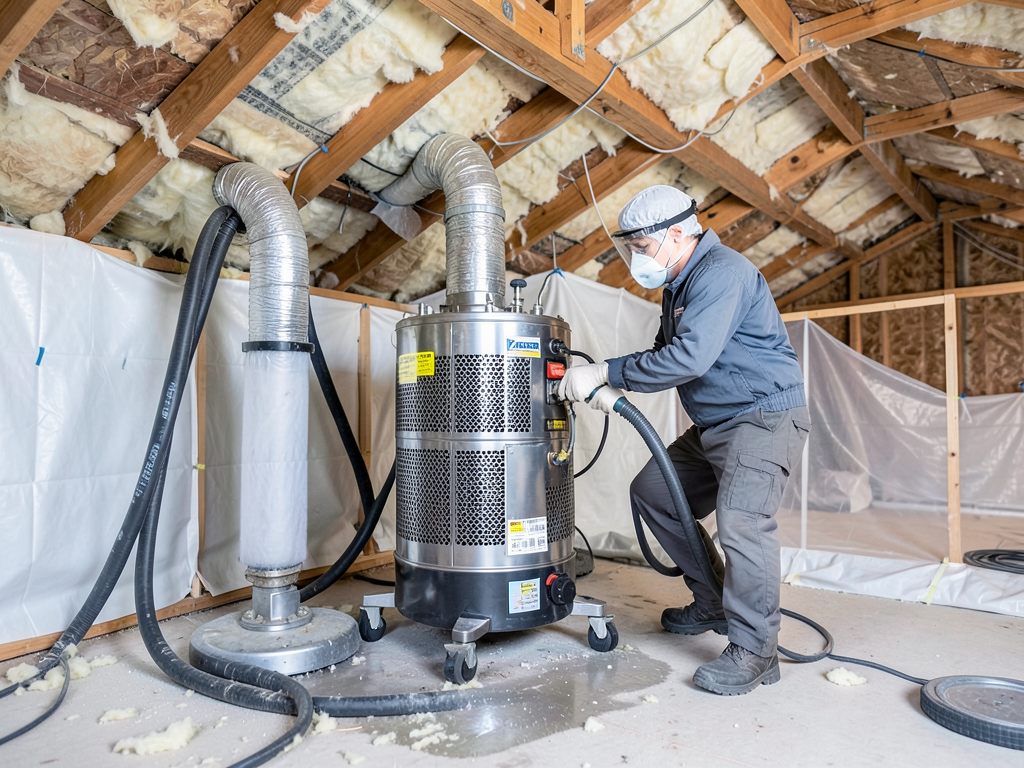





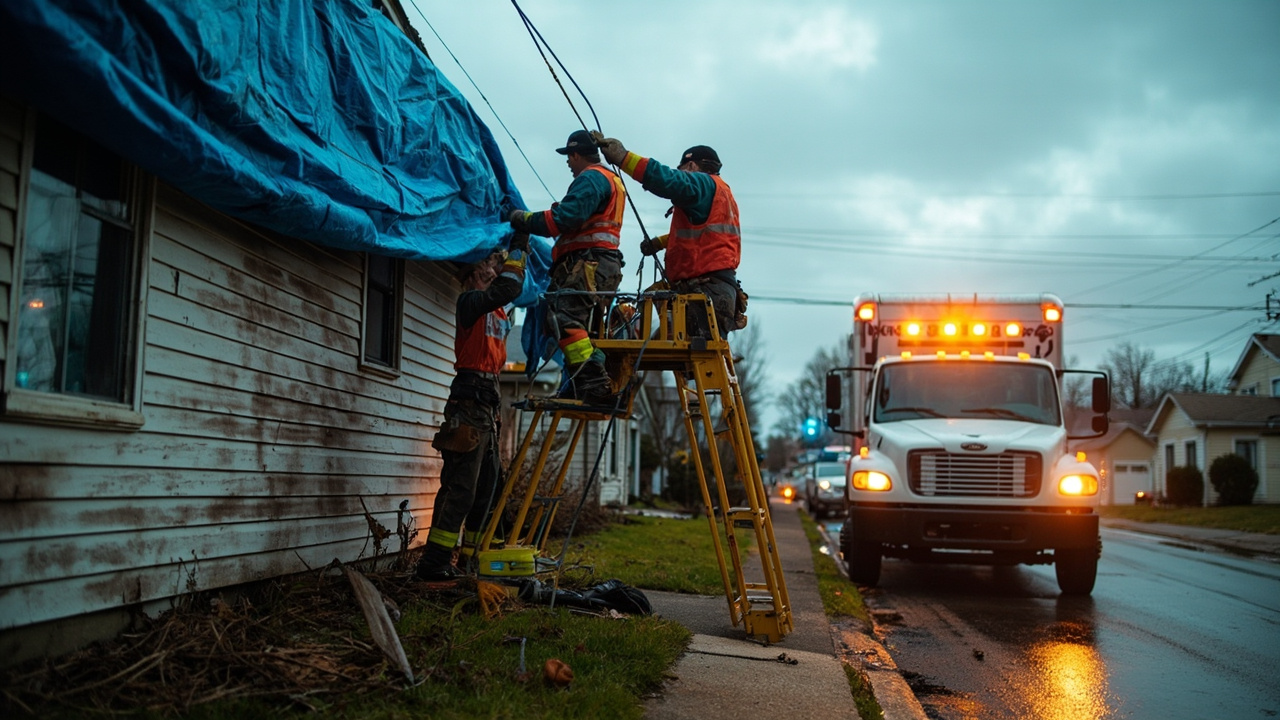
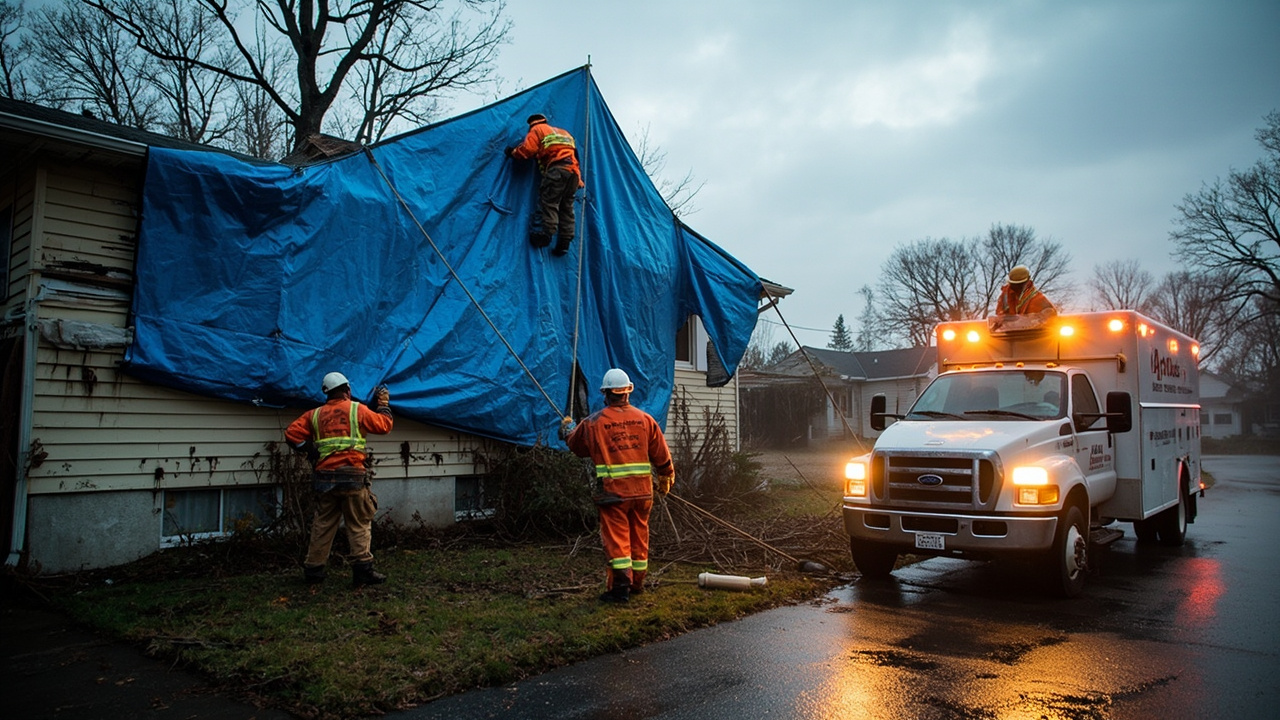

Kansas City sits on expansive clay soils that shrink during dry periods and swell dramatically when saturated. Severe thunderstorms deposit two to three inches of rain in 30 minutes, overwhelming residential foundation drains and creating hydrostatic pressure against basement walls. Storm damage mitigation must address both roof damage that allows water in from above and foundation stress that drives groundwater through cracks and failed waterproofing membranes. The combination creates moisture intrusion scenarios where water enters simultaneously from multiple building envelope failures. You cannot simply tarp the roof and expect mitigation to succeed when groundwater is pooling against foundation walls.
Storm damage restoration in Kansas City requires familiarity with construction practices spanning multiple eras and building code cycles. Homes built before 1970 often lack adequate roof ventilation, which slows structural drying after storm damage. Commercial buildings in the Crossroads Arts District and River Market feature tuckpointing that degrades over time and allows wind-driven rain to penetrate masonry walls during severe weather. Local mitigation teams understand these construction vulnerabilities and adjust drying strategies accordingly. We work with the same insurance adjusters who evaluate Kansas City storm claims weekly and understand local policy interpretation for emergency services coverage versus permanent repairs.