





Menu

How to Handle Insurance Claims in Kansas City – Get the Maximum Payout for Water Damage Without the Runaround

Expert guidance on filing a water damage claim and navigating water restoration claims in Kansas City, where local flooding and burst pipe incidents require documentation that insurance adjusters actually accept.

Slider Image 1
Slider Image 2
Slider Image 3
Slider Image 4
Slider Image 5
Slider Image 7
Slider Image 8
Slider Image 9
Slider Image 10
Slider Image 11

Why Kansas City Water Damage Claims Get Denied More Often Than You Think

Kansas City homeowners face a frustrating reality. Your basement floods during a spring downpour, or a frozen pipe bursts in February. You call your insurance company, file a claim, and then get hit with a partial payout or a flat denial.

The problem is not your policy. The problem is documentation. Kansas City sits at the confluence of the Kansas and Missouri Rivers, where flood risk is elevated and basement water intrusion is common. Insurance adjusters know this. They scrutinize water damage claims here more aggressively than in drier regions. They look for pre-existing conditions, maintenance neglect, or classification errors between flood damage and sudden plumbing failures.

The water damage insurance claim process becomes a battlefield if you do not understand what your adjuster needs to see. Filing a water damage claim without proper photographic evidence, moisture readings, or a detailed scope of loss report gives the insurance company leverage to lowball you. Navigating water restoration claims in Kansas City means knowing the difference between Category 1 clean water, Category 2 gray water, and Category 3 black water. Your payout depends on accurate categorization.

Tips for water damage insurance claims start with one rule: document everything before you touch anything. Managing water mitigation claims requires you to prove the damage happened suddenly, not gradually. That distinction determines whether you get a check or a rejection letter. Most homeowners do not know this until it is too late.

Why Kansas City Water Damage Claims Get Denied More Often Than You Think
The Five-Step Insurance Claim Strategy That Gets Results

The Five-Step Insurance Claim Strategy That Gets Results

Handling insurance claims for water damage is not about hoping for the best. It is about controlling the narrative with evidence and precision.

First, stop the water source immediately. If a supply line failed, shut off the main valve. If storm water breached a foundation crack, document the entry point with time-stamped photos. Insurance companies deny claims when they suspect you let the damage worsen.

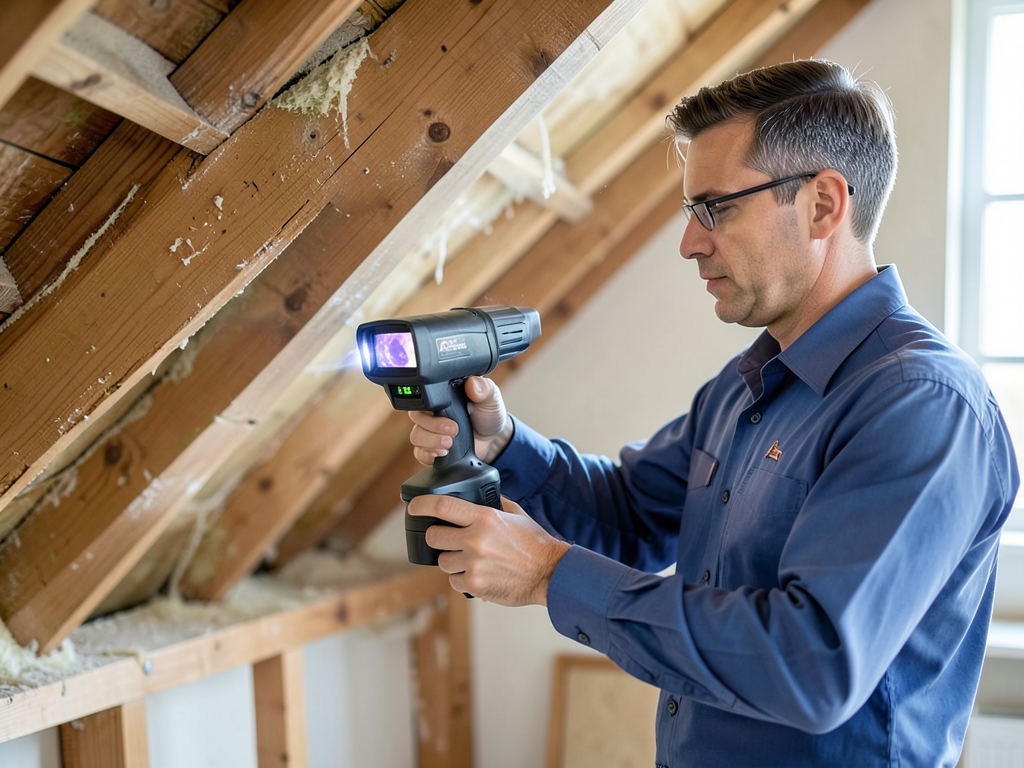
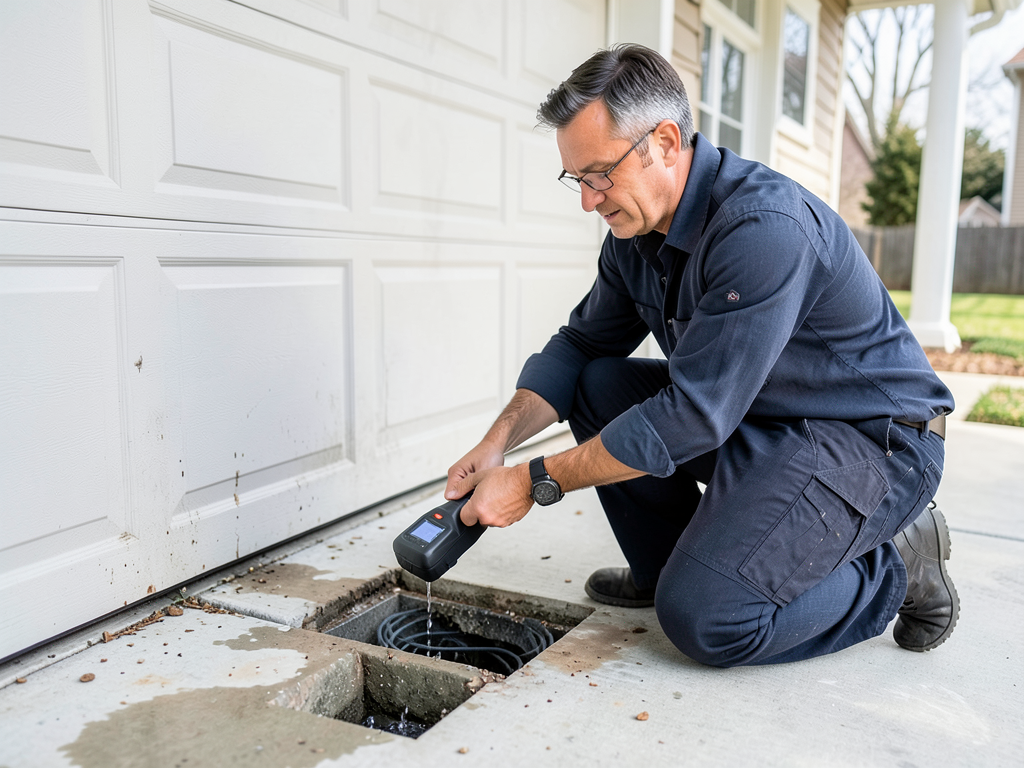
Second, call a certified water damage restoration company before you call your insurance. A professional restoration team uses thermal imaging cameras and moisture meters to map the full extent of the damage. They generate a detailed loss report with IICRC standards that adjusters cannot dispute. Trying to file a water damage claim with just your phone photos weakens your position.

Third, understand your policy's covered perils. Standard homeowner policies in Kansas City cover sudden and accidental water damage, like burst pipes or appliance malfunctions. They exclude flood damage, which requires separate NFIP coverage. If your basement flooded from surface water runoff during the May 2024 storms that hit the Northland, you need flood insurance, not a homeowner claim.

Fourth, do not sign a release or accept a preliminary payout until the full scope is documented. Insurance companies lowball initial offers, hoping you will settle quickly. Water damage often hides in wall cavities and subfloors. A professional moisture survey identifies hidden damage that justifies a higher payout.

Fifth, keep a detailed timeline of all communications with your insurance company. Record adjuster names, claim numbers, and every conversation. Navigating water restoration claims becomes easier when you have a paper trail.

What Happens When You File a Water Damage Claim in Kansas City

How to Handle Insurance Claims in Kansas City – Get the Maximum Payout for Water Damage Without the Runaround
01

Emergency Mitigation Documentation

The first 24 hours determine your claim outcome. A certified restoration company arrives, extracts standing water, and documents pre-mitigation conditions with calibrated moisture meters and thermal imaging. This creates a baseline moisture map that proves the damage extent. Your insurance adjuster cannot dispute EPA-approved testing protocols. You receive a detailed loss inventory that itemizes affected materials, labor, and equipment costs based on Xactimate pricing software.
02

Adjuster Inspection Coordination

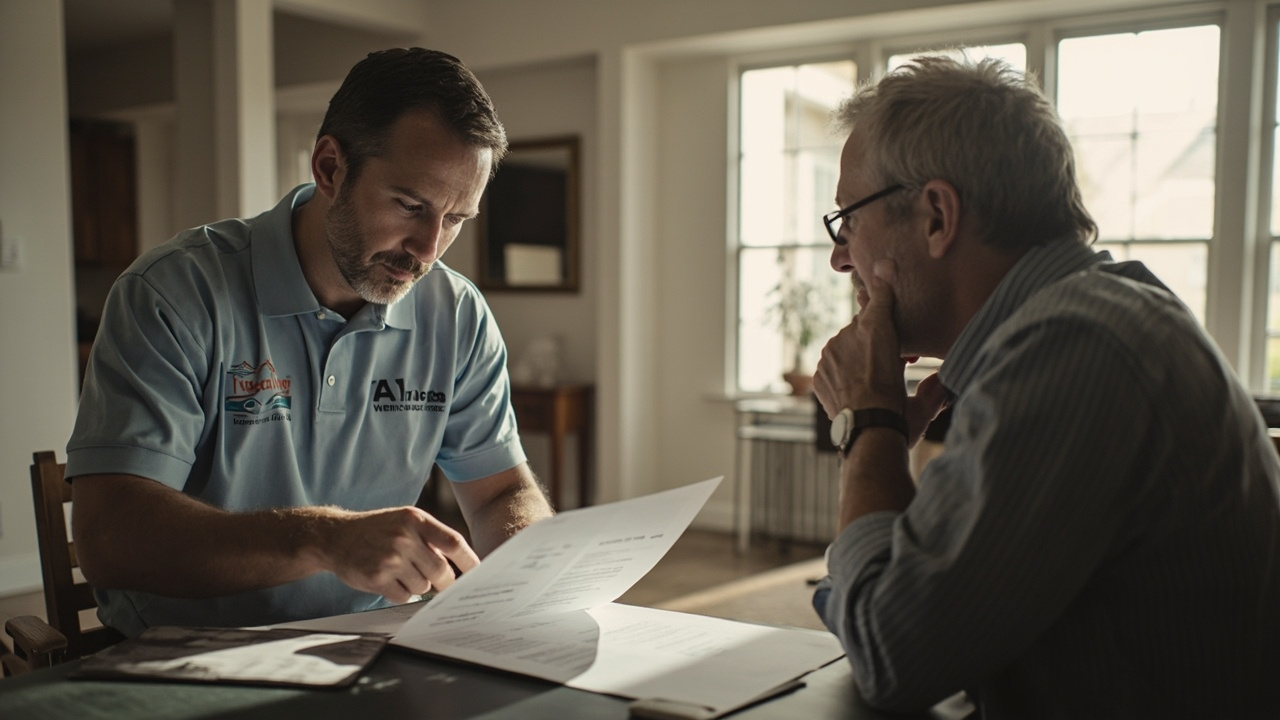
Your insurance company assigns an adjuster to inspect the damage within 48 to 72 hours. A professional restoration team coordinates this inspection, walking the adjuster through the documented damage with moisture readings and photographic evidence. They explain the scope of structural drying, antimicrobial treatment, and material removal required. This eliminates the adjuster's ability to underestimate labor hours or material costs. You get an accurate estimate that reflects Kansas City labor rates and material costs.
03

Claim Settlement and Restoration

Once the claim is approved, you receive a payout based on the restoration scope. The restoration company begins structural drying, demolition of unsalvageable materials, and antimicrobial treatment. Final moisture verification ensures all affected areas reach industry-standard dryness levels before reconstruction. Your insurance claim file closes only after you sign off on completed work. This protects you from future mold liability or structural failures that the insurance company could later deny as pre-existing conditions.

Why Kansas City Homeowners Trust A Plus Water Damage Restoration for Claim Support

Insurance adjusters respect documentation from certified IICRC firms. A Plus Water Damage Restoration Kansas City holds IICRC Water Damage Restoration Technician credentials, which means our moisture readings and loss reports meet industry standards that adjusters cannot dismiss.

Kansas City's housing stock includes a mix of early 1900s homes in neighborhoods like Hyde Park and Brookside, alongside newer builds in the Northland and Johnson County. Older homes have galvanized plumbing and cast iron drains that fail without warning. Newer homes have PEX supply lines that can burst during freeze-thaw cycles. We understand the construction differences that affect claim eligibility.

Filing a water damage claim in Kansas City requires knowledge of local weather patterns. The region experiences sudden temperature swings that cause pipe failures. Spring storms dump heavy rain that overwhelms French drains and sump pumps. We document the specific weather event that caused your damage, correlating it with National Weather Service data for your ZIP code. This establishes the sudden and accidental nature of the loss.

Managing water mitigation claims becomes easier when you work with a company that communicates with adjusters daily. We speak their language. We reference Xactimate line items, IICRC S500 standards, and moisture content thresholds. We provide the technical justification that turns a denied claim into an approved payout.

Kansas City homeowners in neighborhoods like Waldo, Westport, and the River Market deal with unique water intrusion risks. Basement seepage from high water tables, sewer backups from aging municipal lines, and roof leaks from wind-driven rain all require different claim approaches. We know which perils your policy covers and how to document them correctly.

What to Expect When You File a Claim with Professional Support

Immediate Response and Documentation

A Plus Water Damage Restoration Kansas City responds within 60 minutes of your call. We arrive with commercial-grade extraction equipment, thermal imaging cameras, and calibrated moisture meters. We document the damage before any mitigation work begins. This creates a defensible record for your insurance adjuster. You receive a preliminary loss report within 24 hours that includes moisture maps, photographic evidence, and a scope of work based on Xactimate pricing. This accelerates the claim approval process and prevents lowball settlement offers.

Adjuster Coordination and Technical Justification

We schedule and attend the adjuster inspection. Our technicians walk the adjuster through the documented damage, explaining the technical rationale for each line item in the estimate. We reference IICRC S500 standards for structural drying, antimicrobial treatment protocols, and demolition requirements. Adjusters respect this level of technical detail because it removes ambiguity. You avoid claim disputes over labor hours, material quantities, or equipment rental costs. The adjuster sees exactly why your claim justifies the requested payout.

Restoration Quality and Final Verification

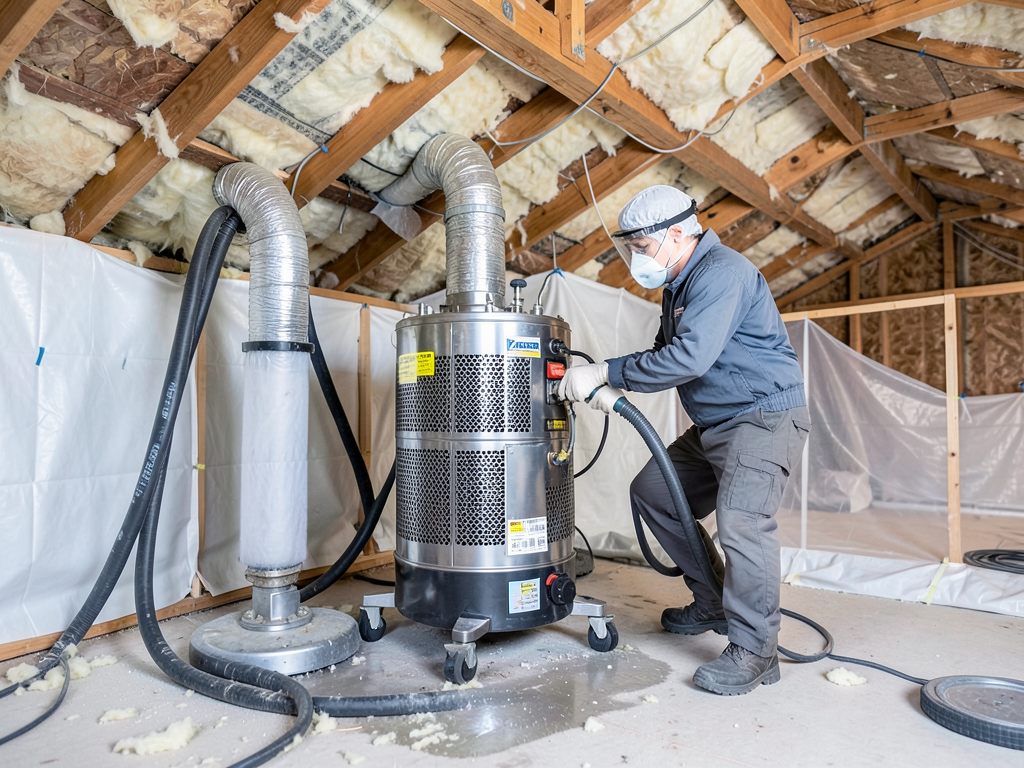
Once the claim is approved, we execute the restoration scope with EPA-registered antimicrobials, HEPA air filtration, and commercial dehumidification. We monitor moisture levels daily until all affected materials reach equilibrium moisture content. You receive a final moisture verification report that closes your claim file. This protects you from future mold growth or structural deterioration that could void your insurance coverage. Your home returns to pre-loss condition, and your claim file documents every step of the restoration process.

Claim File Documentation and Future Protection

We provide you with a complete claim file that includes all moisture readings, photographic documentation, and adjuster correspondence. This protects you if your insurance company audits the claim later or if you sell the property and the buyer requests disclosure documentation. You also receive recommendations for preventive measures, like sump pump upgrades or backwater valve installations, that reduce future claim risk. Kansas City's flood-prone areas require proactive water management. We help you implement solutions that keep your insurance premiums stable.

Frequently Asked Questions

You Have Questions,
We Have Answers

What not to say during an insurance claim? +

Never admit fault or speculate about damage causes. Avoid saying "I think," "maybe," or "I'm not sure." Do not downplay damage by saying "it's not that bad" or exaggerate by saying "everything is ruined." Never discuss previous claims or payment history. Do not agree to quick settlements before full damage assessment. In Kansas City, where storm damage and flooding are common, resist pressure to sign anything immediately. Stick to facts only. Document everything with photos and notes. Let professionals assess the full scope before making statements that could limit your coverage or payout.

What are the 3 D's of insurance claims? +

The three D's are Documentation, Deadlines, and Details. Documentation means photographing all damage before cleanup, saving receipts, and keeping written records of every conversation. Deadlines refer to filing timeframes, which Missouri insurers must clearly communicate. Missing deadlines can void your claim. Details involve providing accurate information about what happened, when it happened, and the extent of damage. Kansas City homeowners dealing with water damage must document affected areas immediately. Write down policy numbers, claim numbers, and adjuster names. The three D's protect your claim and ensure you receive fair compensation for covered losses.

What is the 80% rule in insurance? +

The 80% rule means you must insure your property for at least 80% of its replacement cost to receive full coverage for partial losses. If your Kansas City home is worth $300,000 to replace but you only insure it for $200,000, you are underinsured. When filing a claim, the insurance company will only pay a percentage based on your coverage ratio. This matters greatly in Kansas City's fluctuating real estate market. Review your coverage annually. Construction costs rise, and home values shift. Being underinsured means you pay more out of pocket after water damage or other disasters.

What are the 5 W's when submitting a claim? +

The five W's are Who, What, When, Where, and Why. Who was present when damage occurred? What damage happened? When did you first notice it? Where is the damage located? Why did it happen? Kansas City residents should answer these questions clearly when filing water damage claims. Who discovered the leak? What rooms flooded? When did the pipe burst? Where is the water source? Why did the incident occur? Be factual. Do not guess. If you do not know why something happened, say so. Professionals will determine causes. Your job is providing clear, accurate information about the incident and resulting damage.

What's the biggest mistake people often make when dealing with an insurance claim? +

The biggest mistake is failing to document damage immediately and starting cleanup too quickly. Kansas City homeowners often panic after water damage and begin throwing out damaged items before photographing them. This eliminates proof. Another major error is not reading your policy before filing. You cannot claim what your policy excludes. Many people also fail to follow up persistently. Insurance companies handle thousands of claims. If you do not call back, email, and document every interaction, your claim sits. Keep detailed records. Take hundreds of photos. Save every receipt. Persistence and documentation determine claim success more than any other factors.

What are the 7 rules of insurance? +

The seven rules include utmost good faith, insurable interest, indemnity, contribution, subrogation, proximate cause, and loss minimization. For Kansas City water damage claims, three matter most. Utmost good faith means honesty from both parties. Indemnity means insurance restores you to your pre-loss condition, not enriches you. Loss minimization requires you to prevent further damage. When your basement floods, you must extract water promptly and dry affected areas. Failure to mitigate worsens damage and gives insurers grounds to reduce payouts. These principles govern how insurers evaluate claims and determine coverage. Understanding them protects your interests and prevents disputes.

What are the three most common mistakes on a claim that will cause denials? +

The three most common errors are incomplete documentation, missing deadlines, and failing to list all damaged items. Kansas City claimants often photograph obvious damage but miss hidden issues like wall cavities or subfloor moisture. They submit initial lists quickly but forget to include items discovered later. Missing filing deadlines voids claims entirely. The third error is poor communication. When adjusters call, claimants give vague answers or fail to return calls promptly. Each mistake reduces payouts or causes denials. Prevent errors by creating detailed damage inventories, setting deadline reminders, and responding to all insurer communications within 24 hours.

What not to say to an insurance claim adjuster? +

Never say "it was my fault," "I'm not sure what happened," or "the damage isn't too bad." Do not accept the first settlement offer by saying "that sounds fair." Avoid discussing previous claims or financial hardships. Do not give recorded statements without preparation. In Kansas City, where adjusters handle hundreds of claims, they look for reasons to minimize payouts. Stick to documented facts. Say "I need to review this with my contractor" when asked about repair costs. Never sign anything immediately. Adjusters work for the insurance company, not you. Be polite but protective of your claim value.

How long should an insurance company take to settle a claim? +

Missouri law requires insurers to acknowledge claims within a reasonable time and investigate promptly. Most water damage claims settle within 30 to 60 days if documentation is complete. Complex Kansas City claims involving structural damage or mold may take 90 days or longer. Delays often result from incomplete documentation or disputes over coverage. If your insurer stalls beyond reasonable timeframes without valid reasons, you have legal recourse. Track all communications. Send follow-up emails weekly. If settlement drags past 60 days without explanation, consult a public adjuster or attorney. Missouri regulations protect consumers from bad faith delays.

What is the golden rule of insurance? +

The golden rule is that you can only insure what you own and only recover your actual loss. You cannot profit from insurance claims. In Kansas City water damage cases, this means receiving enough to restore your property to its pre-loss condition, not upgrade it. If your 20-year-old carpet floods, you receive depreciated value unless you have replacement cost coverage. The rule prevents fraud and keeps premiums reasonable. It also means you must prove ownership and document losses thoroughly. Save receipts for major purchases. Photograph your home's contents. The golden rule protects both insurers and honest policyholders.

Why Kansas City's Flood Risk Makes Professional Claim Documentation Critical

Kansas City sits at the confluence of the Kansas and Missouri Rivers, where FEMA flood maps designate significant portions of the metro as high-risk flood zones. Neighborhoods near Brush Creek, the Blue River, and Turkey Creek experience frequent flooding during spring storms. Insurance companies scrutinize claims from these areas, often denying coverage by classifying the damage as flood-related rather than sudden plumbing failure. Filing a water damage claim requires clear documentation that separates covered perils from excluded flood damage. Professional restoration companies use moisture mapping and water source analysis to prove the damage originated from an internal plumbing failure, not external surface water.

Kansas City's building codes and local ordinances affect claim settlements. Clay County, Jackson County, and Johnson County enforce different permit requirements for structural repairs after water damage. Insurance adjusters reduce payouts if the restoration scope does not comply with local code upgrades, like GFCI outlet installations or mold remediation protocols. A Plus Water Damage Restoration Kansas City maintains working relationships with local building departments and understands permit requirements for each jurisdiction. This ensures your claim includes all code compliance costs, preventing out-of-pocket expenses that your policy should cover.
Water Damage Restoration Services in The Kansas City Area

While we provide rapid mobile service throughout the entire Kansas City area, you can also view our general service area on the map. We are dedicated to being a local, accessible resource for all your water damage restoration needs, whether you're in the heart of the city or a surrounding community. Our team is always just a phone call away, ready to assist you with expertise and care, no matter where you are located within our service area.

Address:
A Plus Water Damage Restoration Kansas City, 1020 E Armour Blvd, Kansas City, MO, 64109

Additional Services We Offer

Our news updates

Latest Articles & News from The Blogs

How the hard water in Edwardsville is secretly shortening the life of your plumbing and appliances Hard water is more…

How the hard water in Edwardsville is secretly shortening the life of your plumbing and appliances

How the hard water in Edwardsville is secretly shortening the life of your plumbing and appliances Hard water is more…

How to protect your Weatherby Lake home from major water damage while you are away for the winter

How to protect your Weatherby Lake home from major water damage while you are away for the winter Winterizing your…

What every first-time buyer in Raymore needs to check for water damage before closing the deal

What every first-time buyer in Raymore needs to check for water damage before closing the deal Buying your first home…

Contact Us

Get a free claim consultation and professional documentation that insurance adjusters respect. Call (816) 473-3833 now. A Plus Water Damage Restoration Kansas City responds in 60 minutes with the technical expertise that turns denied claims into approved payouts.