





Menu

Preventative Waterproofing Tips in Kansas City – Your Complete Guide to Stopping Water Damage Before It Starts

Learn proven DIY waterproofing techniques and proactive water sealing methods designed specifically for Kansas City's climate challenges, plus expert insights on when professional intervention protects your home best.

Slider Image 1
Slider Image 2
Slider Image 3
Slider Image 4
Slider Image 5
Slider Image 7
Slider Image 8
Slider Image 9
Slider Image 10
Slider Image 11

Why Kansas City Homes Need Year-Round Moisture Control

Kansas City sits at the crossroads of extreme weather patterns. You deal with humid summers that push 80% relative humidity, freeze-thaw cycles that crack foundations, and sudden downpours that dump inches of rain in minutes. The Missouri River basin creates additional groundwater pressure on homes in low-lying neighborhoods like the West Bottoms and parts of the Northland.

Your home faces unique threats. Clay soil expands when wet and contracts when dry, shifting foundation walls and cracking basement floors. Historic homes in areas like Hyde Park and Valentine often lack modern vapor barriers. Ranch-style homes common to Brookside and Prairie Village have shallow crawlspaces that trap moisture. Even newer construction in Overland Park battles condensation from sealed HVAC systems meeting humid outdoor air.

Water finds the path of least resistance. A hairline crack in your foundation becomes a stream during spring storms. A missing shingle lets ice dams form in winter. Poor grading sends runoff straight into your basement. A water damage prevention checklist adapted to Kansas City conditions stops problems before they escalate.

The cost difference is stark. Preventative waterproofing measures cost a fraction of emergency restoration. You can implement effective DIY waterproofing techniques today that prevent thousands in future damage. Proactive water sealing methods protect your largest investment while maintaining healthy indoor air quality. Moisture control best practices preserve structural integrity and prevent mold growth that thrives in our regional humidity.

Why Kansas City Homes Need Year-Round Moisture Control
Professional-Grade Waterproofing Strategies You Can Implement

Professional-Grade Waterproofing Strategies You Can Implement

A home waterproofing maintenance guide starts with understanding water behavior. Water migrates through capillary action, hydrostatic pressure, and gravity. You need multiple defensive layers.

Start with exterior grading. Your soil should slope six inches over the first ten feet away from your foundation. Kansas City clay requires special attention because it channels water rather than absorbing it. Regrade settled areas and extend downspouts at least eight feet from your foundation walls. Install splash blocks at discharge points.

Inspect your foundation twice yearly. Look for efflorescence, the white chalky residue that signals water intrusion through concrete. Check for vertical cracks wider than a quarter inch. Horizontal cracks indicate serious structural movement common in our expansive clay soils. Seal hairline cracks with hydraulic cement or polyurethane sealants rated for hydrostatic pressure.

Address your basement or crawlspace directly. Install a vapor barrier in crawlspaces, using six-mil polyethylene sheeting with sealed seams. Maintain crawlspace ventilation at one square foot per 150 square feet of space. In basements, apply waterproof coatings to interior walls only after confirming no active leaks exist. Coating over active leaks traps water in wall cavities.

Window wells require dedicated drainage. Add four inches of gravel at the bottom and ensure the well sits below grade. Install clear polycarbonate covers to block rain while allowing emergency egress.

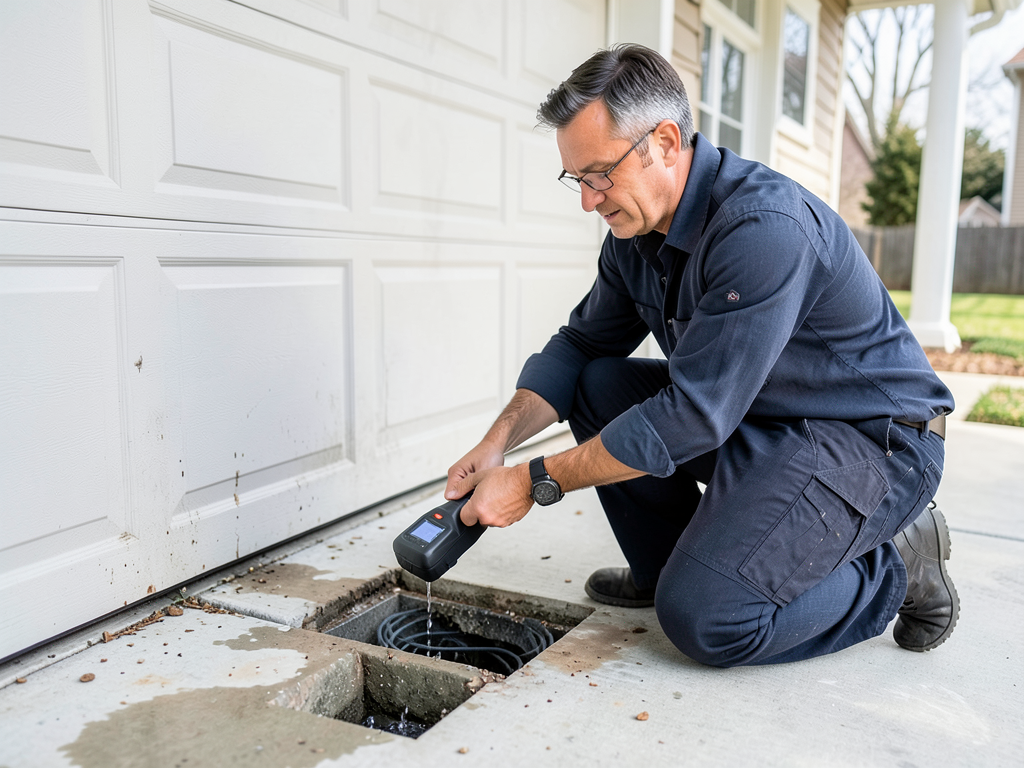
Your sump pump is your last line of defense. Test it monthly by pouring water into the pit. Install a battery backup system because Kansas City storms knock out power when you need pumps most. The float switch should activate when water reaches three inches.

Building Your Seasonal Waterproofing Routine

Preventative Waterproofing Tips in Kansas City – Your Complete Guide to Stopping Water Damage Before It Starts
01

Spring Inspection Protocol

After freeze-thaw cycles end, walk your property perimeter looking for new foundation cracks, settled soil, and damaged gutters. Spring storms in Kansas City arrive suddenly, so you need drainage systems ready before the first heavy rain. Clear debris from window wells and test your sump pump. Check basement walls for new efflorescence that appeared during winter moisture cycles.
02

Summer and Fall Maintenance

High humidity months demand dehumidifier operation in basements and crawlspaces. Keep indoor humidity below 50% to prevent mold growth. Clean gutters before fall leaves arrive. September and October bring heavy rains to Kansas City, so verify downspout extensions remain secure. Seal any cracks identified in spring before winter expansion begins. Inspect exterior caulking around windows and doors.
03

Winter Preparation Steps

Before the first freeze, disconnect and drain exterior hoses. Insulate exposed pipes in crawlspaces and exterior walls. Keep your home heated above 55 degrees to prevent pipe freezing. Monitor for ice dams on north-facing roof sections. Clear snow away from foundation walls before it melts. Winter is when you assess your previous season's work and plan spring improvements.

When DIY Waterproofing Needs Professional Backup

You can handle surface-level prevention. Professional intervention becomes necessary when water has already penetrated your building envelope or when structural issues exist.

A Plus Water Damage Restoration Kansas City understands the specific challenges of homes throughout Jackson, Clay, and Platte Counties. We have worked in every neighborhood from Waldo to Gladstone, and we recognize how different construction eras and soil conditions create unique vulnerabilities.

Foundation cracks wider than a quarter inch require professional assessment. We use hydraulic cement injection for active leaks and carbon fiber reinforcement for structural cracks. Our technicians understand Kansas City building codes and can identify when foundation movement indicates deeper soil issues common to our clay-heavy region.

Basement waterproofing goes beyond surface coatings. We install interior drainage systems that intercept water before it enters living spaces. French drains with proper aggregate sizing handle our sudden storm runoff. We size sump pump systems based on your specific water table depth and soil permeability, not generic formulas.

Crawlspace encapsulation creates a controlled environment that DIY vapor barriers cannot match. We seal vents, install commercial-grade vapor barriers with reinforced seams, add dehumidification systems, and ensure proper drainage. This approach works better in Kansas City's variable humidity than simple ventilation.

Exterior waterproofing requires excavation to apply membrane systems directly to foundation walls. This method stops water at the source and includes installing perimeter drains and waterproof coatings that bond to concrete. We handle the heavy equipment and proper backfill that DIY approaches cannot replicate.

We also coordinate with structural engineers when foundation issues exceed waterproofing scope. Our local relationships mean faster service for you.

What Your Waterproofing Investment Delivers

Immediate Response to Water Events

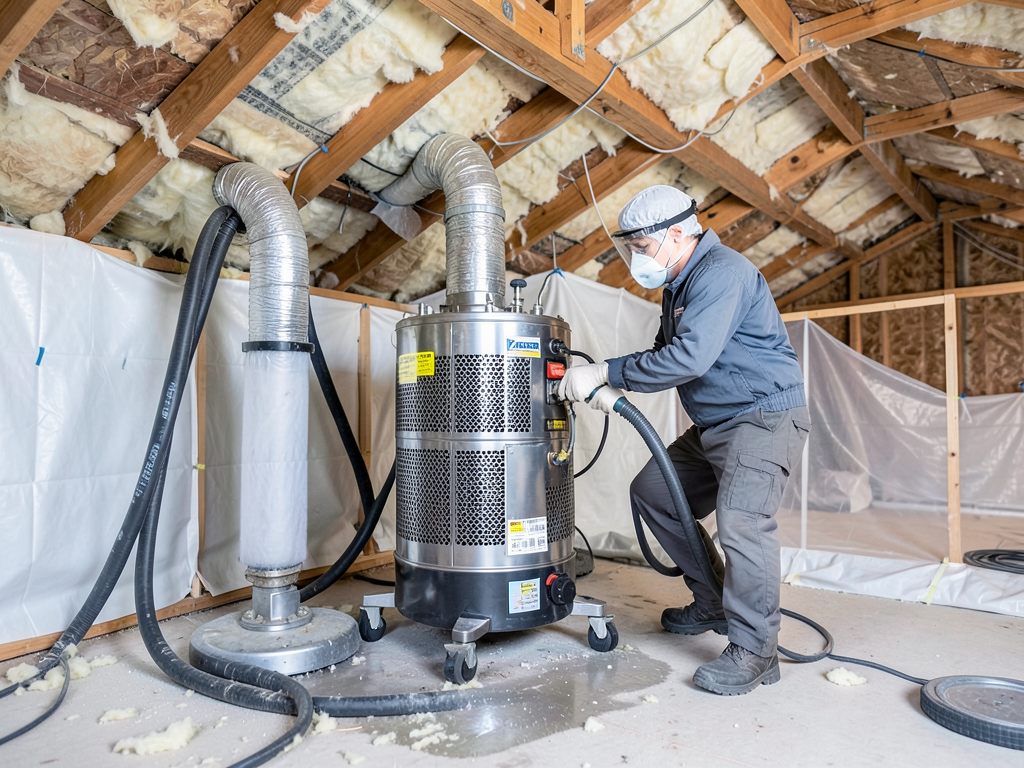
When preventative measures fail during a major storm, you need rapid intervention. Water damage progresses quickly in Kansas City's humid climate. Mold colonization begins within 48 hours. Our emergency response teams arrive within hours, not days. We extract standing water, set up commercial dehumidifiers, and document damage for insurance claims. While you implement preventative waterproofing tips moving forward, we handle the immediate crisis with truck-mounted extraction equipment and thermal imaging to find hidden moisture. This speed minimizes structural damage and prevents mold establishment.

Comprehensive Property Assessment

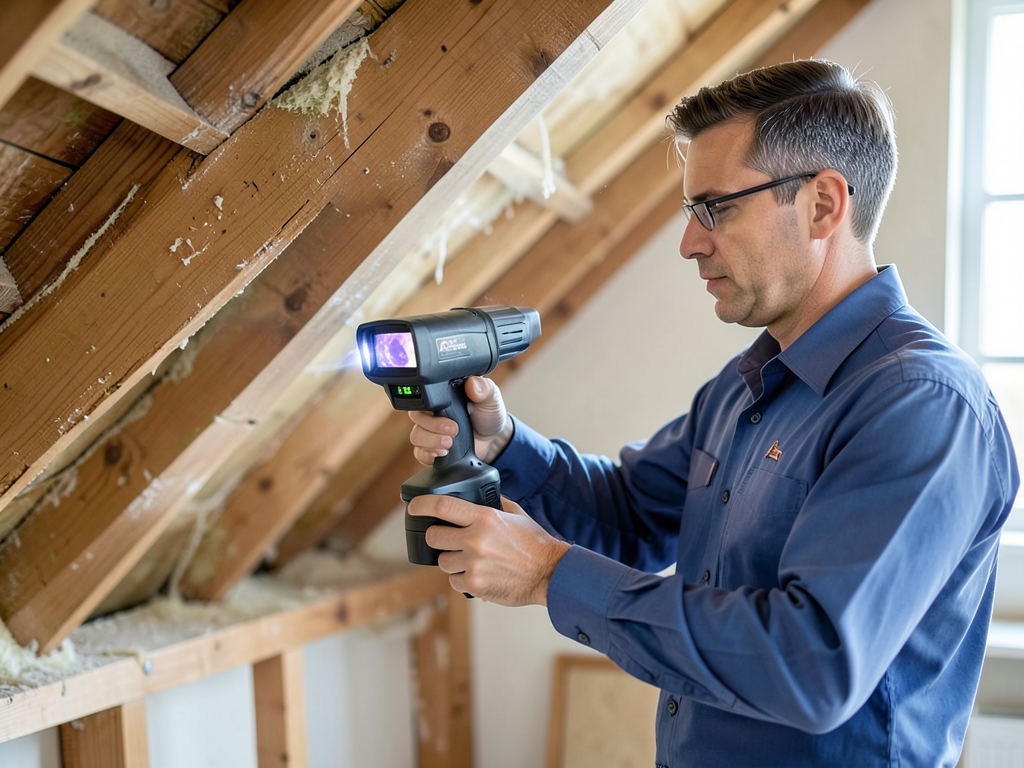
Professional waterproofing assessment goes beyond what you see. We use moisture meters to measure water content in walls, floors, and ceilings. Thermal imaging reveals temperature differentials that indicate hidden leaks or poor insulation creating condensation. We inspect your grading with laser levels, test soil drainage rates, and evaluate your existing waterproofing systems. You receive a detailed report identifying vulnerabilities specific to your property and neighborhood. This assessment forms the foundation of an effective home waterproofing maintenance guide customized to your home's age, construction type, and location within Kansas City.

Proven Results That Last

Professional waterproofing systems perform for decades when properly installed. Interior drainage systems move water efficiently without damaging finished spaces. Sump pump installations include check valves preventing backflow and alarm systems alerting you to failures. Exterior membrane systems bond to foundation walls and flex with minor settling. Crawlspace encapsulation maintains stable humidity year-round. We use materials rated for hydrostatic pressure common in Kansas City's high water table areas. Your home stays dry through spring floods, summer humidity, and winter freeze-thaw cycles. Structural integrity remains intact. Property values increase with documented waterproofing improvements.

Ongoing Monitoring and Support

Waterproofing requires periodic maintenance to remain effective. We provide maintenance schedules based on your specific systems. Sump pumps need annual testing and cleaning. Drainage systems require flushing every few years. Dehumidifiers need filter changes and coil cleaning. We offer maintenance plans that keep your systems operating at peak efficiency. You receive reminders for seasonal tasks and priority scheduling when issues arise. Our documentation helps with insurance claims and home sales. This ongoing relationship means you have experts who know your property's history and can spot problems early. You implement moisture control best practices with professional guidance backing your efforts.

Frequently Asked Questions

You Have Questions,
We Have Answers

What to do before applying waterproofing? +

Clean the surface completely. Remove dirt, oil, grease, and loose debris using a wire brush or pressure washer. Repair all cracks wider than 1/8 inch with hydraulic cement or epoxy filler. Check for active leaks and address them first. In Kansas City, inspect for efflorescence caused by our clay soil pushing moisture through foundation walls. Let repaired areas cure fully before applying any waterproofing product. Test the surface for moisture levels. If water beads on the concrete, the surface is too wet. Proper prep work determines whether your waterproofing system lasts five years or twenty.

What are common waterproofing mistakes? +

Skipping surface prep is the biggest mistake. You cannot waterproof over dirt, paint, or efflorescence. Kansas City homeowners often ignore grading issues. Water pooling against foundation walls overwhelms any waterproofing product. Another error is using the wrong product for your specific problem. Interior sealants do not stop hydrostatic pressure from our expansive clay soils. Applying waterproofing during humid summer months can trap moisture and cause failure. Homeowners also underestimate the need for proper drainage systems like French drains or sump pumps. Waterproofing is one piece of a complete moisture management system.

Should you prime before waterproofing? +

Yes, priming improves adhesion and coverage. Concrete is porous and absorbs waterproofing products unevenly without primer. A quality bonding primer fills small pores and creates a uniform surface. This is especially important in Kansas City basements where older concrete may be chalky or deteriorated. Primer also helps you identify areas that need additional repair work. If the primer soaks in quickly or leaves dark spots, those sections need extra attention. Use a primer compatible with your chosen waterproofing system. Acrylic primers work for most elastomeric coatings. Always follow manufacturer cure times before applying topcoats.

How much does it cost to waterproof a 1000 sq ft basement? +

Interior waterproofing costs between $3,000 and $7,000 for a 1000 square foot basement. This includes sealing walls, installing a perimeter drainage system, and adding a sump pump. Exterior excavation and waterproofing runs $8,000 to $15,000 due to Kansas City's heavy clay soil requiring careful grading work. Cost factors include wall height, accessibility, existing drainage problems, and foundation condition. Homes in older neighborhoods near downtown or in areas with high water tables need more extensive systems. Get three quotes from local contractors who understand Kansas City soil conditions. Cheap fixes fail quickly when our seasonal moisture cycles hit.

How many coats of waterproofing should I do? +

Apply two coats minimum for basement walls. The first coat seals the pores and provides a base. The second coat creates the waterproof barrier. For Kansas City foundations dealing with hydrostatic pressure from clay soil expansion, three coats offer better protection. Wait the recommended dry time between coats, usually 4 to 8 hours depending on humidity. Our summer humidity can extend cure times significantly. Each coat should be thin and even rather than one thick application. Thick single coats trap moisture and bubble. High-traffic areas or walls with previous water damage may need a third coat for full coverage and durability.

How to fill gaps before waterproofing? +

Use hydraulic cement for gaps wider than 1/4 inch. It expands as it cures and stops active leaks. Clean the gap thoroughly and undercut the edges to create a keyway that locks the patch in place. For hairline cracks, inject polyurethane or epoxy crack filler using a caulk gun. In Kansas City, foundation movement from our clay soil freeze-thaw cycles creates ongoing cracking. Flexible polyurethane allows movement without reopening. For control joints, use a backer rod followed by polyurethane sealant. Never use standard caulk below grade. It fails under hydrostatic pressure. Fill all gaps 24 hours before applying waterproofing coatings.

What is the negative side of waterproofing? +

Interior waterproofing manages water but does not stop it from entering your foundation walls. Water still saturates the concrete, which can lead to deterioration over time. Kansas City's expansive clay soil continues to push moisture through walls even with interior sealants. This creates ongoing hydrostatic pressure. Poor application can trap moisture in walls, causing spalling and structural damage. Some waterproofing products release volatile organic compounds during application and curing. Basement waterproofing also does not fix grading problems or clogged gutters. You need a complete drainage plan. Interior systems require maintenance. Sump pumps fail, drains clog, and coatings need reapplication every 10 years.

What causes waterproofing to fail? +

Hydrostatic pressure overwhelms most waterproofing products. Kansas City's clay soil expands when wet and pushes water through foundation walls with significant force. Poor surface prep causes coating failure within months. Waterproofing cannot bond to dirt, paint, or efflorescence. Incorrect product selection is another cause. Using interior sealant on exterior walls or choosing rigid coatings where flexible membranes are needed leads to cracking. Foundation movement from soil settlement or freeze-thaw cycles breaks waterproofing bonds. Lack of drainage systems means water has nowhere to go. Finally, improper application during high humidity or cold temperatures prevents proper curing and adhesion.

What is the best waterproofing method? +

Exterior waterproofing with proper drainage is the gold standard. Excavate around the foundation, apply rubberized membrane or spray-on coating, install drainage board, and add perimeter French drains. This stops water before it reaches your walls. For Kansas City homes, this method handles our clay soil hydrostatic pressure effectively. Interior solutions work when excavation is not possible. Combine epoxy or polyurethane crack injection with a perimeter drain system and sump pump. Vapor barriers and dehumidifiers control moisture. The best method depends on your specific problem, foundation type, and budget. Exterior systems last longer but cost more upfront. Get a professional assessment before choosing.

What is the best time to do water waterproofing? +

Late spring through early fall offers the best conditions in Kansas City. Temperatures between 50 and 85 degrees with low humidity allow proper curing. Avoid waterproofing during our humid August weather when moisture affects adhesion and cure times. Never apply products when rain is forecast within 24 hours. For exterior work, schedule after the spring thaw when soil has dried out but before summer rains increase groundwater levels. Interior basement waterproofing can happen year-round since temperature is controlled. However, wait until you identify and fix the source of water intrusion. Waterproofing during active flooding wastes money. Address drainage and grading first, then seal.

How Kansas City's Clay Soil and River Basin Location Impact Your Waterproofing Strategy

Kansas City sits on expansive clay soil that swells when wet and shrinks when dry. This constant movement creates foundation stress that most other regions do not experience. Your home's foundation shifts seasonally, opening cracks that allow water penetration. The Missouri River basin influences groundwater levels throughout Jackson and Clay Counties. Neighborhoods near Brush Creek, the Blue River, and Turkey Creek face elevated water tables that create hydrostatic pressure against basement walls. Spring storms deliver intense rainfall that overwhelms inadequate drainage systems. DIY waterproofing techniques must account for these specific geological and hydrological factors, or they fail during our most severe weather events.

A Plus Water Damage Restoration Kansas City has worked in every neighborhood from Westport to Liberty. We understand how different areas present unique challenges. Historic homes in Hyde Park lack modern vapor barriers. Post-war construction in Raytown often has inadequate foundation drainage. Newer developments in southern Johnson County sit on better-draining soil but face runoff from dense construction. Local building codes have evolved to address regional water issues, and our team stays current with Kansas City regulations. We maintain relationships with local structural engineers, foundation specialists, and insurance adjusters who understand regional claim patterns. This local knowledge network protects you better than generic waterproofing advice designed for different climates and soil conditions.
Water Damage Restoration Services in The Kansas City Area

While we provide rapid mobile service throughout the entire Kansas City area, you can also view our general service area on the map. We are dedicated to being a local, accessible resource for all your water damage restoration needs, whether you're in the heart of the city or a surrounding community. Our team is always just a phone call away, ready to assist you with expertise and care, no matter where you are located within our service area.

Address:
A Plus Water Damage Restoration Kansas City, 1020 E Armour Blvd, Kansas City, MO, 64109

Additional Services We Offer

Our news updates

Latest Articles & News from The Blogs

How the hard water in Edwardsville is secretly shortening the life of your plumbing and appliances Hard water is more…

How the hard water in Edwardsville is secretly shortening the life of your plumbing and appliances

How the hard water in Edwardsville is secretly shortening the life of your plumbing and appliances Hard water is more…

How to protect your Weatherby Lake home from major water damage while you are away for the winter

How to protect your Weatherby Lake home from major water damage while you are away for the winter Winterizing your…

What every first-time buyer in Raymore needs to check for water damage before closing the deal

What every first-time buyer in Raymore needs to check for water damage before closing the deal Buying your first home…

Contact Us

Stop water damage before it starts. Call (816) 473-3833 now for a comprehensive waterproofing assessment. Our Kansas City team will evaluate your property's specific vulnerabilities and provide actionable recommendations. Available for emergency response and scheduled consultations.