




Menu

High Indoor Humidity Levels in Kansas City – Expert Diagnosis and Permanent Moisture Control Solutions

When excessive indoor moisture threatens your property, you need accurate humidity assessment and proven mitigation strategies designed for Kansas City's challenging climate conditions.

Slider Image 1
Slider Image 2
Slider Image 3
Slider Image 4
Slider Image 5
Slider Image 7
Slider Image 8
Slider Image 9
Slider Image 10
Slider Image 11

Why Kansas City Homes Battle Constant Indoor Moisture Problems

Kansas City's location at the confluence of the Kansas and Missouri Rivers creates a natural moisture trap. Summer humidity regularly pushes outdoor levels above 70 percent, and that moisture finds every pathway into your home. Add in our notorious temperature swings and the clay soil that prevents proper drainage around foundations, and you have a recipe for elevated home humidity that never truly resolves.

Your air conditioner runs constantly but the air still feels heavy. Condensation forms on windows even when it's not raining. You notice a musty smell in the basement or closets. These are not minor inconveniences. High relative humidity indoors creates conditions where mold colonies establish within 24 to 48 hours on organic materials. Wood framing absorbs moisture and becomes structurally compromised. Drywall loses integrity. Insulation becomes waterlogged and ineffective.

The problem compounds in older Kansas City neighborhoods like Brookside and Waldo, where homes built before modern moisture barriers went up. Foundation walls made of limestone block or poured concrete without proper waterproofing act like sponges. Crawl spaces without vapor barriers pull humid air directly into living spaces through stack effect. Even newer construction in areas like Northland struggles when builders skip proper ventilation sizing or install inadequate vapor barriers.

You cannot solve excess humidity in house with a dehumidifier alone. That addresses the symptom while the source continues pumping moisture into your space. Professional assessment identifies where moisture enters, how building materials contribute to retention, and what systemic changes stop the cycle permanently.

Why Kansas City Homes Battle Constant Indoor Moisture Problems
How We Identify and Eliminate Excessive Indoor Moisture at the Source

How We Identify and Eliminate Excessive Indoor Moisture at the Source

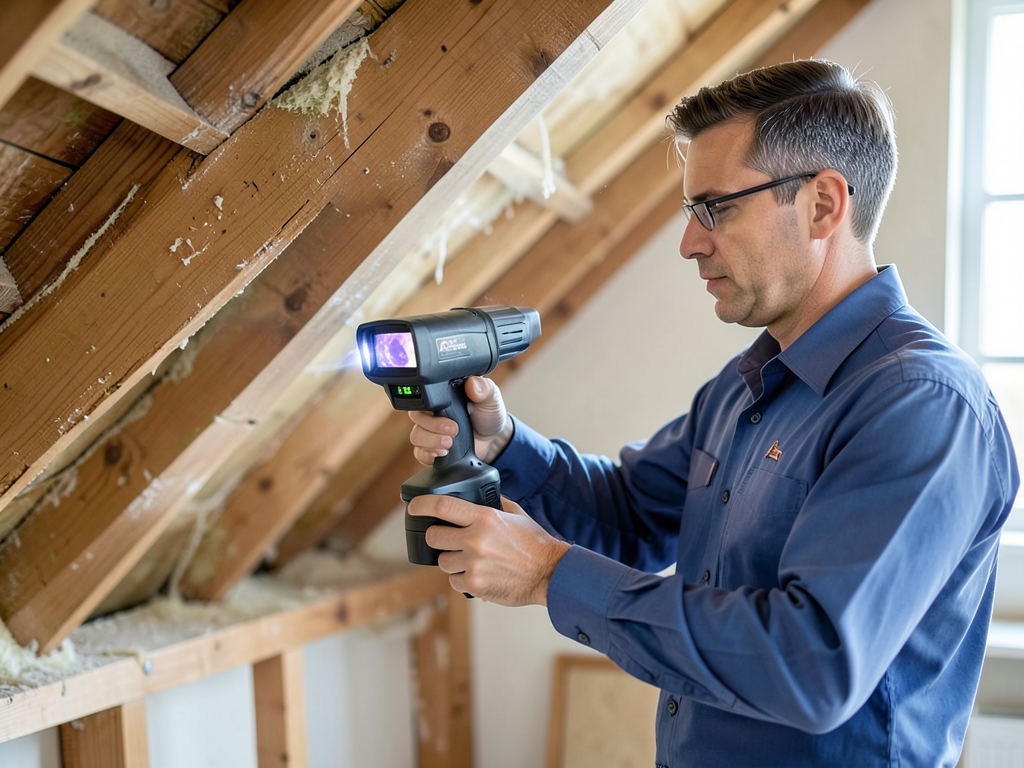
Effective humidity control requires understanding building science and moisture dynamics specific to your structure. We start with comprehensive moisture mapping using thermal imaging cameras and calibrated hygrometers. This reveals not just current humidity levels but temperature differentials that indicate where moisture infiltrates and where vapor barriers have failed.

We measure dew point temperatures because that number tells us exactly when airborne moisture will condense on surfaces. A room at 72 degrees with 65 percent relative humidity has a dew point of 59 degrees. Any surface below that temperature becomes a condensation site. Your exterior walls, concrete floors, and metal pipes all fall into that range during certain conditions. This is why you see water where there should be none.

Foundation assessment examines grading around your property. Kansas City's expansive clay soil shifts dramatically between wet and dry seasons, creating gaps along foundation walls. We use moisture meters to test concrete and measure vapor emission rates from slab floors. Many Kansas City homes have no underslab vapor barrier, meaning ground moisture migrates directly up through the concrete.

Ventilation analysis determines if your HVAC system moves enough air and whether negative pressure pulls humid outside air indoors. We check bathroom and kitchen exhaust capacity, attic ventilation adequacy, and crawl space conditions. Poor attic ventilation causes temperature extremes that drive condensation. Unvented crawl spaces create moisture reservoirs that humidify the entire structure.

Once we identify every moisture pathway and retention factor, we design a mitigation plan that addresses root causes. This might include exterior drainage correction, vapor barrier installation, dehumidification systems sized to actual load, or ventilation modifications. The goal is a building envelope that maintains 30 to 50 percent relative humidity year round without constant mechanical intervention.

What Happens During Professional Humidity Assessment and Mitigation

High Indoor Humidity Levels in Kansas City – Expert Diagnosis and Permanent Moisture Control Solutions
01

Complete Moisture Diagnostic

We deploy thermal imaging and moisture detection equipment throughout your property to map humidity patterns and identify moisture entry points. This includes foundation inspection, HVAC system evaluation, and building material moisture content testing. You receive documented readings that establish baseline conditions and show exactly where problems originate. This diagnostic phase typically takes two to four hours depending on property size and complexity.
02

Targeted Source Mitigation

Based on diagnostic findings, we implement solutions matched to your specific moisture sources. This may involve installing vapor barriers in crawl spaces, correcting foundation drainage, sealing concrete floors, upgrading ventilation systems, or installing whole-structure dehumidification. We address building envelope failures that allow humid outdoor air infiltration and correct negative pressure issues that pull moisture indoors. Each intervention targets documented moisture pathways rather than applying generic solutions.
03

Verification and Monitoring Protocol

After mitigation work completes, we install monitoring equipment and take follow-up readings to verify humidity levels fall within the target range of 30 to 50 percent relative humidity. You receive documentation showing before and after conditions, explanations of what changed and why, and guidelines for maintaining proper humidity levels. We schedule follow-up inspections during different seasons because Kansas City's extreme weather variations require verification under multiple conditions.

Why Kansas City Property Owners Choose Local Moisture Control Experts

Indoor moisture problems in Kansas City require understanding our specific challenges. A contractor from Phoenix has no experience with our humidity levels, soil conditions, or weather patterns. Someone from Seattle knows rain but not our combination of heat, humidity, and temperature swings that create unique condensation scenarios.

We know that homes in the River Market and West Bottoms flood risk areas face different challenges than properties on the higher elevations in Prairie Village or Leawood. We understand how Kansas City's building code evolution affects moisture management. Homes built before 1980 rarely have proper vapor barriers. Properties from the 1990s often have undersized ventilation. Even newer construction sometimes cuts corners on crawl space encapsulation.

Our experience with Kansas City's clay soil means we recognize foundation settlement patterns and how seasonal moisture changes create gaps along basement walls. We know which neighborhoods have high water tables, where storm sewer capacity falls short during heavy rain, and how the Missouri River's proximity affects humidity levels across different areas.

A Plus Water Damage Restoration Kansas City has worked in every neighborhood from Armour Hills to the Northland. We have seen how the limestone bedrock under older homes creates different moisture dynamics than newer subdivisions built on clay fill. We know local suppliers for specialized materials and work with foundation contractors who understand our soil conditions.

When you call us, you talk to technicians who have dried out hundreds of Kansas City properties. We know what works here because we have tested solutions in conditions identical to yours. We do not apply generic protocols. We match our approach to your specific building type, construction era, neighborhood characteristics, and the moisture sources that actually exist in Kansas City.

That local knowledge translates to faster diagnosis, more accurate solutions, and results that last through our weather extremes. You get expertise built on years of Kansas City experience, not theoretical training applied to unfamiliar conditions.

What to Expect from Professional Humidity Control Services

Rapid Response and Assessment Scheduling

We schedule initial assessments within 24 to 48 hours of your call because elevated humidity creates conditions for mold growth and material damage that worsen daily. The diagnostic appointment typically requires two to four hours depending on property size. We work around your schedule and provide same-day assessment for urgent situations where you see active condensation or smell mold. Emergency response is available 24/7 when moisture problems threaten immediate damage. You receive a detailed report within 24 hours of the assessment outlining findings, moisture sources identified, and recommended solutions with implementation timelines.

Comprehensive Moisture Source Investigation

Proven Humidity Reduction Results

Proper mitigation brings indoor relative humidity to the target range of 30 to 50 percent and maintains that level through seasonal changes. You will notice condensation disappears from windows, musty odors dissipate, and the air feels comfortable rather than heavy. Materials like wood furniture and flooring stabilize instead of swelling or shrinking with moisture fluctuations. Most importantly, mold growth stops when you eliminate the moisture conditions that support it. We verify results with follow-up moisture readings and provide documentation showing the improvement. Your energy bills often decrease because your HVAC system no longer battles excessive moisture loads.

Ongoing Monitoring and Maintenance Guidance

After mitigation, we provide detailed maintenance protocols specific to your property and the solutions we implemented. This includes seasonal checklist items, humidity level targets for different times of year, and warning signs that indicate a problem developing. We recommend follow-up inspections during both summer humidity peaks and winter heating season to verify systems function properly under different conditions. Many clients choose annual moisture assessments to catch small issues before they become major problems. We keep detailed records of your property's moisture history so future service builds on documented knowledge rather than starting from zero each time.

Frequently Asked Questions

You Have Questions,
We Have Answers

Why is my house 75% humidity? +

Your house sits at 75% humidity because moisture sources outpace your removal capacity. Common culprits in Kansas City include poor ventilation, basement seepage from clay soil, leaking plumbing, or an oversized AC unit that cools too quickly without dehumidifying. Summer humidity outside often reaches 80%, so air infiltration worsens the problem. Check for standing water in crawl spaces, verify your bathroom and kitchen exhaust fans vent outside, and inspect your HVAC system. Humidity above 60% creates ideal conditions for mold growth and structural damage. Address the source immediately to prevent costly water damage repairs.

What indoor humidity is too high? +

Indoor humidity above 60% is too high. The optimal range sits between 30% and 50% year-round. Kansas City's muggy summers push outdoor levels to 80%, which infiltrates homes through gaps and open windows. Levels above 60% promote mold growth within 24 to 48 hours, attract pests, and cause wood rot in framing and subflooring. You will notice condensation on windows, musty odors, and peeling paint. Monitor humidity with a hygrometer. If readings consistently exceed 60%, you need better ventilation, dehumidifiers, or HVAC adjustments to prevent water damage and health issues.

Is 70% humidity in a room too high? +

Yes, 70% humidity in a room is dangerously high. This level accelerates mold colonization, damages drywall and insulation, and creates respiratory hazards. In Kansas City's older homes with limited ventilation, basements and bathrooms often hit this threshold after heavy summer rains. You will see water stains, warped flooring, and feel clammy air. The moisture also degrades structural lumber over time. Reduce humidity immediately with exhaust fans, dehumidifiers, or AC adjustments. If moisture persists despite mechanical controls, you may have hidden leaks or foundation water intrusion requiring professional assessment to prevent extensive damage.

Will mold grow at 60 humidity? +

Mold can grow at 60% humidity, though growth rates vary by species and temperature. Most common household molds thrive above 60%, with explosive growth above 70%. Kansas City's warm, humid summers create perfect conditions when indoor moisture hits this threshold. Dust mites also multiply rapidly at 60%. You may not see visible mold immediately, but spores colonize porous materials like drywall, insulation, and wood within 48 hours of sustained exposure. Keep humidity below 50% to inhibit growth. If you smell musty odors or see discoloration, you likely have active mold requiring professional remediation.

How do you fix high humidity in your house? +

Fix high humidity by addressing sources and improving air circulation. Run exhaust fans during and after showers. Vent your dryer outside. Fix plumbing leaks immediately. Install a whole-house dehumidifier or use portable units in problem areas. Ensure your AC system is properly sized and the evaporator coil drains freely. In Kansas City, seal crawl spaces with vapor barriers to block ground moisture from clay soil. Check gutters and downspouts to keep water away from foundations. Open windows on dry days for cross-ventilation. If these steps fail, you may have hidden water intrusion requiring professional water damage assessment.

Does opening a window reduce humidity? +

Opening a window reduces humidity only when outdoor air is drier than indoor air. In Kansas City, this works during spring and fall when humidity drops below 50%. Summer months often bring 70% to 80% outdoor humidity, which worsens indoor conditions. Opening windows also introduces allergens and unfiltered air. Instead, use mechanical ventilation like exhaust fans and dehumidifiers. If you open windows, create cross-ventilation by opening opposite sides of your home. Monitor outdoor humidity with a weather app before opening windows. Relying on natural ventilation alone rarely solves persistent moisture problems in humid climates.

What is dangerously humid indoors? +

Indoor humidity above 70% is dangerously humid. At this level, mold growth accelerates, condensation forms on cold surfaces, and respiratory irritants multiply. Kansas City residents often see this in basements after spring storms or in poorly ventilated bathrooms. Prolonged exposure damages wood framing, drywall, and insulation. You will notice foggy windows, wet walls, and musty smells. Health risks include asthma triggers, allergy flare-ups, and increased dust mite populations. Humidity above 80% creates emergency conditions requiring immediate dehumidification. Use hygrometers to monitor levels and maintain readings between 30% and 50% for safety and structural integrity.

Do dehumidifiers really work for humidity? +

Dehumidifiers work effectively when sized correctly and placed strategically. Portable units remove 30 to 70 pints daily, ideal for basements and laundry rooms. Whole-house dehumidifiers integrate with HVAC systems and handle larger volumes. In Kansas City homes with clay soil foundations, basement dehumidifiers prevent moisture from ground seepage. They reduce mold risk, protect belongings, and improve comfort. Empty collection tanks regularly or install drain hoses for continuous operation. Dehumidifiers work best alongside proper ventilation and leak repairs. If humidity persists despite running a dehumidifier, you likely have an active water source requiring professional water damage investigation.

How to lower humidity in house with AC? +

Lower humidity with AC by ensuring proper system operation. Set your thermostat fan to auto, not on, so the evaporator coil has time to drip condensation into the drain pan. Clean or replace filters monthly during Kansas City summers. Verify the condensate drain line flows freely without clogs. If your AC is oversized, it short-cycles and cools without dehumidifying. Consider installing a variable-speed air handler for better moisture control. Run the AC at a consistent temperature rather than extreme setbacks. If your AC runs constantly but humidity stays high, the system may need refrigerant recharge or duct sealing.

What are the signs of high humidity in a house? +

High humidity signs include condensation on windows, musty odors, visible mold spots, peeling paint, warped wood floors, and damp-feeling air. You may notice water stains on ceilings or walls, foggy mirrors that never clear, and increased allergy symptoms. In Kansas City homes, basements often show efflorescence (white mineral deposits) on foundation walls from moisture intrusion. Closets smell stale, and stored items feel damp. Metal surfaces rust faster. Your AC runs constantly but you never feel comfortable. Measure humidity with a hygrometer. Readings above 60% indicate problems requiring immediate attention to prevent structural damage and mold growth.

How Kansas City's River Valley Location Creates Persistent Humidity Challenges

Kansas City sits at the confluence of the Kansas and Missouri Rivers, creating a geographic moisture trap that drives humidity levels higher than surrounding areas. Summer dew points regularly reach the upper 60s and low 70s, meaning outdoor air carries enormous moisture loads. When that humid air infiltrates your home through foundation cracks, poor sealing, or ventilation systems, it brings excessive moisture that quickly overwhelms typical dehumidification capacity. The clay soil prevalent throughout the metro area compounds the problem by preventing proper drainage around foundations and creating hydrostatic pressure that forces groundwater through basement walls. These local conditions make indoor moisture problems in Kansas City more severe and persistent than many other regions.

Effective moisture control in Kansas City requires expertise built through local experience. Building codes, construction practices, and foundation types vary significantly across different eras and neighborhoods. A contractor who understands how limestone foundations in Midtown behave differently than poured concrete basements in Johnson County provides solutions matched to your actual building rather than generic approaches. A Plus Water Damage Restoration Kansas City has worked throughout the metro area and knows how soil conditions, flood risk zones, water table depths, and construction methods affect moisture dynamics in different locations. That local knowledge means accurate diagnosis and solutions engineered for Kansas City conditions.
Water Damage Restoration Services in The Kansas City Area

While we provide rapid mobile service throughout the entire Kansas City area, you can also view our general service area on the map. We are dedicated to being a local, accessible resource for all your water damage restoration needs, whether you're in the heart of the city or a surrounding community. Our team is always just a phone call away, ready to assist you with expertise and care, no matter where you are located within our service area.

Address:
A Plus Water Damage Restoration Kansas City, 1020 E Armour Blvd, Kansas City, MO, 64109

Additional Services We Offer

Our news updates

Latest Articles & News from The Blogs

How the hard water in Edwardsville is secretly shortening the life of your plumbing and appliances Hard water is more…

How the hard water in Edwardsville is secretly shortening the life of your plumbing and appliances

How the hard water in Edwardsville is secretly shortening the life of your plumbing and appliances Hard water is more…

How to protect your Weatherby Lake home from major water damage while you are away for the winter

How to protect your Weatherby Lake home from major water damage while you are away for the winter Winterizing your…

What every first-time buyer in Raymore needs to check for water damage before closing the deal

What every first-time buyer in Raymore needs to check for water damage before closing the deal Buying your first home…

Contact Us

High humidity creates conditions for mold growth, structural damage, and health problems that worsen every day. Call A Plus Water Damage Restoration Kansas City at (816) 473-3833 for professional moisture assessment and permanent humidity control solutions designed for our climate.