
Replacing wet blown-in insulation in your Shawnee attic after a roof leak
Finding wet insulation in your Shawnee attic after a roof leak creates immediate structural and health risks. Moisture trapped in blown-in cellulose or fiberglass insulation leads to mold growth within 24-48 hours, according to IICRC S500 standards. The weight of saturated insulation can also cause ceiling sagging or drywall failure. This guide explains the emergency removal process, health hazards specific to Shawnee’s climate, and why professional restoration prevents long-term damage to your home. IICRC S500 standards.
Why wet attic insulation creates emergency conditions
Shawnee’s spring thunderstorms and winter ice dams often cause roof leaks that soak attic insulation. When insulation becomes wet, it loses its R-value permanently and becomes a breeding ground for mold spores. Black mold (Stachybotrys) can colonize damp cellulose within 48 hours, releasing mycotoxins that trigger respiratory issues. The moisture also attracts pests like silverfish and carpenter ants that feed on organic materials in your attic.
Beyond health concerns, wet insulation creates structural risks. Saturated fiberglass can weigh up to 10 pounds per cubic foot, exceeding the load capacity of many Shawnee homes built between 1970-1990. This excess weight causes ceiling joists to deflect, creating visible cracks in drywall or plaster. The moisture wicks into wooden rafters, promoting wood rot that weakens your roof’s structural integrity.
Professional wet insulation removal process in Shawnee
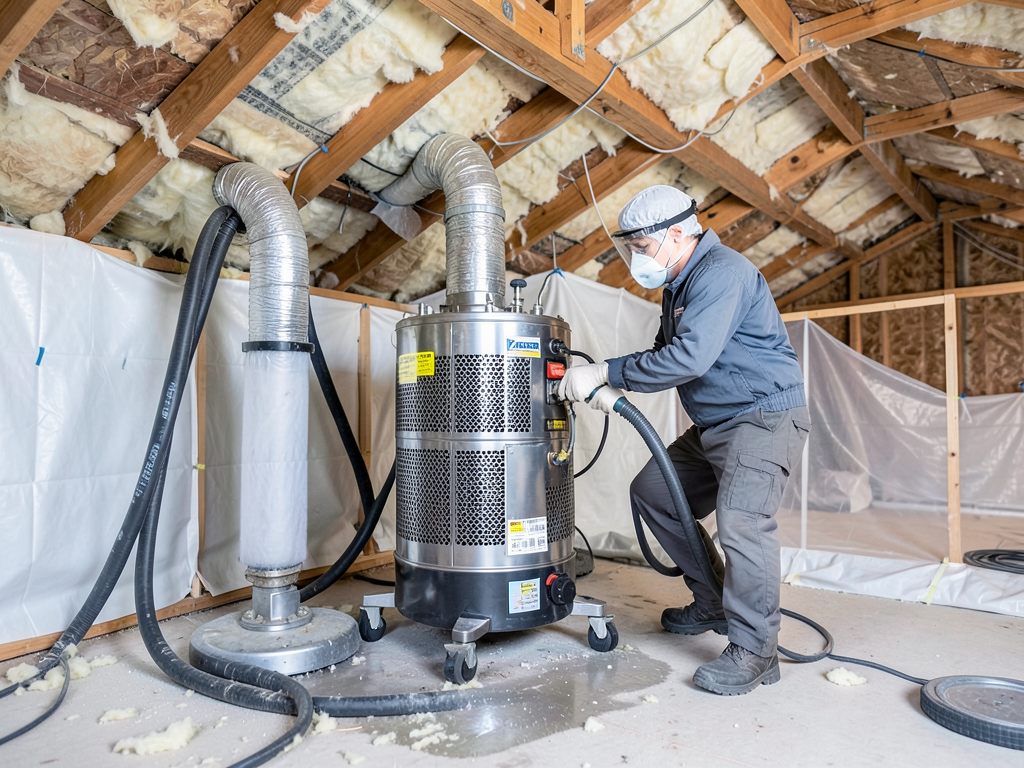
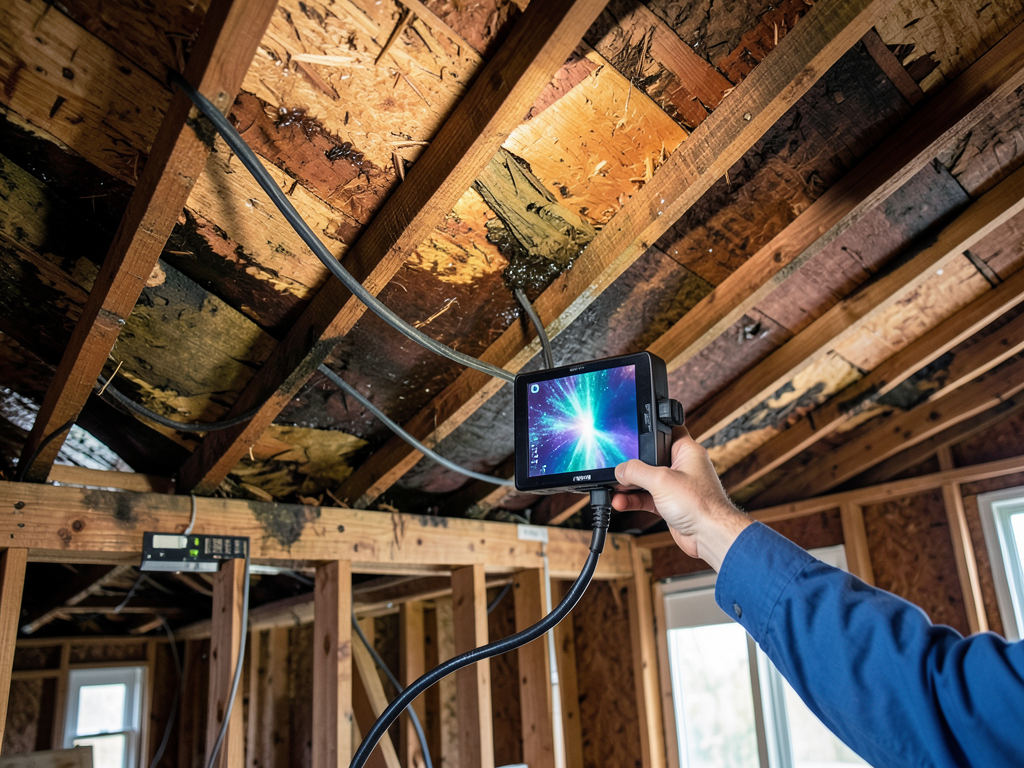
Professional removal follows IICRC S500 water damage restoration standards. Technicians first identify the water source using thermal imaging cameras to detect hidden moisture in rafters and sheathing. They then contain the work area with 6-mil polyethylene sheeting to prevent cross-contamination. Water Stains on Drywall.
Using industrial HEPA-filtered vacuums, crews extract wet insulation without dispersing mold spores into living spaces. The process typically takes 4-8 hours for a standard Shawnee attic. After removal, technicians apply EPA-registered antimicrobial treatments to all affected surfaces. They then use dehumidifiers and air movers to dry the substrate completely before new insulation installation. EPA mold information.
The final step involves replacing insulation to meet current Kansas energy codes. Shawnee homes typically require R-38 to R-60 insulation in attics, depending on the age of the home and existing ventilation systems. Technicians often recommend adding a vapor barrier to prevent future moisture problems in Shawnee’s humid climate.
Health risks of contaminated attic water
Roof leak water carries contaminants that make wet insulation hazardous. Rainwater picks up bacteria, bird droppings, and pollen as it travels across your roof. In Shawnee, where many homes have asphalt shingles, the water also contains petroleum-based compounds and algae. These contaminants create an ideal environment for harmful bacteria like E. coli and Salmonella to multiply in wet insulation. Water Damage Restoration Harrisonville.
The health risks extend beyond mold. Wet insulation releases formaldehyde and other volatile organic compounds (VOCs) as it breaks down. These chemicals can cause headaches, nausea, and respiratory irritation. For Shawnee residents with allergies or asthma, exposure to contaminated attic air can trigger severe reactions. Children and elderly family members face the highest risk from these airborne contaminants.
Professional testing often reveals elevated mold spore counts in homes with wet insulation. Kansas Department of Health guidelines recommend testing if you notice musty odors or visible mold growth. Testing involves collecting air samples from multiple locations and sending them to certified laboratories for analysis.
Comparing professional removal versus DIY methods
| Removal Method | Equipment Needed | Time Required | Safety Considerations |
|---|---|---|---|
| Professional HEPA Extraction | Industrial vacuum, HEPA filtration, containment barriers | 4-8 hours | Full PPE, containment, proper disposal |
| Manual Bagging | Contractor bags, gloves, dust masks | 12-24 hours | Limited protection, cross-contamination risk |
| Wet Vacuum Method | Shop vac, extension cords | 8-16 hours | Electrical hazards, incomplete removal |
Professional removal offers significant advantages over DIY methods. Industrial HEPA vacuums capture 99.97% of particles as small as 0.3 microns, preventing mold spores from escaping into your home. The equipment also handles wet material more efficiently than shop vacs, which can clog or overheat when processing saturated insulation.
DIY removal poses several risks. Without proper containment, mold spores spread throughout your home via HVAC systems. Manual removal also exposes you to contaminated materials without adequate respiratory protection. The disposal process presents challenges, as wet insulation cannot go in regular trash and requires special handling under Missouri waste regulations.
Shawnee-specific factors affecting attic moisture
Shawnee’s climate creates unique challenges for attic moisture management. The area’s average annual rainfall of 40 inches exceeds the national average, increasing the likelihood of roof leaks. Winter ice dams form when snow melts on warm roof sections and refreezes at colder eaves, forcing water under shingles and into your attic.
Many Shawnee homes built in the 1970s and 1980s have inadequate attic ventilation. These homes often lack proper soffit vents, causing heat and moisture to accumulate in attic spaces. The combination of poor ventilation and Shawnee’s humid summers creates condensation on rafters and sheathing, even without active roof leaks.
Local building codes now require specific ventilation ratios for new construction. The 2021 International Residential Code mandates 1 square foot of net free ventilation area per 150 square feet of attic space. Older Shawnee homes often fall short of these requirements, making them more vulnerable to moisture problems.
Insurance considerations for wet insulation claims
Most homeowner insurance policies cover water damage from sudden, accidental events like roof leaks. However, damage from long-term moisture problems or lack of maintenance typically falls under exclusions. Insurance adjusters look for signs of neglect, such as missing shingles or clogged gutters, when evaluating claims.
The claims process involves documenting the damage with photos and moisture readings. Professional restoration companies provide detailed reports that include thermal imaging results, moisture content readings, and material assessments. These documents help justify the scope of work to insurance adjusters.
In Shawnee, claims for ice dam damage often face scrutiny during winter months. Adjusters may question whether proper preventive measures were taken, such as installing heat cables or improving attic insulation. Maintaining documentation of regular roof maintenance can strengthen your position when filing claims.
Preventing future attic moisture problems
After removing wet insulation, preventing future moisture issues requires addressing the underlying causes. Start with a comprehensive roof inspection to identify missing or damaged shingles, flashing problems, or inadequate valley drainage. Shawnee’s severe weather patterns mean roofs need more frequent inspections than in milder climates.
Improving attic ventilation often provides the most significant moisture control. Adding ridge vents, soffit vents, or powered attic fans helps maintain consistent temperatures and reduces condensation. The goal is to keep attic temperatures within 10-15 degrees of outdoor temperatures during summer months.
Consider upgrading to mold-resistant insulation materials when replacing wet insulation. Modern cellulose insulation contains borate treatments that resist mold growth and deter pests. Alternatively, closed-cell spray foam provides an air seal that prevents moisture infiltration while offering superior R-values.
Cost factors for wet insulation removal and replacement
Removal costs in Shawnee typically range from $2 to $4 per square foot of attic space. Factors affecting price include the extent of contamination, accessibility of the attic, and whether asbestos testing is required. Homes built before 1980 may contain vermiculite insulation, which requires specialized testing and handling procedures. Specialized commercial water damage restoration for Kansas City business owners.
Replacement insulation costs vary by material. Blown-in cellulose averages $1.50 to $2.50 per square foot, while fiberglass batts cost $1 to $2 per square foot. Spray foam insulation, though more expensive at $3 to $5 per square foot, provides superior moisture control and energy efficiency.
Additional costs may include roof repairs, ventilation improvements, or mold remediation if contamination extends beyond the insulation. Many restoration companies offer package pricing that includes removal, drying, and replacement, potentially saving 10-15% compared to separate services.
Frequently Asked Questions
How quickly does wet insulation need to be removed?
Wet insulation requires removal within 24-48 hours to prevent mold growth, according to IICRC S500 standards. The exact timeline depends on temperature and humidity levels. In Shawnee’s humid climate, mold can begin colonizing within 24 hours of moisture exposure.
Can I just dry out the existing insulation instead of replacing it?
Drying wet insulation rarely provides a permanent solution. Once insulation becomes saturated, it loses its insulating properties permanently and becomes a mold growth medium. The only effective solution is complete removal and replacement with new material.
Does wet insulation affect my home’s energy efficiency?
Yes, wet insulation significantly reduces your home’s R-value. Saturated insulation can lose up to 40% of its insulating capacity, causing your HVAC system to work harder and increasing energy bills. This effect persists even after the insulation dries, as the material’s structure remains compromised.
How do I know if my attic has hidden moisture problems?
Signs of hidden moisture include musty odors, visible mold growth, water stains on ceilings, and increased allergy symptoms among household members. Professional moisture meters and thermal imaging can detect problems before they become visible to the naked eye.
Is asbestos a concern in older Shawnee homes?
Homes built before 1980 may contain asbestos in vermiculite insulation or other building materials. Professional testing is recommended for older homes before beginning any demolition work. If asbestos is present, specialized abatement procedures must be followed to ensure safety.
Take action before moisture causes permanent damage
Wet attic insulation creates immediate health and structural risks that worsen with each passing day. The combination of Shawnee’s humid climate and aging housing stock makes local homes particularly vulnerable to moisture-related problems. Professional removal using IICRC-standard procedures prevents mold growth, protects your family’s health, and preserves your home’s structural integrity.
Don’t wait for visible mold growth or ceiling damage to appear. Call (816) 473-3833 today to schedule your inspection. Our certified technicians use industrial-grade equipment to safely remove contaminated insulation and restore your attic to a healthy condition. We serve Shawnee and the entire Kansas City metro area with 24/7 emergency response. Retail Store Water Cleanup.
Pick up the phone and call (816) 473-3833 before the next storm hits. Early intervention prevents costly repairs and protects your family from the health hazards of mold-contaminated insulation. Our team provides detailed documentation for insurance claims and guarantees all work meets current building codes.
{
“@context”: “https://schema.org”,
“@type”: “BlogPosting”,
“headline”: “Replacing wet blown-in insulation in your Shawnee attic after a roof leak”,
“description”: “Wet attic insulation creates mold and structural risks in Shawnee homes. Learn the IICRC-approved removal process, health hazards, and when to call for emergency restoration.”,
“wordCount”: 1682,
“datePublished”: “2026-06-09T09:32:00.000Z”,
“dateModified”: “2026-06-09T09:32:00.000Z”,
“inLanguage”: “en-US”,
“mainEntityOfPage”: {
“@type”: “WebPage”,
“@id”: “https://apluswaterdamagerestorationkansascity.com”
},
“publisher”: {
“@type”: “LocalBusiness”,
“name”: “A Plus Water Damage Restoration Kansas City”,
“url”: “https://apluswaterdamagerestorationkansascity.com”
},
“author”: {
“@type”: “Organization”,
“name”: “A Plus Water Damage Restoration Kansas City”,
“url”: “https://apluswaterdamagerestorationkansascity.com”
},
“image”: {
“@type”: “ImageObject”,
“url”: “https://apluswaterdamagerestorationkansascity.com/wp-content/uploads/2026/03/replacing-wet-blown-in-insulation-in-your-shawnee-1.png”
}
}
{
“@context”: “https://schema.org”,
“@type”: “LocalBusiness”,
“name”: “A Plus Water Damage Restoration Kansas City”,
“url”: “https://apluswaterdamagerestorationkansascity.com”,
“address”: {
“@type”: “PostalAddress”,
“addressLocality”: “Kansas City”
},
“areaServed”: {
“@type”: “City”,
“name”: “Kansas City”
}
}
{
“@context”: “https://schema.org”,
“@type”: “FAQPage”,
“mainEntity”: [
{
“@type”: “Question”,
“name”: “How quickly does wet insulation need to be removed?”,
“acceptedAnswer”: {
“@type”: “Answer”,
“text”: “Wet insulation requires removal within 24-48 hours to prevent mold growth, according to IICRC S500 standards. The exact timeline depends on temperature and humidity levels. In Shawnee’s humid climate, mold can begin colonizing within 24 hours of moisture exposure.”
}
},
{
“@type”: “Question”,
“name”: “Can I just dry out the existing insulation instead of replacing it?”,
“acceptedAnswer”: {
“@type”: “Answer”,
“text”: “Drying wet insulation rarely provides a permanent solution. Once insulation becomes saturated, it loses its insulating properties permanently and becomes a mold growth medium. The only effective solution is complete removal and replacement with new material.”
}
},
{
“@type”: “Question”,
“name”: “Does wet insulation affect my home’s energy efficiency?”,
“acceptedAnswer”: {
“@type”: “Answer”,
“text”: “Yes, wet insulation significantly reduces your home’s R-value. Saturated insulation can lose up to 40% of its insulating capacity, causing your HVAC system to work harder and increasing energy bills. This effect persists even after the insulation dries, as the material’s structure remains compromised.”
}
},
{
“@type”: “Question”,
“name”: “Is asbestos a concern in older Shawnee homes?”,
“acceptedAnswer”: {
“@type”: “Answer”,
“text”: “Homes built before 1980 may contain asbestos in vermiculite insulation or other building materials. Professional testing is recommended for older homes before beginning any demolition work. If asbestos is present, specialized abatement procedures must be followed to ensure safety.”
}
}
]
}
{
“@context”: “https://schema.org”,
“@type”: “BreadcrumbList”,
“itemListElement”: [
{
“@type”: “ListItem”,
“position”: 1,
“name”: “Home”,
“item”: “https://apluswaterdamagerestorationkansascity.com”
},
{
“@type”: “ListItem”,
“position”: 2,
“name”: “Blog”,
“item”: “https://apluswaterdamagerestorationkansascity.com/blog”
},
{
“@type”: “ListItem”,
“position”: 3,
“name”: “Replacing wet blown-in insulation in your Shawnee attic after a roof leak”
}
]
}
{
“@context”: “https://schema.org”,
“@type”: “Service”,
“serviceType”: “Water Damage Restoration”,
“provider”: {
“@type”: “LocalBusiness”,
“name”: “A Plus Water Damage Restoration Kansas City”,
“url”: “https://apluswaterdamagerestorationkansascity.com”
},
“areaServed”: {
“@type”: “City”,
“name”: “Kansas City”
},
“description”: “Wet attic insulation creates mold and structural risks in Shawnee homes. Learn the IICRC-approved removal process, health hazards, and when to call for emergency restoration.”
}