




Gladstone sits in the Missouri River floodplain where clay soil and seasonal flooding create constant water intrusion risk. The heavy clay soil common throughout Clay County does not absorb water. It pools against foundations, seeps through basement walls, and saturates crawl spaces during spring storms. When the Little Platte River overflows or heavy rainfall overwhelms aging storm drains near Linden Square and Oak Grove, water finds its way inside.
Winter freeze-thaw cycles crack pipes in older homes throughout Antioch and Gladstone Heights. Homes built before 1980 often lack proper vapor barriers, making them vulnerable to rising groundwater during Missouri's wet season. The combination of older housing stock, clay soil, and proximity to waterways means Gladstone residents face higher water damage risk than suburban areas with better drainage.
Your sump pump works overtime here. Basement flooding is not rare in Gladstone. It is a predictable consequence of geography. When water enters your home, you need teams who understand how Missouri clay holds moisture, how local construction methods affect drying time, and how to prevent secondary damage in this climate. Generic water removal does not work in Gladstone soil conditions.
We have extracted water from hundreds of Gladstone properties, from flooded basements in Linden to burst pipes in Antioch neighborhoods. Our teams know the difference between surface water removal and true structural drying in Missouri clay soil conditions. We do not just pump water out. We measure moisture deep in subflooring, inside wall cavities, and beneath insulation where hidden dampness breeds mold.
Insurance companies recognize our documentation standards. We photograph damage progression, chart moisture readings daily, and provide detailed loss reports that streamline your claim. While you handle the stress of displacement, we handle the paperwork, the adjuster meetings, and the restoration timeline. Our crews arrive with truck-mounted extraction units, commercial dehumidifiers, air movers, and thermal imaging cameras that detect water you cannot see.
Speed determines whether you face a cleanup bill or a reconstruction bill. Our dispatch system puts crews on the road within one hour of your call, any time of day or night. We operate from Kansas City with satellite staging throughout Clay County, which means faster response times to Gladstone than companies based in distant suburbs. When water is spreading across your floor at midnight, you need a truck rolling now, not a callback in the morning.
We dry structures the right way. We pull baseboards to ventilate wall cavities. We document moisture levels until readings match industry standards for safe reconstruction. We coordinate with your contractor, your insurance adjuster, and your schedule. You get one point of contact, one timeline, and one company responsible for returning your property to pre-loss condition.

Our crews roll within one hour of your call, 24 hours a day. We stage equipment across Clay County for rapid response to Gladstone emergencies. When water is actively damaging your property, minutes matter. We arrive fast with truck-mounted extraction units and start mitigation immediately, stopping damage progression before it becomes catastrophic.

We document every step for your insurance claim. Our teams photograph damage, chart moisture readings, and provide detailed loss reports that adjusters accept without dispute. We attend adjuster meetings, explain scope, and justify necessary work. You focus on your family while we handle the paperwork and negotiation with your carrier.
We follow IICRC S500 water damage restoration standards. Our technicians measure moisture in subflooring, wall cavities, and structural members until readings confirm complete drying. We do not guess when materials are safe for reconstruction. We verify with calibrated meters and thermal imaging, preventing hidden moisture that causes mold growth weeks after we leave.
We understand how Missouri clay soil affects drying time and basement moisture. Gladstone's soil does not drain like sand. It holds water against foundations and increases humidity inside structures. Our drying protocols account for local soil conditions, climate patterns, and construction methods common in Clay County homes. We dry properties right the first time.
Water damage takes different forms depending on the source, the duration, and the materials affected. A burst supply line requires different equipment than a sewage backup. A slow foundation leak needs different treatment than a flooded basement after heavy rain. A Plus Water Damage Restoration Kansas City provides complete water damage remediation across all categories and all property types in Gladstone.
Our service range covers emergency water extraction, structural drying, content restoration, mold remediation, and reconstruction coordination. We handle residential properties from single-family homes to apartment complexes, plus commercial buildings throughout Clay County. Whether you face clean water from a broken pipe, gray water from an appliance malfunction, or contaminated water from sewage backup, we deploy the right equipment and follow the right protocols for safe restoration.
We categorize our services into three main areas based on urgency, water source, and damage severity. This structure lets us dispatch the right crew with the right equipment for your specific situation. Emergency flood response requires different resources than planned crawl space remediation. Understanding these categories helps you know what to expect when you call for help.
When water is actively flooding your property, we dispatch emergency crews with truck-mounted extraction equipment, submersible pumps, and commercial air movers. We remove standing water, extract moisture from carpets and padding, and begin structural drying immediately. Our teams work through the night if needed, preventing water migration to unaffected areas and reducing total damage scope. Emergency extraction includes content protection, temporary climate control, and initial moisture documentation for insurance claims.
After extracting standing water, we dry the structure using industrial dehumidifiers, air movers, and heat systems. We monitor moisture levels in framing, subflooring, drywall, and insulation until readings confirm complete drying. Our technicians use thermal imaging to detect hidden moisture and adjust equipment placement for maximum efficiency. Structural drying prevents mold growth, wood rot, and material failure. We document daily moisture readings and provide completion certificates when materials reach safe levels for reconstruction.
When water damage leads to mold growth or requires material replacement, we provide complete restoration services. Our teams remove contaminated materials, treat affected areas with antimicrobial solutions, and coordinate reconstruction to return your property to pre-loss condition. We handle drywall replacement, flooring installation, paint, and trim work. Restoration services include content cleaning, odor removal, and final clearance testing. We manage the entire process from emergency response through final walkthrough.
Gladstone's location in the Missouri River floodplain and Clay County's soil composition create specific water damage risks that differ from other Kansas City metro areas. The heavy clay soil does not drain well, causing water to pool against foundations and seep through basement walls during wet seasons. Older neighborhoods near downtown Gladstone were built before modern waterproofing standards, making them vulnerable to groundwater intrusion.
Spring storms overwhelm aging storm drain systems, especially in low-lying areas near Linden Square and along drainage paths toward the Little Platte River. Winter freeze-thaw cycles crack pipes in crawl spaces and attics. Summer humidity keeps basements damp even without active leaks. These conditions combine to create constant moisture management challenges for Gladstone homeowners.
Understanding these local factors helps property owners recognize warning signs early and respond fast when water enters living spaces. The longer water sits, the more damage it causes to structures and contents. Quick response prevents small problems from becoming major reconstruction projects.
Clay soil throughout Clay County does not absorb water. It becomes saturated during heavy rain and pushes groundwater against foundation walls. Hydrostatic pressure forces water through cracks, cold joints, and floor drains. Basements flood even when sump pumps work correctly because water enters faster than pumps can remove it. Proper waterproofing and drainage systems are required to manage clay soil conditions.
Missouri winter temperatures drop below freezing for extended periods, causing pipes in exterior walls, crawl spaces, and attics to freeze and burst. Older Gladstone homes often lack adequate insulation around plumbing. When frozen pipes thaw, they release hundreds of gallons into wall cavities and ceilings before homeowners notice. Winter pipe failures cause extensive hidden damage that requires wall removal and structural drying.
Water heaters last 10 to 15 years before tank corrosion causes failure. Washing machine hoses crack from age and pressure fluctuations. Dishwasher supply lines separate at connections. These appliance failures release clean water at high volume, flooding kitchens, laundry rooms, and finished basements quickly. Fast response limits damage to flooring and cabinets, but delays allow water to spread throughout multiple rooms and soak into subflooring.
Older storm drain systems in downtown Gladstone cannot handle heavy rainfall from severe thunderstorms. When drains back up, water flows through floor drains into basements, bringing contaminated water and sewage into finished living spaces. Storm drain backup requires specialized cleaning and disinfection beyond standard water removal. Contents exposed to contaminated water often cannot be salvaged and must be disposed of according to health department guidelines.
Water damage creates chaos and panic. You need someone to take control, explain what happens next, and start fixing the problem immediately. When you call A Plus Water Damage Restoration Kansas City, you reach a live person who dispatches a crew to your Gladstone property within 60 minutes. No answering services, no callbacks, no delays while water spreads across your floors.
Our process begins the moment you call and continues through final clearance inspection. You get one project manager who coordinates every phase, answers your questions, and updates you daily on progress. We handle insurance documentation, contractor coordination, and timeline management so you can focus on your family and getting back to normal life.
We set clear expectations about what we will do, how long it takes, and what results you should see. Water damage restoration is not a mystery. It follows established protocols with measurable outcomes. Here is what you can expect at each stage of working with our team.
Your emergency call triggers immediate crew dispatch. We ask specific questions about water source, affected areas, and safety concerns. Our dispatcher provides arrival time estimates and initial guidance on stopping water flow if possible. Within one hour, a crew arrives with extraction equipment and begins damage assessment. We walk you through what we find, explain the mitigation plan, and start work immediately. You receive direct contact information for your project manager who remains available throughout the restoration process.
We photograph and measure every affected area before starting work. Our technicians create detailed floor plans showing water migration patterns and material damage. We document moisture readings in structural materials using calibrated meters. This documentation package goes to your insurance company within 24 hours with our scope of work and cost estimate. We attend adjuster meetings, explain necessary procedures, and justify equipment and labor costs. Our goal is claim approval without dispute or delay.
We do not leave your property until moisture readings confirm complete drying. Our technicians check moisture levels daily in all affected materials. We adjust equipment placement and add capacity if readings do not drop on schedule. When materials reach acceptable moisture content, we provide certification that structures are safe for reconstruction. You receive final documentation showing before and after readings, equipment run times, and clearance approval. We guarantee our drying work meets industry standards.
Water damage restoration follows a proven sequence from emergency response through final clearance. Each phase has specific goals, required equipment, and measurable outcomes. This process protects your property while minimizing disruption and cost.
Our crew arrives within 60 minutes to assess damage scope and begin water removal. We identify the water source, stop active flooding if possible, and classify water category. Truck-mounted extractors remove standing water while technicians move contents to dry areas. We pull wet carpeting and padding, extract moisture from subflooring, and set up initial air movers. This phase takes four to eight hours depending on water volume and affected square footage.
After extracting standing water, we deploy commercial dehumidifiers and additional air movers to dry structural materials. Our technicians measure moisture in framing, subflooring, drywall, and insulation twice daily. We use thermal imaging to detect hidden moisture and adjust equipment for maximum efficiency. This phase takes three to seven days depending on materials affected, humidity levels, and building construction. We document progress daily and provide readings to insurance adjusters.
When moisture readings confirm complete drying, we remove equipment and perform final cleaning. We provide certification that materials meet industry standards for safe reconstruction. If mold remediation or reconstruction is required, we coordinate those services through final completion. You receive documentation packages showing all work performed, final moisture readings, and clearance approval. Your property is ready for you to move back in or begin reconstruction.
Professional water damage restoration follows strict protocols established by the Institute of Inspection, Cleaning and Restoration Certification. The IICRC S500 Standard and Reference Guide for Professional Water Damage Restoration defines proper procedures for water removal, structural drying, and contamination control. These standards protect building occupants and ensure thorough moisture removal that prevents secondary damage.
Water damage is classified into three categories based on contamination level. Category 1 is clean water from supply lines or rainwater. Category 2 is gray water from appliances or washing machines that contains some contamination. Category 3 is black water from sewage or flooding that contains dangerous bacteria and requires specialized handling. Each category requires different safety protocols and disposal procedures.
Moisture detection requires calibrated equipment. We use penetrating pin meters to measure moisture content in wood framing and subflooring. Non-invasive meters scan drywall and concrete without causing damage. Thermal imaging cameras detect temperature differences that indicate hidden moisture behind walls or under flooring. These tools let us verify complete drying instead of guessing when materials are safe for reconstruction.
Drying equipment must match building size and moisture load. Commercial dehumidifiers remove moisture from air, lowering relative humidity to speed evaporation from wet materials. Air movers create circulation that carries moisture away from surfaces to dehumidifiers. Heat systems raise temperature to increase evaporation rate. We calculate equipment capacity using psychrometric principles that account for temperature, humidity, and air exchange rates. Proper equipment sizing prevents extended drying times and reduces energy costs.
Clay County's heavy clay soil creates unique challenges for basement drying. Clay does not drain, so groundwater pressure continues pushing moisture through foundation walls even after we remove interior water. We often recommend exterior drainage improvements or interior waterproofing after drying is complete to prevent future flooding. Our experience with local soil conditions helps property owners make informed decisions about permanent moisture control solutions.
Professional water damage restoration follows IICRC S500 protocols that define acceptable moisture levels for different building materials. We measure moisture content until readings confirm materials match their dry standard for the local climate. Wood framing must reach 15 percent moisture content or lower. Concrete must dry to acceptable levels before installing flooring. These standards prevent mold growth and material failure after we leave your property.
Water damage restoration costs depend on water volume, affected square footage, water category, and drying time required. Category 3 black water costs more because it requires disposal of contaminated materials and specialized disinfection. Hardwood floors cost more to dry than carpet because wood requires longer drying time and careful monitoring to prevent warping. Insurance typically covers sudden water damage but excludes gradual leaks or maintenance issues.
Structural drying takes three to seven days for most residential water damage in Gladstone. Basements in clay soil take longer because groundwater pressure continues introducing moisture during the drying process. Hardwood floors require extended drying time to prevent cupping and buckling. We cannot rush drying without risking incomplete moisture removal. Equipment must run continuously until moisture readings confirm safe levels for reconstruction or occupancy.
Insurance companies require detailed documentation showing damage scope, moisture readings, and work performed. We photograph all affected areas before starting work and create floor plans showing water migration patterns. Our daily logs record moisture readings, equipment placement, and drying progress. This documentation supports your claim and prevents disputes about necessary work. Most insurance policies cover emergency water removal and structural drying but exclude cosmetic repairs or upgrades.
Complete overview of professional water damage restoration process in Gladstone, Missouri, covering emergency response, structural drying methods, moisture detection technology, and insurance coordination. Video explains why Gladstone properties face unique water damage challenges from clay soil conditions and demonstrates equipment used for water extraction and structural drying in residential properties throughout Clay County.
A Plus Water Damage Restoration Kansas City provides emergency water damage response throughout Gladstone and surrounding Clay County communities. Our crews respond to properties in downtown Gladstone near City Hall and Linden Square, where older homes face frequent basement flooding from clay soil saturation and aging storm drains. We serve residential neighborhoods in Gladstone Heights and Oak Grove where burst pipes and appliance failures affect split-level homes built in the 1960s and 1970s.
Our service area extends north to properties near Smithville Lake and east toward Antioch, where newer construction faces different water damage challenges than older neighborhoods. Homes near the Little Platte River corridor require specialized flood response during spring storms when the river overflows and saturates low-lying areas. We respond to commercial properties along North Oak Trafficway and residential areas near Linden Park where storm drain backup affects finished basements.
Properties in the greater Gladstone metro area near Northland neighborhoods face similar water damage risks from Missouri's climate and Clay County's soil composition. Whether you own a home in historic Gladstone neighborhoods south of Highway 152 or newer construction near Pleasant Valley, our teams understand local building methods, soil conditions, and drainage patterns that affect water damage severity. We maintain equipment staging locations throughout Clay County for rapid response to emergency calls.
Distance from Kansas City proper does not slow our response time to Gladstone properties. Our dispatch system routes the closest available crew regardless of where they are currently working in the metro area. We prioritize Gladstone calls the same as Kansas City calls because we know water damage does not respect city boundaries. When your basement floods at midnight or a pipe bursts on Sunday morning, you get the same fast response whether you live downtown or in outlying Gladstone neighborhoods.
Our experience with Gladstone's older housing stock helps us predict hidden damage that less experienced companies miss. We know which foundation types are vulnerable to hydrostatic pressure, which era of construction used inadequate vapor barriers, and which neighborhoods face repeated flooding from inadequate drainage infrastructure. This local knowledge helps us develop accurate scopes, set realistic drying timelines, and recommend permanent solutions that prevent future water damage.
Restoration costs in Gladstone vary based on the damage extent and source. A small leak affecting one room might run a few hundred dollars, while severe flooding impacting multiple floors or basements costs significantly more. Water extraction, drying equipment rental, antimicrobial treatment, and structural repairs all factor into the final price. Homes with finished basements face higher costs due to drywall and flooring replacement. Your insurance coverage determines your out-of-pocket expense. Companies provide free inspections and work directly with your adjuster to document losses. Get a detailed written estimate before work begins so you understand what you pay for.
Yes. Untreated water damage in Gladstone homes leads to mold growth within 48 hours, especially in our humid summers. That mold triggers respiratory problems and destroys building materials. Water also compromises structural integrity, warps floors, and damages electrical systems. Ignoring a leak costs more long-term than immediate restoration. Insurance companies often deny claims for damage that worsens due to delayed action. Professional restoration protects your home value, prevents health hazards, and stops minor problems from becoming major reconstruction projects. The investment pays off by preserving your property and avoiding compounding damage that multiplies repair costs.
Servpro typically completes water damage projects in Gladstone within three to five days for standard residential jobs. This timeline includes water extraction, equipment setup, drying, and monitoring. Severe flooding or extensive structural damage extends the process to two weeks or longer. Their response time is usually within hours of your call. However, availability varies by location and season. During heavy rain events affecting multiple Gladstone properties simultaneously, scheduling delays occur. Equipment remains onsite for several days as industrial fans and dehumidifiers dry affected areas. You receive daily moisture readings to track progress until your home reaches acceptable dryness levels.
Restoration costs in Gladstone vary based on the damage extent and source. A small leak affecting one room might run a few hundred dollars, while severe flooding impacting multiple floors or basements costs significantly more. Water extraction, drying equipment rental, antimicrobial treatment, and structural repairs all factor into the final price. Homes with finished basements face higher costs due to drywall and flooring replacement. Your insurance coverage determines your out-of-pocket expense. Companies provide free inspections and work directly with your adjuster to document losses. Get a detailed written estimate before work begins so you understand what you pay for.
Yes. Untreated water damage in Gladstone homes leads to mold growth within 48 hours, especially in our humid summers. That mold triggers respiratory problems and destroys building materials. Water also compromises structural integrity, warps floors, and damages electrical systems. Ignoring a leak costs more long-term than immediate restoration. Insurance companies often deny claims for damage that worsens due to delayed action. Professional restoration protects your home value, prevents health hazards, and stops minor problems from becoming major reconstruction projects. The investment pays off by preserving your property and avoiding compounding damage that multiplies repair costs.
Servpro typically completes water damage projects in Gladstone within three to five days for standard residential jobs. This timeline includes water extraction, equipment setup, drying, and monitoring. Severe flooding or extensive structural damage extends the process to two weeks or longer. Their response time is usually within hours of your call. However, availability varies by location and season. During heavy rain events affecting multiple Gladstone properties simultaneously, scheduling delays occur. Equipment remains onsite for several days as industrial fans and dehumidifiers dry affected areas. You receive daily moisture readings to track progress until your home reaches acceptable dryness levels.
Water damage restoration includes emergency water extraction using truck-mounted pumps, moisture detection with thermal imaging, placement of commercial dehumidifiers and air movers, antimicrobial treatment to prevent mold, and removal of unsalvageable materials like soaked drywall or padding. Technicians document moisture levels daily and adjust equipment as needed. The process includes content pack-out if furniture needs offsite drying, structural drying of framing and subfloors, odor removal, and sanitization. Final steps involve repairs to drywall, flooring, and baseboards. Companies photograph everything for your insurance claim and provide detailed moisture logs showing your property returned to normal levels.
Most homeowner policies in Gladstone cover sudden and accidental water damage, like burst pipes or appliance malfunctions. You pay your deductible, then insurance handles the rest. However, policies exclude gradual damage from neglected maintenance or flooding from external water sources. Standard policies do not cover flood damage, you need separate flood insurance through FEMA. Review your policy declarations page to understand your coverage limits and exclusions. Restoration companies work directly with adjusters, providing documentation and moisture readings. File your claim immediately after discovering damage. Delayed reporting gives insurers grounds to reduce or deny your claim.
Water damage costs add up because restoration requires specialized equipment, immediate response, and skilled labor. Commercial dehumidifiers and air movers run continuously for days, consuming significant electricity. Technicians monitor moisture levels multiple times daily. Water spreads quickly through porous materials, affecting areas beyond the visible damage. Hidden moisture behind walls requires removal of finished surfaces to access and dry structural components. Antimicrobial treatments prevent mold liability. Disposal fees for water-logged materials, plus replacement of drywall, insulation, and flooring, increase expenses. Emergency response availability and insurance documentation add labor costs. Speed matters, so you pay for immediate mobilization.
Water damage claims in Gladstone average between $3,000 and $11,000 based on insurance industry data, but this varies widely. A small bathroom leak might settle for under $2,000, while basement flooding easily exceeds $15,000. Your claim amount depends on affected square footage, water category, and damaged contents. Clean water from supply lines costs less to remediate than contaminated water from sewage backups. Finished basements with carpeting, drywall, and furnishings generate higher claims than unfinished concrete spaces. Your deductible reduces the payout. Document everything with photos and keep receipts for temporary housing if displacement occurs.
Mold begins growing within 24 to 48 hours after water exposure in Gladstone homes. Our humid climate accelerates this timeline. Porous materials like drywall, insulation, and carpet provide ideal conditions for spore colonization. Temperature between 60 and 80 degrees creates perfect growth conditions, common in local homes year-round. You might not see visible mold immediately, but it spreads behind walls and under flooring where moisture accumulates. This narrow window demands immediate action. Professional drying equipment removes moisture before mold establishes colonies. Waiting three days almost guarantees mold remediation costs on top of water damage restoration expenses.
Call a water restoration company immediately when you discover standing water, hear water running inside walls, notice ceiling stains, smell musty odors, or find wet carpeting. Do not wait to assess if damage seems minor. Water migrates through building materials rapidly. Contact a company after basement flooding, appliance leaks, roof leaks during storms, or burst pipes. If your Gladstone home has moisture readings above normal or visible water damage, professional equipment dries materials faster than fans. Call before you file an insurance claim so technicians document the initial damage state. Quick response prevents mold and reduces total restoration costs.
Servpro offers 24/7 availability, national presence, and established insurance relationships that streamline claims. Their franchise model means consistent processes and equipment standards. However, franchises vary in quality based on local ownership and staffing. Response times fluctuate during high-demand periods when multiple Gladstone properties need service simultaneously. Their size sometimes means less personalized attention compared to local companies. Pricing falls in the mid-to-upper range. They handle large commercial jobs well but may prioritize bigger projects over smaller residential calls. Their brand recognition provides confidence, but local independent contractors often deliver more flexible scheduling and competitive rates for residential work.
Water damage restoration includes emergency water extraction using truck-mounted pumps, moisture detection with thermal imaging, placement of commercial dehumidifiers and air movers, antimicrobial treatment to prevent mold, and removal of unsalvageable materials like soaked drywall or padding. Technicians document moisture levels daily and adjust equipment as needed. The process includes content pack-out if furniture needs offsite drying, structural drying of framing and subfloors, odor removal, and sanitization. Final steps involve repairs to drywall, flooring, and baseboards. Companies photograph everything for your insurance claim and provide detailed moisture logs showing your property returned to normal levels.
Most homeowner policies in Gladstone cover sudden and accidental water damage, like burst pipes or appliance malfunctions. You pay your deductible, then insurance handles the rest. However, policies exclude gradual damage from neglected maintenance or flooding from external water sources. Standard policies do not cover flood damage, you need separate flood insurance through FEMA. Review your policy declarations page to understand your coverage limits and exclusions. Restoration companies work directly with adjusters, providing documentation and moisture readings. File your claim immediately after discovering damage. Delayed reporting gives insurers grounds to reduce or deny your claim.
Water damage costs add up because restoration requires specialized equipment, immediate response, and skilled labor. Commercial dehumidifiers and air movers run continuously for days, consuming significant electricity. Technicians monitor moisture levels multiple times daily. Water spreads quickly through porous materials, affecting areas beyond the visible damage. Hidden moisture behind walls requires removal of finished surfaces to access and dry structural components. Antimicrobial treatments prevent mold liability. Disposal fees for water-logged materials, plus replacement of drywall, insulation, and flooring, increase expenses. Emergency response availability and insurance documentation add labor costs. Speed matters, so you pay for immediate mobilization.
Water damage claims in Gladstone average between $3,000 and $11,000 based on insurance industry data, but this varies widely. A small bathroom leak might settle for under $2,000, while basement flooding easily exceeds $15,000. Your claim amount depends on affected square footage, water category, and damaged contents. Clean water from supply lines costs less to remediate than contaminated water from sewage backups. Finished basements with carpeting, drywall, and furnishings generate higher claims than unfinished concrete spaces. Your deductible reduces the payout. Document everything with photos and keep receipts for temporary housing if displacement occurs.
Mold begins growing within 24 to 48 hours after water exposure in Gladstone homes. Our humid climate accelerates this timeline. Porous materials like drywall, insulation, and carpet provide ideal conditions for spore colonization. Temperature between 60 and 80 degrees creates perfect growth conditions, common in local homes year-round. You might not see visible mold immediately, but it spreads behind walls and under flooring where moisture accumulates. This narrow window demands immediate action. Professional drying equipment removes moisture before mold establishes colonies. Waiting three days almost guarantees mold remediation costs on top of water damage restoration expenses.
Call a water restoration company immediately when you discover standing water, hear water running inside walls, notice ceiling stains, smell musty odors, or find wet carpeting. Do not wait to assess if damage seems minor. Water migrates through building materials rapidly. Contact a company after basement flooding, appliance leaks, roof leaks during storms, or burst pipes. If your Gladstone home has moisture readings above normal or visible water damage, professional equipment dries materials faster than fans. Call before you file an insurance claim so technicians document the initial damage state. Quick response prevents mold and reduces total restoration costs.
Servpro offers 24/7 availability, national presence, and established insurance relationships that streamline claims. Their franchise model means consistent processes and equipment standards. However, franchises vary in quality based on local ownership and staffing. Response times fluctuate during high-demand periods when multiple Gladstone properties need service simultaneously. Their size sometimes means less personalized attention compared to local companies. Pricing falls in the mid-to-upper range. They handle large commercial jobs well but may prioritize bigger projects over smaller residential calls. Their brand recognition provides confidence, but local independent contractors often deliver more flexible scheduling and competitive rates for residential work.
While we provide rapid mobile service throughout the entire Kansas City area, you can also view our general service area on the map. We are dedicated to being a local, accessible resource for all your water damage restoration needs, whether you're in the heart of the city or a surrounding community. Our team is always just a phone call away, ready to assist you with expertise and care, no matter where you are located within our service area.
Address:
Gladstone, MO, 64119
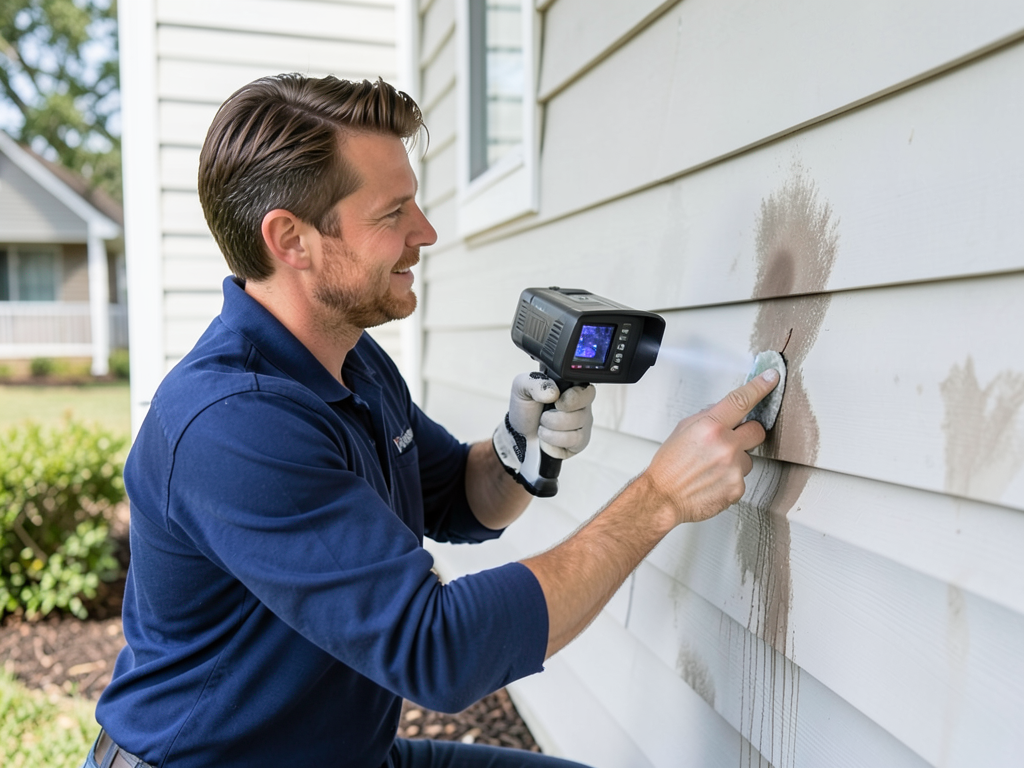
How trapped water behind vinyl siding can rot your Blue Springs home from the outside in Water trapped behind vinyl siding creates a perfect environment for rot and mold growth that can destroy your Blue…
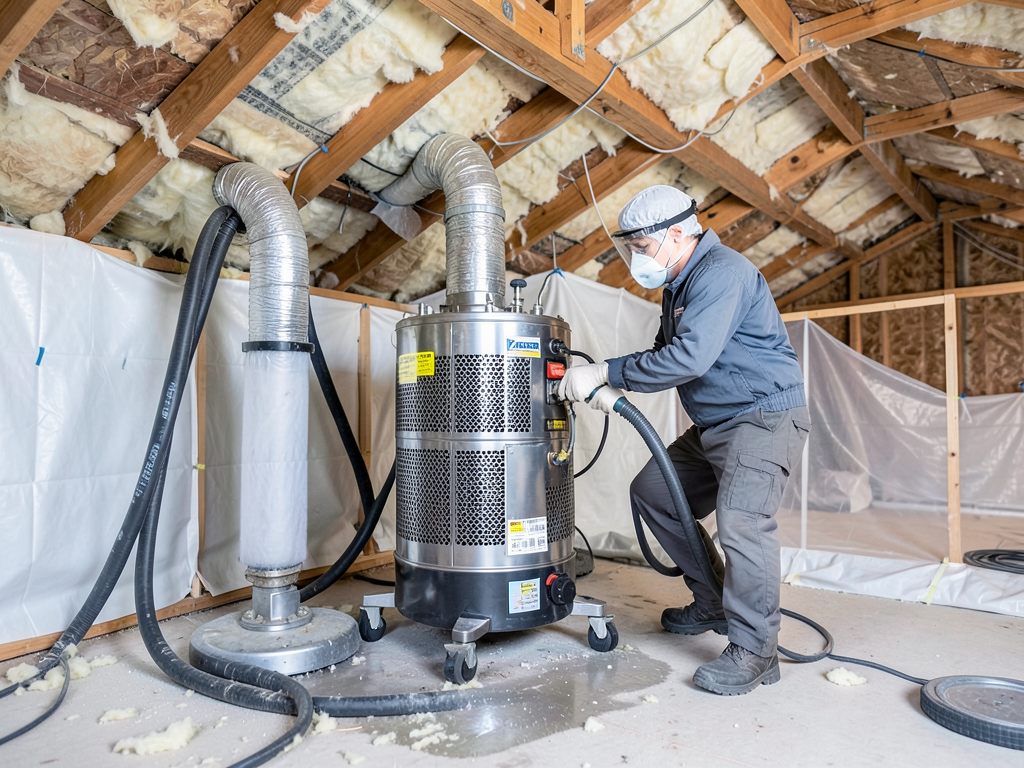
Replacing wet blown-in insulation in your Shawnee attic after a roof leak Finding wet insulation…
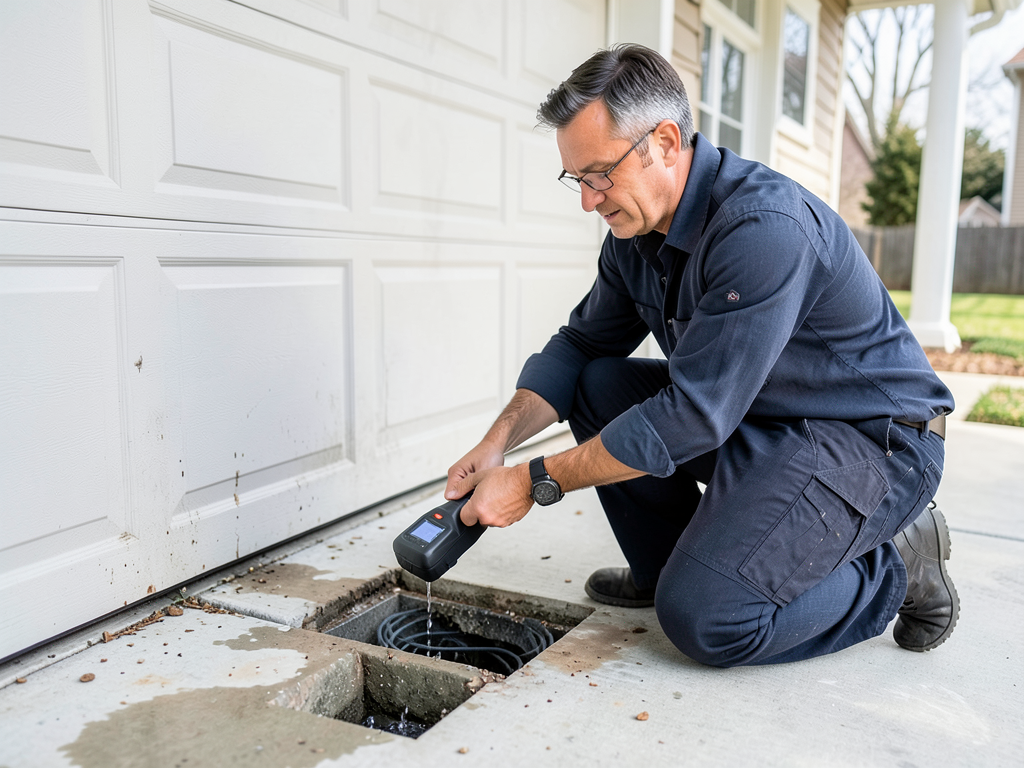
What to do when your Olathe garage floor drain starts backing up Garage floor drain…
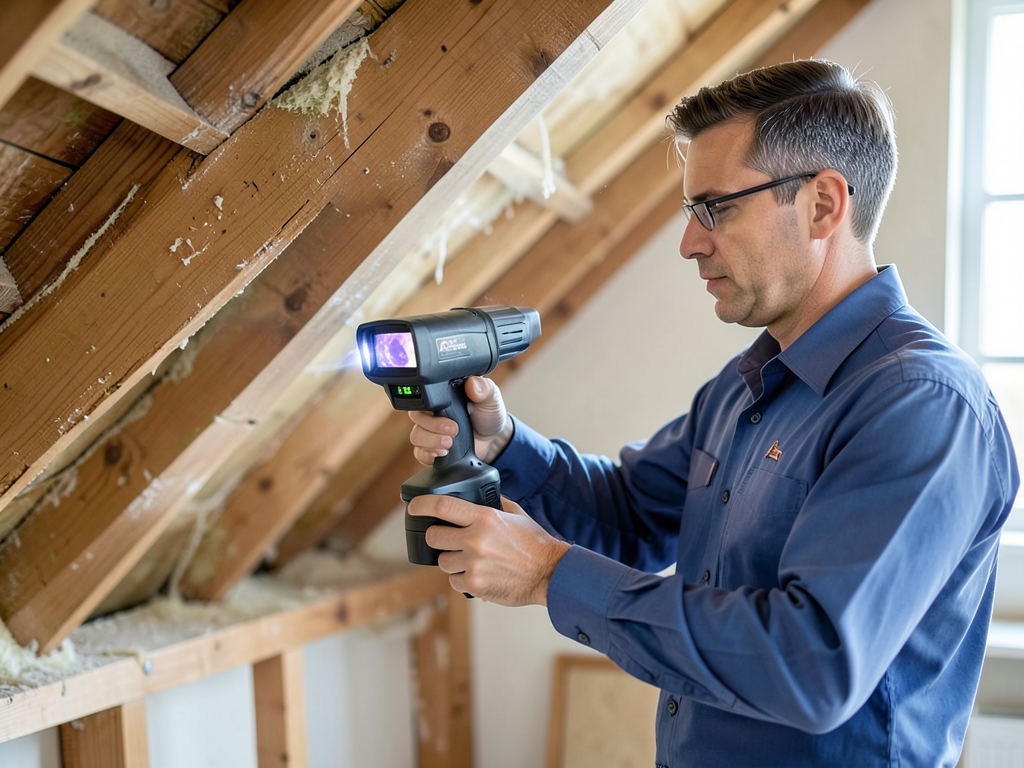
Dealing with attic condensation and mystery ceiling spots in Lee’s Summit Those dark spots on…
Do not wait while water spreads through your Gladstone property. Call A Plus Water Damage Restoration Kansas City now at (816) 473-3833 for emergency dispatch. Our crews respond within 60 minutes, any time of day or night, with equipment ready to stop damage progression and begin restoration immediately.