




Menu

Signs of Hidden Mold in Kansas City – Expert Detection Before Health Risks Escalate

Kansas City's humid climate creates ideal conditions for concealed mold growth. Learn how to identify symptoms of invisible mold before it threatens your family's health or property value.

Slider Image 1
Slider Image 2
Slider Image 3
Slider Image 4
Slider Image 5
Slider Image 7
Slider Image 8
Slider Image 9
Slider Image 10
Slider Image 11

Why Kansas City Homes Harbor Hidden Mold Risks

Kansas City's location at the confluence of the Missouri and Kansas Rivers creates persistent humidity problems. Summer dew points regularly exceed 70 degrees, and the metro's clay soil holds moisture against foundation walls. These conditions push water vapor into crawl spaces and behind drywall where you cannot see it.

Indicators of invisible mold appear differently than the black spots you might notice on shower grout. Evidence of unseen mold includes a persistent musty odor that intensifies when you run your HVAC system. You might notice allergy symptoms that worsen indoors or dark staining on ceiling corners where roof leaks went undetected.

The challenge in detecting hidden mold comes from how Kansas City homes are built. Many properties in neighborhoods like Waldo and Brookside feature balloon framing and plaster walls that trap moisture between layers. Historic homes in the Northeast and Midtown districts often lack proper vapor barriers. When water intrusion occurs from ice dams during February freezes or basement seepage during April storms, mold colonizes hidden cavities within 48 hours.

Symptoms of concealed mold affect your respiratory system before you see physical evidence. Residents often report persistent coughing, throat irritation, or unexplained fatigue. Children and elderly family members react more severely. The problem compounds because standard home inspections miss mold behind walls. You need specialized equipment to identify signs of mold behind walls before removal costs escalate or structural damage occurs.

Why Kansas City Homes Harbor Hidden Mold Risks
How Professional Mold Detection Works

How Professional Mold Detection Works

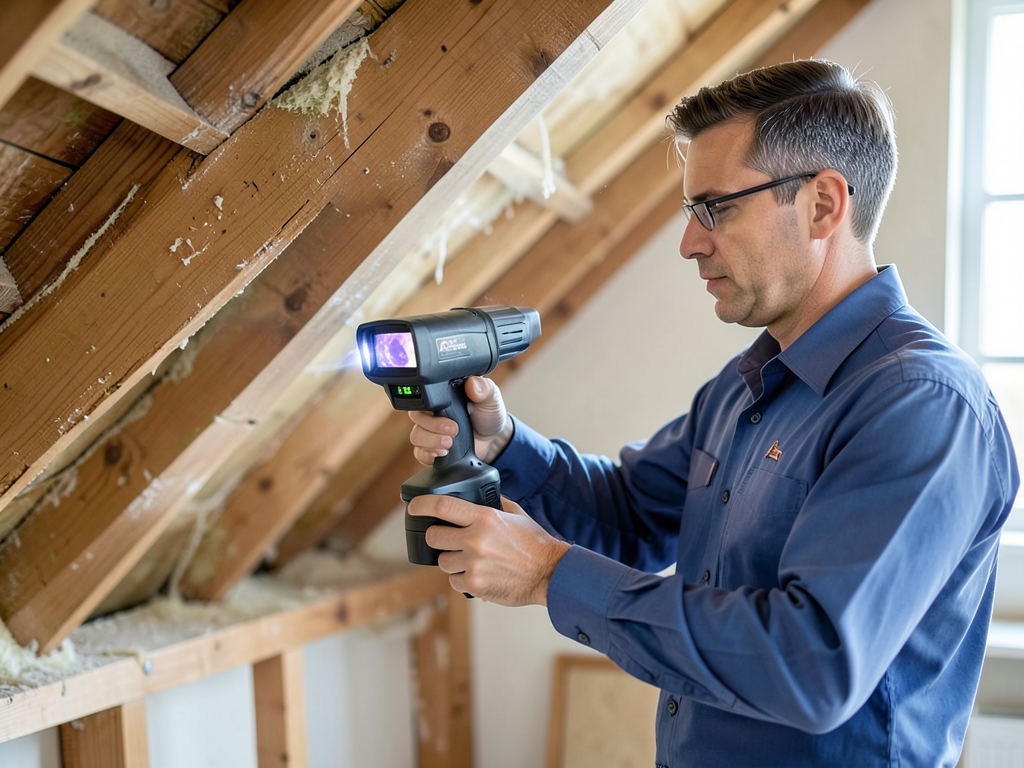
Detecting hidden mold requires more than visual inspection. We use thermal imaging cameras to identify temperature differentials that indicate moisture accumulation. Cold spots on interior walls often signal water wicking through foundation cracks or condensation forming inside wall cavities.

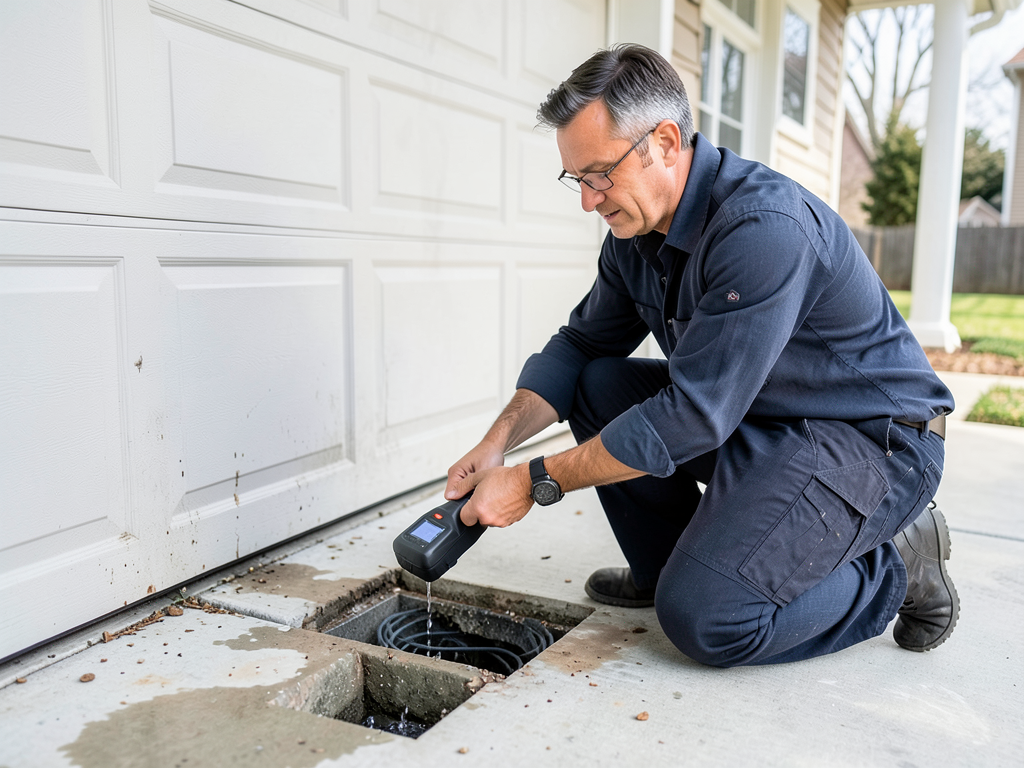
Moisture meters measure water content in building materials. Readings above 16 percent in wood framing or above 1 percent in drywall indicate conditions favorable for mold growth. We take multiple readings at different wall heights because water migrates downward through capillary action in porous materials.

Air sampling captures mold spores circulating through your HVAC system. We collect samples in affected rooms and compare spore counts to outdoor baseline levels. Elevated indoor concentrations of Stachybotrys, Aspergillus, or Penicillium species confirm active mold colonies hidden from view.

Borescope inspection allows us to examine inside wall cavities without destructive demolition. We drill small access holes and insert a fiber optic camera to document mold growth on the back side of drywall or insulation. This approach locates the source before remediation begins.

We also conduct pressure testing to find air leaks that introduce humid outdoor air into building envelopes. Kansas City's temperature swings between winter and summer create stack effect pressure that pulls moisture into attic spaces and behind siding. Identifying these pathways prevents recurring mold problems after treatment. The inspection report documents all findings with thermal images, moisture readings, and lab analysis so you understand the full scope before work begins.

What Happens During Your Mold Assessment

Signs of Hidden Mold in Kansas City – Expert Detection Before Health Risks Escalate
01

Initial Site Evaluation

We begin with a detailed walkthrough to document visible water damage and identify symptoms of concealed mold. You describe when problems started and where odors concentrate. We examine areas prone to moisture intrusion including basements, crawl spaces, attics, and rooms with plumbing. This conversation helps us understand your home's water damage history and narrow the search area for hidden contamination.
02

Diagnostic Testing Protocol

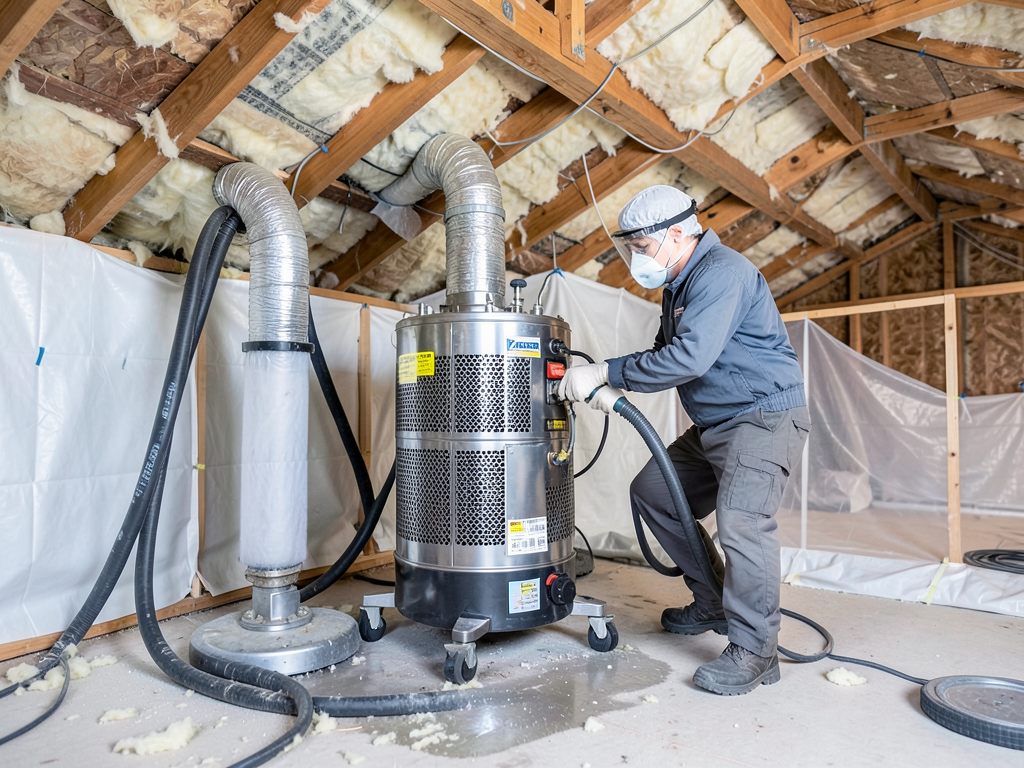
We deploy thermal imaging and moisture detection equipment to map problem zones. Air samples go to an accredited laboratory for spore identification and quantification. Borescope inspection examines concealed spaces where evidence of unseen mold typically hides. We photograph all findings and create a floor plan marking contaminated areas. This data determines whether you face a minor surface issue or extensive hidden growth requiring containment procedures.
03

Remediation Planning Review

You receive a written report explaining all indicators of invisible mold we discovered. We review lab results and explain contamination severity using industry standards. The remediation plan outlines necessary containment barriers, affected materials requiring removal, and antimicrobial treatments. We discuss timeline expectations and answer questions about living in your home during work. You get a clear action plan before any demolition starts.

Why Kansas City Property Owners Choose Local Mold Experts

Kansas City's building stock presents unique challenges for mold detection. Homes built before 1950 in neighborhoods like Hyde Park and Armour Hills feature lime plaster walls that absorb moisture differently than modern drywall. We understand how these materials behave and where water accumulates in older construction.

Local climate patterns require specific expertise. The transition from humid summers to cold winters creates condensation problems inside wall cavities when warm indoor air contacts cold exterior sheathing. We recognize how Kansas City's freeze-thaw cycles drive water through foundation cracks and understand the timing of seasonal moisture intrusion.

Insurance claims for mold damage depend on proving the contamination resulted from a covered peril like sudden pipe failure rather than long-term maintenance neglect. We document findings in formats Missouri insurance adjusters accept and can testify about causation if disputes arise. Our familiarity with local insurance companies streamlines the claims process.

We also understand Kansas City building codes governing mold remediation. Projects requiring permits must meet ventilation standards outlined in the International Residential Code as adopted by the city. Our remediation plans satisfy inspector requirements so you avoid delays or failed inspections.

A Plus Water Damage Restoration Kansas City has mapped moisture patterns across the metro area. We know that homes near Brush Creek face different risks than properties on the higher elevations around Ward Parkway. This geographical knowledge helps us identify likely contamination sources quickly. When you call a company familiar with your neighborhood's specific vulnerabilities, you get faster diagnosis and more targeted solutions than national franchises can provide.

What You Get From Professional Mold Assessment

Same-Day Assessment Availability

We dispatch certified inspectors within hours of your call. Most assessments take two to four hours depending on property size and complexity. You receive preliminary findings before we leave the site. Full laboratory analysis returns within 48 hours. This rapid turnaround matters because mold colonies expand quickly in favorable conditions. Early detection limits damage and reduces remediation costs. We work around your schedule including evenings and weekends so employment obligations do not delay assessment.

Comprehensive Diagnostic Report

Your written report includes thermal images showing temperature anomalies, moisture content readings for all suspect areas, and laboratory analysis identifying mold species present. We explain which contaminants pose health risks and document the extent of hidden growth. The report serves as evidence for insurance claims and provides the technical detail contractors need to prepare accurate remediation bids. You also receive recommendations for preventing future mold problems including drainage improvements and ventilation upgrades specific to your property.

Targeted Remediation Strategy

We design containment and removal procedures based on contamination severity. Minor surface growth requires different protocols than extensive hidden colonies behind multiple wall assemblies. You learn which building materials can be cleaned and which require replacement. The plan includes negative air pressure specifications, HEPA filtration requirements, and antimicrobial application methods. This precision prevents unnecessary demolition while ensuring complete contamination removal. You understand exactly what work occurs and why each step matters for your family's safety.

Post-Remediation Verification Testing

After remediation completes, we conduct clearance testing to confirm mold spore counts returned to normal levels. This independent verification protects you from incomplete work and provides documentation that your home is safe. We also offer moisture monitoring programs for properties with chronic water intrusion problems. Quarterly inspections catch new growth early before it becomes a health hazard. These follow-up services give you confidence that the problem stays resolved rather than recurring six months later.

Frequently Asked Questions

You Have Questions,
We Have Answers

How can you tell if you have hidden mold in your house? +

Hidden mold often announces itself through a persistent musty odor, even after cleaning. Check for water stains on ceilings, walls, or floors, especially in basements common to Kansas City homes. Warped drywall, peeling paint, or discolored grout signal moisture problems. You might notice condensation on windows or increased allergy symptoms indoors. Kansas City's humid summers create perfect conditions for mold behind walls, under carpets, or in crawl spaces. Inspect areas around HVAC systems, water heaters, and under sinks. If you smell mold but cannot find it, the growth is likely inside walls or ductwork. Professional moisture meters and thermal imaging reveal hidden colonies.

What are signs of mold sickness? +

Mold exposure triggers respiratory symptoms first. You may experience persistent coughing, wheezing, throat irritation, or nasal congestion that worsens indoors. Headaches, fatigue, and difficulty concentrating are common neurological signs. Skin rashes or itchy eyes often develop with prolonged exposure. Some people report dizziness or memory problems. In Kansas City homes with poor ventilation and high humidity, symptoms intensify during summer months. Children, elderly residents, and those with asthma face higher risks. If your symptoms improve when you leave home and return when you come back, mold is the likely culprit. Chronic sinus infections that resist treatment also signal mold problems.

Can mold cause twitching? +

Yes, mold exposure can cause muscle twitching in some people. Mycotoxins produced by certain mold species affect the nervous system, leading to involuntary muscle spasms or tremors. This neurological response occurs when toxic mold spores are inhaled over time. Kansas City homes with water damage in walls or crawl spaces create environments where toxic black mold thrives. The twitching often accompanies other neurological symptoms like brain fog, numbness, or tingling sensations. If you experience unexplained muscle twitching along with respiratory issues or musty odors at home, mold contamination may be the cause. Medical evaluation and professional mold remediation address the root problem.

Can mold cause migraines? +

Mold can trigger severe migraines in susceptible individuals. Mycotoxins and mold spores irritate the trigeminal nerve, causing intense headaches with light sensitivity and nausea. People with mold sensitivity often report migraines that worsen in specific rooms or during Kansas City's humid summer months when mold growth accelerates. The headaches typically improve outdoors and return indoors where mold is present. If you experience frequent migraines at home but feel better at work or away, hidden mold may be the trigger. Basements, bathrooms, and areas with past water damage are common culprits in Kansas City residences. Addressing moisture problems and removing mold colonies reduces migraine frequency.

How Kansas City's Clay Soil Drives Hidden Basement Mold

The Kansas City metro sits on expansive clay soil that absorbs water during spring rains and shrinks during summer drought. This movement cracks foundation walls and creates gaps where groundwater seeps into basements. Unlike sandy soils that drain quickly, clay holds moisture against foundation surfaces for weeks. Water wicks through concrete block and poured foundations through capillary action, creating damp conditions behind finished basement walls. Homeowners in areas like Blue Springs and Lee's Summit face persistent moisture problems because the clay content in their soil exceeds 40 percent. This geological reality makes detecting hidden mold essential for Kansas City properties with below-grade living spaces.

Kansas City adopted the 2018 International Residential Code which includes specific provisions for moisture control in basement construction. Local building inspectors require vapor barriers and drainage systems that meet higher standards than surrounding rural counties. A Plus Water Damage Restoration Kansas City trains our technicians on these requirements so remediation work passes inspection. We also understand how older homes built before current codes were adopted need retrofitted solutions. Our familiarity with both historic construction methods and modern building science means you get advice appropriate for your specific property age and construction type.
Water Damage Restoration Services in The Kansas City Area

While we provide rapid mobile service throughout the entire Kansas City area, you can also view our general service area on the map. We are dedicated to being a local, accessible resource for all your water damage restoration needs, whether you're in the heart of the city or a surrounding community. Our team is always just a phone call away, ready to assist you with expertise and care, no matter where you are located within our service area.

Address:
A Plus Water Damage Restoration Kansas City, 1020 E Armour Blvd, Kansas City, MO, 64109

Additional Services We Offer

Our news updates

Latest Articles & News from The Blogs

How the hard water in Edwardsville is secretly shortening the life of your plumbing and appliances Hard water is more…

How the hard water in Edwardsville is secretly shortening the life of your plumbing and appliances

How the hard water in Edwardsville is secretly shortening the life of your plumbing and appliances Hard water is more…

How to protect your Weatherby Lake home from major water damage while you are away for the winter

How to protect your Weatherby Lake home from major water damage while you are away for the winter Winterizing your…

What every first-time buyer in Raymore needs to check for water damage before closing the deal

What every first-time buyer in Raymore needs to check for water damage before closing the deal Buying your first home…

Contact Us

Hidden mold damages your property and threatens your health while you wait. Call A Plus Water Damage Restoration Kansas City at (816) 473-3833 for same-day assessment availability. Our certified inspectors use advanced diagnostic equipment to find contamination before it spreads. Get answers today.