Menu

Hardwood Floor Water Damage in Kansas City – Expert Restoration That Saves Your Investment

When water threatens your hardwood floors, you need specialists who understand Kansas City's unique humidity challenges and can prevent permanent cupping, warping, and mold growth before it's too late.

Slider Image 1
Slider Image 2
Slider Image 3
Slider Image 4
Slider Image 5
Slider Image 7
Slider Image 8
Slider Image 9
Slider Image 10
Slider Image 11

Why Kansas City Hardwood Floors Face Unique Water Damage Risks

Kansas City sits at the confluence of the Kansas and Missouri Rivers, where summer humidity regularly exceeds 70% and winter freeze-thaw cycles stress building foundations. This creates the perfect storm for hardwood floor water damage.

When a pipe bursts in your Brookside bungalow or a water heater fails in your Waldo home, water seeps between floorboards fast. The region's clay soil shifts with seasonal moisture changes, causing foundation movement that can crack supply lines and stress drainage systems. One small leak becomes a wet hardwood flooring emergency within hours.

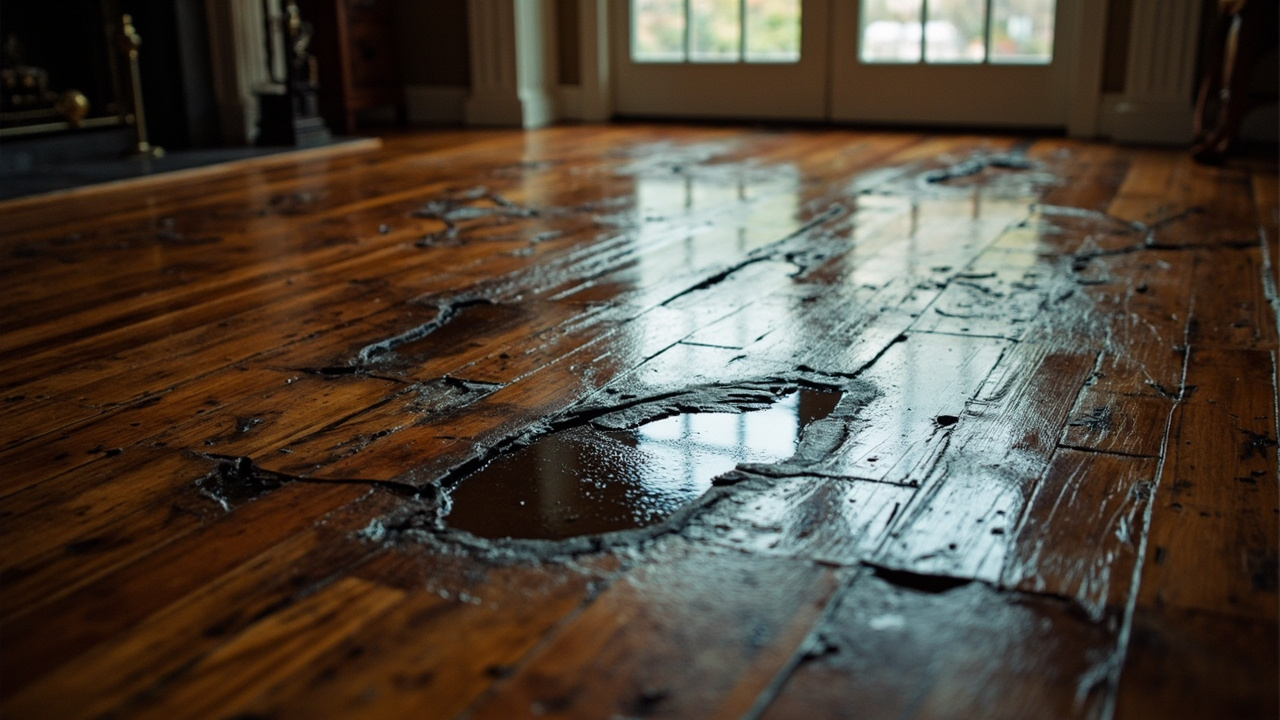
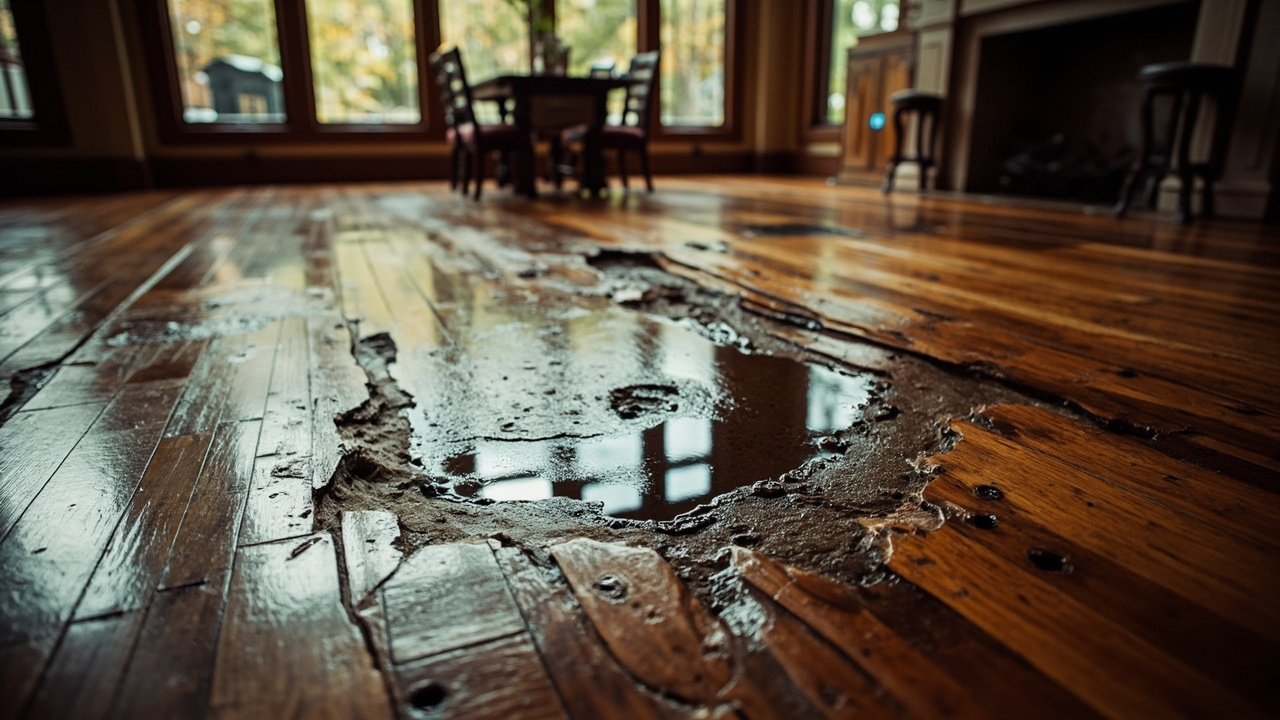
You notice the signs: floors feel spongy underfoot, gaps appear between boards, or worse, hardwood floor cupping where edges lift higher than the center. These symptoms mean moisture has penetrated the wood fibers. In Kansas City's humid climate, that moisture does not evaporate naturally. It sits, swells the wood, and creates conditions for mold colonization within 24 to 48 hours.

Water damaged wood floors in older Kansas City neighborhoods face additional challenges. Many historic homes in areas like Hyde Park and Midtown feature original oak or maple flooring that lacks modern moisture barriers. When water intrudes, it spreads laterally through the subfloor, affecting rooms beyond the initial leak source.

The damage accelerates faster here than in arid climates. What starts as surface water becomes structural compromise. Boards warp, nails loosen, and the subfloor delaminates. Wood floor water damage repair becomes urgent because every hour of moisture exposure increases restoration complexity and reduces the chance of saving your original flooring.

Why Kansas City Hardwood Floors Face Unique Water Damage Risks
Our Systematic Approach to Drying Hardwood Floors and Preventing Permanent Damage

Our Systematic Approach to Drying Hardwood Floors and Preventing Permanent Damage

Saving water damaged wood floors requires precision, not guesswork. A Plus Water Damage Restoration Kansas City uses moisture mapping technology to identify saturation levels in both surface flooring and subfloor materials. We measure moisture content using pin-type and pinless meters, establishing baseline readings that guide our drying strategy.

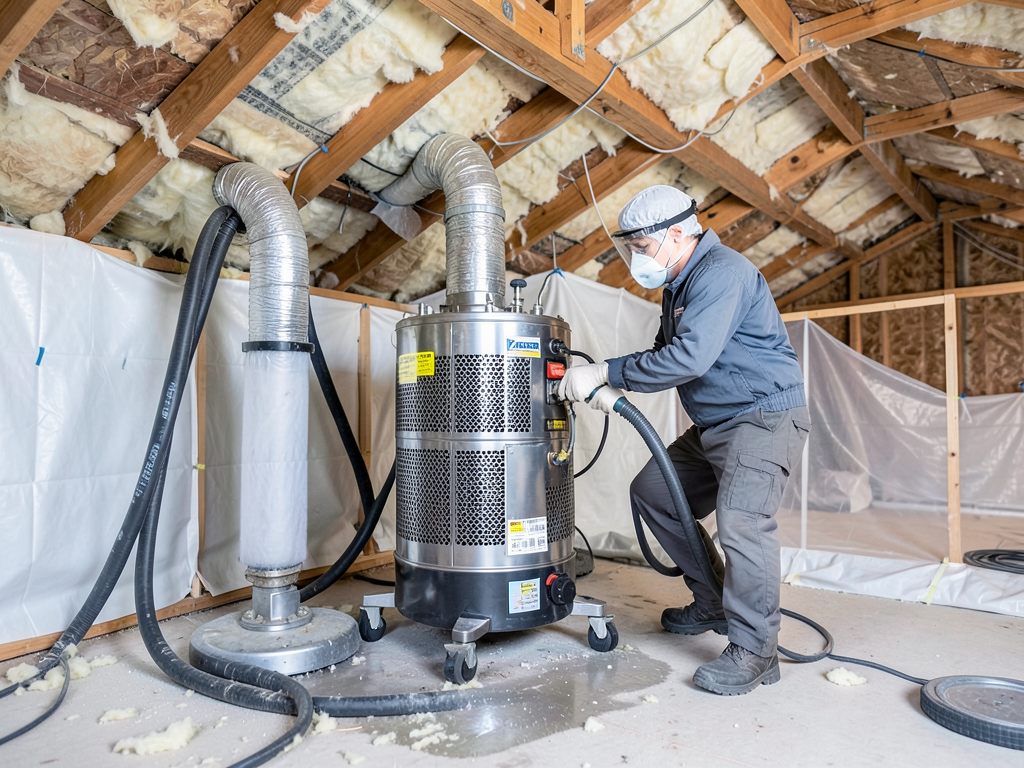
The key to successful wood floor water damage repair is controlled drying. Remove moisture too fast, and you create checking and cracking. Too slow, and mold takes hold. We place commercial dehumidifiers and air movers in calculated positions based on cubic footage, moisture load, and airflow patterns. This is not about pointing fans at wet spots. It is about creating a drying chamber that pulls moisture from wood fibers at the optimal rate.

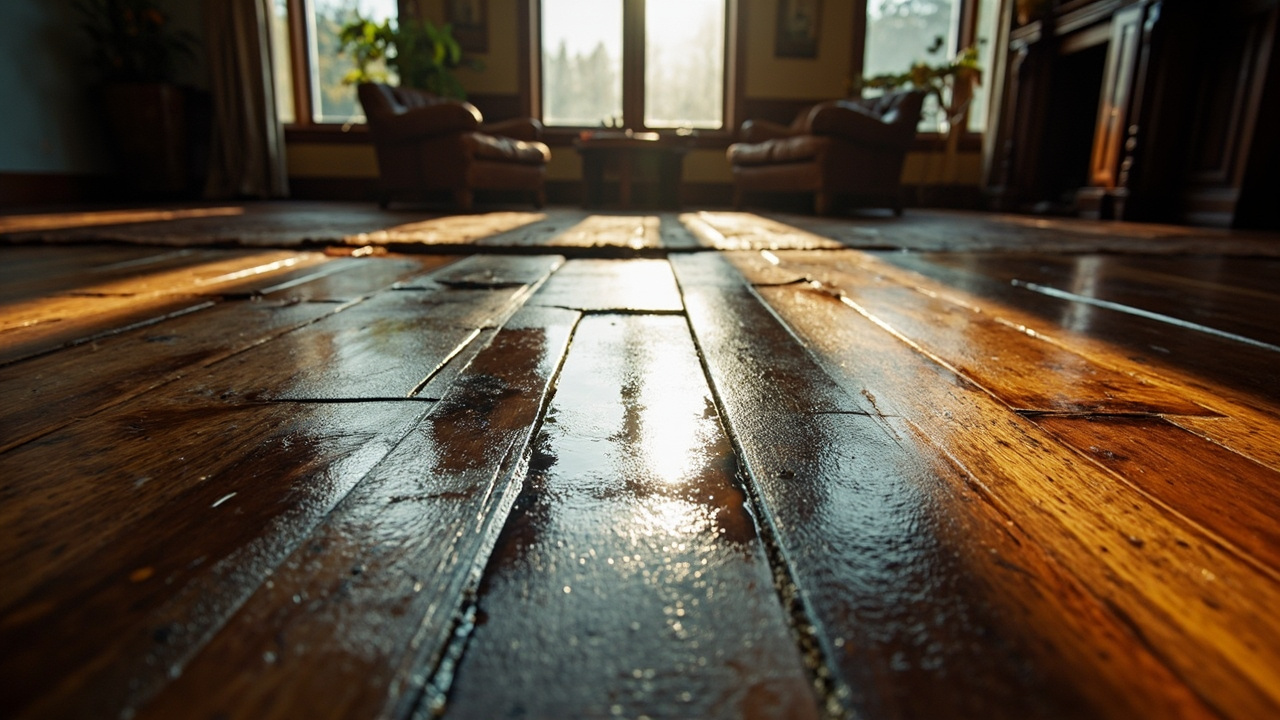
For hardwood floor cupping, we address the moisture differential between the top and bottom of each board. Water typically enters from below, causing the bottom to swell more than the top, lifting the edges. We use mat drying systems that create negative pressure zones, pulling moisture down and out through the subfloor rather than forcing it up through the finished surface.

When drying hardwood floors in Kansas City homes, we account for ambient humidity. Running dehumidifiers in July when outdoor humidity hits 80% means we're fighting a constant influx of moisture. We seal the work area and condition the air to maintain target humidity levels between 30% and 50%, the range where wood releases moisture efficiently without stress damage.

We monitor progress with daily moisture readings at multiple test points. When readings stabilize within acceptable ranges for 48 consecutive hours, we know drying is complete. Then we assess whether boards need sanding and refinishing or if more invasive replacement is necessary. That decision comes from data, not assumptions.


What Happens During Professional Hardwood Floor Water Damage Restoration

Hardwood Floor Water Damage in Kansas City – Expert Restoration That Saves Your Investment
01

Emergency Water Extraction

We arrive with truck-mounted extraction units that remove standing water within minutes. Speed matters because every gallon that soaks deeper into your subfloor increases drying time and repair scope. We extract from floor surfaces, between boards, and from subflooring voids. Our weighted extraction tools apply pressure while pulling water, recovering moisture that standard wet vacuums miss. This first-hour response determines whether your hardwood survives or requires replacement.
02

Controlled Environment Drying

After extraction, we install industrial dehumidifiers rated for the cubic footage of your affected space. Air movers create circulation patterns that prevent dead zones where moisture stagnates. We monitor temperature and humidity continuously, adjusting equipment placement as moisture levels drop. In Kansas City homes with crawl spaces, we often place additional equipment below floors to address moisture from both sides. This phase typically runs three to seven days depending on initial saturation levels and wood species.
03

Inspection and Final Assessment

Once moisture readings reach equilibrium with surrounding materials, we conduct a comprehensive floor inspection. We check for remaining cupping, crown development, and finish adhesion. Many floors that appeared ruined when wet return to near-original condition after proper drying. We provide documentation of final moisture levels and detailed recommendations for refinishing or board replacement. You receive a clear scope of remaining work with no surprises. This transparency helps you make informed decisions about restoration versus replacement.

Why Kansas City Property Owners Choose A Plus Water Damage Restoration for Wet Hardwood Flooring Emergencies

Kansas City's housing stock includes everything from 1920s Craftsman bungalows to modern loft conversions in the Crossroads Arts District. Each building type presents unique water damage challenges. We have restored hardwood floors in historic homes where original tongue-and-groove oak required delicate handling, and in newer construction where engineered flooring demanded different drying protocols.

Local knowledge matters. We understand that homes north of the river in Gladstone and North Kansas City often have lower crawl spaces prone to groundwater intrusion during spring storms. Properties in Leawood and Prairie Village frequently feature finished basements where water damage affects multiple floor levels simultaneously. This geographic familiarity allows us to anticipate complications before they appear.

Our technicians hold IICRC Water Damage Restoration certification and participate in ongoing training specific to hardwood floor drying. We know the difference between solid hardwood that can withstand aggressive drying and engineered products that require gentler approaches. We recognize when cupping will self-correct during drying and when it indicates permanent damage requiring replacement.

We work directly with insurance adjusters throughout the Kansas City metro. Our documentation meets carrier requirements for claim processing, and our estimates align with Xactimate pricing used by major insurers. This coordination reduces your stress during an already difficult situation.

Equipment capacity separates professional restoration from amateur efforts. We maintain an inventory of commercial-grade dehumidifiers, air movers, and moisture detection tools sized for jobs ranging from single-room incidents to whole-house flooding. When your neighbor's DIY approach fails after three days of running box fans, we arrive with the industrial equipment needed to finish the job correctly.

Response time determines outcomes. We dispatch crews within two hours of your call, arriving with extraction equipment ready to deploy immediately. That speed prevents secondary damage and often makes the difference between saving your floors and replacing them.

What to Expect During Your Hardwood Floor Water Damage Restoration Project

Rapid Emergency Response

We answer calls 24 hours a day, seven days a week, because water damage does not wait for business hours. When you contact us, a live person answers and dispatches a crew to your Kansas City location within two hours. Our trucks carry extraction equipment, moisture meters, and initial drying equipment so we can begin mitigation immediately upon arrival. You receive a preliminary damage assessment on-site, followed by a detailed scope and estimate within 24 hours. This rapid response timeline is critical for wet hardwood flooring because the first six hours determine whether moisture penetrates the subfloor and spreads to adjacent rooms.

Comprehensive Moisture Assessment

Our initial inspection maps moisture distribution across your affected floors and into surrounding materials. We test moisture levels in hardwood, subfloor, baseboards, drywall, and insulation to understand the full extent of water intrusion. This assessment uses both invasive pin meters that penetrate wood fibers and non-invasive scanners that detect moisture without marking finished surfaces. We document findings with photos and moisture readings, creating a baseline for tracking drying progress. This data-driven approach eliminates guesswork and provides clear metrics for determining when drying is complete. You receive copies of all documentation for your records and insurance claims.

Professional-Grade Results

Proper hardwood floor water damage repair produces floors that return to their pre-loss condition or as close as wood characteristics allow. After drying, many cupped floors flatten naturally as moisture equalizes. We wait for this stabilization before recommending refinishing or replacement. When refinishing is appropriate, we connect you with trusted Kansas City flooring contractors who understand restored wood. When replacement is necessary, we provide detailed justification supported by moisture data and industry standards. The goal is always preservation when possible, replacement only when required. You receive floors that perform correctly and look right, not quick fixes that fail within months.

Post-Restoration Monitoring

After equipment removal, we schedule a follow-up inspection within two weeks to verify floors remain stable. Wood is hygroscopic, meaning it continuously exchanges moisture with surrounding air. Seasonal humidity changes in Kansas City can cause minor movement in restored floors during the first year. We provide guidance on maintaining appropriate indoor humidity levels using dehumidifiers in summer and humidifiers in winter to minimize this movement. If cupping reappears or new issues develop, we assess whether they result from incomplete drying or new moisture sources. This follow-up ensures the restoration holds and provides peace of mind that your investment is protected.

Frequently Asked Questions

You Have Questions,
We Have Answers

Can hardwood floors be repaired after water damage? +

Yes, hardwood floors can often be repaired after water damage, depending on severity and how fast you act. Minor surface water may only need drying and refinishing. Deep water penetration causing warping, cupping, or buckling requires board replacement. The key is speed. In Kansas City's humid climate, moisture spreads fast. Extract standing water immediately, remove wet flooring materials on top, and use industrial air movers and dehumidifiers. If water sat for over 48 hours, subfloor damage and mold growth become serious concerns. A professional assessment determines if repair or replacement is your best option.

What happens if hardwood floors get wet? +

When hardwood floors get wet, wood fibers absorb moisture and swell. You will see cupping, where board edges rise higher than centers, or crowning, where centers bulge. Prolonged exposure causes warping, buckling, and separation between planks. Kansas City's clay soil and seasonal humidity make basements prone to groundwater seepage, which accelerates damage. Finish coats may blister or peel. More dangerous is what you cannot see: water trapped in the subfloor breeding mold and rotting floor joists. Speed is critical. Extract water within 24 hours to prevent permanent structural damage and microbial growth.

How to flatten a wood floor after water damage? +

Flattening a warped wood floor after water damage requires professional drying equipment and patience. First, remove all standing water and surface moisture. Run commercial dehumidifiers and air movers continuously for 72 hours minimum. Monitor moisture content with a wood moisture meter until readings drop below 12 percent. Some cupping may self-correct as wood dries, but severe warping often requires sanding and refinishing once fully dry. Never sand wet or damp floors. In cases of extreme buckling common in Kansas City flood basements, individual boards need replacement. Subfloor moisture must also be addressed or warping returns.

Will insurance pay for water damage to a wood floor? +

Insurance coverage for water-damaged wood floors depends on the cause. Sudden and accidental events like burst pipes, appliance malfunctions, or storm roof leaks are typically covered under standard homeowners policies. Gradual damage from long-term leaks, poor maintenance, or flooding from external sources is not covered without separate flood insurance. Kansas City sits in a flood zone near the Missouri and Kansas Rivers, making flood policies critical. Document everything with photos and contact your insurer immediately. A professional restoration company can provide detailed damage assessments and work directly with your adjuster to maximize your claim.

How much does it cost to repair a water-damaged hardwood floor? +

Repair costs for water-damaged hardwood floors vary widely based on damage extent, wood type, and square footage. Minor drying and refinishing runs lower, while severe cases requiring subfloor replacement and new boards cost significantly more. Kansas City's older homes with original oak flooring face higher costs due to matching vintage materials. Factors include water source contamination, mold remediation needs, and disposal fees. Emergency extraction within the first 24 hours reduces total costs dramatically. Get multiple estimates from certified restoration professionals. Waiting increases damage exponentially, turning a manageable repair into a full replacement project.

Can mold grow under hardwood floors? +

Yes, mold grows aggressively under hardwood floors when moisture is trapped between the subfloor and flooring. Kansas City's high humidity, especially in basements and crawl spaces, creates ideal conditions. Mold spores colonize within 24 to 48 hours after water exposure. You may smell musty odors before seeing visible growth. Mold under flooring spreads to floor joists and wall cavities, creating health hazards and structural rot. Detecting it requires moisture meters and sometimes removing sample boards. Professional mold remediation includes antimicrobial treatments, HEPA air scrubbing, and complete drying. Never ignore water damage, even if floors look dry on top.

Will a one-time water leak cause mold? +

A one-time water leak can cause mold if moisture is not removed quickly and completely. Mold needs moisture, organic material, and warmth. Hardwood and wood subfloors provide food, and Kansas City's climate provides warmth and humidity. If water sits for 24 to 48 hours, mold begins colonizing. Even after surface drying, hidden moisture in subflooring, insulation, or wall cavities continues feeding growth. The key is rapid, thorough extraction and drying with commercial equipment. Surface mopping is not enough. Use moisture meters to confirm complete drying. One leak ignored turns into a mold remediation project costing thousands.

How long does it take for water to dry under hardwood floors? +

Drying time for water under hardwood floors ranges from three to seven days with professional equipment, longer without it. Variables include water volume, wood species, subfloor type, and ambient humidity. Kansas City's seasonal humidity slows natural evaporation. Industrial dehumidifiers and high-velocity air movers are required to pull moisture from between floorboards and subfloor layers. Moisture meters must confirm readings below 12 percent before repairs begin. Never rely on surface dryness. Trapped moisture continues damaging joists and breeding mold. DIY fans and open windows will not penetrate deep enough. Professional drying prevents permanent structural damage.

What do water-damaged hardwood floors look like? +

Water-damaged hardwood floors show visible cupping, where board edges curl upward creating ridges. Crowning is the opposite, with centers rising higher than edges. You will see dark staining, white mineral deposits, or finish delamination. Boards may separate, creating gaps, or buckle upward like tent peaks. In Kansas City homes, basement floors often show black mold spots or gray discoloration along seams. Soft spots indicate subfloor rot. Musty odors are a warning sign even without visible damage. The longer water sits, the more dramatic the distortion. Early intervention prevents these telltale signs from becoming permanent.

How to fix swollen hardwood floors? +

Fixing swollen hardwood floors starts with complete moisture removal using commercial dehumidifiers and air movers. Do not attempt repairs while wood is still wet. Once fully dried, minor swelling may self-correct as boards contract. Sand and refinish floors showing surface cupping after moisture levels stabilize below 12 percent. Severe swelling causing buckling or crowning requires replacing damaged boards. Kansas City's humidity means you must also address the moisture source, like basement seepage or plumbing leaks, or swelling returns. If subfloor damage exists, that layer needs repair first. Professional assessment prevents wasted effort on boards too damaged to save.

How Kansas City's River Valley Climate Accelerates Hardwood Floor Water Damage

Kansas City's position in the Missouri River valley creates a microclimate where humidity lingers longer than in surrounding areas. Summer dew points regularly reach the upper 60s, meaning overnight moisture condenses on any cool surface, including basement floors and lower-level hardwood. When water damage occurs during these humid months, the ambient moisture in your home actually slows natural evaporation, extending the window where mold can colonize wet hardwood. This makes professional drying equipment essential rather than optional. The controlled dehumidification we provide counteracts the humidity that box fans and open windows cannot overcome. Properties near the river bottoms in the West Bottoms or along Brush Creek face additional challenges where groundwater tables sit higher and foundation moisture is a constant factor.

Water Damage Restoration Services in The Kansas City Area

While we provide rapid mobile service throughout the entire Kansas City area, you can also view our general service area on the map. We are dedicated to being a local, accessible resource for all your water damage restoration needs, whether you're in the heart of the city or a surrounding community. Our team is always just a phone call away, ready to assist you with expertise and care, no matter where you are located within our service area.

Address:
A Plus Water Damage Restoration Kansas City, 1020 E Armour Blvd, Kansas City, MO, 64109

Additional Services We Offer

Our news updates

Latest Articles & News from The Blogs

How the hard water in Edwardsville is secretly shortening the life of your plumbing and appliances Hard water is more…

How the hard water in Edwardsville is secretly shortening the life of your plumbing and appliances

How the hard water in Edwardsville is secretly shortening the life of your plumbing and appliances Hard water is more…

How to protect your Weatherby Lake home from major water damage while you are away for the winter

How to protect your Weatherby Lake home from major water damage while you are away for the winter Winterizing your…

What every first-time buyer in Raymore needs to check for water damage before closing the deal

What every first-time buyer in Raymore needs to check for water damage before closing the deal Buying your first home…

Contact Us

Every hour matters when water threatens your hardwood floors. Contact A Plus Water Damage Restoration Kansas City at (816) 473-3833 right now for emergency response. We'll dispatch a crew to your location within two hours with the equipment needed to extract water and begin controlled drying immediately.