




Menu

Carpet Water Extraction in Kansas City – Fast Response to Prevent Mold and Subfloor Damage

Professional carpet water removal and flooded carpet extraction across the Kansas City metro, using truck-mounted equipment and thermal imaging to eliminate hidden moisture before mold takes hold.

Slider Image 1
Slider Image 2
Slider Image 3
Slider Image 4
Slider Image 5
Slider Image 7
Slider Image 8
Slider Image 9
Slider Image 10
Slider Image 11

Why Kansas City Homes Face Serious Carpet Water Damage Risks

Kansas City sits at the confluence of the Kansas and Missouri Rivers, and your carpets know it. The metro area averages 40 inches of rain annually, with peak flood risk from April through June when spring storms dump inches of water in hours. Combine that with aging plumbing infrastructure in neighborhoods like Westport and Hyde Park, and you have a recipe for wet carpet disasters.

When water soaks into carpet fibers, you have 24 to 48 hours before mold colonies begin forming in the padding and subfloor. The clay-heavy soil common throughout Kansas City expands and contracts with moisture, creating hydrostatic pressure that forces groundwater through basement foundation cracks. That water does not stop at concrete. It wicks up into carpet padding, where it sits trapped against your subfloor, creating the perfect anaerobic environment for black mold growth.

Basement flooding after heavy rain is not the only threat. Burst washing machine hoses, failed water heaters, and overflowing toilets account for the majority of emergency carpet water removal calls we receive in Kansas City. The longer water sits, the more it spreads. Carpet padding acts like a sponge, pulling water laterally across rooms and soaking into drywall at baseboards.

Professional wet carpet extraction removes standing water, but the real work happens below the surface. Moisture trapped in padding and subflooring requires industrial dehumidifiers, air movers, and moisture meters to verify complete drying. Skip these steps and you will smell mildew within a week. You will see visible mold within two.

Why Kansas City Homes Face Serious Carpet Water Damage Risks
How Truck-Mounted Extraction Systems Remove Water Carpet Cleaners Cannot Touch

How Truck-Mounted Extraction Systems Remove Water Carpet Cleaners Cannot Touch

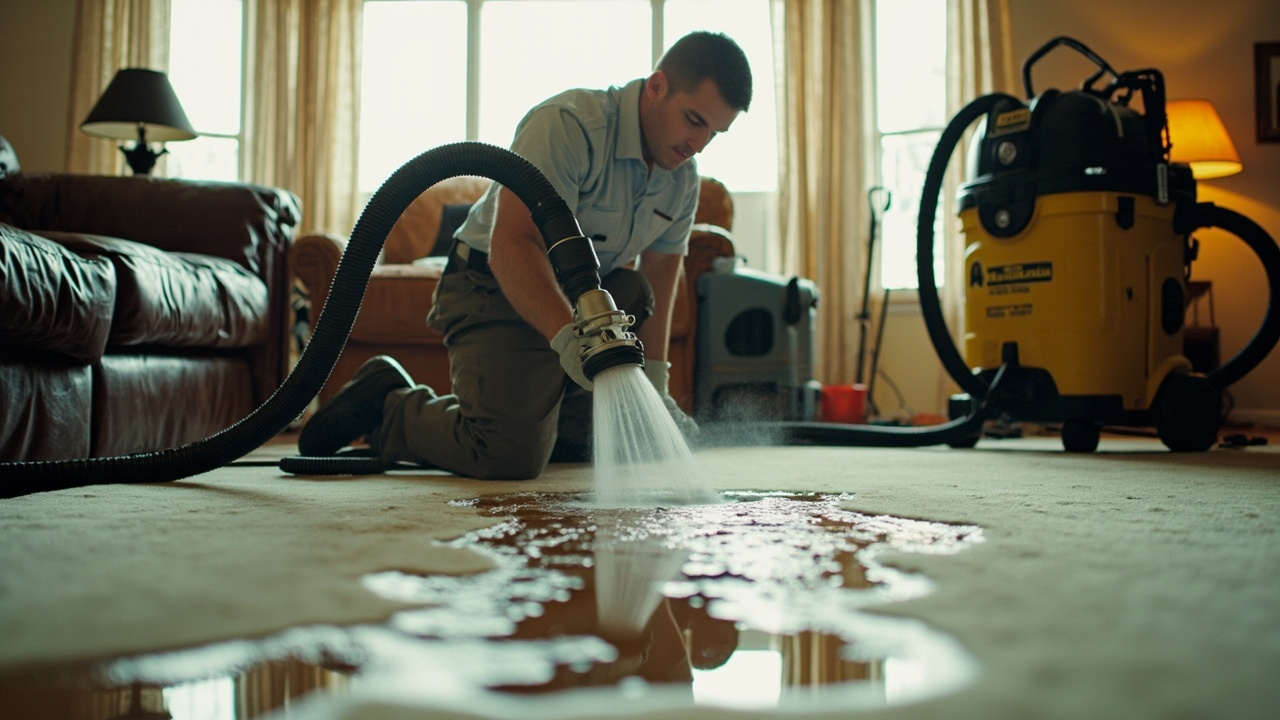
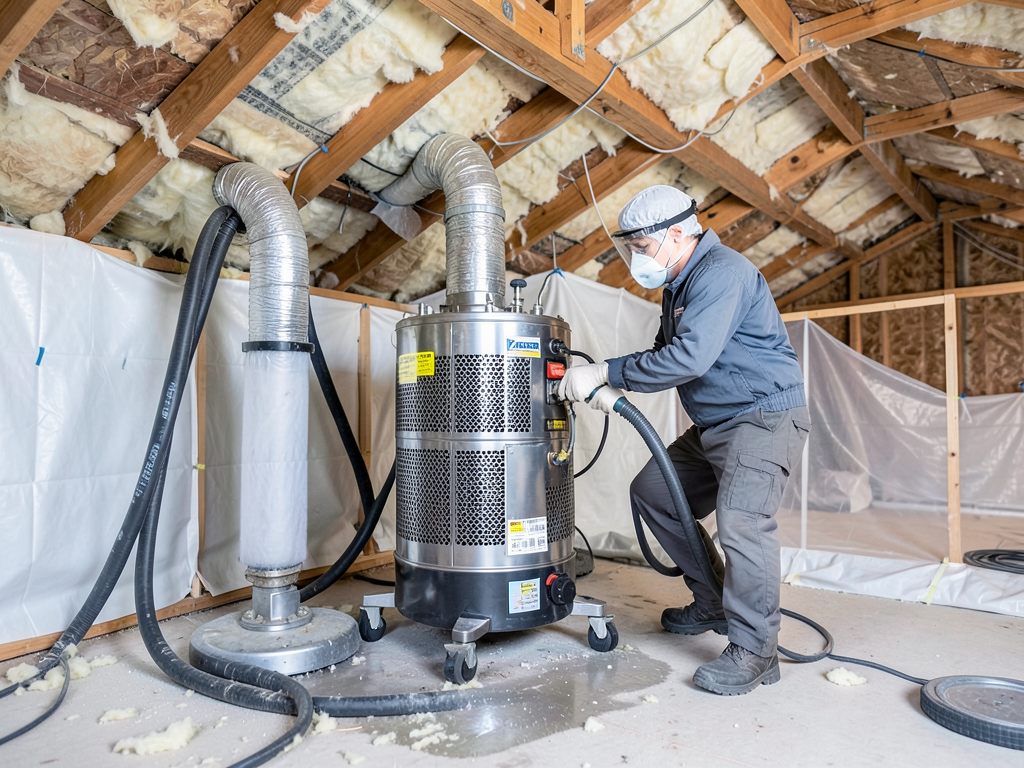
Carpet water extraction is not vacuuming. It is applied hydrology. When we arrive for flooded carpet extraction, we deploy truck-mounted extraction units that generate 400 to 600 inches of water lift. That is exponentially more powerful than any shop vac or portable carpet cleaner. These units pull water from deep within carpet fibers, through the backing, and out of the padding in a single pass.

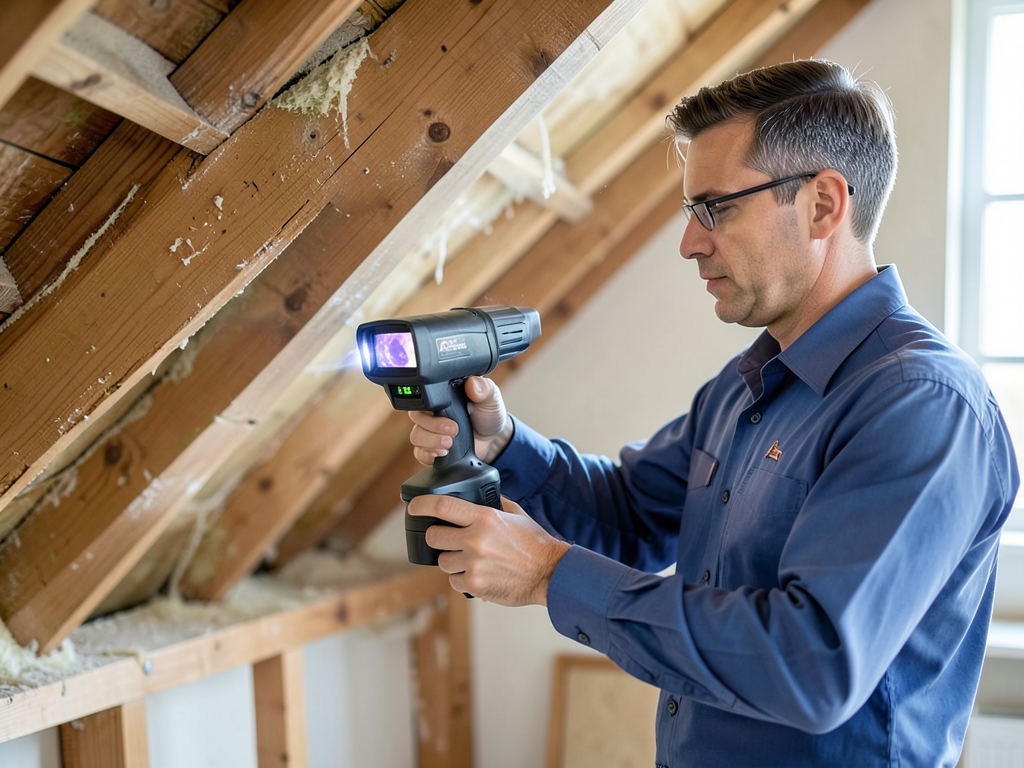
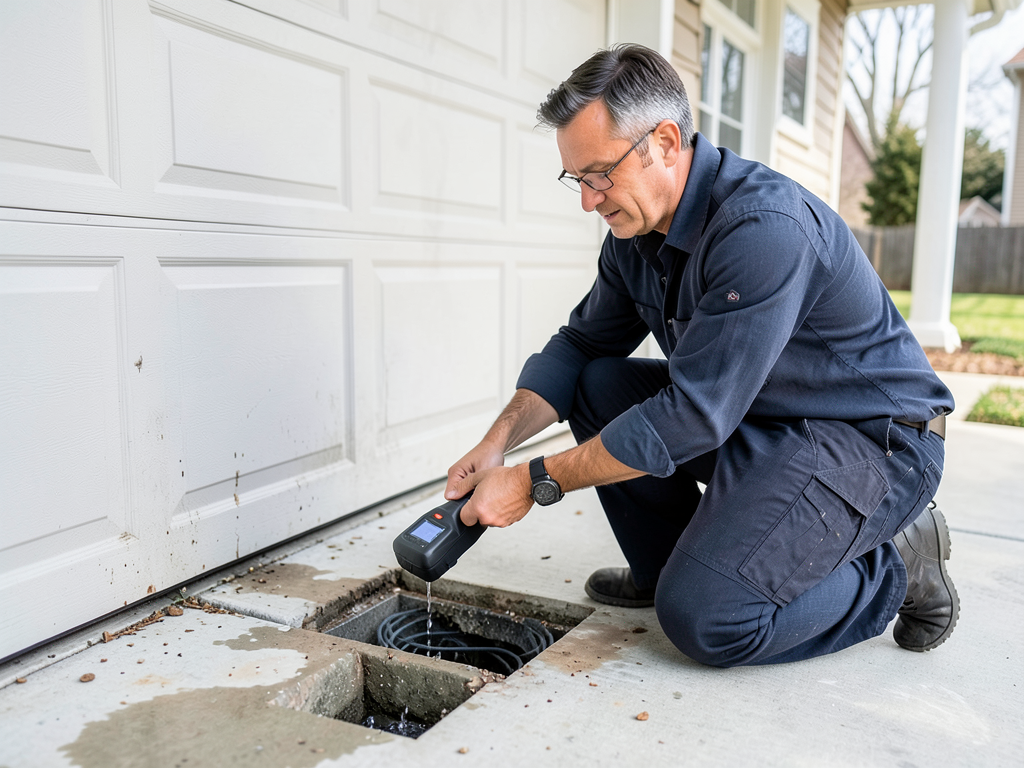
We start with moisture mapping using infrared thermal cameras. Water spreads beyond the visible wet area, migrating under baseboards and into adjacent rooms through carpet seams. The camera shows us the full saturation footprint so we know exactly where to extract and where to place drying equipment.

After initial extraction, we pull back carpet from tack strips to inspect the padding and subfloor. If padding is saturated, it comes out. Padding is cheap. Mold remediation and subfloor replacement are not. We measure subfloor moisture content with pin-type and pinless moisture meters. Any reading above 16 percent requires active drying.

Our drying protocol uses a combination of low-grain refrigerant dehumidifiers and high-velocity air movers positioned to create controlled airflow across wet surfaces. We are not just moving air around. We are engineering a drying chamber that reduces humidity and accelerates evaporation rates. We monitor progress with daily moisture readings until all materials reach equilibrium moisture content for Kansas City's climate zone.

Water damage carpet extraction also means treating for microbial growth. Even if you cannot see mold yet, contaminated water from sewage backups or river flooding introduces bacteria. We apply EPA-registered antimicrobials to all affected surfaces after extraction and before reinstallation.

What Happens During Professional Carpet Water Extraction

Carpet Water Extraction in Kansas City – Fast Response to Prevent Mold and Subfloor Damage
01

Emergency Water Removal

We arrive with truck-mounted extraction units and begin pulling water from carpet and padding immediately. Our technicians use weighted extraction wands to compress carpet fibers and force water up through backing material into collection tanks. We document moisture levels with thermal imaging and moisture meters to map the full extent of saturation beyond visible wet spots.
02

Padding and Subfloor Assessment

After initial extraction, we pull carpet back from tack strips to inspect padding and subfloor conditions. Saturated padding is removed and disposed of. We measure subfloor moisture content and check for warping or delamination. If hardwood or plywood subflooring shows readings above acceptable levels, we deploy floor drying systems with suction mats or inject heated air into joist cavities to accelerate evaporation.
03

Controlled Drying and Restoration

We position commercial dehumidifiers and air movers to create optimal drying conditions, monitoring humidity and temperature continuously. Drying typically takes 48 to 72 hours depending on water volume and material saturation. Once moisture readings return to normal ranges, we treat all surfaces with antimicrobial solutions, install new padding if needed, and restretch carpet back onto tack strips, leaving your floors clean and dry.

Why Kansas City Property Owners Choose Local Water Damage Specialists

Kansas City water damage requires Kansas City solutions. National franchise carpet cleaners lack the equipment and training for true emergency carpet water removal. They extract surface water and leave, sticking you with a wet padding problem that turns into a mold problem.

A Plus Water Damage Restoration Kansas City operates with full knowledge of local building codes and flood zone designations. Properties in the Blue River watershed face different risks than homes near Brush Creek. We know which neighborhoods sit in the 100-year floodplain and which streets flood when the storm sewers back up during heavy rain.

Our response time matters when water is actively spreading through your home. We dispatch teams from our Kansas City location, not a call center in another state routing you to the lowest bidder. When you call us for wet carpet extraction, you get a trained water damage technician, not a carpet cleaner with a rental machine.

We work directly with Kansas City-area insurance adjusters who know our documentation standards. Water damage claims require moisture logs, photo documentation, and equipment placement records. We provide that paper trail because we have processed hundreds of claims with the same local adjusters you will be assigned.

Local expertise also means understanding Kansas City construction methods. Homes built in the 1920s through 1940s in neighborhoods like Brookside and Waldo have hardwood subflooring that requires different drying techniques than modern plywood. Ranch homes from the 1960s and 1970s in Raytown and Blue Springs often have concrete slab foundations with carpet glued directly to concrete, eliminating padding but creating challenges for moisture migration.

We know what we are looking at when we pull back your carpet because we have worked on thousands of Kansas City properties.

What to Expect When You Call for Carpet Water Extraction

Emergency Response Time

We dispatch teams 24 hours a day, 7 days a week across the Kansas City metro. Most emergency carpet water removal calls receive a technician on site within 60 to 90 minutes during normal conditions. Response time matters because every hour of delay allows water to spread deeper into building materials and increases the likelihood of secondary damage. When you call our emergency line, you speak directly to dispatch, not an answering service. We provide an estimated arrival window and call en route to confirm access.

Initial Assessment and Moisture Mapping

Our technicians arrive with thermal imaging cameras and moisture detection equipment to map the full extent of water damage before beginning extraction. This assessment identifies hidden moisture in walls, under baseboards, and in subflooring that you cannot see or feel. We document moisture levels in multiple locations and material types, creating a baseline for tracking drying progress. You receive a written scope of work detailing what materials require extraction, drying, or removal. This documentation supports insurance claims and ensures nothing gets missed during restoration.

Complete Moisture Removal

Flooded carpet extraction is not complete when visible water is gone. Our goal is returning all building materials to their pre-loss moisture content, verified with moisture meter readings. We use truck-mounted extraction units for initial water removal, then deploy industrial dehumidifiers and air movers for 48 to 72 hours of controlled drying. Technicians return daily to check moisture levels and adjust equipment placement. You receive a certificate of completion with final moisture readings documenting that your property is fully dry and ready for normal use.

Post-Extraction Monitoring

After carpet reinstallation, we provide guidance on monitoring for signs of recurring moisture or mold growth. While our drying process eliminates moisture, the source of water intrusion may require separate repairs. We identify likely causes like foundation cracks, plumbing leaks, or poor drainage and recommend appropriate contractors when needed. If you notice musty odors or new water stains within 30 days of service, we return to reassess at no additional diagnostic charge. Proper water damage restoration means ensuring the problem stays fixed.

Frequently Asked Questions

You Have Questions,
We Have Answers

How to extract water from carpet? +

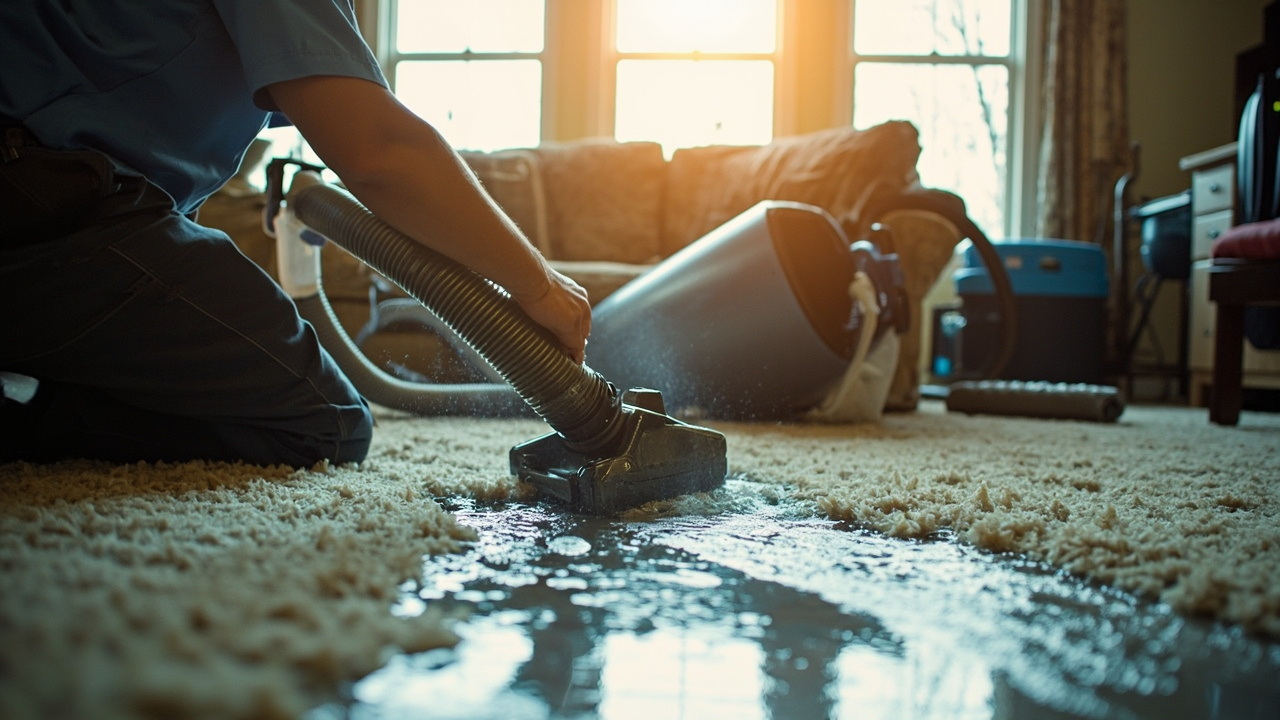
Start by removing all furniture and soaking up standing water with towels. A wet vacuum is your first tool. Work in overlapping passes and empty the tank frequently. For Kansas City's humid climate, set up air movers and dehumidifiers immediately to prevent mold growth. Pull back carpet edges to dry the padding underneath. If water has soaked through to the subfloor or padding, professional extraction is necessary. DIY methods work for small spills, but sewage backup or flooding requires certified technicians with truck-mounted extractors and moisture meters to ensure complete drying.

How much does it cost to extract water from carpet? +

Carpet water extraction in Kansas City typically ranges based on the water category, affected square footage, and drying complexity. Clean water from a supply line costs less than sewage backup. Your insurance often covers water damage minus your deductible. Professionals assess the damage, measure moisture levels, and provide a written estimate. Factors affecting price include padding replacement, antimicrobial treatment, and drying time. Waiting too long increases costs because mold remediation adds expense. Get multiple quotes, but prioritize certified technicians with thermal imaging and moisture detection tools over the cheapest bid.

Is an extractor better than a carpet cleaner? +

An extractor removes water, while a carpet cleaner injects cleaning solution and extracts dirt. For water damage, you need a water extraction unit with stronger suction and larger tank capacity. Carpet cleaners are not designed for flooding scenarios. Professional extractors use truck-mounted systems generating high vacuum pressure to pull water from deep within carpet fibers and padding. Kansas City's humidity makes complete extraction critical. A standard carpet cleaner will leave too much moisture behind, creating ideal conditions for mold growth within 24 to 48 hours. Use the right tool for the job.

Does Stanley Steemer get water out of carpet? +

Stanley Steemer offers carpet cleaning services, but their focus is routine maintenance, not emergency water damage restoration. For flooding or significant water intrusion in Kansas City, you need a certified water damage restoration company with IICRC training, industrial extractors, air movers, and dehumidifiers. Restoration specialists document moisture levels, work with your insurance, and follow drying protocols to prevent mold. While Stanley Steemer can clean carpets after water extraction is complete, they do not typically provide emergency flood response, structural drying, or the comprehensive moisture monitoring required for insurance claims.

How long can carpet be wet before mold? +

Mold can begin growing on wet carpet within 24 to 48 hours, especially in Kansas City's humid summers. The timeline depends on temperature, humidity levels, and water category. Clean water has a slightly longer window than sewage backup. Once mold starts, it spreads quickly through carpet fibers, padding, and into drywall. You cannot always see mold growth initially. Musty odors indicate spore activity. The only way to prevent mold is immediate water extraction, thorough drying with dehumidifiers and air movers, and continuous moisture monitoring until levels drop below 15 percent.

What tool is used to get water out of carpet? +

Professionals use truck-mounted water extractors that generate powerful vacuum suction to pull water from carpet and padding. Portable extractors work for smaller areas. Air movers create airflow to accelerate evaporation, while dehumidifiers remove moisture from the air. Moisture meters and thermal imaging cameras detect hidden water pockets in padding and subfloors. Injection extractors push clean water through fibers and extract simultaneously for cleaning after water removal. In Kansas City, dehumidifiers are critical because high humidity slows natural drying. DIY shop vacuums and fans cannot match professional equipment speed or effectiveness.

Is it worth buying a house with water damage? +

It depends on the extent of damage, how it was repaired, and disclosure transparency. Water damage in Kansas City homes can compromise structural integrity, create hidden mold, and indicate recurring drainage problems from clay soil or poor grading. Hire a certified home inspector and mold assessor before buying. Review repair documentation and warranty details. Check for musty odors, stained ceilings, buckled floors, and foundation cracks. If repairs were done correctly with proper drying and mold remediation, the home can be safe. Demand a lower price reflecting the risk and potential future repairs.

How long does it take for water to damage carpet? +

Carpet begins absorbing water immediately on contact. Within 10 minutes, water soaks through fibers into padding. After one hour, padding is saturated and water reaches the subfloor. By 24 hours, mold spores activate in Kansas City's humidity. Dyes may bleed, causing permanent staining. Delamination starts when adhesive bonds break down between backing layers. After 48 hours, carpet replacement is often necessary due to mold contamination and structural breakdown. Clean water causes less damage than sewage backup, but every minute counts. Start extraction within the first few hours for best recovery chances.

How much for water extraction? +

Water extraction pricing in Kansas City depends on water source, square footage, and damage severity. Professionals charge based on affected area size, equipment needed, and drying time. Insurance typically covers water damage extraction minus your deductible. Emergency response may include additional fees for after-hours service. The estimate includes water removal, drying equipment setup, moisture monitoring, and antimicrobial treatment if needed. Delaying extraction increases costs because mold remediation and structural repairs add expense. Get a detailed written estimate before work begins, and confirm the company works directly with your insurance adjuster to streamline claims.

How do professionals get dog pee out of carpet? +

Professionals use enzymatic cleaners that break down uric acid crystals in pet urine. The process starts with black light inspection to locate all contaminated areas. Hot water extraction rinses fibers, followed by enzyme treatment that digests organic waste. Subfloor sealing may be necessary if urine soaked through padding. In Kansas City homes, humidity can reactivate old urine odors. Professionals use hydroxyl generators or ozone machines to neutralize remaining smells. Padding replacement is often required for severe contamination. DIY store-bought products mask odors temporarily but do not eliminate the source like professional enzyme treatments.

How Kansas City's Clay Soil and Seasonal Flooding Affect Carpet Water Damage

Kansas City sits on expansive clay soil that swells when wet and shrinks when dry, creating cyclical foundation stress. During spring and early summer, when the metro receives its heaviest rainfall, clay soil becomes saturated and exerts hydrostatic pressure against basement walls. That pressure forces groundwater through foundation cracks and up through basement floor slabs. The result is chronic basement moisture that soaks into carpet padding and creates recurring wet carpet problems in neighborhoods across both sides of the state line. Professional carpet water extraction addresses the immediate water, but long-term solutions require understanding how local soil mechanics contribute to water intrusion.

Water damage restoration in Kansas City means working within the reality of our flood-prone geography. Properties near Brush Creek, the Blue River, and the Missouri River floodplain face elevated risk during severe weather events. Local building codes require specific moisture barriers and drainage systems in flood zones, but older homes predate these requirements. A Plus Water Damage Restoration Kansas City understands local construction methods, flood zone designations, and the insurance claim documentation required by adjusters who work this market daily. When you need emergency carpet water removal, local expertise matters.
Water Damage Restoration Services in The Kansas City Area

While we provide rapid mobile service throughout the entire Kansas City area, you can also view our general service area on the map. We are dedicated to being a local, accessible resource for all your water damage restoration needs, whether you're in the heart of the city or a surrounding community. Our team is always just a phone call away, ready to assist you with expertise and care, no matter where you are located within our service area.

Address:
A Plus Water Damage Restoration Kansas City, 1020 E Armour Blvd, Kansas City, MO, 64109

Additional Services We Offer

Our news updates

Latest Articles & News from The Blogs

How the hard water in Edwardsville is secretly shortening the life of your plumbing and appliances Hard water is more…

How the hard water in Edwardsville is secretly shortening the life of your plumbing and appliances

How the hard water in Edwardsville is secretly shortening the life of your plumbing and appliances Hard water is more…

How to protect your Weatherby Lake home from major water damage while you are away for the winter

How to protect your Weatherby Lake home from major water damage while you are away for the winter Winterizing your…

What every first-time buyer in Raymore needs to check for water damage before closing the deal

What every first-time buyer in Raymore needs to check for water damage before closing the deal Buying your first home…

Contact Us

Water damage spreads fast. Mold grows faster. Call (816) 473-3833 now for immediate dispatch. Our carpet water extraction teams respond 24/7 across Kansas City with the equipment and expertise to stop water damage before it becomes structural damage.