



Menu

Fire Damage Safety Checklist in Kansas City – Expert Protocol to Protect Your Family and Property After a Fire

Navigate post-fire hazards with confidence using A Plus Water Damage Restoration Kansas City's comprehensive fire damage safety protocol, designed to identify structural risks, air quality threats, and water damage hidden in the aftermath.

Slider Image 1
Slider Image 2
Slider Image 3
Slider Image 4
Slider Image 5
Slider Image 7
Slider Image 8
Slider Image 9
Slider Image 10
Slider Image 11

Why Kansas City Fire Survivors Face Hidden Dangers Long After the Flames Are Out

A fire is out, but your problems have just begun. Kansas City homes face a unique convergence of post-fire threats. Our freeze-thaw cycles weaken already compromised structural members. High humidity accelerates mold colonization in charred materials. Water used during suppression seeps into crawl spaces built on Kansas City's expansive clay soil, creating long-term foundation instability.

You walk into a home that looks salvageable. The walls are standing. The roof held. But soot particles contain carcinogens. Synthetic materials in carpets and furniture released toxins during combustion. Fire suppression water is now pooling in your HVAC system, creating a microbial breeding ground. Electrical systems expose you to shock and fire risk even days after the incident.

Post-fire safety steps are not optional. After fire safety precautions prevent secondary injury, illness, and catastrophic structural failure. A post-fire hazard checklist addresses what you can see and what you cannot. Charred floor joists may appear intact but have lost 70% of their load-bearing capacity. Drywall contains moisture that will bloom into black mold in 48 hours.

Kansas City's older housing stock in neighborhoods like Hyde Park and Westport adds complexity. Balloon framing common in pre-1940s construction allows fire and smoke to travel vertically through wall cavities. Knob-and-tube wiring, still present in many historic districts, becomes a live threat when insulation burns away.

A fire recovery safety guide tailored to Kansas City addresses these compounding variables. Your fire damage safety protocol must account for local construction methods, climate factors, and the specific contaminants released during your fire. Generic checklists fail because they ignore the conditions that make Kansas City recoveries different.

Why Kansas City Fire Survivors Face Hidden Dangers Long After the Flames Are Out
How We Build a Fire Damage Safety Protocol That Addresses Every Threat Vector

How We Build a Fire Damage Safety Protocol That Addresses Every Threat Vector

Our post-fire hazard checklist begins with air quality sampling. We deploy photoionization detectors to measure volatile organic compounds released from burned synthetics. Particulate counters identify respirable soot concentrations. If your fire involved plastics, foam insulation, or treated lumber, the air contains formaldehyde, benzene, and polycyclic aromatic hydrocarbons. We quantify these threats before you enter.

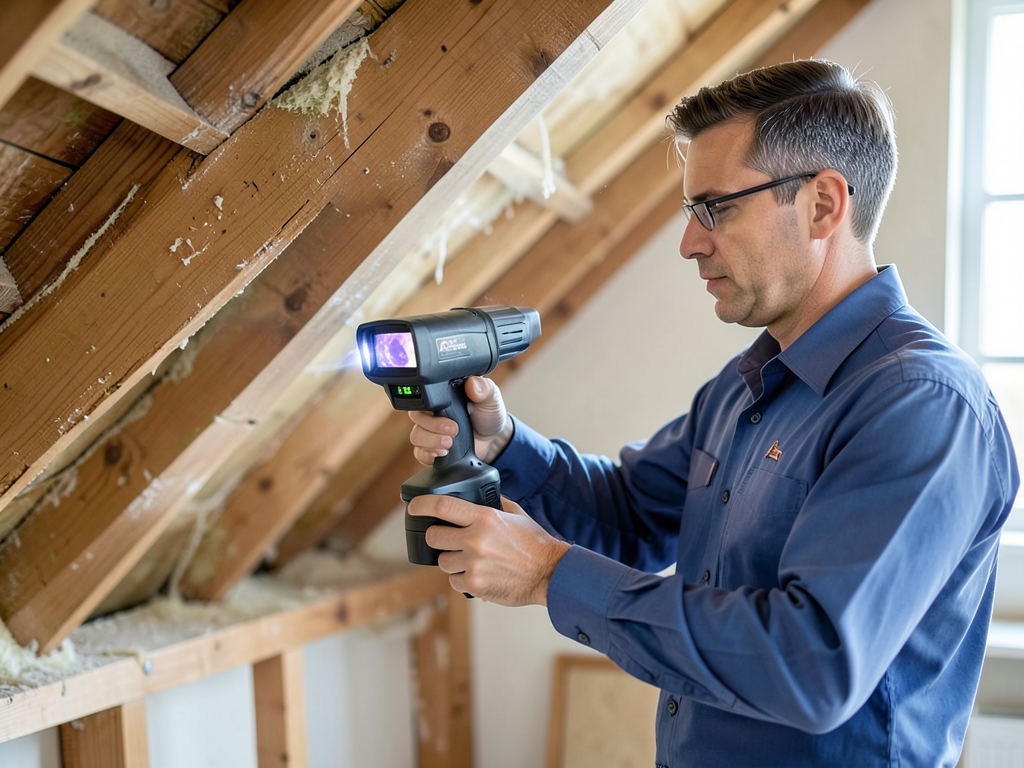
Structural integrity assessment comes next. We use moisture meters to map water intrusion in framing members. Infrared thermography reveals hidden hotspots where combustion continues in wall cavities or attic spaces. A fire can smolder for days in cellulose insulation. We probe load-bearing beams with resistance testing to measure char depth and remaining structural capacity.

Electrical systems require isolated evaluation. We measure voltage drop across circuits to identify damaged conductors. Breaker panels exposed to heat lose calibration. A 20-amp breaker may now trip at 35 amps or not trip at all. We test ground-fault protection and verify that suppression water has not created short-circuit pathways through soaked insulation.

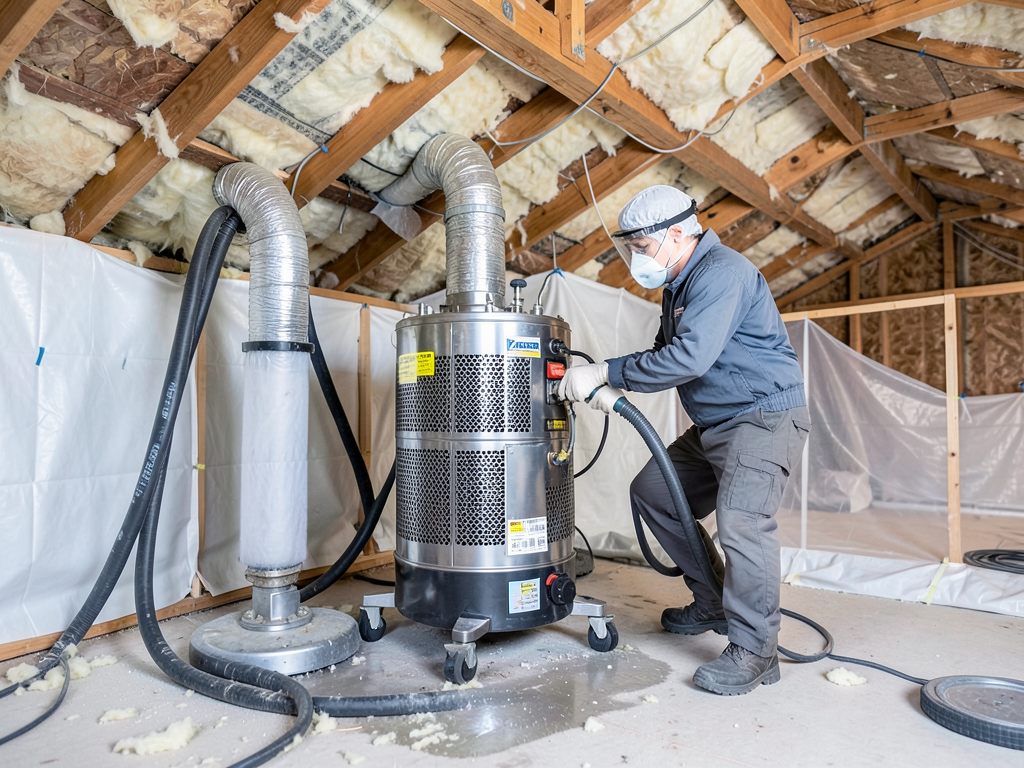
Water damage from suppression creates secondary hazards. Kansas City's humid summers accelerate microbial amplification. We extract standing water, measure substrate moisture content, and deploy desiccant dehumidifiers to drop relative humidity below 50%. This halts mold spore germination. We document moisture levels with hygrometers calibrated to IICRC S500 standards.

Your fire recovery safety guide includes contamination mapping. We swab surfaces for pathogen presence, test HVAC ducts for particulate loading, and inspect food storage areas for thermal damage. Canned goods exposed to temperatures above 150 degrees are unsafe. We verify appliance integrity and check that fire suppression chemicals have not contaminated potable water lines.

What Happens During Your Post-Fire Safety Assessment in Kansas City

Fire Damage Safety Checklist in Kansas City – Expert Protocol to Protect Your Family and Property After a Fire
01

Initial Site Lockdown

We establish a contamination control perimeter around your property. Entry points are sealed with polyethylene sheeting. Negative air pressure prevents airborne particulates from spreading to unaffected areas. We verify that utilities are disconnected or isolated. Gas lines are capped. Electrical service is de-energized at the meter. Water supply is shut off to prevent contamination of municipal lines. No one enters without proper respiratory protection and protective clothing.
02

Comprehensive Hazard Mapping

Our technicians move through the structure in zones. Each room receives a numbered designation. We photograph and document visible damage, test air quality, measure surface contamination, and probe structural members. Data is recorded in real time on tablets synced to our central database. You receive a color-coded floor plan showing red zones that are unsafe for occupancy, yellow zones requiring remediation, and green zones that passed safety thresholds.
03

Actionable Safety Report

Within 24 hours, you receive a written fire damage safety protocol specific to your property. This document includes photographs, test results, and prioritized action steps. Critical safety hazards are flagged for immediate attention. Structural repairs are sequenced to restore load paths before cosmetic work begins. We provide contractor referrals for electrical, plumbing, and structural work outside our scope. Insurance adjusters use this report to validate claims and establish scope of loss.

Why Kansas City Homeowners Trust A Plus Water Damage Restoration for Post-Fire Safety Assessments

You need someone who knows Kansas City construction. We understand that homes built before 1950 in areas like the Northeast Historic District have plaster over wood lath. Fire compromises the mechanical key that holds plaster to lath. Ceilings can collapse days after a fire when moisture from suppression water softens the gypsum binder. We test ceilings for deflection and delamination that a visual inspection misses.

We know Kansas City's municipal code requirements. Fire-damaged structures require permits for electrical and plumbing repairs. Load-bearing wall repairs require engineered drawings stamped by a Kansas-licensed professional engineer. We coordinate with the Kansas City Building Department to ensure your repairs meet code and pass inspection. We have relationships with local structural engineers who provide stamped letters within 48 hours.

Our equipment is calibrated and maintained to manufacturer specifications. Moisture meters are verified against NIST-traceable standards every 90 days. Our thermal cameras are calibrated to accuracy within 2% of reading. Gas detectors are bump-tested daily and calibrated monthly. When we give you a number, you can trust it.

We have worked with every major insurance carrier operating in the Kansas City metro. We know what documentation they require. We photograph everything. We provide itemized estimates that match Xactimate line items. We attend adjuster meetings and explain technical findings in language that supports your claim. Insurance companies respect our reports because our methodology is defensible.

Our technicians hold IICRC certifications in fire and smoke restoration, water damage restoration, and applied structural drying. We attend continuing education courses quarterly. We are not generalists. This is what we do every day. When you call A Plus Water Damage Restoration Kansas City, you get specialists who have seen every post-fire scenario this region presents.

What to Expect When You Request a Fire Damage Safety Checklist

Response Time and Availability

We dispatch to Kansas City properties within two hours of your call. Post-fire hazards escalate rapidly. Every hour delays increase contamination spread and structural degradation. We operate 24 hours a day because fire does not wait for business hours. Our technicians carry assessment equipment in their vehicles. We can begin initial safety evaluations immediately upon arrival. You do not wait days for an appointment. You get answers fast.

The Initial Safety Assessment

Our initial visit takes two to four hours depending on property size. We walk every accessible area. We test air quality in each room. We photograph damage from multiple angles. We measure moisture content in floors, walls, and ceilings. We inspect attic spaces and crawl spaces where hidden damage occurs. We test electrical panels and verify that suppression water has not compromised wiring. You receive verbal findings on-site and a written report within 24 hours.

The Deliverable You Receive

Your fire damage safety protocol arrives as a bound report with photographs, test data, and prioritized recommendations. Each hazard is explained in plain language. Technical data is included in appendices for contractors and engineers. You receive a digital copy you can email to your insurance adjuster immediately. The report includes contact information for licensed contractors we trust. You have a roadmap for safe recovery. You know what to fix first and why.

Follow-Up and Ongoing Support

We do not disappear after delivering your report. We remain available to answer contractor questions. We can return to re-test air quality after cleaning. We verify that moisture levels have dropped to acceptable ranges. We attend insurance adjuster meetings at no additional charge. If your adjuster disputes a finding, we provide supporting documentation and technical explanations. You have a partner through the entire recovery process, not just a one-time assessment.

Frequently Asked Questions

You Have Questions,
We Have Answers

What are the 5 E's of fire safety? +

The 5 E's of fire safety are Education, Enforcement, Engineering, Emergency Response, and Evaluation. Education trains people to recognize fire hazards. Enforcement ensures building codes and safety regulations are followed. Engineering involves designing fire-resistant structures and installing suppression systems. Emergency Response covers how firefighters and occupants react during a fire. Evaluation reviews fire incidents to improve future prevention. In Kansas City, older homes in neighborhoods like Hyde Park benefit from engineering upgrades, while enforcement keeps commercial properties compliant with Missouri fire codes. Understanding these five pillars helps property owners prevent fires and minimize damage.

What is a fire safety checklist? +

A fire safety checklist is a systematic tool that identifies fire hazards and verifies safety measures are in place. It covers smoke detector functionality, fire extinguisher placement, electrical wiring condition, heating equipment maintenance, and exit route accessibility. Kansas City homeowners should inspect chimneys before winter, check for overloaded circuits, and ensure dryer vents are clear. Commercial properties must verify sprinkler system operation and emergency lighting. The checklist helps you catch problems before they escalate. After a fire, restoration professionals use these checklists to assess structural integrity and safety before occupancy. Regular inspections reduce fire risk and protect your investment.

What are the 4 P's of fire safety? +

The 4 P's of fire safety are Prevention, Planning, Practice, and Protection. Prevention eliminates hazards like faulty wiring or combustible storage. Planning creates evacuation routes and designates meeting spots. Practice involves regular fire drills so occupants know what to do. Protection includes installing smoke alarms, sprinklers, and fire-rated doors. In Kansas City, where older buildings in areas like Westport lack modern fire suppression, the 4 P's become critical. Prevention stops fires from starting. Planning and Practice ensure safe evacuation. Protection systems buy time for escape and limit structural damage. Apply all four principles to safeguard your property.

What are the 7 layers of fire safety? +

The 7 layers of fire safety create defense in depth. They include Structural Fire Resistance (fire-rated walls and doors), Detection Systems (smoke and heat alarms), Suppression Systems (sprinklers and extinguishers), Compartmentation (fire barriers that contain spread), Evacuation Routes (clear exits), Fire Service Access (hydrant placement and building access), and Management Procedures (safety protocols and training). Kansas City buildings, particularly in historic districts, may lack some layers. Retrofitting older structures with detection and suppression systems compensates for weaker structural resistance. Each layer reduces fire risk independently. When combined, they provide comprehensive protection that limits damage and saves lives.

What are the 4 golden rules of fire safety? +

The 4 golden rules of fire safety are: stay calm, evacuate immediately, never go back inside, and call 911 from a safe location. Panic causes poor decisions. Evacuate low and fast, covering your mouth to avoid smoke inhalation. Once outside, stay outside even if you forgot valuables. Kansas City Fire Department response times average under six minutes in metro areas, but every second counts. Never assume someone else called 911. After firefighters declare the scene safe, contact a fire damage restoration company to assess structural integrity, remove smoke odor, and prevent secondary water damage from firefighting efforts.

What does 5 5 5 mean to a firefighter? +

The 5-5-5 rule means firefighters have approximately five minutes to rescue victims, five minutes before flashover occurs, and five minutes before structural collapse becomes likely. This timing drives aggressive interior attacks and rapid victim searches. For Kansas City property owners, this underscores why early detection matters. Smoke alarms provide those critical minutes for safe evacuation before conditions become unsurvivable. After a fire, structural assessment is urgent because weakened beams and compromised supports may fail without warning. The 5-5-5 timeline also explains why firefighting water damage is extensive. Speed saves lives but creates secondary restoration challenges you must address promptly.

What are the 10 fire safety rules? +

Ten essential fire safety rules include: install working smoke alarms on every level, test alarms monthly, keep fire extinguishers accessible, never leave cooking unattended, inspect electrical cords for damage, store flammables properly, maintain heating equipment annually, keep exits clear, create and practice an escape plan, and close doors at night to slow fire spread. Kansas City homes with basements should place alarms near stairs. Check furnaces before winter and clean dryer vents quarterly. Commercial properties must post evacuation maps and conduct drills. These rules prevent most residential fires. When fires do occur, following these practices reduces damage severity and saves lives.

What is a take 5 checklist? +

A Take 5 checklist is a workplace safety tool used before starting tasks. Workers spend five minutes identifying hazards, assessing risks, and planning controls. Fire-specific Take 5 checks include verifying hot work permits are active, confirming fire extinguishers are nearby, ensuring welding sparks cannot reach combustibles, checking that ventilation removes flammable vapors, and designating a fire watch. Kansas City commercial contractors use Take 5 before roofing torch work or electrical repairs. This brief pause prevents fires caused by rushed work. For property managers, requiring Take 5 compliance from contractors protects your building and reduces liability when maintenance or renovation work involves ignition sources.

What are the 3 A's of fire safety? +

The 3 A's of fire safety are Activate, Assist, and Attempt. Activate the fire alarm and call 911 immediately. Assist people who need help evacuating, but only if you can do so safely. Attempt to extinguish small fires with an extinguisher if you have clear exit access and training. In Kansas City office buildings and apartments, Activation triggers sprinkler systems and alerts occupants. Assist means guiding confused residents in smoke-filled hallways toward stairwells. Only Attempt firefighting if the fire is smaller than a wastebasket. If it grows, evacuate. These priorities save lives by emphasizing escape over property protection.

What is the 4 triangle of fire? +

The fire triangle has three sides, not four. It requires Heat, Fuel, and Oxygen. Remove any one element and fire cannot sustain. Heat ignites the fuel. Fuel provides combustible material. Oxygen supports combustion. Some sources add a fourth element, creating a fire tetrahedron that includes Chemical Reaction. This acknowledges that fire is a self-sustaining chemical process. Kansas City fire suppression uses this science. Water removes heat. Foam blankets eliminate oxygen. Fire-resistant building materials limit fuel. Understanding the fire triangle helps you prevent ignition by controlling these elements. Store flammables away from heat sources and maintain adequate ventilation to disperse combustible vapors.

How Kansas City's Climate and Construction Methods Complicate Fire Recovery Safety

Kansas City's summer humidity combines with winter freeze-thaw cycles to accelerate post-fire deterioration. Fire-damaged wood absorbs moisture rapidly during humid months. When temperatures drop, this moisture freezes and expands, splitting structural members that appeared sound. Homes built on Kansas City's expansive clay soil already experience seasonal foundation movement. Fire-weakened floor joists lose the rigidity needed to resist this movement. What starts as cosmetic cracking becomes structural failure within months. After fire safety precautions must account for these seasonal threats that do not exist in arid climates.

Our fire recovery safety guide incorporates knowledge of Kansas City's building history. We know that homes in Brookside and Waldo often have hidden balloon framing that allows smoke and contaminants to travel through walls into unaffected rooms. We know that properties in the River Market may have cast-iron plumbing that cracks when exposed to thermal shock from fire suppression water. Local contractors who lack this regional expertise miss hazards that later create liability. A Plus Water Damage Restoration Kansas City brings 15 years of metro-wide fire restoration experience to every post-fire hazard checklist we deliver.
Water Damage Restoration Services in The Kansas City Area

While we provide rapid mobile service throughout the entire Kansas City area, you can also view our general service area on the map. We are dedicated to being a local, accessible resource for all your water damage restoration needs, whether you're in the heart of the city or a surrounding community. Our team is always just a phone call away, ready to assist you with expertise and care, no matter where you are located within our service area.

Address:
A Plus Water Damage Restoration Kansas City, 1020 E Armour Blvd, Kansas City, MO, 64109

Additional Services We Offer

Our news updates

Latest Articles & News from The Blogs

How the hard water in Edwardsville is secretly shortening the life of your plumbing and appliances Hard water is more…

How the hard water in Edwardsville is secretly shortening the life of your plumbing and appliances

How the hard water in Edwardsville is secretly shortening the life of your plumbing and appliances Hard water is more…

How to protect your Weatherby Lake home from major water damage while you are away for the winter

How to protect your Weatherby Lake home from major water damage while you are away for the winter Winterizing your…

What every first-time buyer in Raymore needs to check for water damage before closing the deal

What every first-time buyer in Raymore needs to check for water damage before closing the deal Buying your first home…

Contact Us

Do not wait for hidden hazards to become injuries or losses. Call A Plus Water Damage Restoration Kansas City at (816) 473-3833 right now. We will dispatch a certified technician to your property today and deliver a comprehensive fire damage safety protocol within 24 hours.