




Menu

Condensation on Windows & Walls in Kansas City – Get Expert Diagnosis Before Hidden Mold Takes Root

Kansas City homeowners dealing with condensation on windows and walls need immediate answers. We identify the real source behind window sweating and interior glass condensation, then fix it right the first time.

Slider Image 1
Slider Image 2
Slider Image 3
Slider Image 4
Slider Image 5
Slider Image 7
Slider Image 8
Slider Image 9
Slider Image 10
Slider Image 11

Why Kansas City Homes Constantly Battle Window Sweating and Wall Moisture

You wake up to weeping window panes every morning. Damp drywall patches spread across your bedroom wall. Interior glass condensation streams down your kitchen windows during breakfast. This is not normal wear and tear.

Kansas City sits at the crossroads of extreme humidity swings. Summer brings suffocating 90% humidity from the Missouri River valley. Winter cold fronts slam that moisture into your cold glass and exterior walls. The result is constant moisture buildup on walls and persistent window sweating that most homeowners dismiss as seasonal nuisance.

The truth is darker. Those damp drywall patches are not just ugly. They are incubators. Mold colonies establish in 24 to 48 hours when moisture saturates porous building materials. Your insulation absorbs condensation like a sponge. Your wood framing starts to rot from the inside out.

Most Kansas City homes were built during construction booms in the 1950s through 1970s, long before modern vapor barriers and energy-efficient windows became standard. Add in the clay soil movement that cracks foundations in neighborhoods like Brookside and Waldo, and you have perfect conditions for moisture intrusion. That exterior condensation you see is often just the visible symptom of a deeper problem. Poor attic ventilation, compromised weather sealing, or even hidden plumbing leaks can drive moisture into wall cavities where it condenses on cold surfaces.

Ignoring weeping window panes and damp patches does not make them disappear. It makes them worse. The longer moisture sits, the more structural damage accumulates. You need a diagnostic approach that identifies the source, not just a fan pointed at wet drywall.

Why Kansas City Homes Constantly Battle Window Sweating and Wall Moisture
How We Actually Stop Condensation at the Source

How We Actually Stop Condensation at the Source

Wiping down windows every morning is not a solution. You need to understand why moisture is condensing in the first place. We use a systematic diagnostic protocol that maps your home's moisture dynamics from foundation to roofline.

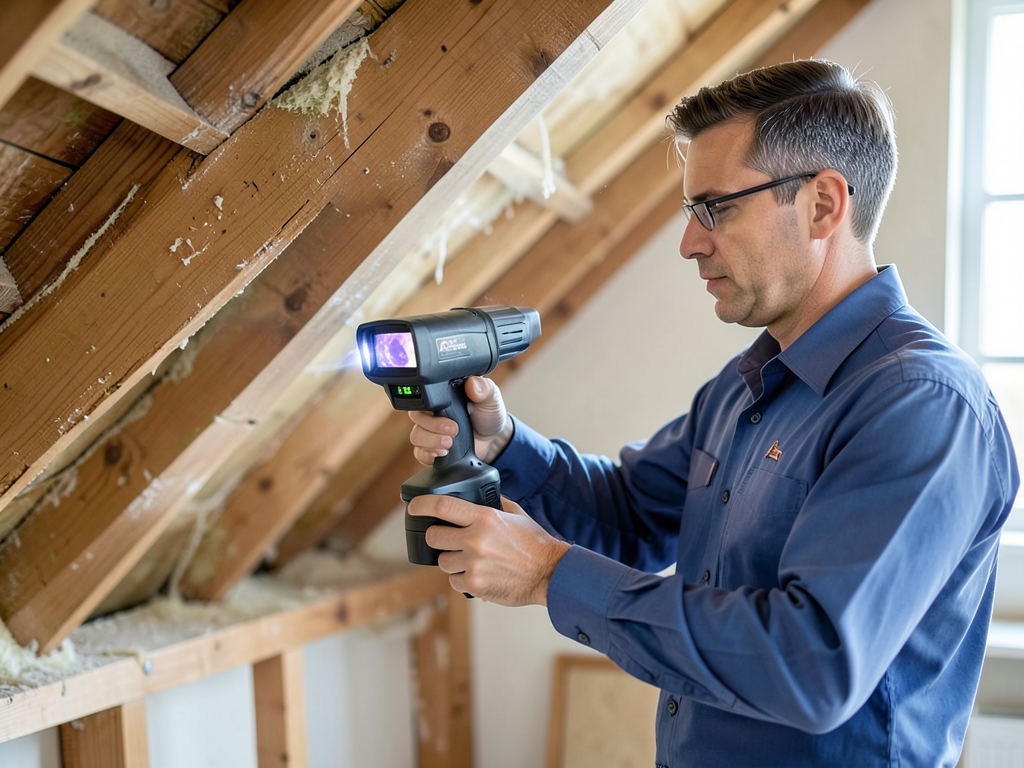
First, we deploy thermal imaging cameras to identify cold spots where interior air meets inadequate insulation or thermal bridging through wall studs. These cold surfaces are condensation magnets. We measure indoor relative humidity levels against outdoor dew points to calculate your condensation risk threshold. If your indoor humidity exceeds 50% during Kansas City winters, you are creating the perfect environment for interior glass condensation and moisture buildup on walls.

Next, we inspect your attic ventilation ratio. Kansas City building codes require one square foot of ventilation per 150 square feet of attic space when vapor barriers are present. Many older homes fall short. Poor ventilation traps humid air in your attic, which then condenses on cold roof decking and drips back into insulation. That moisture migrates down into wall cavities, appearing as damp drywall patches on interior surfaces.

We also check your HVAC system's performance. Oversized furnaces short-cycle, heating your home quickly without running long enough to dehumidify. Undersized return air pathways create negative pressure that pulls humid outdoor air through wall penetrations. Both conditions amplify window sweating and condensation problems.

After diagnosis, we address the root cause. This might mean improving attic ventilation, sealing air leaks around window frames, installing vapor barriers in crawl spaces, or upgrading to low-E windows that reduce interior surface temperature differentials. We also evaluate your drainage systems. If gutters dump water against your foundation or grading slopes toward your home, exterior moisture can wick through foundation walls and contribute to interior condensation issues.

What Happens When You Call About Window and Wall Condensation

Condensation on Windows & Walls in Kansas City – Get Expert Diagnosis Before Hidden Mold Takes Root
01

Moisture Mapping and Diagnostics

We arrive with thermal cameras, moisture meters, and hygrometers to create a complete picture of your condensation problem. You show us the weeping window panes and damp drywall patches. We scan your walls for hidden moisture accumulation, measure indoor humidity levels, and inspect attic insulation and ventilation. This diagnostic phase identifies whether your condensation stems from indoor humidity control, thermal bridging, ventilation failure, or exterior moisture intrusion.
02

Source Correction and Remediation

Once we identify the cause, we implement targeted corrections. If poor attic ventilation is driving moisture into wall cavities, we add soffit and ridge vents to establish proper airflow. If air leaks around windows are pulling in humid air, we remove old caulking and apply proper weather sealing. For damp drywall patches caused by hidden leaks, we open walls, repair plumbing, treat mold growth, and replace damaged materials with proper vapor barriers installed.
03

Prevention and Monitoring Guidance

We do not just fix the current damage. We give you a prevention plan that addresses Kansas City's specific climate challenges. You learn optimal humidity settings for each season, how to use exhaust fans properly, and when to replace HVAC filters. We provide monitoring guidance so you can catch early warning signs before moisture buildup escalates. Your home should not produce daily window sweating or wall condensation. Our goal is to eliminate the conditions that cause it.

Why Kansas City Homeowners Trust Local Condensation Expertise

National restoration chains send technicians who follow generic checklists. They do not understand how Kansas City's specific climate and housing stock create unique condensation challenges. We do.

We know that homes in Mission Hills have different moisture dynamics than bungalows in Old Northeast. We understand how the Missouri River valley humidity interacts with Kansas City's winter cold snaps to create persistent interior glass condensation. We have seen what happens when contractors slap new drywall over damp framing without addressing the moisture source.

Our diagnostic approach accounts for Kansas City's clay soil movement, which cracks foundations and allows moisture intrusion that contributes to wall condensation problems. We know which neighborhoods were built during the post-war construction boom with minimal insulation and no vapor barriers. We understand how Kansas City's municipal codes have evolved and what upgrades are necessary to bring older homes up to modern moisture management standards.

When we open your walls to remediate damp drywall patches, we do not just replace drywall. We inspect framing lumber for rot, test insulation for moisture saturation, and verify that vapor barriers are properly installed on the warm side of the insulation. We check for thermal bridging through wall studs that creates cold spots where condensation forms. This level of thoroughness comes from years of working specifically in Kansas City's housing market.

We also coordinate with your insurance provider when water damage has escalated beyond simple condensation. We document moisture intrusion patterns, photograph hidden damage, and provide detailed remediation scopes that justify claims. You get an advocate who understands both the technical restoration work and the insurance process.

Choosing local expertise means choosing someone who has repaired hundreds of Kansas City homes facing the exact same window sweating and moisture buildup problems you are experiencing right now.

What You Can Expect When We Address Your Condensation Problem

Response Time and Availability

We typically schedule diagnostic visits within 24 to 48 hours of your call. Condensation problems do not qualify as burst pipe emergencies, but they require prompt attention before mold establishes in damp building materials. Our diagnostic visits take one to two hours depending on your home's size and the complexity of your moisture issues. We arrive with all necessary testing equipment so we can provide findings immediately. You do not wait days for a report. We explain what we found, what it means, and what corrective actions we recommend before we leave your property.

Comprehensive Moisture Assessment

Our assessment goes beyond looking at weeping window panes. We use thermal imaging to identify temperature differentials that cause condensation. We measure moisture content in drywall, insulation, and framing lumber with pin and pinless meters. We test indoor relative humidity and compare it to outdoor dew points. We inspect attic ventilation, crawl space conditions, and HVAC system performance. You receive a detailed explanation of why moisture is condensing in your home and which building systems are contributing to the problem. This comprehensive approach identifies root causes instead of treating visible symptoms.

Complete Source Correction

When we remediate condensation damage, we address both the moisture source and the resulting damage. If we open walls to remove damp drywall, we also correct the ventilation deficiency or air leak that caused moisture accumulation in the first place. If we treat mold growth on wall surfaces, we also eliminate the humidity conditions that allowed mold to establish. Our work stops the cycle. You do not end up with a fresh paint job covering the same moisture problem that will reappear in six months. The corrected areas remain dry because we fixed the building science failures that created condensation conditions.

Prevention Education and Follow-Up

After remediation, we provide specific humidity management guidance for Kansas City's seasonal changes. You learn target indoor humidity ranges, proper exhaust fan usage, and when to adjust HVAC settings. We explain how to monitor for early warning signs of returning moisture problems. If you need ongoing support, we offer seasonal check-ins where we re-test humidity levels and verify that ventilation systems continue functioning properly. Our goal is to transfer knowledge so you can maintain optimal indoor moisture conditions year-round without constant professional intervention.

Frequently Asked Questions

You Have Questions,
We Have Answers

How to stop condensation on windows and walls? +

Reduce indoor humidity first. Run exhaust fans in bathrooms and kitchens during and after use. Crack a window briefly to exchange moist air with drier outdoor air, even in winter. Check that your dryer vents outside. Use a dehumidifier in basements or humid rooms to keep levels below 50 percent. Improve air circulation with ceiling fans. Kansas City's temperature swings worsen condensation when warm indoor air hits cold glass or exterior walls. Seal air leaks around windows and doors. Upgrade to double-pane windows if you have single-pane glass. If condensation persists despite these steps, hidden moisture sources or inadequate ventilation may require professional assessment.

Does condensation always indicate a problem? +

No. Light condensation on bathroom mirrors or kitchen windows during cooking is normal. It shows your home retains some humidity, which prevents overly dry air. The problem starts when condensation appears frequently, pools on sills, or spreads to walls and ceilings. Persistent moisture signals poor ventilation, high indoor humidity, or thermal bridging through walls. In Kansas City, older homes often lack proper vapor barriers, making winter condensation worse. Condensation that leads to water stains, peeling paint, or musty odors indicates a problem that can cause mold growth or structural damage if ignored.

Is it normal to have condensation on the inside of house windows? +

Occasional interior window condensation is normal, especially during cold Kansas City winters. When indoor air is humid and outdoor temperatures drop below freezing, moisture condenses on the coldest surface, usually glass. Single-pane windows show more condensation than double-pane. Brief fogging after showers or cooking is not concerning. However, daily condensation that soaks window frames, drips onto sills, or never fully evaporates signals excess indoor humidity or poor ventilation. This chronic moisture can rot wood frames, damage drywall, and encourage mold. Address the humidity source rather than just wiping windows.

Should you wipe condensation off windows? +

Yes, wipe it off. Letting condensation sit damages window frames, sills, and surrounding drywall. Use an absorbent cloth or squeegee to remove water daily. This prevents wood rot, paint damage, and mold growth. However, wiping treats the symptom, not the cause. You must also reduce indoor humidity and improve ventilation. In Kansas City homes with older wood windows, chronic moisture accelerates decay and attracts pests. If you find yourself wiping condensation every morning, your home has a ventilation or humidity problem that requires more than towels. Address airflow and moisture sources for a permanent fix.

Does condensation on windows mean poor insulation? +

Not always, but it contributes. Poor insulation allows cold exterior temperatures to penetrate walls and window frames, creating cold surfaces where warm indoor air condenses. Single-pane windows and uninsulated walls worsen this effect. However, condensation also depends on indoor humidity levels and ventilation. You can have excellent insulation but still get condensation if humidity is too high. Kansas City's clay soil and freeze-thaw cycles stress foundations, sometimes allowing moisture infiltration that raises indoor humidity. Check both insulation quality and humidity sources. Upgrading to insulated windows helps, but you must also control moisture and airflow.

What to put on walls to stop condensation? +

You cannot apply a product to walls to stop condensation. The solution is controlling indoor humidity and improving insulation. Condensation forms when warm, moist air contacts cold wall surfaces. Anti-condensation paint exists but only marginally raises surface temperature. The real fix involves adding wall insulation, installing vapor barriers during renovation, and reducing indoor moisture sources. Run exhaust fans, fix plumbing leaks, and use dehumidifiers. In Kansas City's older brick homes, exterior walls often lack cavity insulation, making them prone to condensation. If walls are cold and damp regularly, inspect for missing insulation or hidden water intrusion.

Does condensation mean my house is too cold? +

Not necessarily. Condensation happens when warm indoor air meets cold surfaces, regardless of overall house temperature. Even a well-heated home gets condensation if humidity is high and windows or walls are poorly insulated. Cold surfaces are the issue, not cold air. Kansas City winters create large temperature differences between heated interiors and frigid exterior walls. If your thermostat reads 70 degrees but condensation still appears, you have a humidity or insulation problem, not a heating problem. Cold drafts near windows suggest air leaks, which worsen condensation by cooling surfaces further.

What are signs of excessive condensation? +

Watch for water pooling on window sills, dripping down walls, or soaking into drywall. Musty odors signal hidden mold from chronic moisture. Peeling paint, warped window frames, or black spots on walls and ceilings indicate long-term condensation damage. Frost buildup on interior windows during Kansas City cold snaps is another red flag. If dehumidifiers fill quickly or you constantly adjust ventilation without improvement, moisture sources exceed your home's ability to manage them. Staining on exterior walls or around foundation vents suggests water intrusion combining with indoor humidity. These signs require immediate action.

Will a dehumidifier get rid of condensation? +

Yes, if humidity is the main cause. A dehumidifier removes moisture from indoor air, preventing it from condensing on cold surfaces. Set it to maintain 30 to 50 percent relative humidity. Basements and crawl spaces in Kansas City homes often need dedicated dehumidifiers due to moisture wicking through foundation walls. However, dehumidifiers cannot fix poor ventilation, air leaks, or hidden water sources like plumbing leaks. Use them alongside exhaust fans and proper airflow. If condensation continues despite running a dehumidifier, you likely have structural issues or inadequate insulation requiring professional evaluation.

When should I be worried about condensation on windows? +

Worry when condensation appears daily, spreads beyond windows to walls or ceilings, or causes visible damage like stains, mold, or peeling paint. Excessive moisture rots wood, ruins insulation, and creates health hazards. Kansas City's temperature swings make winter condensation common, but it should not persist into warmer months or cause structural damage. If you notice musty smells, warped trim, or black mold, act immediately. Chronic condensation indicates ventilation failure, hidden leaks, or inadequate insulation. These issues worsen over time, leading to expensive repairs. Professional moisture assessment identifies sources you cannot see.

How Kansas City's River Valley Humidity Creates Constant Window Condensation Problems

Kansas City sits at the confluence of the Kansas and Missouri Rivers, creating a natural humidity trap that amplifies condensation issues in residential buildings. Summer dew points regularly exceed 70 degrees, pushing indoor relative humidity above safe thresholds even with air conditioning running. When winter cold fronts drop outdoor temperatures into the teens while indoor heating keeps homes warm, the temperature differential across window glass and exterior walls creates ideal condensation conditions. This cycle repeats throughout the year, making window sweating and moisture buildup on walls a persistent problem rather than a seasonal inconvenience. Homes near the river bottoms in areas like the West Bottoms or along Brush Creek face even higher moisture loads due to proximity to open water and lower elevation where humid air settles.

Most Kansas City homes were built before modern building science understood vapor barriers and thermal bridging. The post-war construction boom produced thousands of homes with minimal wall insulation and no moisture management systems. These older building methods create perfect conditions for interior glass condensation and damp drywall patches when Kansas City's extreme humidity swings stress inadequate building envelopes. Local restoration expertise matters because correcting these problems requires understanding how Kansas City's specific housing stock was built and which upgrades effectively address moisture dynamics in this climate. Generic national solutions do not account for the Missouri River valley's unique humidity patterns or the clay soil movement that compromises foundation waterproofing in neighborhoods throughout the metro.
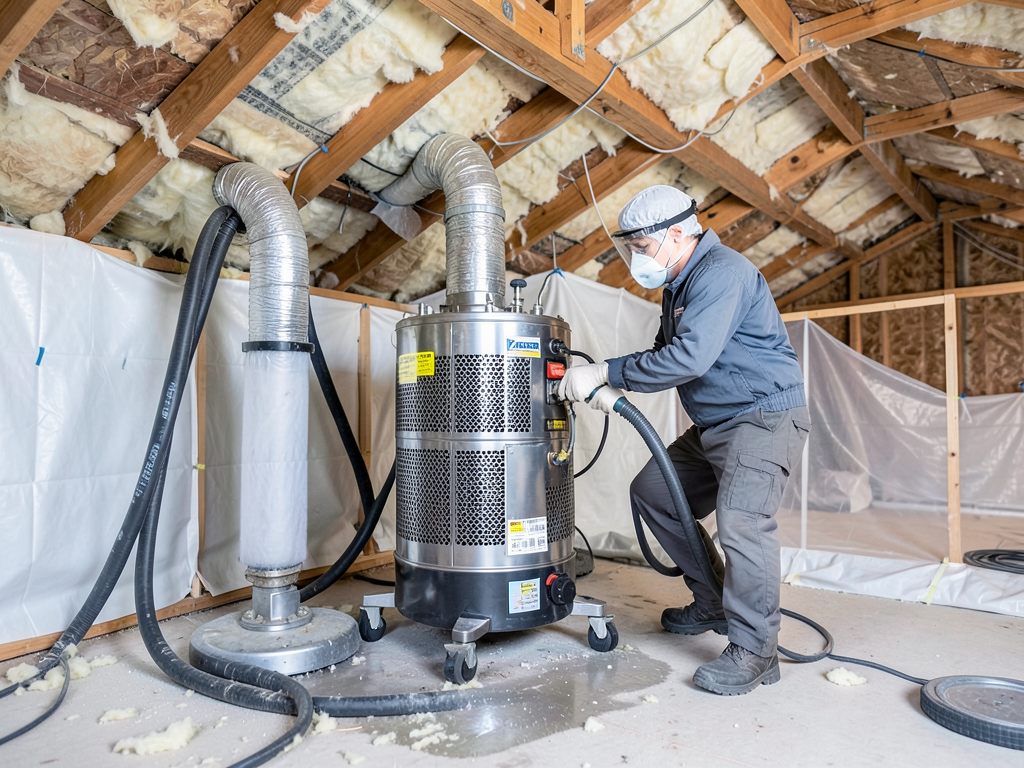
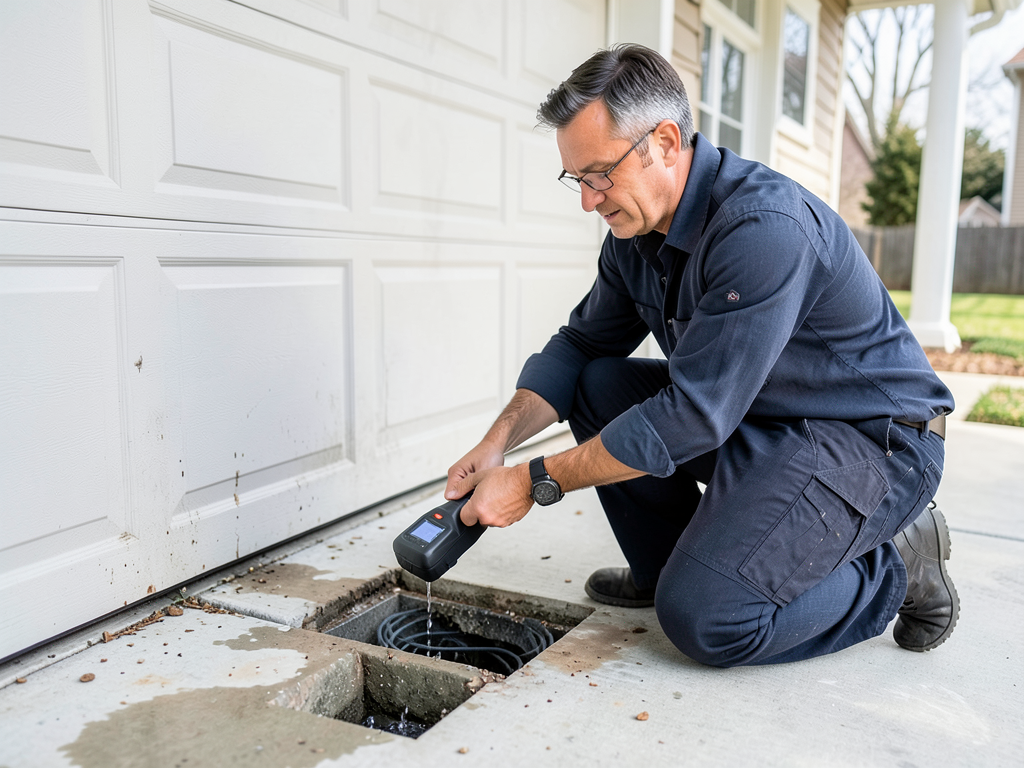
Water Damage Restoration Services in The Kansas City Area

While we provide rapid mobile service throughout the entire Kansas City area, you can also view our general service area on the map. We are dedicated to being a local, accessible resource for all your water damage restoration needs, whether you're in the heart of the city or a surrounding community. Our team is always just a phone call away, ready to assist you with expertise and care, no matter where you are located within our service area.

Address:
A Plus Water Damage Restoration Kansas City, 1020 E Armour Blvd, Kansas City, MO, 64109

Additional Services We Offer

Our news updates

Latest Articles & News from The Blogs

How the hard water in Edwardsville is secretly shortening the life of your plumbing and appliances Hard water is more…

How the hard water in Edwardsville is secretly shortening the life of your plumbing and appliances

How the hard water in Edwardsville is secretly shortening the life of your plumbing and appliances Hard water is more…

How to protect your Weatherby Lake home from major water damage while you are away for the winter

How to protect your Weatherby Lake home from major water damage while you are away for the winter Winterizing your…

What every first-time buyer in Raymore needs to check for water damage before closing the deal

What every first-time buyer in Raymore needs to check for water damage before closing the deal Buying your first home…

Contact Us

Those weeping window panes and damp drywall patches are warning signs. Call (816) 473-3833 now for a comprehensive moisture assessment. We identify the real source and fix it right the first time.