




Menu

School & University Restoration in Kansas City – Minimize Downtime and Protect Academic Operations

When water damage strikes educational facilities in Kansas City, every hour of closure impacts student learning and institutional revenue. Our school and university restoration services deploy rapidly with specialized protocols that keep academic buildings safe and operational.

Slider Image 1
Slider Image 2
Slider Image 3
Slider Image 4
Slider Image 5
Slider Image 7
Slider Image 8
Slider Image 9
Slider Image 10
Slider Image 11

Water Damage Threatens Academic Continuity in Kansas City Educational Facilities

Educational institutions across Kansas City face unique water damage vulnerabilities. From the historic limestone buildings at the University of Missouri-Kansas City to the sprawling campuses of Johnson County Community College, academic facilities contain irreplaceable archives, specialized laboratories, and technology infrastructure worth millions. A burst pipe in a dormitory, roof failure during spring storms, or HVAC condensate overflow in a computer lab creates immediate liability concerns and operational disruption.

Kansas City's freeze-thaw cycles put immense stress on aging plumbing systems in older academic buildings, particularly those constructed before 1980. The region's clay soil expands and contracts, causing foundation shifts that crack water supply lines and sewer laterals. When educational facility water damage restoration becomes necessary, you face pressures that commercial property managers never encounter. You answer to parents, accrediting bodies, state fire marshals, and insurance underwriters simultaneously.

The cost of closure extends beyond physical repairs. Lost tuition revenue, displaced students, cancelled research projects, and reputational damage compound quickly. A flooded library basement containing rare Kansas City historical documents or a science building with compromised chemical storage requires university flood cleanup services that understand both structural restoration and specialized content recovery. Academic building water damage repair demands contractors who can navigate occupied buildings, maintain sterile environments in medical training facilities, and coordinate with multiple stakeholders without disrupting adjacent classrooms or research operations.

Water Damage Threatens Academic Continuity in Kansas City Educational Facilities
Strategic Campus Water Remediation Built for Educational Environments

Strategic Campus Water Remediation Built for Educational Environments

School disaster recovery services require fundamentally different protocols than standard commercial restoration. We deploy specialized extraction equipment that operates quietly during class hours and schedule high-decibel drying equipment for evenings and weekends. Our technicians carry background clearances required for work near minors and understand FERPA compliance when accessing administrative buildings with student records.

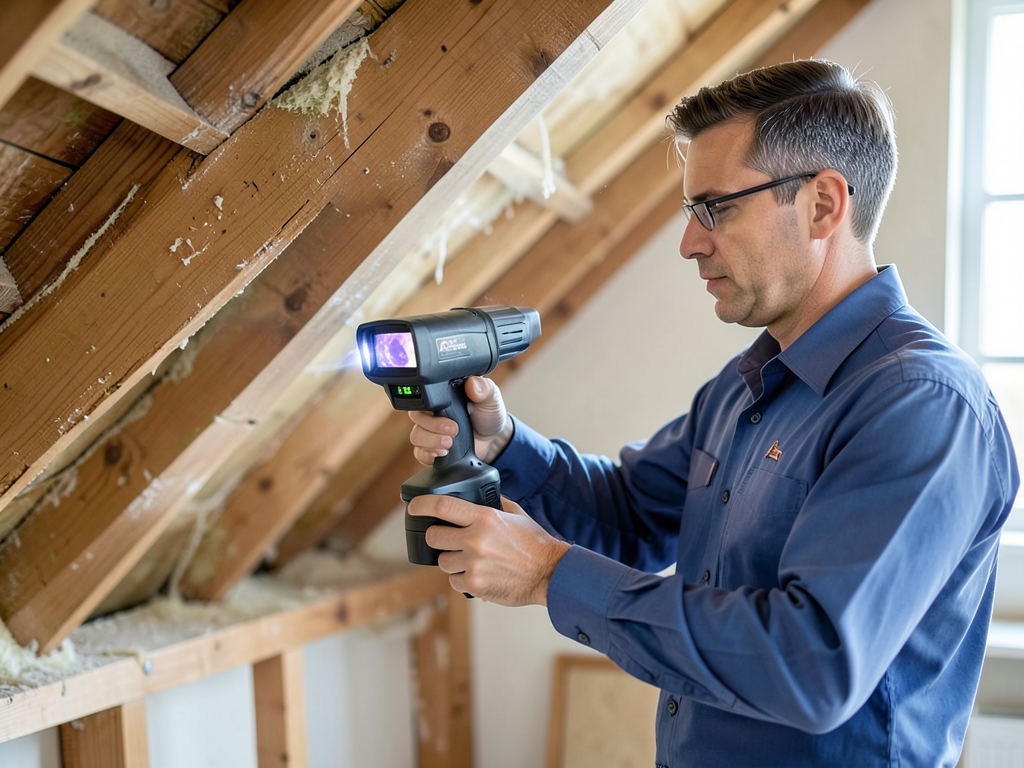
College campus water remediation begins with comprehensive moisture mapping using thermal imaging and non-invasive sensors. We identify hidden saturation in multi-wythe masonry walls common to Kansas City's older institutional buildings without destructive testing that would damage historic fabric. Our industrial dehumidifiers handle the massive cubic footage of lecture halls and gymnasiums while maintaining the 30-50% relative humidity required for preservation of library collections and musical instruments.

We coordinate with your facilities director to maintain building pressurization that prevents mold spores from migrating into clean areas. This matters critically in biology labs, clean rooms, and medical training facilities where cross-contamination creates compliance violations. Our antimicrobial application protocols meet EPA and OSHA standards for occupied educational spaces.

Documentation drives our process. Insurance carriers and risk management offices require detailed photo evidence, moisture readings logged twice daily, and chain-of-custody records for any removed contents. We provide real-time digital reporting through your preferred platform so administrators can update stakeholders without site visits. When structural drying allows, we expedite the return of affected spaces to minimize the domino effect on scheduling, athletics, and campus housing capacity.

Our Educational Facility Response Protocol

School & University Restoration in Kansas City – Minimize Downtime and Protect Academic Operations
01

Emergency Campus Mobilization

Within 90 minutes of your call, our project manager arrives on campus with a response team sized to your emergency. We establish a command center with your facilities staff, identify immediate safety hazards, and deploy extraction equipment to stop water migration. You receive an initial scope document outlining affected buildings, estimated occupancy restrictions, and preliminary timeline before we leave the first site visit.
02

Controlled Environment Drying

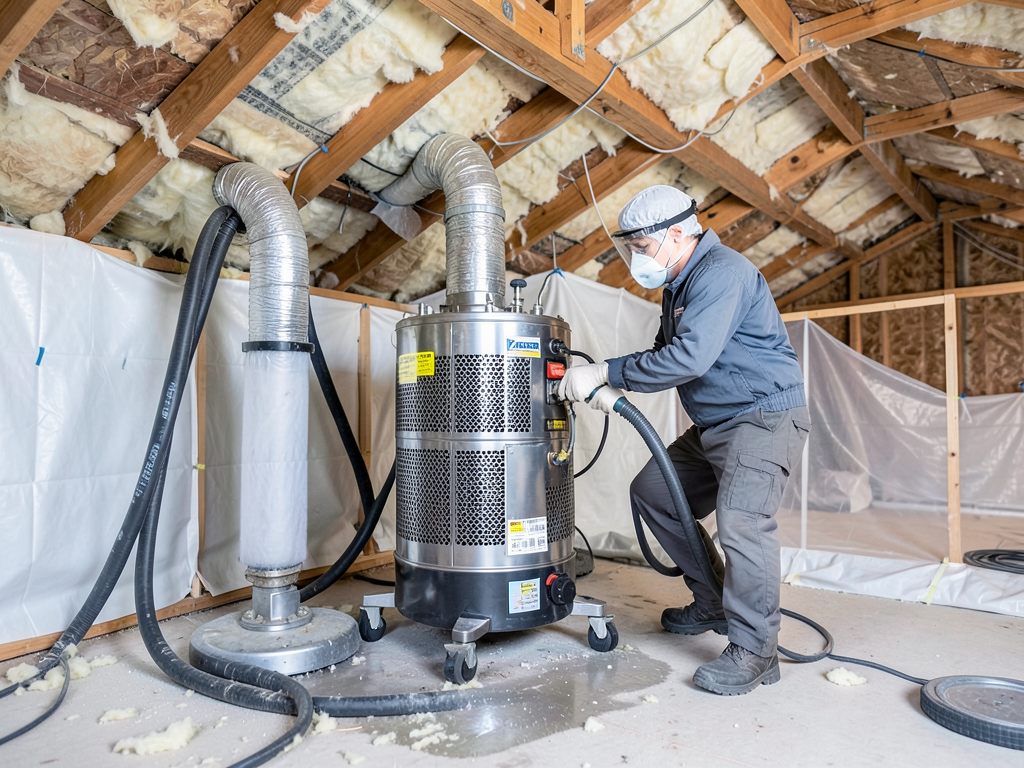
We create drying chambers using temporary barriers that isolate affected areas while maintaining access to adjacent spaces. High-velocity air movers and commercial dehumidifiers run on schedules that respect academic calendars and noise ordinances. Moisture meters track progress in structural materials including the thick concrete slabs and terra cotta block common to Kansas City school construction. Daily reports document drying curves and allow your insurance adjuster to track progress remotely.
03

Verified Space Restoration

Before returning any space to service, we conduct final moisture verification and indoor air quality testing to confirm the environment meets ANSI/IICRC S500 standards for occupancy. You receive certification documentation suitable for presentation to your insurance carrier, accrediting bodies, and health department. We coordinate with your contractors on any reconstruction needs and provide as-built documentation of all remediation work for your facility records and future maintenance planning.

Why Kansas City Schools Partner with A Plus Water Damage Restoration Kansas City

Educational institutions cannot afford learning curves when water damage strikes. We have restored facilities across the Kansas City metro, from elementary schools in Overland Park to the research buildings at Kansas State University's Olathe Innovation Campus. This experience base means we understand the approval hierarchies, procurement requirements, and communication protocols that govern institutional decision-making.

Our crews know Kansas City's academic landscape. We have worked in the tight mechanical spaces of 1920s school buildings in the Historic Northeast and the modern LEED-certified facilities at Park University. We understand how the Kansas City Public Schools facilities department operates and maintain relationships with the major institutional insurance providers covering educational properties in the metro.

Capacity matters when a residence hall floods or a cafeteria suffers supply line failure. We maintain equipment staging facilities in both Kansas and Missouri, allowing us to scale resources without waiting on rentals from other markets. When Park University experienced flooding that affected multiple buildings, we deployed 47 air movers, 12 commercial dehumidifiers, and two truck-mount extraction systems within four hours.

We carry general liability coverage that meets the requirements for work on municipal and state properties, plus environmental pollution liability that covers mold remediation. Our safety protocols align with OSHA standards for occupied buildings, and our project managers hold IICRC Water Damage Restoration Technician certification. You receive the documentation your risk management office needs without having to request it. We know the forms, the approval signatures, and the reporting intervals because we have partnered with facilities directors throughout Johnson County, Jackson County, and Wyandotte County on projects ranging from burst pipe emergencies to planned mechanical upgrades.

What Your Campus Can Expect During Restoration

Rapid Deployment Minimizes Closure Time

We answer emergency calls 24 hours a day, 365 days a year. Our average on-site arrival time for Kansas City educational facilities is 75 minutes from initial contact. If your incident occurs during summer break, we accelerate drying schedules to complete restoration before fall semester. For mid-semester events, we coordinate with your registrar to prioritize spaces needed for immediate instruction, moving displaced classes back into service areas as soon as structural drying allows. You receive twice-daily updates via email or text with photos showing drying progress and updated timeline projections.

Comprehensive Damage Assessment Guides Decisions

Our initial assessment maps all affected areas using moisture meters, thermal cameras, and hygrometers that measure ambient humidity. You receive a detailed report identifying Category 1, 2, or 3 water contamination levels, the classes of materials affected, and any immediate health or safety concerns like compromised electrical systems or structural instability. This documentation allows your administration to make informed decisions about which spaces require full closure versus controlled access. We identify salvageable contents and recommend specialized recovery for items like technology equipment, laboratory instruments, and archival materials that require vendor expertise beyond structural restoration.

Verified Dry Standards Prevent Future Issues

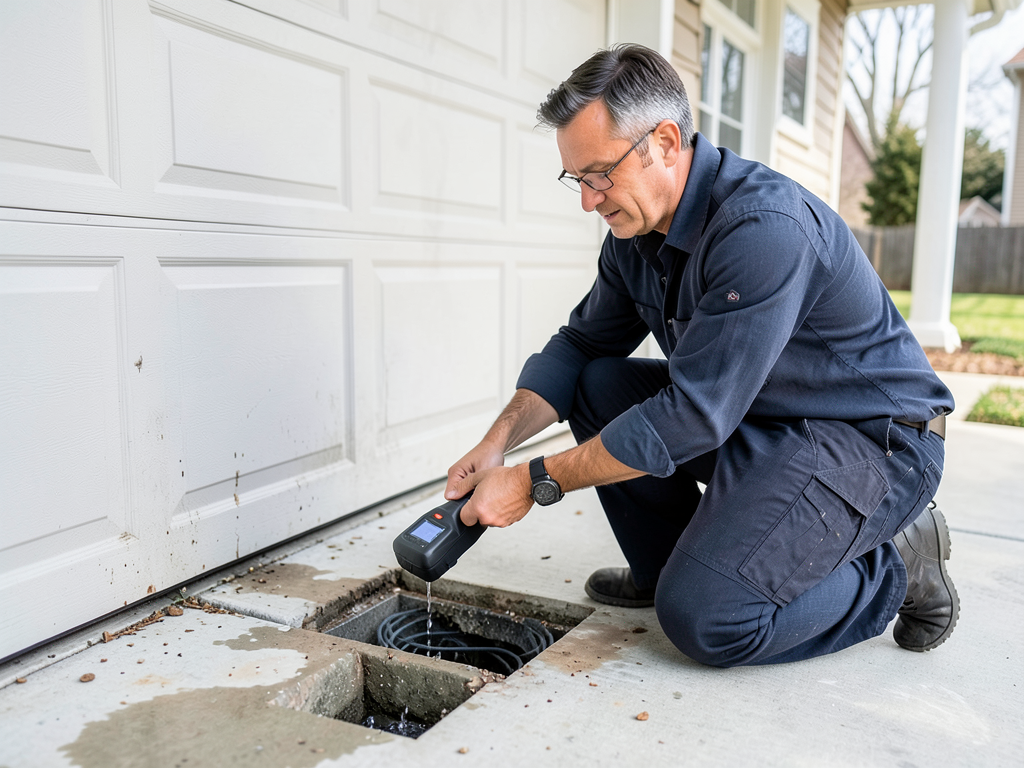
We do not consider a space restored until moisture content in all affected materials returns to normal dry standards for Kansas City's climate zone. Concrete slabs must read below 4% moisture content, wood framing below 15%, and gypsum board below 1% before we remove drying equipment. This verification process prevents the mold growth and material deterioration that occurs when contractors remove equipment prematurely to close out projects faster. You receive documentation showing initial moisture readings, daily progress measurements, and final verification that meets insurance carrier requirements and industry standards.

Post-Restoration Monitoring Protects Your Investment

Thirty days after project completion, we return to conduct moisture verification testing at no charge. This follow-up visit confirms that no residual moisture issues have developed and allows your facilities team to ask questions about maintenance practices that reduce future water damage risk. We provide recommendations for plumbing system upgrades, roof maintenance schedules, and HVAC condensate management based on what we observed during restoration. Educational facilities using our post-restoration consultation have reduced repeat water damage incidents by addressing the underlying building system failures that caused initial damage.

Frequently Asked Questions

You Have Questions,
We Have Answers

How Kansas City's Climate Cycle Impacts Educational Building Water Damage

Kansas City's dramatic temperature swings create water damage conditions unique to the region. Winter freeze events regularly drop temperatures below 20 degrees, causing pipe failures in unheated building sections like equipment rooms and attic spaces. Spring brings rapid thaws combined with heavy rainfall that overwhelms aging storm sewer systems built when most campuses were half their current size. The clay soil throughout Johnson County and Jackson County expands during wet periods and contracts during summer droughts, shifting foundations and cracking underground water supply lines that feed academic buildings. Educational facility water damage restoration work in Kansas City requires understanding how these cycles stress older building envelopes and mechanical systems.

Educational institutions throughout the Kansas City metro require contractors who understand the regulatory environment governing occupied buildings. School disaster recovery services must comply with Kansas Department of Health and Environment Indoor Air Quality guidelines and Missouri Department of Elementary and Secondary Education facility standards. Local building officials in Overland Park, Lenexa, and Lee's Summit enforce specific occupancy restrictions during remediation that differ from standard commercial projects. Our project managers maintain relationships with these inspection departments and understand the documentation required to return educational spaces to service without delays. When you partner with a local contractor, you gain access to established working relationships with the agencies that control your project timeline.
Water Damage Restoration Services in The Kansas City Area

While we provide rapid mobile service throughout the entire Kansas City area, you can also view our general service area on the map. We are dedicated to being a local, accessible resource for all your water damage restoration needs, whether you're in the heart of the city or a surrounding community. Our team is always just a phone call away, ready to assist you with expertise and care, no matter where you are located within our service area.

Address:
A Plus Water Damage Restoration Kansas City, 1020 E Armour Blvd, Kansas City, MO, 64109

Additional Services We Offer

Our news updates

Latest Articles & News from The Blogs

How the hard water in Edwardsville is secretly shortening the life of your plumbing and appliances Hard water is more…

How the hard water in Edwardsville is secretly shortening the life of your plumbing and appliances

How the hard water in Edwardsville is secretly shortening the life of your plumbing and appliances Hard water is more…

How to protect your Weatherby Lake home from major water damage while you are away for the winter

How to protect your Weatherby Lake home from major water damage while you are away for the winter Winterizing your…

What every first-time buyer in Raymore needs to check for water damage before closing the deal

What every first-time buyer in Raymore needs to check for water damage before closing the deal Buying your first home…

Contact Us

Every hour matters when water damage threatens academic operations. Call A Plus Water Damage Restoration Kansas City at (816) 473-3833 for immediate dispatch. Our educational facility specialists are standing by 24 hours a day to minimize disruption to your students and staff.