




Menu

Cupping or Buckling Wood Floors in Kansas City – Expert Diagnosis and Permanent Water Damage Solutions

When warped hardwood flooring disrupts your home or business, you need more than surface fixes. Our certified technicians identify the moisture source, repair structural damage, and restore your floors correctly the first time.

Slider Image 1
Slider Image 2
Slider Image 3
Slider Image 4
Slider Image 5
Slider Image 7
Slider Image 8
Slider Image 9
Slider Image 10
Slider Image 11

Why Kansas City Wood Floors Warp, Cup, and Buckle

You walk across your floor and feel it. The once-smooth hardwood now peaks at the joints. Boards lift at the edges. What started as a small water leak turned your investment into a wavy mess.

Kansas City's humidity swings make this worse. Summer humidity above 70 percent forces moisture into wood planks. Winter heating systems dry the air below 30 percent. This constant expansion and contraction stresses the wood grain. Add a burst pipe, roof leak, or foundation seepage, and you get swollen wood planks that deform permanently.

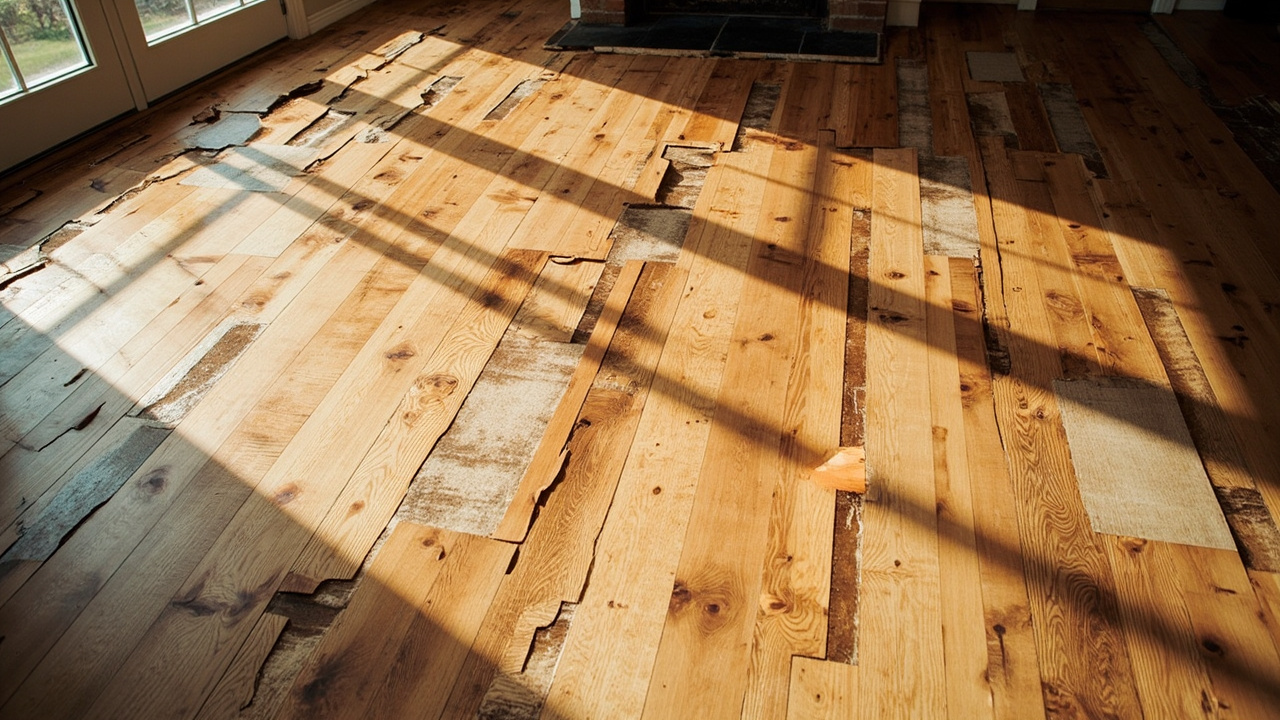
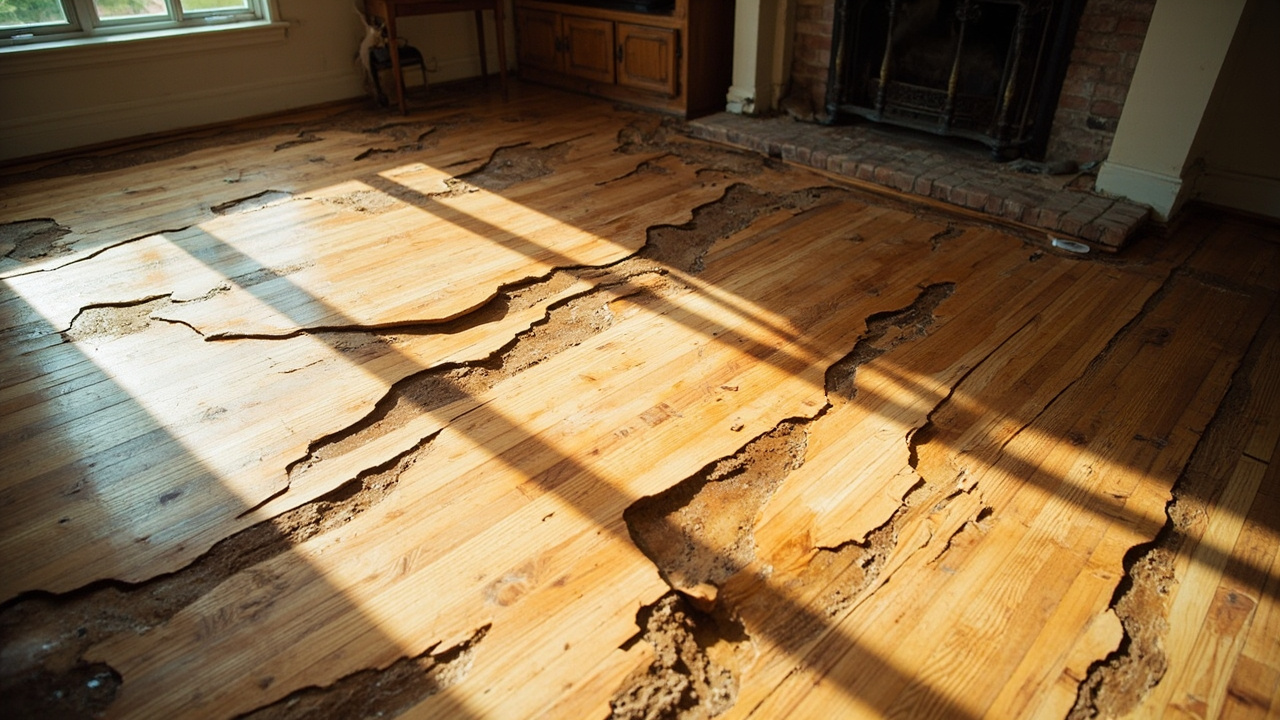
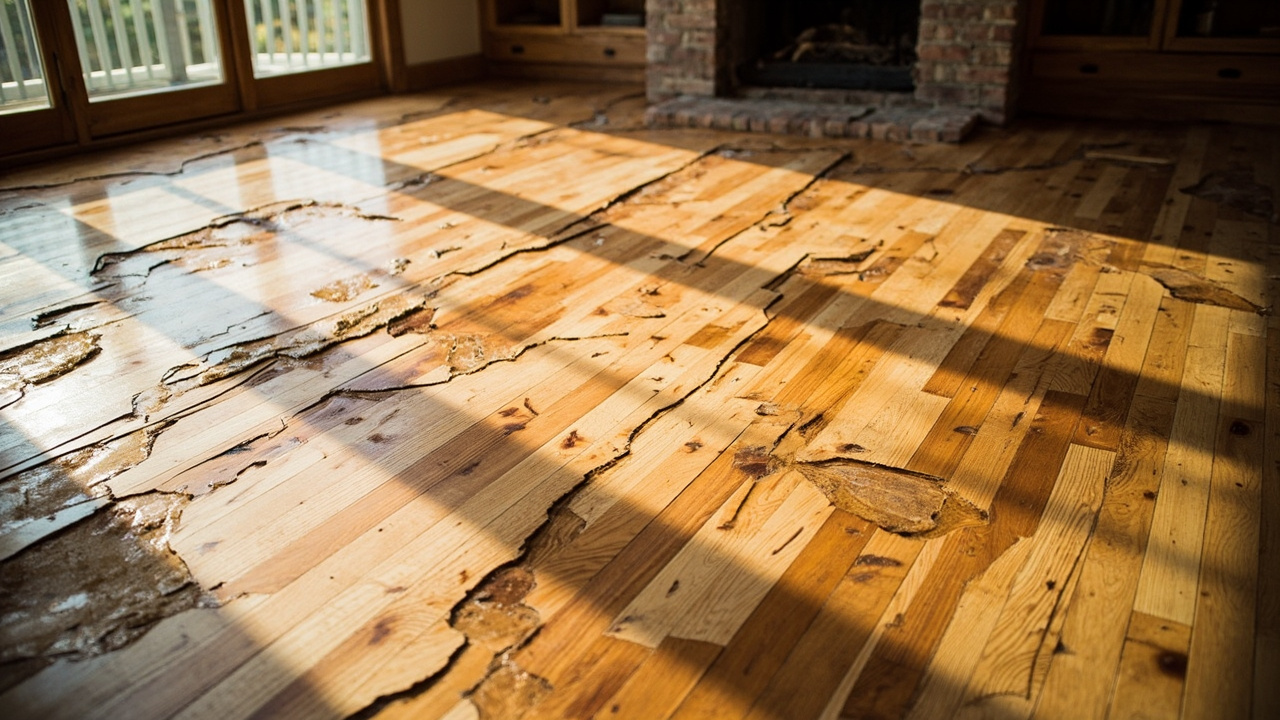
Cupping happens when moisture enters from below. The bottom of each plank swells while the top stays dry, creating a concave curve. You see lifted edges and valleys between boards. Buckling is more severe. Excess moisture causes the entire floor system to expand beyond its installation tolerances. Boards push against each other until they lift completely off the subfloor, creating peaking hardwood joints and raised wood floor edges.

The clay soil common throughout Kansas City compounds the problem. Clay expands when wet and contracts when dry, shifting your foundation. Microcracks form in basement slabs and crawl spaces. Groundwater seeps through these cracks, saturating the subfloor and releasing moisture vapor into your hardwood. You might not see standing water, but the damage accumulates daily.

Ignoring warped hardwood flooring invites mold growth between the planks and subfloor. The longer moisture sits, the more the wood fibers break down. What could have been a drying job becomes a full replacement project.

Why Kansas City Wood Floors Warp, Cup, and Buckle
How We Fix Cupping and Buckling the Right Way

How We Fix Cupping and Buckling the Right Way

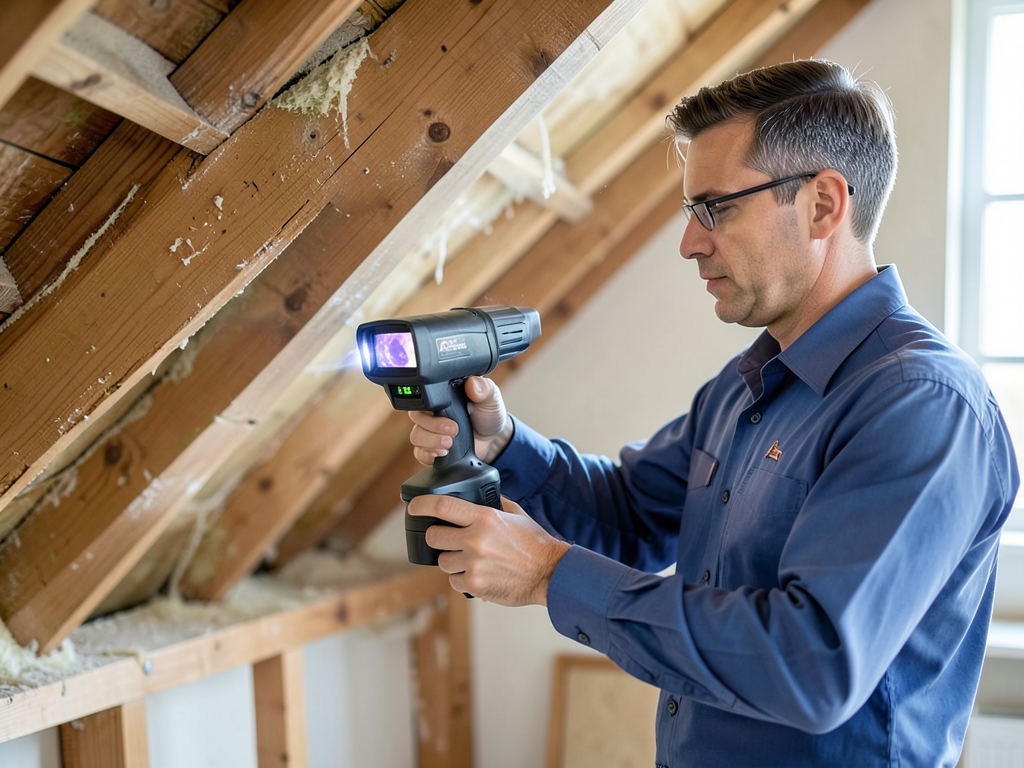
Surface fixes fail because they ignore the moisture source. We start with thermal imaging and moisture meters to map the problem. Infrared cameras show us temperature differentials that indicate hidden water. Pin-type and pinless moisture meters measure the water content in your wood and subfloor at multiple depths. We document readings across the affected area to establish a moisture gradient map.

Next, we identify the source. Plumbing leaks, HVAC condensation, foundation seepage, or roof damage all create different moisture patterns. We trace the water back to its entry point and stop it. Only then do we address the flooring.

For cupping, we extract standing water with truck-mounted pumps, then place commercial dehumidifiers and air movers in a controlled drying configuration. We monitor moisture levels every 12 hours. Wood must dry slowly to prevent cracking. Rapid drying causes the top surface to shrink faster than the core, creating checking and splits. We adjust airflow and temperature to maintain a drying rate between 1 and 2 percent moisture content per day.

Lifting floorboards that have buckled require subfloor inspection. We remove damaged planks to access the underlayment. If the subfloor is saturated or delaminated, we replace it with exterior-grade plywood that meets Kansas City building codes. We install a vapor barrier rated at 0.3 perms or less to block future moisture migration.

Some floors can be sanded and refinished after drying. Others need partial or full replacement. We measure deflection with a straightedge and calculate the severity of the warp. If cupping exceeds 1/8 inch over a 10-foot span, sanding removes too much wood and weakens the plank. Replacement becomes the only option that restores structural integrity.

What Happens During Your Floor Restoration

Cupping or Buckling Wood Floors in Kansas City – Expert Diagnosis and Permanent Water Damage Solutions
01

Moisture Assessment and Source Control

We arrive with thermal cameras and multi-depth moisture meters to map the water intrusion. Our technicians trace the moisture back to its source, whether it is a leaking supply line, foundation crack, or failed HVAC drain pan. We stop the active water entry before beginning any drying or repair work. This prevents recurring damage and ensures your investment lasts.
02

Controlled Drying and Monitoring

We position commercial dehumidifiers and focused air movers to create controlled airflow across your warped hardwood flooring. Drying happens in stages to prevent cracking and checking. We monitor moisture readings every 12 hours and adjust equipment to maintain optimal drying rates. Most hardwood floors require 5 to 10 days to reach equilibrium moisture content, depending on saturation levels and wood species.
03

Repair and Refinishing

Once moisture levels stabilize, we assess whether your floor can be sanded flat or needs replacement. Minor cupping often resolves after drying and can be refinished. Severe buckling requires plank replacement and subfloor repair. We match your existing wood species, grade, and finish. Final sanding and sealing restore the floor's appearance and protect it from future moisture intrusion.

Why Kansas City Property Owners Trust A Plus Water Damage Restoration Kansas City

You need someone who understands how Kansas City's climate and soil affect your property. We have restored wood floors in homes from Brookside to Waldo, in commercial buildings downtown, and in historic properties near the Crossroads Arts District. Each location presents different moisture challenges, and we know how to solve them.

Our technicians hold certifications from the Institute of Inspection, Cleaning and Restoration Certification. We follow ANSI/IICRC S500 standards for water damage restoration, which means we use proven protocols, not guesswork. When we measure moisture content, assess structural damage, and recommend repairs, you get accurate information based on science.

We also understand local building codes. Kansas City requires specific vapor barrier ratings for crawl spaces and basements. We install materials that meet or exceed these standards. When you file an insurance claim, we provide documentation that adjusters expect: moisture logs, thermal images, and itemized scopes of work. This speeds up approvals and gets your project moving.

Speed matters with water damage. Mold begins colonizing in 24 to 48 hours. Wood continues swelling as long as moisture is present. We respond quickly, often arriving within two hours of your call. Our trucks carry extraction equipment, dehumidifiers, air movers, and moisture detection tools. We start mitigation immediately, which reduces damage severity and lowers your total restoration expense.

You also get transparent communication. We explain what we find, why it happened, and what it takes to fix it. No jargon-heavy sales pitches. No surprise charges. We walk you through every step so you understand the process and the timeline. Most property owners have never dealt with swollen wood planks or peaking hardwood joints. We make sure you know what to expect.

What to Expect When You Call Us

Rapid Response and Emergency Availability

We dispatch a crew within two hours for emergency calls. Water damage worsens by the hour, especially with wood flooring. The sooner we extract water and begin drying, the more of your floor we can save. We operate 24/7 because water leaks do not wait for business hours. When you call, you speak with a trained dispatcher who asks targeted questions to understand the severity. We arrive with the right equipment loaded and ready to work, not to upsell you on services you do not need.

Thorough Inspection and Moisture Mapping

Our initial assessment takes 45 to 90 minutes depending on the size of the affected area. We use thermal imaging to locate hidden moisture in walls, subfloors, and adjacent rooms. Moisture meters give us precise readings at different wood depths. We document everything with photos and written notes. You receive a detailed report that explains the moisture source, the extent of the damage, and our recommended repair plan. This report also serves as documentation for your insurance claim if needed.

Quality Restoration and Matching Finishes

We do not cut corners on materials or workmanship. Replacement planks match your existing wood species, grain pattern, and finish. If your floor is 30 years old and the finish has aged, we blend the new section so it does not stand out. Sanding and refinishing follow manufacturer guidelines for your specific wood type. The final result looks uniform, feels solid underfoot, and performs as it should. We clean up completely when finished. You get your space back in working order, not a construction zone.

Post-Restoration Monitoring and Prevention Guidance

After we finish, we provide a final moisture reading report and recommend monitoring intervals. Wood continues acclimating for several weeks after restoration. We check back at 30 and 60 days to verify moisture levels remain stable. You also receive guidance on preventing future damage, including humidity control, plumbing maintenance, and foundation drainage improvements. If you experience any issues during the acclimation period, we return to assess and resolve them. Our goal is a permanent fix, not a temporary patch.

Frequently Asked Questions

You Have Questions,
We Have Answers

What is the difference between wood buckling and cupping? +

Cupping occurs when the edges of individual wood planks rise higher than the center, creating a concave shape. This happens when moisture enters from below the floor. Buckling is more severe. The planks lift entirely from the subfloor, creating visible gaps and warping. Buckling typically results from significant water damage or improper installation. In Kansas City homes, cupping often follows basement flooding or plumbing leaks, while buckling happens after major events like sewer backups or prolonged humidity exposure. Both require professional moisture assessment, but buckling usually demands complete plank replacement rather than drying and resanding.

What does a buckled hardwood floor look like? +

A buckled hardwood floor shows dramatic lifting and separation from the subfloor. You will see planks raised several inches, creating peaks or ridges across the surface. The boards may crack, split, or pull away from adjacent planks. Walking on buckled flooring feels unstable and produces hollow sounds. In Kansas City properties, buckling commonly appears after basement floods or when moisture barriers fail during our humid summers. The damage looks more extreme than cupping. You might notice entire sections of floor tenting upward, especially near walls where expansion space is limited. This requires immediate professional intervention to prevent structural issues.

Will my cupped wood floors flatten? +

Cupped wood floors can flatten if you address the moisture source quickly. After removing excess humidity and allowing proper drying time, planks may return to their original shape. This process takes weeks or months, depending on the damage severity. Kansas City's humidity fluctuations complicate recovery. You need controlled drying with dehumidifiers and air movers. Do not sand cupped floors immediately. The boards might reverse-cup as they dry, creating a crowned appearance. Wait until moisture readings stabilize at normal levels. Some floors flatten completely. Others require professional sanding after drying. Severe cupping may need plank replacement.

What does cupping look like on a wood floor? +

Cupping creates a washboard appearance across your wood floor. Each plank curves upward at the edges while the center sits lower, forming a U-shape when viewed from the end. Run your hand perpendicular across the planks and you will feel distinct ridges. The floor looks uneven and wavy rather than flat. In Kansas City homes, cupping often appears first in areas closest to moisture sources like bathrooms, kitchens, or exterior walls. The visual distortion becomes more obvious in angled light. Severe cupping shows dramatic height differences between plank edges and centers, sometimes measuring several millimeters.

Can cupped hardwood floors be repaired? +

Yes, cupped hardwood floors can often be repaired without full replacement. The key is eliminating the moisture source first. Use dehumidifiers and fans to dry the subfloor and planks slowly. Once moisture content stabilizes, many floors flatten naturally. If cupping persists after complete drying, professional sanding removes the height differences. Kansas City's clay soil and basement moisture issues mean you must also fix the underlying problem. Install vapor barriers, repair foundation cracks, or improve drainage. Severe cupping may require replacing damaged planks. The repair success depends on how long moisture was present and wood species involved.

Will buckled hardwood floors go back to normal? +

Buckled hardwood floors rarely return to normal on their own. The damage is too severe. Unlike cupping, buckling involves complete detachment from the subfloor and often includes structural warping or cracking. You must remove the moisture source immediately, but even after drying, buckled planks typically stay warped. Kansas City homeowners facing buckling usually need partial or complete floor replacement. The subfloor also requires inspection for damage or mold. In rare cases with minor buckling caught immediately, controlled drying and re-nailing might work. Most situations demand removing affected boards, repairing the subfloor, and installing new planks to match.

How to tell if a floor is buckling? +

Check for visible lifting where planks separate from the subfloor. Walk across the floor and listen for hollow sounds or feel instability underfoot. Look for gaps between boards or raised areas creating peaks. Use a straightedge across multiple planks. If it rocks significantly or shows large gaps underneath, buckling has started. Kansas City homeowners should inspect areas near water sources first. Basements, bathrooms, and exterior walls are common trouble spots. Measure moisture content with a meter if available. Readings above 12 percent indicate problems. Early buckling shows subtle lifting. Advanced cases display dramatic warping and cracking.

How much does it cost to fix a buckled floor? +

Buckled floor repair costs vary widely based on damage extent and floor type. Minor buckling affecting a few planks might cost 500 to 1,500 dollars for removal, subfloor repair, and replacement boards. Extensive damage covering entire rooms can reach 3,000 to 8,000 dollars or more. Kansas City pricing reflects labor rates and material matching challenges. Older homes with discontinued flooring face higher costs finding compatible planks. The estimate must include moisture remediation, subfloor treatment, and addressing the water source. Insurance may cover water damage repairs. Get multiple quotes from licensed contractors familiar with Kansas City building codes.

Is hardwood floor cupping normal? +

Minor cupping is not normal and signals moisture imbalance. Hardwood floors should remain flat year-round. Slight seasonal expansion in Kansas City's humid summers is expected, but visible cupping means excessive moisture penetration from below. This happens with inadequate vapor barriers, foundation leaks, or plumbing problems. New installations sometimes show temporary cupping if wood was not properly acclimated before installation. Do not ignore cupping. It indicates your floor is absorbing moisture it should not encounter. Address the cause immediately. Prolonged exposure leads to permanent damage, mold growth, and eventually buckling. Properly installed floors with correct moisture protection stay flat.

How much does it cost to repair cupping wood floors? +

Cupping repair costs depend on severity and required fixes. Simple drying and monitoring might cost 300 to 800 dollars if caught early. Professional drying with equipment rental runs 500 to 1,500 dollars. If sanding is needed after drying, expect 2 to 4 dollars per square foot, or 1,000 to 2,000 dollars for an average Kansas City room. Severe cases requiring plank replacement cost 3,000 to 6,000 dollars or more. Moisture remediation adds expenses. Installing vapor barriers, fixing foundation issues, or repairing plumbing increases total costs. Most projects also include refinishing to match existing floors. Get detailed estimates addressing both symptom and cause.

How Kansas City's Humid Summers and Clay Soil Create Chronic Wood Floor Problems

Kansas City sits in a transition zone where summer dew points regularly exceed 65 degrees and relative humidity climbs above 70 percent. This moisture-laden air penetrates crawl spaces, basements, and slab foundations. The expansive clay soil common throughout Jackson County and surrounding areas absorbs groundwater during heavy rains, then pushes that moisture against your foundation. Microcracks form in basement walls and slab edges, allowing water vapor to migrate upward into your subfloor. Hardwood installed over these compromised subfloors absorbs moisture from below, causing cupping and lifting floorboards even without a visible leak.

Local building codes in Kansas City require vapor barriers in new construction, but many older homes in neighborhoods like Brookside, Waldo, and the historic Northeast lack these protections. Homes built before 1980 often have minimal crawl space ventilation and no moisture barriers between the ground and the floor joists. A Plus Water Damage Restoration Kansas City understands these construction patterns and knows how to retrofit modern moisture control systems into older structures. We work with local building inspectors and follow the latest amendments to the International Residential Code adopted by Kansas City. This ensures your restoration meets code and protects your investment.
Water Damage Restoration Services in The Kansas City Area

While we provide rapid mobile service throughout the entire Kansas City area, you can also view our general service area on the map. We are dedicated to being a local, accessible resource for all your water damage restoration needs, whether you're in the heart of the city or a surrounding community. Our team is always just a phone call away, ready to assist you with expertise and care, no matter where you are located within our service area.

Address:
A Plus Water Damage Restoration Kansas City, 1020 E Armour Blvd, Kansas City, MO, 64109

Additional Services We Offer

Our news updates

Latest Articles & News from The Blogs

How the hard water in Edwardsville is secretly shortening the life of your plumbing and appliances Hard water is more…

How the hard water in Edwardsville is secretly shortening the life of your plumbing and appliances

How the hard water in Edwardsville is secretly shortening the life of your plumbing and appliances Hard water is more…

How to protect your Weatherby Lake home from major water damage while you are away for the winter

How to protect your Weatherby Lake home from major water damage while you are away for the winter Winterizing your…

What every first-time buyer in Raymore needs to check for water damage before closing the deal

What every first-time buyer in Raymore needs to check for water damage before closing the deal Buying your first home…

Contact Us

Warped hardwood flooring does not fix itself. Every day you wait, moisture spreads and the damage deepens. Call A Plus Water Damage Restoration Kansas City at (816) 473-3833 right now. We will assess your floor, stop the water source, and restore your property correctly.