




Menu

Basement Waterproofing Guide Kansas City – Expert Methods to Protect Your Foundation from Missouri's Clay Soil and Seasonal Flooding

Proven foundation waterproofing methods and basement sealing techniques designed specifically for Kansas City's expansive clay soil, freeze-thaw cycles, and the flood risks along the Missouri and Kansas Rivers.

Slider Image 1
Slider Image 2
Slider Image 3
Slider Image 4
Slider Image 5
Slider Image 7
Slider Image 8
Slider Image 9
Slider Image 10
Slider Image 11

Why Kansas City Basements Fail Without Proper Waterproofing

Kansas City sits on expansive clay soil that swells when wet and shrinks when dry. This constant movement creates hydrostatic pressure against your foundation walls, forcing water through every crack and seam. Add in our seasonal rainfall patterns, especially the spring storms that dump inches of rain in hours, and you have the perfect recipe for a wet basement.

The Missouri and Kansas Rivers create high water tables in many neighborhoods, from the West Bottoms to parts of Brookside and Waldo. When the ground saturates, that water has to go somewhere. Without proper basement sealing techniques, it goes through your foundation.

Freeze-thaw cycles make it worse. Water seeps into foundation cracks during wet months, then expands when it freezes. Each freeze-thaw event widens those cracks, creating bigger pathways for the next storm. Homeowners in older neighborhoods like Hyde Park or the Northeast see this repeatedly.

You need foundation waterproofing methods that address Kansas City's specific challenges, not generic solutions designed for different climates. Wet basement solutions start with understanding how water moves through our local soil and what that pressure does to your foundation over time. A leaky basement repair guide only works if it accounts for clay soil expansion, seasonal flooding, and the fact that our water table can rise six feet during heavy rain events.

The question is not if water will find a way in. The question is whether your basement can handle it.

Why Kansas City Basements Fail Without Proper Waterproofing
How Professional Basement Waterproofing Actually Works

How Professional Basement Waterproofing Actually Works

Basement waterproofing is not painting a membrane on the wall and hoping for the best. Real waterproofing starts with managing water before it reaches your foundation. That means addressing surface grading, downspout extensions, and making sure water drains away from the house, not toward it.

The next layer is exterior waterproofing, which involves excavating around the foundation, applying a rubberized or tar-based waterproof coating to the exterior walls, and installing a perimeter drain system. This is the gold standard because it stops water on the outside, where it belongs. We install drain tile at the footing level, wrapped in filter fabric to prevent clay soil from clogging the system. That tile connects to a discharge point away from the house or to a sump system.

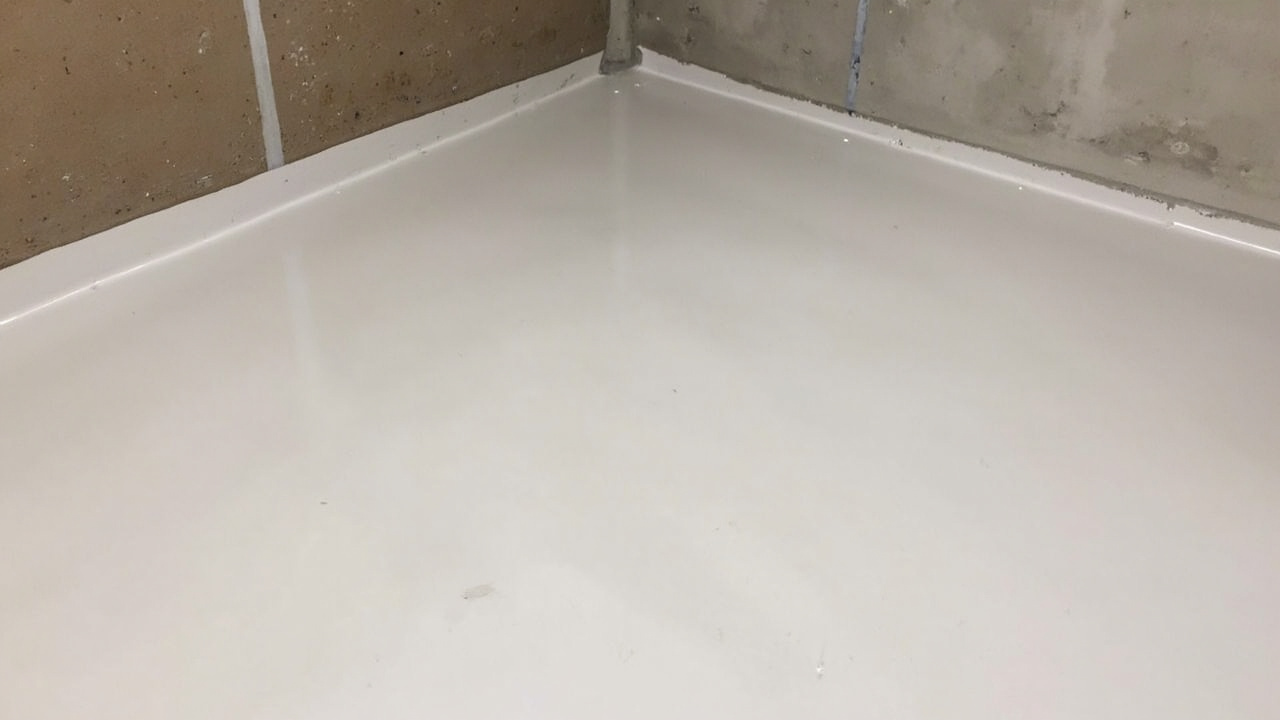
Interior waterproofing serves as your backup. We install an interior drain tile system along the foundation footing, inside the basement. Water that seeps through the wall or floor gets captured by this drainage channel and routed to a sump pit. A quality sump pump with battery backup then removes that water, even during power outages.

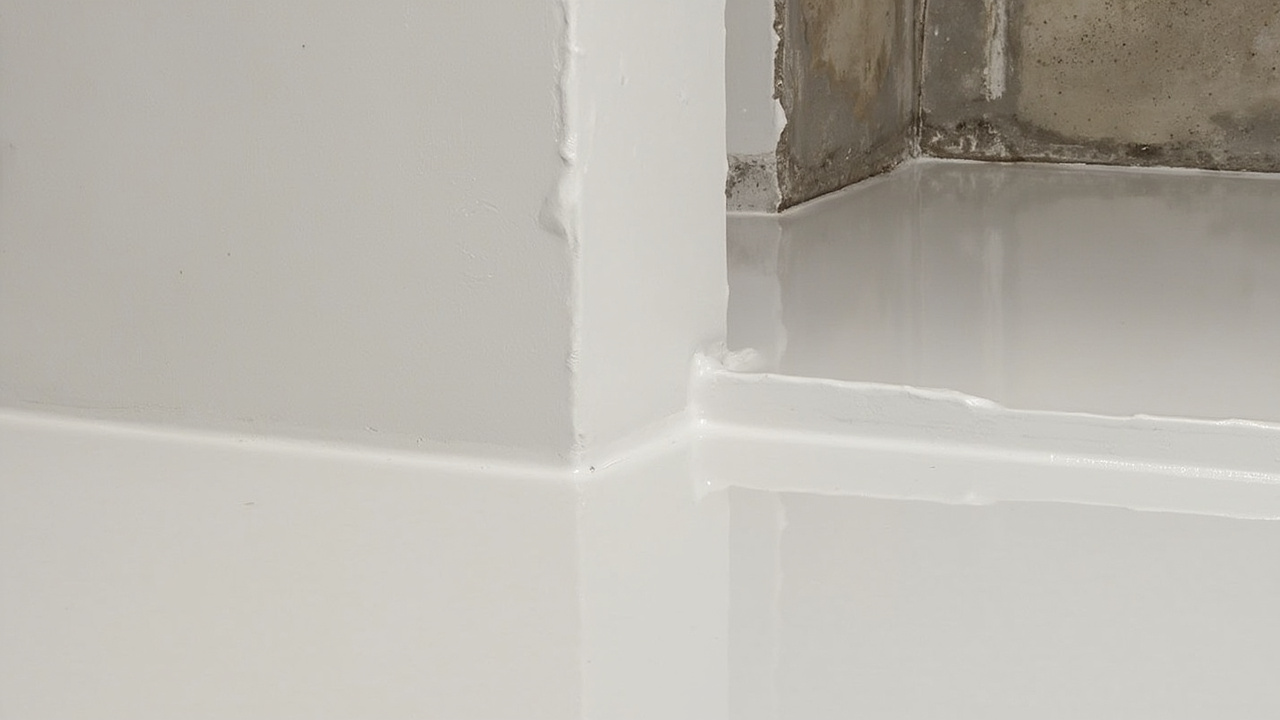
Crack injection is part of the process, but only after we control the water source. We use polyurethane or epoxy injections to seal active cracks, stopping water infiltration at the source. For porous block walls, we apply crystalline waterproofing compounds that penetrate the concrete and seal it from within.

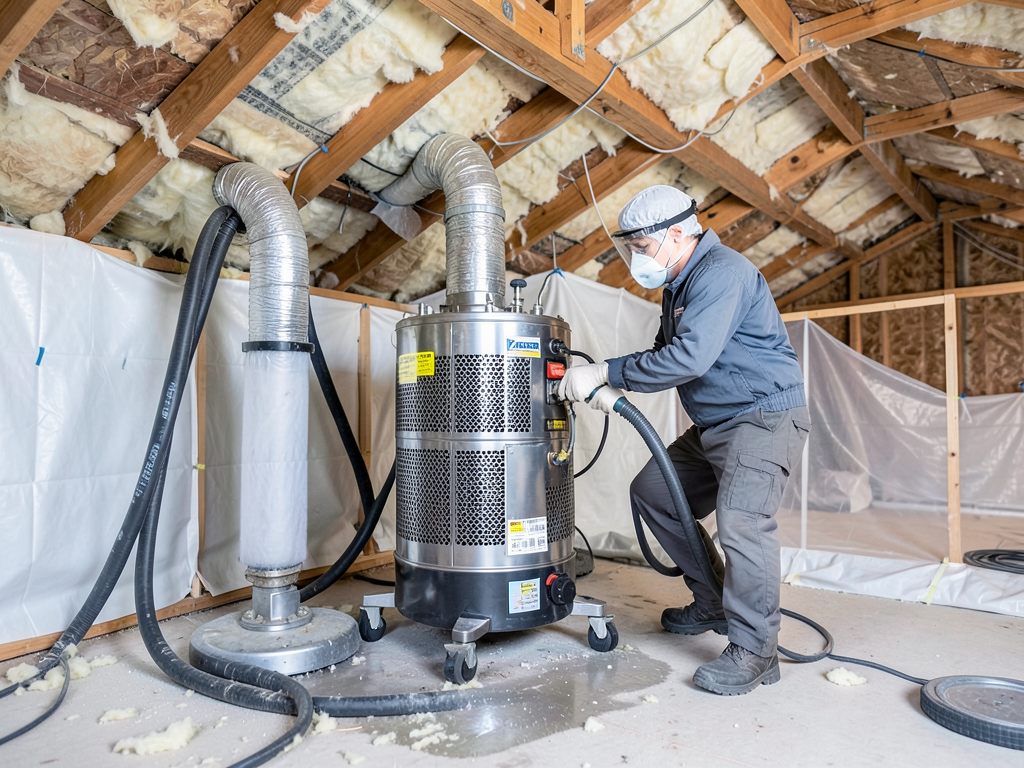
Vapor barriers and dehumidification keep humidity levels in check, preventing mold growth and that musty smell. A Plus Water Damage Restoration Kansas City uses commercial-grade dehumidifiers, not the consumer units you find at big box stores. We size equipment to your basement's cubic footage and moisture load.

What Happens During a Professional Basement Waterproofing Assessment

Basement Waterproofing Guide Kansas City – Expert Methods to Protect Your Foundation from Missouri's Clay Soil and Seasonal Flooding
01

Moisture Source Identification

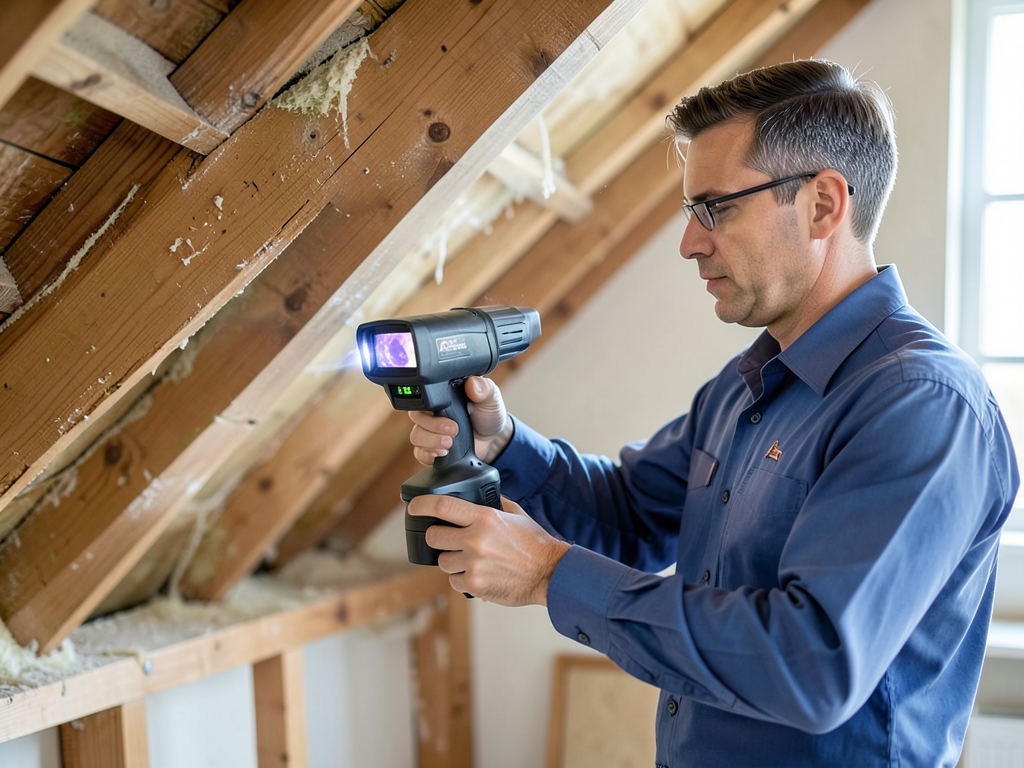
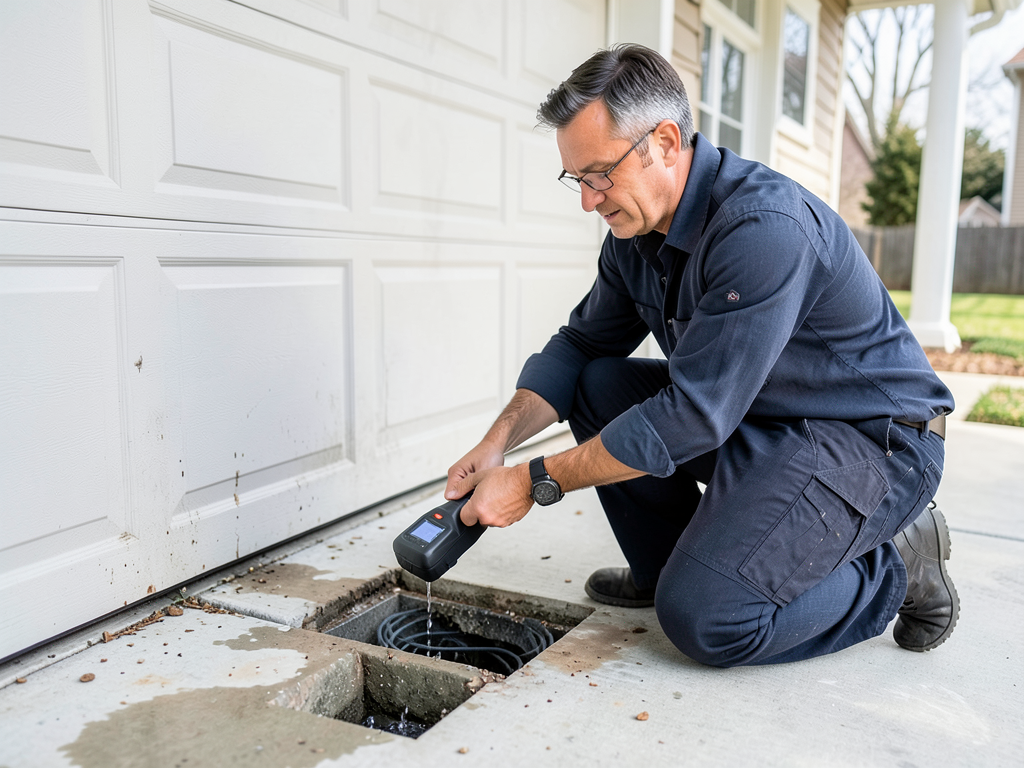
We inspect your basement for active leaks, efflorescence on walls, and water stains. We check the exterior grading, downspout placement, and drainage patterns around your home. Moisture meters measure humidity levels in walls and floors. We perform water intrusion tests to pinpoint exactly where water enters. This step separates surface condensation from actual groundwater infiltration, which require different solutions.
02

Foundation and Drainage Evaluation

We examine foundation cracks for width, location, and whether they are active or dormant. We check for hydrostatic pressure signs like bowed walls or floor heaving. Sump pump performance gets tested, including pit size, pump capacity, and discharge routing. We inspect existing drain tile systems, if present, using camera equipment to identify clogs or breaks. Soil type around your foundation dictates which waterproofing methods will actually work long-term.
03

Custom Waterproofing Plan

You receive a detailed plan that explains which waterproofing methods your basement needs, why each method addresses your specific water problem, and what the installation process involves. We outline exterior versus interior solutions, timeline expectations, and what you should monitor after installation. The plan accounts for Kansas City's clay soil behavior and seasonal water table fluctuations, not just generic basement waterproofing steps that ignore local conditions.

Why Kansas City Homeowners Trust Local Waterproofing Expertise

National chains do not understand Kansas City's clay soil. They send technicians trained on generic waterproofing methods designed for different regions. They do not know that our soil can expand up to 10% when saturated, or that our spring rainfall can drop three inches in an afternoon, overwhelming poorly designed drainage systems.

A Plus Water Damage Restoration Kansas City has worked in every major neighborhood, from the historic homes in Westport with limestone foundations to the mid-century builds in Prairie Village with poured concrete. We know which foundations crack first during freeze-thaw cycles. We know which neighborhoods sit in former floodplains near Brush Creek or the Blue River.

Local building codes matter. Kansas City requires specific drainage setbacks and sump discharge methods. We pull permits when needed and make sure your waterproofing meets code. Out-of-town contractors skip this step, leaving you liable when you sell the house or file an insurance claim.

Our equipment stays here. When your sump pump fails during a flash flood, we respond from Kansas City, not from a regional hub three states away. We stock replacement pumps, backup batteries, and drain tile components locally because we know what fails most often in our climate.

We work with local foundation repair companies, structural engineers, and mold remediation specialists. When your basement needs more than waterproofing, we coordinate the right experts without markups or delays. We have relationships with adjusters at the insurance companies that cover most Kansas City homes, which speeds up claims when storm damage causes basement flooding.

You need someone who has seen what happens to basements during a Kansas City thunderstorm, not someone reading from a national playbook.

What to Expect from Professional Basement Waterproofing

Assessment and Timeline

Initial inspections take 60 to 90 minutes. We examine your entire basement, the exterior foundation, and drainage conditions. You get a written assessment within 24 hours explaining what we found and which waterproofing methods your basement needs. Installation timelines vary based on scope. Interior drain tile and sump pump systems typically take two to three days. Exterior excavation and waterproofing can take five to seven days, depending on foundation size and access. We schedule around your availability and provide daily updates on progress. Emergency waterproofing after a flood starts within hours of your call.

Installation Process

For interior systems, we remove a 12-inch section of concrete along the foundation perimeter, install drain tile at the footing level, and connect it to a sump basin. We pour new concrete and ensure proper slope toward the drainage channel. Exterior waterproofing requires excavation down to the footing, cleaning the foundation wall, applying waterproof membrane, installing drain tile with filter fabric, and backfilling with gravel for drainage. We protect landscaping and restore grading to original or improved conditions. Crack injections use port systems that force polyurethane or epoxy deep into the crack under pressure. Each method gets explained before we start, and you see the work in progress.

The End Result

Your basement stays dry during Kansas City's heaviest storms. Sump pumps activate automatically when water enters the drainage system, routing it safely away from your foundation. Humidity levels drop to normal ranges, eliminating mold risk and musty odors. Foundation cracks stop leaking because they are sealed properly, not just patched with hydraulic cement. You can use your basement for storage, living space, or mechanical systems without fear of water damage. The system handles seasonal water table fluctuations and clay soil expansion without constant maintenance. You get documentation of all work completed, including photos of before and after conditions.

Ongoing Monitoring and Maintenance

Sump pumps need annual testing to confirm they activate properly and discharge water effectively. We check battery backup systems and replace batteries every three years. Drain tile systems require inspection every five years to ensure they remain clear of clay soil and debris. We recommend cleaning exterior drainage channels after major storms and checking downspout extensions for proper function. Dehumidifiers need filter changes and coil cleaning annually. We offer maintenance plans that include scheduled inspections, priority emergency service, and discounted parts replacement. You receive reminders when maintenance is due, and we keep service records for your home's history.

Frequently Asked Questions

You Have Questions,
We Have Answers

What is the best waterproofing method for basements? +

Interior drainage systems paired with sump pump installation work best for Kansas City basements. This method addresses high water tables and clay soil expansion common to the metro area. A perimeter drain captures water before it enters, directing it to a sump basin for removal. Exterior waterproofing with membrane application offers long-term protection but requires excavation. For Kansas City homes built before 1980, interior systems adapt better to foundation settling. Combine drainage with vapor barriers on walls for moisture control. The right method depends on your foundation type, water source, and soil conditions specific to your neighborhood.

How much does it cost to waterproof a 1000 sq ft basement? +

Waterproofing a 1000 square foot basement typically involves interior drainage, sump pump installation, and wall sealants. Costs vary based on water intrusion severity, foundation condition, and chosen method. Basements in Waldo or Brookside with older foundations require more prep work than newer construction. Clay soil common throughout Kansas City can increase excavation difficulty if exterior work is needed. Expect variables like hydrostatic pressure levels, existing drainage, and wall crack repairs to affect pricing. Get multiple quotes from local contractors familiar with Kansas City soil conditions and drainage patterns to understand your specific investment range.

What are common waterproofing mistakes? +

Using interior paint sealers alone ranks as the top mistake. Products like Drylok trap moisture inside foundation walls, causing spalling and structural damage in Kansas City's freeze-thaw cycles. Ignoring grading issues around your home sends water straight to your foundation. Skipping proper drainage systems means water has nowhere to go. Installing vapor barriers directly against concrete without air gaps traps condensation. Neglecting gutter maintenance overloads soil around basements during Kansas City's heavy spring rains. DIY projects without addressing the water source waste money. Waterproofing requires a complete system approach, not quick fixes.

Why not use Drylok on basement walls? +

Drylok creates a waterproof barrier on the interior wall surface, trapping moisture inside your foundation. Kansas City's clay soil creates hydrostatic pressure that forces water through concrete. When Drylok blocks interior evaporation, trapped moisture causes concrete deterioration, spalling, and white crystalline deposits. The product works for minor dampness control but fails against active water intrusion. Kansas City's seasonal temperature swings worsen the problem as freeze-thaw cycles crack the sealed surface. Drylok addresses symptoms, not sources. Proper waterproofing redirects water away from foundations rather than trapping it inside structural elements where damage compounds over time.

What are the three types of basement waterproofing? +

Interior waterproofing installs drainage channels along basement footings, collecting water before it surfaces. A sump pump removes collected water. This method works well for Kansas City homes with finished basements or limited excavation access. Exterior waterproofing applies membranes and drainage boards to foundation walls after excavation, blocking water at entry points. This approach suits new construction or major renovations. Drainage improvement modifies grading, extends downspouts, and installs French drains to divert water away from foundations. Most Kansas City properties need combined approaches since clay soil, high water tables, and aging infrastructure create multiple water entry points.

What is better than Drylok for basement walls? +

Hydraulic cement for active leaks and crack repair outperforms Drylok for Kansas City basements. This product stops flowing water and expands to fill voids. For general moisture control, crystalline waterproofing penetrates concrete pores and forms crystals that block water passage while allowing vapor transmission. Bentonite clay panels applied to exterior walls expand when wet, creating impermeable barriers. Epoxy injection seals foundation cracks permanently. Drainage systems with sump pumps address water at the source rather than masking it. Kansas City's hydrostatic pressure requires solutions that manage water flow, not cosmetic barriers that trap moisture and accelerate foundation damage.

Will insurance pay for basement waterproofing? +

Standard homeowners insurance excludes waterproofing because insurers classify it as preventive maintenance, not sudden damage. Policies cover burst pipe flooding but not groundwater seepage or foundation leaks. Kansas City residents sometimes get coverage if water damage results from a covered peril like storm-related foundation cracks. Flood insurance through FEMA covers specific water events but not chronic basement moisture or waterproofing installations. Review your policy declarations page and speak with your agent about endorsements. Document any sudden water intrusion immediately. Some Kansas City insurers offer riders for backup protection, but preventive waterproofing remains your responsibility.

What is the cheapest way to waterproof a basement? +

Improving exterior drainage provides the most economical waterproofing approach. Extend downspouts six feet from foundations and regrade soil to slope away from your home. Clean gutters regularly to prevent overflow during Kansas City's spring storms. Seal visible foundation cracks with hydraulic cement. Install window well covers to block rain entry. Add landscaping that directs water away from basement walls. For interior work, apply concrete sealer to bare walls for minor dampness control. These measures address common water sources without excavation costs. However, if you face active water intrusion or hydrostatic pressure from Kansas City's clay soil, invest in proper drainage systems.

How much is it to finish a 2000 sq ft basement? +

This question addresses basement finishing, not waterproofing. Finishing a 2000 square foot basement involves framing, insulation, drywall, flooring, electrical, plumbing, and HVAC work. Costs vary widely based on material choices, bathroom additions, and Kansas City building permit requirements. Crucially, waterproof your basement before finishing. Kansas City's moisture challenges destroy finished spaces without proper drainage systems and vapor barriers. Water intrusion ruins drywall, promotes mold growth, and wastes your finishing investment. Address foundation waterproofing first, then finish spaces. Consult licensed contractors familiar with Kansas City moisture conditions to sequence work properly and protect your investment long-term.

What is the negative side of waterproofing? +

Exterior waterproofing requires excavation around your foundation, disturbing landscaping, driveways, and utility lines. Kansas City's clay soil makes digging difficult and expensive. Interior systems reduce usable basement space where drains and sump pits install. Improper installation creates new problems. Sealants applied without addressing water sources trap moisture, accelerating foundation deterioration in freeze-thaw cycles. Some methods require ongoing maintenance like sump pump testing and battery backup checks. DIY waterproofing often fails because homeowners misdiagnose water sources or skip drainage components. Poor waterproofing wastes money and worsens damage. Professional assessment identifies root causes before solutions are implemented.

How Kansas City's Clay Soil and River Proximity Make Basement Waterproofing Critical

Kansas City sits on Verdigris and Wabash clay soil, which shrinks during dry months and swells up to 10% when wet. This expansion creates tremendous hydrostatic pressure against foundation walls, forcing water through cracks and mortar joints. Homes built before 1970, especially in the Northeast, Midtown, and parts of Johnson County, often have limestone or block foundations that crack under this repeated stress. The Missouri River to the north and Kansas River to the west create high water tables in low-lying areas like the West Bottoms, Fairway, and sections of North Kansas City. Spring storms can raise the water table six feet in 48 hours, flooding basements that normally stay dry. Without proper foundation waterproofing methods, your basement cannot handle this cycle.

Kansas City building codes require specific drainage setbacks and sump discharge methods to protect neighboring properties from runoff. A Plus Water Damage Restoration Kansas City pulls permits for major waterproofing work and coordinates inspections to keep your project compliant. We know which neighborhoods have combined sewer systems that back up during heavy rain, requiring backflow preventers in addition to standard waterproofing. Our technicians have worked on homes in every Kansas City historic district, from Quality Hill to Hyde Park, where foundation types and drainage challenges vary block by block. Choosing a local team means you get waterproofing designed for Kansas City's soil, climate, and building stock, not a national template that ignores what makes our basements different.
Water Damage Restoration Services in The Kansas City Area

While we provide rapid mobile service throughout the entire Kansas City area, you can also view our general service area on the map. We are dedicated to being a local, accessible resource for all your water damage restoration needs, whether you're in the heart of the city or a surrounding community. Our team is always just a phone call away, ready to assist you with expertise and care, no matter where you are located within our service area.

Address:
A Plus Water Damage Restoration Kansas City, 1020 E Armour Blvd, Kansas City, MO, 64109

Additional Services We Offer

Our news updates

Latest Articles & News from The Blogs

How the hard water in Edwardsville is secretly shortening the life of your plumbing and appliances Hard water is more…

How the hard water in Edwardsville is secretly shortening the life of your plumbing and appliances

How the hard water in Edwardsville is secretly shortening the life of your plumbing and appliances Hard water is more…

How to protect your Weatherby Lake home from major water damage while you are away for the winter

How to protect your Weatherby Lake home from major water damage while you are away for the winter Winterizing your…

What every first-time buyer in Raymore needs to check for water damage before closing the deal

What every first-time buyer in Raymore needs to check for water damage before closing the deal Buying your first home…

Contact Us

Call A Plus Water Damage Restoration Kansas City at (816) 473-3833 for a basement waterproofing assessment. We will identify your water source, explain which solutions your foundation needs, and give you a clear plan to keep your basement dry year-round.