




Belton sits at the confluence of multiple water threats that keep our crews busy year-round. The city's location along Shoal Creek and proximity to Belton Lake means seasonal flooding hits hard during spring storms when the Little Blue River watershed overflows. Heavy clay soils common throughout Cass County don't absorb water quickly, so runoff pools against foundations in neighborhoods like Walnut Grove and near Belton City Lake.
Summer thunderstorms dump inches of rain in minutes, overwhelming aging storm drains in older sections near downtown Belton. Basements flood fast when ground saturation prevents drainage. Winter freeze-thaw cycles crack pipes in crawl spaces, especially in homes built before modern insulation standards. When temperatures drop below freezing for days, then spike back up, burst pipes flood homes without warning.
The mix of ranch-style homes from the 1960s and newer construction means Belton has both old cast-iron plumbing prone to failure and modern PEX systems that can still leak at fittings. Homes near Highway 58 and 71 corridors face higher humidity from vehicle emissions mixing with Missouri's already muggy summers, creating perfect conditions for mold growth after any water intrusion. Quick response matters here because humidity above 60 percent means mold can colonize damp materials within 48 hours.
We've spent years learning how water moves through Belton properties. Every neighborhood drains differently. Every foundation type holds water in specific ways. We know which crawl spaces flood first during heavy rain and which subdivisions have chronic sump pump failures. That local knowledge means faster damage assessment and more targeted drying plans.
Our trucks carry industrial extraction equipment, thermal imaging cameras, and commercial dehumidifiers because residential shop-vacs don't remove water from carpet padding or subfloors. We measure moisture content in framing lumber and drywall using calibrated meters, not guesswork. When readings drop below 15 percent moisture content, we know the structure is dry enough to prevent mold. We document everything with photos and moisture logs because insurance adjusters want proof the job was done right.
We answer calls at 2 AM on Christmas because water damage is always an emergency. Our dispatch center tracks crew locations across the Kansas City metro, so we send the closest team to your Belton address. We don't quote prices over the phone because every situation is different. A bathroom supply line leak requires different equipment than a sewer backup or storm flooding. We assess the damage in person, explain what needs to happen, and start extraction immediately if you approve the plan.
We work directly with major insurance carriers and know what documentation they require. We take those photos, write those estimates, and handle those calls so you don't spend hours on hold with claims adjusters. We also work with homeowners paying out of pocket, and we explain costs upfront before starting work.

We dispatch crews to Belton addresses within 90 minutes of your emergency call. Water spreads fast through carpet, drywall, and insulation. Every minute of delay means more damage and higher restoration costs. Our trucks are loaded and ready to roll with extraction pumps, air movers, and dehumidifiers. We start removing water the moment we arrive, not hours later after equipment rental.

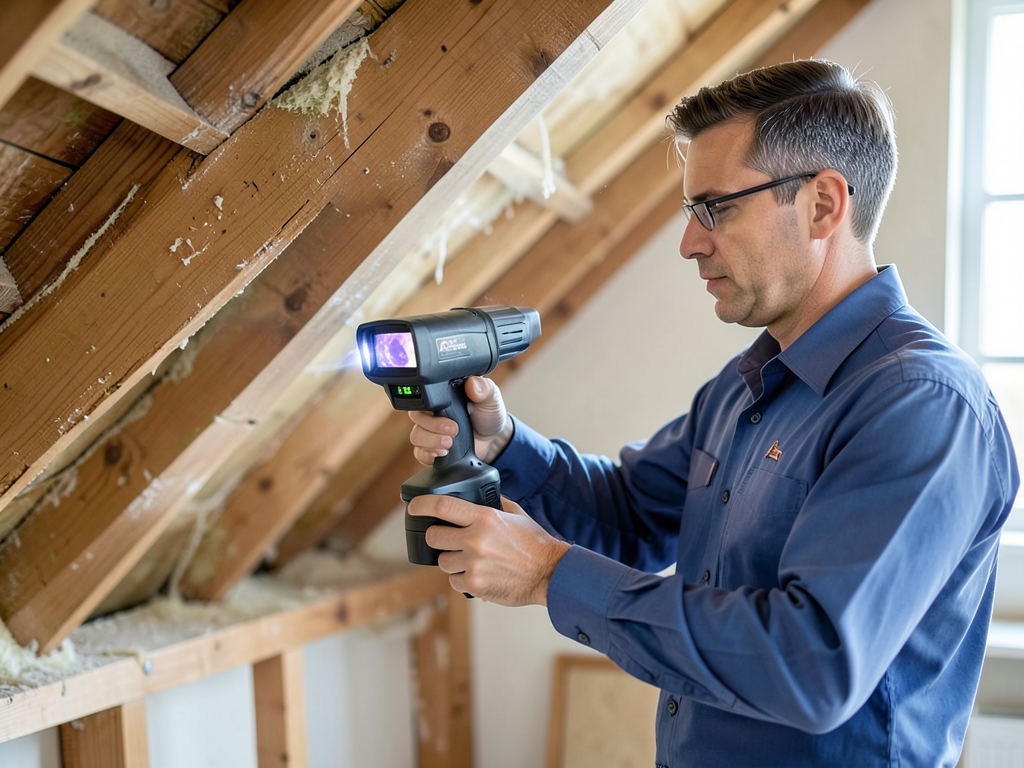
We use thermal imaging cameras to find hidden water in wall cavities and under flooring before it causes structural damage. Surface drying isn't enough. Water wicks up drywall and soaks into framing lumber where you can't see it. Our moisture meters measure water content in wood and building materials to confirm drying progress. We don't leave until readings prove the structure is dry.
We document damage with detailed photos, moisture readings, and written assessments that insurance adjusters require for claim approval. We know what State Farm, Farmers, and other carriers expect in restoration estimates. We handle the paperwork, follow up on approvals, and communicate directly with adjusters. You get your property dried out while we manage the insurance process.
We've restored properties across Belton's neighborhoods, from basement floods near Belton City Lake to burst pipe disasters in homes along Y Highway. We understand how Cass County clay soils affect foundation drainage and which subdivisions have recurring water problems. That local experience means we know what to expect when we walk through your door and can plan restoration work more efficiently.
Water damage restoration involves more than mopping floors. We provide emergency water extraction, structural drying, mold remediation, and complete reconstruction under one service umbrella. Each situation requires different equipment and expertise. A flooded basement from storm water needs different treatment than a slow leak behind a washing machine. Clean water from a burst supply line gets handled differently than contaminated water from sewer backups.
We break our services into three main categories based on water source and contamination level. Emergency extraction stops active flooding and removes standing water. Structural drying uses commercial dehumidifiers and air movers to pull moisture from building materials. Reconstruction repairs damage after drying is complete, from replacing drywall to reinstalling flooring.
Every job starts with damage assessment using moisture meters and thermal cameras. We classify the water as clean, gray, or black based on contamination level. Category 3 black water from sewage requires different safety protocols and antimicrobial treatment. We explain what needs to happen and why before starting work. Our crews handle everything from initial water removal through final repairs, so you work with one company instead of coordinating multiple contractors.
We remove standing water from Belton homes and businesses using truck-mounted extraction equipment and portable pumps. Our crews respond immediately to basement floods, burst pipes, and storm damage. We extract water from carpets, hardwood floors, and crawl spaces, then remove soaked materials like padding and damaged drywall. Speed matters because water spreads through porous materials fast. We start extraction within 90 minutes and work until all standing water is removed and affected areas are ready for drying equipment.
We dry out building materials using commercial dehumidifiers, air movers, and moisture monitoring equipment. Removing standing water is just the first step. Moisture soaks into framing lumber, insulation, and subfloors where it causes mold growth and structural damage. We place drying equipment strategically to create airflow through wall cavities and under flooring. Daily moisture readings track drying progress until materials reach safe levels below 15 percent. We adjust equipment placement based on readings to ensure complete drying in 3-5 days.
We rebuild Belton properties after water damage, handling everything from drywall replacement to flooring installation. Once structural drying is complete, we remove damaged materials and reconstruct affected areas. Our crews replace insulation, hang and finish drywall, install new flooring, and repaint. We match existing finishes and materials so repairs blend seamlessly. We also handle kitchen and bathroom reconstruction when water damages cabinets or fixtures. One company manages the entire project from water extraction through final repairs.
Belton's climate and soil conditions create specific water damage patterns we see repeatedly. Spring storms bring heavy rain that overwhelms drainage systems in older neighborhoods. Clay soil prevents water absorption, so runoff pools against foundations. Summer humidity above 70 percent means any moisture intrusion leads to mold within 48 hours. Winter freeze-thaw cycles burst pipes in unheated spaces.
Homes near Shoal Creek and Belton Lake face flooding during heavy rain events when waterways overflow. Properties in low-lying areas near the convergence of Highway 58 and Y Highway collect runoff from higher elevations. Older homes have cast-iron drain pipes that corrode from the inside, eventually failing without warning. Newer homes have PEX plumbing that can fail at fittings if not installed correctly.
We respond to these problems daily across Belton. Basement floods top the list during spring storms. Burst washing machine hoses and water heater failures cause sudden flooding. Roof leaks from storm damage let water into attics and wall cavities. Sewer backups contaminate finished basements when main lines clog. Each problem requires specific treatment based on water source and contamination level.
Heavy rain overwhelms drainage systems and sends water into Belton basements through foundation cracks and window wells. Clay soil can't absorb water fast enough, so runoff pools against foundations until it finds entry points. Sump pumps fail during power outages, letting water rise unchecked. We extract standing water, dry the structure, and recommend drainage improvements to prevent recurrence.
Frozen pipes burst when temperatures drop below 20 degrees, flooding homes with hundreds of gallons before shutoffs stop the flow. Supply lines under sinks and behind washing machines fail from age and water pressure. We respond immediately to extract water and dry wall cavities before mold starts growing. Thermal imaging finds hidden moisture in walls and ceilings that surface inspection misses.
Storm damage tears shingles off Belton roofs, letting rain pour into attics and down walls. Water stains on ceilings indicate leaks that may have been happening for weeks. Soaked insulation loses effectiveness and holds moisture against framing lumber. We remove wet insulation, dry the structure, and coordinate with roofing contractors to fix the source before reconstructing damaged areas.
Clogged main sewer lines send contaminated water back into Belton homes through basement drains and toilets. Tree roots infiltrate clay sewer pipes, catching debris until complete blockage occurs. Category 3 black water contains bacteria and requires antimicrobial treatment after extraction. We remove contaminated materials, sanitize all surfaces, and dry the structure using protocols that prevent health hazards.
We know water damage creates stress and panic. Your home is flooding, belongings are soaking, and you need help immediately. When you call our emergency line, a real person answers and dispatches a crew to your Belton address within 90 minutes. No answering services. No callbacks. Immediate response.
Our crew arrives in marked trucks with all necessary equipment already loaded. We assess the damage, explain what needs to happen, and provide a clear estimate before starting work. We don't surprise you with charges later. If insurance covers the damage, we explain the claims process and handle documentation. If you're paying directly, we discuss costs upfront and offer payment options.
We start water extraction immediately after you approve the plan. Our crews work efficiently to remove standing water, place drying equipment, and protect unaffected areas. We monitor moisture levels daily and adjust equipment as needed. You receive updates on drying progress and estimated completion timelines. When restoration is complete, we walk through the property with you to confirm all work meets your expectations.
We dispatch crews to Belton properties within 90 minutes of your call, day or night. Water spreads through building materials quickly, so fast response prevents additional damage. Our trucks carry extraction equipment, dehumidifiers, air movers, and moisture detection tools. We start removing water immediately upon arrival. You won't wait hours while we rent equipment or schedule crews. We're ready to respond now because water emergencies can't wait until business hours.
We explain the restoration process in plain language without technical jargon. You'll understand what we're doing and why it matters. We provide written estimates before starting work and document progress with photos and moisture readings. We answer questions immediately and return calls the same day. If we find additional damage during restoration, we discuss options before proceeding. You stay informed at every step, from initial damage assessment through final reconstruction.
We don't rely on visual inspection to determine when drying is complete. Moisture meters measure water content in wood framing, drywall, and subflooring. We take daily readings and track drying progress until materials reach levels below 15 percent moisture content. Only then do we remove equipment and begin reconstruction. We provide final documentation showing moisture readings that prove the structure is dry and safe from mold growth.
We follow a proven three-step process that stops damage, dries the structure completely, and restores your property to pre-loss condition. This systematic approach ensures nothing gets missed and work proceeds efficiently.
We arrive at your Belton property within 90 minutes and immediately assess damage severity and water source. Our crew identifies safety hazards like electrical risks and structural concerns. We classify water contamination level and determine affected areas using moisture meters and thermal cameras. Then we extract all standing water using truck-mounted pumps and portable extractors. We remove soaked materials like carpet padding and damaged drywall that can't be saved. This stops damage from spreading and prepares the area for drying equipment.
We place commercial dehumidifiers and air movers strategically to dry building materials completely. Equipment runs continuously, pulling moisture from wood framing, insulation, and subfloors. We take daily moisture readings in multiple locations and adjust equipment placement based on results. Thermal imaging verifies drying progress in hidden areas like wall cavities. This phase continues 3-5 days until moisture content drops below 15 percent. We document all readings for insurance purposes and to verify complete drying.
Once the structure is completely dry, we rebuild damaged areas to pre-loss condition. Our crews replace insulation, install new drywall, match paint colors, and install flooring. We handle all reconstruction trades including plumbing, electrical, and carpentry. We match existing materials and finishes so repairs blend seamlessly with undamaged areas. Final walkthrough confirms all work meets your expectations and the property is ready for occupancy.
Professional water damage restoration follows specific industry standards established by the Institute of Inspection, Cleaning and Restoration Certification. These protocols ensure complete drying and prevent secondary damage like mold growth. We follow IICRC S500 Standard and Reference Guide for Professional Water Damage Restoration, which defines proper procedures for water classification, structural drying, and contamination control.
Water gets classified into three categories based on contamination level. Category 1 is clean water from supply lines or rain. Category 2 gray water contains some contamination from appliances or toilet overflow. Category 3 black water is grossly contaminated from sewage or flooding. Each category requires different handling and safety protocols. Black water demands antimicrobial treatment and removal of porous materials that can't be adequately sanitized.
Drying standards require moisture content in wood framing and structural materials to reach equilibrium with ambient conditions, usually around 12-15 percent moisture content for wood in Missouri's climate. We use penetrating moisture meters that measure deep into materials, not just surface readings. Psychrometers measure humidity levels and determine when dehumidifiers can be removed. We calculate proper equipment placement using industry formulas based on affected square footage and material saturation levels.
Missouri doesn't require state licensing for water damage restoration companies, but professional certification through IICRC demonstrates competency in proper techniques. Our technicians maintain IICRC Water Damage Restoration certification, which requires ongoing education in new methods and materials. We also follow EPA guidelines for mold prevention, which specify that materials must be dried within 48 hours to prevent colonization. When mold is present, we follow IICRC S520 Standard for Professional Mold Remediation, which requires containment, air filtration, and proper disposal of contaminated materials.
Insurance companies expect documentation that proves restoration followed industry standards. We provide moisture logs, equipment placement diagrams, and photos showing work progression. This documentation supports claims and demonstrates that restoration was performed correctly. Without proper documentation, insurance adjusters may question whether drying was adequate or deny coverage for future mold problems.
We follow Institute of Inspection, Cleaning and Restoration Certification S500 standards for all water damage restoration. These protocols define proper drying techniques, equipment placement calculations, and moisture measurement procedures. IICRC certification requires ongoing training in the latest restoration methods. Following these standards ensures complete structural drying and prevents mold growth. Insurance companies recognize IICRC standards as the industry benchmark for proper restoration work.
Water damage restoration costs depend on affected square footage, water contamination level, and extent of structural damage. Clean water extraction costs less than sewage cleanup because black water requires antimicrobial treatment and disposal protocols. Drying time affects equipment rental duration, which impacts total cost. Reconstruction expenses vary based on materials and finish quality. Insurance typically covers sudden water damage from burst pipes but may exclude flooding or gradual leaks.
Structural drying takes 3-5 days on average, depending on material saturation and humidity levels. We monitor moisture content daily using calibrated meters. High humidity or cool temperatures extend drying time. Hardwood floors and plaster walls hold moisture longer than drywall and carpet. We can't rush drying by removing equipment early. Materials must reach moisture equilibrium below 15 percent to prevent mold growth after equipment removal.
IICRC standards classify water damage into three categories based on contamination. Category 1 clean water comes from supply lines. Category 2 gray water contains some contamination from appliances. Category 3 black water from sewage or flooding requires specialized handling. Black water restoration demands antimicrobial treatment, removal of porous materials, and strict safety protocols. Proper classification determines restoration techniques and worker safety equipment.
Professional water damage restoration overview for Belton, Missouri properties. This video explains the emergency water extraction process, structural drying standards, and restoration timeline for homes and businesses affected by flooding, burst pipes, or storm damage. Covers IICRC drying protocols, moisture detection techniques, insurance coordination, and common water damage risks specific to Belton's geography near Shoal Creek and clay soil conditions in Cass County. Includes information on water classification categories, equipment used for water removal and structural drying, and the complete restoration process from initial response through reconstruction.
A Plus Water Damage Restoration Kansas City serves all Belton neighborhoods and surrounding Cass County areas with rapid emergency response. We know the local geography, from the older residential areas near downtown Belton along Main Street to newer subdivisions spreading south toward Peculiar. Properties in the Belton City Lake area face different water damage risks than homes along Y Highway or near the Highway 58 corridor.
We regularly respond to water damage calls in the Walnut Grove neighborhood, where aging homes built in the 1960s have plumbing systems reaching end of life. Basement floods are common here during spring storms when Shoal Creek rises and overwhelms drainage systems. The combination of clay soil and older foundations means water finds its way inside during heavy rain. We've restored dozens of properties in this area and understand the specific challenges these homes face.
North of Interstate 49, newer construction in subdivisions near Belton High School tends to have modern plumbing and better drainage, but we still respond to burst washing machine hoses and water heater failures. These neighborhoods have mostly finished basements, so water damage affects living spaces rather than just storage areas. Fast response prevents damage to furniture, electronics, and personal belongings.
East Belton properties near the convergence with Raymore face runoff from higher elevations during storms. Water flows downhill and collects in low-lying areas, flooding crawl spaces and garages. We've worked with homeowners here to extract water and recommend drainage improvements that redirect runoff away from foundations.
South toward the Cass County line, rural properties on larger lots have different water damage patterns. Well systems and septic tanks create unique challenges. Properties along minor tributaries feeding into Shoal Creek flood when waterways overflow their banks. We bring equipment down gravel roads and long driveways to reach these homes quickly.
We also serve Raymore, Grandview, and other neighboring communities within a 30-minute drive of Belton. Our crews know the quickest routes through the area and dispatch from locations across the Kansas City metro. Whether you're in an older home near downtown, a subdivision north of I-49, or a rural property in unincorporated Cass County, we get to you fast when water damage happens.
Most water damage restoration companies in Belton MO offer 24/7 emergency response. You should expect a team to arrive within 60 to 90 minutes of your call. Response time matters because water spreads quickly and causes more damage with each passing hour. Local companies often arrive faster than national chains because they operate from nearby facilities. When you call, ask about their current availability and estimated arrival time. Fast response helps minimize structural damage, prevents mold growth, and reduces overall restoration time for your property.
Water damage restoration pricing in Belton Missouri varies based on several factors. The extent of damage affects your total expense. A small bathroom leak requires less work than a flooded basement. The water source matters too. Clean water from a supply line differs from contaminated water from sewage backup. The affected materials influence pricing. Hardwood floors need different treatment than carpet. Most companies offer free inspections to assess your situation and provide detailed estimates before starting work.
Water damage restoration in Belton typically takes three to five days for minor incidents. Extensive flooding or severe structural damage extends the timeline to two or three weeks. The process includes water extraction, drying, cleaning, and repairs. Drying alone takes two to four days depending on humidity levels and airflow. Your property type affects timing. Concrete basements dry slower than wood-framed rooms. Weather conditions in Belton influence drying speed. High humidity slows the process while dry conditions speed it up.
Most water damage restoration companies in Belton MO offer 24/7 emergency response. You should expect a team to arrive within 60 to 90 minutes of your call. Response time matters because water spreads quickly and causes more damage with each passing hour. Local companies often arrive faster than national chains because they operate from nearby facilities. When you call, ask about their current availability and estimated arrival time. Fast response helps minimize structural damage, prevents mold growth, and reduces overall restoration time for your property.
Water damage restoration pricing in Belton Missouri varies based on several factors. The extent of damage affects your total expense. A small bathroom leak requires less work than a flooded basement. The water source matters too. Clean water from a supply line differs from contaminated water from sewage backup. The affected materials influence pricing. Hardwood floors need different treatment than carpet. Most companies offer free inspections to assess your situation and provide detailed estimates before starting work.
Water damage restoration in Belton typically takes three to five days for minor incidents. Extensive flooding or severe structural damage extends the timeline to two or three weeks. The process includes water extraction, drying, cleaning, and repairs. Drying alone takes two to four days depending on humidity levels and airflow. Your property type affects timing. Concrete basements dry slower than wood-framed rooms. Weather conditions in Belton influence drying speed. High humidity slows the process while dry conditions speed it up.
Most homeowners insurance policies in Belton MO cover sudden and accidental water damage. Burst pipes, appliance malfunctions, and storm damage typically qualify for coverage. Gradual damage from poor maintenance usually gets denied. Flood damage requires separate flood insurance through the National Flood Insurance Program. Review your policy to understand your specific coverage limits and deductibles. Contact your insurance company immediately after discovering water damage. Many restoration companies work directly with insurers and help you navigate the claims process for smoother resolution.
Look for IICRC certification when choosing a water damage restoration company in Belton. The Institute of Inspection Cleaning and Restoration Certification sets industry standards for water damage restoration. Technicians should hold Water Damage Restoration Technician credentials at minimum. Applied Structural Drying certification indicates advanced training. Some companies pursue additional credentials through the Restoration Industry Association. These certifications prove technicians understand proper drying techniques, moisture detection, and mold prevention. Ask to see current certification cards before hiring any restoration company.
Your ability to stay home during water damage restoration in Belton depends on the damage extent and location. Minor water damage confined to one room usually allows you to remain in your home. Extensive damage affecting multiple rooms or your entire home often requires temporary relocation. Safety concerns drive this decision. Wet conditions create slip hazards and potential electrical dangers. Standing water requires immediate evacuation. Professional equipment generates noise and takes up space. Your restoration company will assess your situation and recommend whether staying home is safe and practical.
Start by verifying IICRC certification and local references from Belton residents. Check online reviews on multiple platforms to spot patterns in customer experiences. Ask about response times and equipment quality during your initial call. Request a detailed written estimate before work begins. Confirm they carry proper insurance protection. Compare at least three companies before deciding. Ask about their drying process and timeline expectations. Local companies familiar with Belton properties often provide better service than distant contractors. Choose a company that answers your questions clearly and demonstrates professional knowledge.
Water damage restoration professionals in Belton use industrial-grade equipment for effective drying. Submersible pumps and wet vacuums remove standing water quickly. Commercial air movers create airflow to speed evaporation. Dehumidifiers pull moisture from the air and materials. Moisture meters measure water content in walls, floors, and ceilings. Infrared cameras detect hidden moisture behind surfaces. Air scrubbers filter airborne contaminants and prevent mold spores from spreading. Professionals bring multiple units to thoroughly dry your property and prevent secondary damage from developing.
Belton water damage companies prevent mold by acting quickly and drying thoroughly. Mold grows within 24 to 48 hours in wet conditions. Technicians extract water immediately and position air movers and dehumidifiers strategically. They monitor moisture levels daily using specialized meters. Target moisture content is below 15% in most materials. Antimicrobial treatments get applied to affected surfaces after cleaning. Air scrubbers capture mold spores during the drying process. Complete drying eliminates the moisture mold needs to grow. Proper ventilation and controlled humidity maintain safe conditions throughout restoration.
Restoration companies in Belton handle all water damage categories and sources. Clean water damage from supply lines and rainwater requires basic extraction and drying. Gray water from dishwashers and washing machines needs sanitization. Black water from sewage and flooding demands specialized treatment and disposal. Common sources include burst pipes, roof leaks, appliance failures, and basement flooding. They address storm damage, foundation seepage, and HVAC condensation issues. Companies restore damage to floors, walls, ceilings, and contents. They work on residential homes, commercial buildings, and rental properties throughout Belton.
Most homeowners insurance policies in Belton MO cover sudden and accidental water damage. Burst pipes, appliance malfunctions, and storm damage typically qualify for coverage. Gradual damage from poor maintenance usually gets denied. Flood damage requires separate flood insurance through the National Flood Insurance Program. Review your policy to understand your specific coverage limits and deductibles. Contact your insurance company immediately after discovering water damage. Many restoration companies work directly with insurers and help you navigate the claims process for smoother resolution.
Look for IICRC certification when choosing a water damage restoration company in Belton. The Institute of Inspection Cleaning and Restoration Certification sets industry standards for water damage restoration. Technicians should hold Water Damage Restoration Technician credentials at minimum. Applied Structural Drying certification indicates advanced training. Some companies pursue additional credentials through the Restoration Industry Association. These certifications prove technicians understand proper drying techniques, moisture detection, and mold prevention. Ask to see current certification cards before hiring any restoration company.
Your ability to stay home during water damage restoration in Belton depends on the damage extent and location. Minor water damage confined to one room usually allows you to remain in your home. Extensive damage affecting multiple rooms or your entire home often requires temporary relocation. Safety concerns drive this decision. Wet conditions create slip hazards and potential electrical dangers. Standing water requires immediate evacuation. Professional equipment generates noise and takes up space. Your restoration company will assess your situation and recommend whether staying home is safe and practical.
Start by verifying IICRC certification and local references from Belton residents. Check online reviews on multiple platforms to spot patterns in customer experiences. Ask about response times and equipment quality during your initial call. Request a detailed written estimate before work begins. Confirm they carry proper insurance protection. Compare at least three companies before deciding. Ask about their drying process and timeline expectations. Local companies familiar with Belton properties often provide better service than distant contractors. Choose a company that answers your questions clearly and demonstrates professional knowledge.
Water damage restoration professionals in Belton use industrial-grade equipment for effective drying. Submersible pumps and wet vacuums remove standing water quickly. Commercial air movers create airflow to speed evaporation. Dehumidifiers pull moisture from the air and materials. Moisture meters measure water content in walls, floors, and ceilings. Infrared cameras detect hidden moisture behind surfaces. Air scrubbers filter airborne contaminants and prevent mold spores from spreading. Professionals bring multiple units to thoroughly dry your property and prevent secondary damage from developing.
Belton water damage companies prevent mold by acting quickly and drying thoroughly. Mold grows within 24 to 48 hours in wet conditions. Technicians extract water immediately and position air movers and dehumidifiers strategically. They monitor moisture levels daily using specialized meters. Target moisture content is below 15% in most materials. Antimicrobial treatments get applied to affected surfaces after cleaning. Air scrubbers capture mold spores during the drying process. Complete drying eliminates the moisture mold needs to grow. Proper ventilation and controlled humidity maintain safe conditions throughout restoration.
Restoration companies in Belton handle all water damage categories and sources. Clean water damage from supply lines and rainwater requires basic extraction and drying. Gray water from dishwashers and washing machines needs sanitization. Black water from sewage and flooding demands specialized treatment and disposal. Common sources include burst pipes, roof leaks, appliance failures, and basement flooding. They address storm damage, foundation seepage, and HVAC condensation issues. Companies restore damage to floors, walls, ceilings, and contents. They work on residential homes, commercial buildings, and rental properties throughout Belton.
While we provide rapid mobile service throughout the entire Kansas City area, you can also view our general service area on the map. We are dedicated to being a local, accessible resource for all your water damage restoration needs, whether you're in the heart of the city or a surrounding community. Our team is always just a phone call away, ready to assist you with expertise and care, no matter where you are located within our service area.
Address:
Belton, MO, 64012
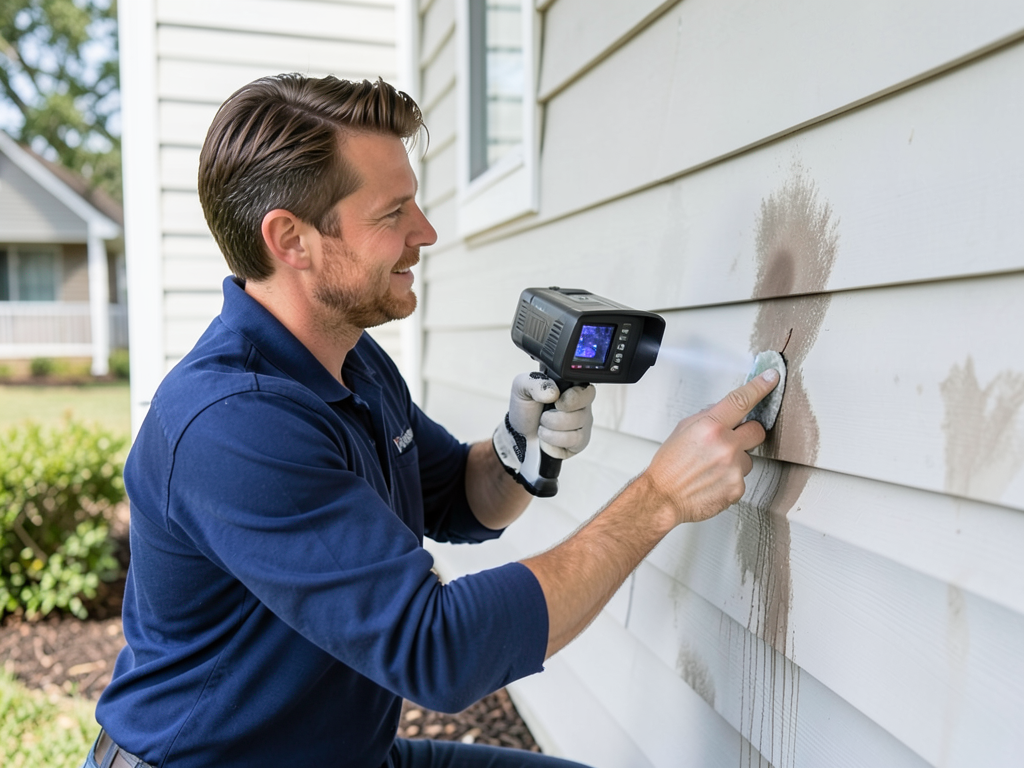
How trapped water behind vinyl siding can rot your Blue Springs home from the outside in Water trapped behind vinyl siding creates a perfect environment for rot and mold growth that can destroy your Blue…
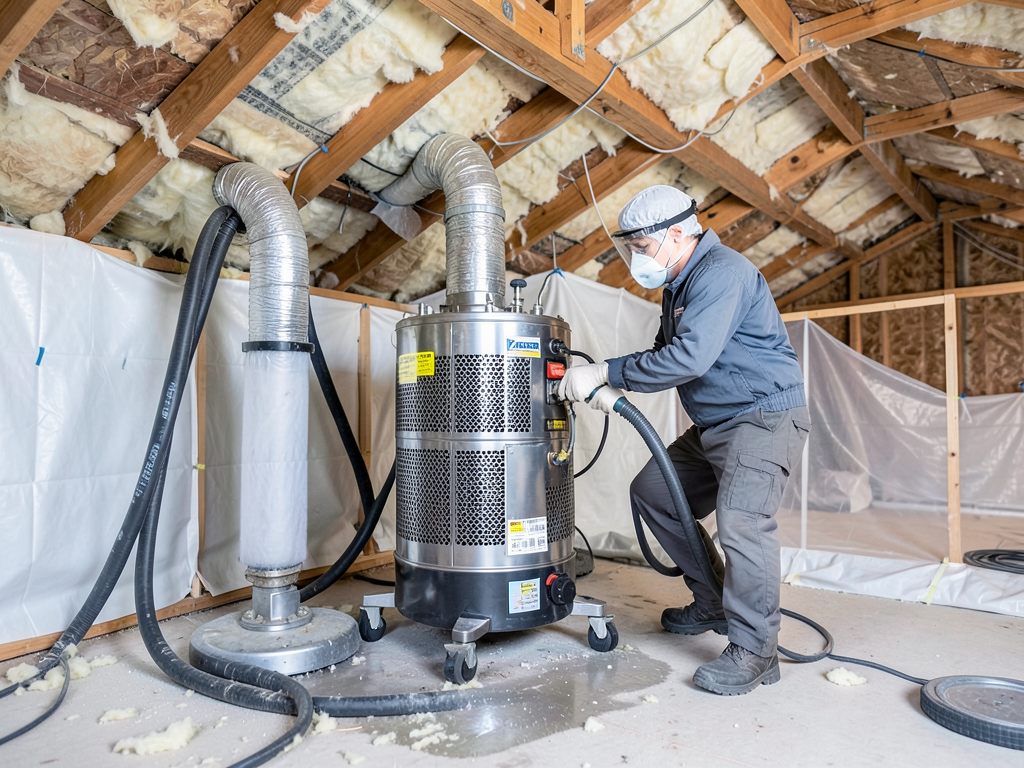
Replacing wet blown-in insulation in your Shawnee attic after a roof leak Finding wet insulation…
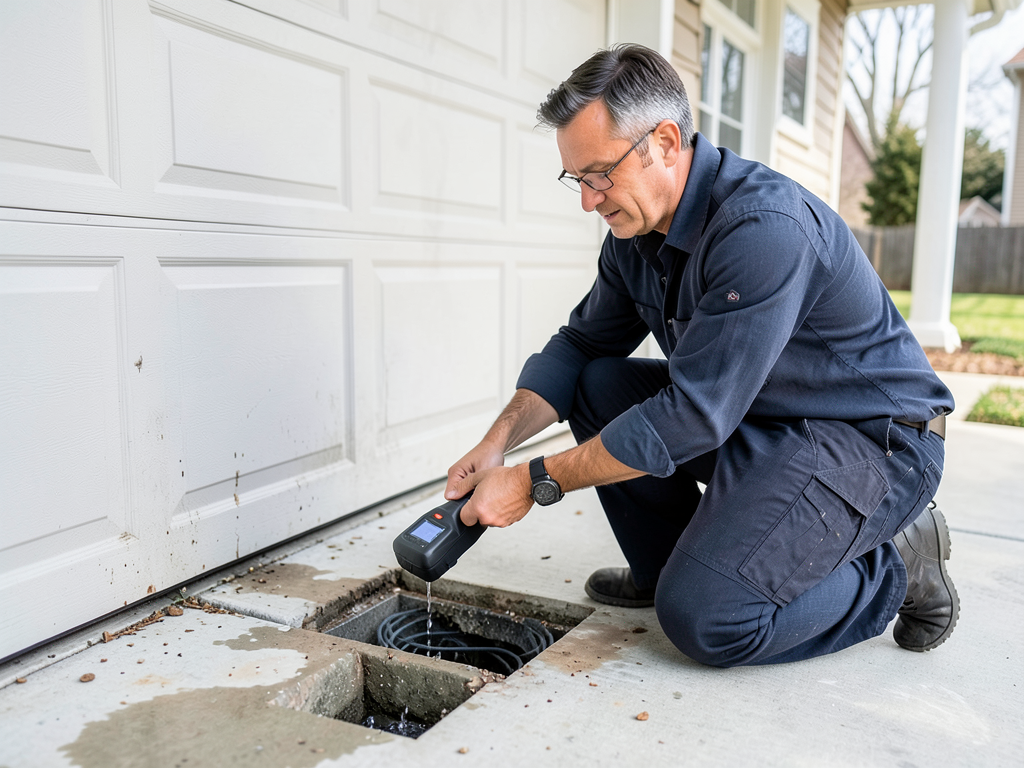
What to do when your Olathe garage floor drain starts backing up Garage floor drain…
Dealing with attic condensation and mystery ceiling spots in Lee’s Summit Those dark spots on…
Water damage gets worse every minute you wait. Call A Plus Water Damage Restoration Kansas City now at (816) 473-3833 for emergency response. Our crews are standing by 24/7 to extract water, dry your property, and start repairs. Stop the damage before it spreads further.